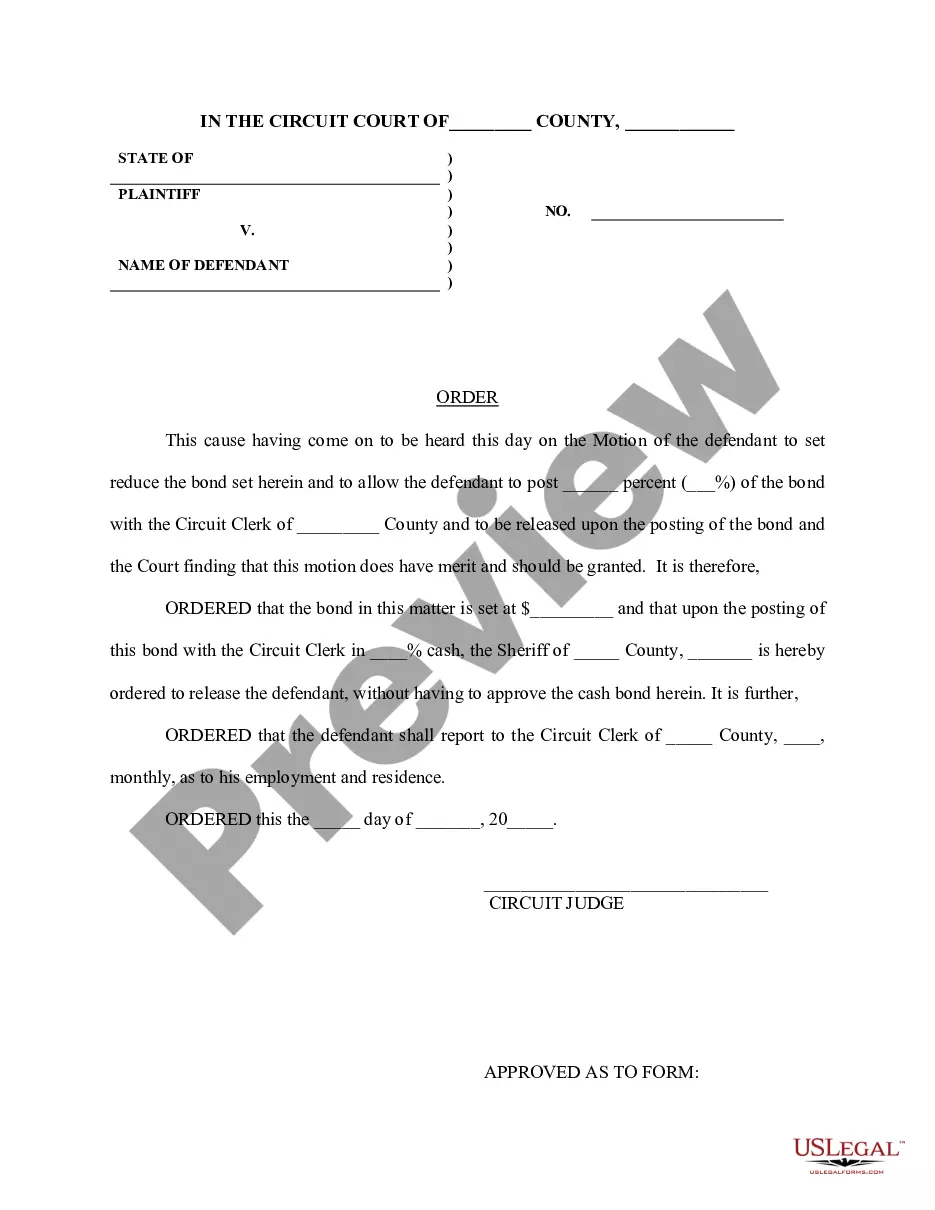
Bond Reduction Illinois Forfeiture Disposition
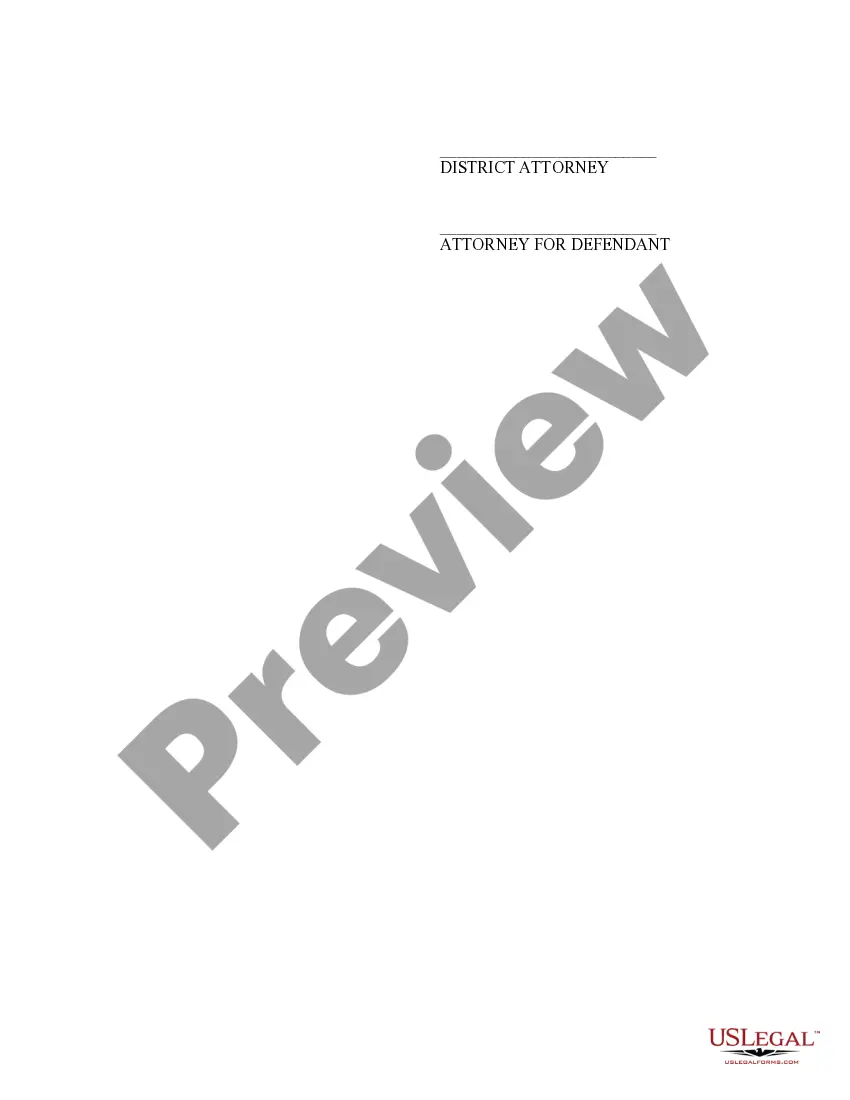
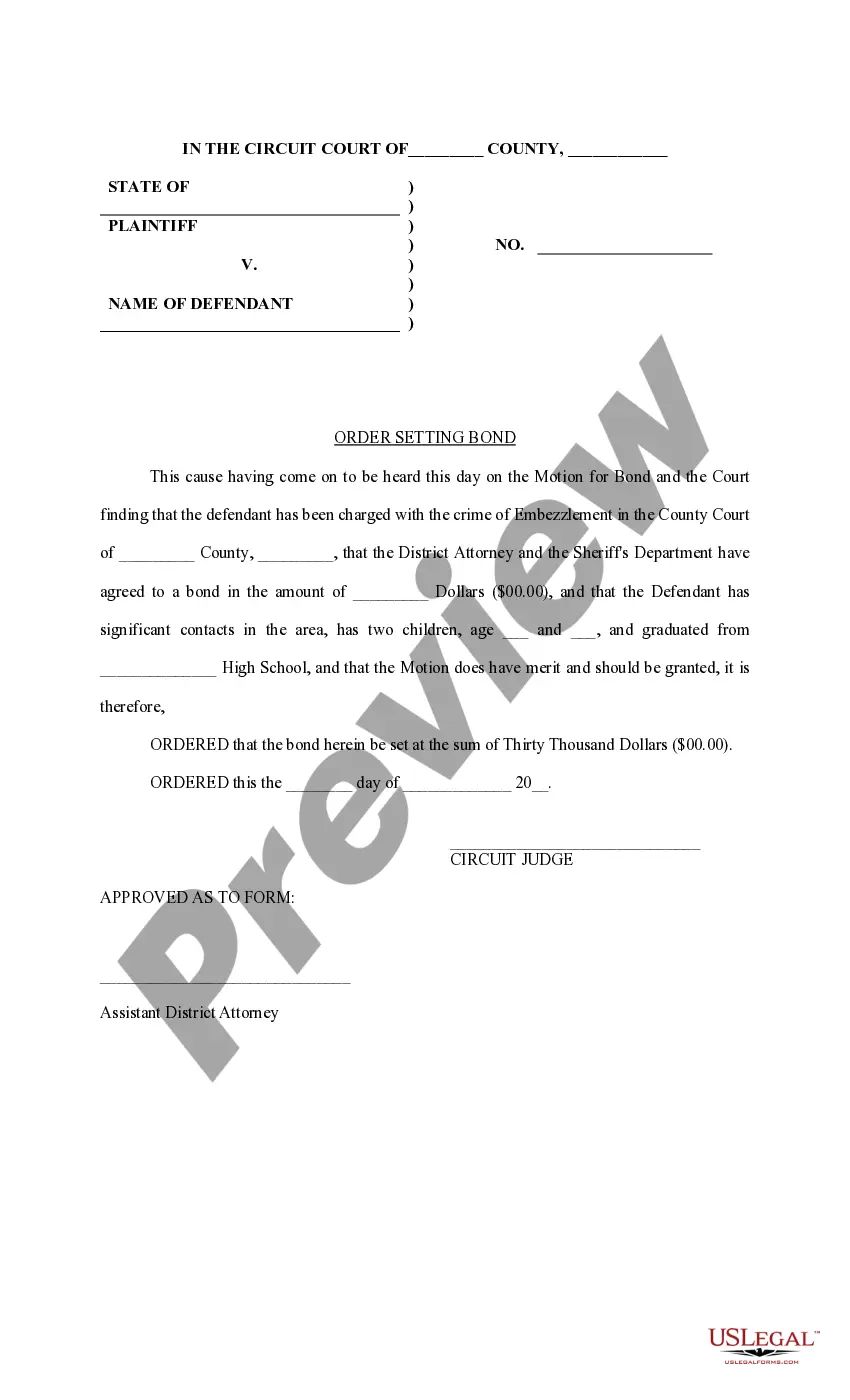
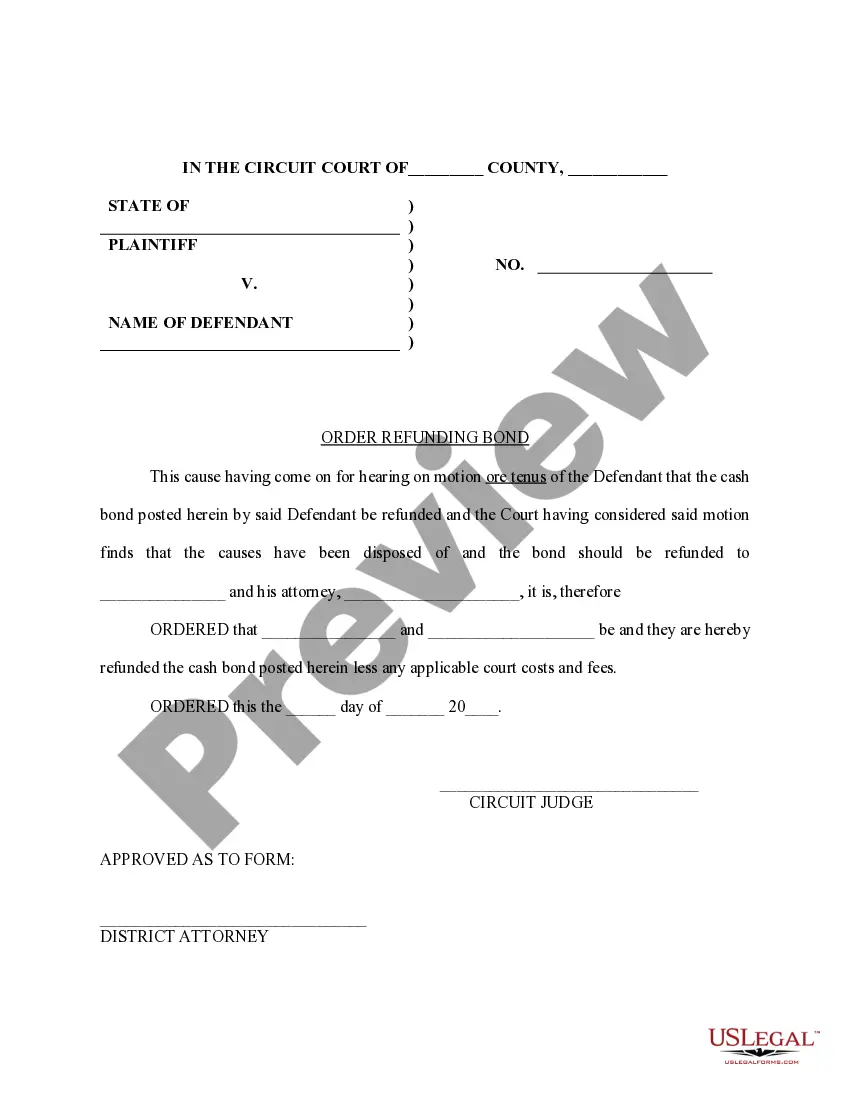
Description
Get your form ready online
Our built-in tools help you complete, sign, share, and store your documents in one place.
Make edits, fill in missing information, and update formatting in US Legal Forms—just like you would in MS Word.
Download a copy, print it, send it by email, or mail it via USPS—whatever works best for your next step.
Sign and collect signatures with our SignNow integration. Send to multiple recipients, set reminders, and more. Go Premium to unlock E-Sign.
If this form requires notarization, complete it online through a secure video call—no need to meet a notary in person or wait for an appointment.
We protect your documents and personal data by following strict security and privacy standards.

Make edits, fill in missing information, and update formatting in US Legal Forms—just like you would in MS Word.

Download a copy, print it, send it by email, or mail it via USPS—whatever works best for your next step.

Sign and collect signatures with our SignNow integration. Send to multiple recipients, set reminders, and more. Go Premium to unlock E-Sign.

If this form requires notarization, complete it online through a secure video call—no need to meet a notary in person or wait for an appointment.

We protect your documents and personal data by following strict security and privacy standards.
Looking for another form?






How to fill out Order To Reduce Bond?
The Bond Reduction Illinois Forfeiture Disposition you see on this page is a reusable legal template drafted by professional lawyers in line with federal and regional regulations. For more than 25 years, US Legal Forms has provided individuals, companies, and attorneys with more than 85,000 verified, state-specific forms for any business and personal situation. It’s the quickest, simplest and most trustworthy way to obtain the documents you need, as the service guarantees bank-level data security and anti-malware protection.
Obtaining this Bond Reduction Illinois Forfeiture Disposition will take you only a few simple steps:
- Search for the document you need and check it. Look through the sample you searched and preview it or check the form description to confirm it suits your requirements. If it does not, utilize the search bar to find the right one. Click Buy Now when you have found the template you need.
- Subscribe and log in. Opt for the pricing plan that suits you and create an account. Use PayPal or a credit card to make a quick payment. If you already have an account, log in and check your subscription to continue.
- Get the fillable template. Pick the format you want for your Bond Reduction Illinois Forfeiture Disposition (PDF, DOCX, RTF) and download the sample on your device.
- Complete and sign the document. Print out the template to complete it manually. Alternatively, utilize an online multi-functional PDF editor to quickly and precisely fill out and sign your form with a valid.
- Download your papers one more time. Use the same document once again anytime needed. Open the My Forms tab in your profile to redownload any previously downloaded forms.
Subscribe to US Legal Forms to have verified legal templates for all of life’s scenarios at your disposal.
Form popularity
FAQ
A customer can expect a bond refund within four to six weeks from the final disposition. The Criminal Division will prepare the bond refund documents, which are then forwarded to the Accounting Department to be audited and processed. How much is bond for my relative or friend?
?After an order is entered to release bond money, it usually takes ten (10) business days to generate the refund check. All checks are mailed. Make sure that our office has the correct address on file. The priority for a refund of bonds is established in General Order 90-26.
In the event that the judge does issue a bond forfeiture, they are revoking the previous personal bond or surety bond and the defendant is going to have a warrant issued against them. The warrant will typically come out three to five days after the bond forfeiture is issued.
Asset forfeiture is the permanent confiscation of private property by law enforcement agencies at the local, state and federal levels. Illinois and federal law both permit law enforcement agencies to take cash, land, vehicles and other property they suspect is involved in or derived from illegal activity.
Bond forfeiture is the enforcement of a guarantee. This can apply to any bond but the best example is the bail bond. Most commonly, bail bonds are forfeited when a defendant misses a court date. The bail bondsman or bondswoman must then pay the outstanding bail.