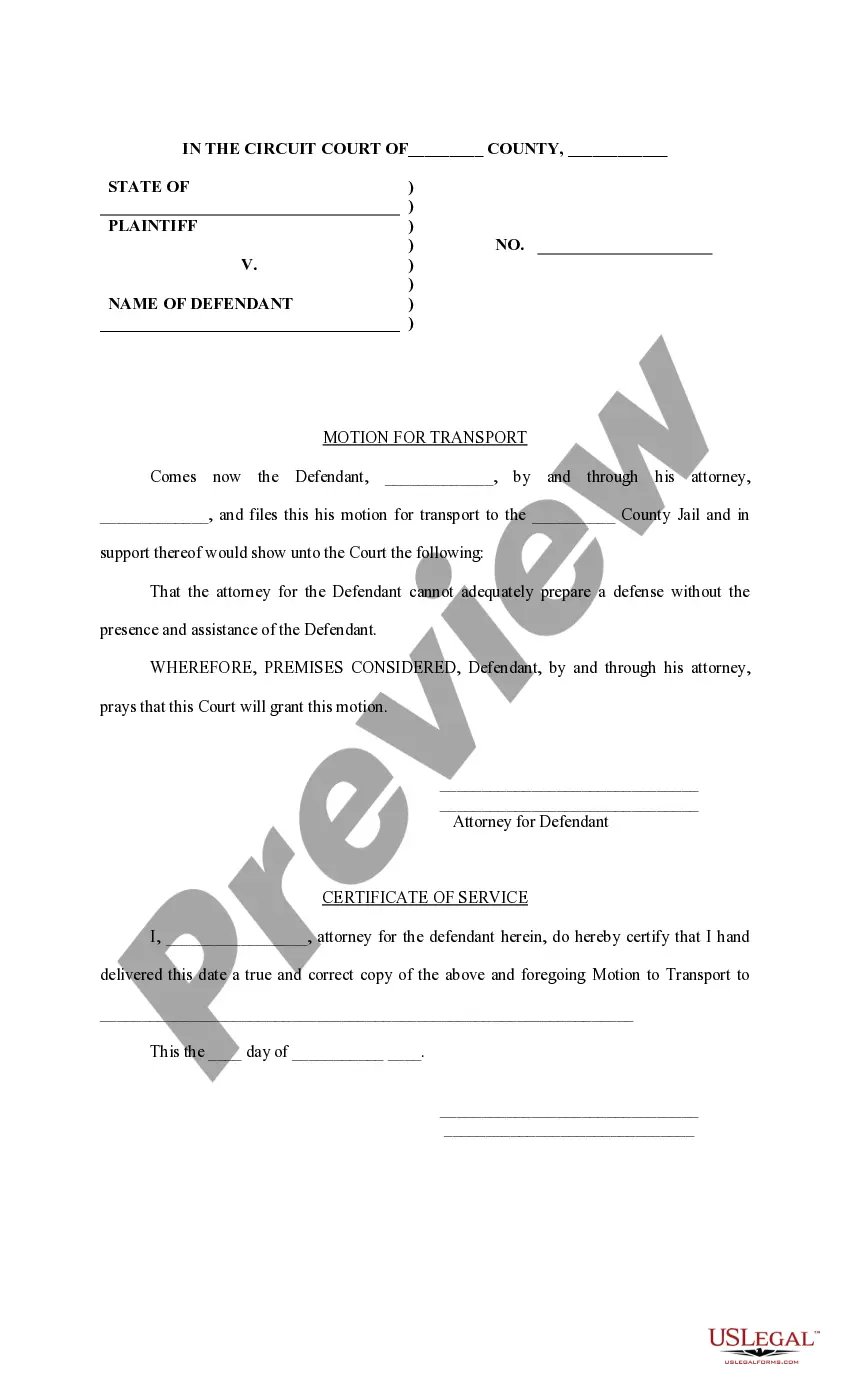
Motion For Transport Order With Court
Description
Get your form ready online
Our built-in tools help you complete, sign, share, and store your documents in one place.
Make edits, fill in missing information, and update formatting in US Legal Forms—just like you would in MS Word.
Download a copy, print it, send it by email, or mail it via USPS—whatever works best for your next step.
Sign and collect signatures with our SignNow integration. Send to multiple recipients, set reminders, and more. Go Premium to unlock E-Sign.
If this form requires notarization, complete it online through a secure video call—no need to meet a notary in person or wait for an appointment.
We protect your documents and personal data by following strict security and privacy standards.

Make edits, fill in missing information, and update formatting in US Legal Forms—just like you would in MS Word.

Download a copy, print it, send it by email, or mail it via USPS—whatever works best for your next step.

Sign and collect signatures with our SignNow integration. Send to multiple recipients, set reminders, and more. Go Premium to unlock E-Sign.

If this form requires notarization, complete it online through a secure video call—no need to meet a notary in person or wait for an appointment.

We protect your documents and personal data by following strict security and privacy standards.
Looking for another form?

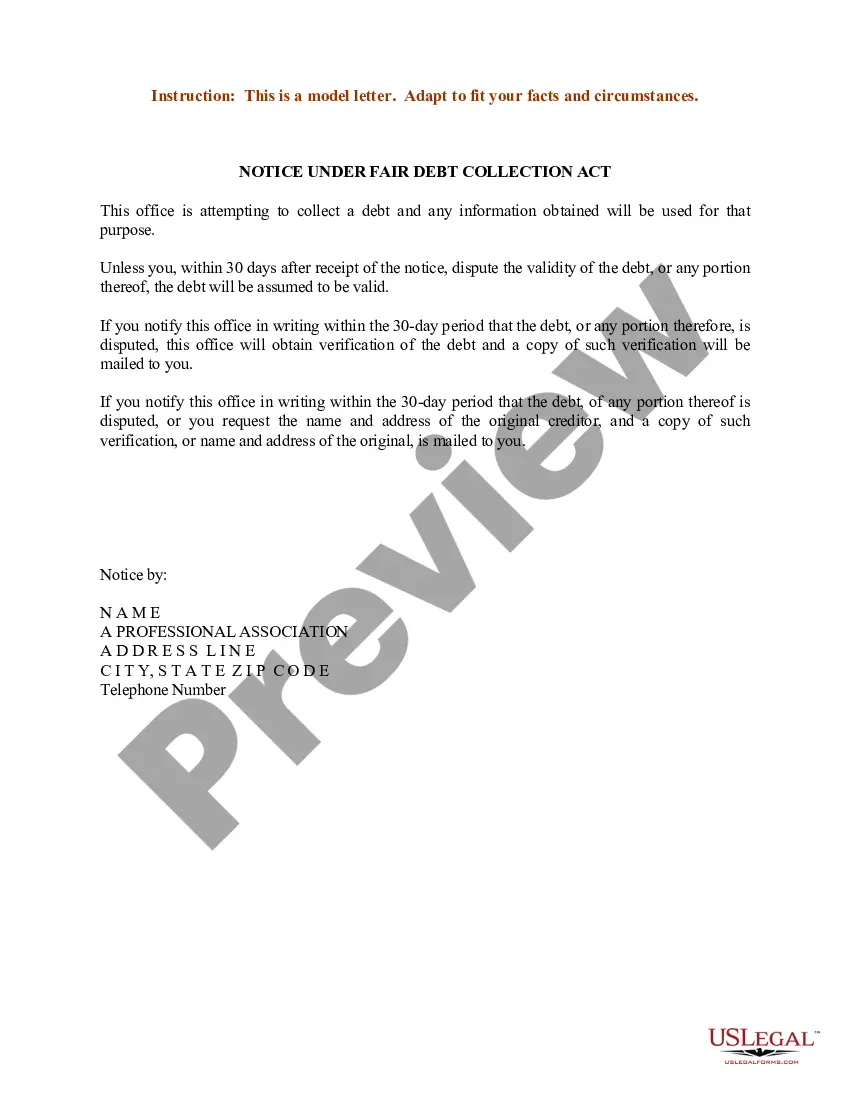
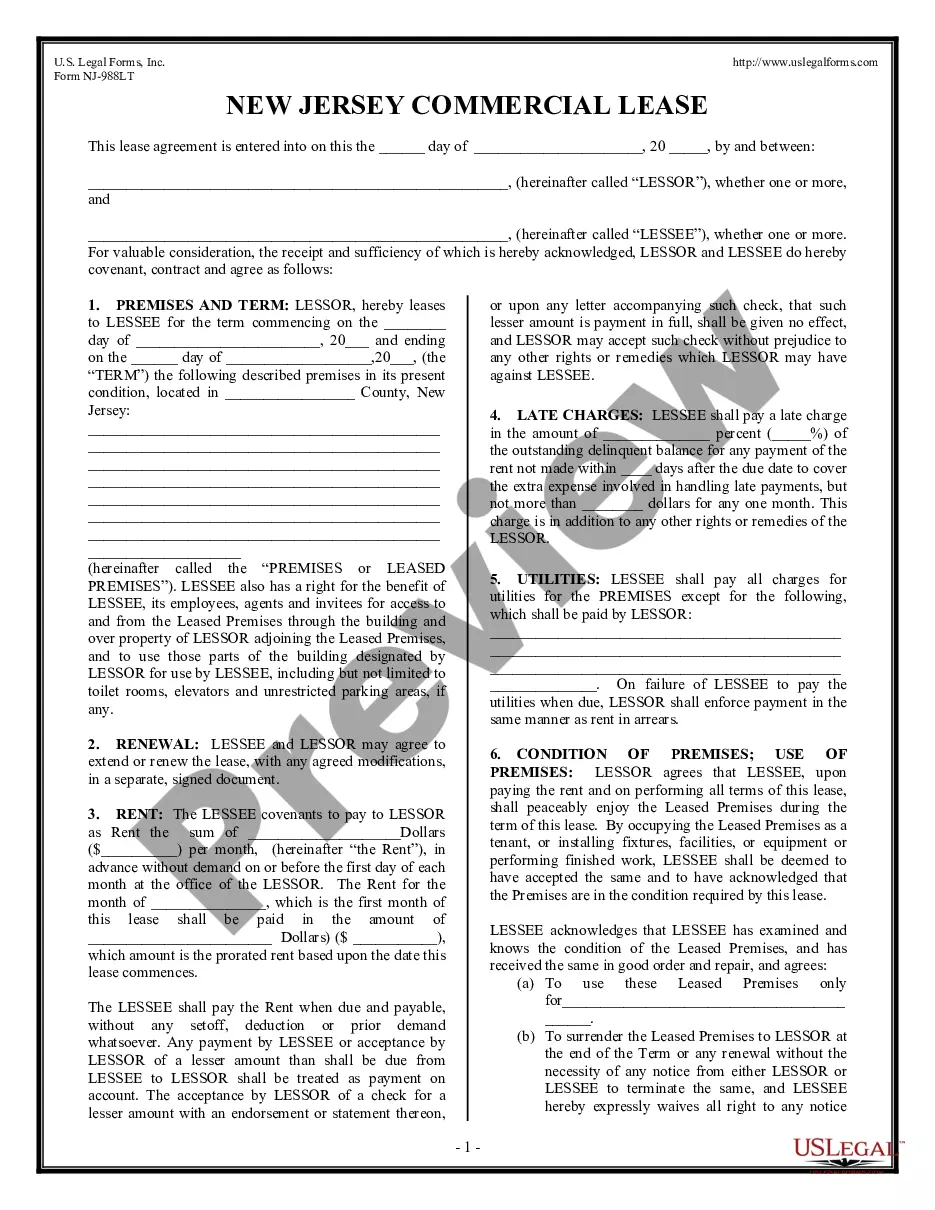






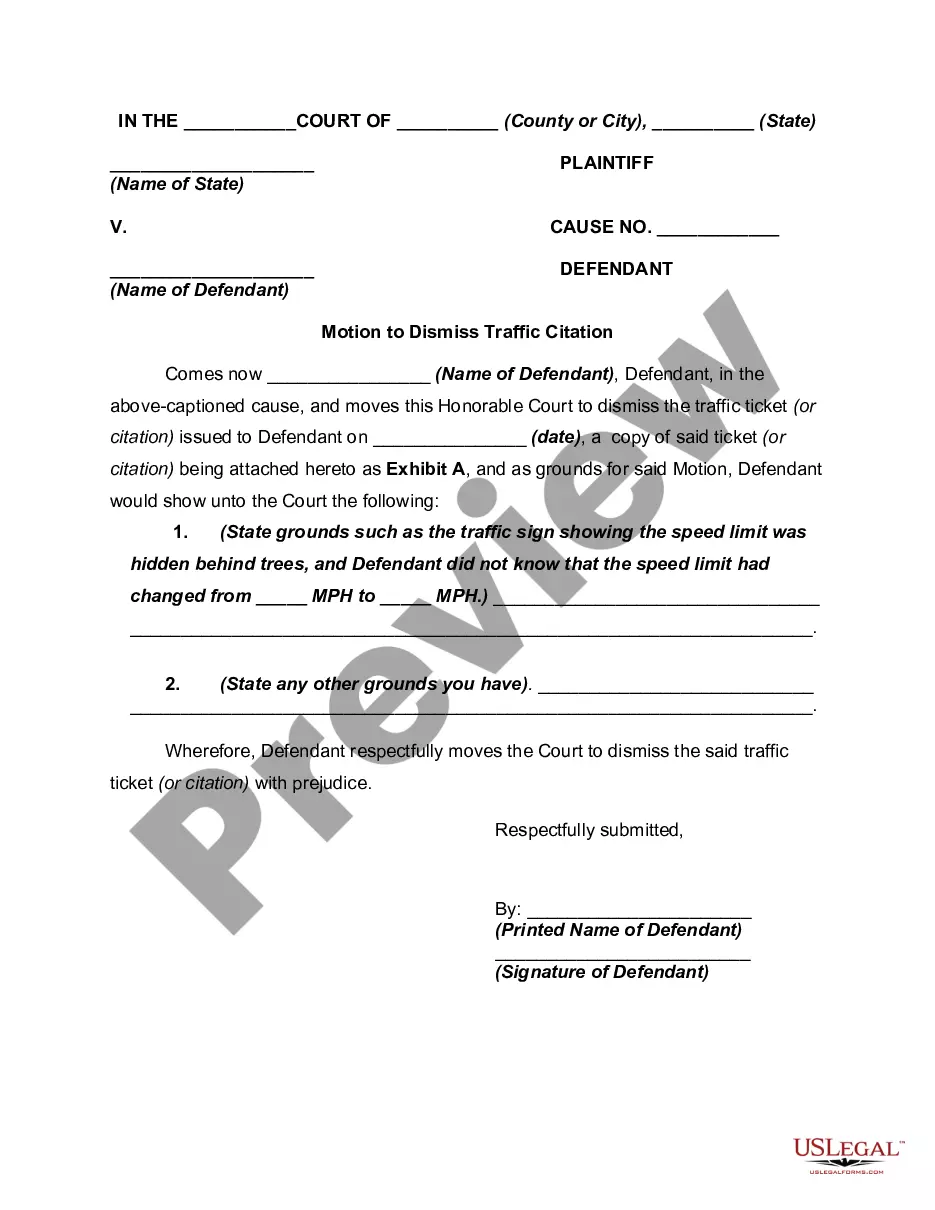
How to fill out Motion For Transport?
The Motion For Transport Order With Court featured on this page is a versatile legal template crafted by expert attorneys adhering to federal and local regulations.
For over 25 years, US Legal Forms has offered individuals, entities, and legal practitioners more than 85,000 validated, state-specific documents for any business and personal situation. It’s the swiftest, simplest, and most trustworthy method to acquire the necessary paperwork, as the service promises the highest standards of data protection and anti-malware measures.
Fill out and sign the document.
- Search for the document you require and evaluate it.
- Examine the sample you looked up and either preview it or check the form description to ensure it meets your needs. If it doesn’t, use the search tool to find the correct one. Click Buy Now when you discover the template you are looking for.
- Select and Log In to your account.
- Choose the pricing plan that fits you and establish an account. Utilize PayPal or a credit card for a quick payment. If you already have an account, Log In and verify your subscription to proceed.
- Acquire the editable template.
Form popularity
FAQ
A transport order is a legal document that outlines the permission and logistics for transporting an individual or an item under court supervision. It establishes the framework within which the transport occurs, including safety measures and responsibilities. If you need assistance understanding a motion for transport order with court, USLegalForms provides resources that can help you navigate this complex process.
In the context of a court case, an order is a directive issued by a judge that compels parties to take specific actions or refrain from certain actions. Orders guide the proceedings and ensure compliance with legal standards. When discussing a motion for transport order with court, the court's order is critical because it outlines what is required to move people or items legally and safely.
Court order transport refers to the legal process of moving an individual or item as directed by a court. This may involve transporting a prisoner or moving property that has been disputed in a court case. When you deal with a motion for transport order with court, it often establishes clear guidelines and responsibilities for everyone involved in the transportation process.
When a car title has a court order associated with it, it means that a judge has issued a directive regarding ownership or the use of the vehicle. This could occur in situations involving divorces, debt disputes, or other legal contexts. Understanding the implications of a motion for transport order with court related to vehicle titles is essential for ensuring that you adhere to the legal requirements tied to the vehicle's operation and ownership.
A motion to transport is a formal request made to the court that seeks permission to move a person, typically an inmate, from one location to another. This might involve moving them from a detention facility for a court appearance or medical appointment. Filing a motion for transport order with court ensures that all legal protocols are followed during the transportation process, protecting the rights of the individual involved.
To file a motion for a court order, you must prepare and submit your motion paperwork to the appropriate court. This paperwork should clearly state your request and include any relevant details to support your case. Platforms like US Legal Forms can provide you with the necessary templates and guidance to help you confidently navigate the process of filing a motion for transport order with court.
Court-ordered transport means that a judge has legally mandated the transportation of an individual to a specified location. This order may be issued for various reasons, including to allow a person to appear in court for a hearing or trial. Understanding court-ordered transport is essential, especially when dealing with motions for transport order with court, as it ensures compliance with the legal requirements for such movements.
A transport motion refers to a formal request made to a court for approval to transport a person, usually a defendant or witness, from one location to another. This motion is often critical in ensuring that individuals can participate in legal proceedings, such as trials or hearings. When you submit a motion for transport order with court, you outline the reasons for the request and the necessity for the transport.
The purpose of a motion is to request the court to make a specific ruling or take a certain action. In the context of a motion for transport order with court, it seeks approval for the transportation of individuals, typically in custody, to attend court or other necessary locations. By filing this motion, you help ensure that the legal process runs smoothly and efficiently.
Inmates are often transferred between facilities through a structured process that involves legal documentation and secure transport. This can occur for various reasons, including safety concerns or legal requirements. Utilizing a Motion for transport order with court helps in facilitating these transfers, ensuring they comply with legal protocols.