Doctrine Of Discovery For Dummies
Description
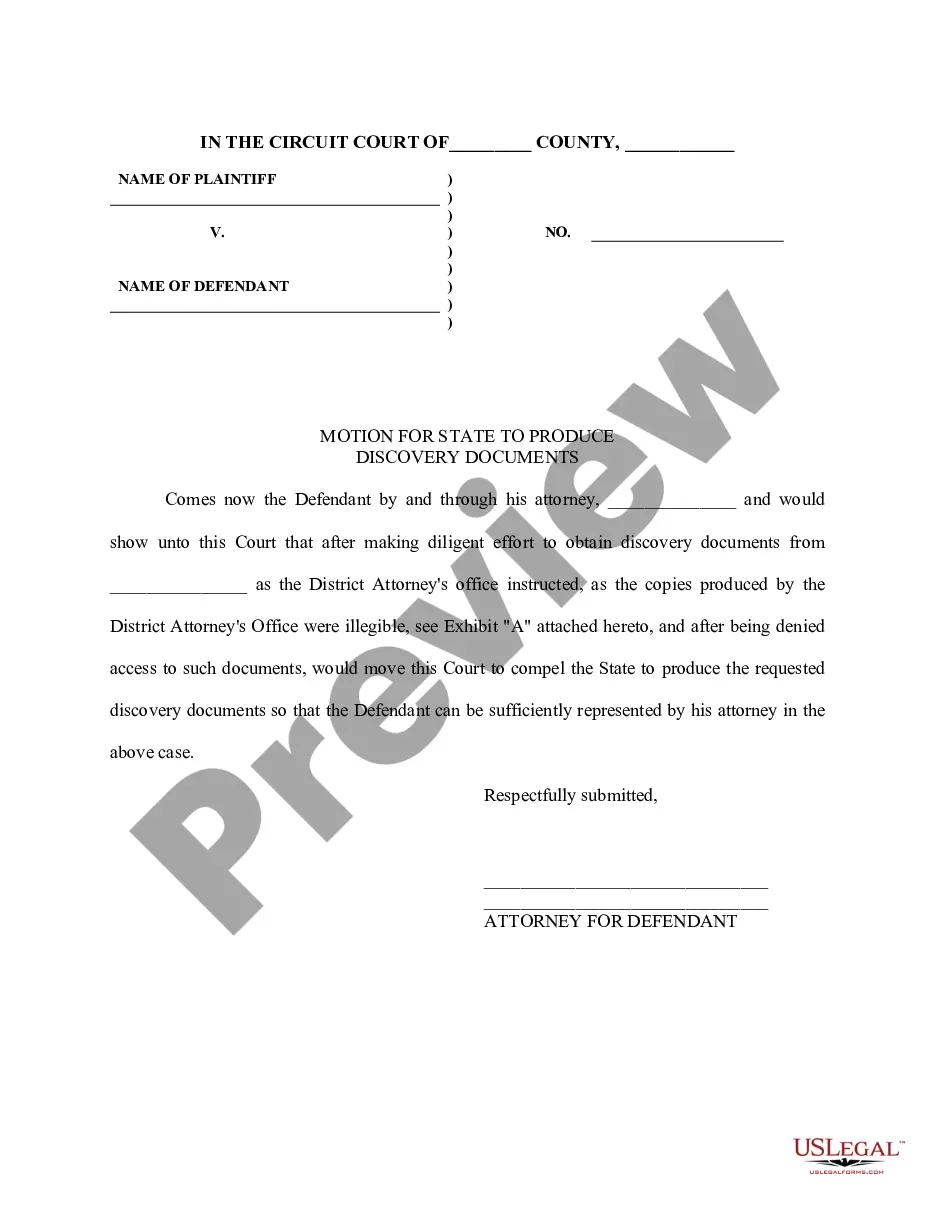
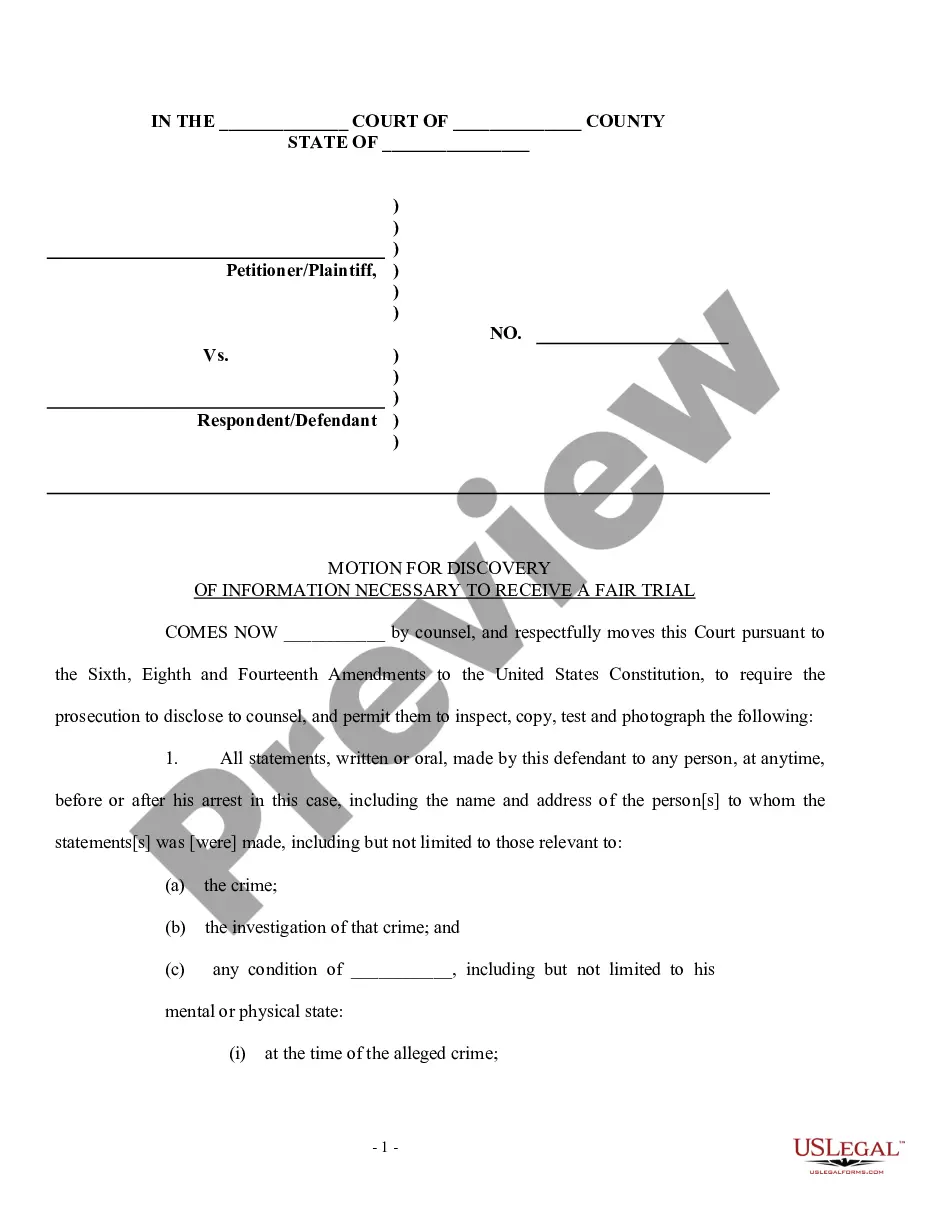
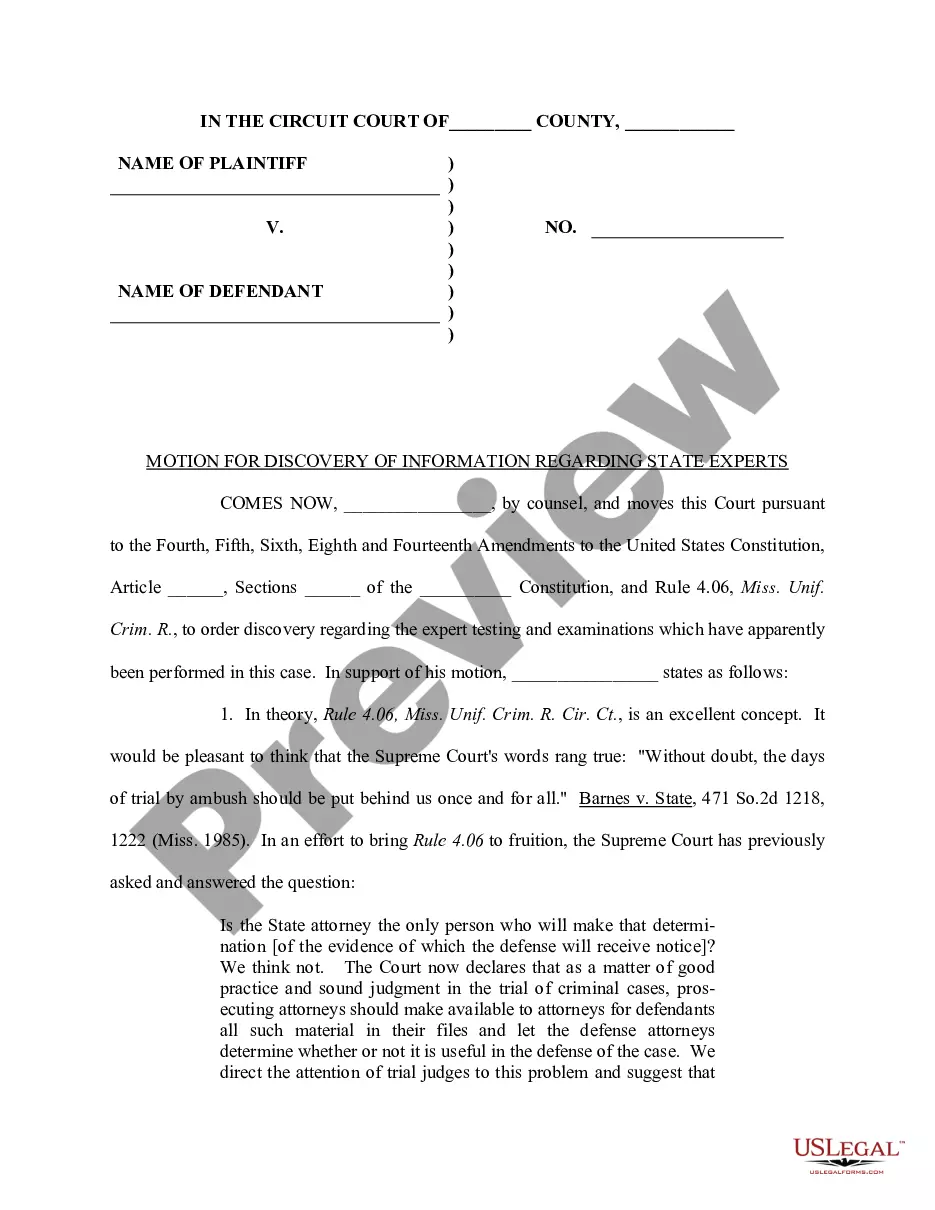
Get your form ready online
Our built-in tools help you complete, sign, share, and store your documents in one place.
Make edits, fill in missing information, and update formatting in US Legal Forms—just like you would in MS Word.
Download a copy, print it, send it by email, or mail it via USPS—whatever works best for your next step.
Sign and collect signatures with our SignNow integration. Send to multiple recipients, set reminders, and more. Go Premium to unlock E-Sign.
If this form requires notarization, complete it online through a secure video call—no need to meet a notary in person or wait for an appointment.
We protect your documents and personal data by following strict security and privacy standards.

Make edits, fill in missing information, and update formatting in US Legal Forms—just like you would in MS Word.

Download a copy, print it, send it by email, or mail it via USPS—whatever works best for your next step.

Sign and collect signatures with our SignNow integration. Send to multiple recipients, set reminders, and more. Go Premium to unlock E-Sign.

If this form requires notarization, complete it online through a secure video call—no need to meet a notary in person or wait for an appointment.

We protect your documents and personal data by following strict security and privacy standards.
Looking for another form?





How to fill out Motion For State To Produce Discovery Document?
Utilizing legal templates that comply with national and state regulations is essential, and the web provides numerous selections to pick from.
However, why spend time searching for the suitable Doctrine Of Discovery For Dummies example online when the US Legal Forms digital library already contains such templates conveniently gathered in one location.
US Legal Forms constitutes the most comprehensive digital legal repository with over 85,000 editable templates created by legal professionals for every business and personal scenario.
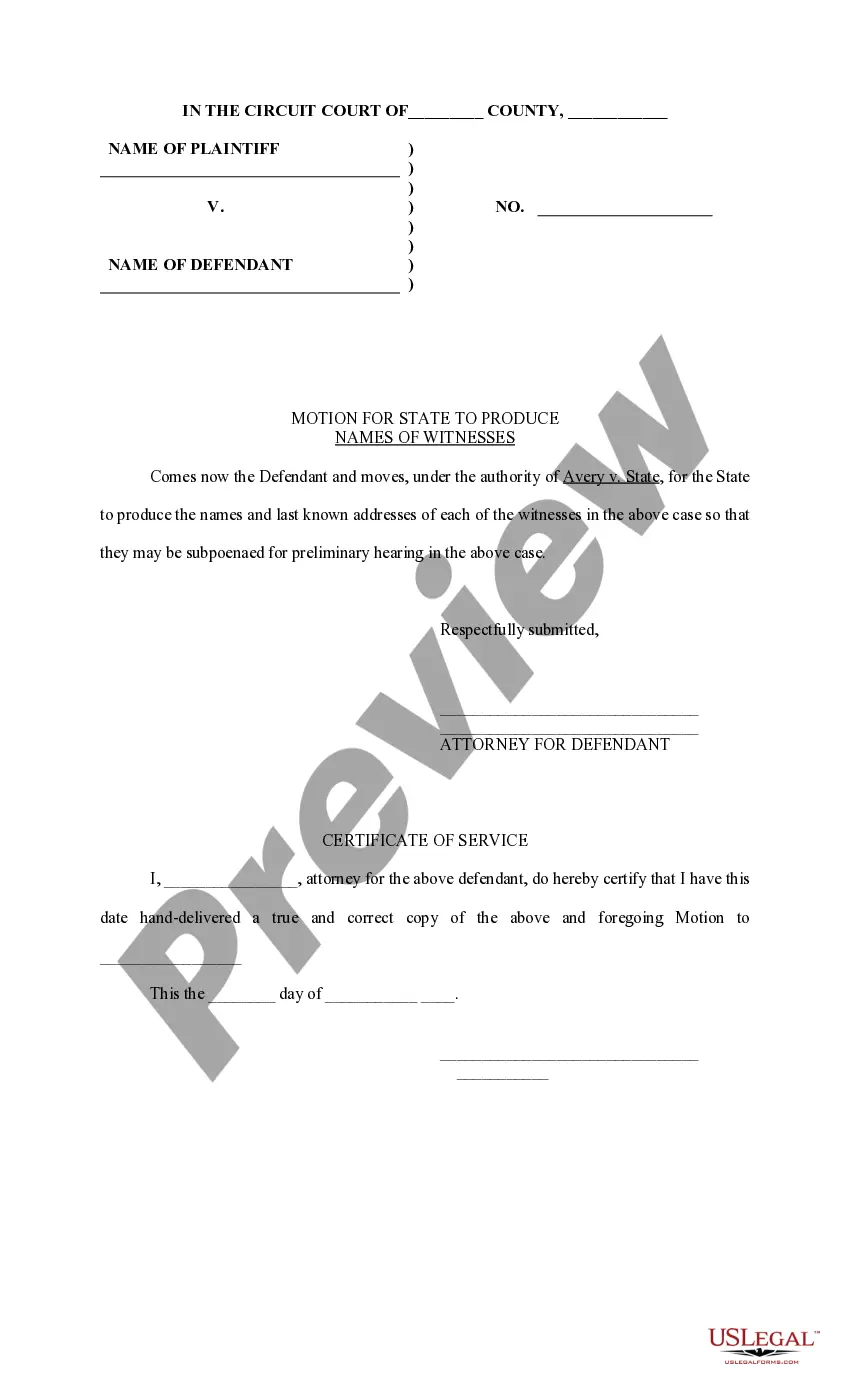
Review the template using the Preview feature or by examining the text description to confirm it satisfies your requirements.
- They are easy to navigate with all documents organized by state and intended use.
- Our specialists keep up with legal updates, ensuring your documents are always current and compliant when acquiring a Doctrine Of Discovery For Dummies from our platform.
- Obtaining a Doctrine Of Discovery For Dummies is quick and straightforward for both existing and new users.
- If you already possess an account with an active subscription, Log In and save the document sample you require in the desired format.
- If you are new to our site, follow the steps below.
Form popularity
FAQ
The Doctrine of Discovery provided a framework for Christian explorers, in the name of their sovereign, to lay claim to territories uninhabited by Christians. If the lands were vacant, then they could be defined as ?discovered? and sovereignty claimed.
More broadly, the doctrine of discovery can be described as an international law doctrine giving authorization to explorers to claim terra nullius ? i.e. said inhabited land ? in the name of their sovereign when the land was not populated by Christians.
The Doctrine of Discovery is a legal and religious concept that has been used for centuries to justify Christian colonial conquest. It advanced the idea that European peoples, culture and religion were superior to all others.
On March 30, 2023, Pope Francis renounced the 550-year-old Doctrine of Discovery, which granted European nations the right to claim the new lands they discovered on behalf of Christendom.
Two papal bulls, in particular, stand out: (1) Pope Nicholas V issued "Romanus Pontifex" in 1455, granting the Portuguese a monopoly of trade with Africa and authorizing the enslavement of local people; (2) Pope Alexander VI issued the Papal Bull ?Inter Caetera? in 1493 to justify Christian European explorers' claims ...