Discovery Document Form For Canada
Description
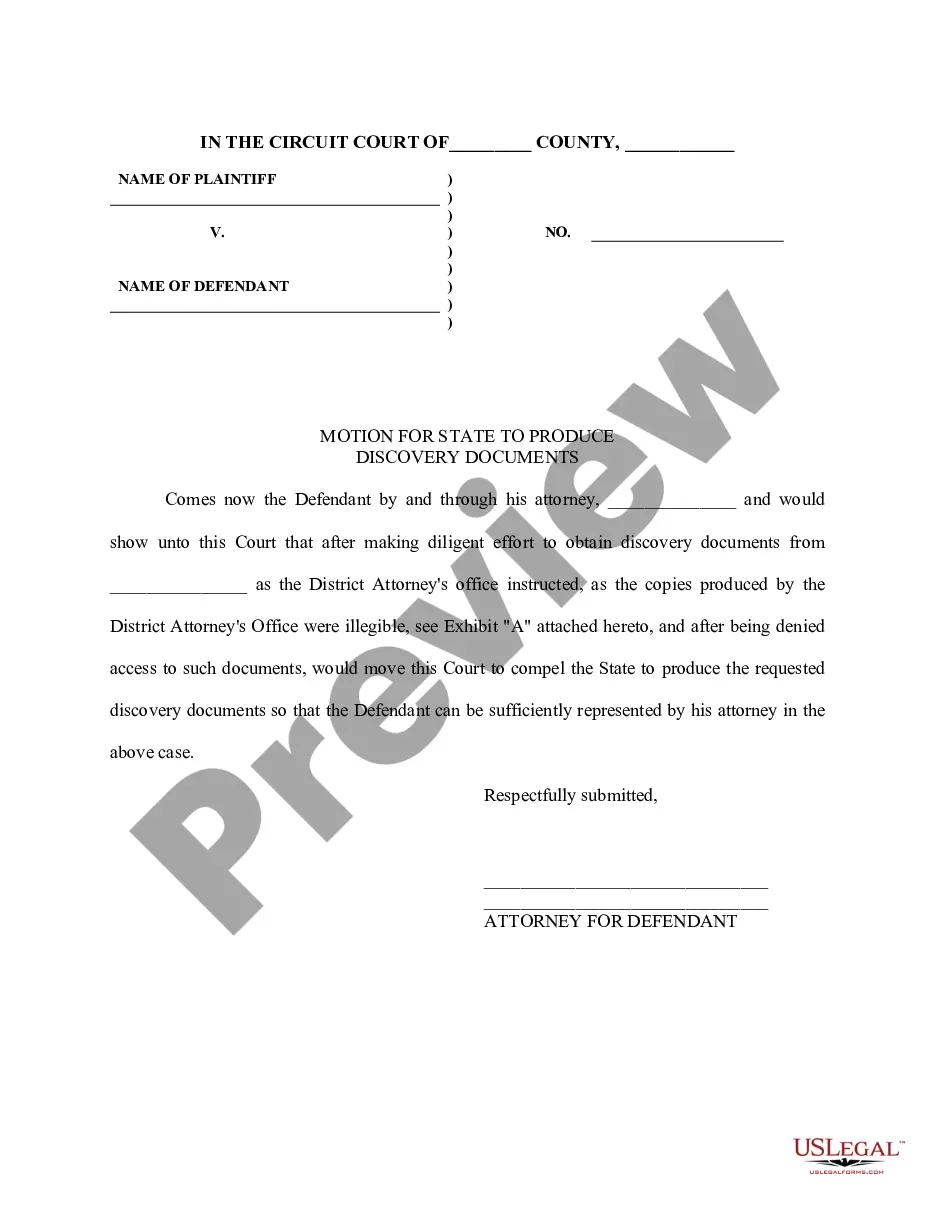
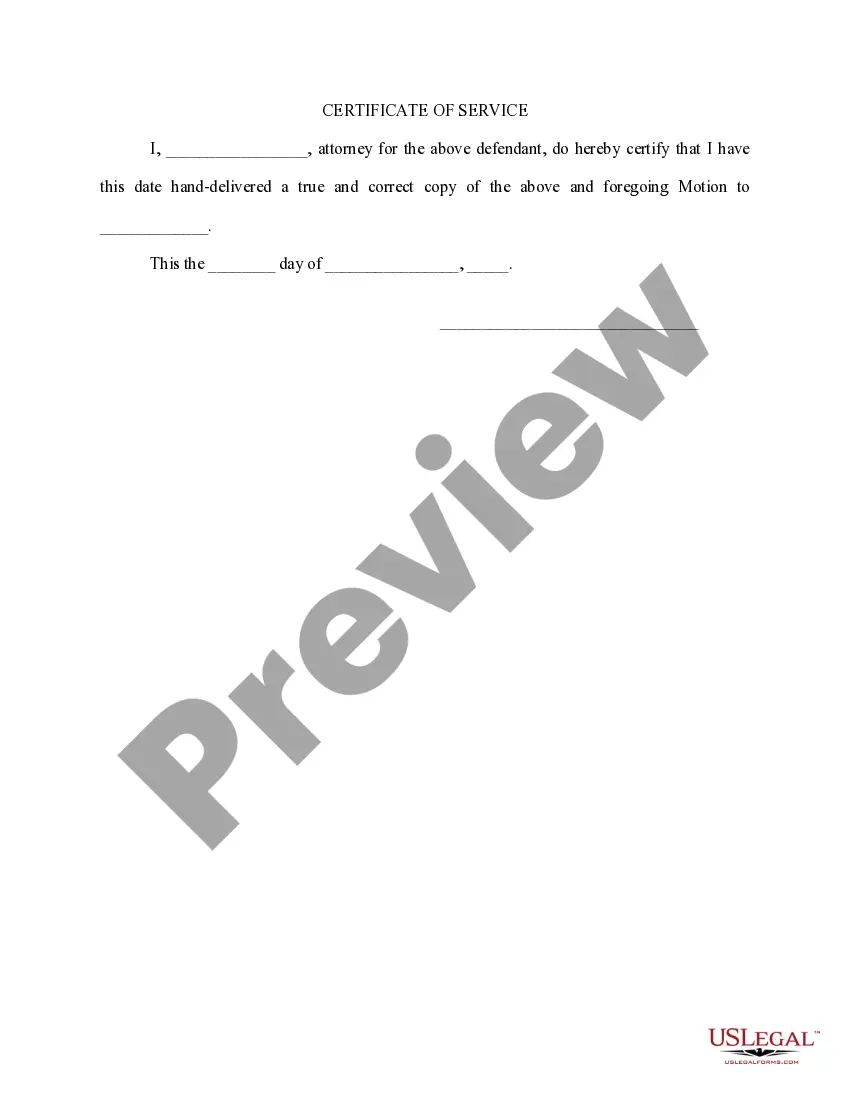
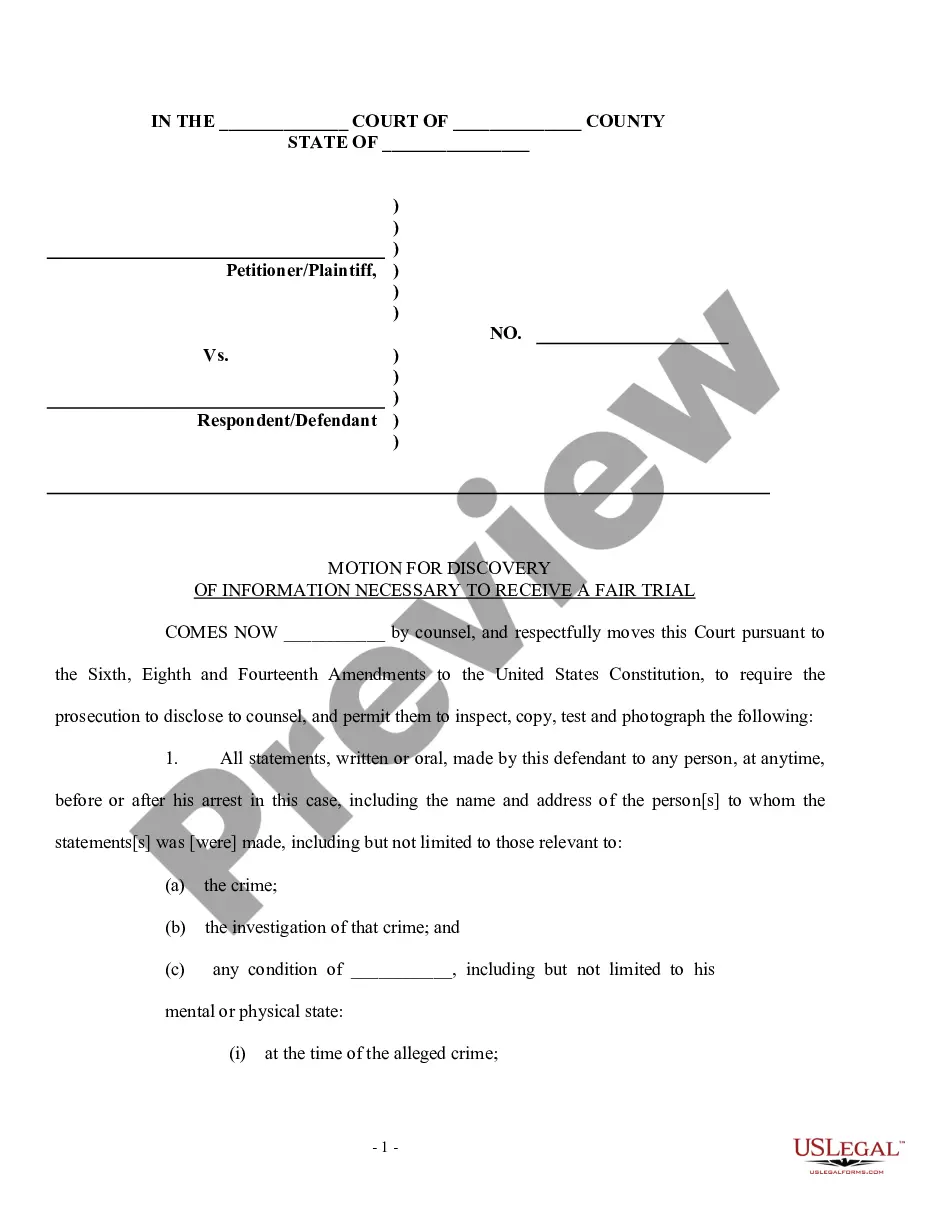
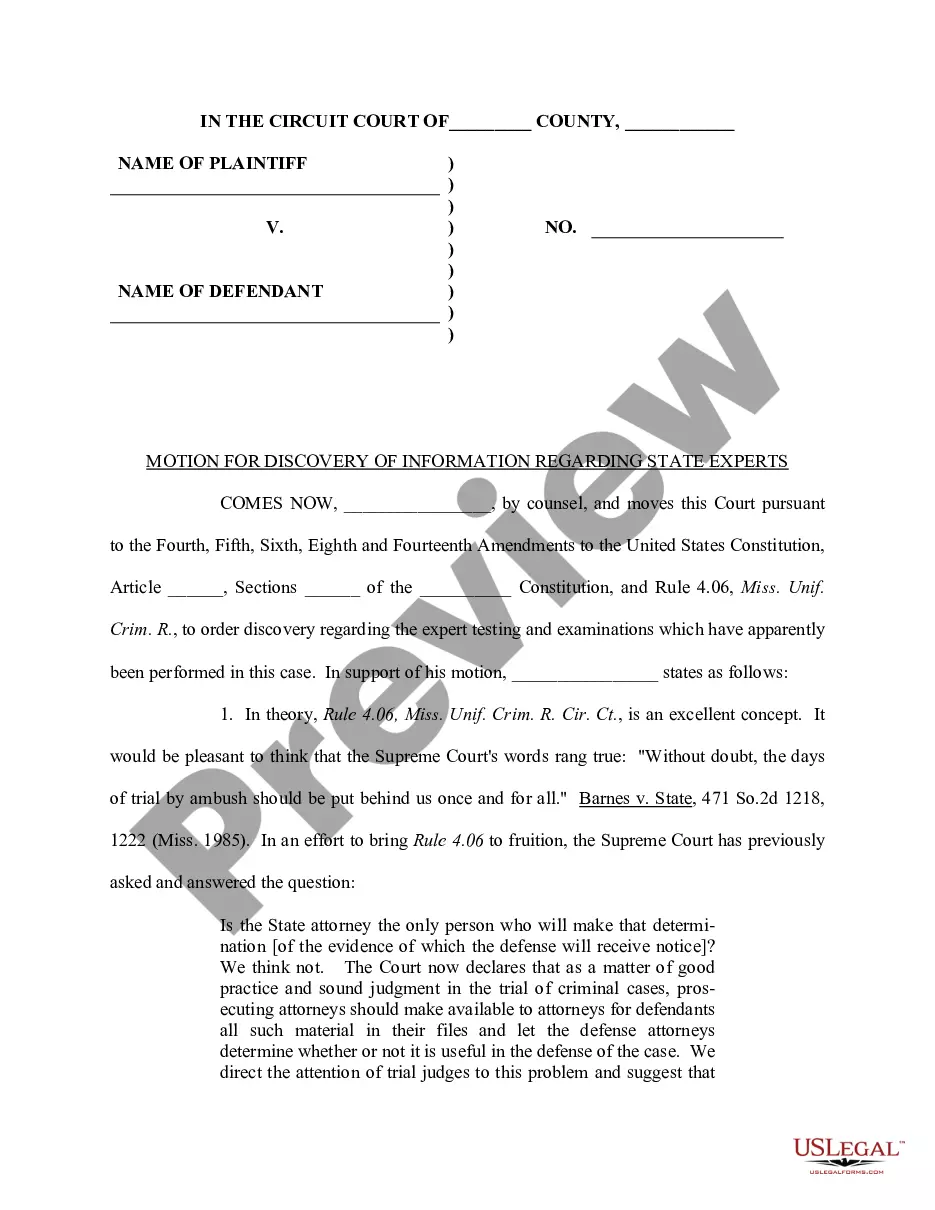
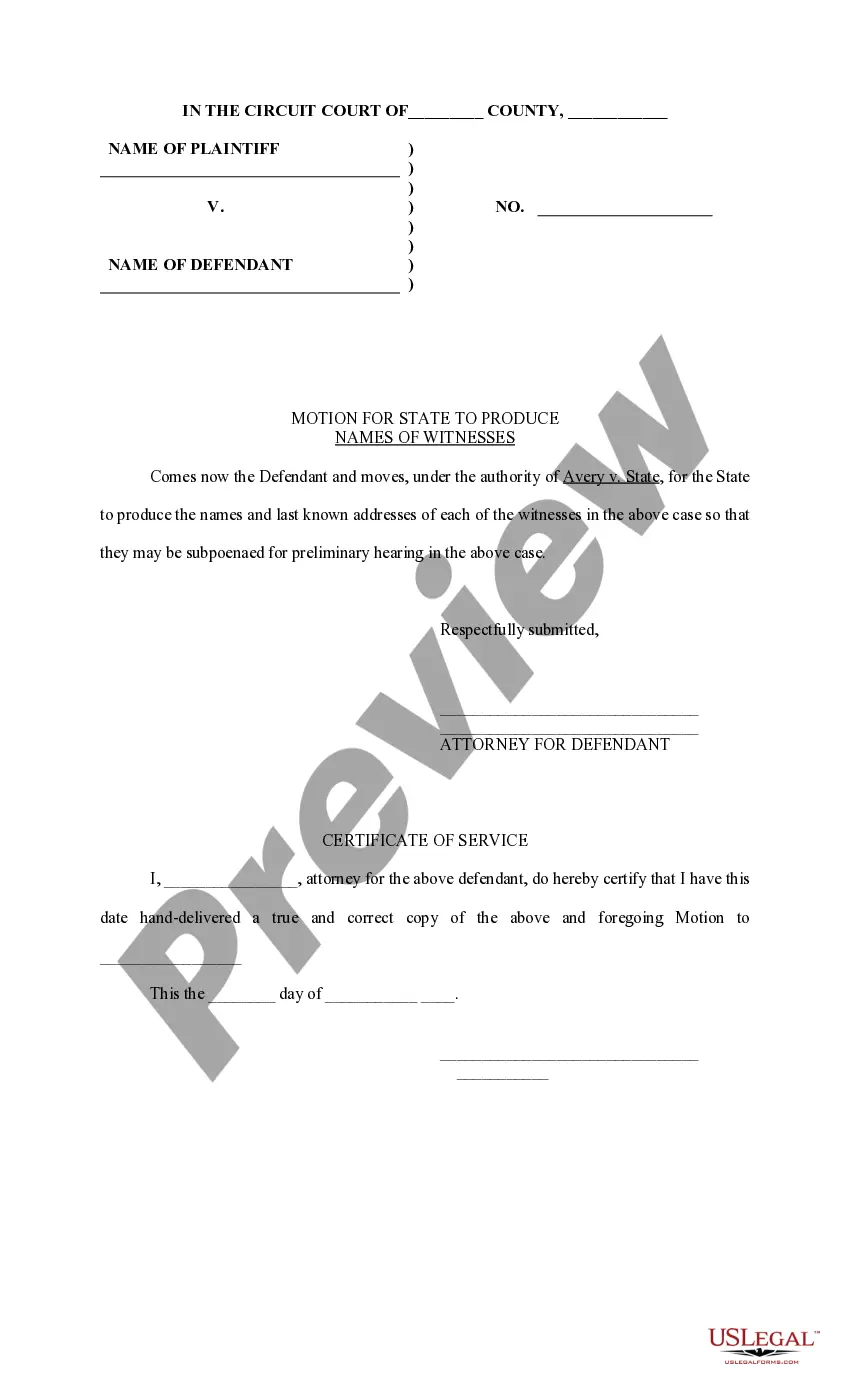
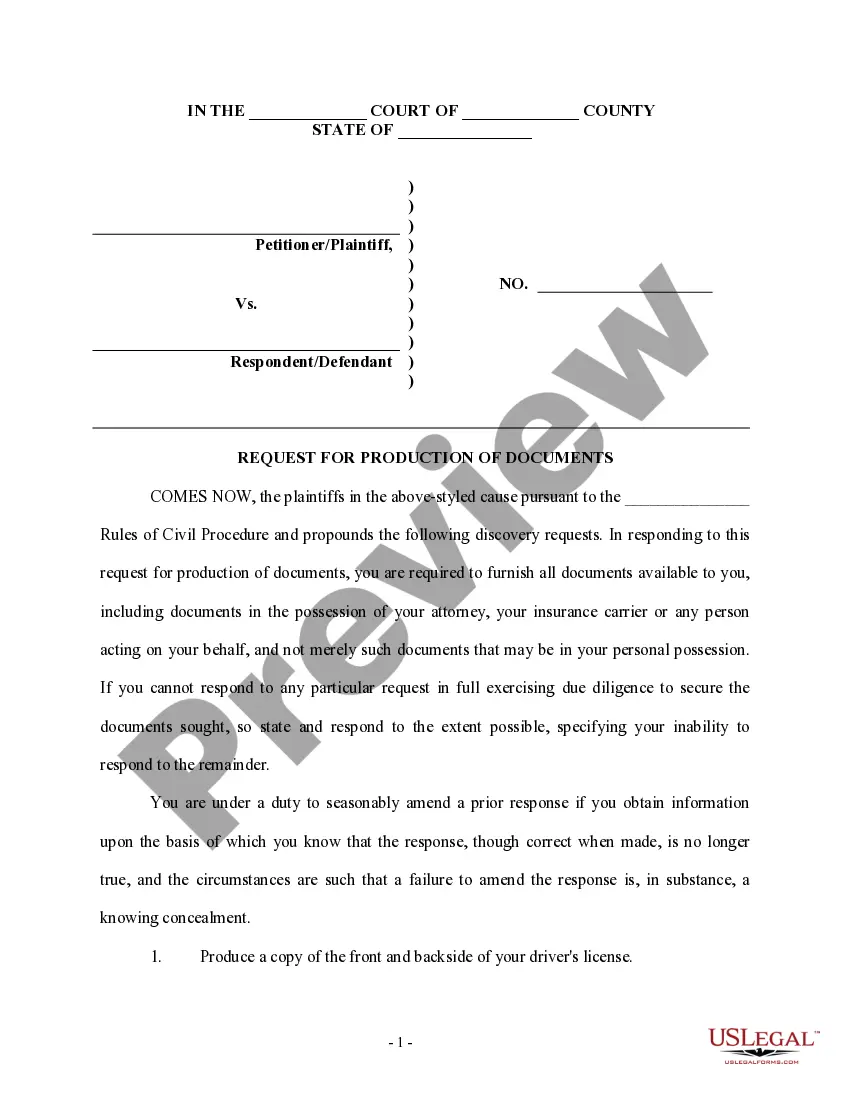
Get your form ready online
Our built-in tools help you complete, sign, share, and store your documents in one place.
Make edits, fill in missing information, and update formatting in US Legal Forms—just like you would in MS Word.
Download a copy, print it, send it by email, or mail it via USPS—whatever works best for your next step.
Sign and collect signatures with our SignNow integration. Send to multiple recipients, set reminders, and more. Go Premium to unlock E-Sign.
If this form requires notarization, complete it online through a secure video call—no need to meet a notary in person or wait for an appointment.
We protect your documents and personal data by following strict security and privacy standards.

Make edits, fill in missing information, and update formatting in US Legal Forms—just like you would in MS Word.

Download a copy, print it, send it by email, or mail it via USPS—whatever works best for your next step.

Sign and collect signatures with our SignNow integration. Send to multiple recipients, set reminders, and more. Go Premium to unlock E-Sign.

If this form requires notarization, complete it online through a secure video call—no need to meet a notary in person or wait for an appointment.

We protect your documents and personal data by following strict security and privacy standards.
Looking for another form?



How to fill out Motion For State To Produce Discovery Document?
Whether for business purposes or for personal matters, everyone has to handle legal situations sooner or later in their life. Completing legal papers needs careful attention, beginning from choosing the appropriate form template. For example, if you select a wrong version of the Discovery Document Form For Canada, it will be declined once you submit it. It is therefore important to get a trustworthy source of legal files like US Legal Forms.
If you have to obtain a Discovery Document Form For Canada template, follow these easy steps:
- Get the sample you need by utilizing the search field or catalog navigation.
- Check out the form’s description to ensure it matches your case, state, and region.
- Click on the form’s preview to view it.
- If it is the wrong document, get back to the search function to locate the Discovery Document Form For Canada sample you need.
- Download the template when it meets your needs.
- If you have a US Legal Forms profile, simply click Log in to access previously saved templates in My Forms.
- In the event you do not have an account yet, you may download the form by clicking Buy now.
- Choose the correct pricing option.
- Complete the profile registration form.
- Select your transaction method: you can use a bank card or PayPal account.
- Choose the file format you want and download the Discovery Document Form For Canada.
- When it is downloaded, you are able to fill out the form with the help of editing software or print it and finish it manually.
With a substantial US Legal Forms catalog at hand, you don’t need to spend time looking for the appropriate sample across the web. Utilize the library’s simple navigation to get the correct form for any situation.
Form popularity
FAQ
Steps Of The Discovery Process. There are four key actions in the discovery process which include interrogatories, request for documents, request for admissions, and depositions.
Tips for your Examination for Discovery Inform yourself of the relevant facts. It pays to be knowledgeable about your case and the relevant facts. ... Tell the truth. ... Your evidence will be used against you. ... Listen carefully. ... Do not guess. ... Think before you speak. ... Avoid absolutes like ?Always? and ?Never? ... Verbal answers only.
The discovery process is the way you (and the other party) learn more about the case. It includes an opportunity to look at documents the other side has that relate to the case. You also have an opportunity to ask the other side questions about what happened.
An examination for discovery is an oral examination under oath. It is another tool you can use along with document discovery to learn about the other side's version of the facts. Rule 7-2 sets out the procedure for examinations for discovery.