Trial Jury Herein With Judgement
Description
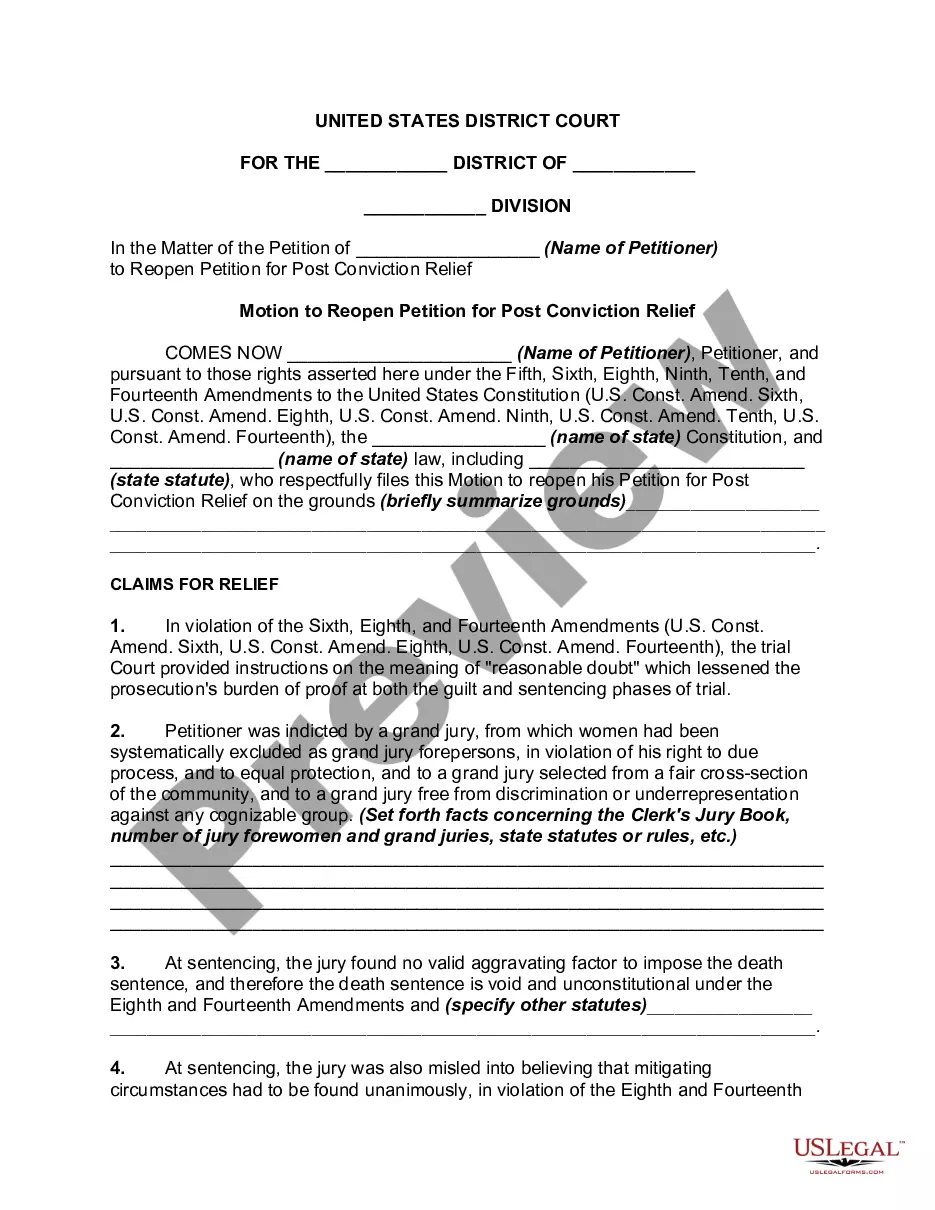
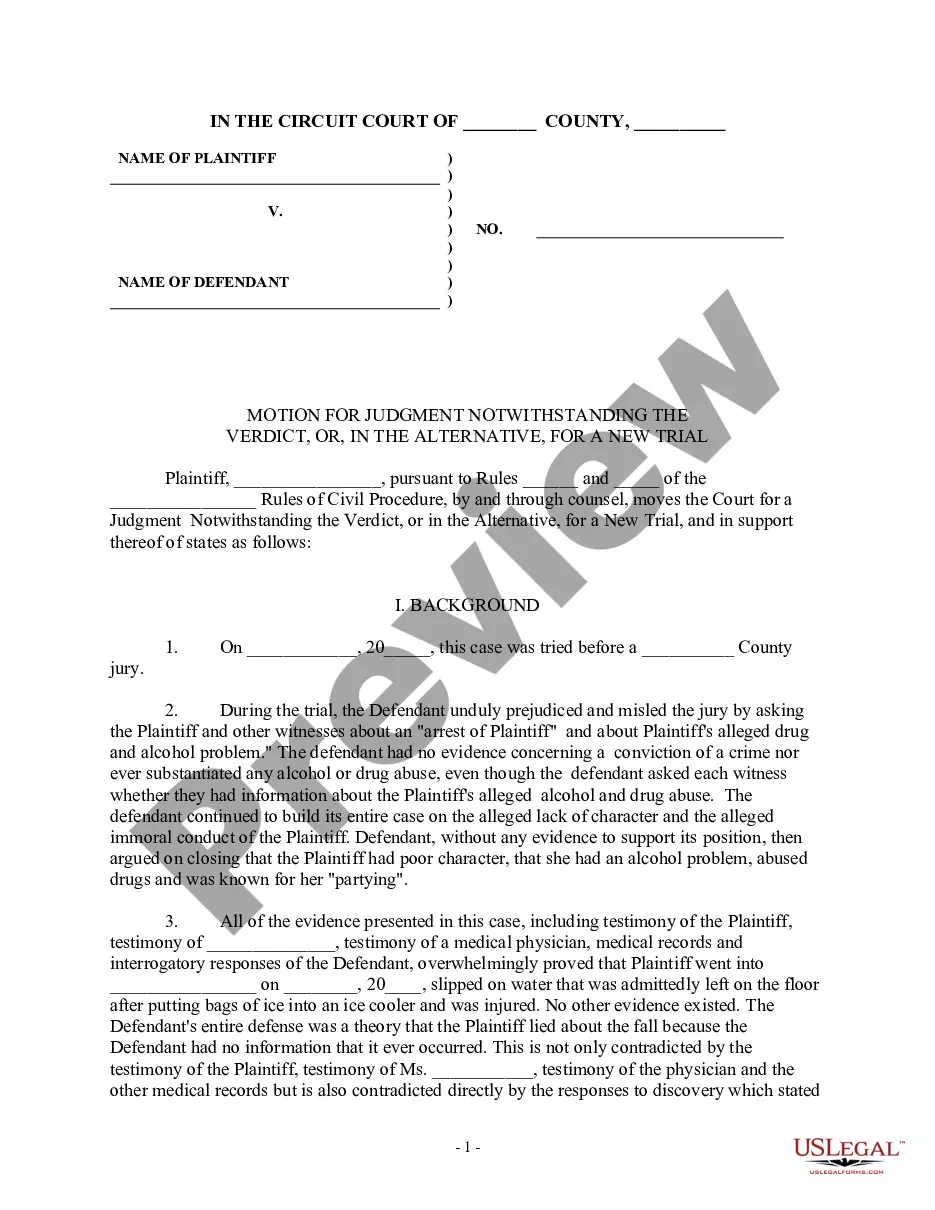
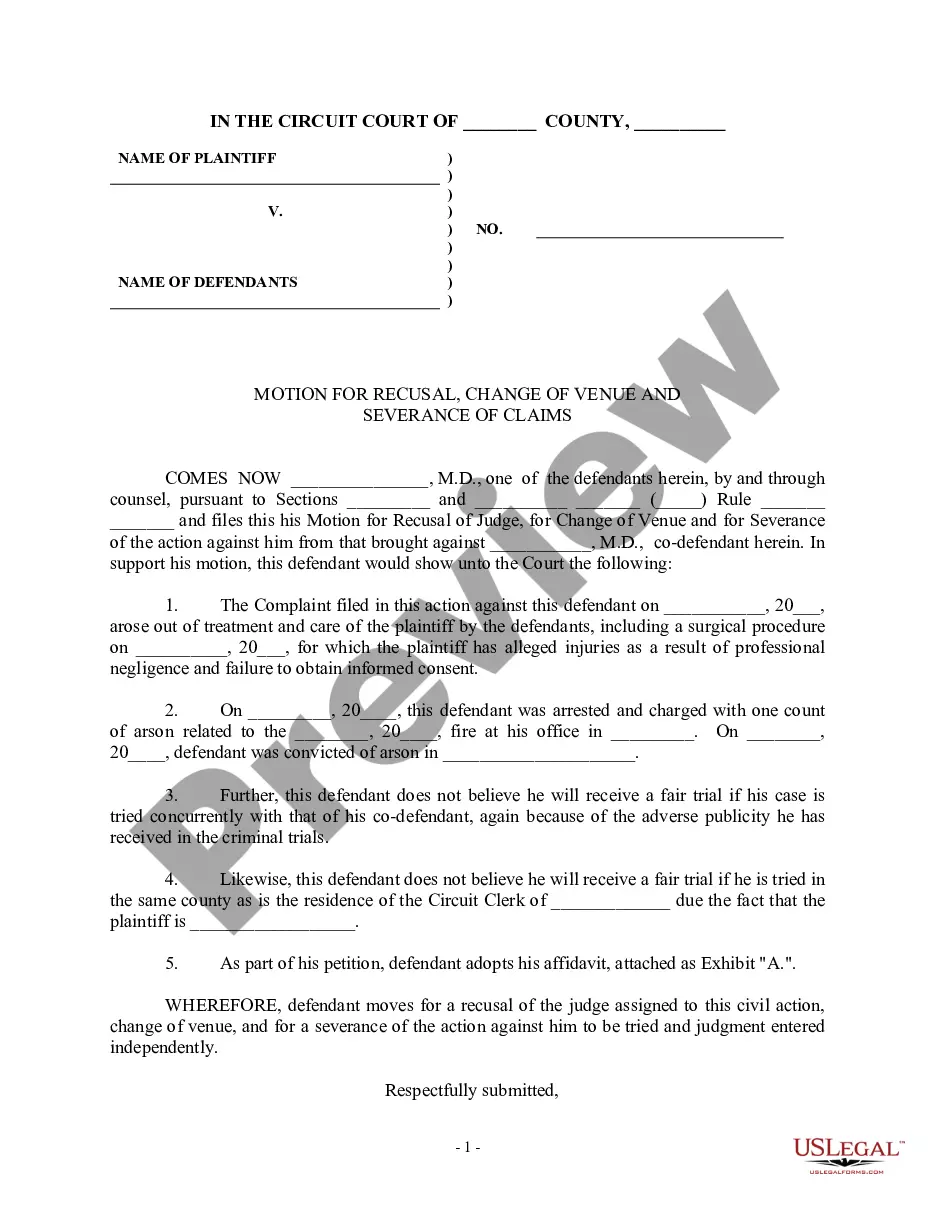
Get your form ready online
Our built-in tools help you complete, sign, share, and store your documents in one place.
Make edits, fill in missing information, and update formatting in US Legal Forms—just like you would in MS Word.
Download a copy, print it, send it by email, or mail it via USPS—whatever works best for your next step.
Sign and collect signatures with our SignNow integration. Send to multiple recipients, set reminders, and more. Go Premium to unlock E-Sign.
If this form requires notarization, complete it online through a secure video call—no need to meet a notary in person or wait for an appointment.
We protect your documents and personal data by following strict security and privacy standards.

Make edits, fill in missing information, and update formatting in US Legal Forms—just like you would in MS Word.

Download a copy, print it, send it by email, or mail it via USPS—whatever works best for your next step.

Sign and collect signatures with our SignNow integration. Send to multiple recipients, set reminders, and more. Go Premium to unlock E-Sign.

If this form requires notarization, complete it online through a secure video call—no need to meet a notary in person or wait for an appointment.

We protect your documents and personal data by following strict security and privacy standards.
Looking for another form?
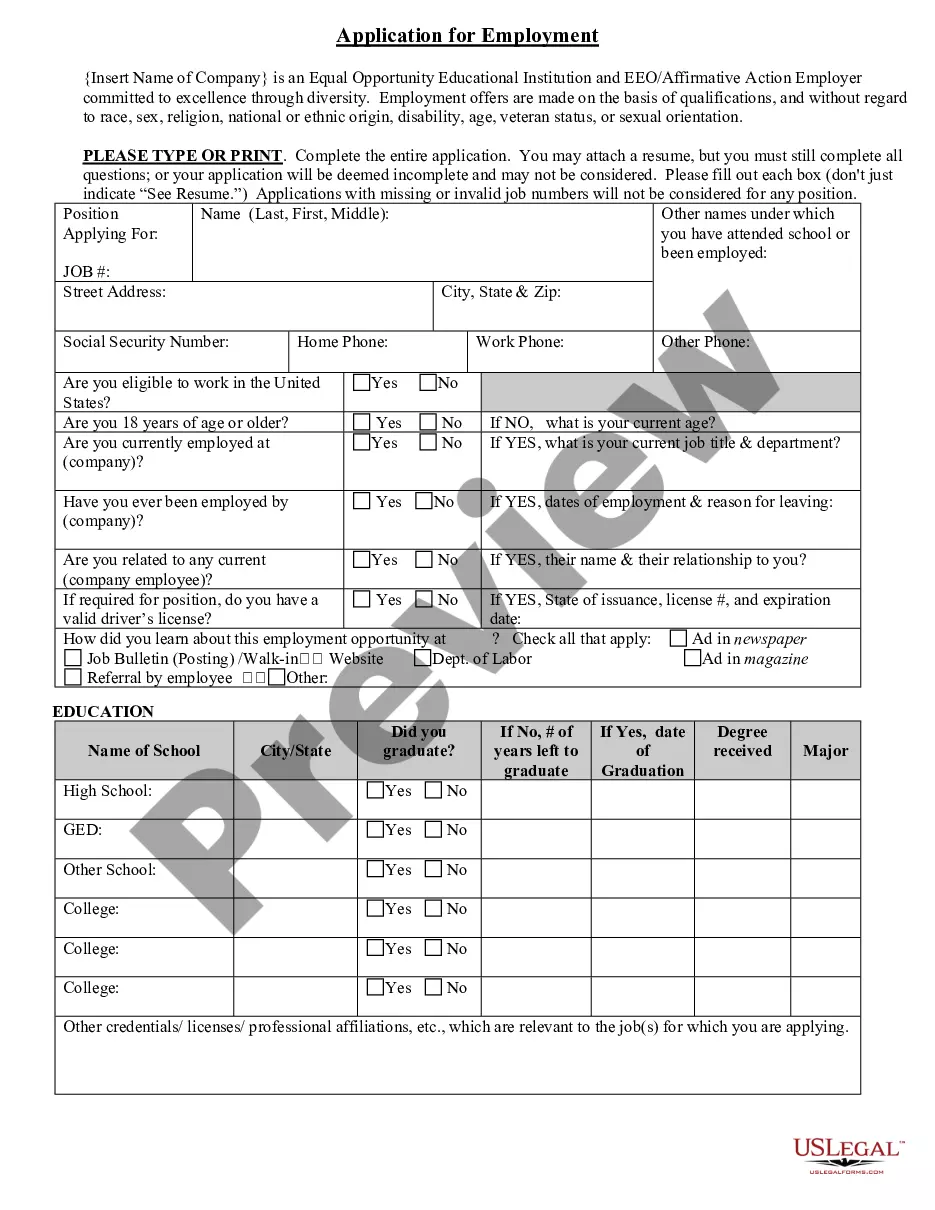






How to fill out Motion For New Trial?
Creating legal documents from the ground up can occasionally be intimidating.
Certain situations might require extensive investigation and substantial financial investment.
If you’re searching for a simpler and more cost-effective method of generating Trial Jury Herein With Judgement or any other forms without the hassle of unnecessary complications, US Legal Forms is always available to you.
Our online collection of more than 85,000 current legal documents encompasses nearly every facet of your financial, legal, and personal matters.
However, before proceeding to download Trial Jury Herein With Judgement, adhere to these recommendations: Review the form preview and descriptions to confirm that you have located the document you need. Verify if the template you select meets the criteria of your state and county. Choose the most appropriate subscription plan to acquire the Trial Jury Herein With Judgement. Download the form, then fill it out, validate, and print it. US Legal Forms has a flawless track record and over 25 years of experience. Join us today and turn document completion into a straightforward and efficient process!
- With just a few clicks, you can swiftly obtain state- and county-compliant forms carefully assembled for you by our legal experts.
- Utilize our website whenever you require dependable and trustworthy services through which you can easily locate and download the Trial Jury Herein With Judgement.
- If you’re familiar with our services and have previously registered with us, simply Log In to your account, choose the template, and download it or re-download it anytime later in the My documents section.
- Not registered yet? No worries. It requires minimal time to set it up and navigate the library.
Form popularity
FAQ
You can choose to waive your right to a jury trial and opt for a bench trial instead. A bench trial is where a judge alone hears the evidence and decides whether you are guilty. With a bench trial, the rules of evidence and procedure are generally the same as those in a jury trial.
Criminal trial overview Pick a jury and evidence issues. Jury selection. ... Opening statements. Both sides start by giving an overview of what they plan to show at the trial. ... Prosecution presents its case. The prosecution presents its witnesses and evidence. ... Defense presents it case. ... Closing arguments. ... Jury makes a decision.
A bench trial is also faster and the judge often returns a ?finding? (the functional equivalent of a verdict) much quicker than in a jury trial. A quicker trial also means the trial is less expensive for the defendant if he has private counsel.
Deliberations: The name for the discussions held by the jury to decide the outcome of a case.
The decision to have your case tried in front of a jury or in front of a judge is yours and yours alone. Your lawyer can help you make the decision, but ultimately, it's the defendant's choice. Put simply: a defendant has the option of having a judge or a jury hear the case.