State Trial Court Without A Lawyer
Description
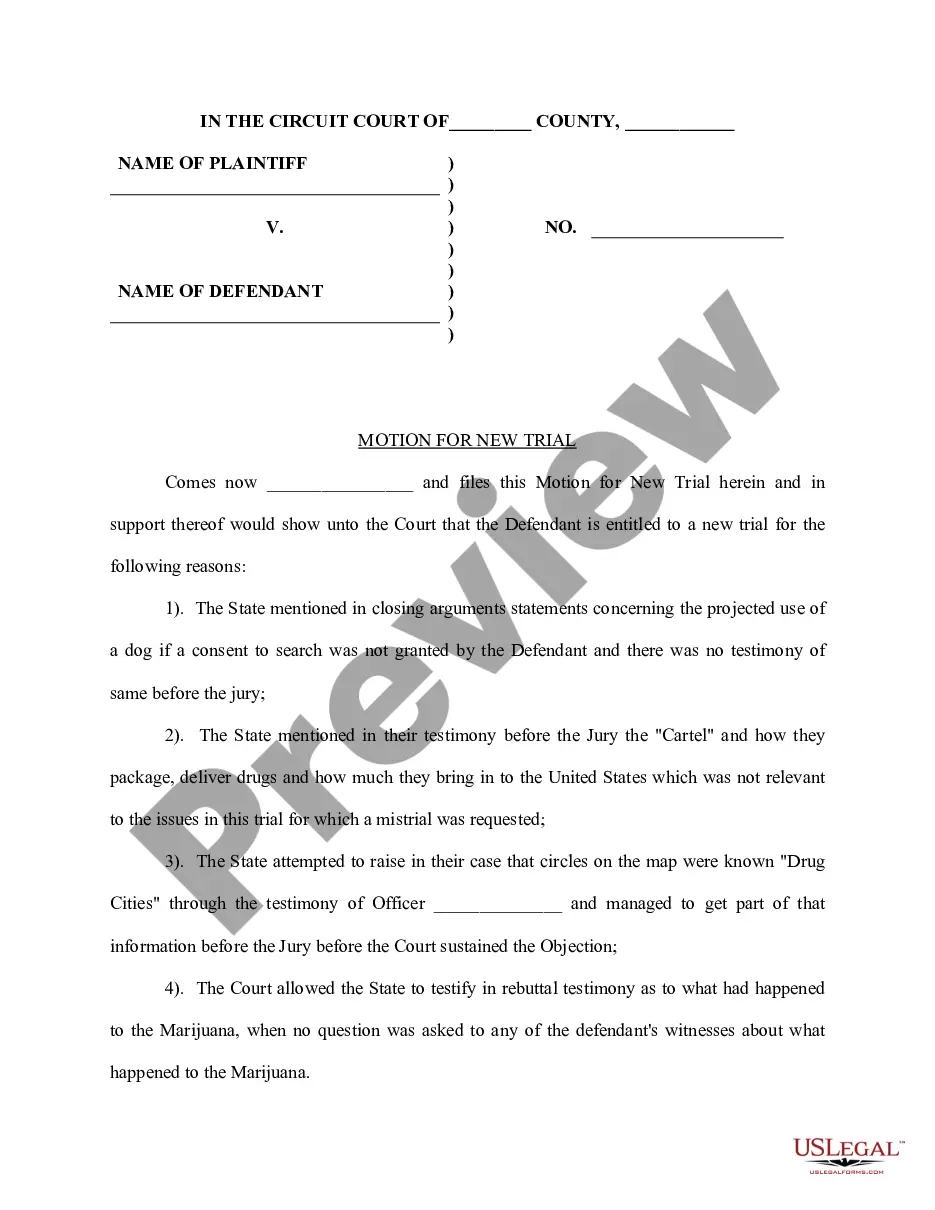
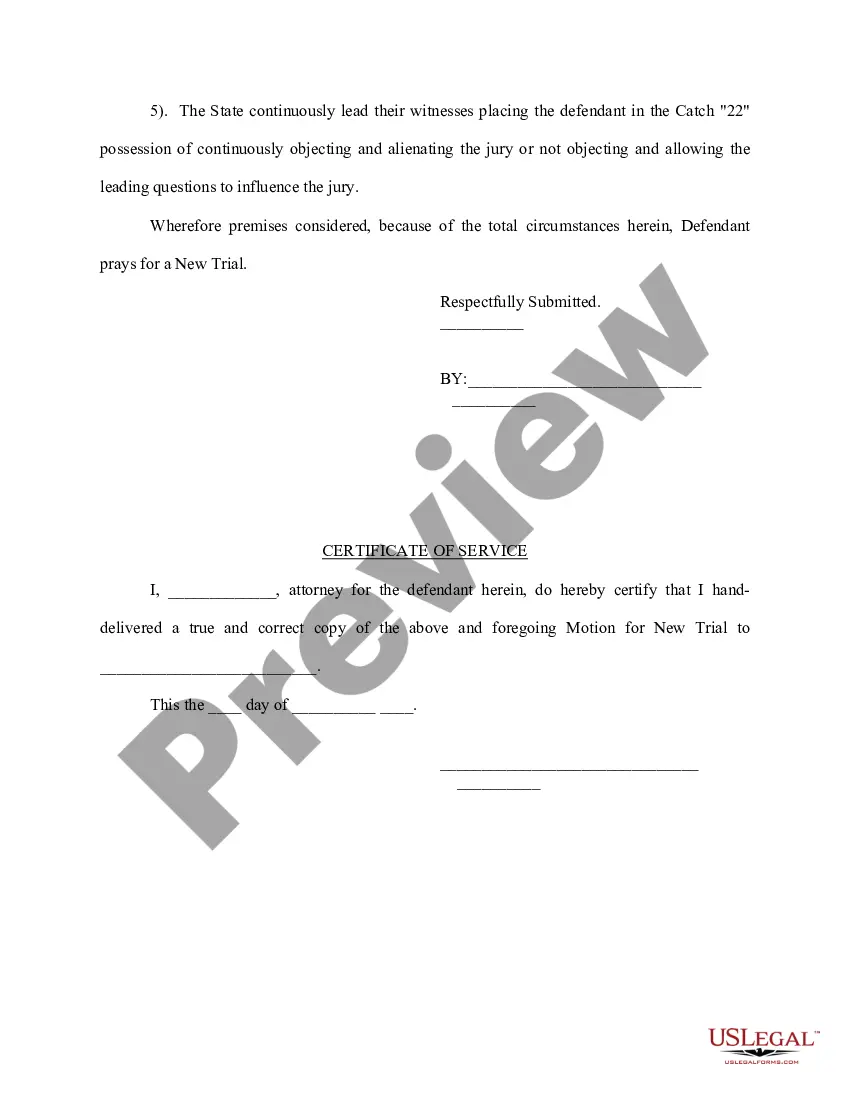
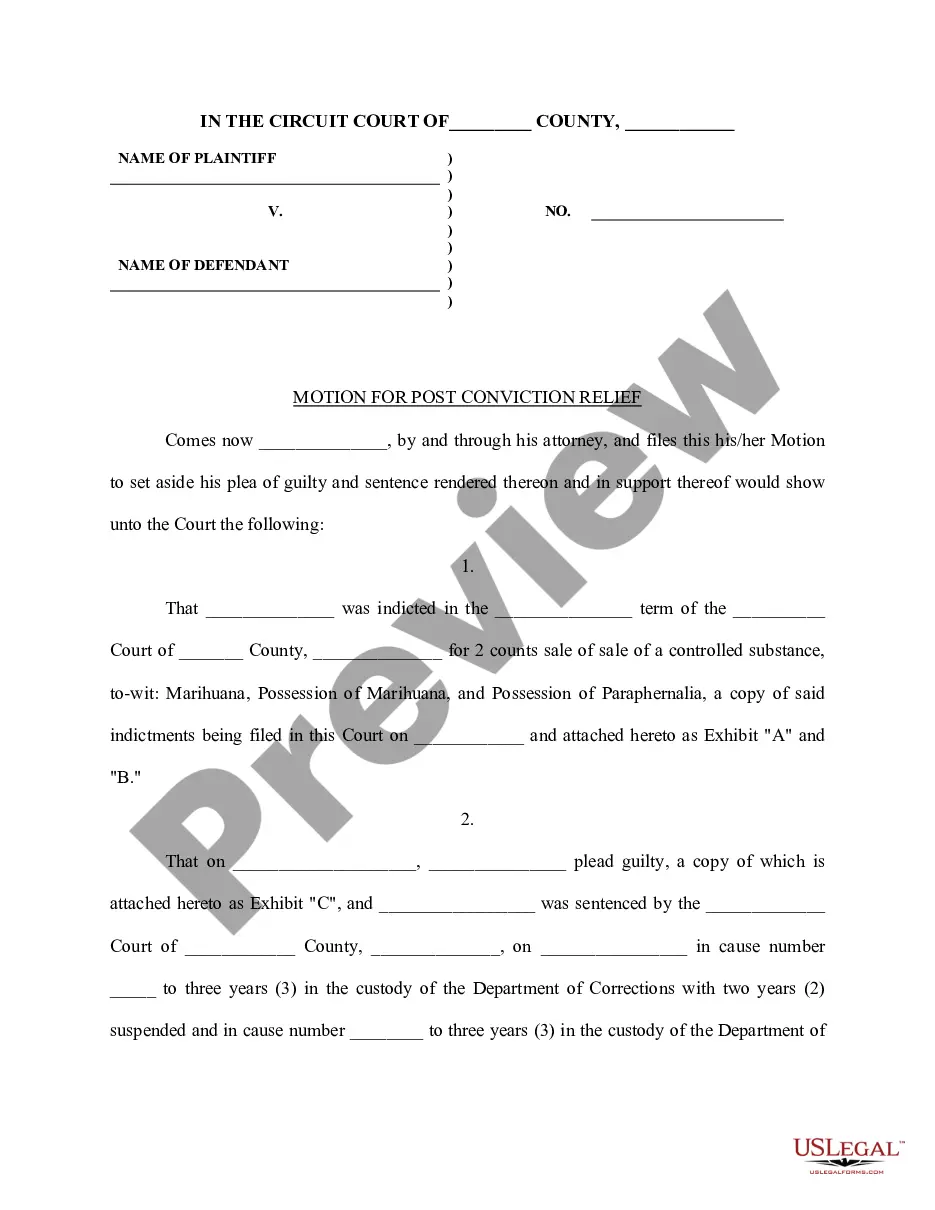
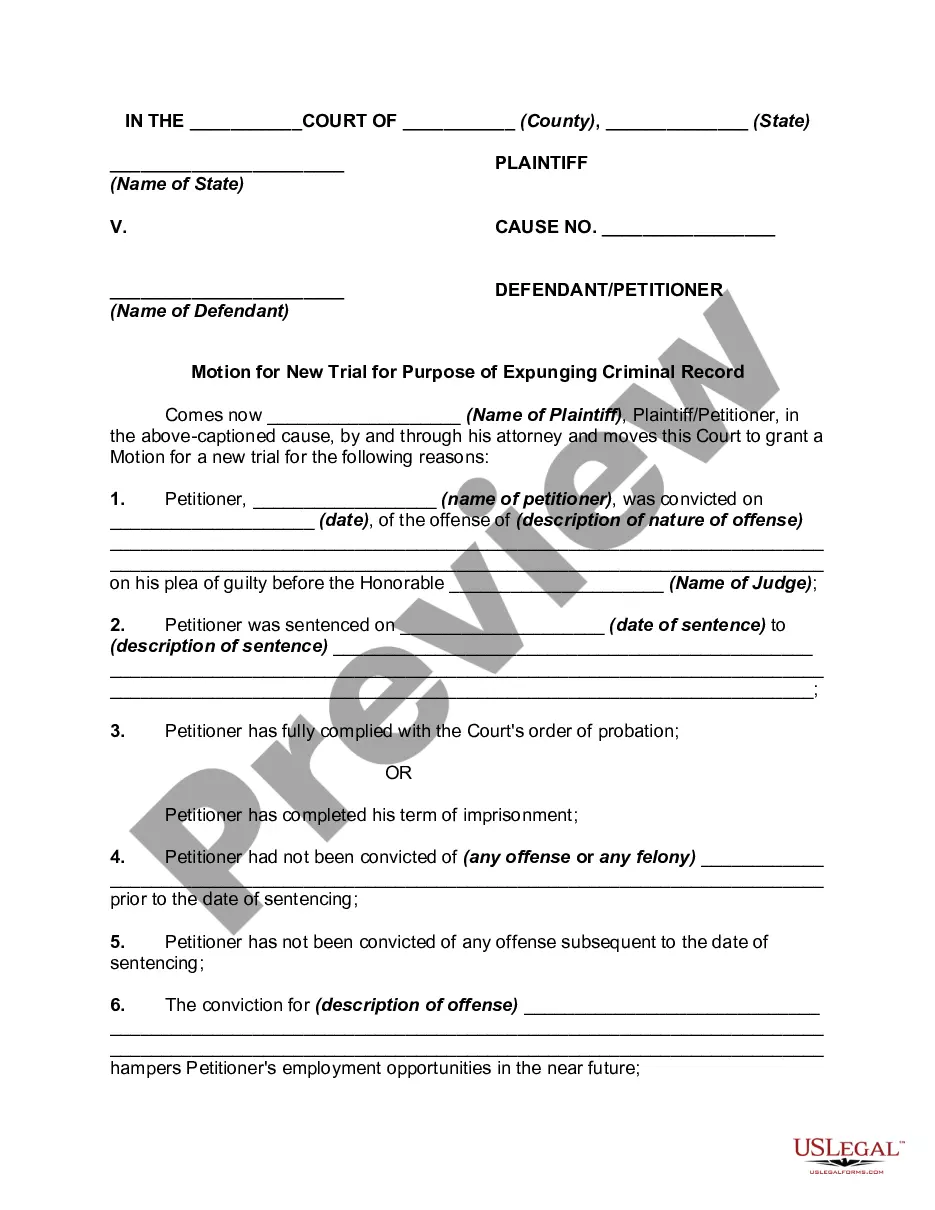
Get your form ready online
Our built-in tools help you complete, sign, share, and store your documents in one place.
Make edits, fill in missing information, and update formatting in US Legal Forms—just like you would in MS Word.
Download a copy, print it, send it by email, or mail it via USPS—whatever works best for your next step.
Sign and collect signatures with our SignNow integration. Send to multiple recipients, set reminders, and more. Go Premium to unlock E-Sign.
If this form requires notarization, complete it online through a secure video call—no need to meet a notary in person or wait for an appointment.
We protect your documents and personal data by following strict security and privacy standards.

Make edits, fill in missing information, and update formatting in US Legal Forms—just like you would in MS Word.

Download a copy, print it, send it by email, or mail it via USPS—whatever works best for your next step.

Sign and collect signatures with our SignNow integration. Send to multiple recipients, set reminders, and more. Go Premium to unlock E-Sign.

If this form requires notarization, complete it online through a secure video call—no need to meet a notary in person or wait for an appointment.

We protect your documents and personal data by following strict security and privacy standards.
Looking for another form?






How to fill out Motion For New Trial?
Obtaining legal document samples that comply with federal and state regulations is essential, and the internet provides a variety of choices.
However, why squander time searching for the suitable State Trial Court Without A Lawyer template online when the US Legal Forms digital library already houses these templates gathered in one location.
US Legal Forms is the largest online legal repository featuring over 85,000 editable documents created by attorneys for various business and personal situations. These documents are easy to navigate with all forms categorized by state and intended use.
All templates available through US Legal Forms are reusable. To re-download and fill out previously obtained forms, access the My documents section in your account. Take advantage of the most comprehensive and user-friendly legal documentation service!
- Our professionals monitor legislative updates, ensuring your documents are current and compliant when obtaining a State Trial Court Without A Lawyer from our platform.
- Acquiring a State Trial Court Without A Lawyer is straightforward and rapid for both existing and new users.
- If you possess an account with a valid subscription, Log In and save the document sample you require in your chosen format.
- For new users of our website, follow these steps.
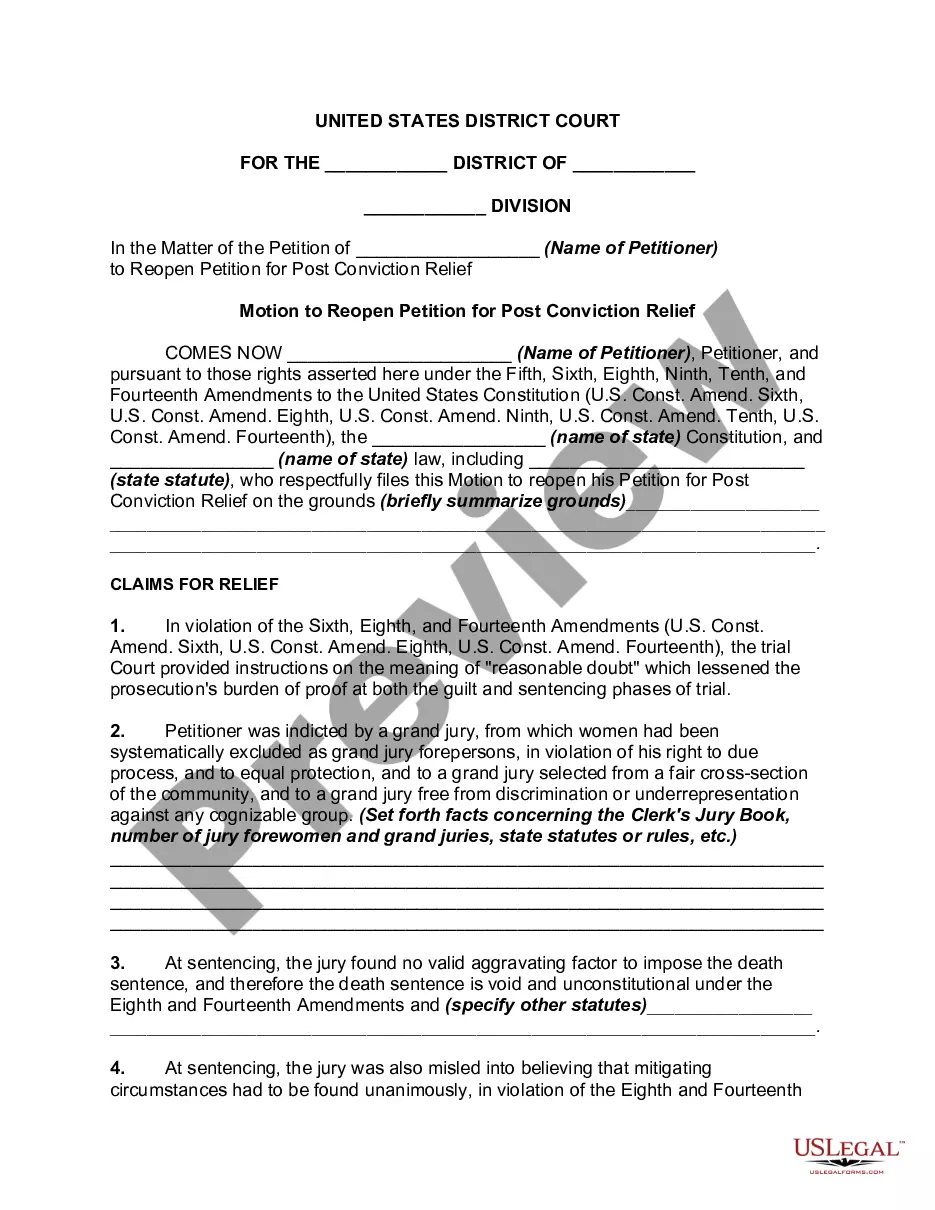
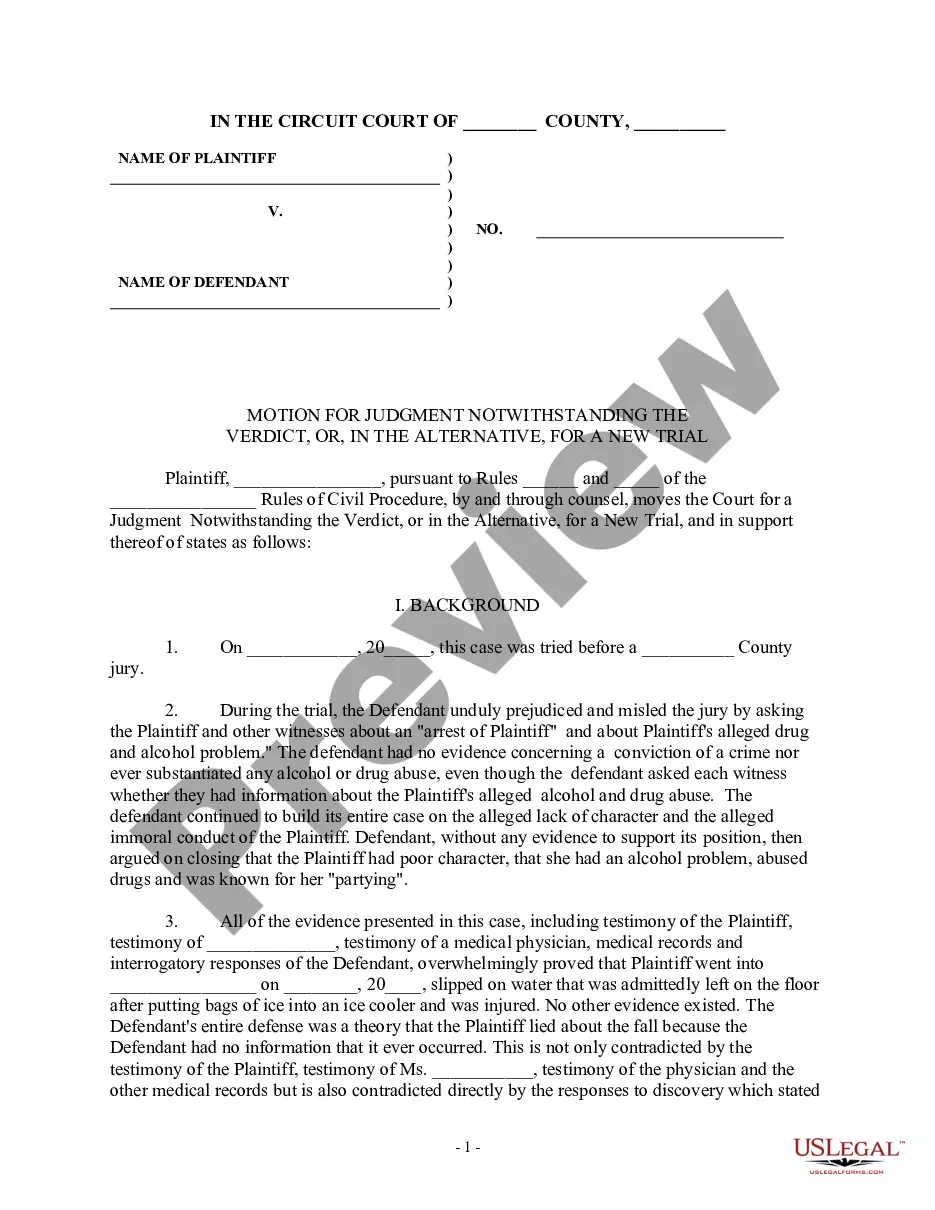
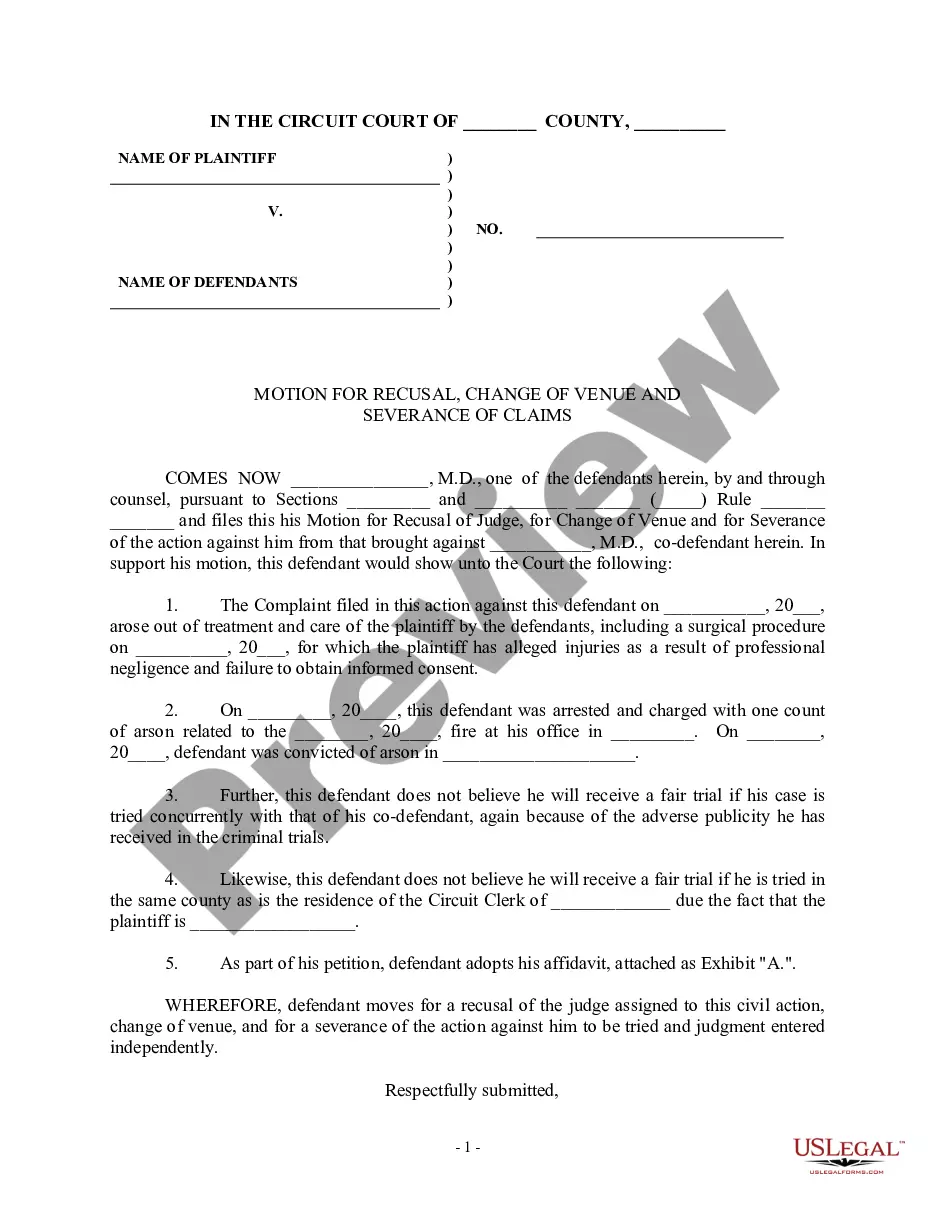
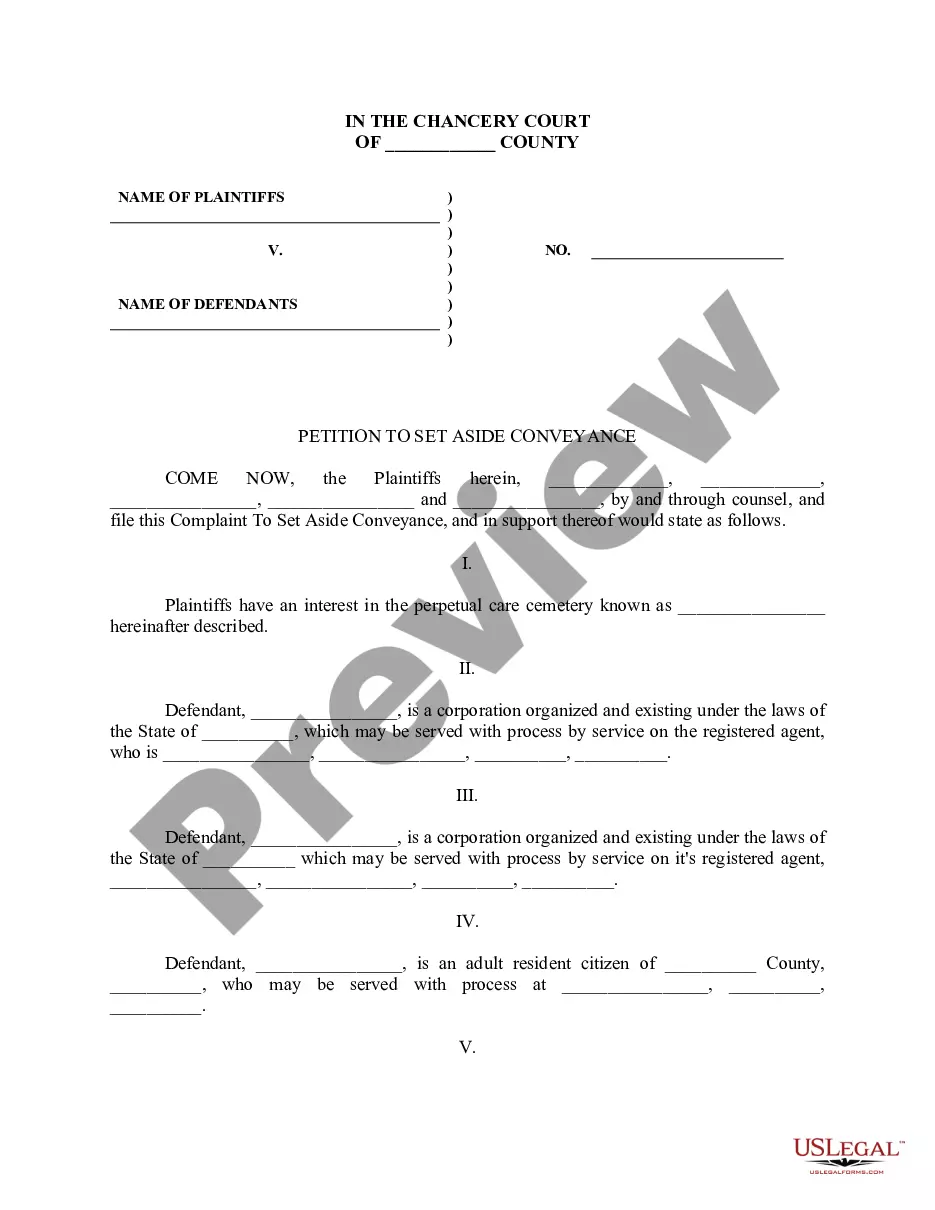
- Review the template using the Preview feature or via the text outline to ensure it suits your requirements.
Form popularity
FAQ
In general, most judges in the US are required to hold a law degree. However, a few states provide exceptions where individuals can be appointed or elected as judges without traditional legal training. If you wish to explore this area further, investigate specific state regulations, including opportunities to serve within a state trial court without a lawyer.
Only a few states allow individuals to practice law without a law degree, with California being one of the most notable examples. California permits 'reading the law,' meaning individuals can study under the guidance of experienced lawyers instead of attending law school. If you are considering this path, research the regulations in your state for practicing law, especially when contemplating a journey in a state trial court without a lawyer.
Some judges, such as magistrates or justices of the peace in certain states, may not require a law degree. These positions often involve handling minor legal matters and may not demand the same qualifications as higher court judges. If you are curious about the qualifications required for these roles, exploring your state's judicial system can provide more insights into serving in a state trial court without a lawyer.
Yes, you can be charged in court without a lawyer. You have the right to represent yourself, known as 'pro se' representation. Being charged without legal counsel means you are responsible for understanding the legal process and defending your case. Utilizing platforms like USLegalForms can help you prepare and navigate the complexities of a state trial court without a lawyer.
If you don't have a lawyer, you can still represent yourself in a state trial court. However, you will need to understand court procedures and legal terminology to advocate effectively for your case. It's crucial to prepare thoroughly and seek resources that can guide you, such as helpful materials offered by USLegalForms, especially when approaching a trial without legal representation.
Yes, there have been instances where individuals won trials without legal representation. These cases often depend on the specific circumstances, the complexity of the case, and the individual's understanding of legal procedures. If you find yourself in a position where you might represent yourself, tools like USLegalForms can offer useful resources to navigate a state trial court without a lawyer.
A few states permit individuals to serve as judges without a law degree, though this is rare. For example, Nevada allows some justices of the peace to be elected without formal legal training. If you are interested in becoming a judge in a state trial court without a lawyer, investigate your state's specific requirements and options.
Generally, you cannot go straight to being a judge without prior legal experience. Most judges typically have significant experience as lawyers before they assume a judicial role. However, some jurisdictions might allow individuals to serve in certain judicial positions without formal legal qualifications. It is essential to research your state's rules, especially if considering the path of serving in a state trial court without a lawyer.
State trial courts handle a variety of cases, including criminal cases, civil disputes, family law issues, and more. They serve as the initial venue for resolving legal conflicts at the state level. If you plan to represent yourself, understanding the types of cases and procedures in a state trial court without a lawyer is crucial to your success.
Winning a court case without a lawyer requires thorough preparation and understanding of the law. Start by researching your case details and relevant laws, then gather evidence and organize your arguments logically. Utilizing platforms like US Legal Forms can provide essential templates and guidelines to help you navigate the state trial court without a lawyer effectively.