New Court Motion Without An Attorney
Description
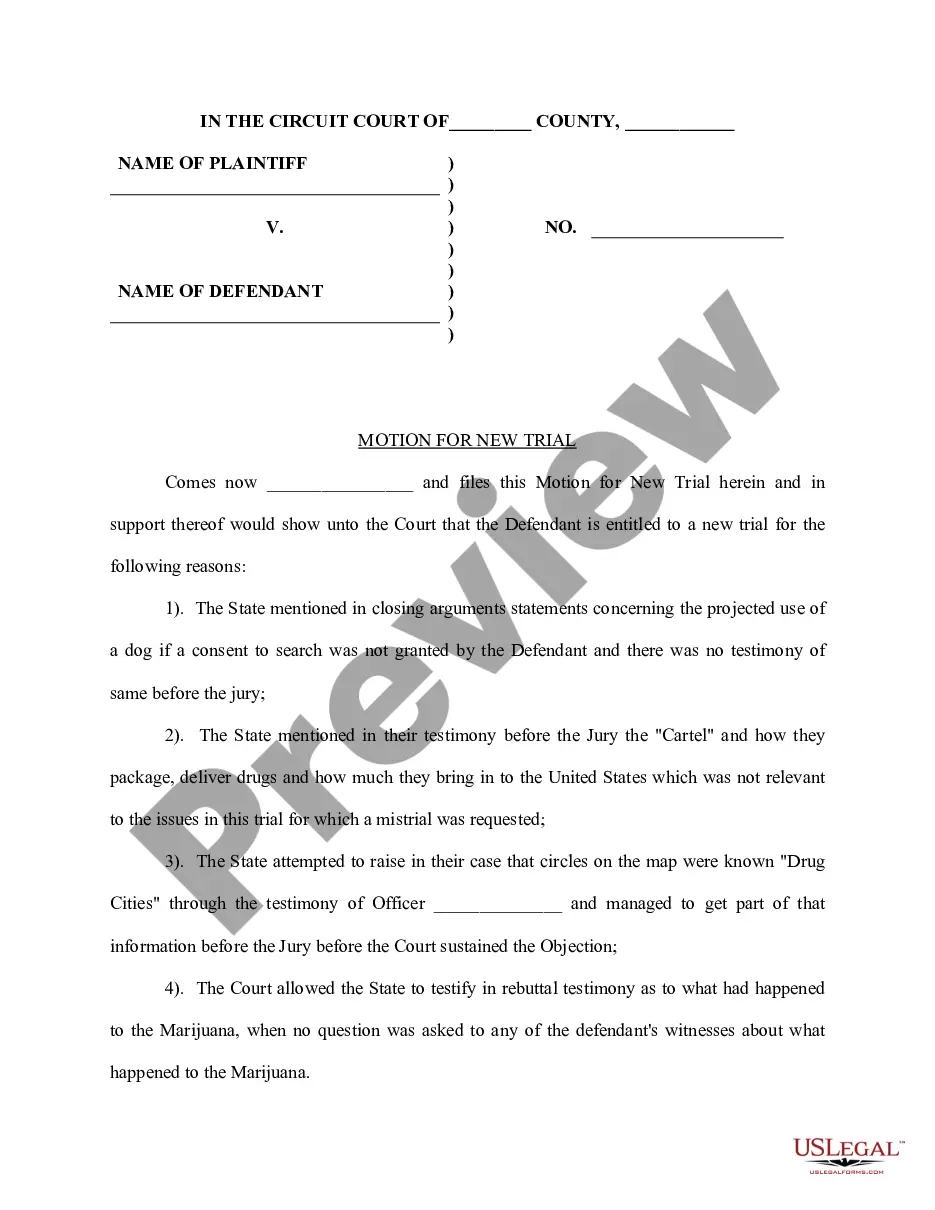
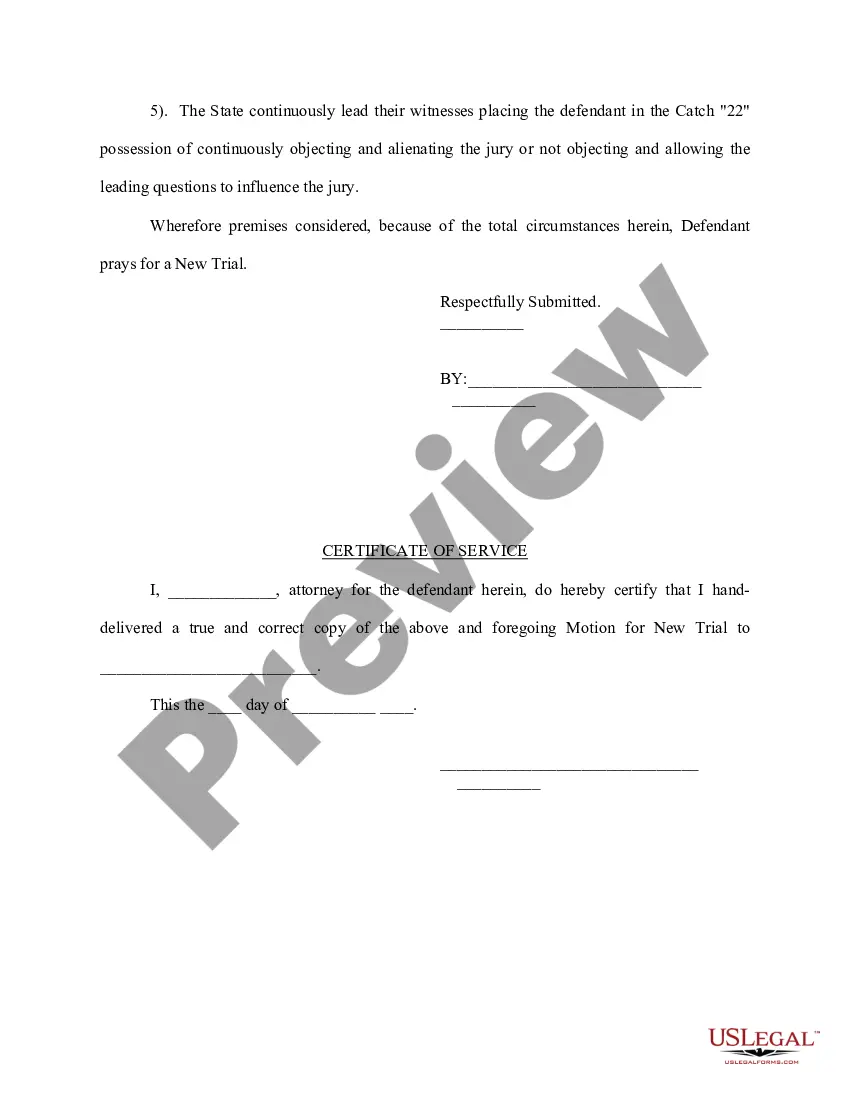
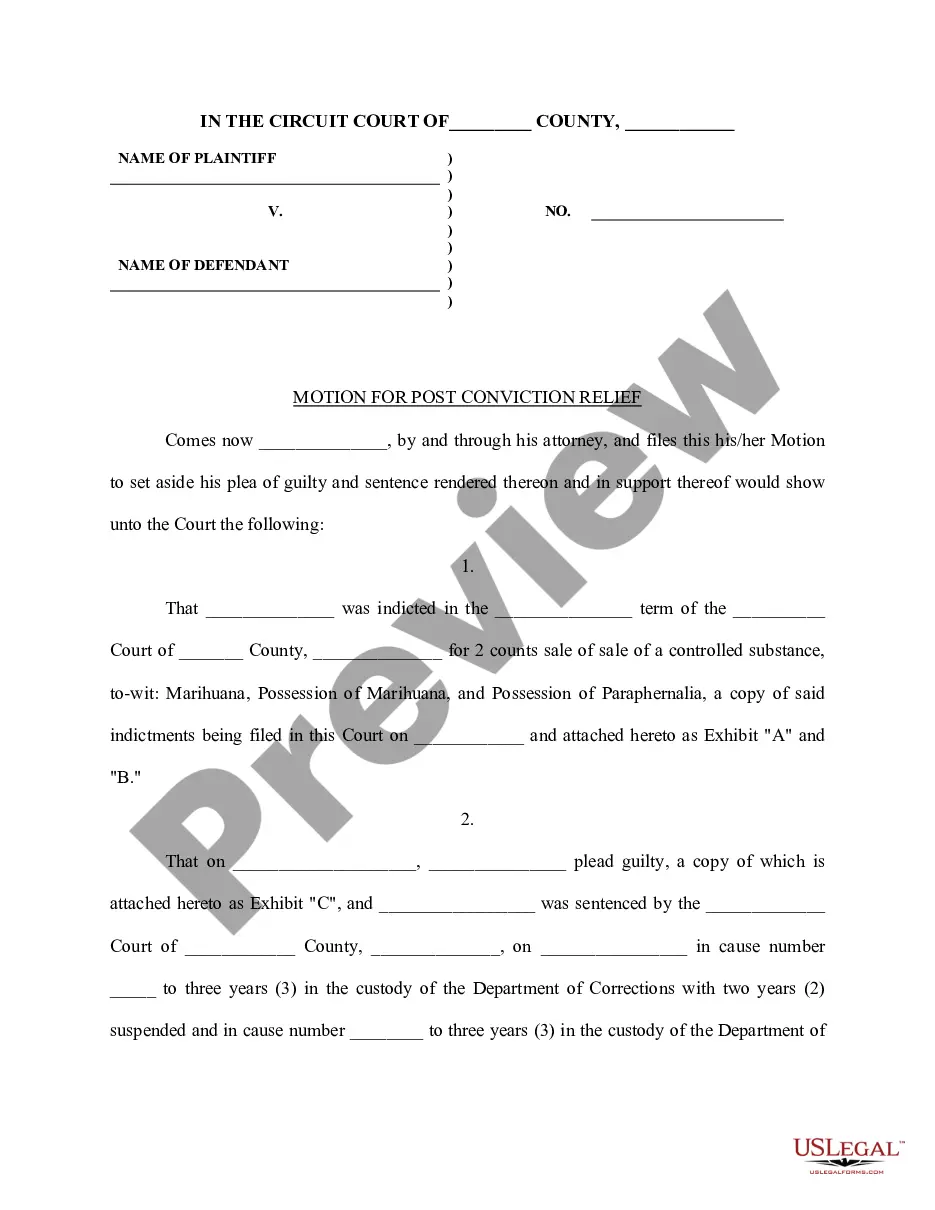
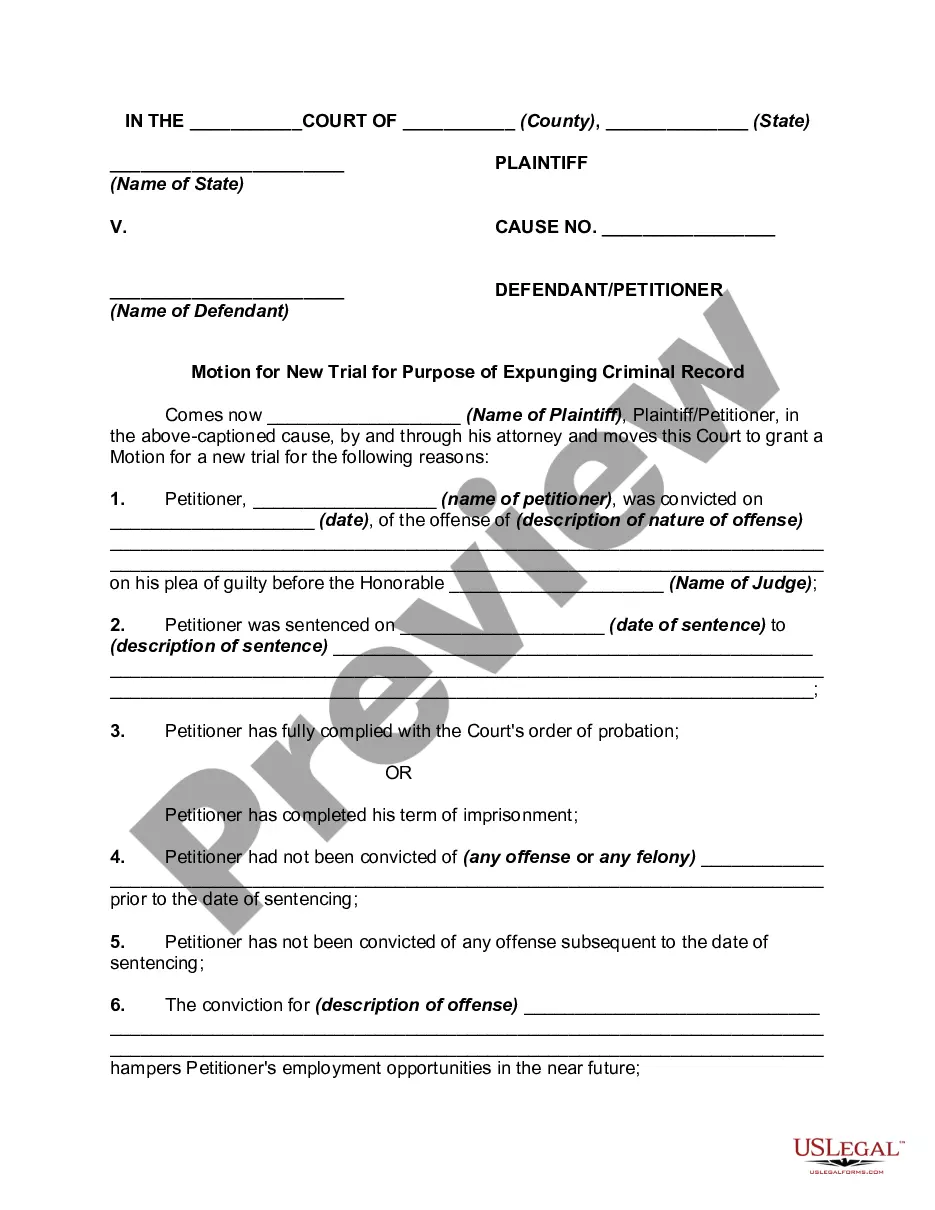
Get your form ready online
Our built-in tools help you complete, sign, share, and store your documents in one place.
Make edits, fill in missing information, and update formatting in US Legal Forms—just like you would in MS Word.
Download a copy, print it, send it by email, or mail it via USPS—whatever works best for your next step.
Sign and collect signatures with our SignNow integration. Send to multiple recipients, set reminders, and more. Go Premium to unlock E-Sign.
If this form requires notarization, complete it online through a secure video call—no need to meet a notary in person or wait for an appointment.
We protect your documents and personal data by following strict security and privacy standards.

Make edits, fill in missing information, and update formatting in US Legal Forms—just like you would in MS Word.

Download a copy, print it, send it by email, or mail it via USPS—whatever works best for your next step.

Sign and collect signatures with our SignNow integration. Send to multiple recipients, set reminders, and more. Go Premium to unlock E-Sign.

If this form requires notarization, complete it online through a secure video call—no need to meet a notary in person or wait for an appointment.

We protect your documents and personal data by following strict security and privacy standards.
Looking for another form?




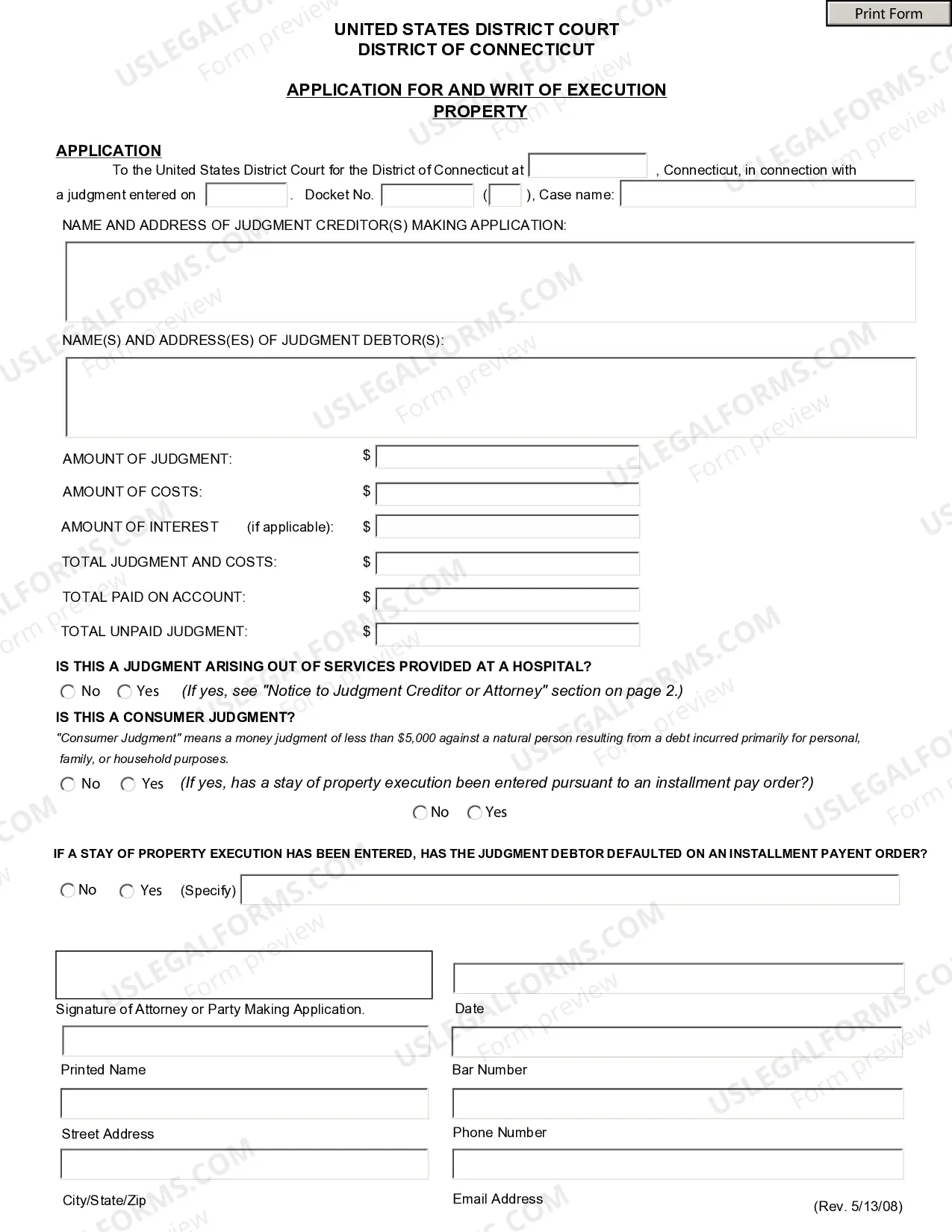


How to fill out Motion For New Trial?
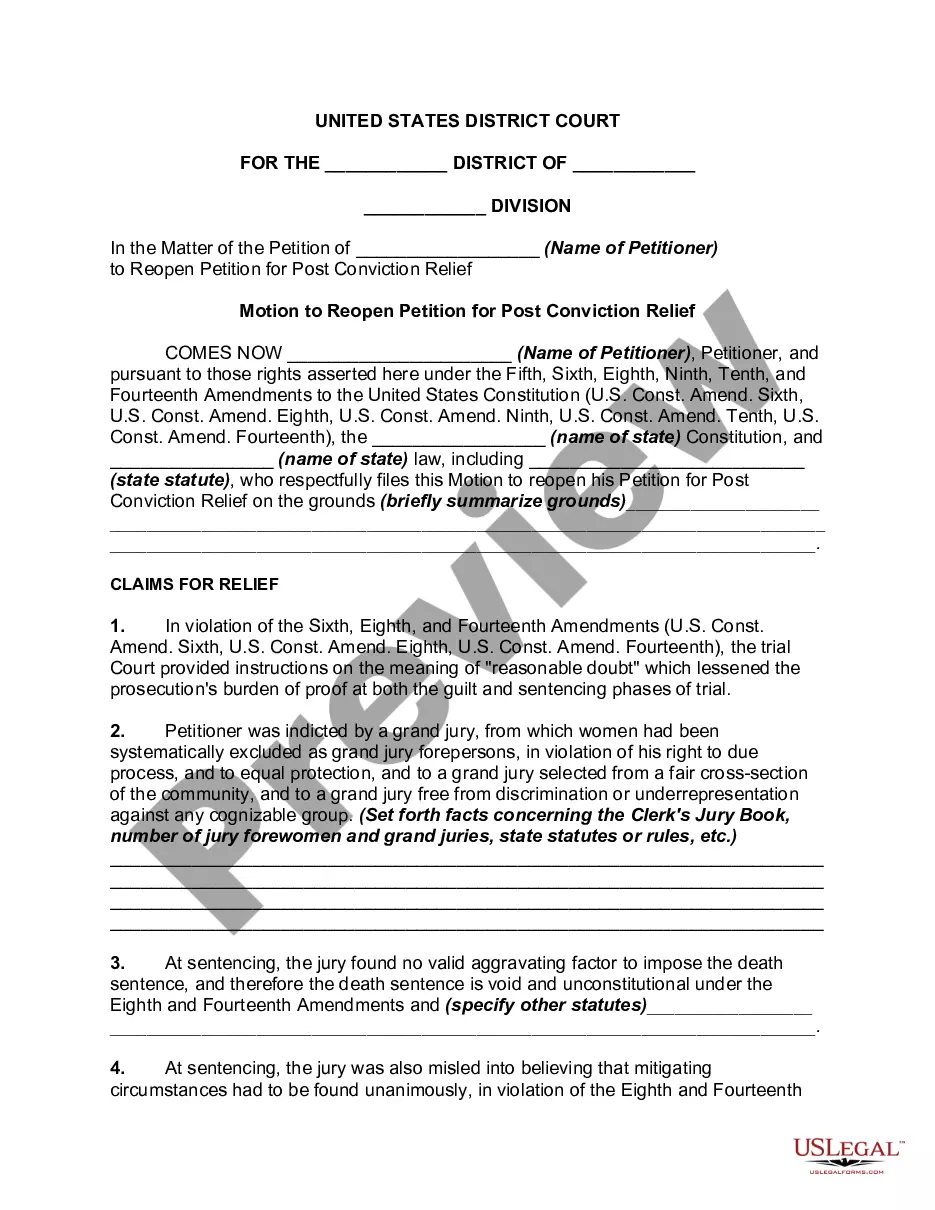
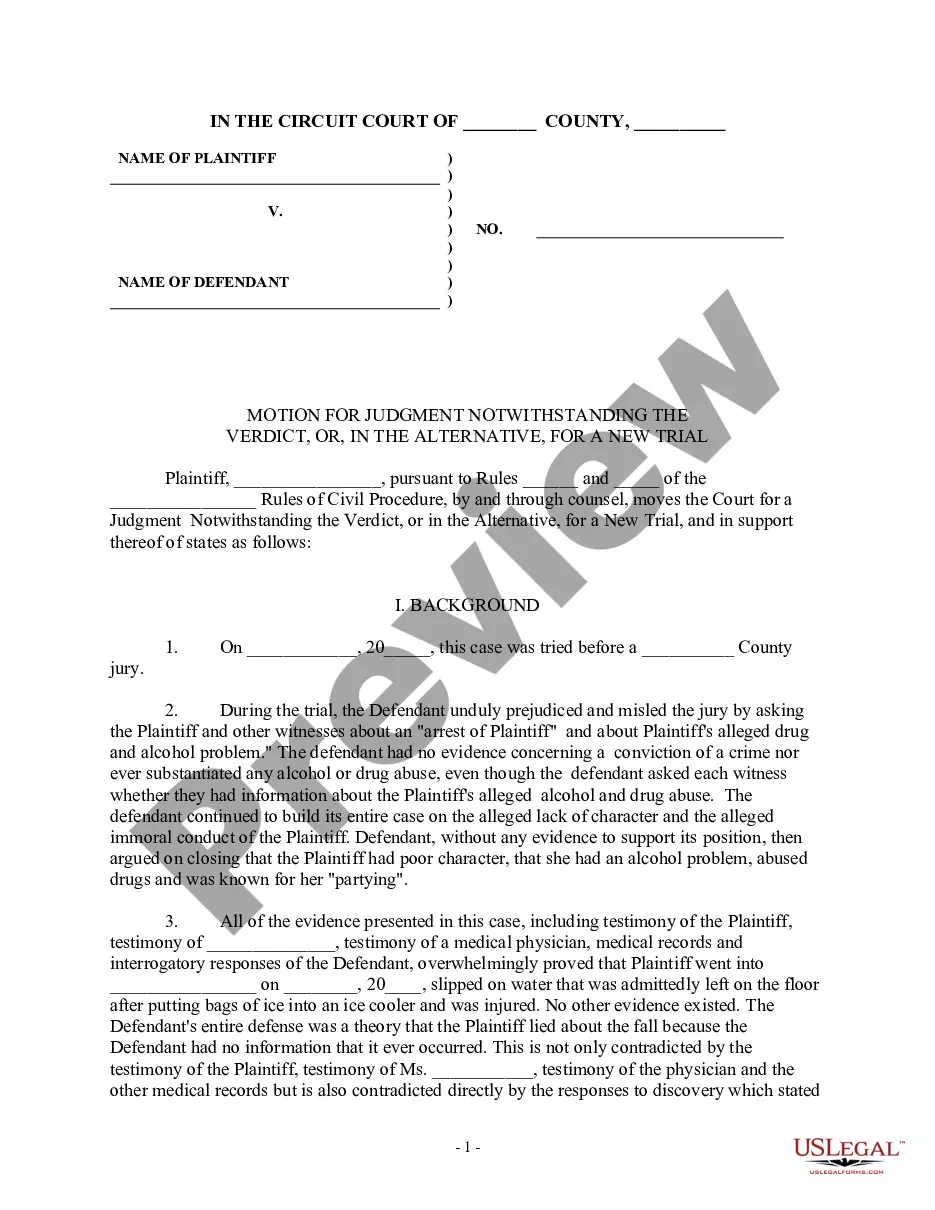
Working with legal paperwork and procedures can be a time-consuming addition to your day. New Court Motion Without An Attorney and forms like it typically require that you look for them and understand the best way to complete them effectively. As a result, if you are taking care of financial, legal, or individual matters, using a thorough and convenient web library of forms at your fingertips will greatly assist.
US Legal Forms is the number one web platform of legal templates, featuring over 85,000 state-specific forms and numerous resources that will help you complete your paperwork effortlessly. Check out the library of pertinent papers available with just a single click.
US Legal Forms offers you state- and county-specific forms available at any time for downloading. Protect your document administration processes using a high quality support that allows you to put together any form within a few minutes without having extra or hidden cost. Just log in in your account, find New Court Motion Without An Attorney and acquire it immediately within the My Forms tab. You can also gain access to formerly saved forms.
Is it your first time utilizing US Legal Forms? Register and set up up your account in a few minutes and you will gain access to the form library and New Court Motion Without An Attorney. Then, follow the steps below to complete your form:
- Ensure you have the correct form using the Review feature and looking at the form description.
- Select Buy Now once all set, and choose the subscription plan that is right for you.
- Select Download then complete, eSign, and print out the form.
US Legal Forms has twenty five years of experience supporting users manage their legal paperwork. Discover the form you require today and enhance any operation without having to break a sweat.
Form popularity
FAQ
A response and brief to an opposed motion must be filed within 21 days from the date the motion is filed. Time for Reply Briefs. Unless otherwise directed by the presiding judge, a party who has filed an opposed motion may file a reply brief within 14 days from the date the response is filed.
Courts hold hearings to test the parties' arguments and decide who is right. After a lawyer in the case files a motion with the court, the judge will often require the parties to appear before the court to "argue" their motion. This allows a judge to directly question attorneys why the court should rule in their favor.
How to File a Case or Document Without an Attorney: Documents may be submitted electronically through the Court's Electronic Document Submission System (?EDSS?). ... As an alternative to submitting documents electronically through EDSS, pro se filers are encouraged to submit their filings through the mail.
What it means to file a motion: A motion, in its simplest form is a list of requests that you are asking the Court grant on your behalf. You, or your attorney on your behalf, will file a Notice of Motion which includes a list of requests for the court to rule upon.
Unless made orally during a hearing or trial, motions should be in writing, should state the action sought, and should set forth the facts. Motions are the primary way for litigants to ask the Court to take action in a case. They must be filed with the Clerk, and copies must be mailed to all opposing parties (L.R.