Motion To Dismiss Texas Sample For Child Support
Description
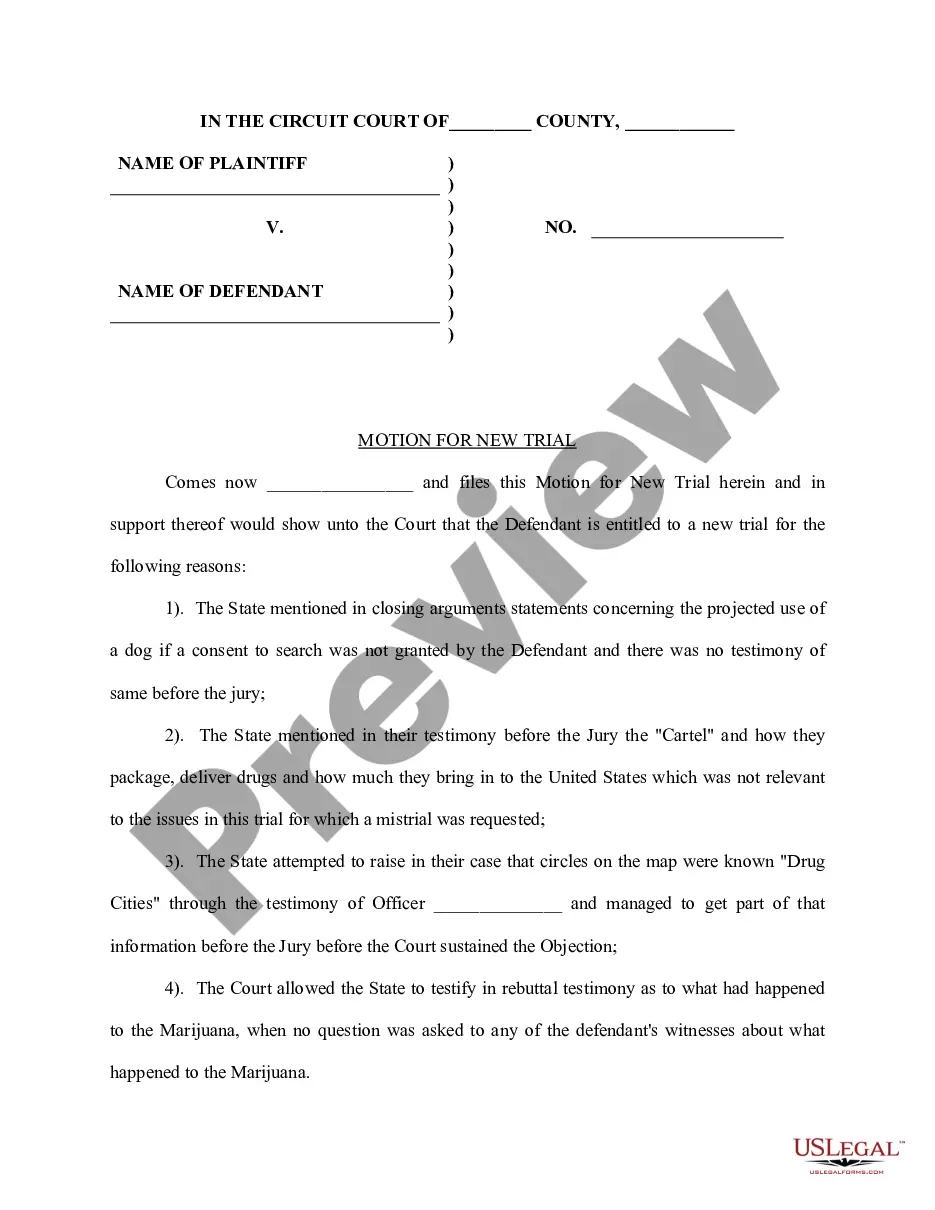
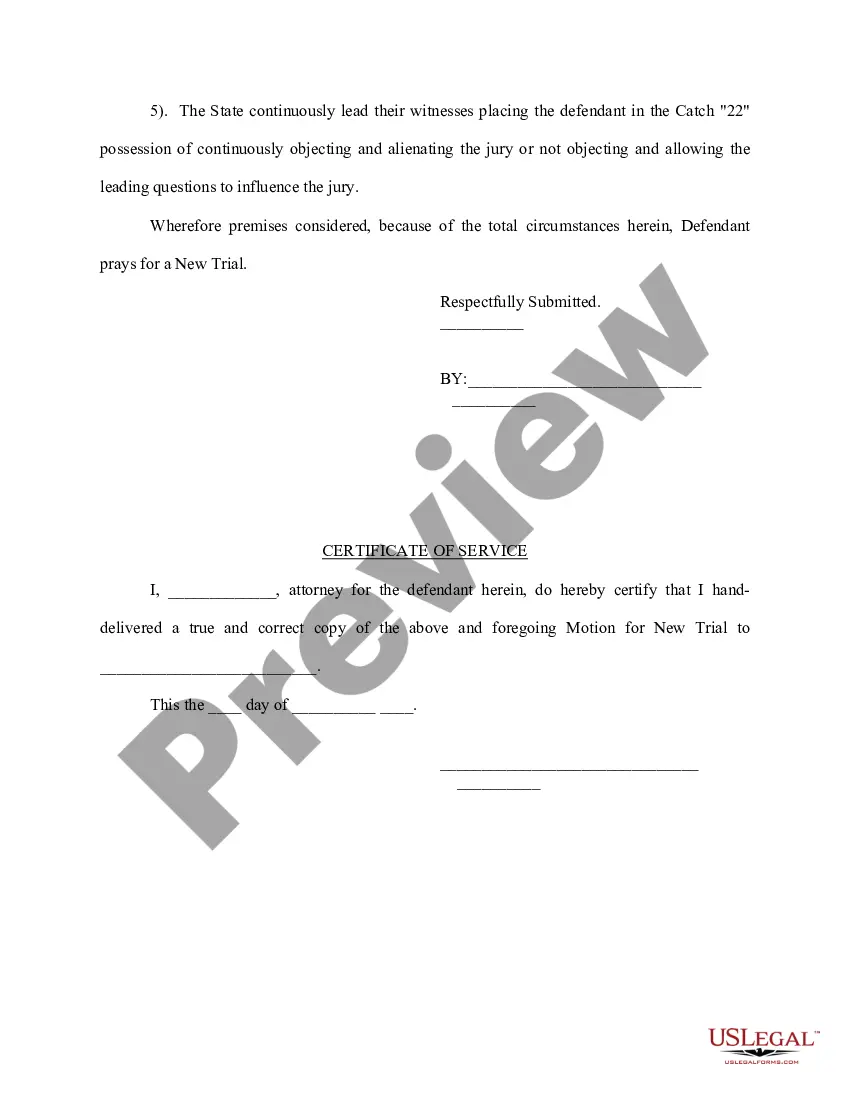
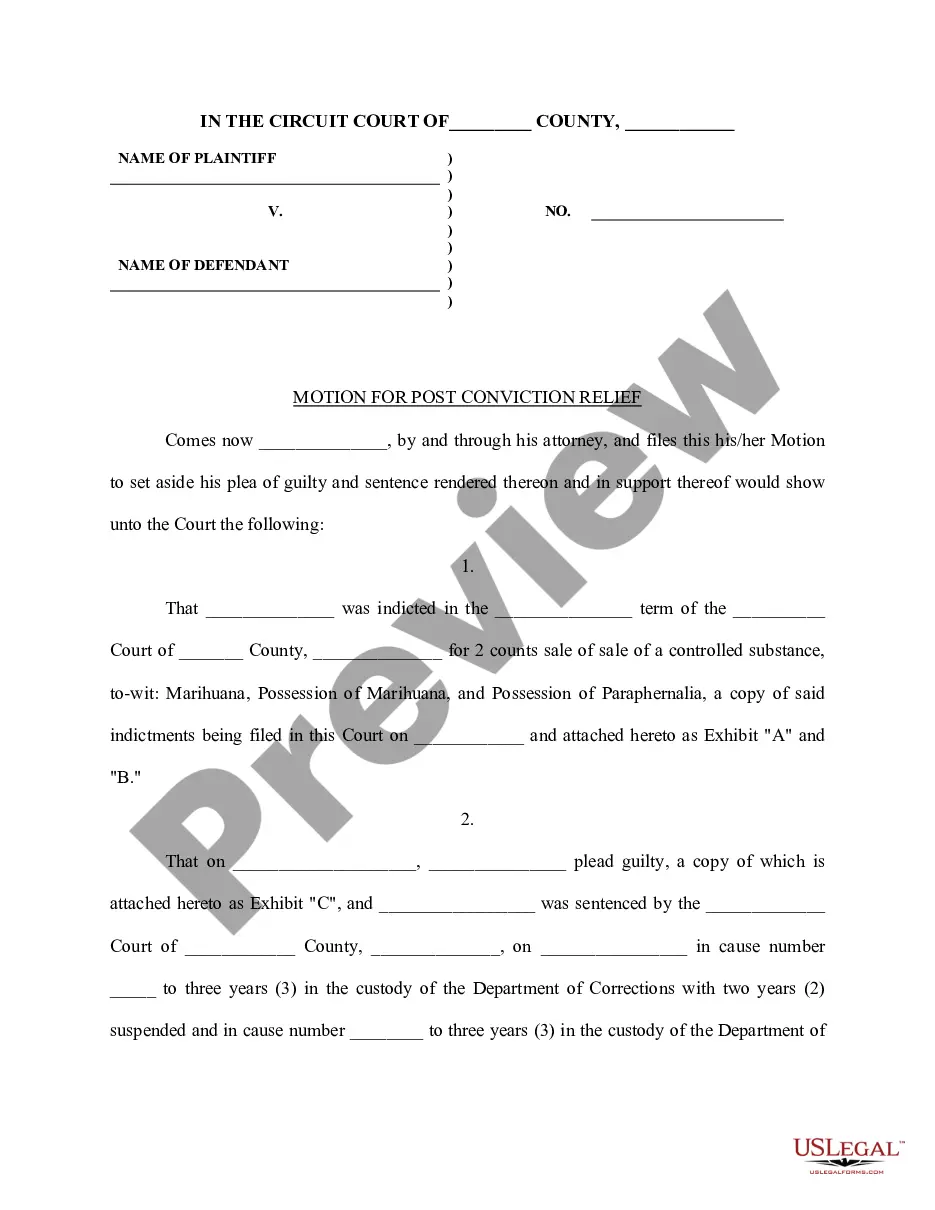
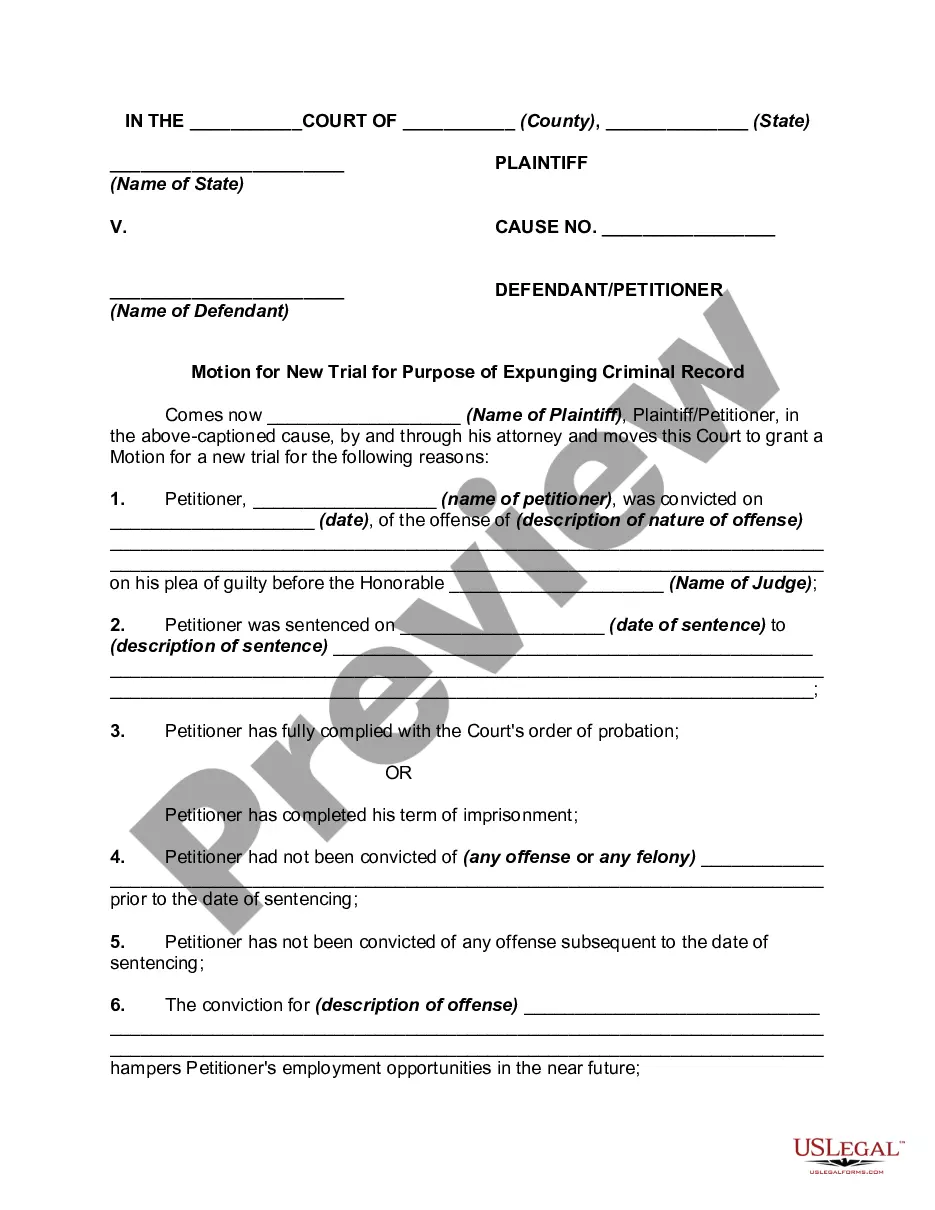
Get your form ready online
Our built-in tools help you complete, sign, share, and store your documents in one place.
Make edits, fill in missing information, and update formatting in US Legal Forms—just like you would in MS Word.
Download a copy, print it, send it by email, or mail it via USPS—whatever works best for your next step.
Sign and collect signatures with our SignNow integration. Send to multiple recipients, set reminders, and more. Go Premium to unlock E-Sign.
If this form requires notarization, complete it online through a secure video call—no need to meet a notary in person or wait for an appointment.
We protect your documents and personal data by following strict security and privacy standards.

Make edits, fill in missing information, and update formatting in US Legal Forms—just like you would in MS Word.

Download a copy, print it, send it by email, or mail it via USPS—whatever works best for your next step.

Sign and collect signatures with our SignNow integration. Send to multiple recipients, set reminders, and more. Go Premium to unlock E-Sign.

If this form requires notarization, complete it online through a secure video call—no need to meet a notary in person or wait for an appointment.

We protect your documents and personal data by following strict security and privacy standards.
Looking for another form?


How to fill out Motion For New Trial?
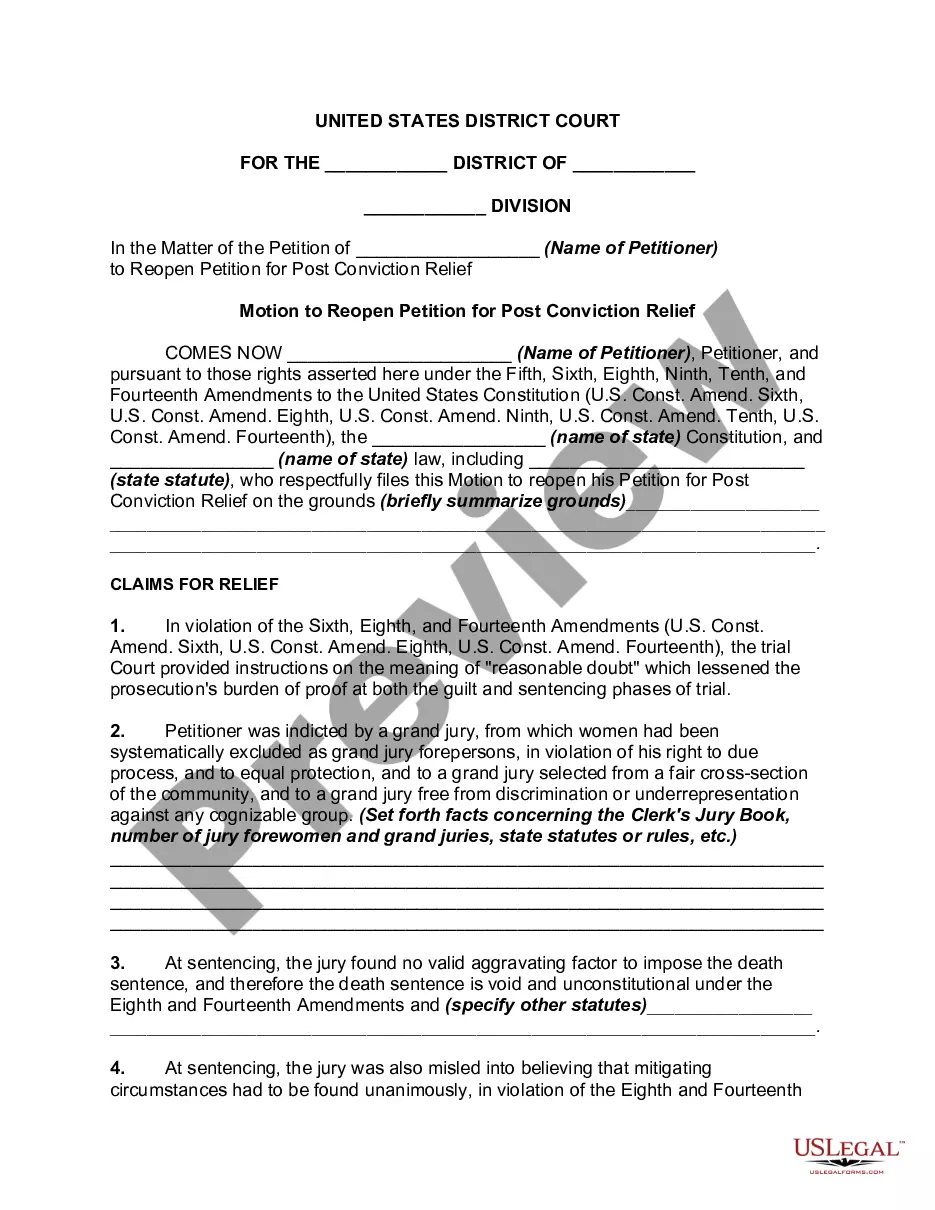
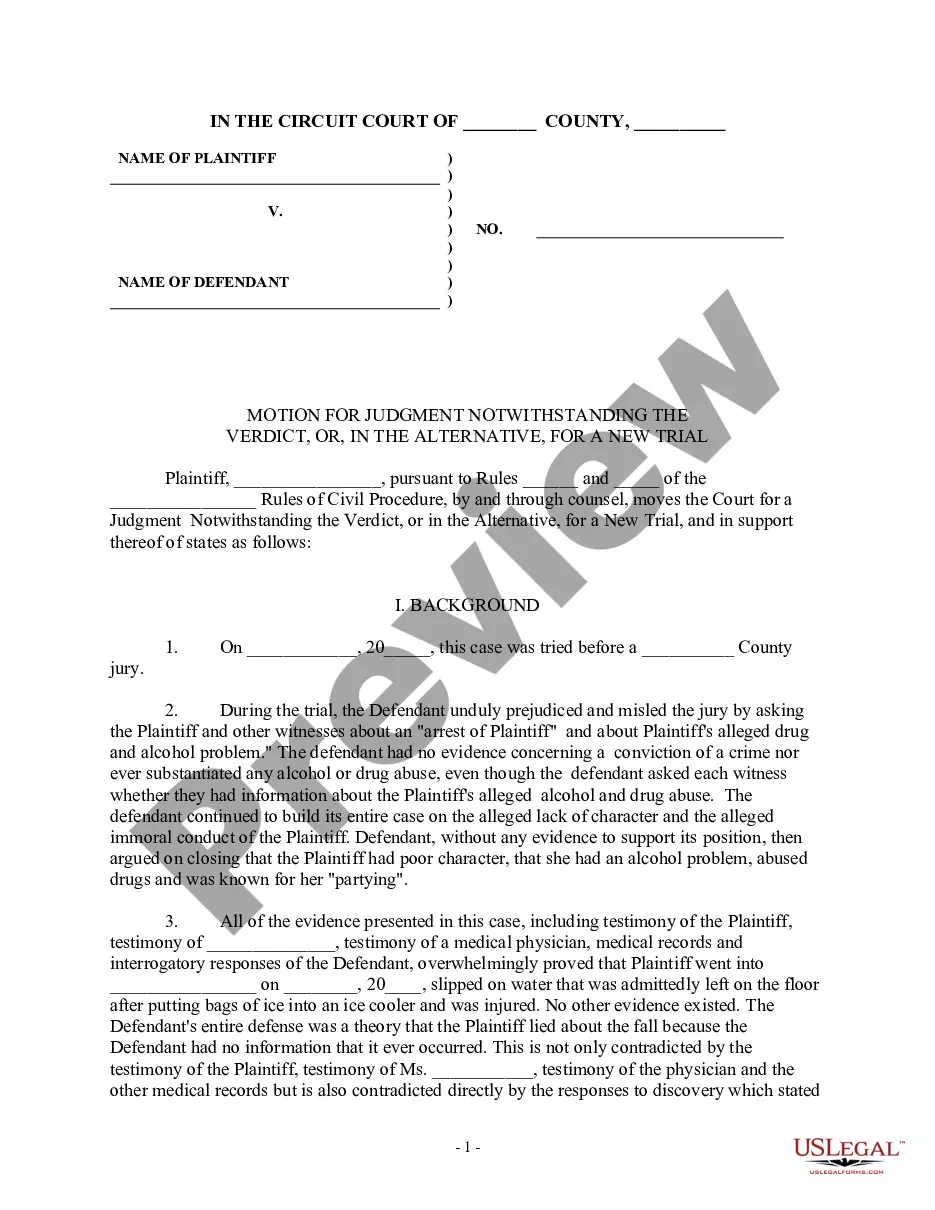
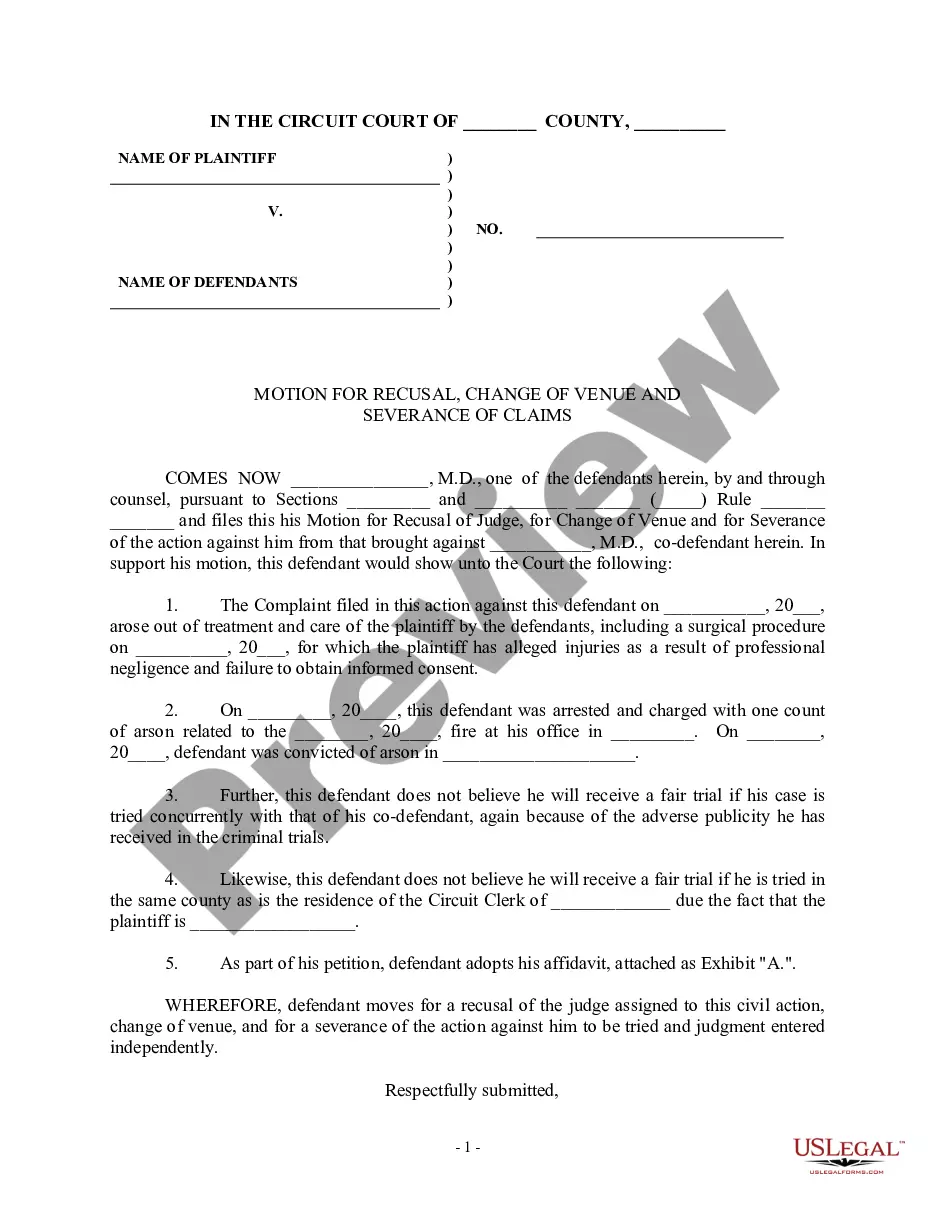
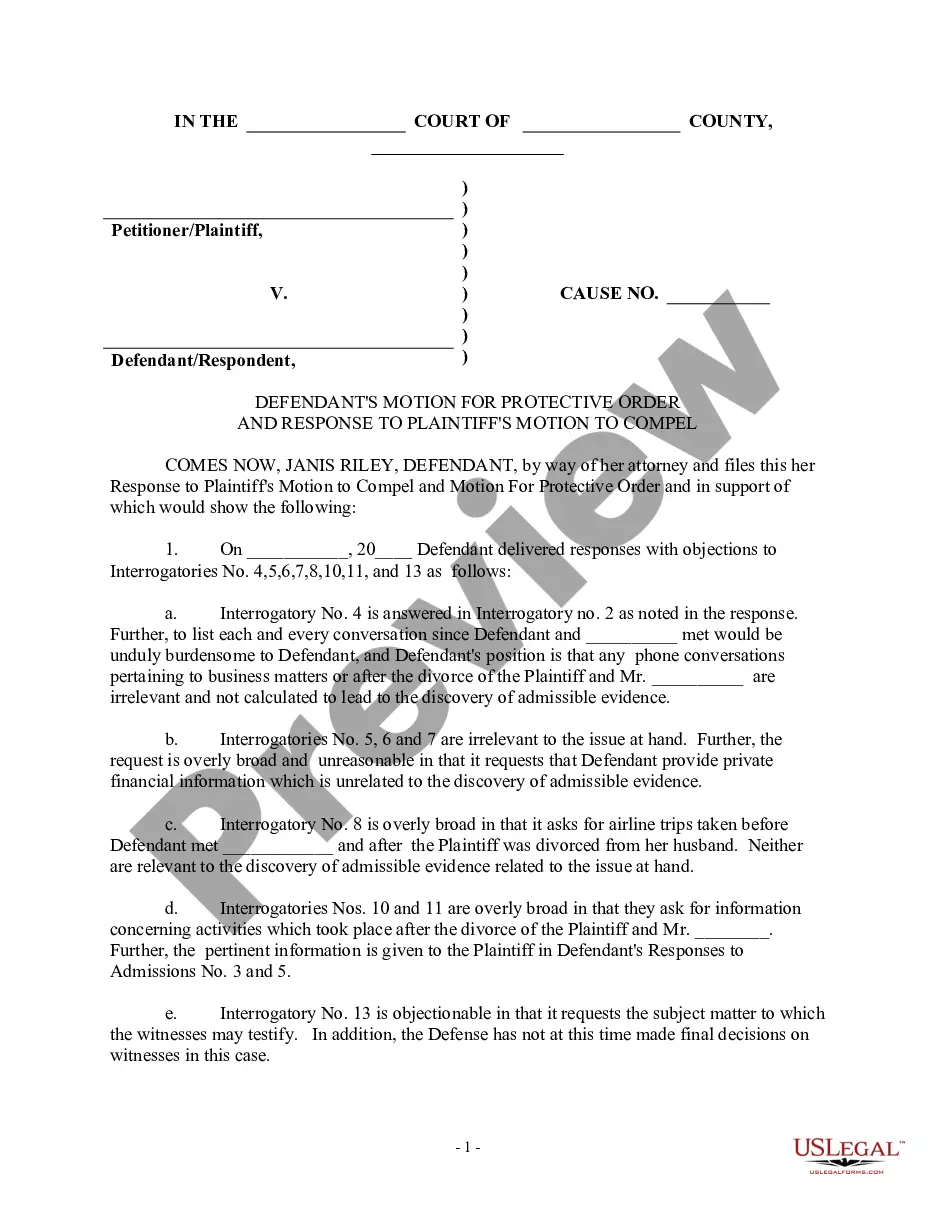
The Motion To Dismiss Texas Example For Child Support presented here is a versatile official template created by experienced attorneys following federal and state regulations.
For over 25 years, US Legal Forms has been offering individuals, organizations, and lawyers access to over 85,000 validated, state-specific documents for any business or personal need. This is the fastest, easiest, and most reliable method to acquire the necessary paperwork, as the service ensures the utmost level of data protection and anti-malware safety.
Choose the format you prefer for your Motion To Dismiss Texas Example For Child Support (PDF, Word, RTF) and save the document on your device.
- Search for the document you require and assess it.
- Browse the sample you found and preview it or examine the form details to confirm it meets your needs. If it doesn’t, use the search field to find the correct one. Click Buy Now once you’ve identified the template you want.
- Select and Log In to your account.
- Choose the subscription plan that fits your needs and set up an account. Make a quick payment using PayPal or a credit card. If you already have an account, Log In and review your subscription to proceed.
- Acquire the editable template.
Form popularity
FAQ
Filing a motion to terminate child support in Texas involves preparing a formal request to the court. You should clearly articulate the reasons for termination, supported by legal grounds. It’s advisable to consult a motion to dismiss Texas sample for child support for guidance on structuring your motion. Accurate filings ensure a smoother process in court.
You will file your Petition to Terminate Withholding for Child Support in the same court that issued the current child support order. File it with the district clerk in that county. Bring several extra copies of the petition. You will need a copy for you and one for the obligee.
To do this, you or an attorney will need to file a Motion to Terminate Withholding for Child Support in the court that issued the original family court orders. A hearing will be scheduled, where the judge will review the petition and, if everything is in order, will sign an order terminating child support.
Only a judge or a prosecutor can decide if a case gets dismissed. Prosecutors can drop charges against someone, or a judge can rule that a case be thrown out after the defendant makes a motion to dismiss.
3 Time for Motion and Ruling. A motion to dismiss must be: (a) filed within 60 days after the first pleading containing the challenged cause of action is served on the movant; (b) filed at least 21 days before the motion is heard; and (c) granted or denied within 45 days after the motion is filed.
Likewise, a judge can dismiss the case if they find no legal basis for the charge, if the defendant's rights have been violated, or if the state has failed to prove its case. Judges can dismiss a case either on their own motion or on the motion of the defendant.