Motion For Trial Setting
Description
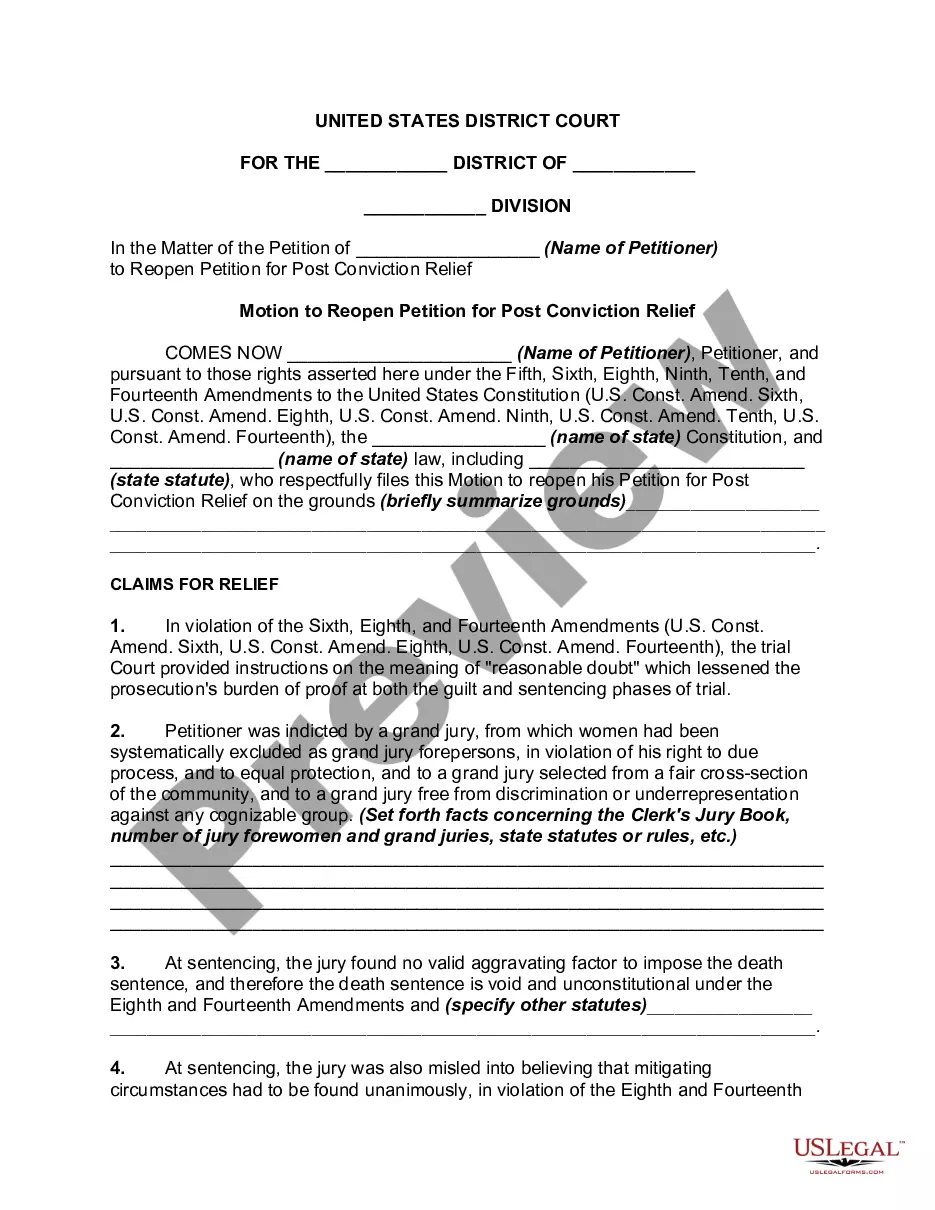
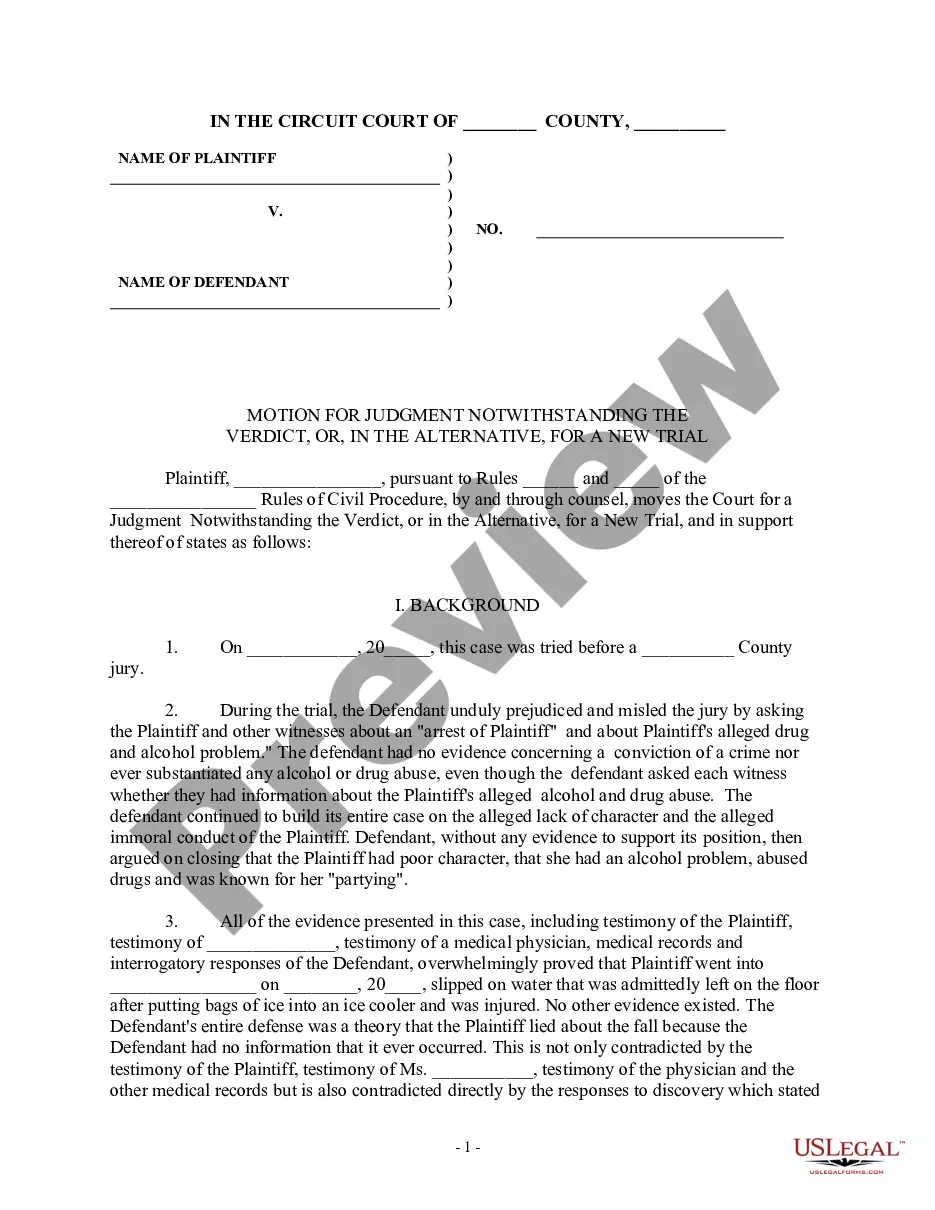
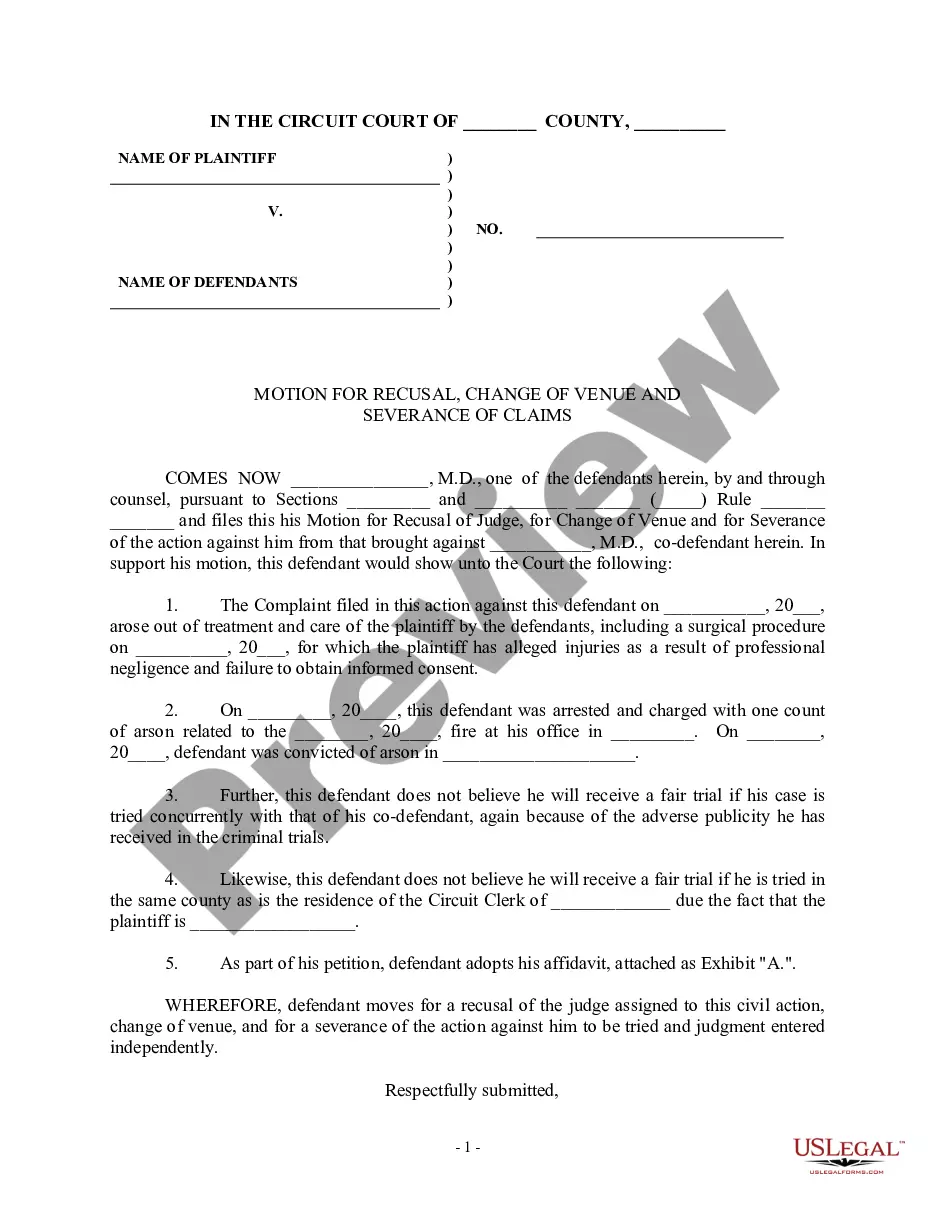
Get your form ready online
Our built-in tools help you complete, sign, share, and store your documents in one place.
Make edits, fill in missing information, and update formatting in US Legal Forms—just like you would in MS Word.
Download a copy, print it, send it by email, or mail it via USPS—whatever works best for your next step.
Sign and collect signatures with our SignNow integration. Send to multiple recipients, set reminders, and more. Go Premium to unlock E-Sign.
If this form requires notarization, complete it online through a secure video call—no need to meet a notary in person or wait for an appointment.
We protect your documents and personal data by following strict security and privacy standards.

Make edits, fill in missing information, and update formatting in US Legal Forms—just like you would in MS Word.

Download a copy, print it, send it by email, or mail it via USPS—whatever works best for your next step.

Sign and collect signatures with our SignNow integration. Send to multiple recipients, set reminders, and more. Go Premium to unlock E-Sign.

If this form requires notarization, complete it online through a secure video call—no need to meet a notary in person or wait for an appointment.

We protect your documents and personal data by following strict security and privacy standards.
Looking for another form?


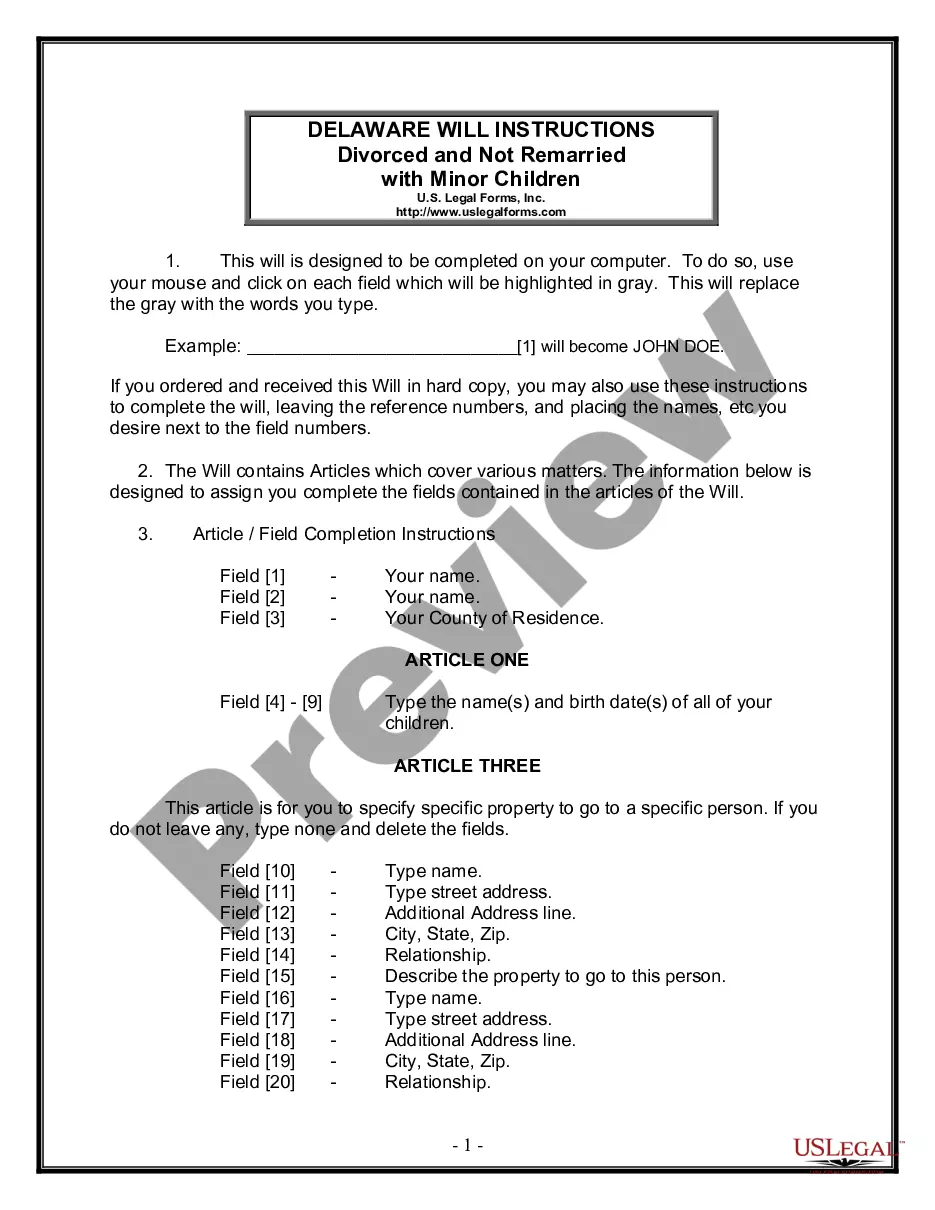


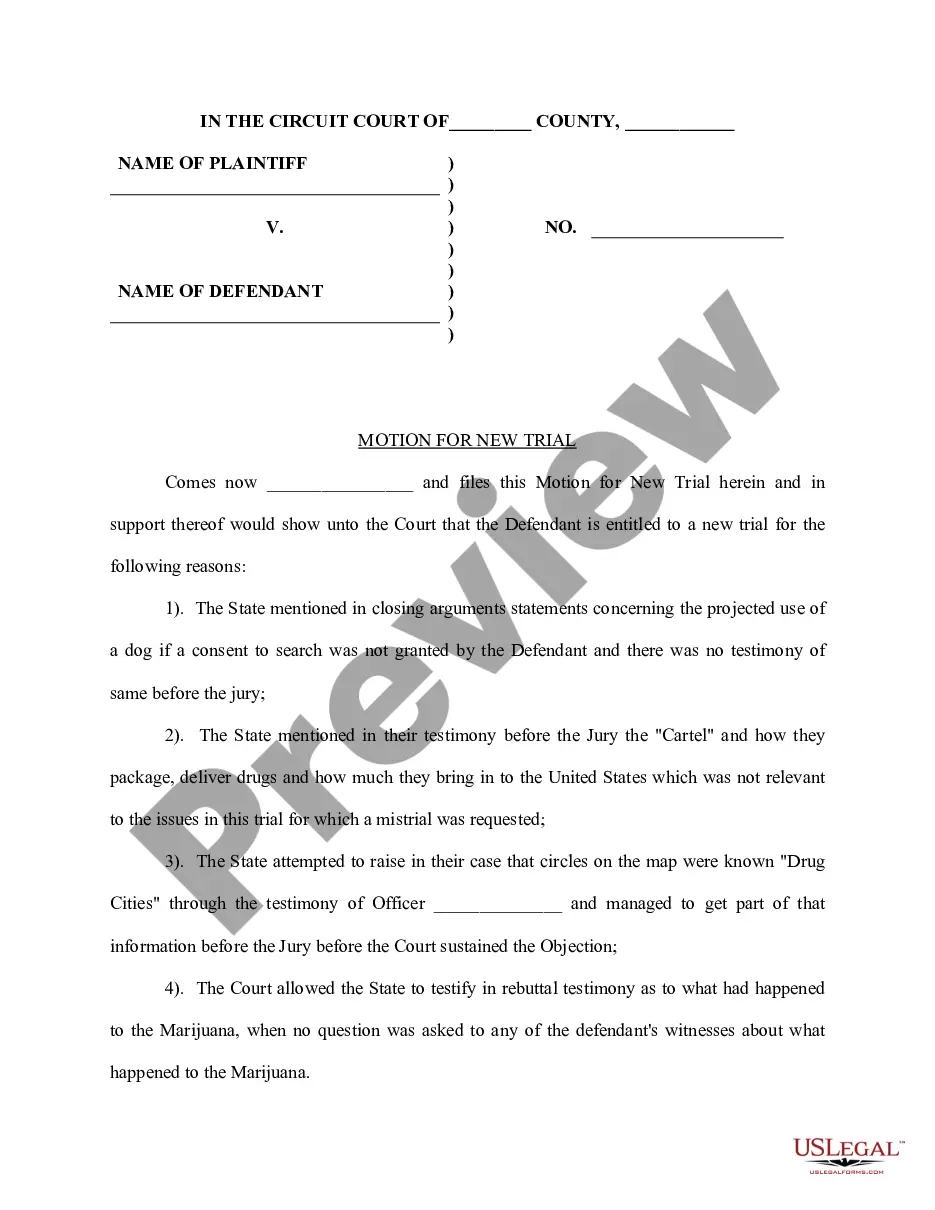
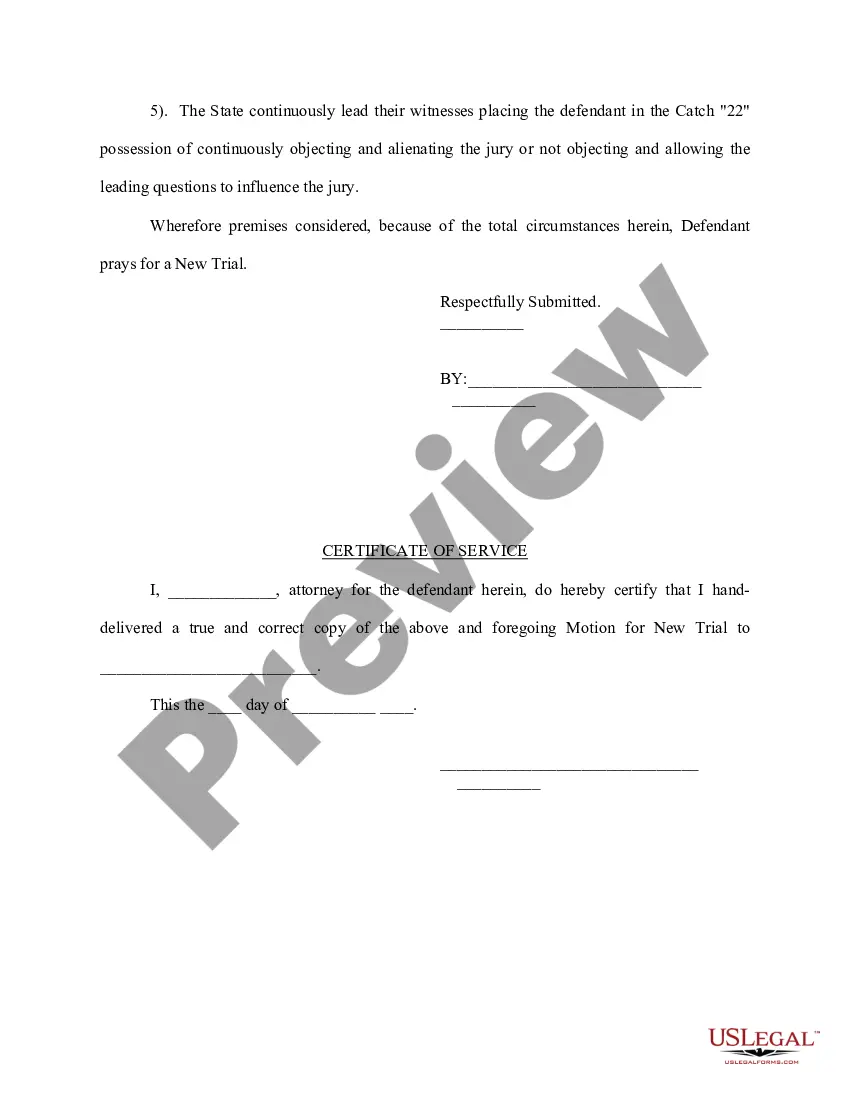
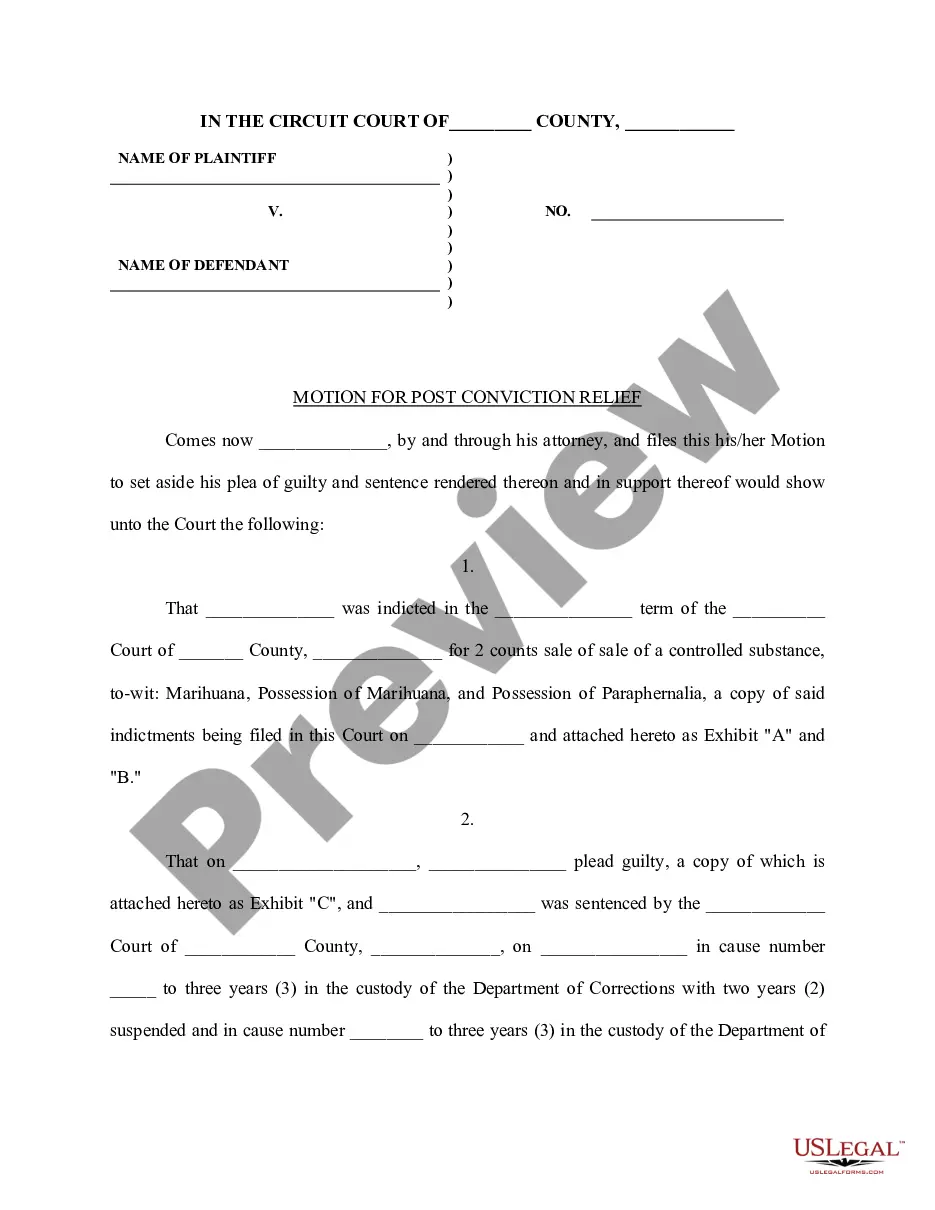
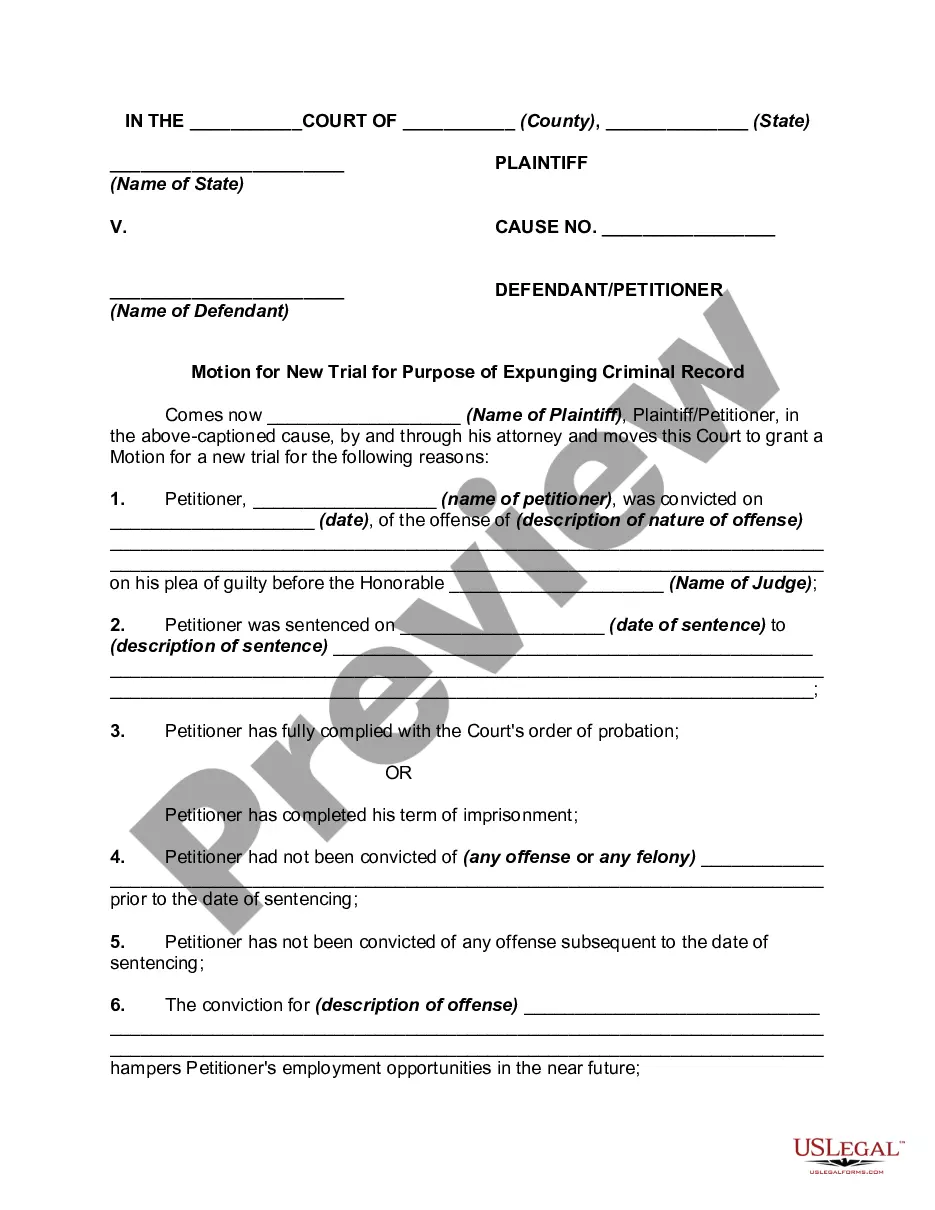
How to fill out Motion For New Trial?
Discovering a reliable source to obtain the most up-to-date and pertinent legal templates is half the challenge of navigating bureaucracy.
Finding the appropriate legal documents demands precision and attention to detail, which is why it is essential to procure samples of Motion For Trial Setting exclusively from reliable sources, such as US Legal Forms.
Eliminate the inconvenience associated with your legal documentation. Browse the vast US Legal Forms library to discover legal templates, assess their applicability to your situation, and download them instantly.
- Utilize the library navigation or search bar to find your template.
- Check the form’s description to verify if it aligns with the requirements of your state and region.
- Examine the form preview, if provided, to ensure it is the correct document you need.
- Return to the search and seek the appropriate document if the Motion For Trial Setting does not satisfy your criteria.
- If you are confident in the form’s relevance, download it.
- If you are a registered user, click Log in to verify your identity and access your selected forms in My documents.
- If you do not have an account yet, click Buy now to purchase the template.
- Select the pricing plan that fits your needs.
- Proceed with registration to complete your purchase.
- Conclude your purchase by selecting a payment method (credit card or PayPal).
- Choose the document format for downloading Motion For Trial Setting.
- Once you have the form on your device, you can edit it using the editor or print it and fill it out by hand.
Form popularity
FAQ
To file a motion for trial, you need to prepare the necessary documents that clearly outline the grounds for your request. You will then submit these documents to the court where your case is pending. Following specific court rules is crucial, as they may vary. Platforms like US Legal Forms can provide templates and guidance to streamline this process.
Trial settings are fact gathering hearings in front of a judge following established legal procedures wherein the prosecution attempts to prove its case against the defendant and the defendant is afforded his/her constitutional rights to present evidence, cross examine witnesses, and confront accusers.
There are several different types of post-judgment motions, but the most common are motions for new trial, motions to vacate, and motions to set-aside. Motions for new trial, motions to vacate, and motions to set-aside are the three most common post-judgment motions.
Hear this out loud PauseYou will get a trial date when you have a hearing called a ?Trial Setting Conference?. The judge wants everyone who will be trying the case to be at the hearing. This means your lawyer, if you have one. If you don't, you have to go. The judge sets a trial date for sometime in the next 90 days.
You will get a trial date when you have a hearing called a ?Trial Setting Conference?. The judge wants everyone who will be trying the case to be at the hearing. This means your lawyer, if you have one. If you don't, you have to go. The judge sets a trial date for sometime in the next 90 days.
Be as persuasive as possible as you write your motion in a sequential, logical format. Express your ideas clearly, and make sure you outline what steps are necessary and how they will help your case. Use facts of the case whenever you can to avoid baseless emotional appeals.