Defendant Court Motion Without Attorney
Description
Get your form ready online
Our built-in tools help you complete, sign, share, and store your documents in one place.
Make edits, fill in missing information, and update formatting in US Legal Forms—just like you would in MS Word.
Download a copy, print it, send it by email, or mail it via USPS—whatever works best for your next step.
Sign and collect signatures with our SignNow integration. Send to multiple recipients, set reminders, and more. Go Premium to unlock E-Sign.
If this form requires notarization, complete it online through a secure video call—no need to meet a notary in person or wait for an appointment.
We protect your documents and personal data by following strict security and privacy standards.

Make edits, fill in missing information, and update formatting in US Legal Forms—just like you would in MS Word.

Download a copy, print it, send it by email, or mail it via USPS—whatever works best for your next step.

Sign and collect signatures with our SignNow integration. Send to multiple recipients, set reminders, and more. Go Premium to unlock E-Sign.

If this form requires notarization, complete it online through a secure video call—no need to meet a notary in person or wait for an appointment.

We protect your documents and personal data by following strict security and privacy standards.
Looking for another form?


How to fill out Motion For New Trial?
Regardless of whether it's for professional objectives or personal issues, everyone must confront legal circumstances at some point in their life.
Completing legal paperwork requires meticulous care, starting with selecting the appropriate form template.
Once downloaded, you can fill out the form using editing software or print it and complete it by hand.
- For example, if you choose an incorrect version of a Defendant Court Motion Without Attorney, it will be turned down upon submission.
- Therefore, it's crucial to have a reliable source for legal documents such as US Legal Forms.
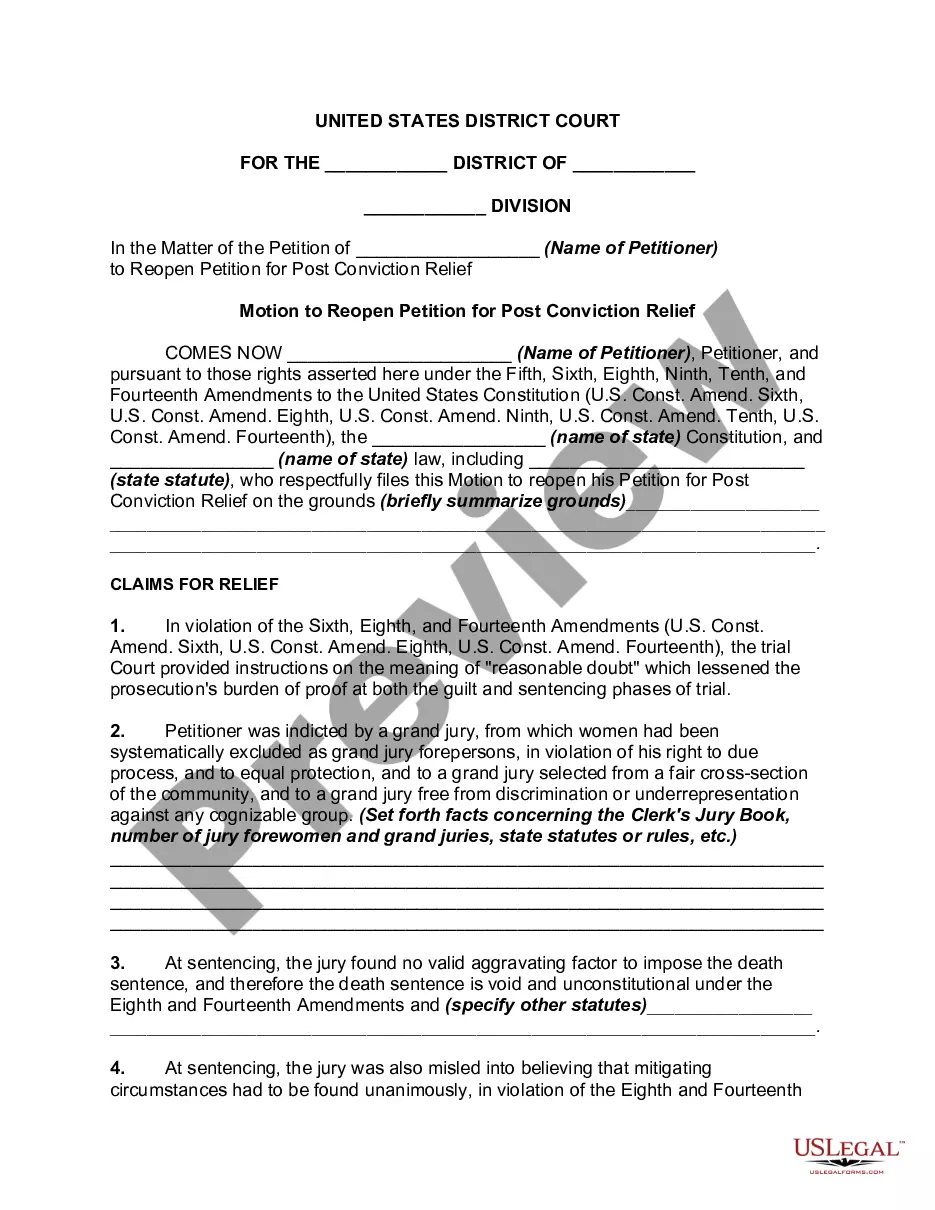
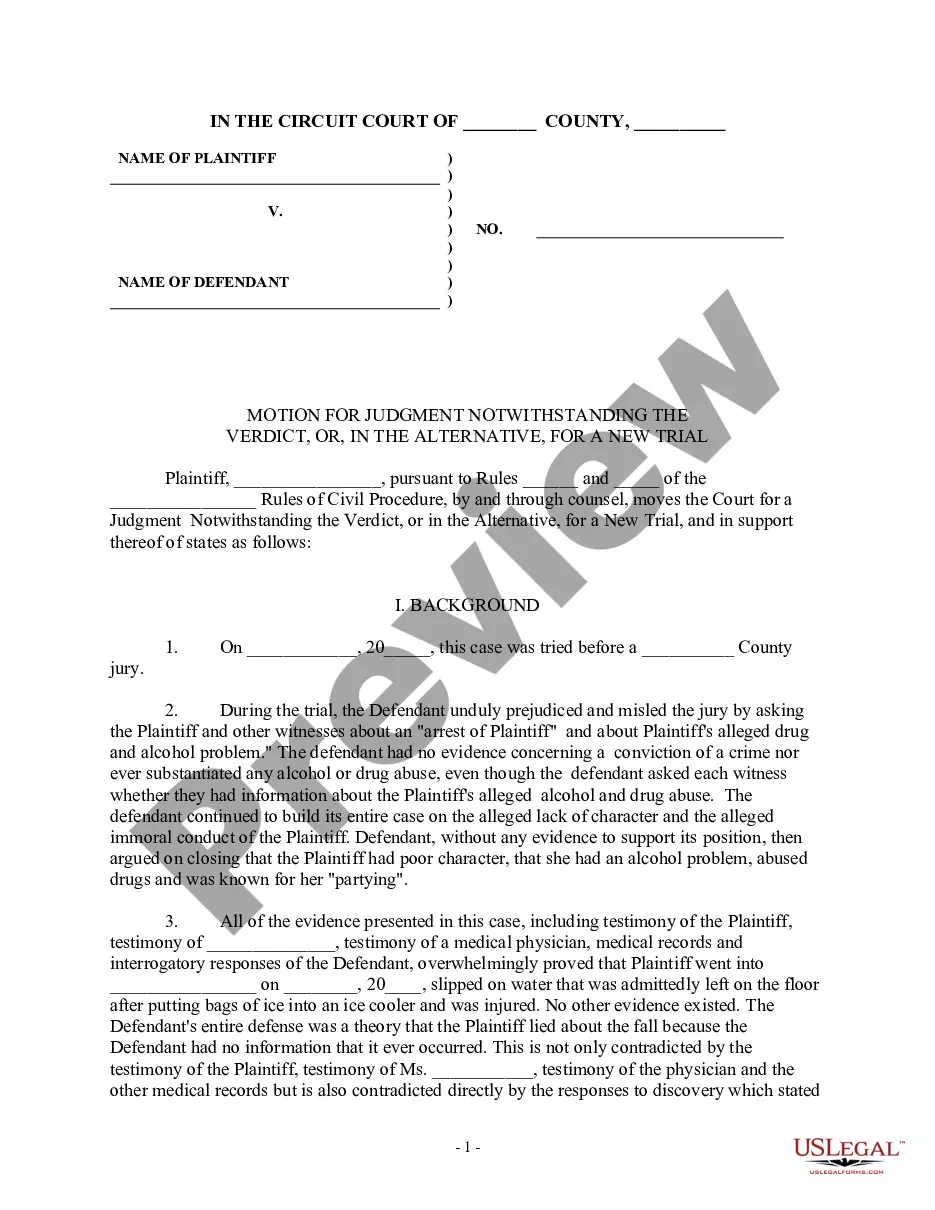
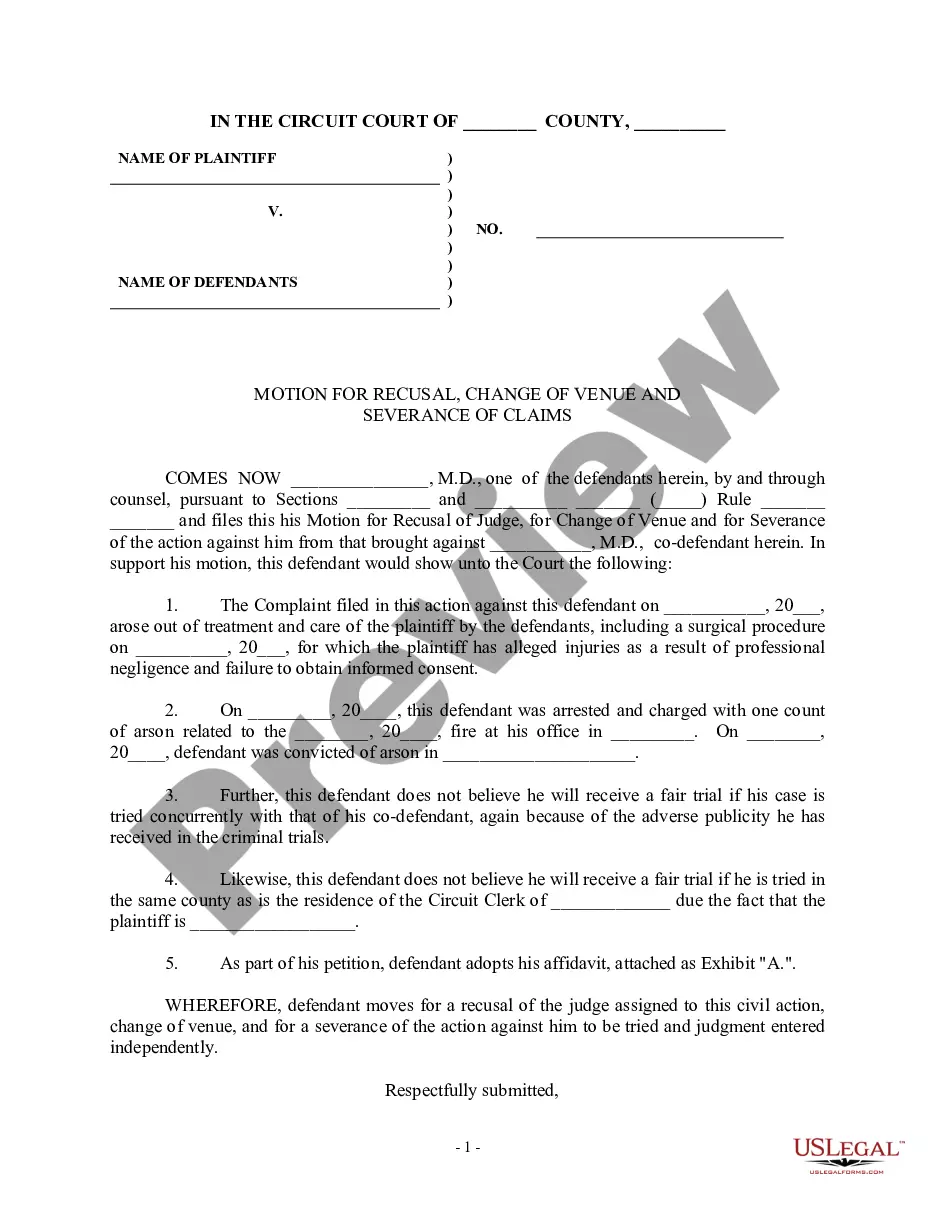
- If you need to obtain a Defendant Court Motion Without Attorney template, follow these simple steps.
- Acquire the necessary template using the search bar or catalog browsing.
- Review the details of the form to ensure it aligns with your situation, state, and locality.
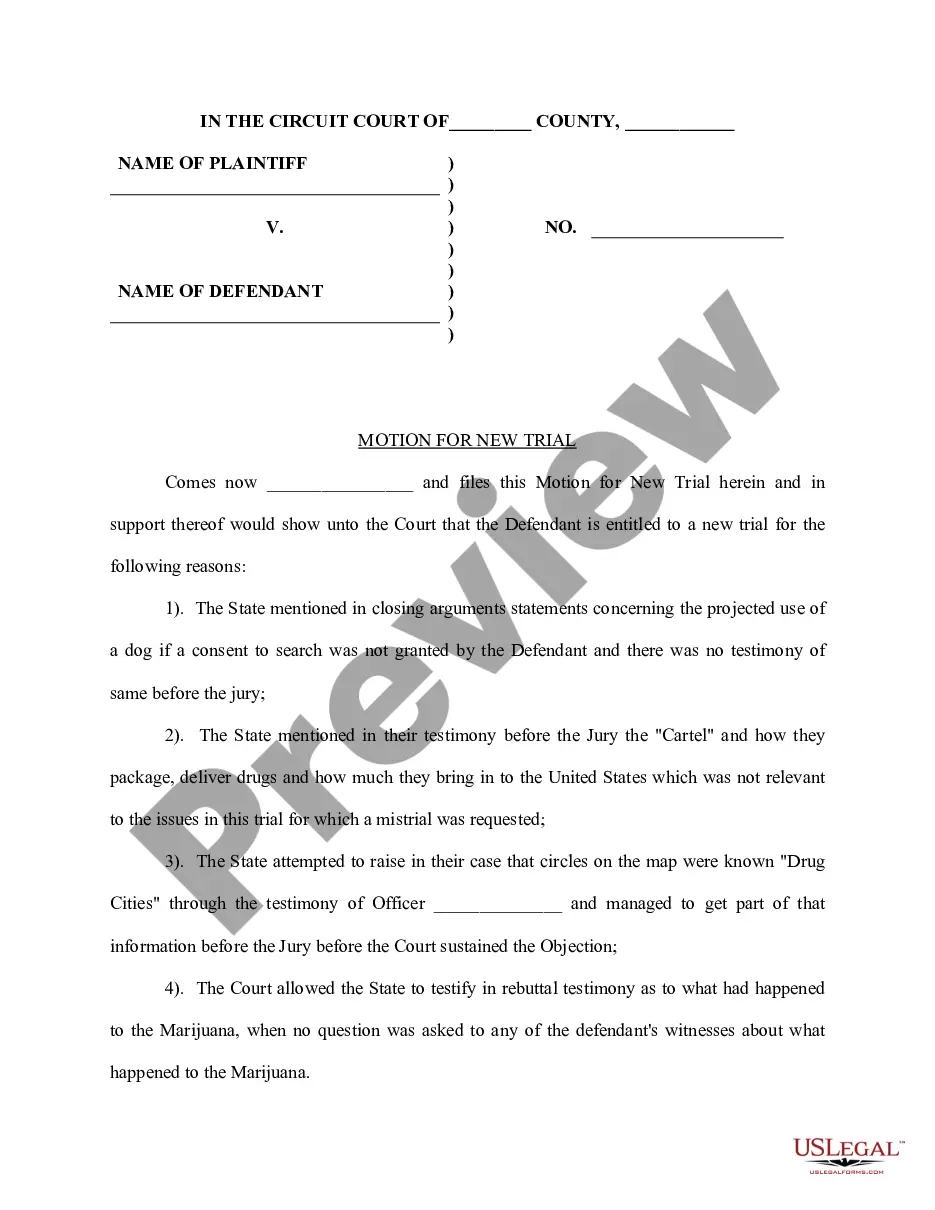
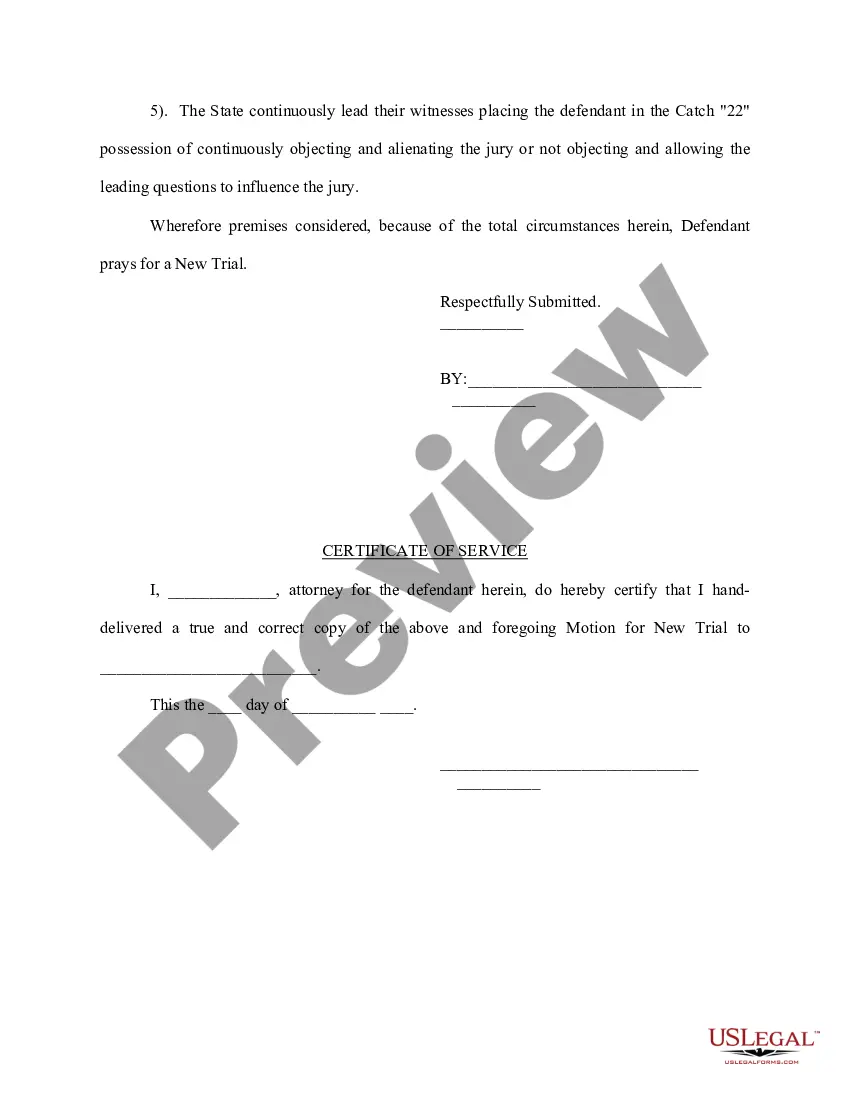
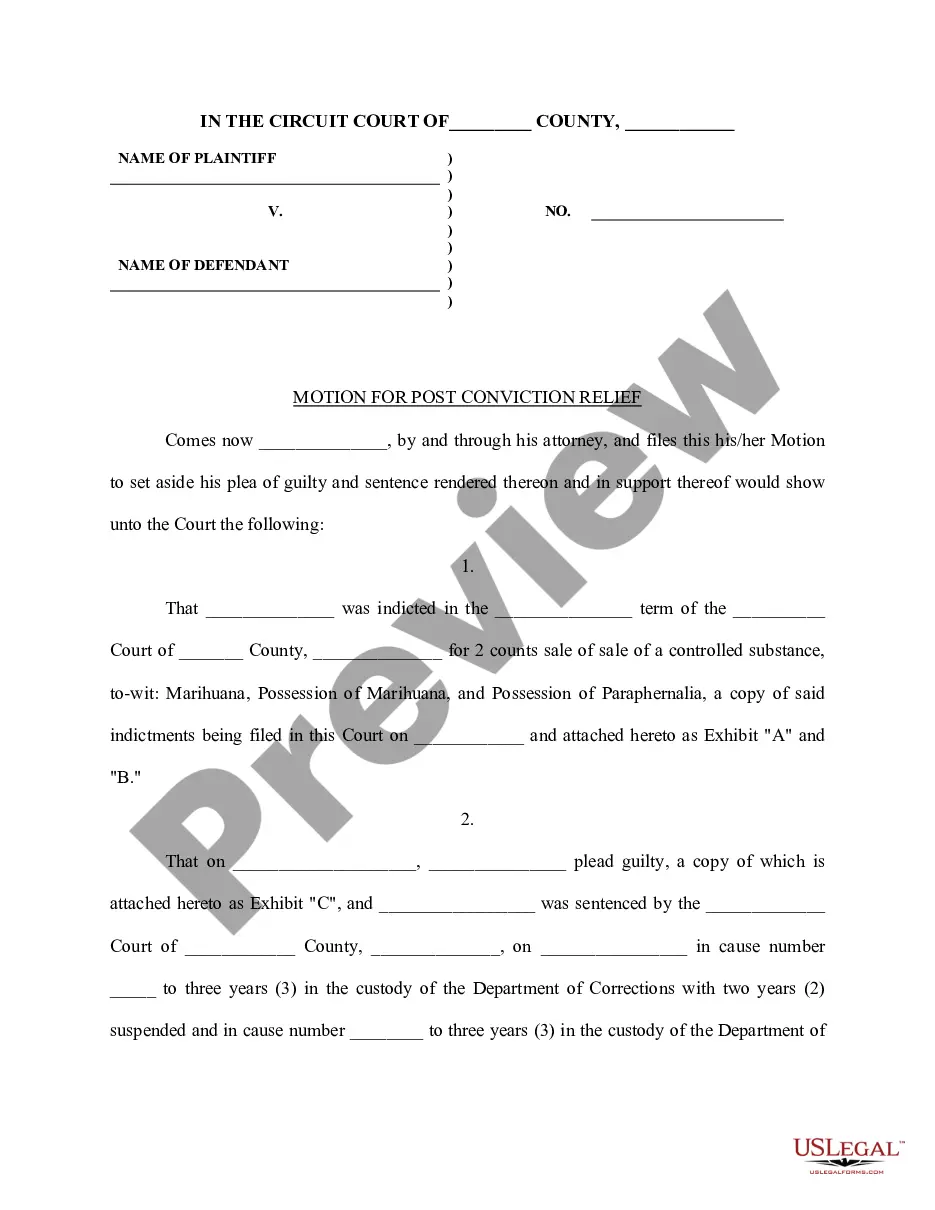
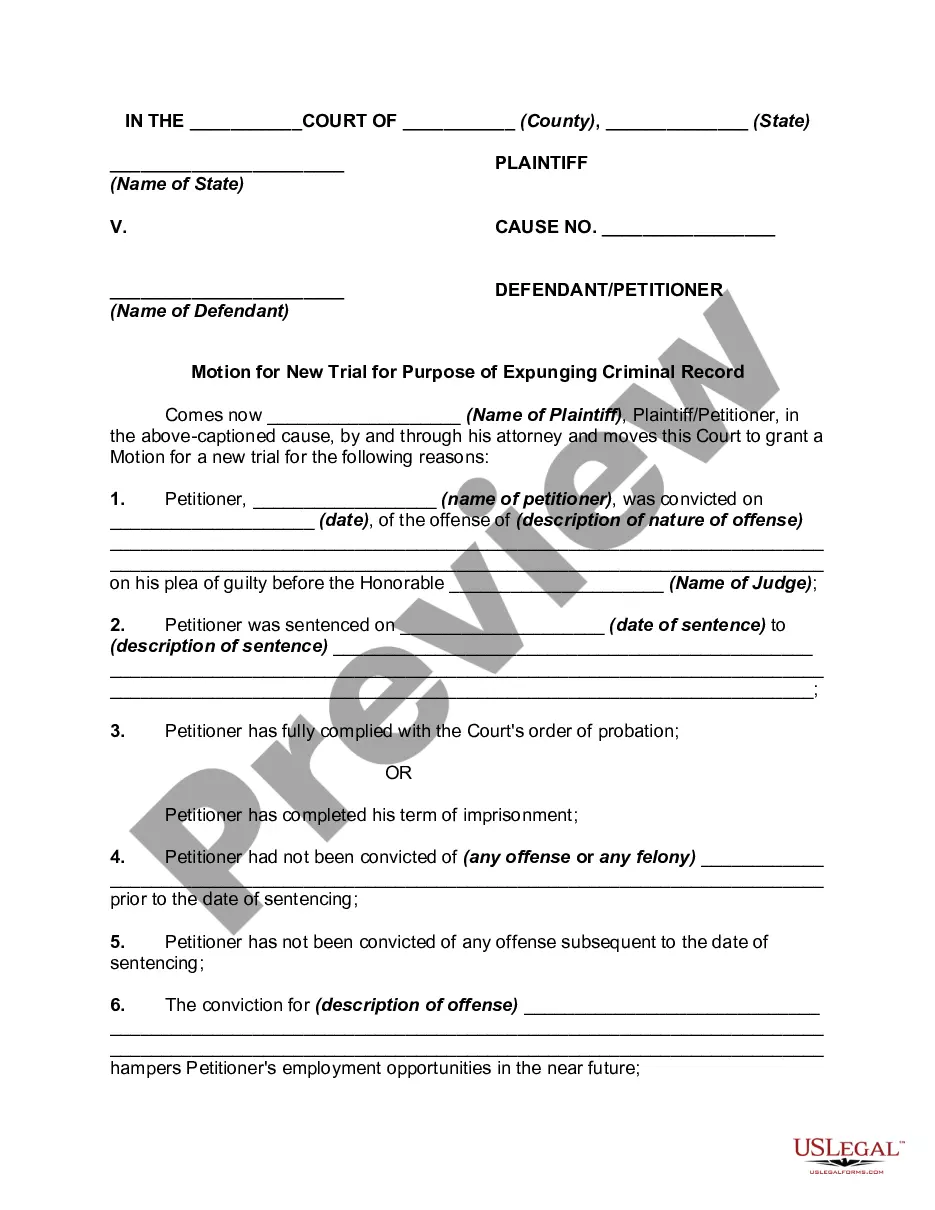
- Click on the form's preview to examine it.
- If it is the wrong document, go back to the search option to find the Defendant Court Motion Without Attorney form you require.
- Obtain the file once it fits your criteria.
- If you already have a US Legal Forms account, just click Log in to access previously stored documents in My documents.
- If you don’t possess an account yet, you can snag the form by clicking Buy now.
- Select the appropriate pricing tier.
- Complete the account registration form.
- Choose your payment method: utilize a credit card or PayPal account.
- Select the file format you prefer and download the Defendant Court Motion Without Attorney.
Form popularity
FAQ
Common post-trial motions include: Motion for a New Trial ? The court can vacate the judgment and allow for a new trial. ... Motion for Judgment of Acquittal ? Court may set aside the jury's verdict and allow the defendant to go free.
(A) Responses to all motions, except those listed in subparagraph 2(A) below, must be filed within 14 days after service of the motion. (B) If filed, a reply brief supporting such motion must be filed within 7 days after service of the response, but at least 3 days before the motion hearing.
Latin for "of one's own ; voluntarily." Used to indicate that a court has taken notice of an issue on its own motion without prompting or suggestion from either party. As a general rule, where grounds for dismissal exist, an action is subject to dismissal on a court's own motion.
There are several different types of post-judgment motions, but the most common are motions for new trial, motions to vacate, and motions to set-aside. Motions for new trial, motions to vacate, and motions to set-aside are the three most common post-judgment motions.
How to Write a Kick-Ass Motion Make an Outline. ... Keep Your Motion Simple. ... Maintain Credibility. ... Mind Your Citations. ... Focus on Facts. ... Keep Your Intro Short. ... Respect the Opposition. ... Write in English, Not Legalese.