Habeas Corpus Writ In Telugu
Description

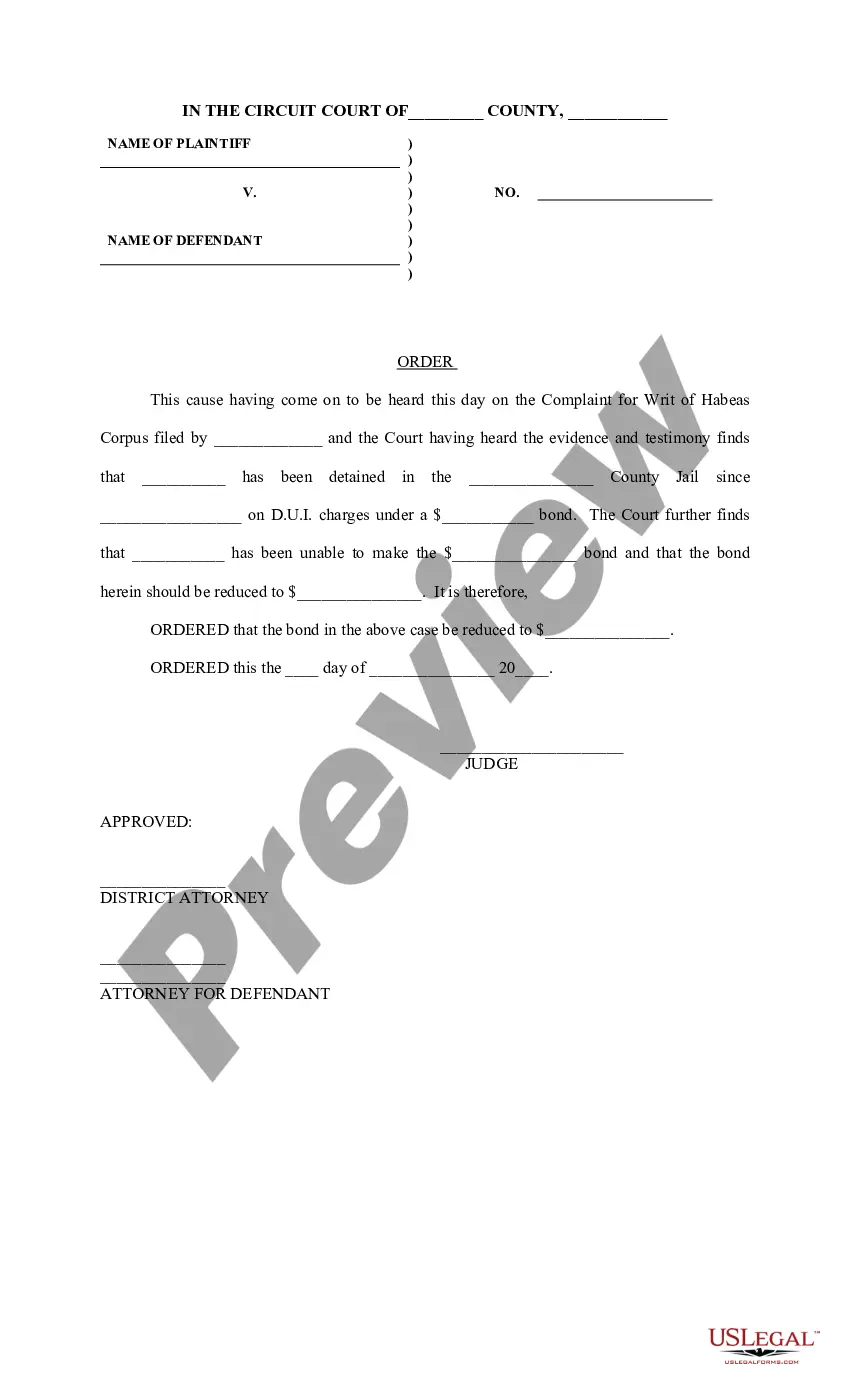
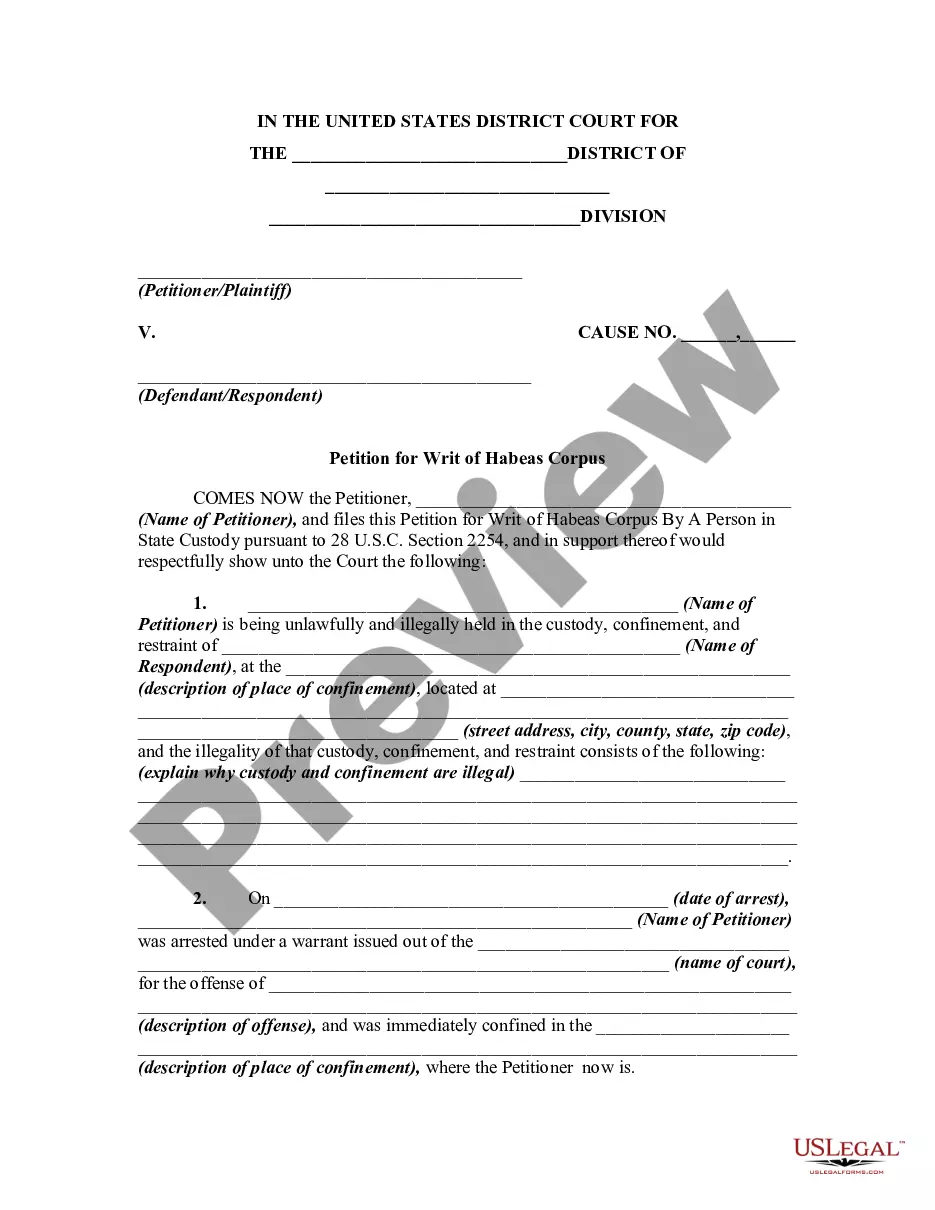
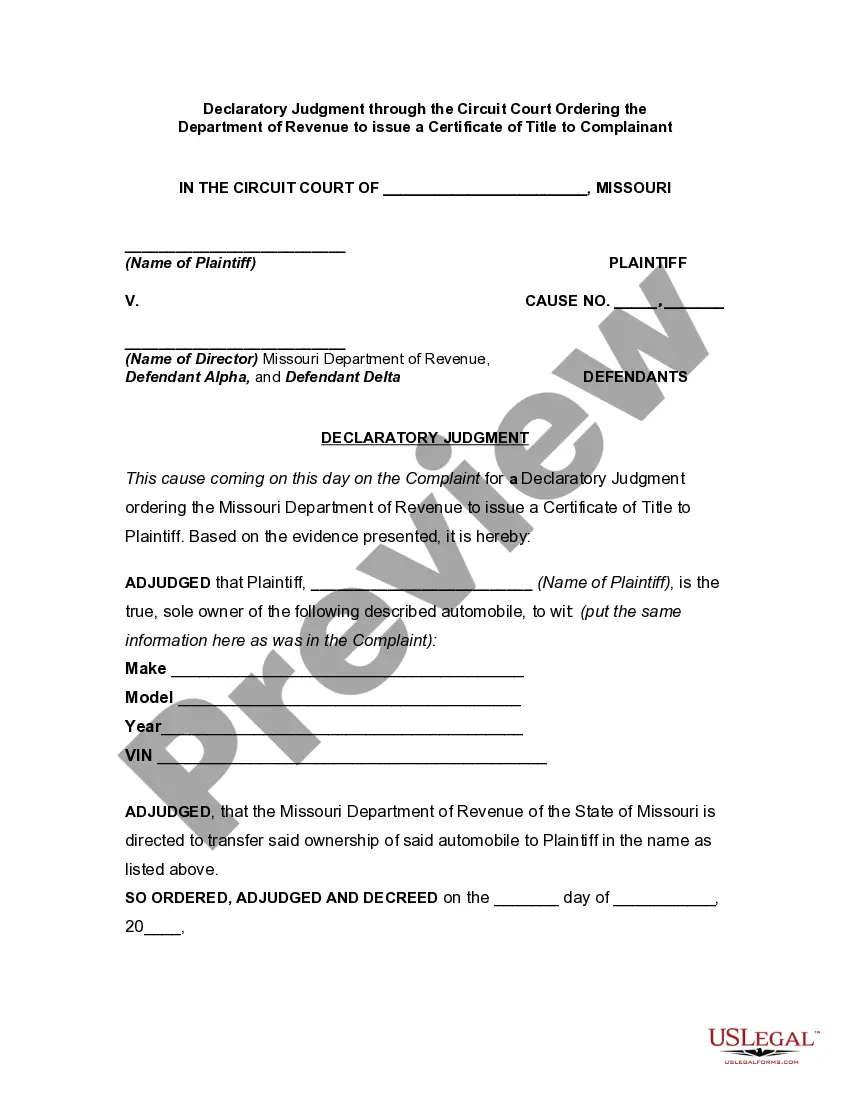





How to fill out Complaint For Writ Of Habeas Corpus?
Creating legal documents from the ground up can frequently be daunting.
Certain cases may require extensive research and a significant financial investment.
If you’re looking for a simpler and more economical method of producing Habeas Corpus Writ In Telugu or any other paperwork without unnecessary obstacles, US Legal Forms is always at your disposal.
Our online database of over 85,000 current legal forms covers nearly every element of your financial, legal, and personal matters.
Before proceeding to download the Habeas Corpus Writ In Telugu, keep these tips in mind: Review the form preview and descriptions to confirm you have the correct form. Verify that the template you select meets your state and county’s requirements. Select the appropriate subscription option to purchase the Habeas Corpus Writ In Telugu. Download the document, then complete, certify, and print it. US Legal Forms boasts an impeccable reputation and over 25 years of experience. Join us today and simplify the document execution process!
- With just a few clicks, you can promptly access templates tailored to your state and county, meticulously prepared by our legal experts.
- Utilize our website whenever you seek a dependable and trustworthy service through which you can effortlessly locate and download the Habeas Corpus Writ In Telugu.
- If you’re familiar with our services and have created an account in the past, simply Log In to your account, find the form, and download it, or re-download it later in the My documents section.
- Don’t have an account? No problem. Registering takes only a few minutes and allows you to browse the catalog.
Form popularity
FAQ
Habeas corpus petitions may be denied for various reasons, including the absence of unlawful detention or failure to meet procedural requirements. Courts require specific legal standards to be met, and any gaps can lead to denial. Familiarizing yourself with potential pitfalls, especially using materials that discuss the habeas corpus writ in Telugu, can help you navigate the application process more effectively.
To obtain a habeas corpus, you need to file a petition in the appropriate court, which will then review the detention circumstances. This process often requires legal knowledge and procedural rigor. If you're looking for help, US Legal Forms provides resources that explain the habeas corpus writ in Telugu, making it easier for you to understand the steps involved.
Writing a habeas corpus writ involves detailing the facts of the case, identifying the detention authority, and articulating the legal grounds for the challenge. Start by clearly explaining the circumstances surrounding the detention. For those who prefer instructions in their native language, looking for examples of the habeas corpus writ in Telugu can provide clarity and guidance.
The requirements for a habeas corpus petition typically include sufficient grounds for challenging detention, information about the person detained, and a clear statement of unlawful detainment. It's crucial to present your case convincingly by citing relevant legal precedents. Engaging with resources or templates available for the habeas corpus writ in Telugu may enhance your understanding of these requirements.
To file a habeas corpus in India, you need to prepare a petition stating the facts of the case and the grounds for the petition. Ensure you include necessary information about the detainee and the authority holding them. You can also explore legal platforms that provide guidance in your preferred language, such as information on the habeas corpus writ in Telugu, to make your filing process smoother.
Winning a habeas corpus case can be challenging, as it often requires a thorough understanding of both legal procedures and specific circumstances of the detention. The strength of your arguments and the quality of your evidence play significant roles. If you're unsure about the process, using resources that explain the habeas corpus writ in Telugu may simplify your understanding and help you build a stronger case.
There are no strict time limits for filing a habeas corpus petition in India, which means that individuals can act when necessary. Nonetheless, it’s advisable to file promptly to strengthen the chances of a favorable outcome. For those exploring the habeas corpus writ in Telugu, understanding this flexibility is important for navigating legal challenges effectively.
Habeas corpus can legally be suspended during times of national emergency as declared by the government. This suspension allows authorities to maintain order but is closely monitored to prevent misuse. Legal safeguards are still in place to ensure the protection of individual rights, making it vital to understand the context of the habeas corpus writ in Telugu during such times.
The writ of habeas corpus is a legal order that requires a person under arrest to be brought before a judge. Its primary goal is to safeguard individual liberty by preventing unlawful imprisonment. This writ plays a crucial role in the justice system, particularly for those interested in the habeas corpus writ in Telugu, as it embodies the right to freedom from excessive state control.
There is no statute of limitations for filing a habeas corpus petition in India. This means that individuals can seek this remedy at any time if they believe they are unlawfully detained. This aspect of habeas corpus ensures that personal freedoms remain protected without the pressure of time constraints, which is something to consider when exploring the habeas corpus writ in Telugu.
