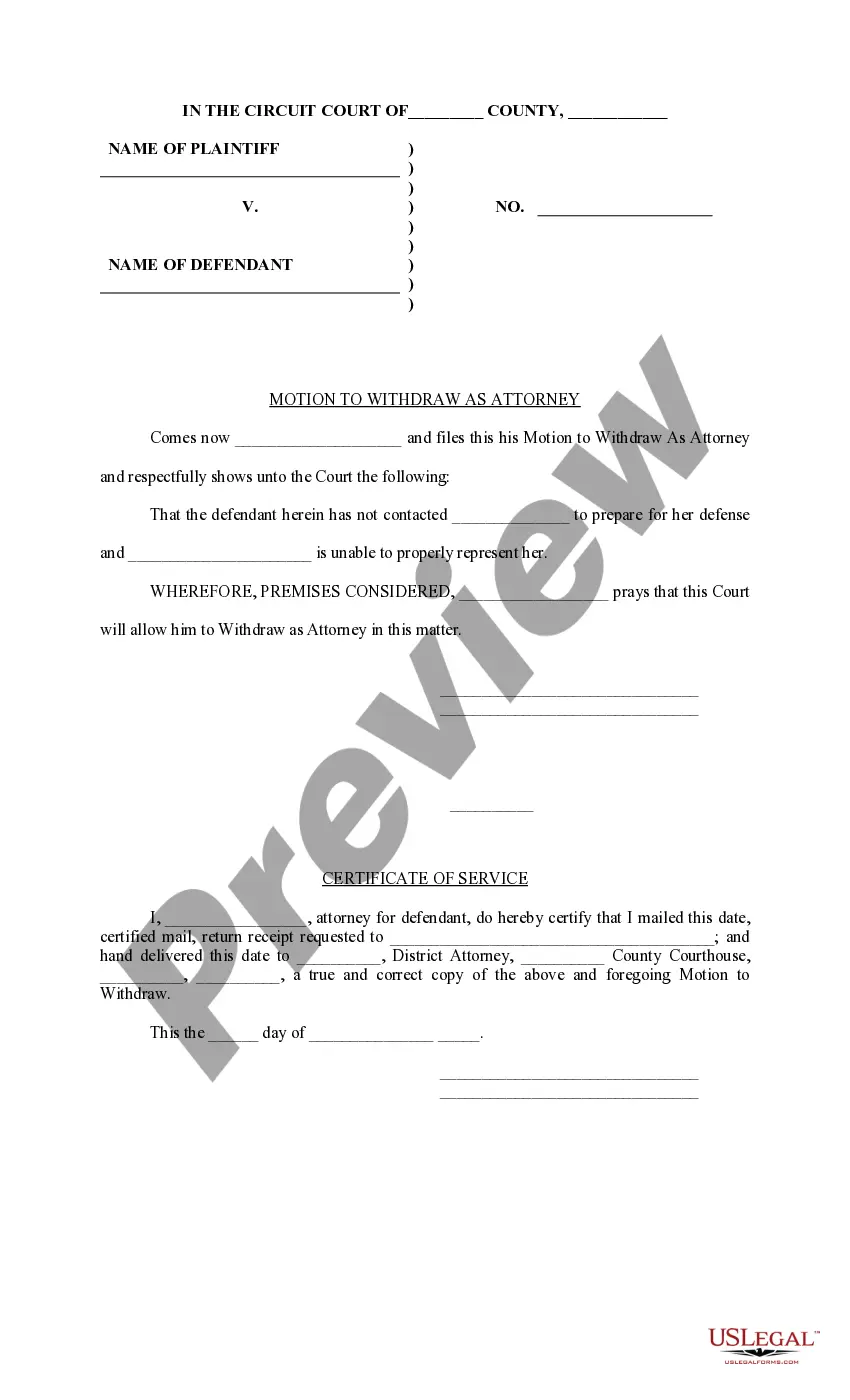
Sample Motion To Withdraw As Counsel With Conformity
Description
Get your form ready online
Our built-in tools help you complete, sign, share, and store your documents in one place.
Make edits, fill in missing information, and update formatting in US Legal Forms—just like you would in MS Word.
Download a copy, print it, send it by email, or mail it via USPS—whatever works best for your next step.
Sign and collect signatures with our SignNow integration. Send to multiple recipients, set reminders, and more. Go Premium to unlock E-Sign.
If this form requires notarization, complete it online through a secure video call—no need to meet a notary in person or wait for an appointment.
We protect your documents and personal data by following strict security and privacy standards.

Make edits, fill in missing information, and update formatting in US Legal Forms—just like you would in MS Word.

Download a copy, print it, send it by email, or mail it via USPS—whatever works best for your next step.

Sign and collect signatures with our SignNow integration. Send to multiple recipients, set reminders, and more. Go Premium to unlock E-Sign.

If this form requires notarization, complete it online through a secure video call—no need to meet a notary in person or wait for an appointment.

We protect your documents and personal data by following strict security and privacy standards.
Looking for another form?








How to fill out Motion To Withdraw As Attorney?
Regardless of whether it’s for corporate reasons or personal issues, everyone encounters legal matters at some stage in their life.
Completing legal documents demands meticulous attention, beginning with selecting the appropriate form template.
With an extensive US Legal Forms catalog available, you won’t need to waste time searching for the right template online. Take advantage of the library’s straightforward navigation to locate the correct template for any situation.
- Locate the template you require by using the search box or browsing through the catalog.
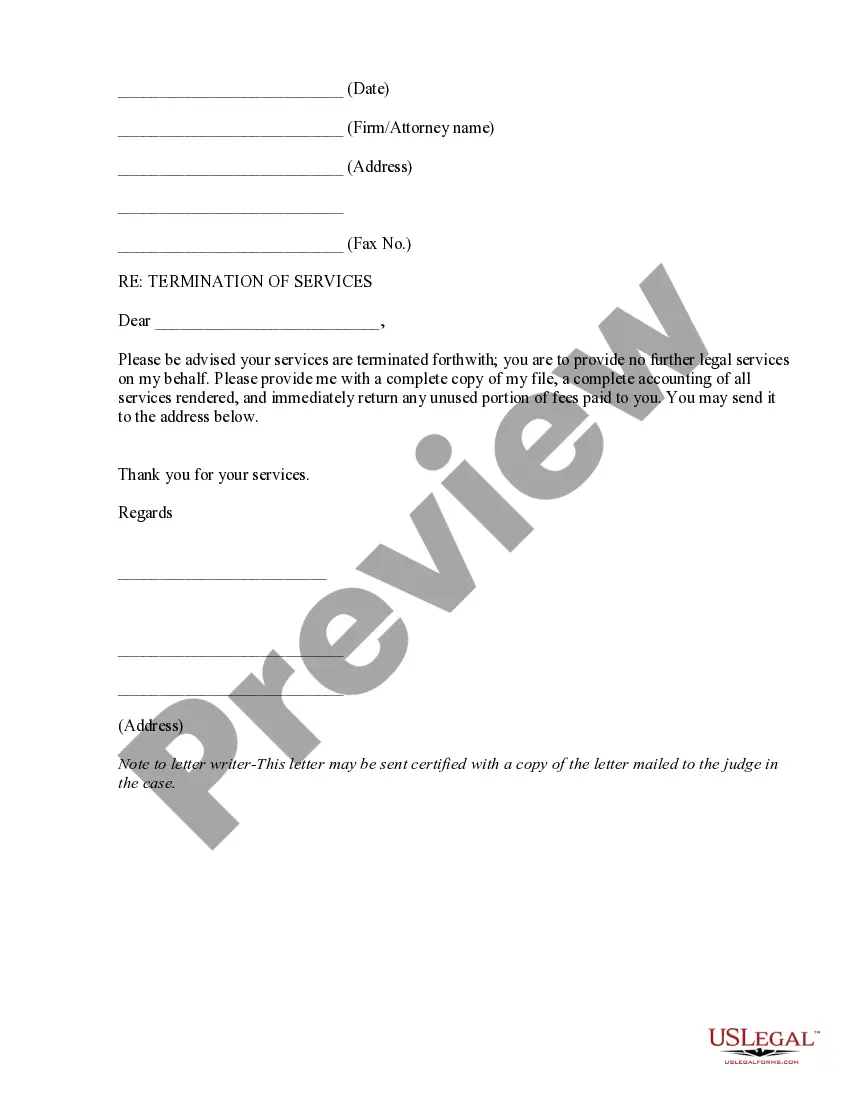
- Review the form’s description to confirm it aligns with your circumstances, jurisdiction, and county.
- Click on the form’s preview to examine it.
- If it’s the incorrect form, return to the search tool to find the Sample Motion To Withdraw As Counsel With Conformity sample you need.
- Obtain the template when it satisfies your requirements.
- If you possess a US Legal Forms account, simply click Log in to retrieve previously stored documents in My documents.
- In case you do not have an account yet, you can download the form by clicking Buy now.
- Choose the suitable pricing option.
- Fill out the profile registration form.
- Select your payment method: you can opt for a credit card or a PayPal account.
- Choose the file format you prefer and download the Sample Motion To Withdraw As Counsel With Conformity.
- Once it is saved, you can complete the form using editing software or print it out and finish it manually.
Form popularity
FAQ
An attorney appearing in a case or adversary proceeding may request to withdraw as counsel of record for his or her client. Unless a court order or Local Rule 2091-2 provides otherwise, an attorney must file a motion and obtain Court approval to be removed as counsel.
A motion for relief from the judgment is a request made by a party to the court to correct a mistake in the judgment or to be relieved from the judgment due to certain circumstances.
Mandatory Withdrawal the lawyer is discharged by the client; the lawyer's physical or mental condition materially impairs the lawyer's ability to represent the client; or. the representation will result in a violation of the Rules of Professional Conduct or other law.
Withdrawal is also permitted if the lawyer's services were misused in the past. The lawyer also may withdraw where the client insists on pursuing a repugnant or imprudent objective or one with which the lawyer has fundamental disagreement.
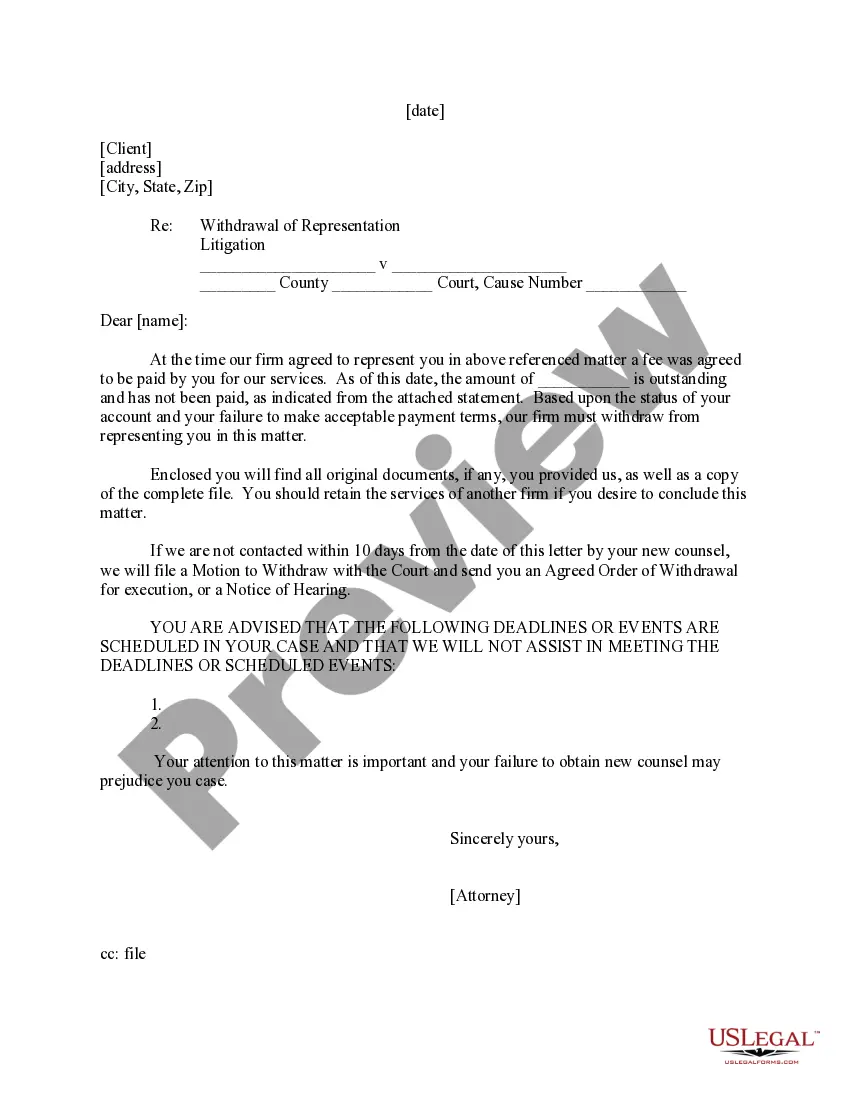
If this motion to be relieved as counsel is granted, you will not have an attorney representing you. You may wish to seek legal assistance. If you do not have a new attorney to represent you in this action or proceeding, and you are legally permitted to do so, you will be representing yourself.