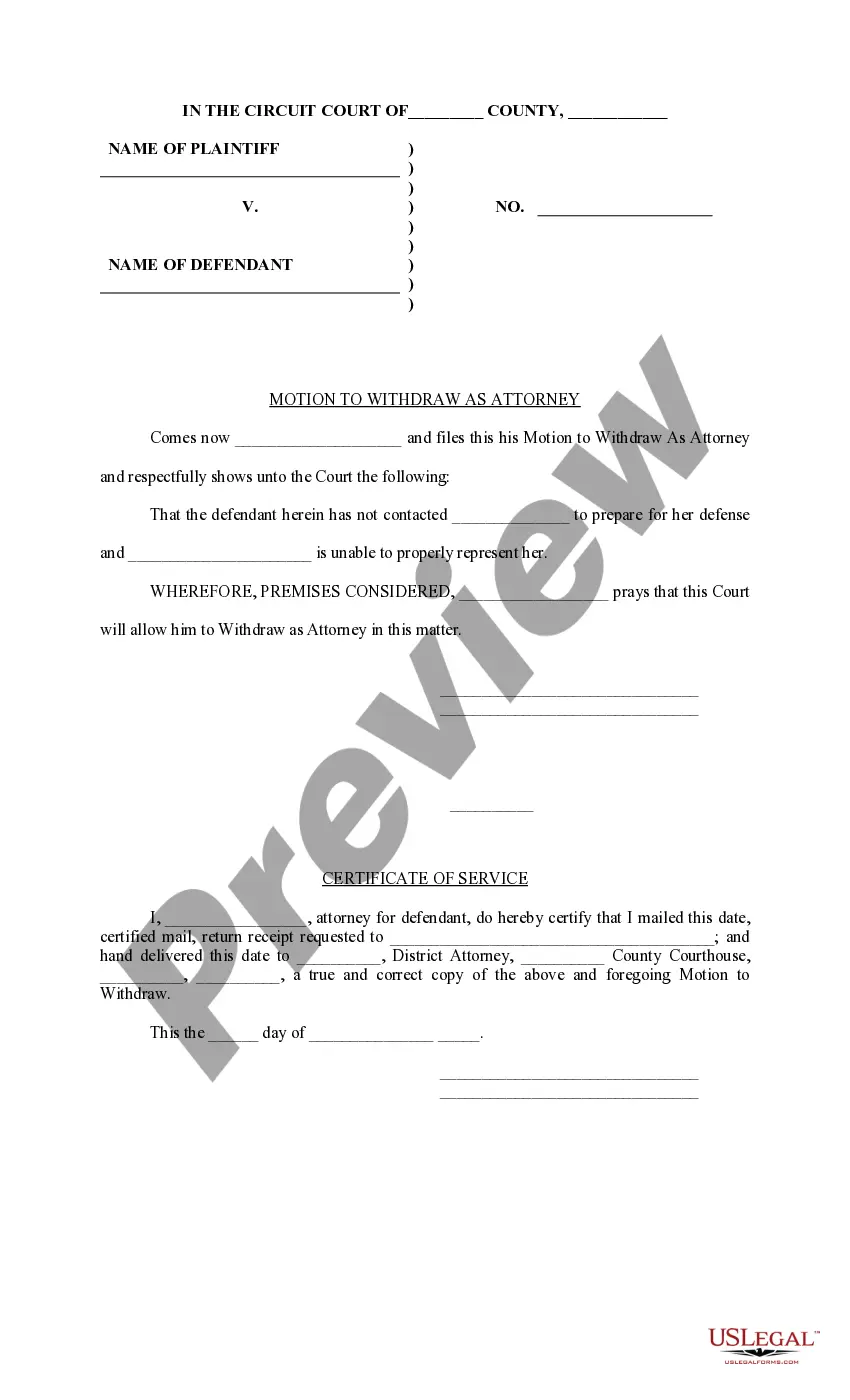
Motion To Withdraw Complaint Without Prejudice Philippines
Description
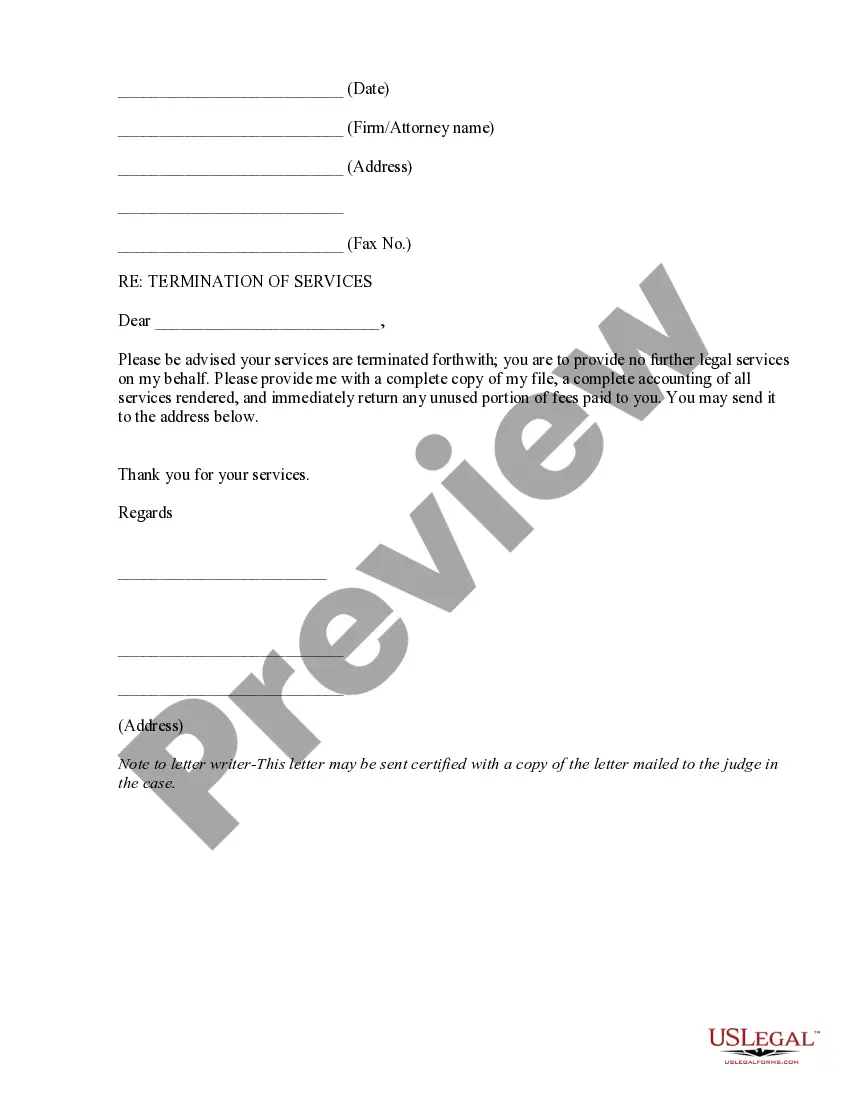
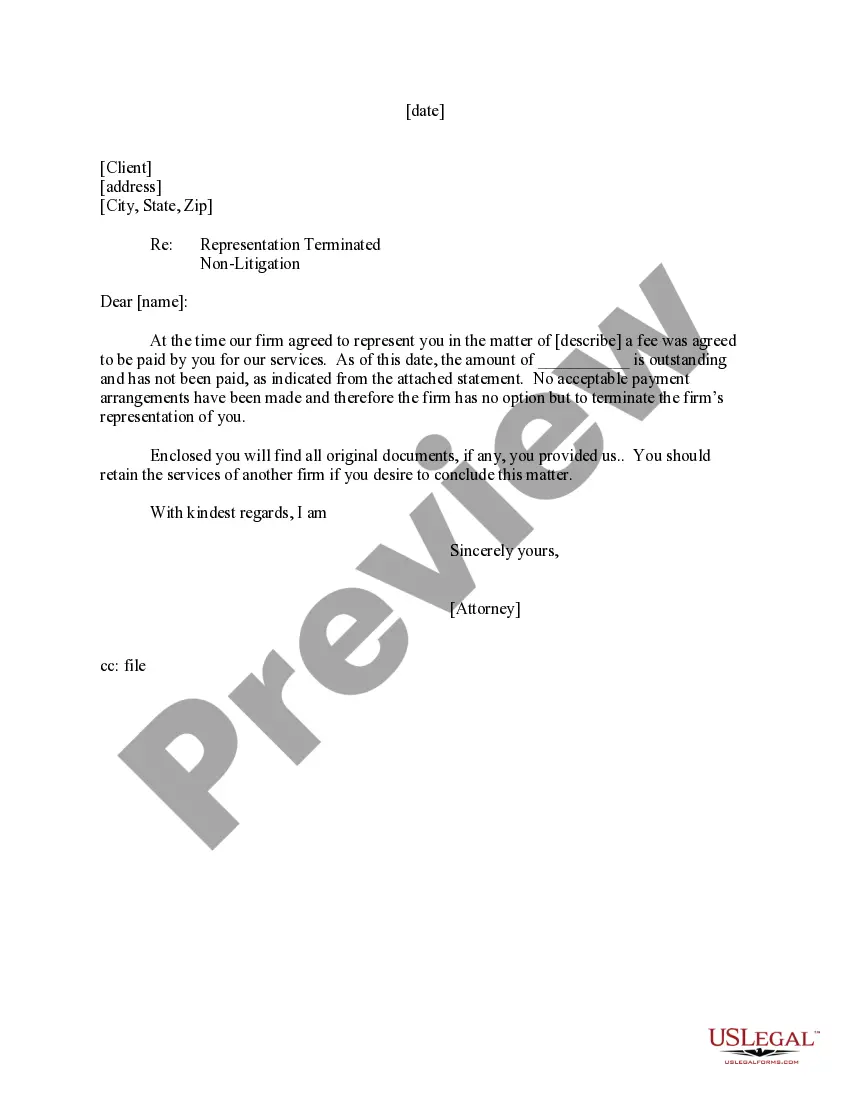
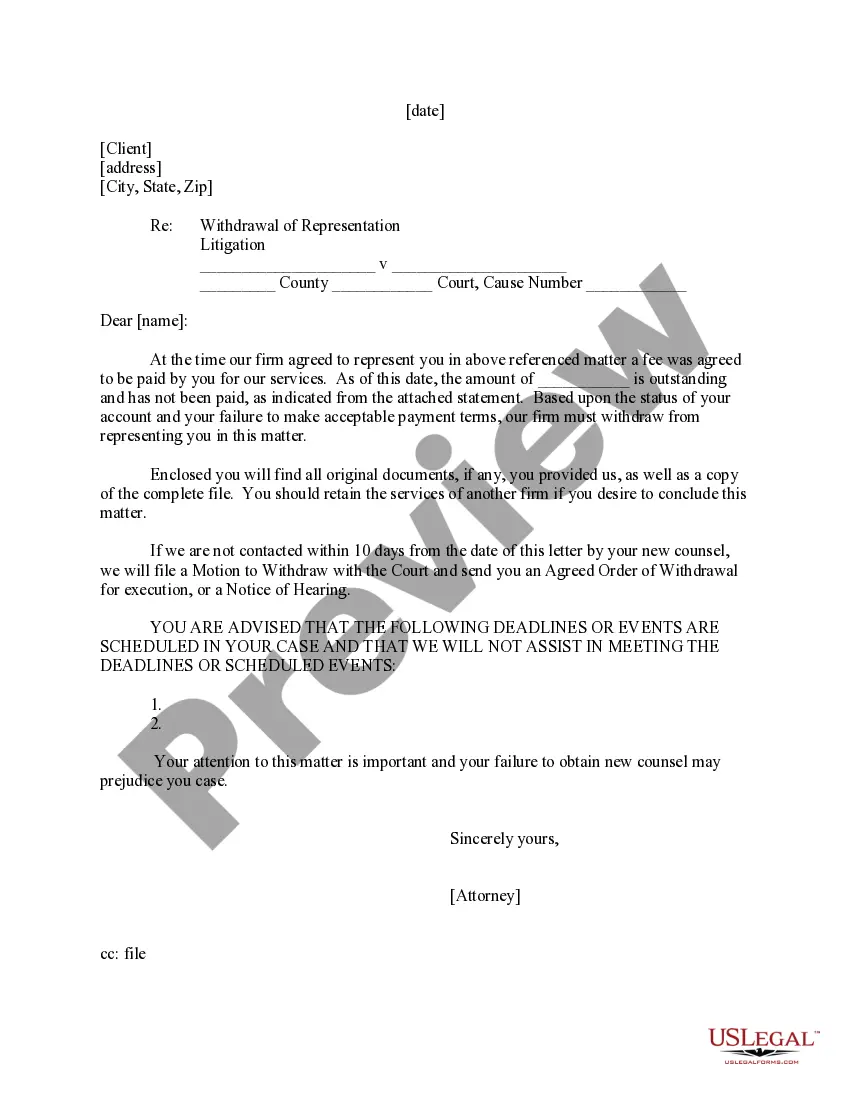
Get your form ready online
Our built-in tools help you complete, sign, share, and store your documents in one place.
Make edits, fill in missing information, and update formatting in US Legal Forms—just like you would in MS Word.
Download a copy, print it, send it by email, or mail it via USPS—whatever works best for your next step.
Sign and collect signatures with our SignNow integration. Send to multiple recipients, set reminders, and more. Go Premium to unlock E-Sign.
If this form requires notarization, complete it online through a secure video call—no need to meet a notary in person or wait for an appointment.
We protect your documents and personal data by following strict security and privacy standards.

Make edits, fill in missing information, and update formatting in US Legal Forms—just like you would in MS Word.

Download a copy, print it, send it by email, or mail it via USPS—whatever works best for your next step.

Sign and collect signatures with our SignNow integration. Send to multiple recipients, set reminders, and more. Go Premium to unlock E-Sign.

If this form requires notarization, complete it online through a secure video call—no need to meet a notary in person or wait for an appointment.

We protect your documents and personal data by following strict security and privacy standards.
Looking for another form?








How to fill out Motion To Withdraw As Attorney?
Legal managing can be overpowering, even for the most skilled experts. When you are searching for a Motion To Withdraw Complaint Without Prejudice Philippines and do not have the a chance to devote looking for the right and up-to-date version, the procedures may be demanding. A strong web form catalogue could be a gamechanger for anybody who wants to manage these situations efficiently. US Legal Forms is a industry leader in online legal forms, with more than 85,000 state-specific legal forms available to you at any time.
With US Legal Forms, you are able to:
- Access state- or county-specific legal and organization forms. US Legal Forms covers any requirements you might have, from personal to organization paperwork, all-in-one spot.
- Utilize advanced tools to complete and deal with your Motion To Withdraw Complaint Without Prejudice Philippines
- Access a resource base of articles, tutorials and handbooks and resources related to your situation and needs
Help save effort and time looking for the paperwork you need, and use US Legal Forms’ advanced search and Review tool to locate Motion To Withdraw Complaint Without Prejudice Philippines and acquire it. For those who have a monthly subscription, log in to your US Legal Forms profile, search for the form, and acquire it. Take a look at My Forms tab to find out the paperwork you previously saved as well as to deal with your folders as you see fit.
If it is your first time with US Legal Forms, register an account and have unrestricted usage of all benefits of the library. Listed below are the steps to take after accessing the form you need:
- Validate it is the right form by previewing it and reading through its description.
- Ensure that the sample is acknowledged in your state or county.
- Pick Buy Now once you are all set.
- Choose a monthly subscription plan.
- Find the formatting you need, and Download, complete, eSign, print and deliver your papers.
Enjoy the US Legal Forms web catalogue, backed with 25 years of expertise and stability. Change your everyday papers administration in to a smooth and user-friendly process right now.
Form popularity
FAQ
?With prejudice? means that you cannot re-file your case ever. ?Without prejudice? means that you can re-file your case at a later date (as long as you are still within the statute of limitations).
2.1 Withdrawal of Charges: By filing an affidavit of desistance, the complainant or plaintiff formally withdraws the charges or claims brought against the defendant. This may result in the termination or dismissal of the case, depending on the stage of the legal proceedings and the discretion of the court.
For example, first, the application for withdrawal of the case must be made only by the public prosecutor. The case cannot be withdrawn on the application of the petitioner or the accused or any order of the government. Second, the rationale for withdrawing the case must be explained to the court by the prosecutor.
A judge may dismiss a case without prejudice in order to allow for errors in the case presented to be addressed before it is brought back to court. A judge will dismiss a case with prejudice if he or she finds reason why the case should not move forward and should be permanently closed.
Dismissal without prejudice means that the judge dismissed the plaintiff's or prosecutor's case without damaging their right to have their matter heard in court later. A prosecutor may ask to withdraw the case against a person to have more time to make a case stronger, find more evidence or question other witnesses.