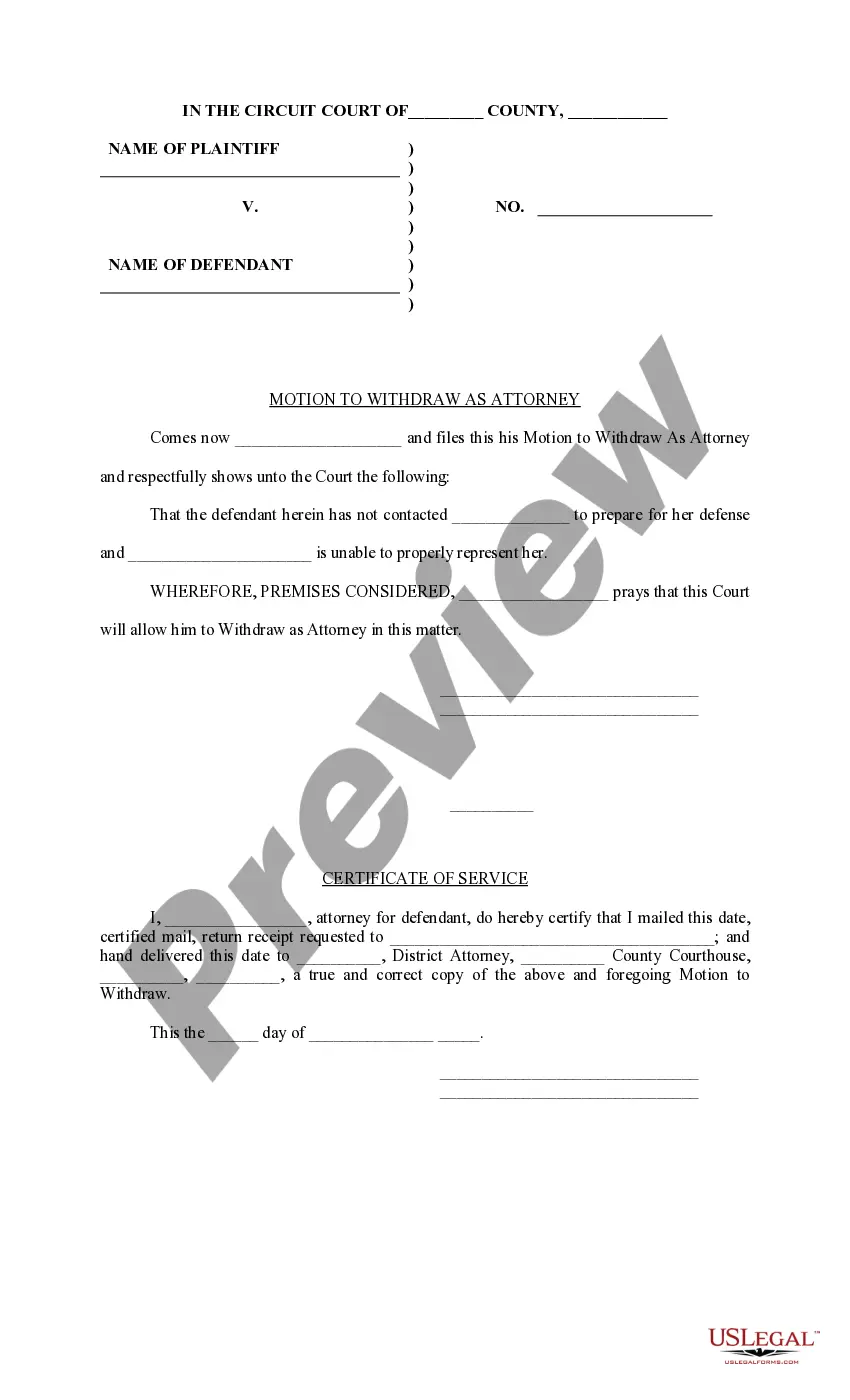
Motion To Dismiss For Insufficient Evidence
Description
Get your form ready online
Our built-in tools help you complete, sign, share, and store your documents in one place.
Make edits, fill in missing information, and update formatting in US Legal Forms—just like you would in MS Word.
Download a copy, print it, send it by email, or mail it via USPS—whatever works best for your next step.
Sign and collect signatures with our SignNow integration. Send to multiple recipients, set reminders, and more. Go Premium to unlock E-Sign.
If this form requires notarization, complete it online through a secure video call—no need to meet a notary in person or wait for an appointment.
We protect your documents and personal data by following strict security and privacy standards.

Make edits, fill in missing information, and update formatting in US Legal Forms—just like you would in MS Word.

Download a copy, print it, send it by email, or mail it via USPS—whatever works best for your next step.

Sign and collect signatures with our SignNow integration. Send to multiple recipients, set reminders, and more. Go Premium to unlock E-Sign.

If this form requires notarization, complete it online through a secure video call—no need to meet a notary in person or wait for an appointment.

We protect your documents and personal data by following strict security and privacy standards.
Looking for another form?






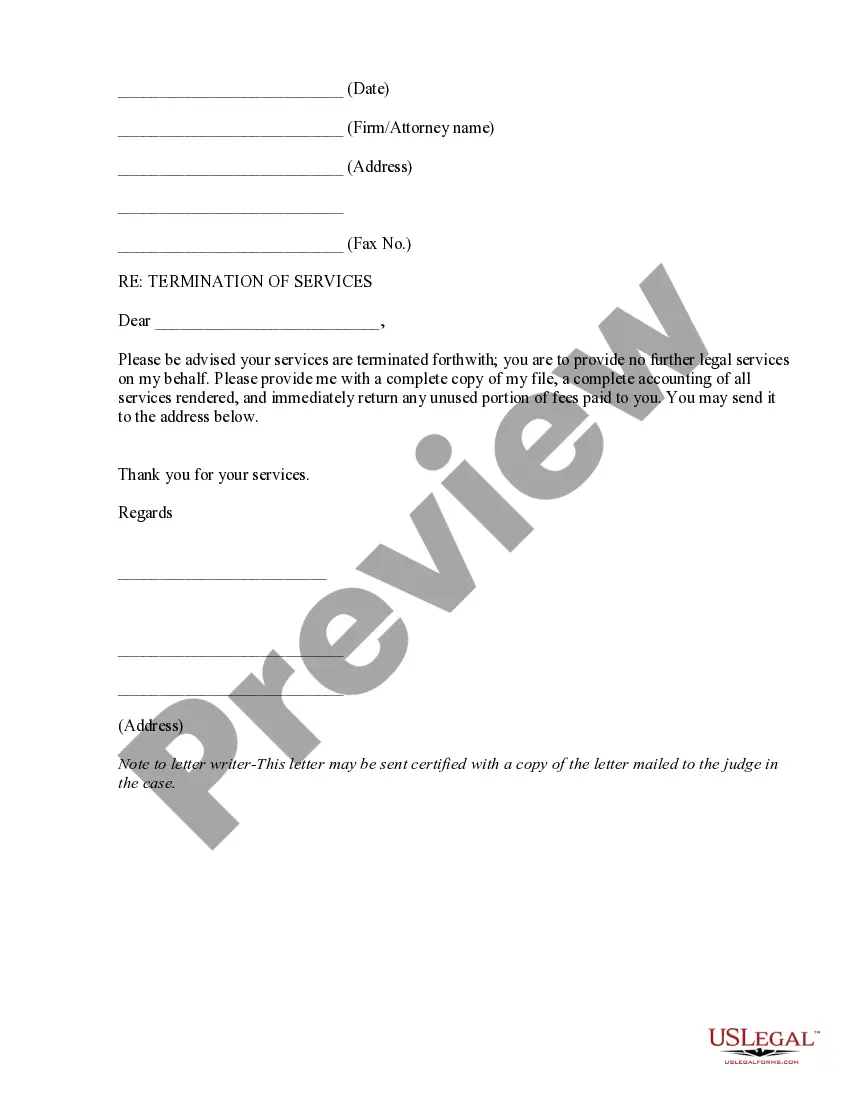
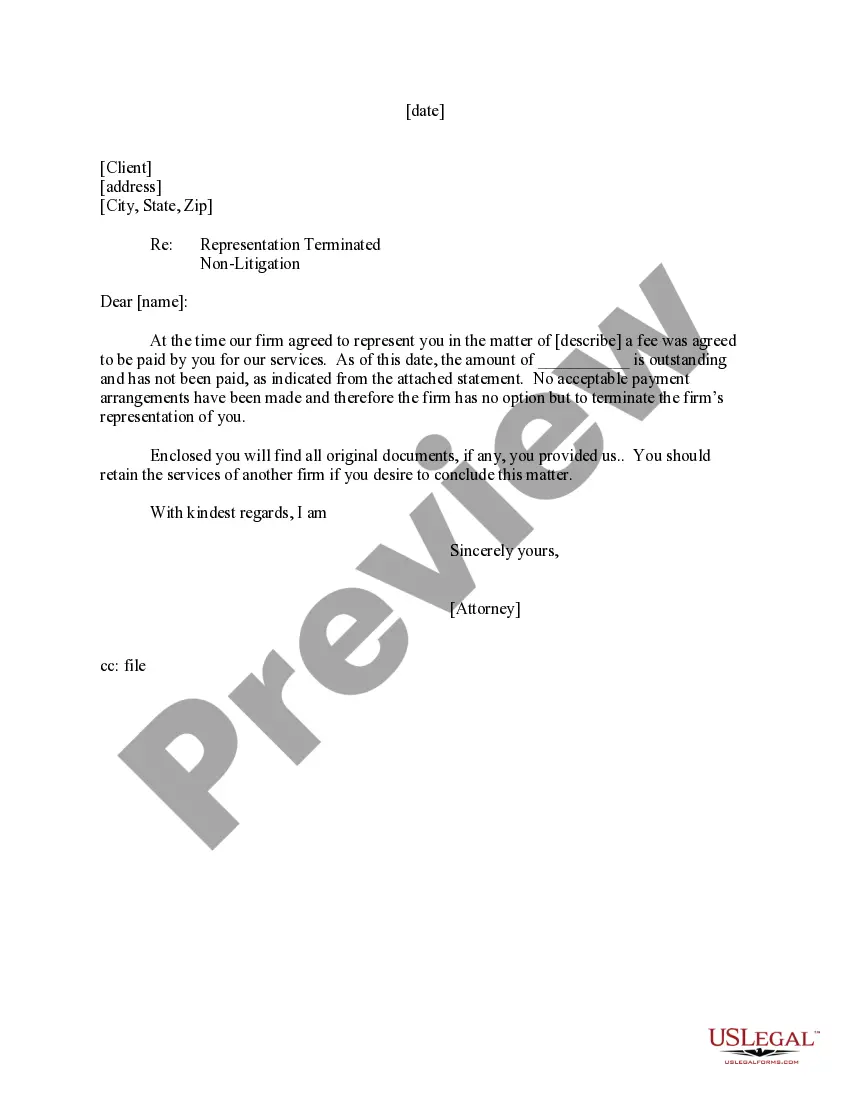
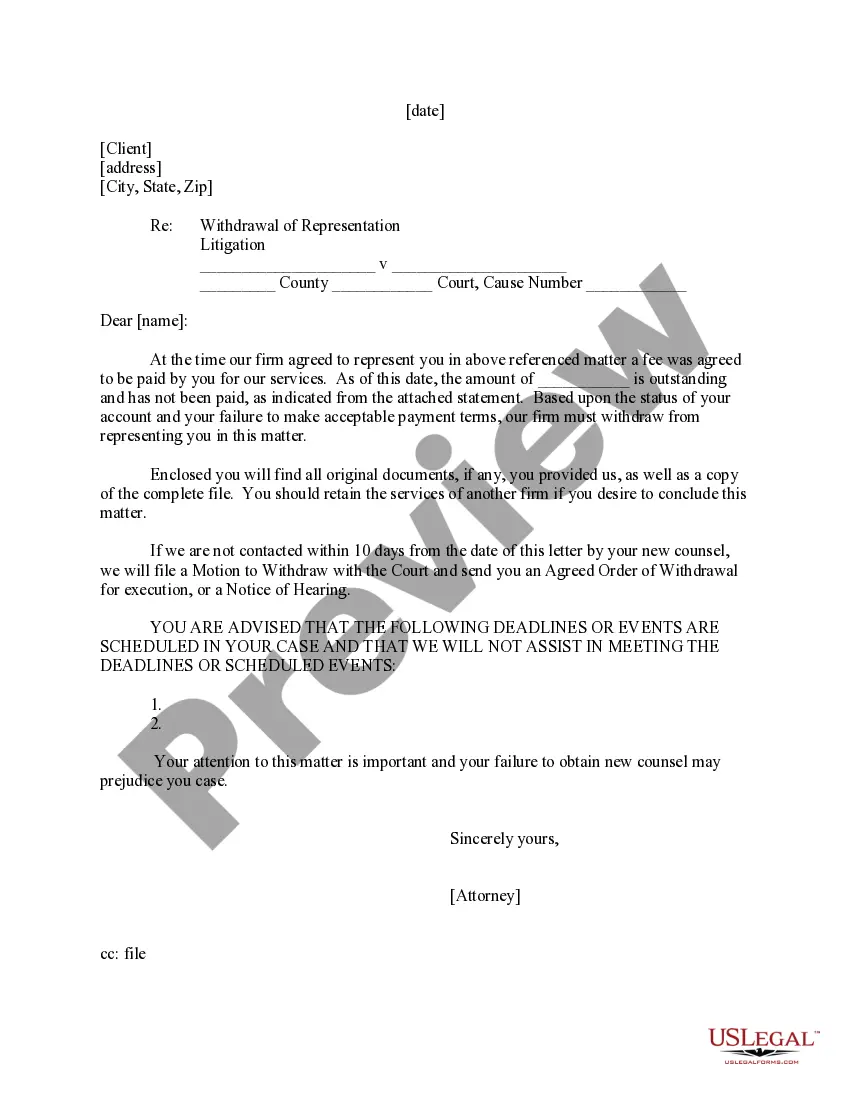
How to fill out Motion To Withdraw As Attorney?
It’s clear that you cannot transform into a legal expert instantly, nor can you acquire the ability to swiftly draft a Motion To Dismiss For Insufficient Evidence without possessing a specialized skill set.
Generating legal documents is a lengthy endeavor that demands a certain level of education and expertise.
So why not entrust the drafting of the Motion To Dismiss For Insufficient Evidence to the experts.
You can access your documents again from the My documents section at any time.
If you are an existing client, you can simply Log In and find and download the template from the same section.
- Locate the document you require using the search feature at the top of the webpage.
- Preview it (if this feature is available) and review the accompanying description to ascertain if the Motion To Dismiss For Insufficient Evidence is what you need.
- If you require any other template, begin your search anew.
- Sign up for a complimentary account and select a subscription plan to purchase the template.
- Click Buy now. After the payment is completed, you can download the Motion To Dismiss For Insufficient Evidence, complete it, print it, and send it to the appropriate parties or organizations.
Form popularity
FAQ
To fill out a motion to dismiss form for insufficient evidence, start with the correct heading that identifies the court and parties involved. Provide all necessary details, including the reason for the dismissal and any supporting arguments related to the evidence in question. Ensure that you follow your jurisdiction’s specific guidelines for formatting and content.
Insufficient supporting evidence refers to a lack of credible proof that fails to substantiate the claims made in a legal case. This could mean missing documents, lack of witness testimony, or evidence that does not meet the legal standard required to support the claims. In cases where the evidence is deemed insufficient, it provides grounds for filing a motion to dismiss.
To write a successful motion to dismiss for insufficient evidence, begin by clearly outlining your argument based on the lack of evidence. Include a brief summary of the case facts and cite any relevant statutes or case law. Structure the motion logically, and use straightforward language to ensure clarity and persuasiveness.
To write a motion to dismiss for insufficient evidence, start by stating the relevant facts of the case and identifying the specific evidence that is lacking. Clearly express why this absence of evidence warrants dismissal, citing applicable laws or rules. It's essential to be concise yet thorough in your presentation to make a compelling argument.
An example of a motion to dismiss for insufficient evidence might involve a defendant arguing that the plaintiff has failed to present adequate proof to support claims made in a lawsuit. For instance, if a plaintiff accuses a defendant of breach of contract but provides no documentation or witnesses to substantiate the claim, the defendant can file a motion to dismiss. This legal action challenges the sufficiency of the evidence presented.
The opening paragraph of a motion to dismiss for insufficient evidence outlines the purpose of the motion and identifies the parties involved. It should clearly state the grounds for dismissal based on insufficient evidence, referencing relevant laws or rules. This sets the stage for the arguments that will follow and should grab the attention of the judge.
When there is no evidence in a case, it can lead to serious repercussions, including the filing of a motion to dismiss for insufficient evidence. In this situation, a judge may decide to dismiss the case, ruling that the absence of proof undermines any legal claims. It is important to consult resources, such as USLegalForms, to navigate these complex situations effectively.
When a judge throws out a case, it is often referred to as a dismissal. Dismissals can occur for various reasons, including lack of evidence, which is where a motion to dismiss for insufficient evidence comes into play. Understanding this process is crucial for anyone involved in legal proceedings.
If a case lacks sufficient evidence, it may result in a motion to dismiss for insufficient evidence being filed. The judge reviews the arguments and available proof, and if they find the evidence inadequate, they can dismiss the case entirely. This dismissal can prevent the case from moving forward, saving both parties time and resources.
Judges typically dismiss cases for lack of evidence during pre-trial motions, when one side argues that essential proof is missing. In such instances, the motion to dismiss for insufficient evidence can highlight the weaknesses in the opponent's case. If the judge agrees, they may throw out the case before it reaches a jury.