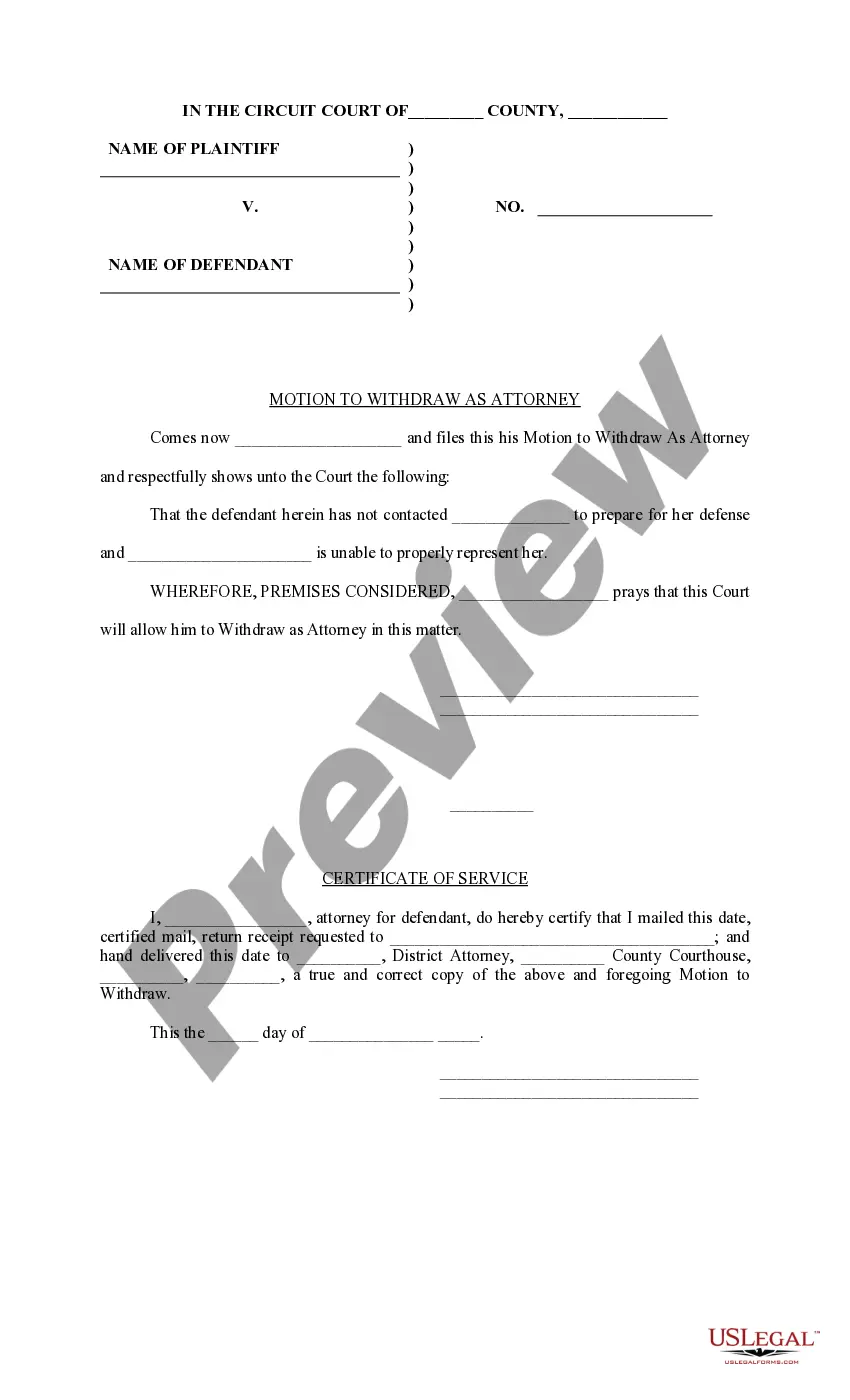
Courthouse Circuit Considered For This Job
Description
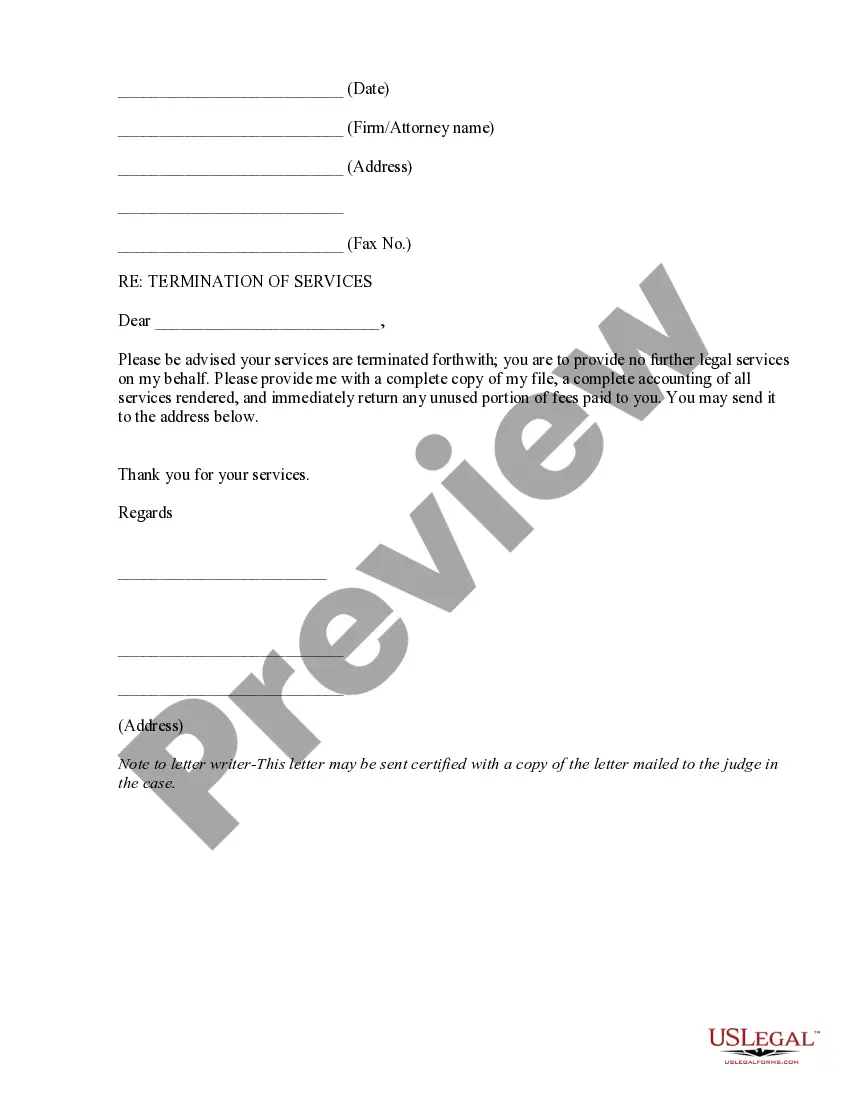
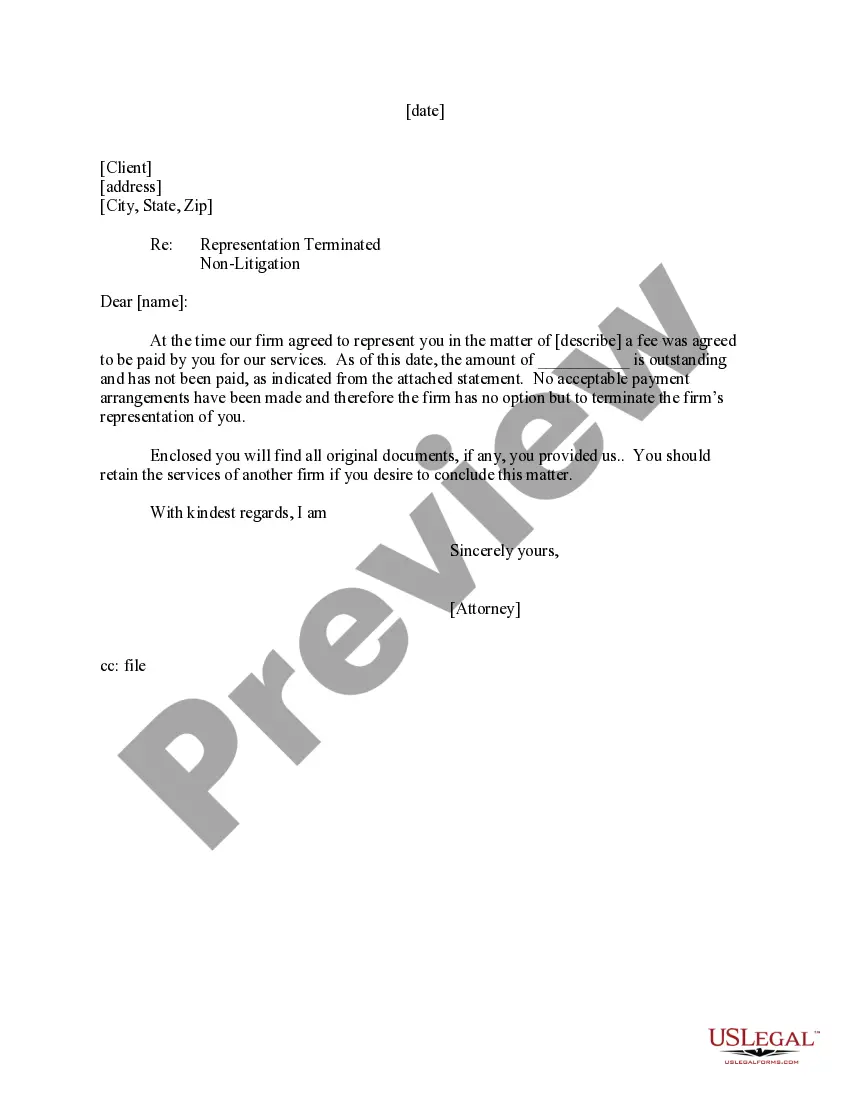
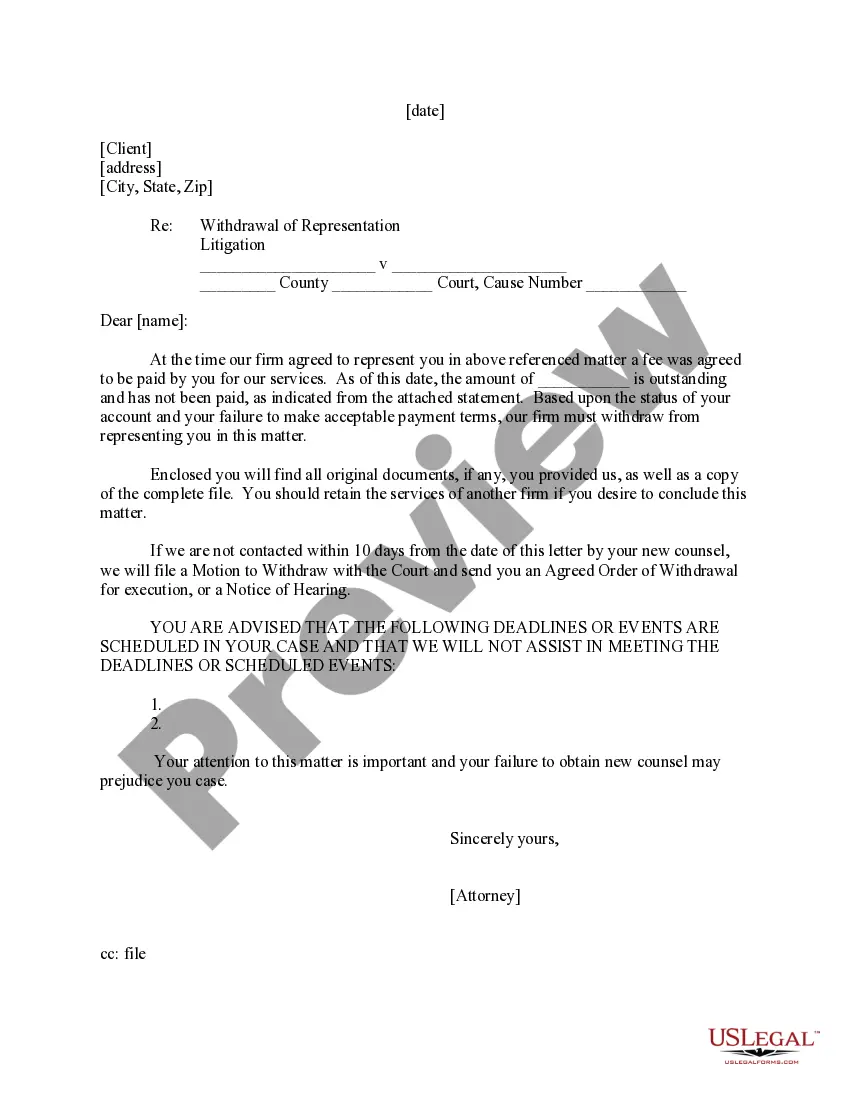
Get your form ready online
Our built-in tools help you complete, sign, share, and store your documents in one place.
Make edits, fill in missing information, and update formatting in US Legal Forms—just like you would in MS Word.
Download a copy, print it, send it by email, or mail it via USPS—whatever works best for your next step.
Sign and collect signatures with our SignNow integration. Send to multiple recipients, set reminders, and more. Go Premium to unlock E-Sign.
If this form requires notarization, complete it online through a secure video call—no need to meet a notary in person or wait for an appointment.
We protect your documents and personal data by following strict security and privacy standards.

Make edits, fill in missing information, and update formatting in US Legal Forms—just like you would in MS Word.

Download a copy, print it, send it by email, or mail it via USPS—whatever works best for your next step.

Sign and collect signatures with our SignNow integration. Send to multiple recipients, set reminders, and more. Go Premium to unlock E-Sign.

If this form requires notarization, complete it online through a secure video call—no need to meet a notary in person or wait for an appointment.

We protect your documents and personal data by following strict security and privacy standards.
Looking for another form?

How to fill out Motion To Withdraw As Attorney?
Whether for commercial purposes or personal issues, everyone must handle legal situations at some point in their life.
Filling out legal documents demands meticulous attention, starting from selecting the right form template.
Once it is saved, you can fill out the form using editing software or print it and complete it by hand. With an extensive US Legal Forms catalog available, you won’t need to waste time searching for the correct template online. Utilize the library’s easy navigation to find the appropriate form for any occasion.
- For instance, if you opt for an incorrect version of a Courthouse Circuit Considered For This Job, it will be declined upon submission.
- Thus, it's crucial to obtain a reliable source of legal documents like US Legal Forms.
- If you need to acquire a Courthouse Circuit Considered For This Job template, follow these straightforward steps.
- Locate the template you require by using the search box or browsing the catalog.
- Review the form’s details to ensure it matches your case, state, and locality.
- Click on the form’s preview to inspect it.
- If it is the incorrect document, return to the search feature to find the Courthouse Circuit Considered For This Job template you need.
- Obtain the file if it fulfills your requirements.
- If you already possess a US Legal Forms account, simply click Log in to access saved files in My documents.
- If you do not have an account yet, you may download the form by clicking Buy now.
- Select the appropriate pricing option.
- Complete the profile registration form.
- Choose your payment method: use a credit card or PayPal account.
- Select the document format you desire and download the Courthouse Circuit Considered For This Job.
Form popularity
FAQ
11 positions and jobs in the judicial branch of the government Court reporter. Sheriff. Stenographer. Paralegal. Law librarian. Legal secretary. Law clerk. Jury consultant.
The federal Judiciary seeks talented and motivated individuals to help in its mission of ensuring equal justice under law. Attorneys, probation and pretrial officers, IT experts, interpreters, and many other skilled professionals can find their path in the Judiciary.
Hearing civil cases; Protecting individual rights granted by the state constitution; Determing the guilt or innocence of those accused of violating the criminal laws of the state; Acting as a check upon the legislative and executive branches of state government.
The judicial branch decides the constitutionality of federal laws and resolves other disputes about federal laws. However, judges depend on our government's executive branch to enforce court decisions. Courts decide what really happened and what should be done about it.
The act established a three-part judiciary?made up of district courts, circuit courts, and the Supreme Court?and outlined the structure and jurisdiction of each branch.