Federal Court Motion For Sanctions
Description
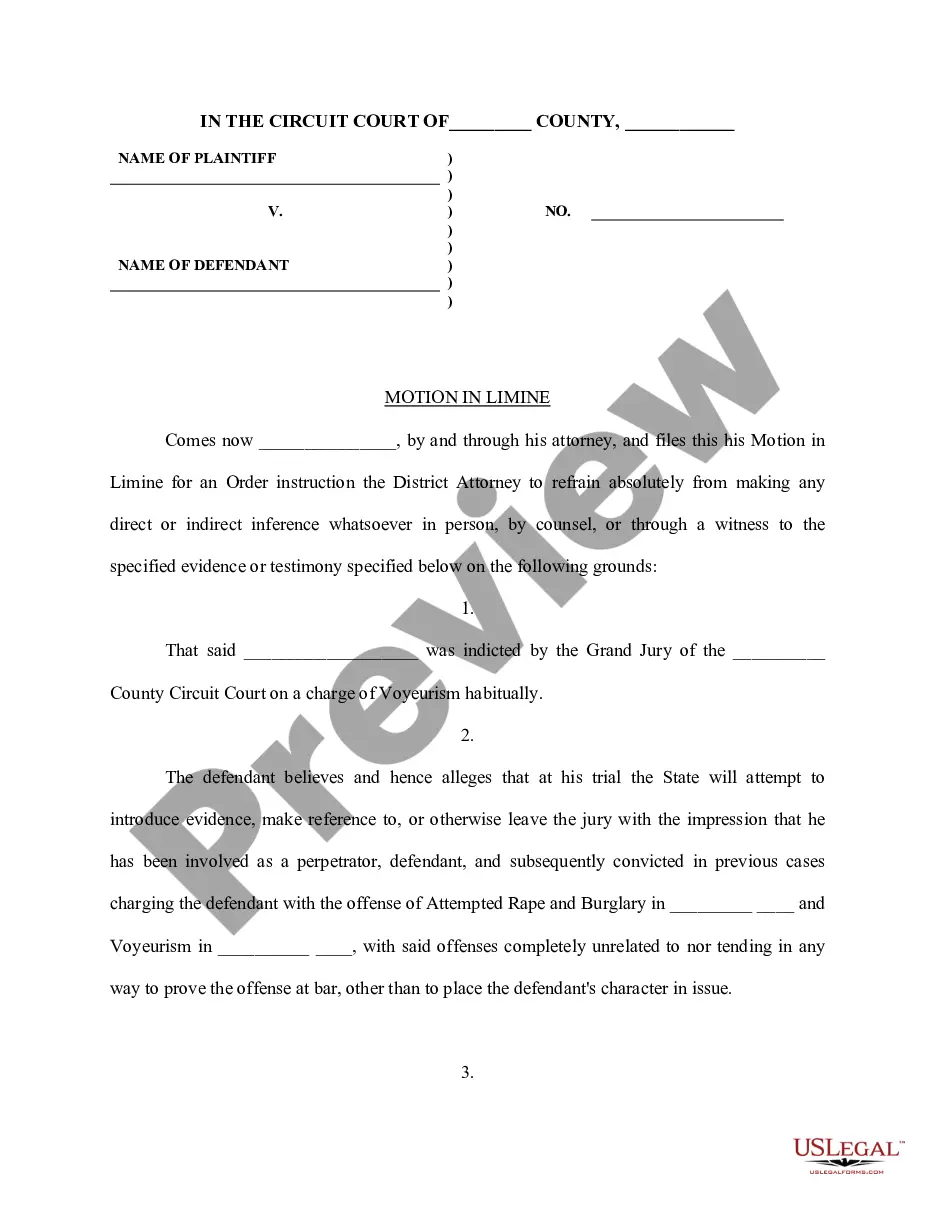
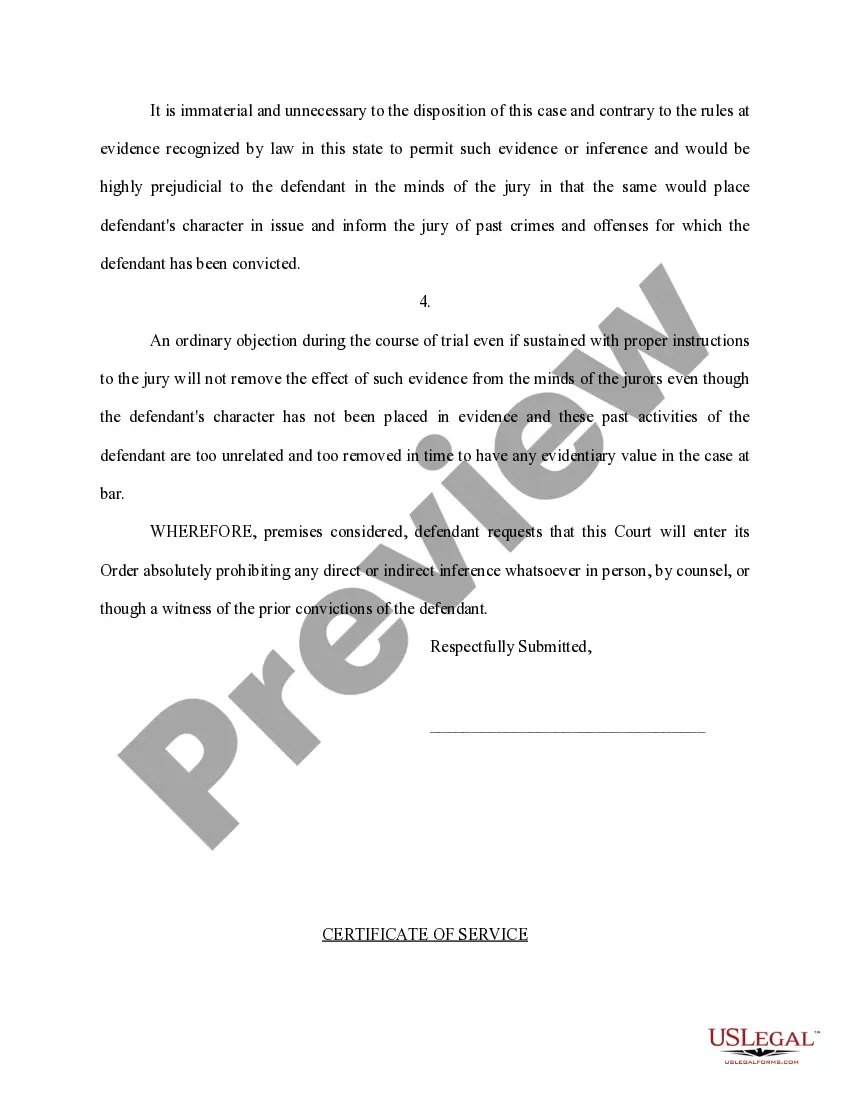

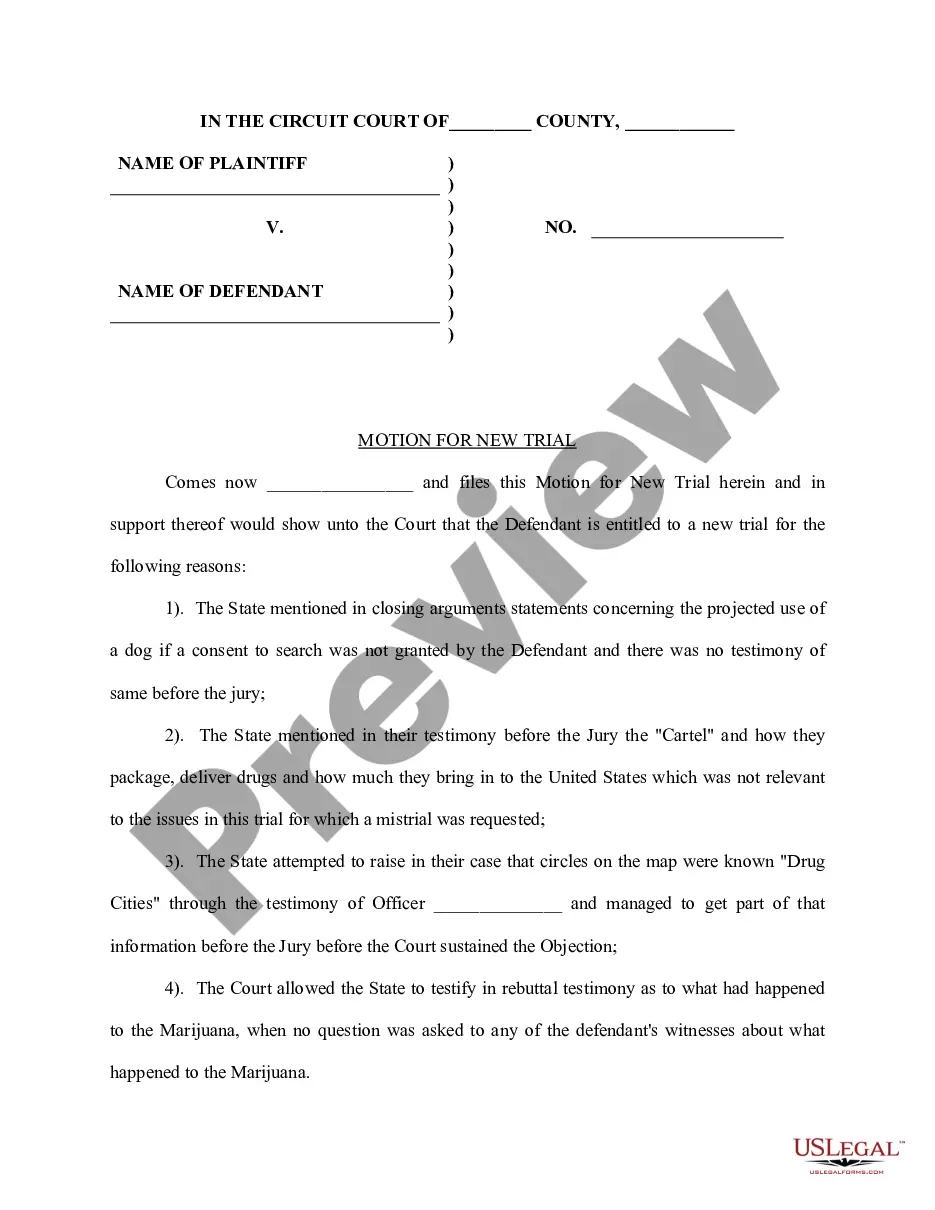
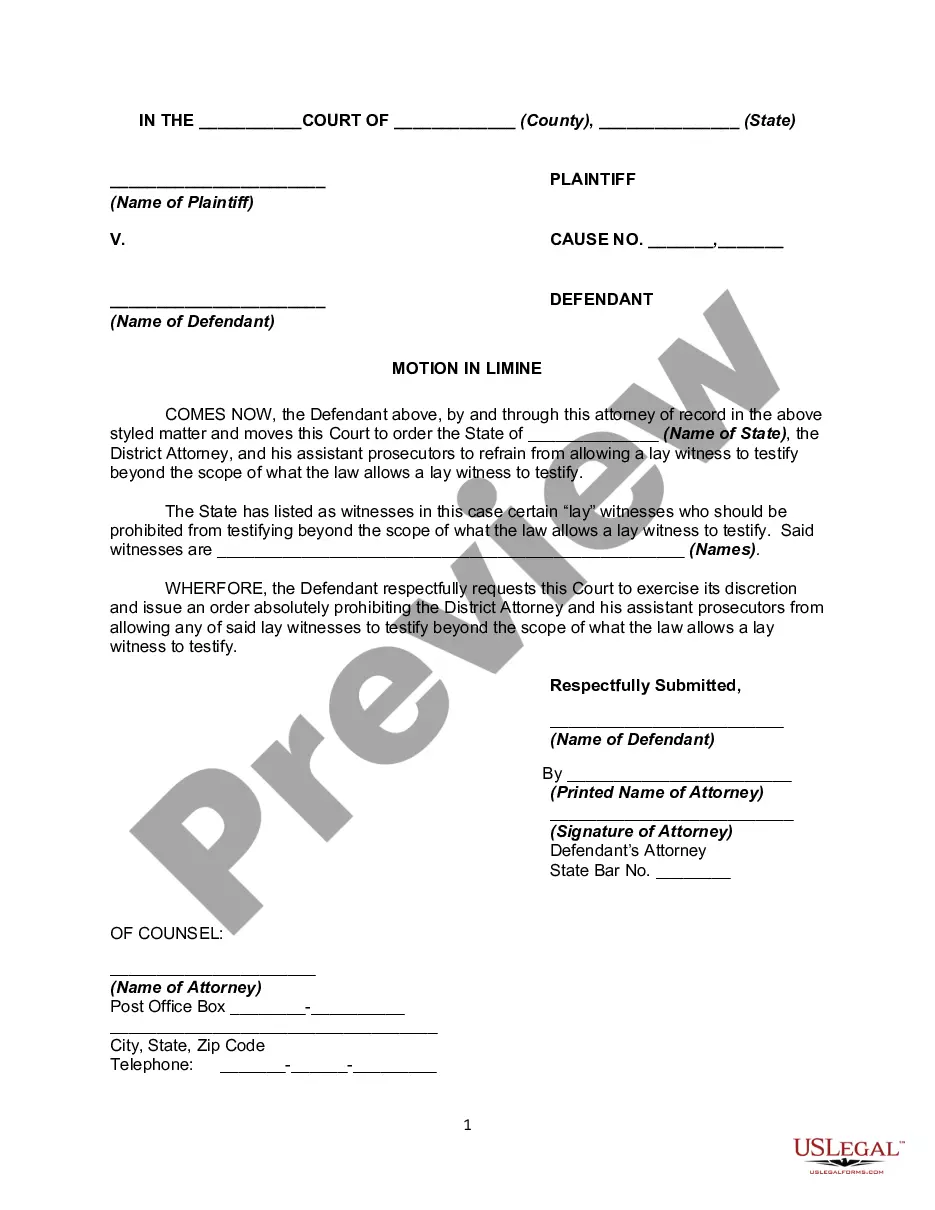
Get your form ready online
Our built-in tools help you complete, sign, share, and store your documents in one place.
Make edits, fill in missing information, and update formatting in US Legal Forms—just like you would in MS Word.
Download a copy, print it, send it by email, or mail it via USPS—whatever works best for your next step.
Sign and collect signatures with our SignNow integration. Send to multiple recipients, set reminders, and more. Go Premium to unlock E-Sign.
If this form requires notarization, complete it online through a secure video call—no need to meet a notary in person or wait for an appointment.
We protect your documents and personal data by following strict security and privacy standards.

Make edits, fill in missing information, and update formatting in US Legal Forms—just like you would in MS Word.

Download a copy, print it, send it by email, or mail it via USPS—whatever works best for your next step.

Sign and collect signatures with our SignNow integration. Send to multiple recipients, set reminders, and more. Go Premium to unlock E-Sign.

If this form requires notarization, complete it online through a secure video call—no need to meet a notary in person or wait for an appointment.

We protect your documents and personal data by following strict security and privacy standards.
Looking for another form?








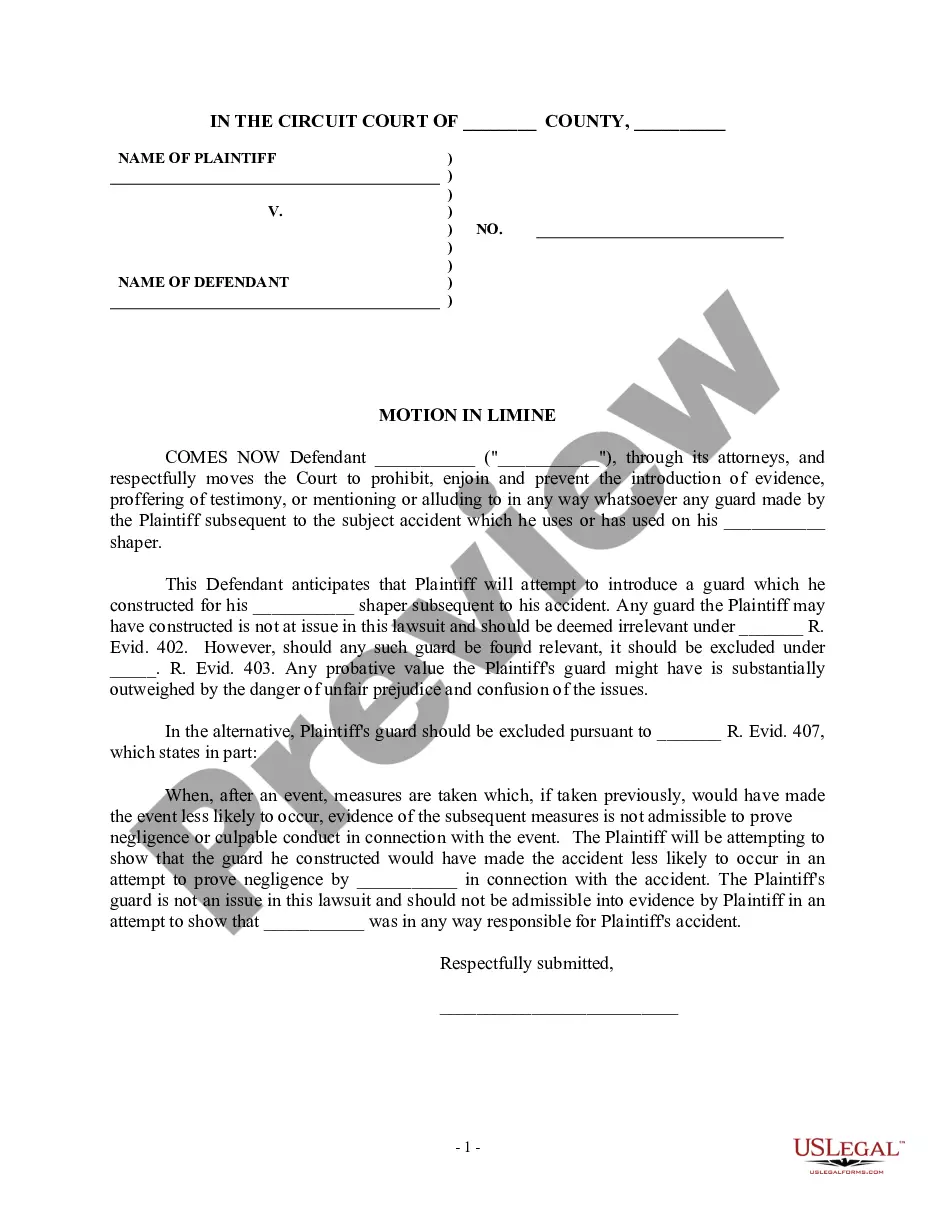
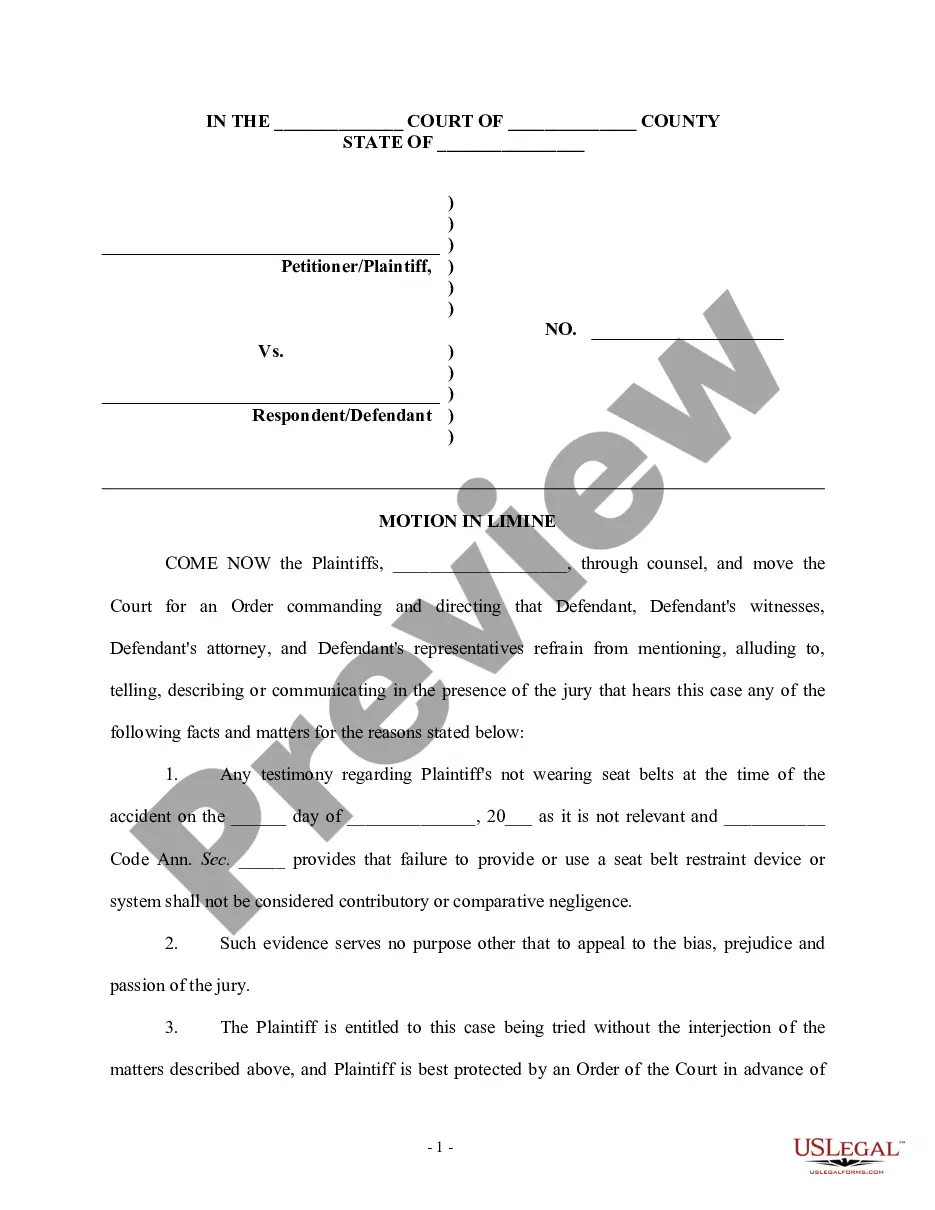
How to fill out Motion In Limine?
- Start by visiting the US Legal Forms website and check the Preview mode of the required form. Make sure it aligns with your legal requirements and jurisdiction.
- If the form doesn’t suit your needs, utilize the Search tab above to find an alternative that is more appropriate.
- Once you've identified the correct form, click the 'Buy Now' button, select a subscription plan that fits your needs, and create an account for full access.
- Proceed to make your payment by entering your credit card information or using your PayPal account for the subscription.
- After your purchase is finalized, download the form directly to your device and access it anytime in the 'My documents' section of your profile.
Using US Legal Forms provides numerous benefits, including access to over 85,000 customizable legal forms and high-level support from legal experts. This guarantees you create documents that are not only valid but also tailored to your specific needs.
In conclusion, obtaining a federal court motion for sanctions is streamlined with US Legal Forms. Take the first step towards ensuring your legal documentation is handled correctly—visit US Legal Forms today!
Form popularity
FAQ
A motion to impose sanctions is a request made to the court seeking to penalize the opposing party for their wrongful actions during litigation. This motion outlines the behavior that warrants sanctions and proposes appropriate penalties. Utilizing a well-structured motion to impose sanctions can significantly enhance your legal standing in the case, especially when framed within the guidelines of a federal court motion for sanctions.
Sanction impose refers to the action taken by a court to enforce penalties against a party for specific violations. When a court sanctions a party, it seeks to address misconduct and deter future violations. In the context of a federal court motion for sanctions, understanding the implications of imposed sanctions can help in preparing appropriate legal strategies.
Writing a motion for sanctions involves clearly outlining the misconduct and providing evidence to support your claims. Your motion should adhere to the court's format requirements and include a detailed account of how the other party's actions violate legal rules. You may benefit from using platforms like US Legal Forms, which provide templates and resources for crafting an effective federal court motion for sanctions.
When a court imposes sanctions, it applies penalties for violating court rules or procedures. These penalties may include fines, dismissal of claims, or other disciplinary actions aimed at maintaining order in the legal process. In the realm of a federal court motion for sanctions, sanctions serve as a critical tool in preventing misuse of the judicial system.
A motion to terminate sanctions is a formal request filed with the court asking to lift previously imposed sanctions. This request usually argues that the circumstances that led to the sanctions have changed or been rectified. In the framework of a federal court motion for sanctions, potential litigants may find it essential to demonstrate compliance with all relevant court orders to effectively pursue this motion.
When you are charged with sanctions, it indicates that a court has identified misconduct in a legal case. This type of sanction can arise from actions such as failure to comply with court orders or engaging in abusive litigation practices. The purpose of sanctions is to encourage fair play and uphold the integrity of the judicial process, specifically within the context of a federal court motion for sanctions.
A sanction in federal court is a disciplinary measure imposed on a party for failures to comply with court orders or for engaging in misconduct during proceedings. These sanctions aim to ensure compliance with judicial standards and uphold the fairness of the legal process. If you find yourself facing potential sanctions, a federal court motion for sanctions may be the appropriate recourse to seek redress.
In a court case, sanctions refer to punitive measures imposed by the court to address violations of legal rules or improper conduct by a party. These sanctions can take various forms, including fines, attorney fees, or even dismissal of claims. Understanding the consequences of sanctions is crucial, especially when considering a federal court motion for sanctions, as it can significantly impact the outcome of a case.
A motion for sanctions is a formal request made to the court seeking to impose penalties on a party for violating court rules or engaging in bad faith actions. This motion outlines the reasons for the request and the specific misconduct. In a federal court motion for sanctions, the goal is to maintain the integrity of the legal system and deter further wrongdoing.
A request for sanctions is a formal plea made to the court, asking for punitive measures against a party for improper actions during litigation. This request highlights specific instances of misconduct that warrant a judicial response. By filing a federal court motion for sanctions, the requesting party seeks to hold the wrongdoer accountable and restore fairness in the legal process.