Ex Parte Application For Curator Ad Litem
Description
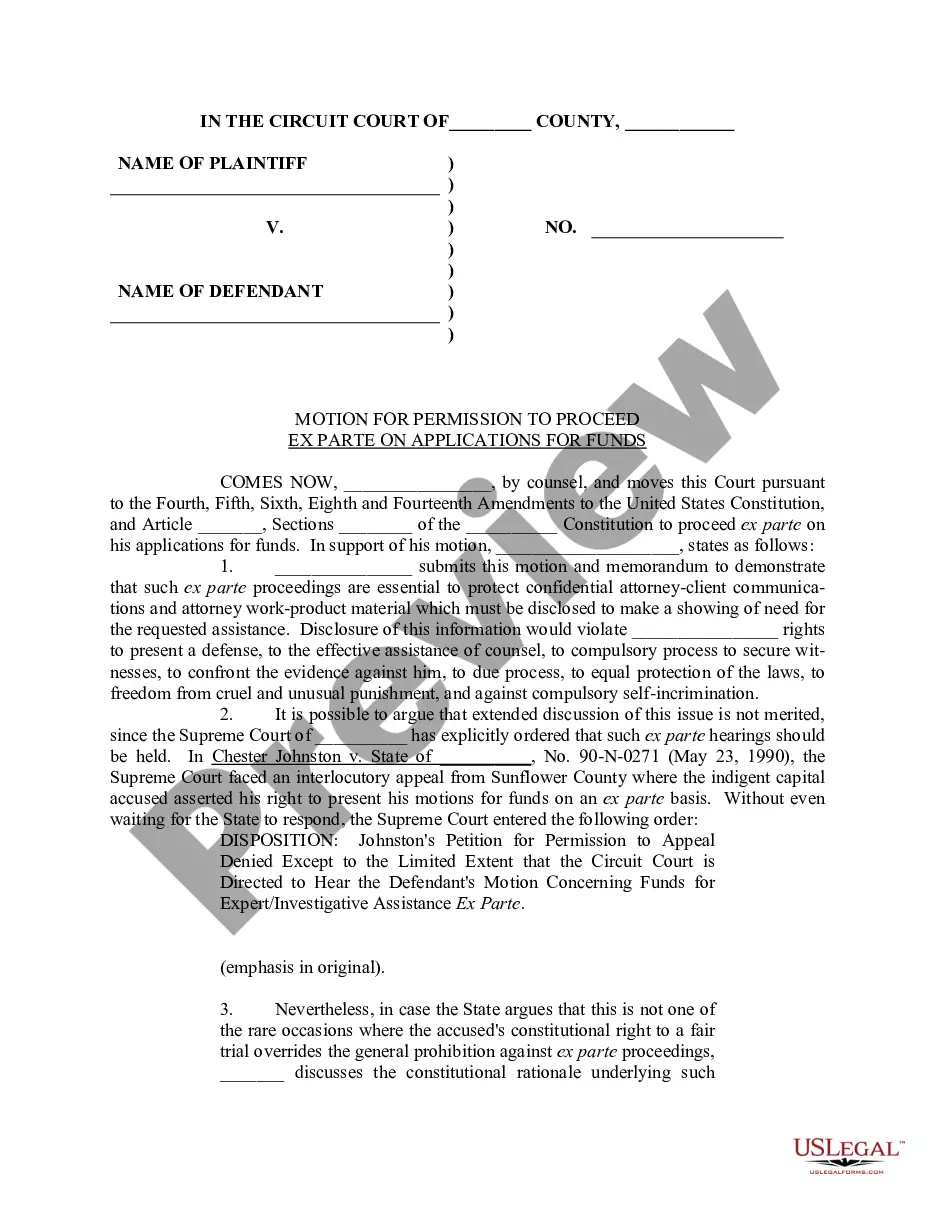
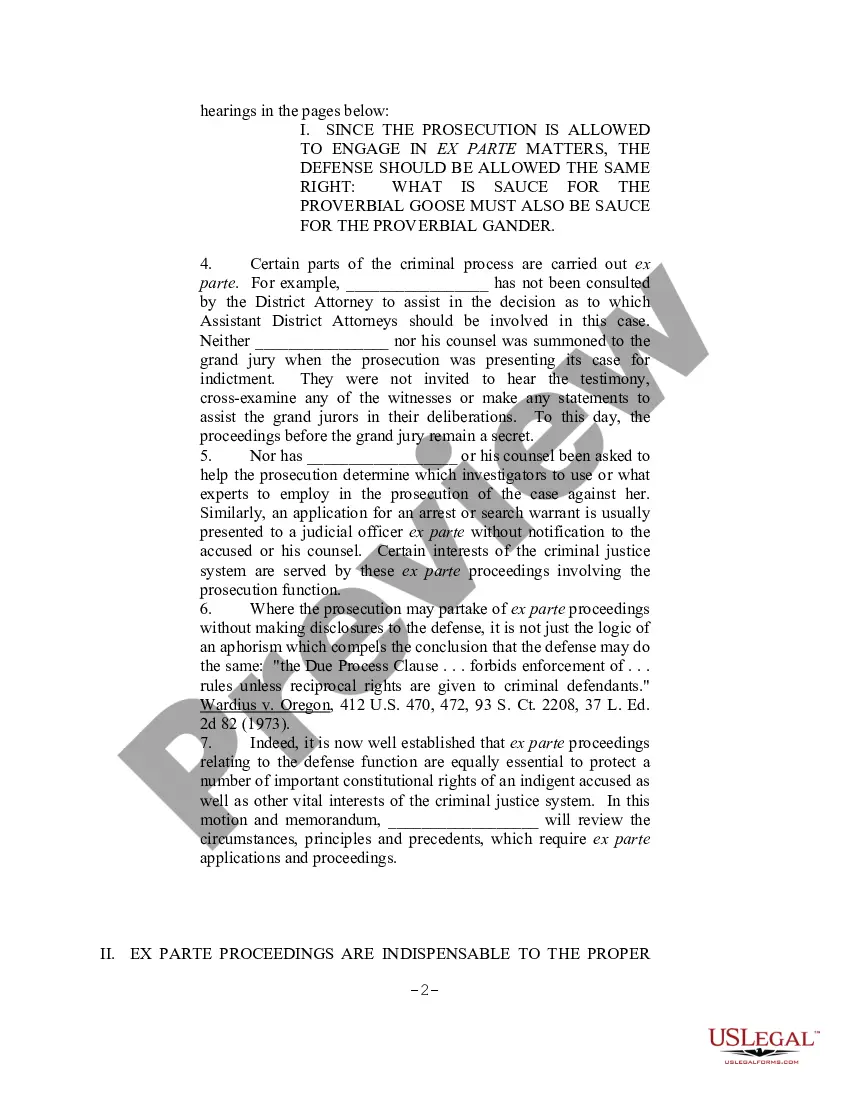
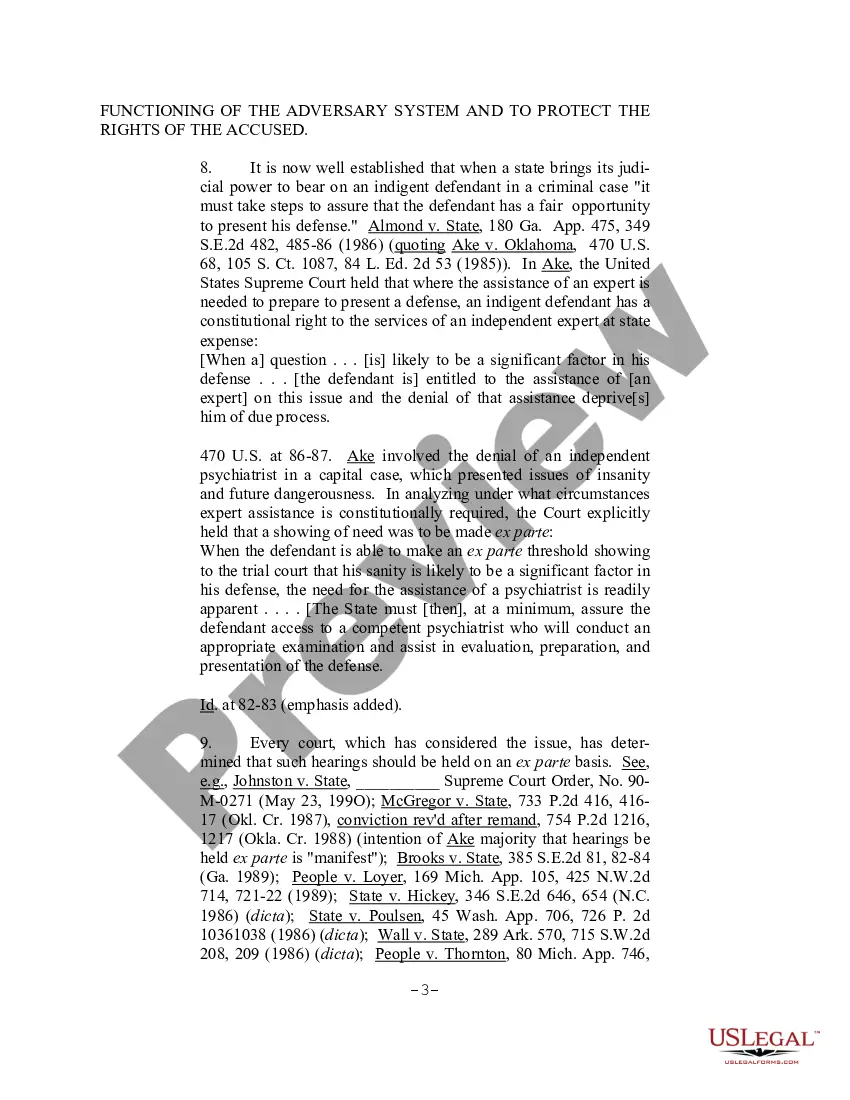
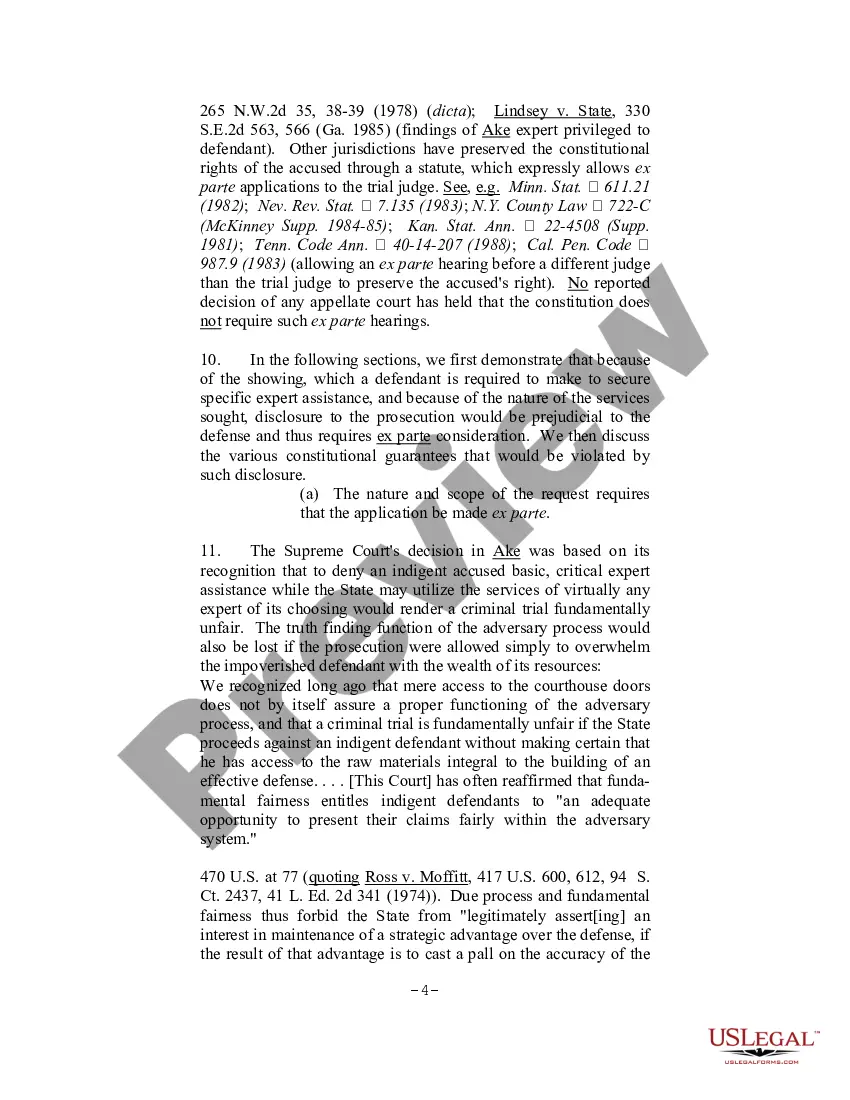
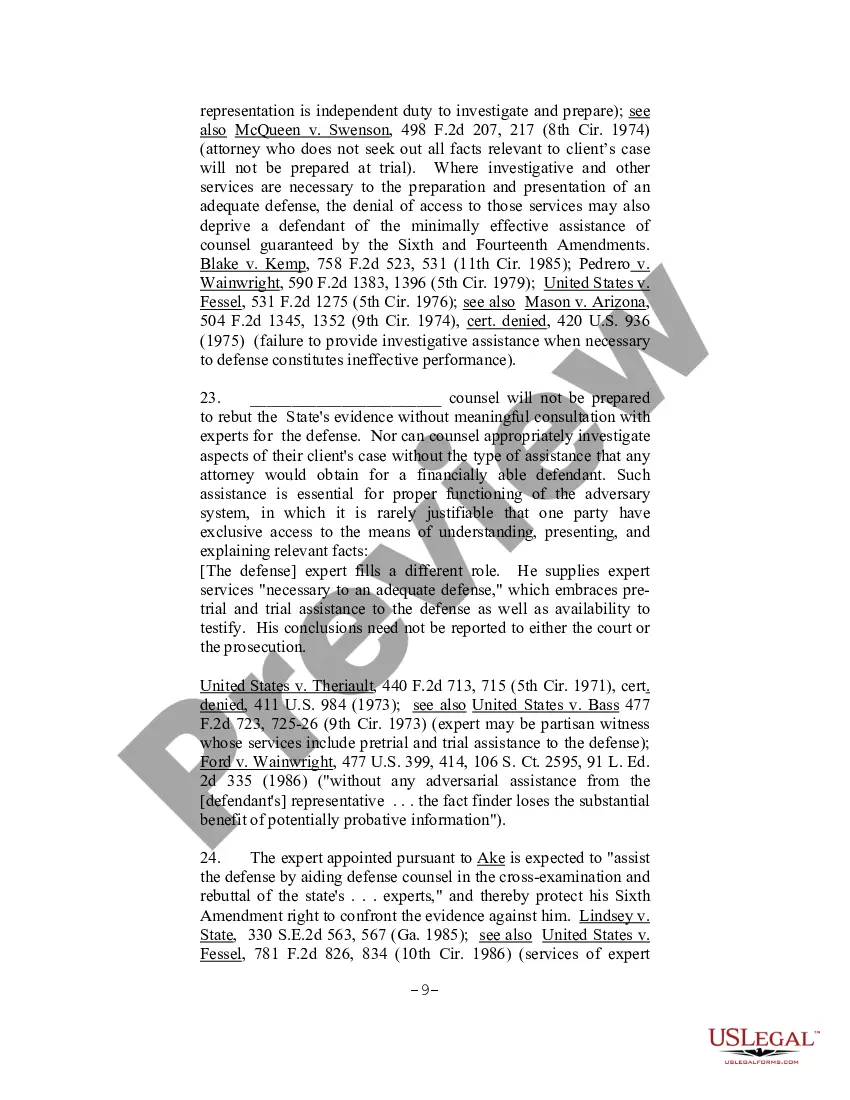
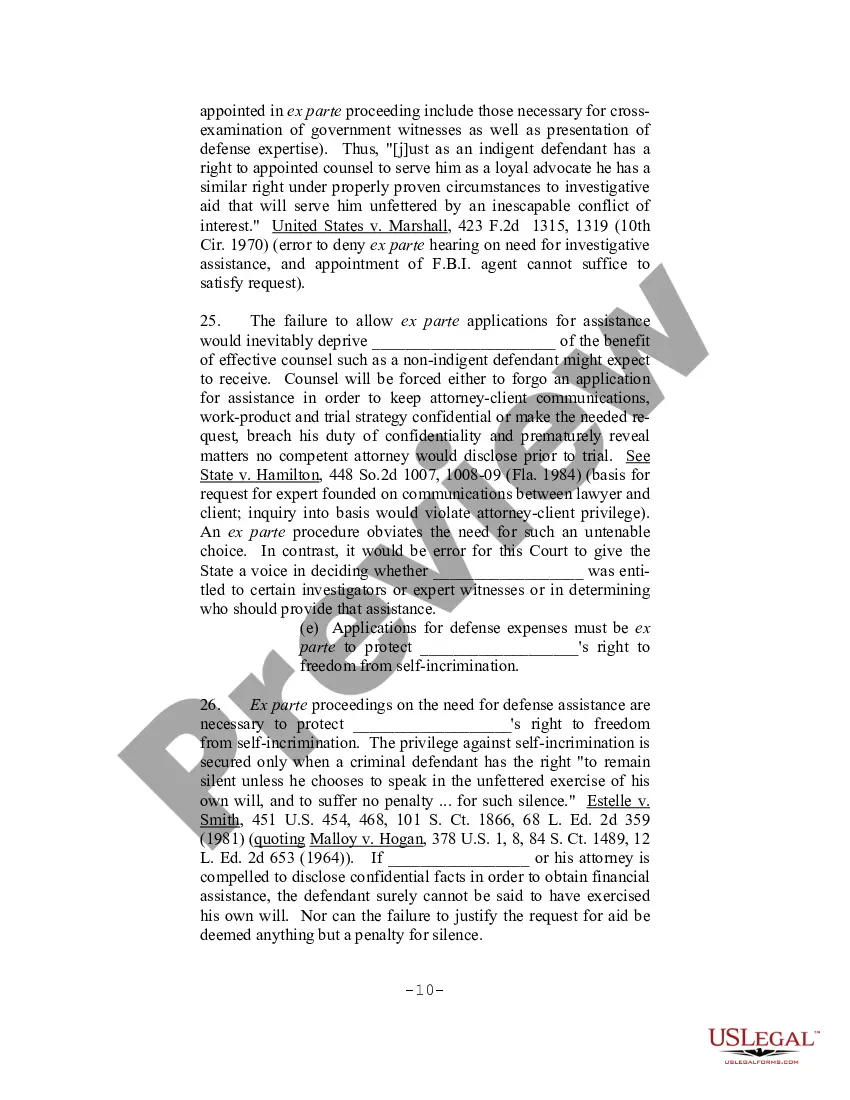

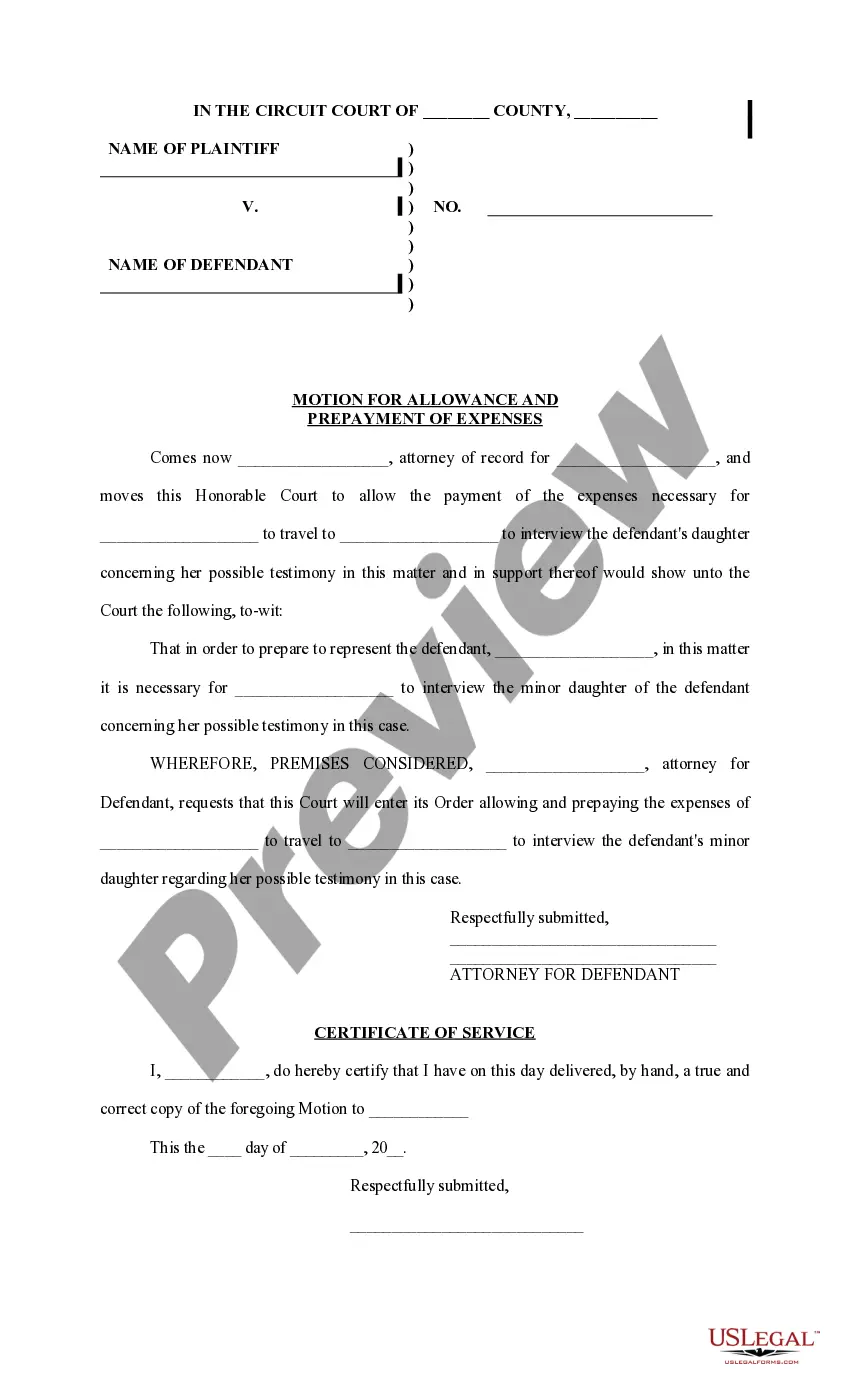
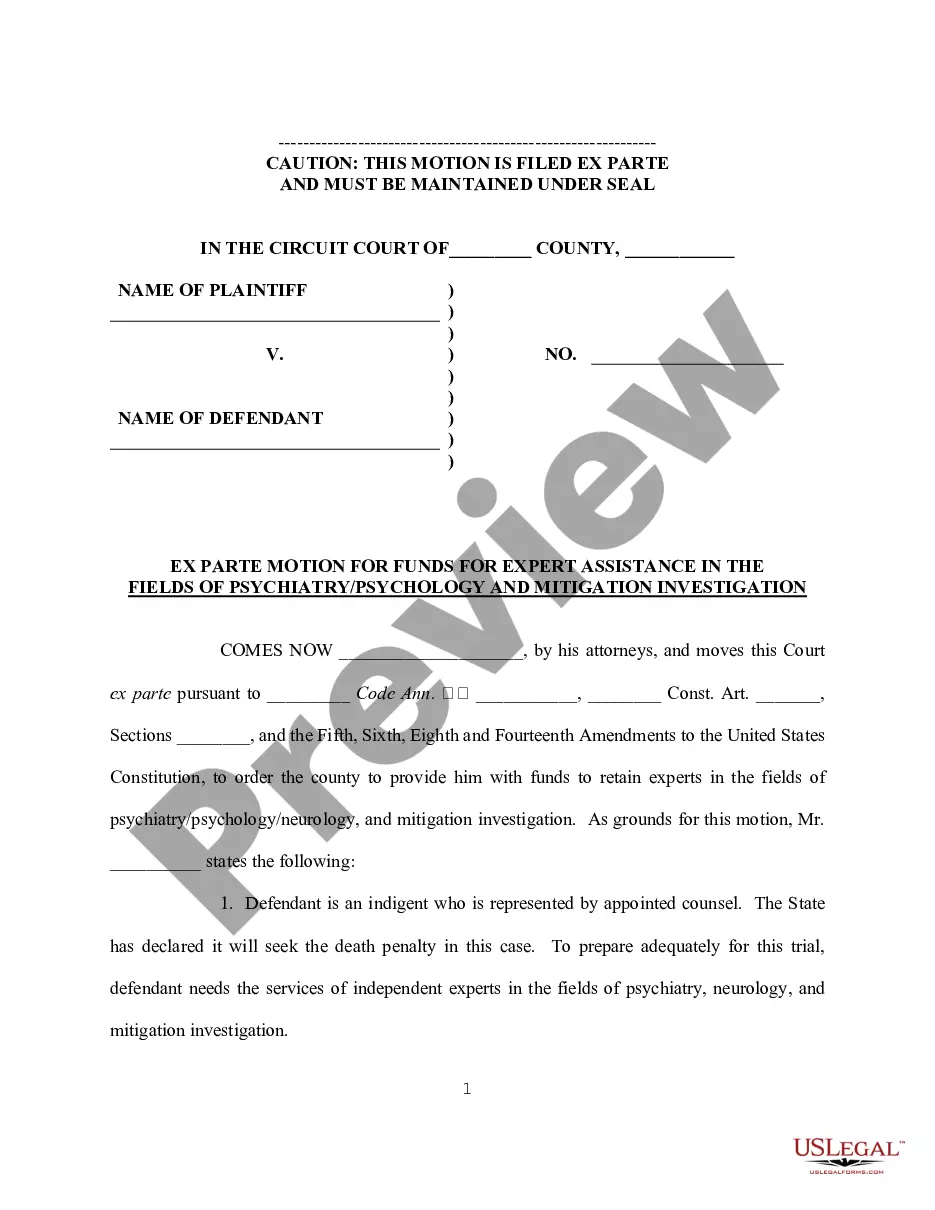
Get your form ready online
Our built-in tools help you complete, sign, share, and store your documents in one place.
Make edits, fill in missing information, and update formatting in US Legal Forms—just like you would in MS Word.
Download a copy, print it, send it by email, or mail it via USPS—whatever works best for your next step.
Sign and collect signatures with our SignNow integration. Send to multiple recipients, set reminders, and more. Go Premium to unlock E-Sign.
If this form requires notarization, complete it online through a secure video call—no need to meet a notary in person or wait for an appointment.
We protect your documents and personal data by following strict security and privacy standards.

Make edits, fill in missing information, and update formatting in US Legal Forms—just like you would in MS Word.

Download a copy, print it, send it by email, or mail it via USPS—whatever works best for your next step.

Sign and collect signatures with our SignNow integration. Send to multiple recipients, set reminders, and more. Go Premium to unlock E-Sign.

If this form requires notarization, complete it online through a secure video call—no need to meet a notary in person or wait for an appointment.

We protect your documents and personal data by following strict security and privacy standards.
Looking for another form?





How to fill out Motion For Permission To Proceed Ex Parte On Applications For Funds?
Discovering a reliable location to acquire the most up-to-date and pertinent legal templates is a significant part of navigating bureaucratic processes. Finding the appropriate legal documents requires accuracy and careful attention, which is why it is vital to obtain samples of Ex Parte Application For Curator Ad Litem exclusively from trustworthy sources, such as US Legal Forms. An incorrect template will squander your time and delay your situation. With US Legal Forms, you need not worry much.
You can access and verify all the information concerning the usage and relevance of the document for your situation and within your state or region.
Eliminate the stress associated with your legal documents. Explore the extensive catalog of US Legal Forms, where you can browse legal templates, assess their relevance to your situation, and download them instantly.
- Utilize the catalog navigation or search bar to find your template.
- Examine the form’s description to ensure it meets the criteria of your state and county.
- View the form preview, if available, to confirm that the template is indeed what you are looking for.
- Return to your search to locate the appropriate document if the Ex Parte Application For Curator Ad Litem does not fulfill your requirements.
- Once you are certain about the form’s relevance, download it.
- If you are a registered user, click Log in to verify and access your selected forms in My documents.
- If you do not have an account yet, click Buy now to purchase the form.
- Select the pricing option that aligns with your needs.
- Proceed to register to complete your transaction.
- Finalize your purchase by selecting a payment method (credit card or PayPal).
- Choose the file format for downloading Ex Parte Application For Curator Ad Litem.
- After obtaining the form on your device, you can modify it using the editor or print it out and complete it by hand.
Form popularity
FAQ
You can file an ex parte application when an urgent situation arises that requires immediate court intervention. This may include instances of immediate danger or when waiting for a regular hearing could result in significant harm. Understanding the criteria for an ex parte application for curator ad litem is crucial, and resources like US Legal Forms can provide the necessary guidance to navigate this process effectively.
An ex parte procedure allows one party to seek immediate relief from the court without the other party's presence. This is often used in emergency situations where waiting for a standard hearing could cause harm. The ex parte application for curator ad litem is an example of this process, as it seeks to appoint a legal representative in urgent circumstances, ensuring that the interests of a minor or incapacitated individual are protected.
The procedure of ex parte typically involves submitting a written application to the court, detailing the reasons for the urgent request. After filing, a judge will review the application, often without notifying the other party, and issue a ruling. If the ex parte application for curator ad litem is granted, further proceedings will likely require both parties to attend a subsequent hearing.
An ex parte application may be denied if the court finds insufficient justification for urgent relief. If the judge believes that the situation does not warrant immediate action or if there is a lack of evidence supporting the claims, the application for curator ad litem may not proceed. This underscores the importance of presenting a well-supported case for an ex parte motion.
When you file an ex parte, you submit a request to the court for urgent relief without the other party's knowledge. The judge will review the application and decide whether to grant the request based on the information provided. If the court approves the ex parte application for curator ad litem, it will issue a temporary order that may require a follow-up hearing with both parties present.
The disadvantages of an ex parte motion include the lack of input from the other party, which may lead to unfair outcomes. Additionally, an ex parte application for curator ad litem might be subject to later challenges when the other party is notified. This can create further delays and complications in the case as both parties seek to resolve the issues in court.
When a case is ex parte, it means that one party is able to present their arguments or evidence to the court without the presence of the other party. This can happen in situations where immediate action is necessary, such as in an ex parte application for curator ad litem. The court may grant temporary relief or make decisions that affect the other party without their input, leading to important considerations for both parties involved.
The appointment of a curator involves a formal process initiated by filing a petition with the court. This may include an ex parte application for curator ad litem when swift action is necessary. The court evaluates the petition, verifies the qualifications of the proposed curator, and determines whether to approve the appointment based on the best interest of the person involved. If you need assistance with this process, uslegalforms can provide the necessary resources and forms.
A curator ad litem is not always required to be an attorney, but having legal expertise can enhance their effectiveness. While anyone can potentially serve as a curator ad litem, those with a legal background often better understand the complexities of the law. It's essential that the appointed individual can act in the best interests of the person they represent. If you are unsure, consult a legal professional when considering an ex parte application for curator ad litem.
An ex parte application is a legal request made to the court by one party without notifying the other party. This type of application is often used in urgent situations where immediate action is necessary, such as filing for a curator ad litem. The court reviews the application and, if justified, grants the request without the presence of the other party. This process can be vital in protecting individuals who cannot advocate for themselves.