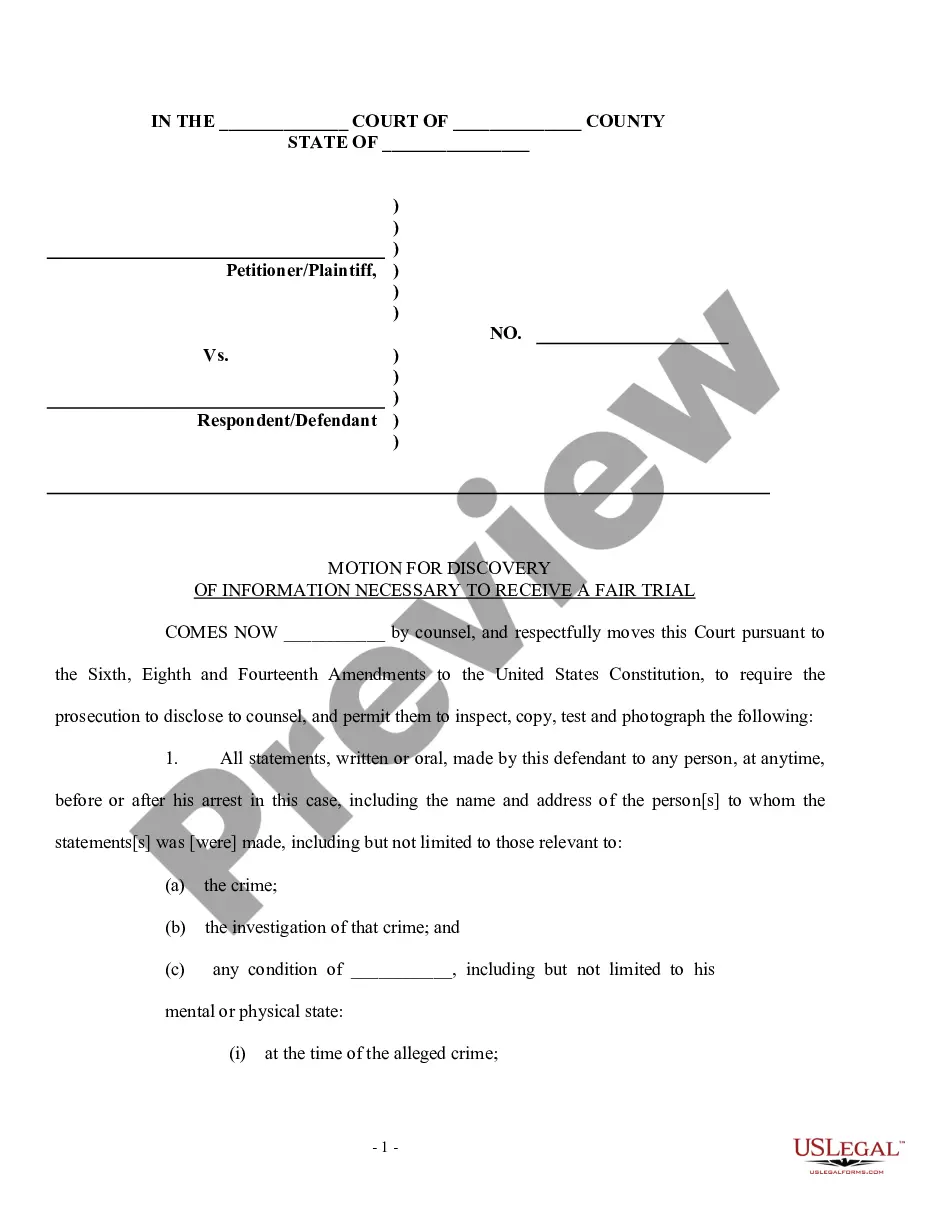
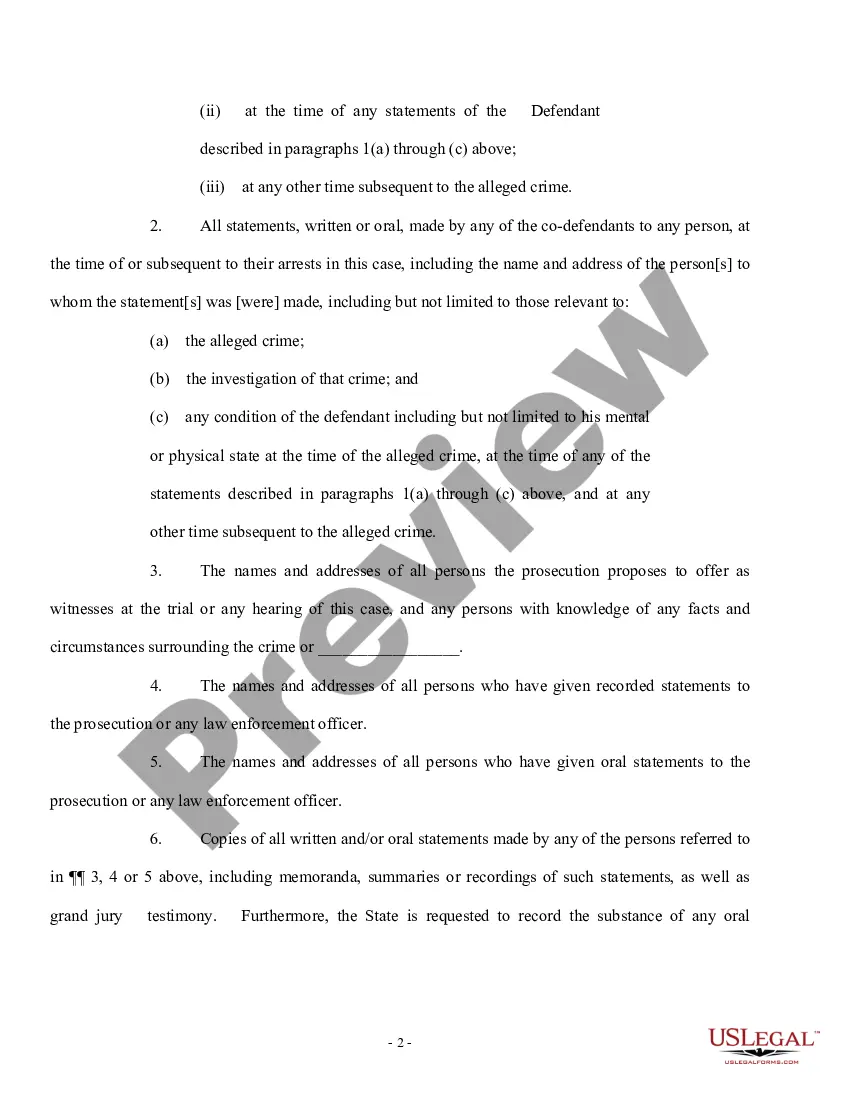
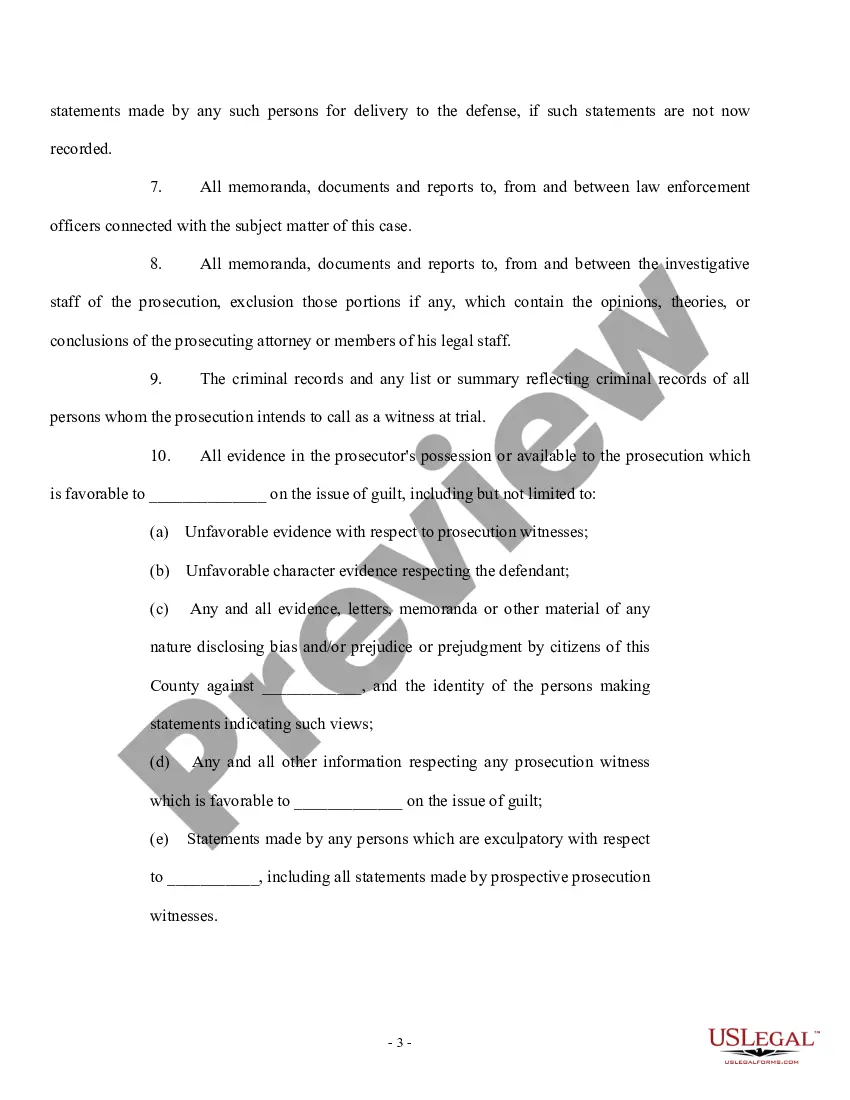
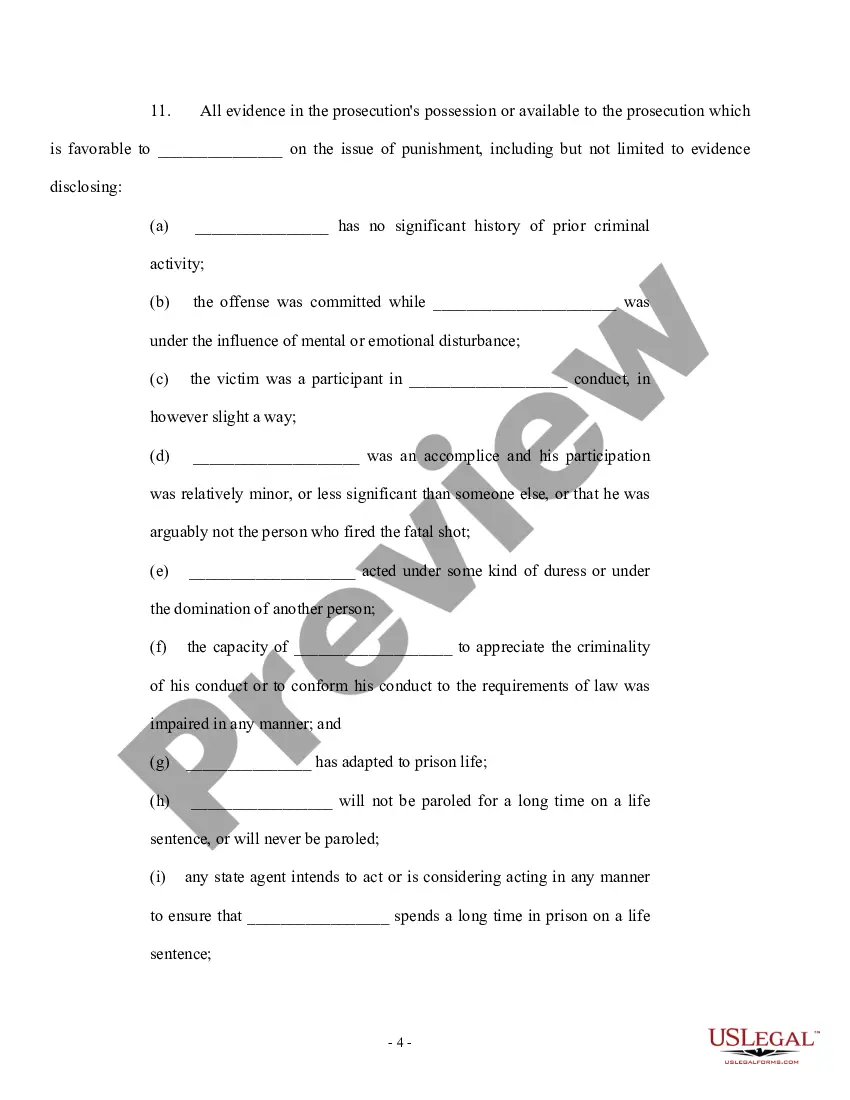
Motion Information Trial For Speedy
Description
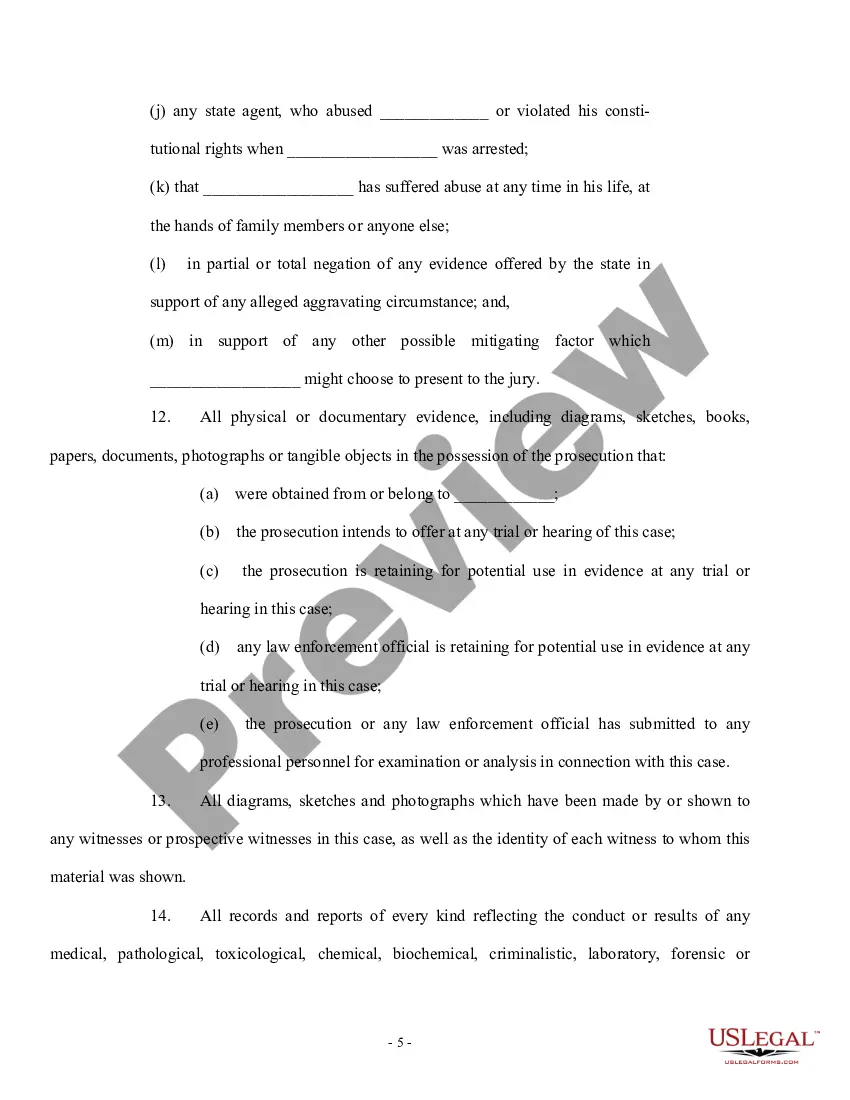
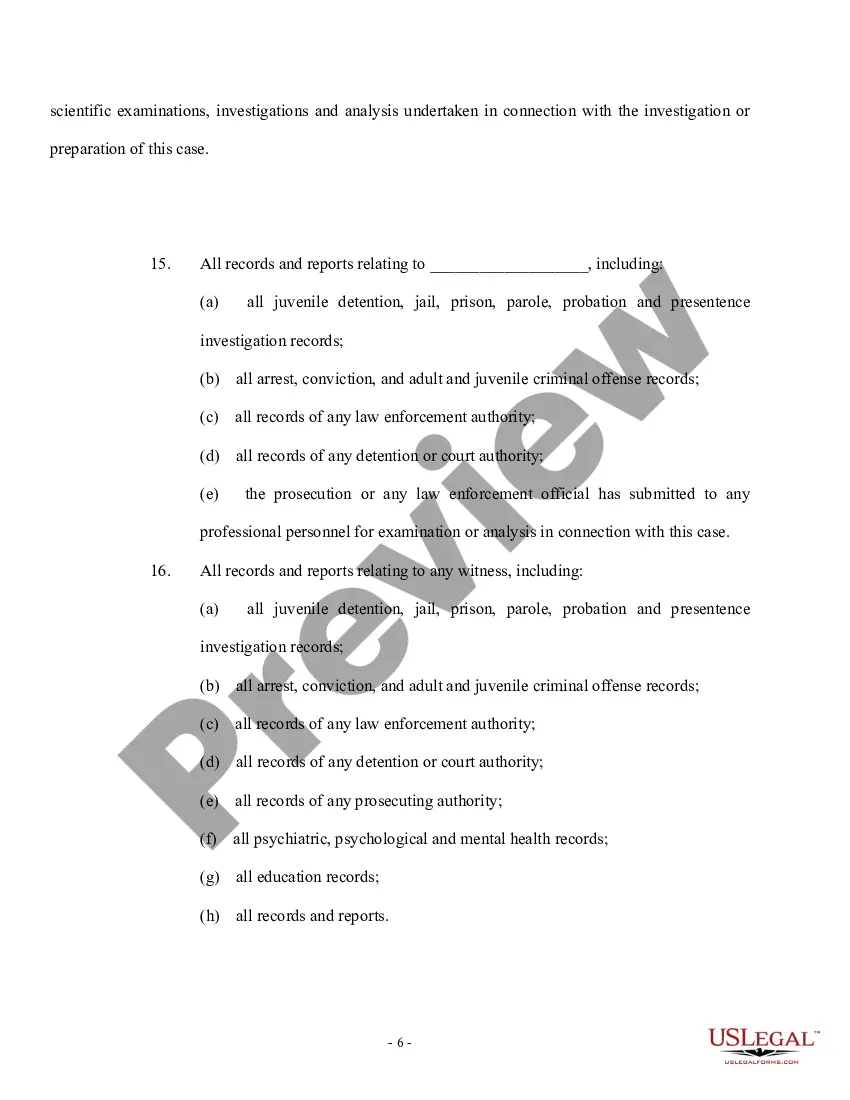
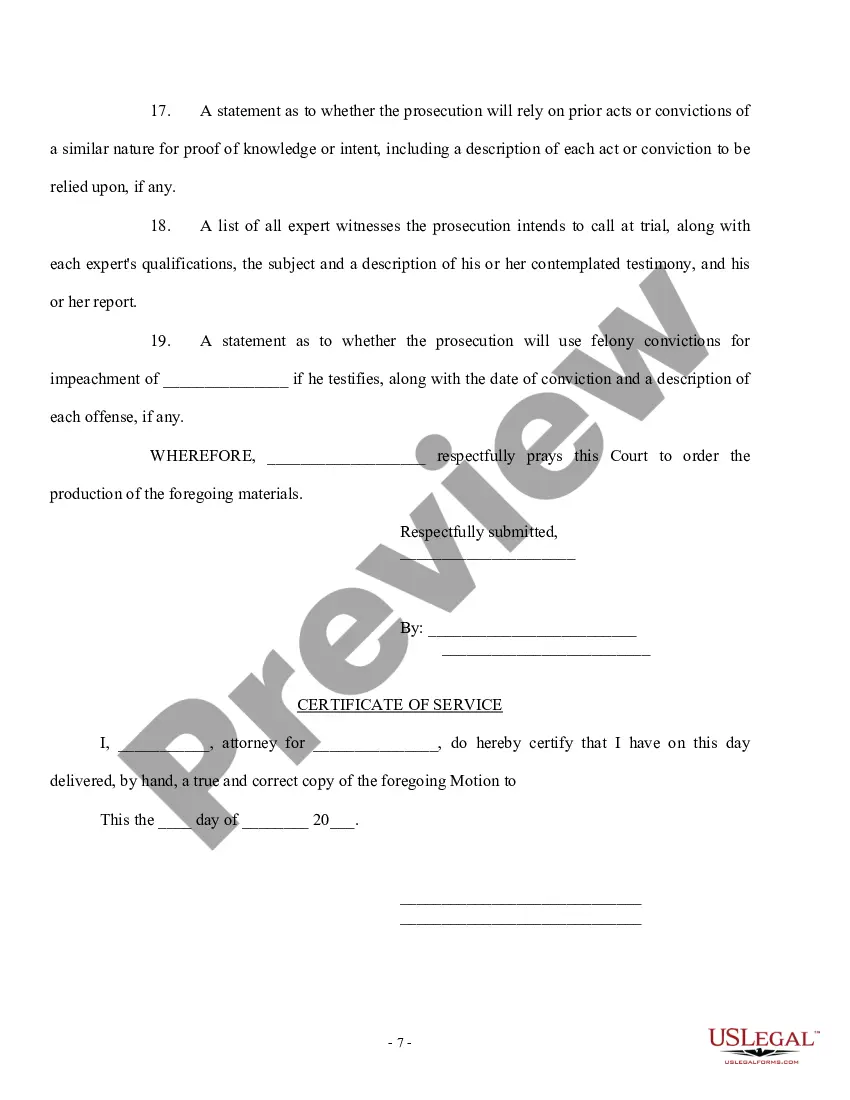
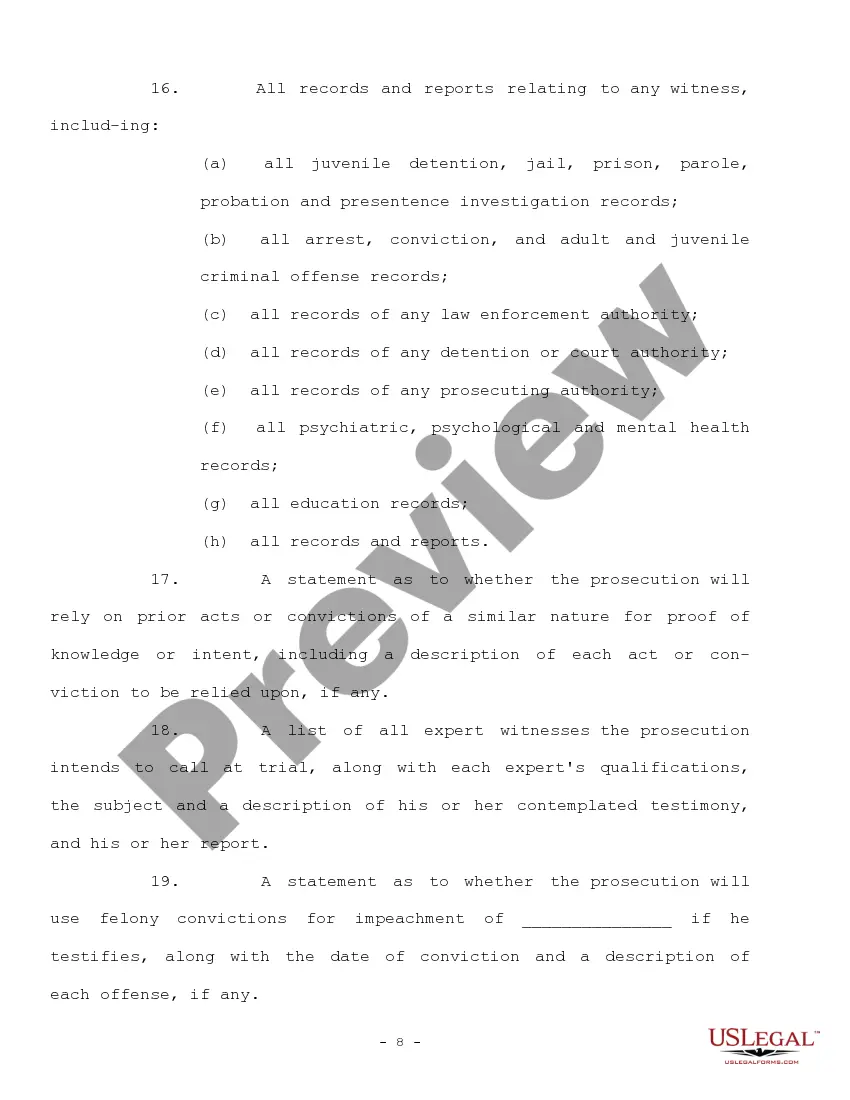
Get your form ready online
Our built-in tools help you complete, sign, share, and store your documents in one place.
Make edits, fill in missing information, and update formatting in US Legal Forms—just like you would in MS Word.
Download a copy, print it, send it by email, or mail it via USPS—whatever works best for your next step.
Sign and collect signatures with our SignNow integration. Send to multiple recipients, set reminders, and more. Go Premium to unlock E-Sign.
If this form requires notarization, complete it online through a secure video call—no need to meet a notary in person or wait for an appointment.
We protect your documents and personal data by following strict security and privacy standards.

Make edits, fill in missing information, and update formatting in US Legal Forms—just like you would in MS Word.

Download a copy, print it, send it by email, or mail it via USPS—whatever works best for your next step.

Sign and collect signatures with our SignNow integration. Send to multiple recipients, set reminders, and more. Go Premium to unlock E-Sign.

If this form requires notarization, complete it online through a secure video call—no need to meet a notary in person or wait for an appointment.

We protect your documents and personal data by following strict security and privacy standards.
Looking for another form?



How to fill out Motion For Discovery Of Information Necessary To Receive A Fair Trial?
It’s common knowledge that becoming a legal authority isn’t achievable in a day, nor can you swiftly compose Motion Information Trial For Speedy without an expert background.
Drafting legal documents is a tedious undertaking that demands specific education and expertise. So why not entrust the development of the Motion Information Trial For Speedy to the specialists.
With US Legal Forms, one of the most extensive legal document repositories, you can discover anything from court papers to templates for internal business communication.
If you require a different form, start your search from the beginning.
Register for a complimentary account and select a subscription plan to purchase the template. Click Buy now. Once the purchase is finalized, you can obtain the Motion Information Trial For Speedy, fill it out, print it, and forward it to the relevant parties or organizations.
- We understand how crucial compliance and adherence to federal and state regulations are.
- That’s why all forms on our site are tailored to specific locations and regularly updated.
- Here’s how you can begin using our platform and obtain the form you need in just a few minutes.
- Locate the form you’re searching for by utilizing the search bar at the page's top.
- Preview it (if this option is available) and read the accompanying description to determine if Motion Information Trial For Speedy meets your needs.
Form popularity
FAQ
(an appellate court weighs the following four factors to determine if there is a Sixth Amendment speedy trial violation: (1) the length of the delay; (2) the reasons for the delay; (3) the accused's demand for a speedy trial; and (4) the prejudice to the accused).
The federal Speedy Trial Act provides some instruction for federal cases. For example, it requires formal charges to be brought within 30 days of an arrest. One of the main reasons for the right to a speedy trial is to prevent a defendant from being held in custody for a long time, only to eventually be found innocent.
All courts at District and Taluka level shall ensure that written statement is filed within the prescribed limit namely as prescribed under Order VIII Rule 1 and preferably within 30 days and to assign reasons in writing as to why the time limit is being extended beyond 30 days as indicated under proviso to sub-Rule (1 ...
Post-Conviction Delay Wingo's four factors: length of delay, reason for delay, defendant's assertion of his right, and prejudice to the defendant. Other courts have used United States v.
The test requires the court to consider the length of the delay, the cause of the delay, the defendant's assertion of his right to a speedy trial, and the presence or absence of prejudice resulting from the delay.