Motion Information Necessary With Ridge Vents
Description
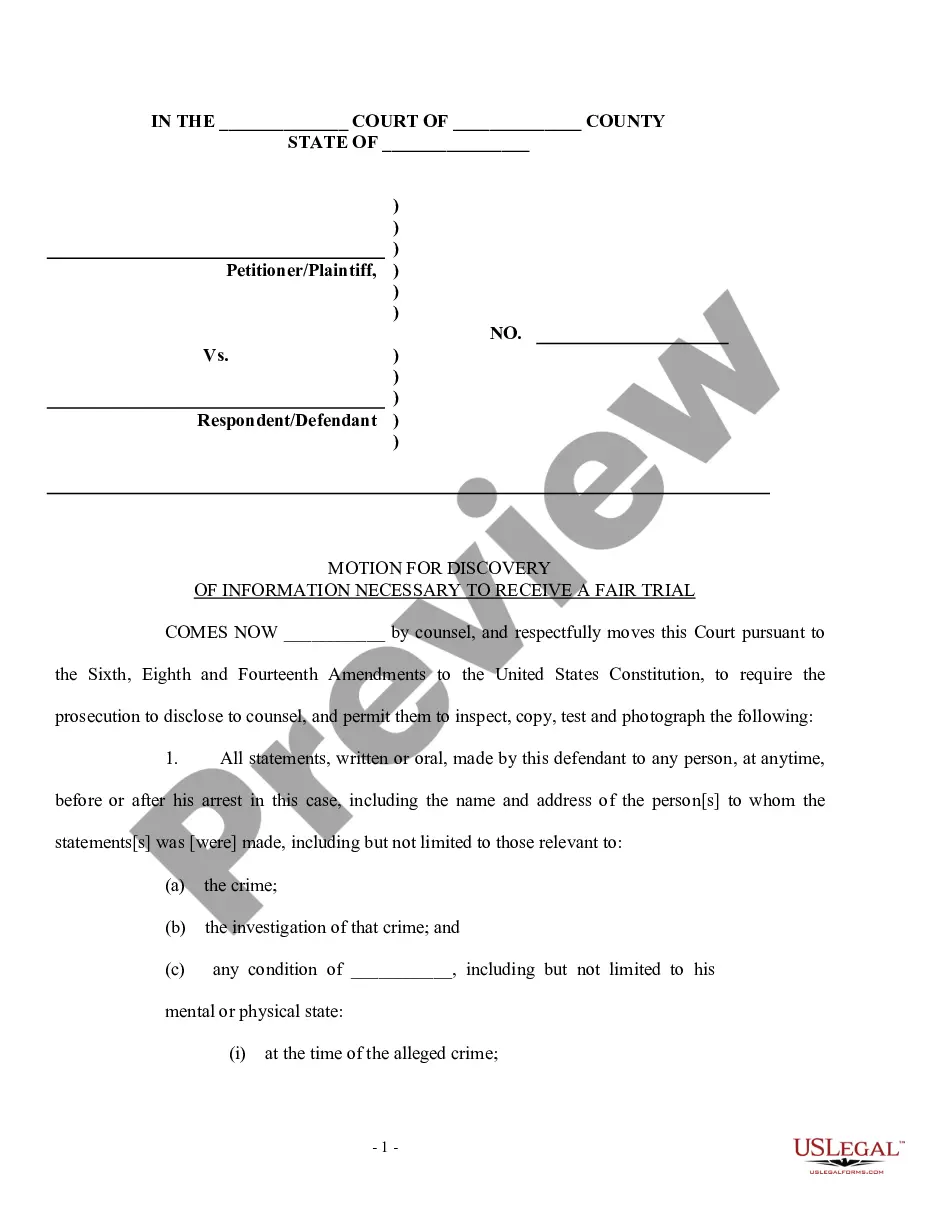


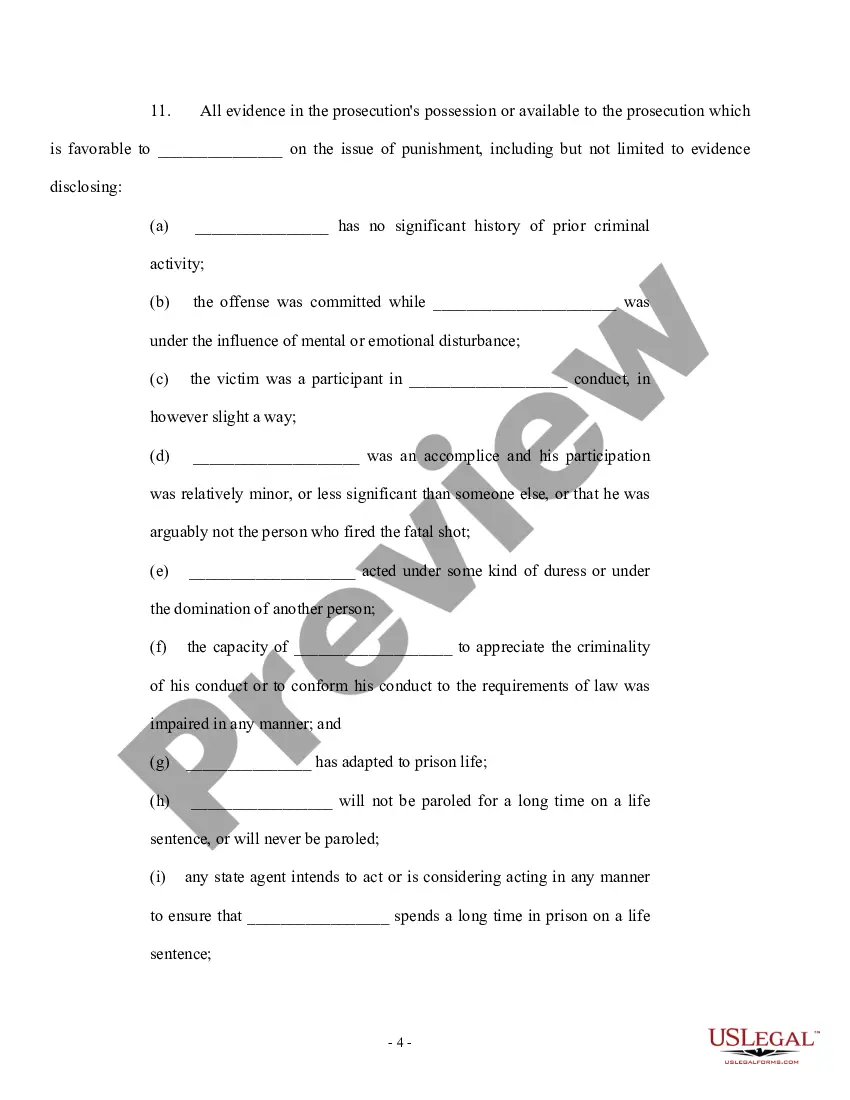
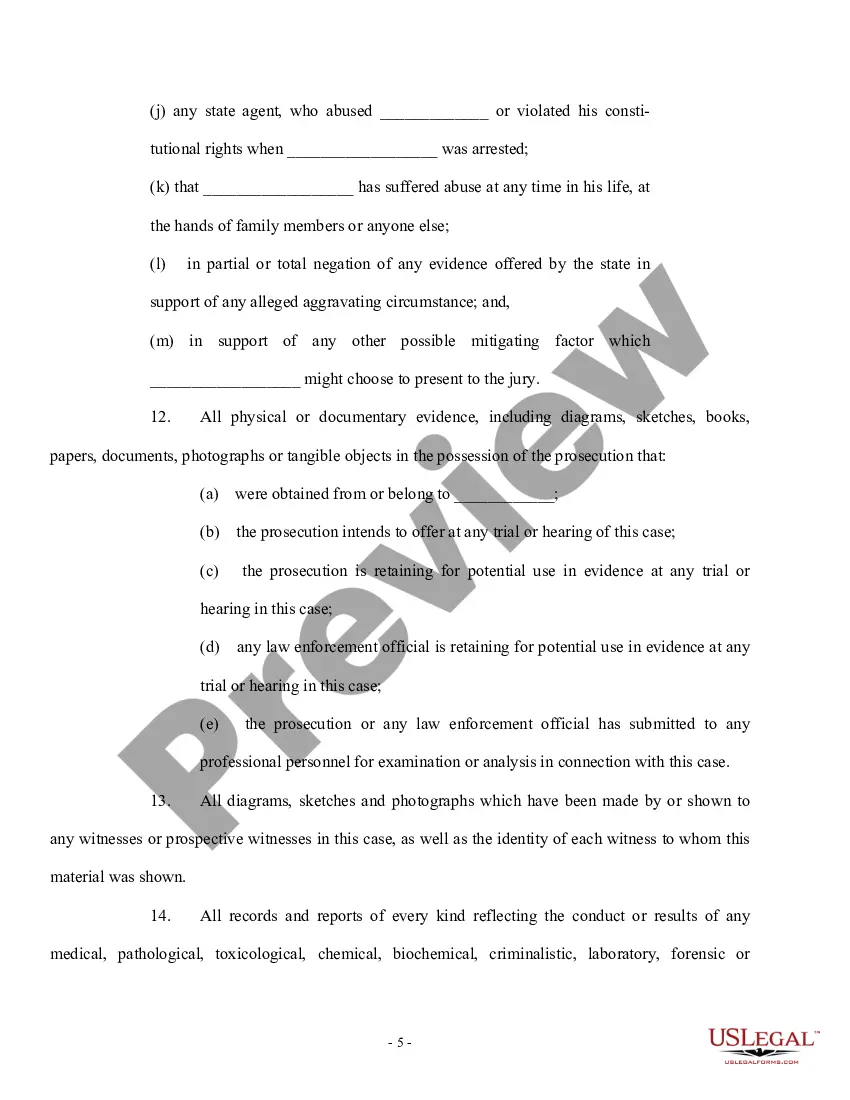

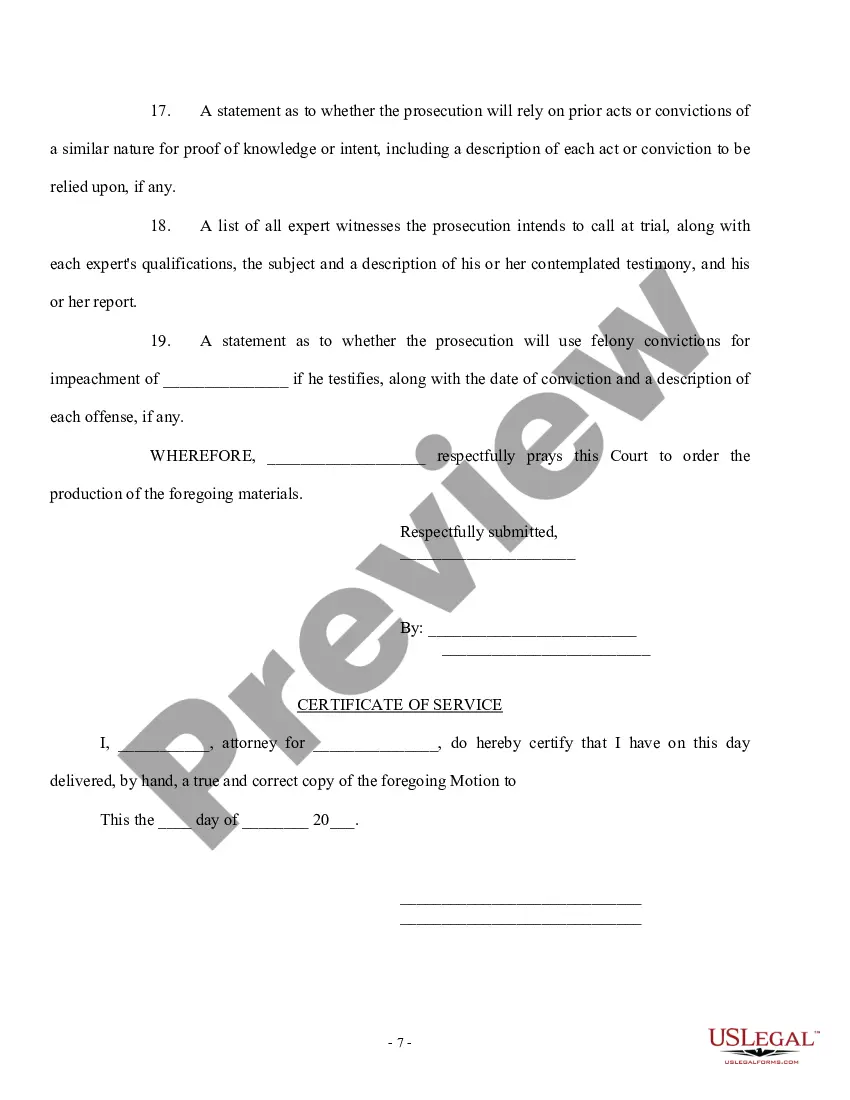

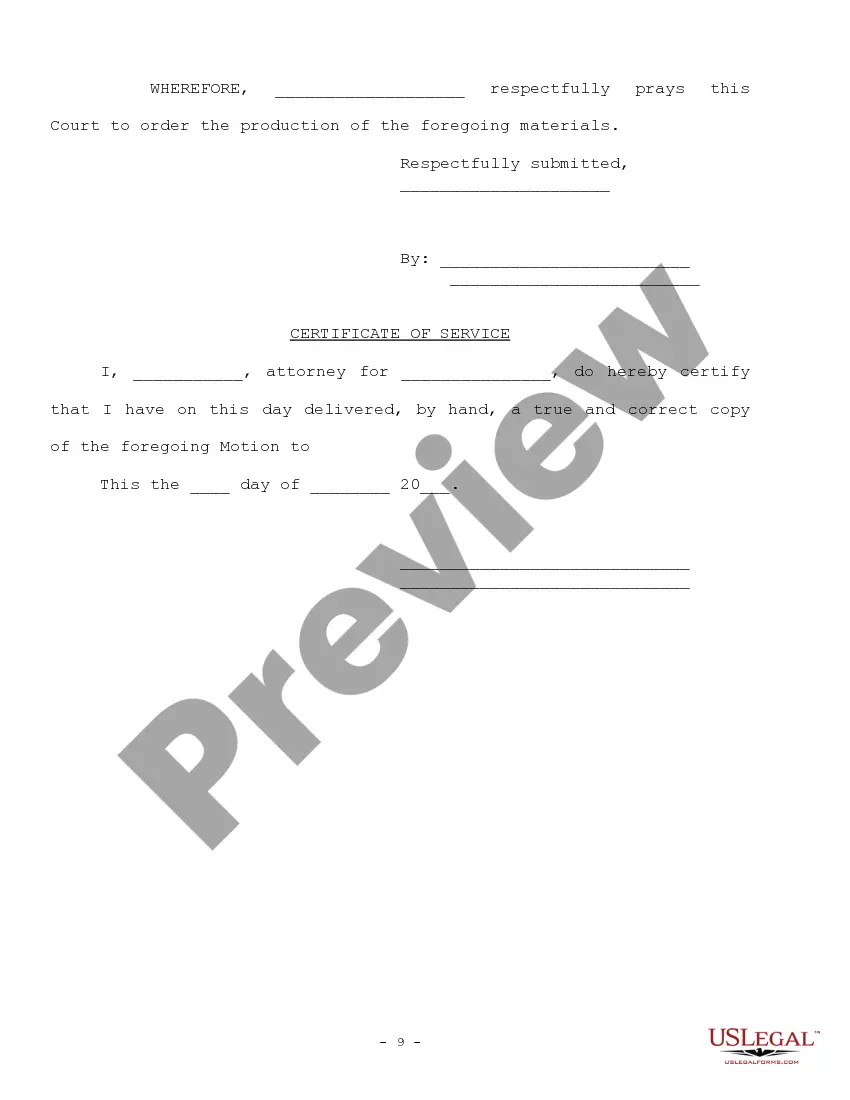
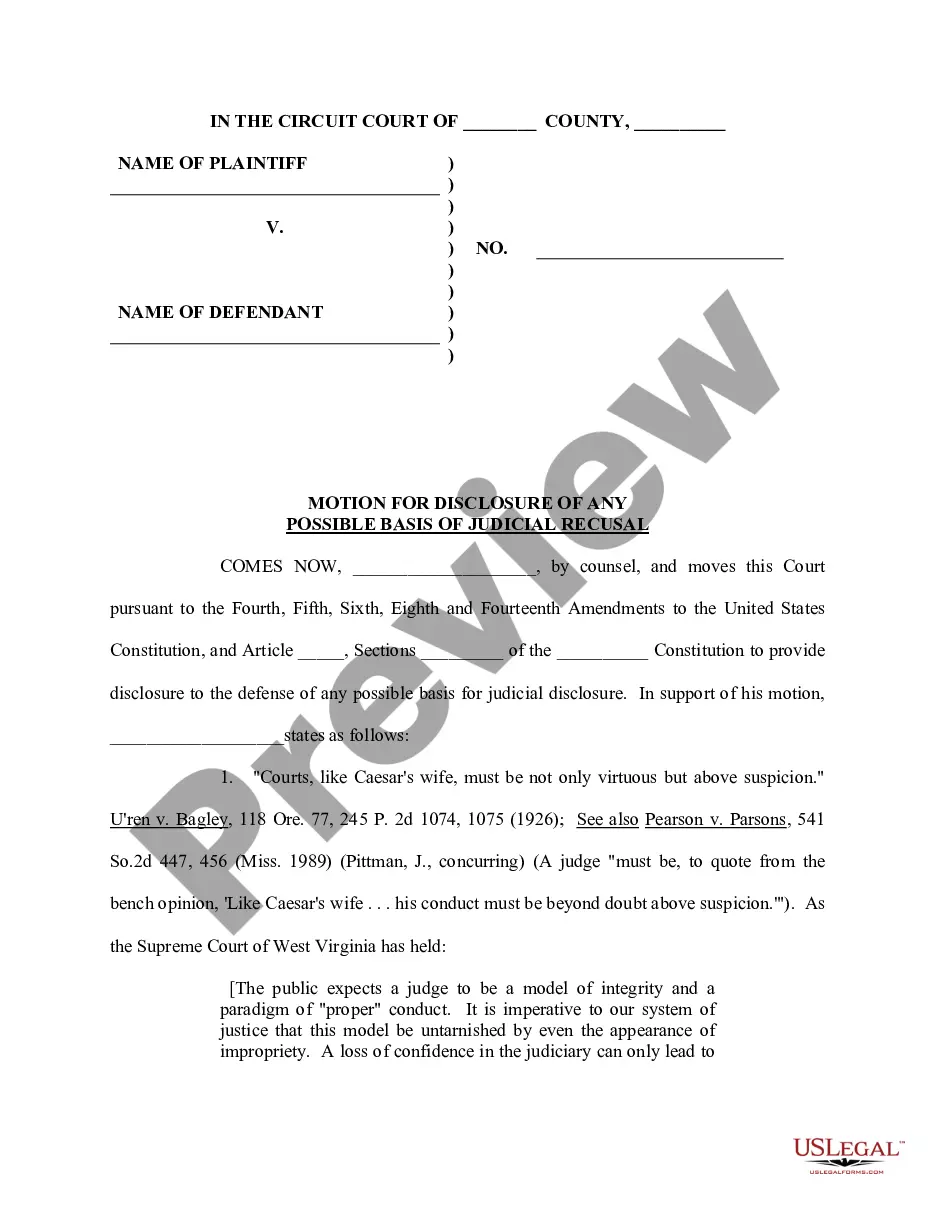
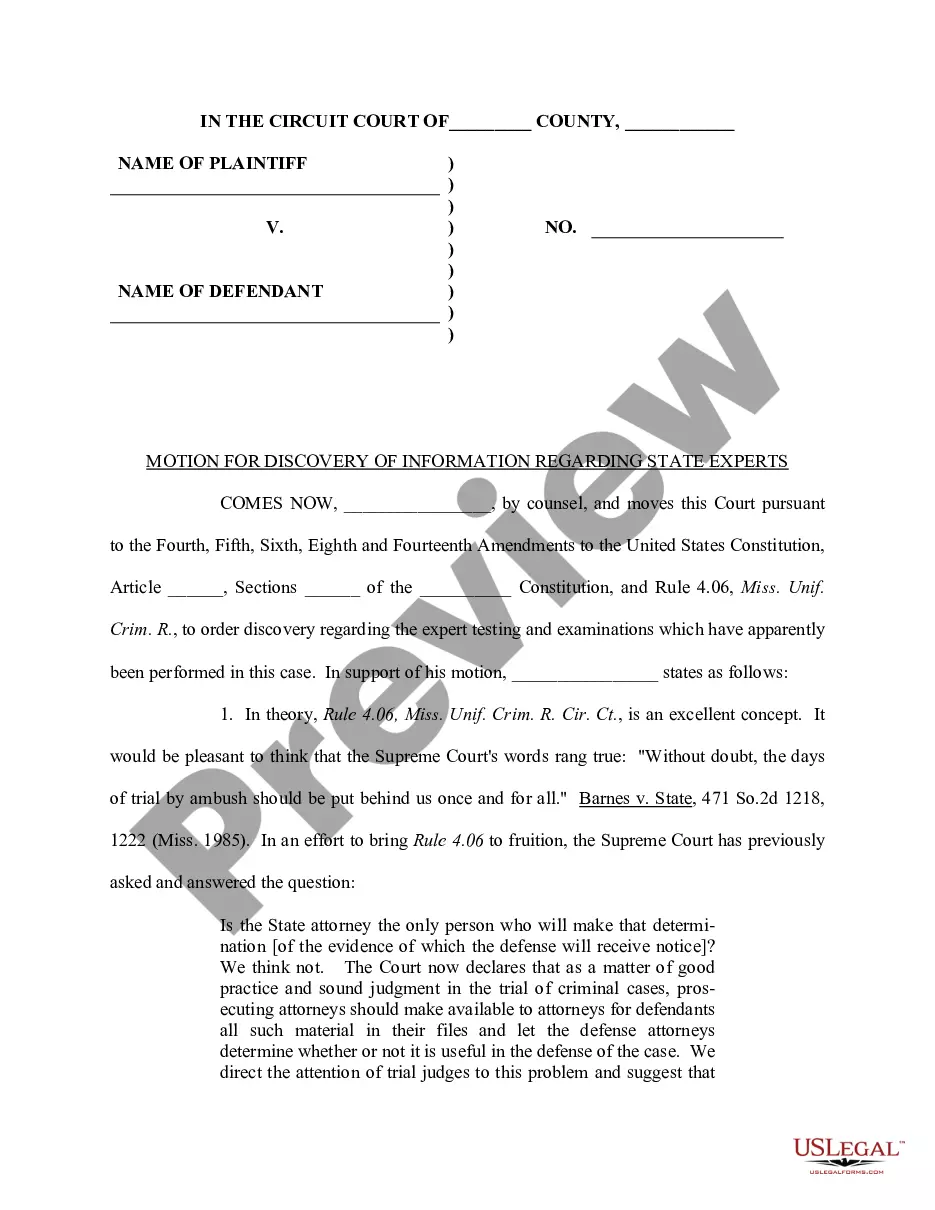

Get your form ready online
Our built-in tools help you complete, sign, share, and store your documents in one place.
Make edits, fill in missing information, and update formatting in US Legal Forms—just like you would in MS Word.
Download a copy, print it, send it by email, or mail it via USPS—whatever works best for your next step.
Sign and collect signatures with our SignNow integration. Send to multiple recipients, set reminders, and more. Go Premium to unlock E-Sign.
If this form requires notarization, complete it online through a secure video call—no need to meet a notary in person or wait for an appointment.
We protect your documents and personal data by following strict security and privacy standards.

Make edits, fill in missing information, and update formatting in US Legal Forms—just like you would in MS Word.

Download a copy, print it, send it by email, or mail it via USPS—whatever works best for your next step.

Sign and collect signatures with our SignNow integration. Send to multiple recipients, set reminders, and more. Go Premium to unlock E-Sign.

If this form requires notarization, complete it online through a secure video call—no need to meet a notary in person or wait for an appointment.

We protect your documents and personal data by following strict security and privacy standards.
Looking for another form?
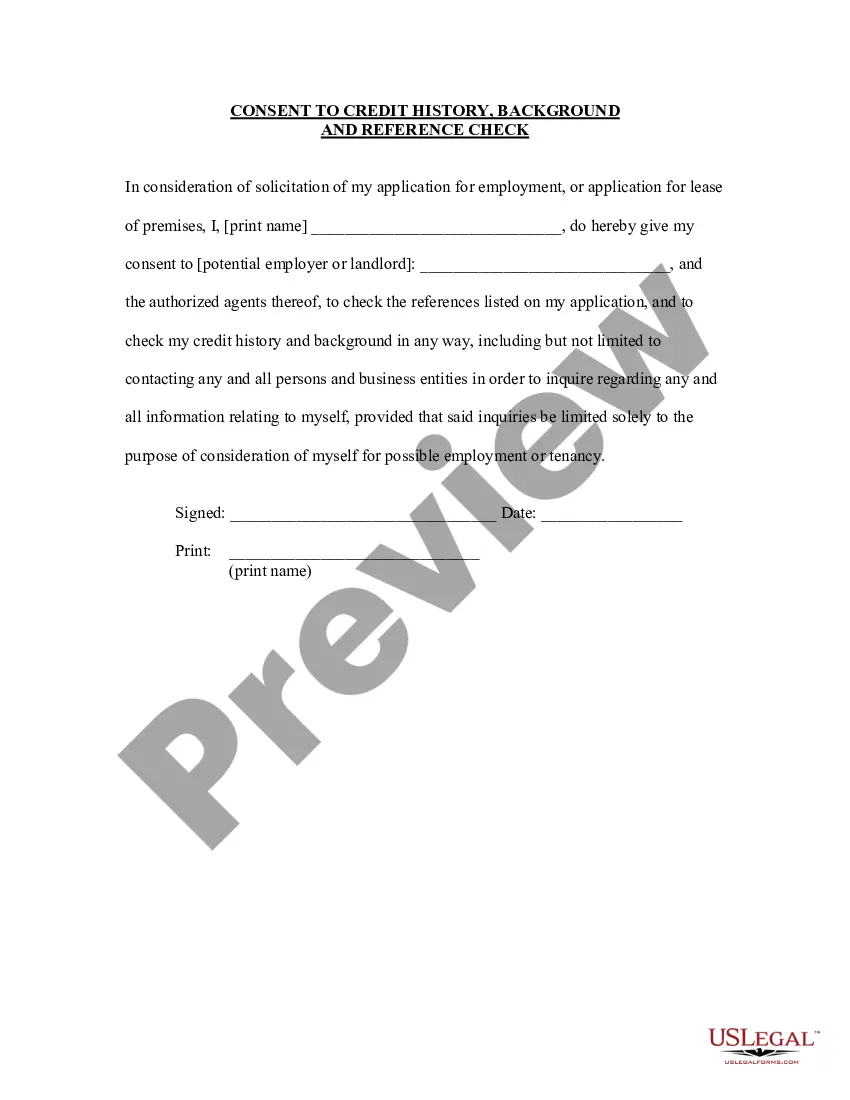






How to fill out Motion For Discovery Of Information Necessary To Receive A Fair Trial?
Acquiring legal document examples that adhere to national and local regulations is essential, and the web provides numerous alternatives to select from.
However, what’s the benefit of spending time searching for the appropriate Motion Information Necessary With Ridge Vents sample online when the US Legal Forms digital library already consolidates such templates in one location.
US Legal Forms is the largest online legal repository with over 85,000 editable templates created by lawyers for any business and personal circumstance. They are simple to navigate with all documents categorized by state and intended use. Our experts stay updated with changes in legislation, so you can always trust that your documentation is current and compliant when obtaining a Motion Information Necessary With Ridge Vents from our platform.
All documents you discover through US Legal Forms are reusable. To re-download and fill out previously acquired forms, access the My documents section in your account. Take advantage of the most comprehensive and user-friendly legal document service!
- Review the template using the Preview feature or through the text outline to ensure it meets your requirements.
- Search for another example using the search tool at the top of the page if needed.
- Click Buy Now once you’ve found the appropriate form and choose a subscription option.
- Create an account or Log In and complete your payment using PayPal or a credit card.
- Select the correct format for your Motion Information Necessary With Ridge Vents and download it.
Form popularity
FAQ
There needs to be a 2 inch wide opening at the ridge for ventilation.
Proper roof ventilation is critical to keep your roof and home healthy. While all homes should have soffit vents on the bottom of the roof, they also need to have another kind of vent near the ridge. Most homeowners typically choose between ridge vents and box vents.
Cons of Ridge Vents In addition, these vents may leak during heavy rain, as the rain could blow right into the vents, dampening your attic. So, if your area regularly receives heavy rain and strong wind, these vents might not be your best option.
It is best to create a minimum of 1 inch of clearance on either side of the ridge board (ridgepole) to allow airflow through the opening and into the vent. If there is no ridge board present, as with some truss-framed roofs, the opening should be at least 1 inch from the ridge on both sides.
One square foot of ventilation is required for every 300 square feet of enclosed attic space, with half being exhaust and half being intake. 1. For a home with 3000 square feet of attic floor space you will need 10 square ft (3000/300=10) of attic ventilation.