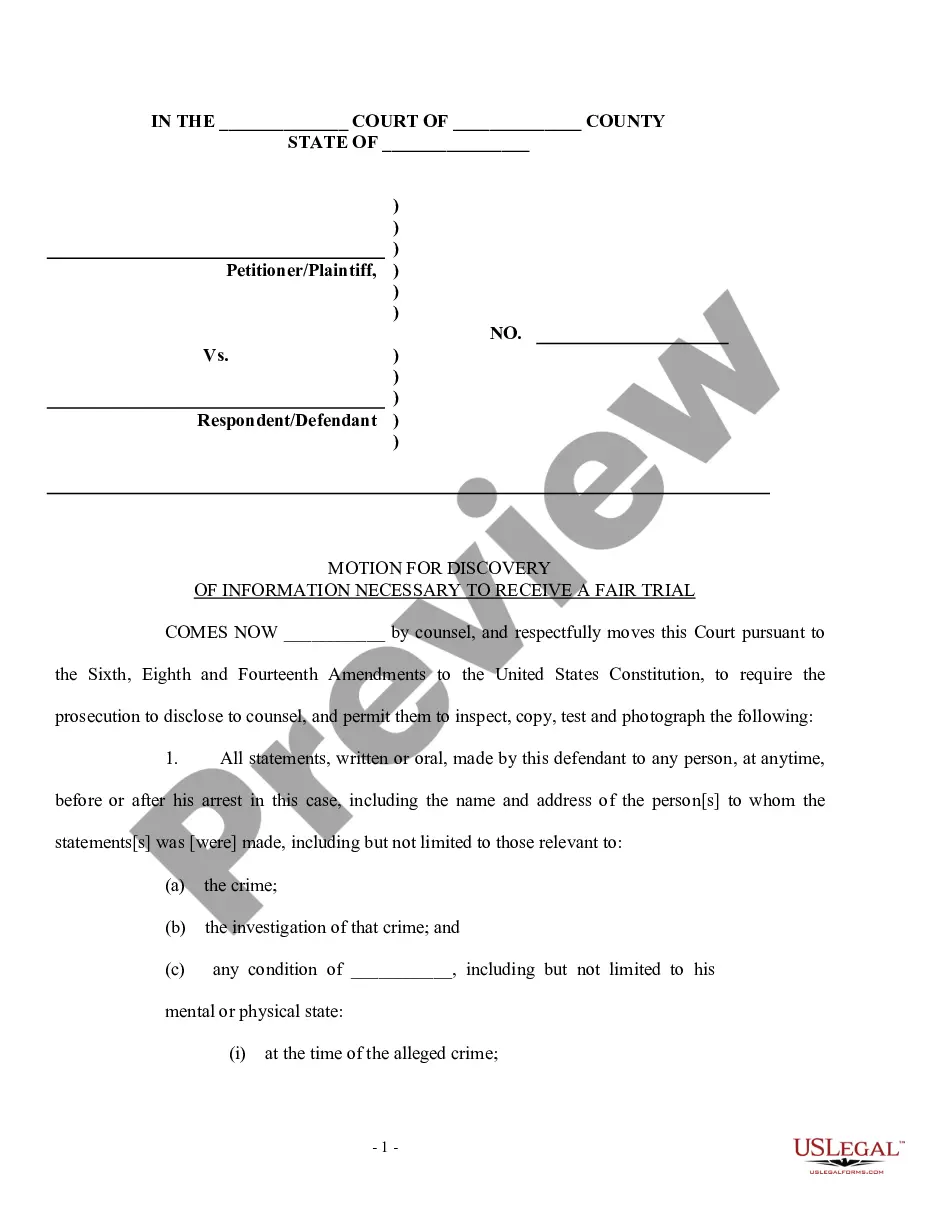
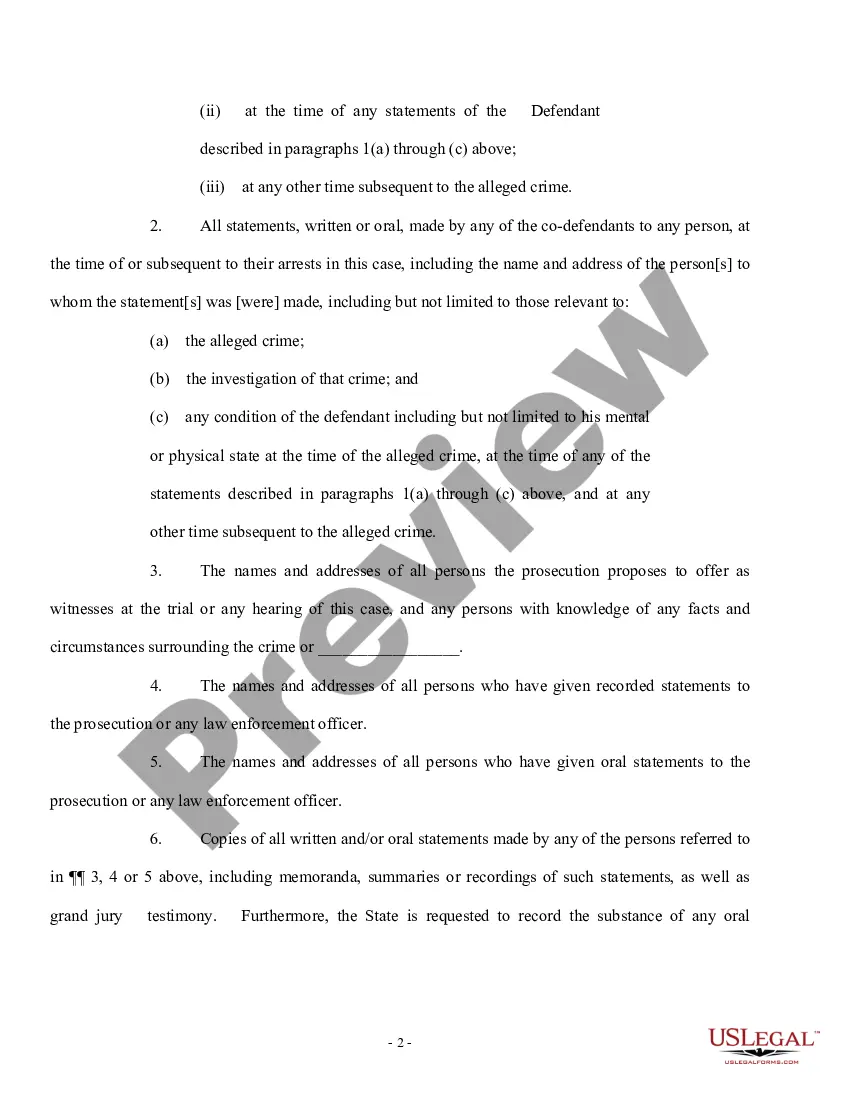
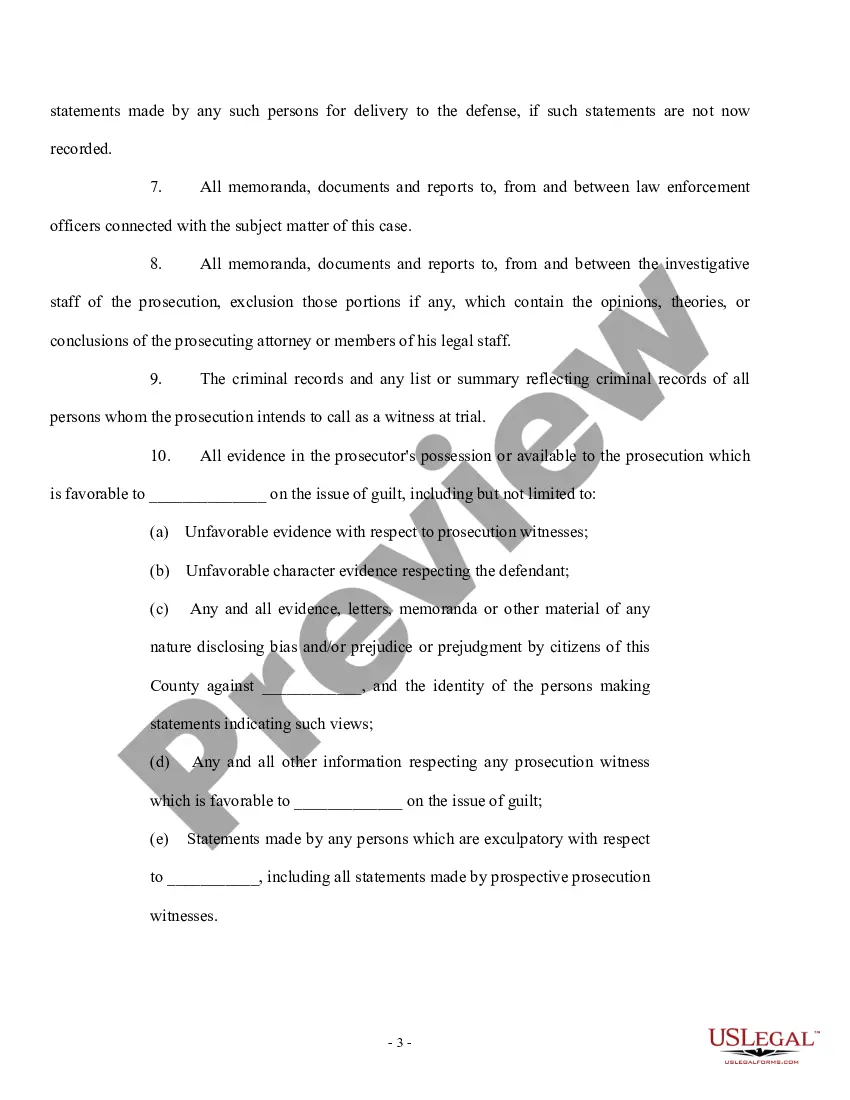
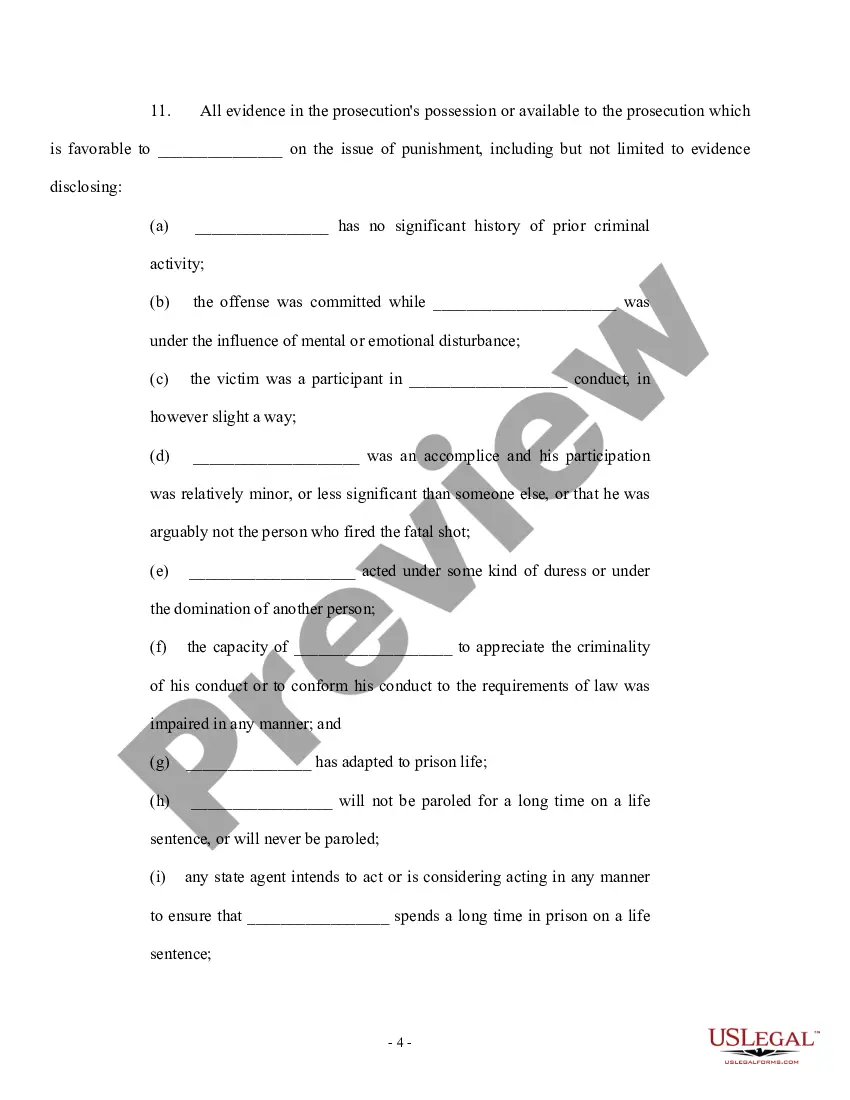
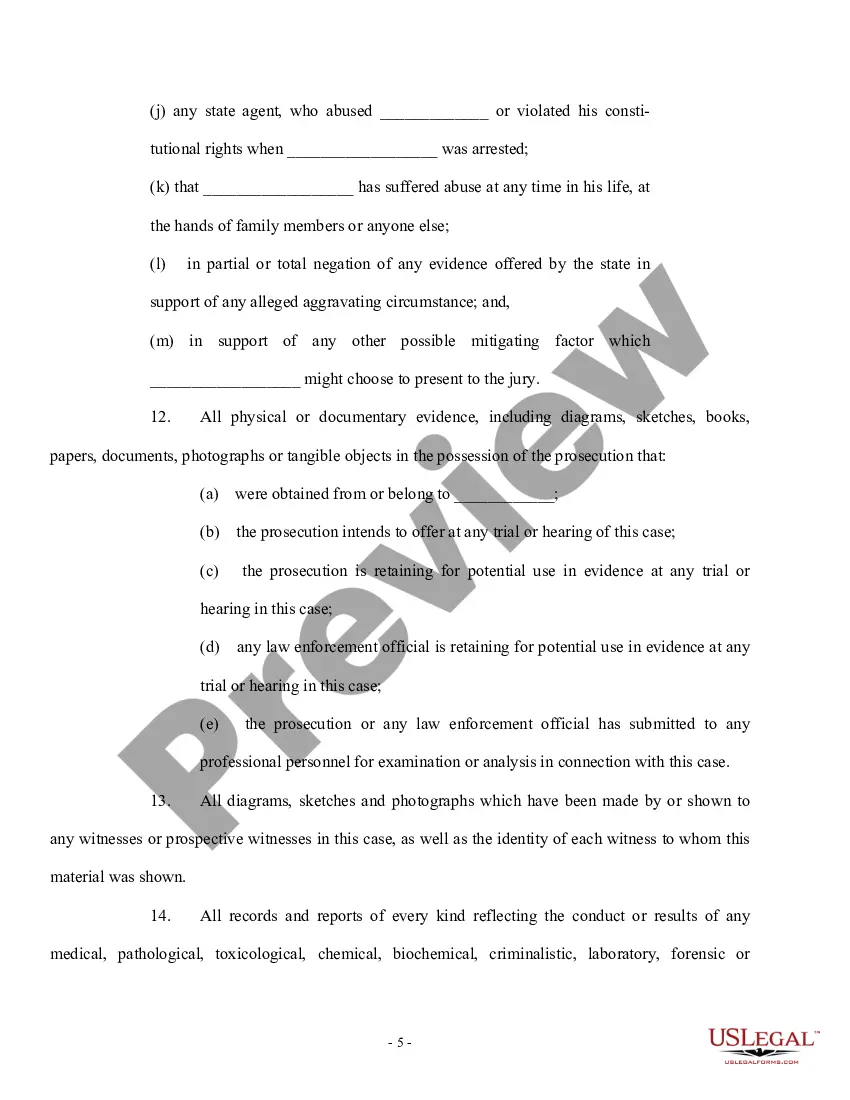
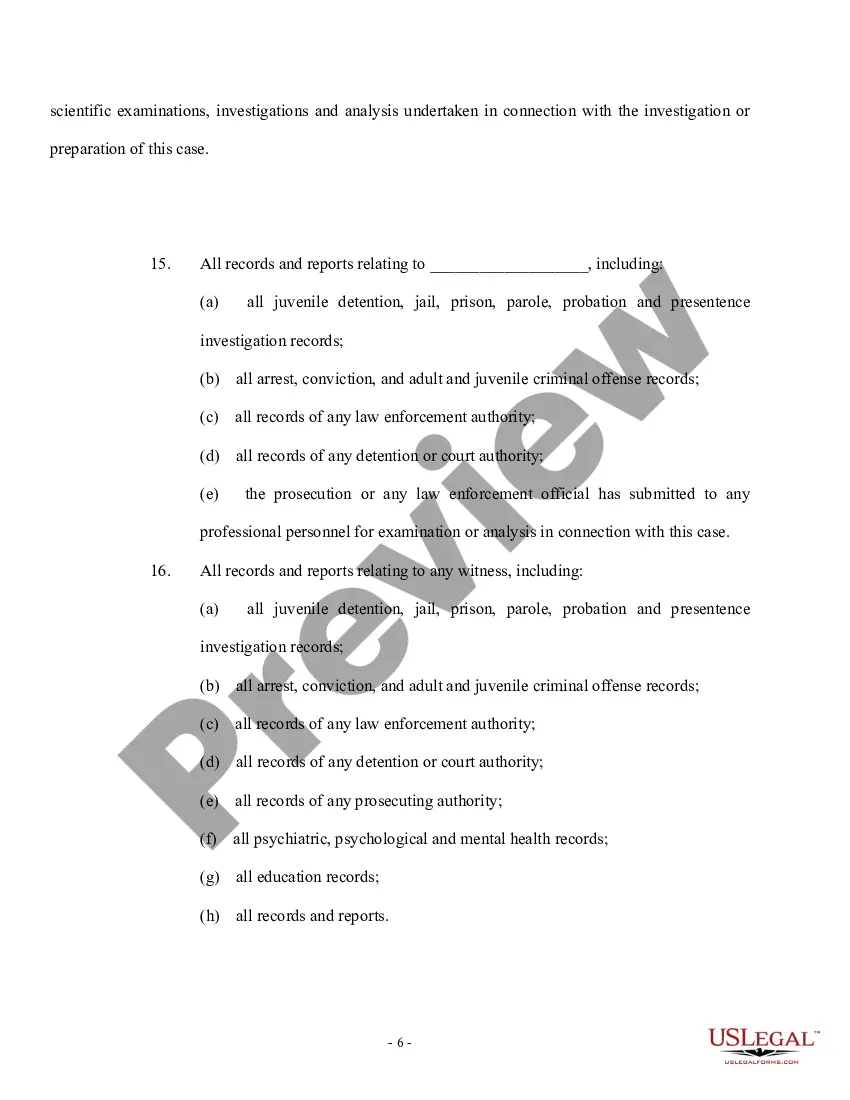
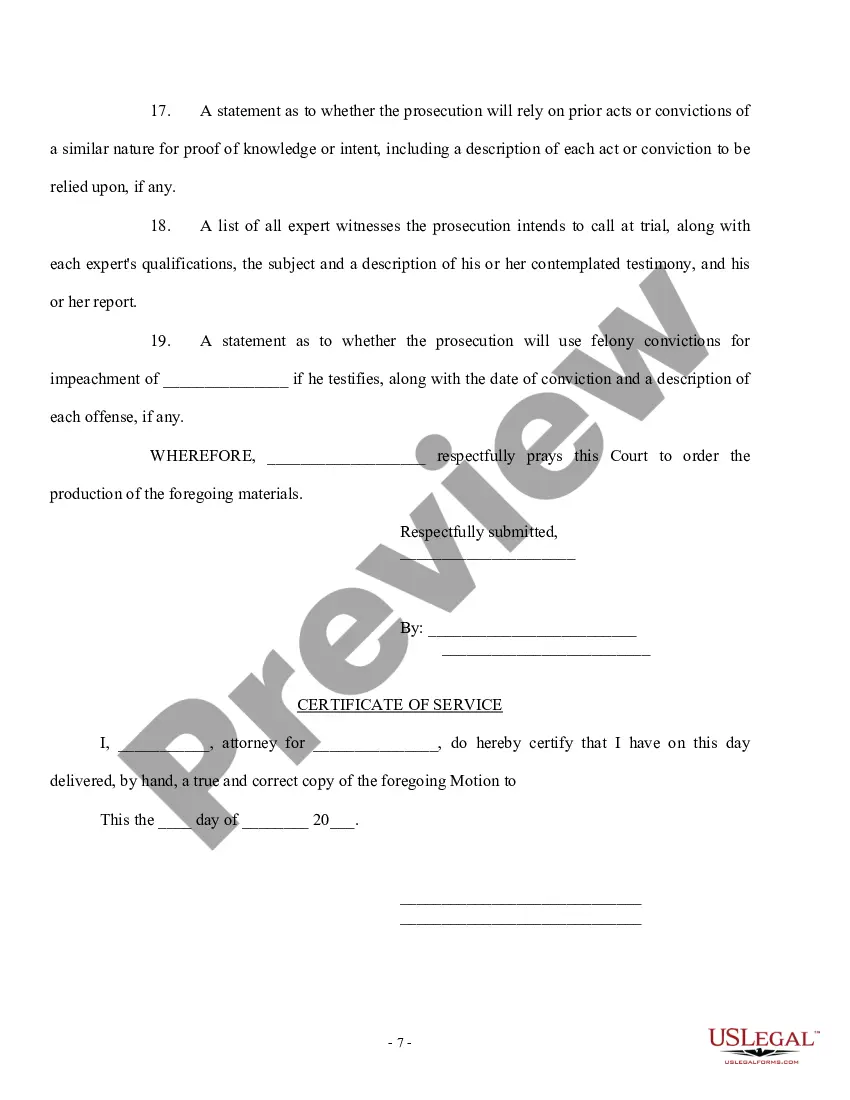
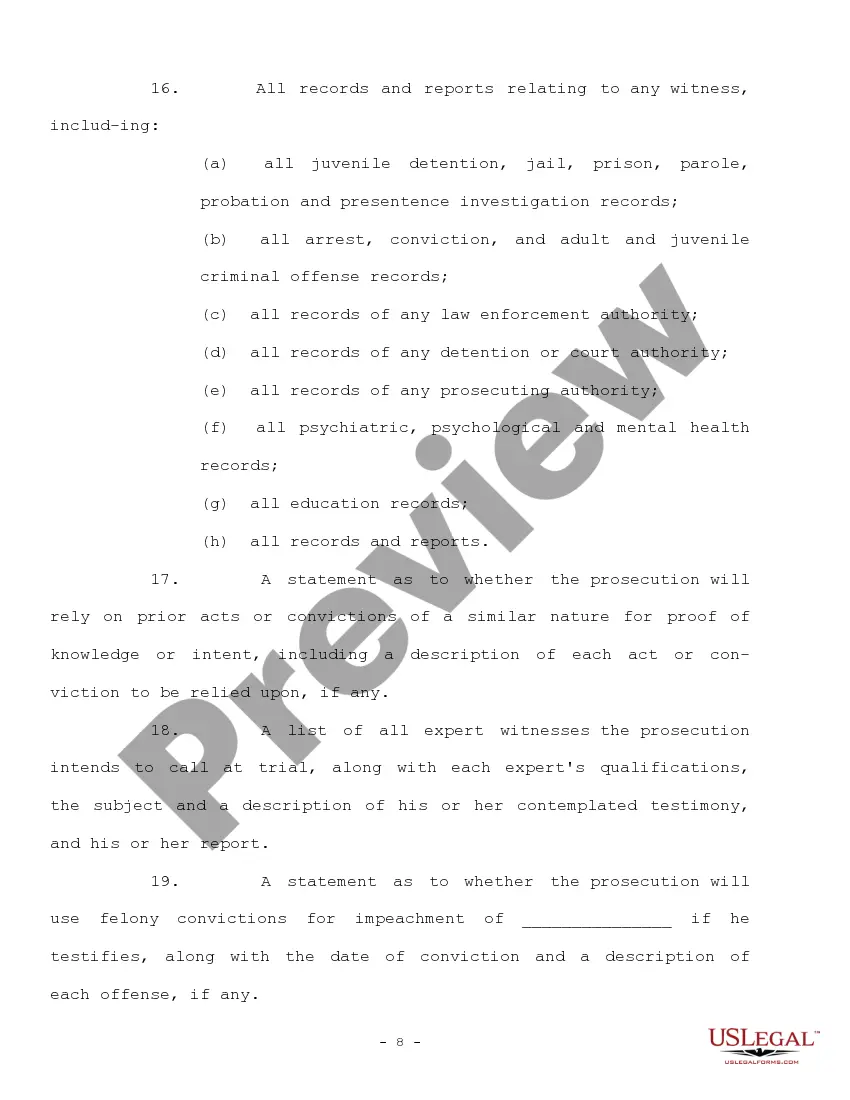
Motion Discovery Information Within Courtroom
Description
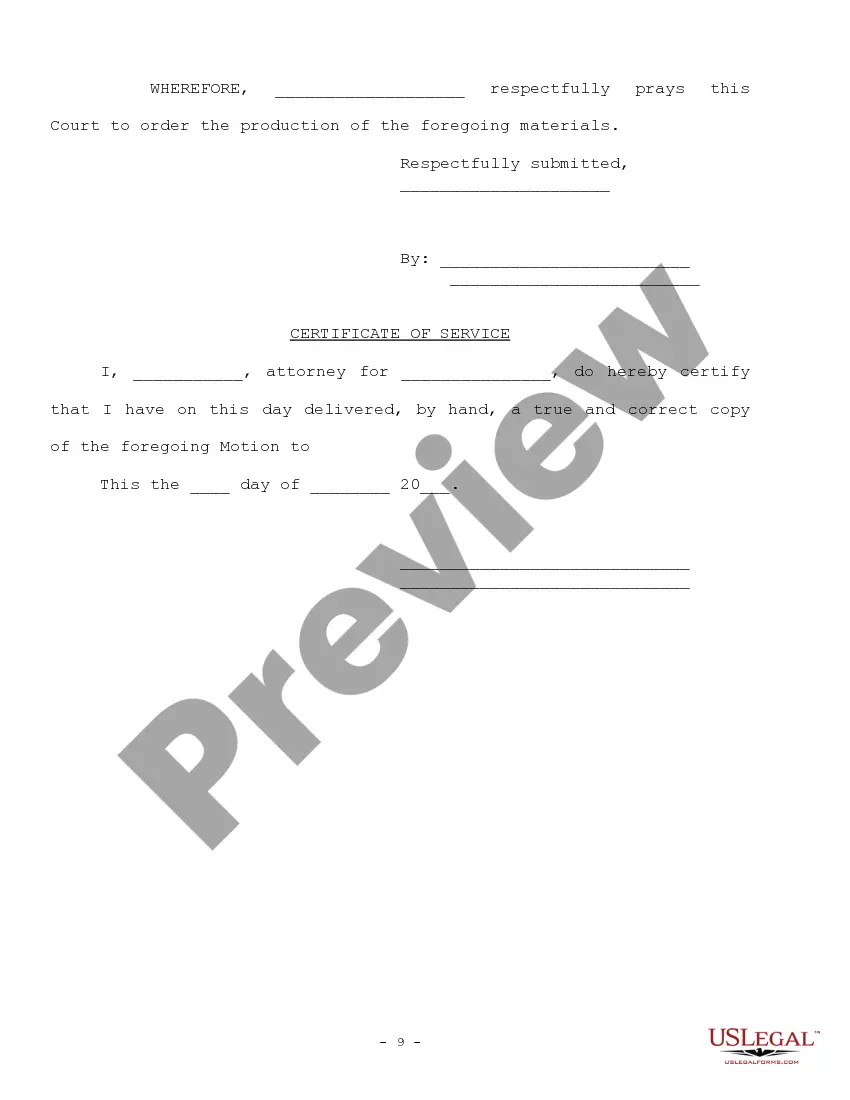
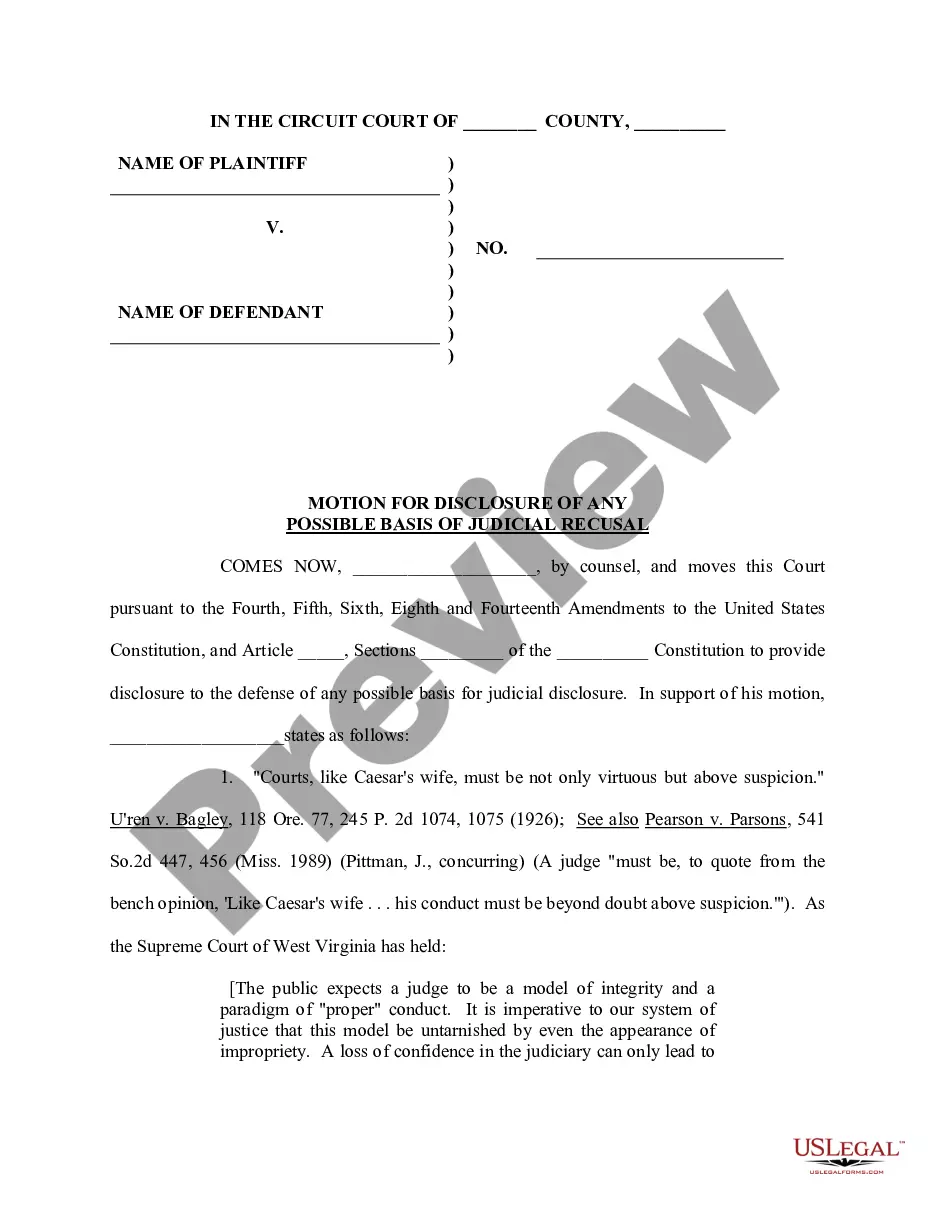
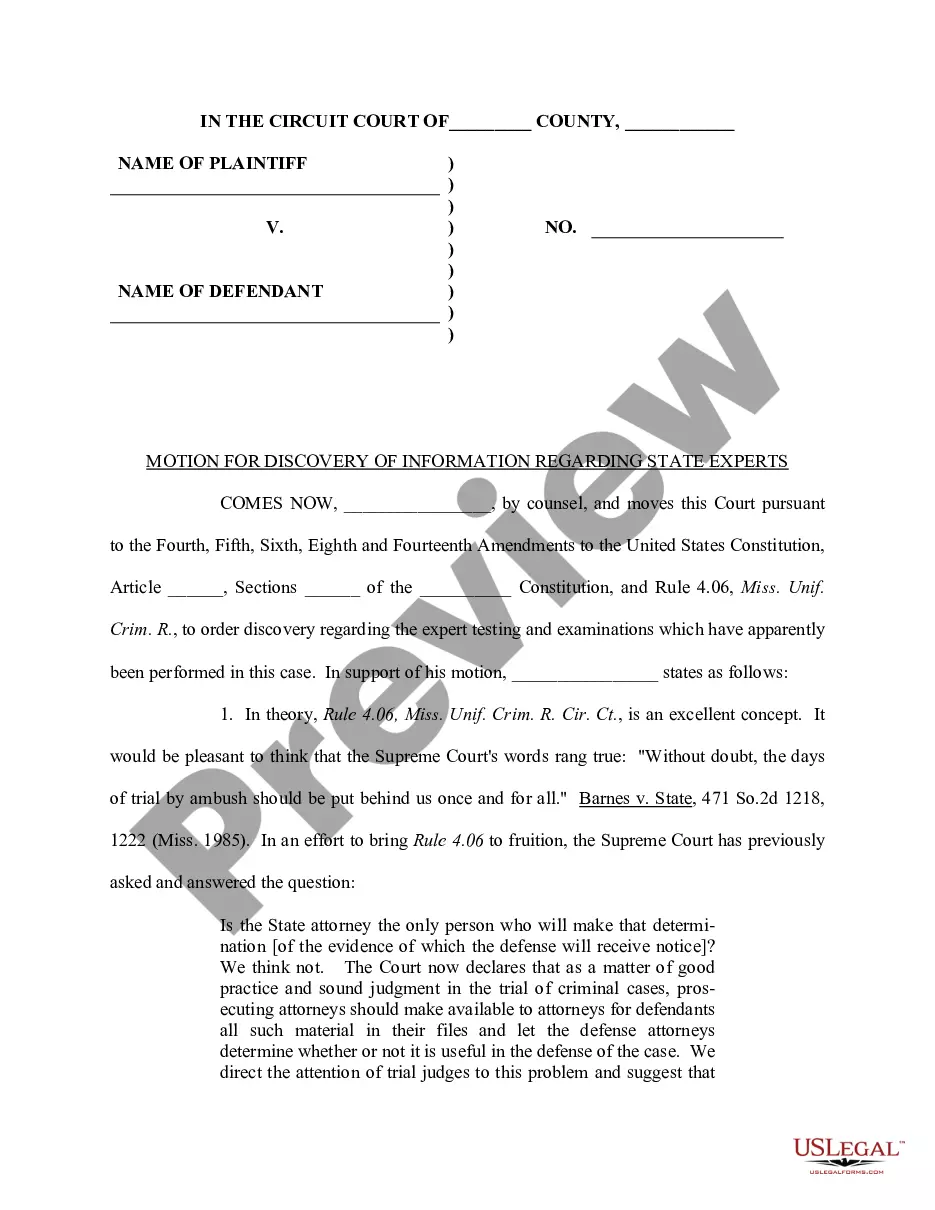
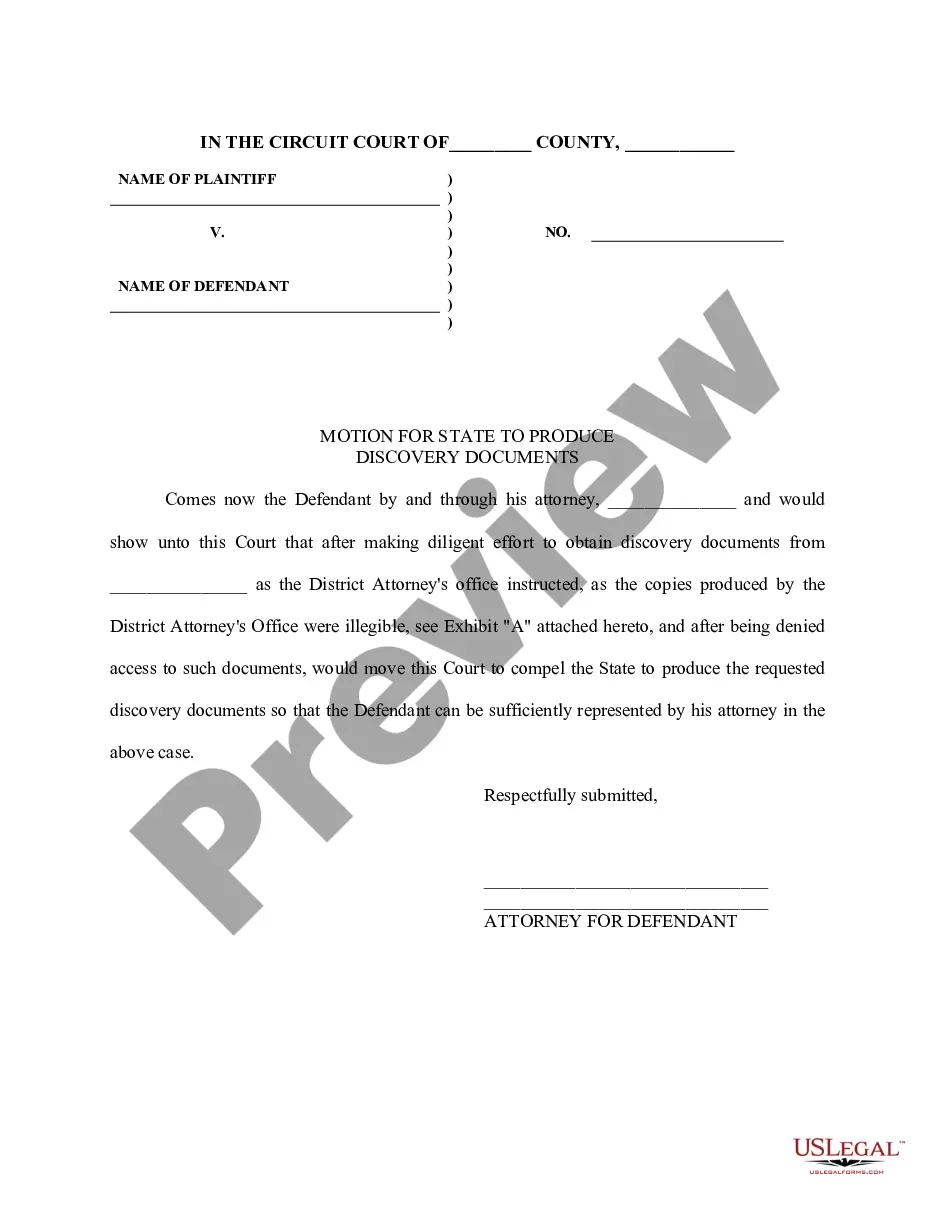
Get your form ready online
Our built-in tools help you complete, sign, share, and store your documents in one place.
Make edits, fill in missing information, and update formatting in US Legal Forms—just like you would in MS Word.
Download a copy, print it, send it by email, or mail it via USPS—whatever works best for your next step.
Sign and collect signatures with our SignNow integration. Send to multiple recipients, set reminders, and more. Go Premium to unlock E-Sign.
If this form requires notarization, complete it online through a secure video call—no need to meet a notary in person or wait for an appointment.
We protect your documents and personal data by following strict security and privacy standards.

Make edits, fill in missing information, and update formatting in US Legal Forms—just like you would in MS Word.

Download a copy, print it, send it by email, or mail it via USPS—whatever works best for your next step.

Sign and collect signatures with our SignNow integration. Send to multiple recipients, set reminders, and more. Go Premium to unlock E-Sign.

If this form requires notarization, complete it online through a secure video call—no need to meet a notary in person or wait for an appointment.

We protect your documents and personal data by following strict security and privacy standards.
Looking for another form?



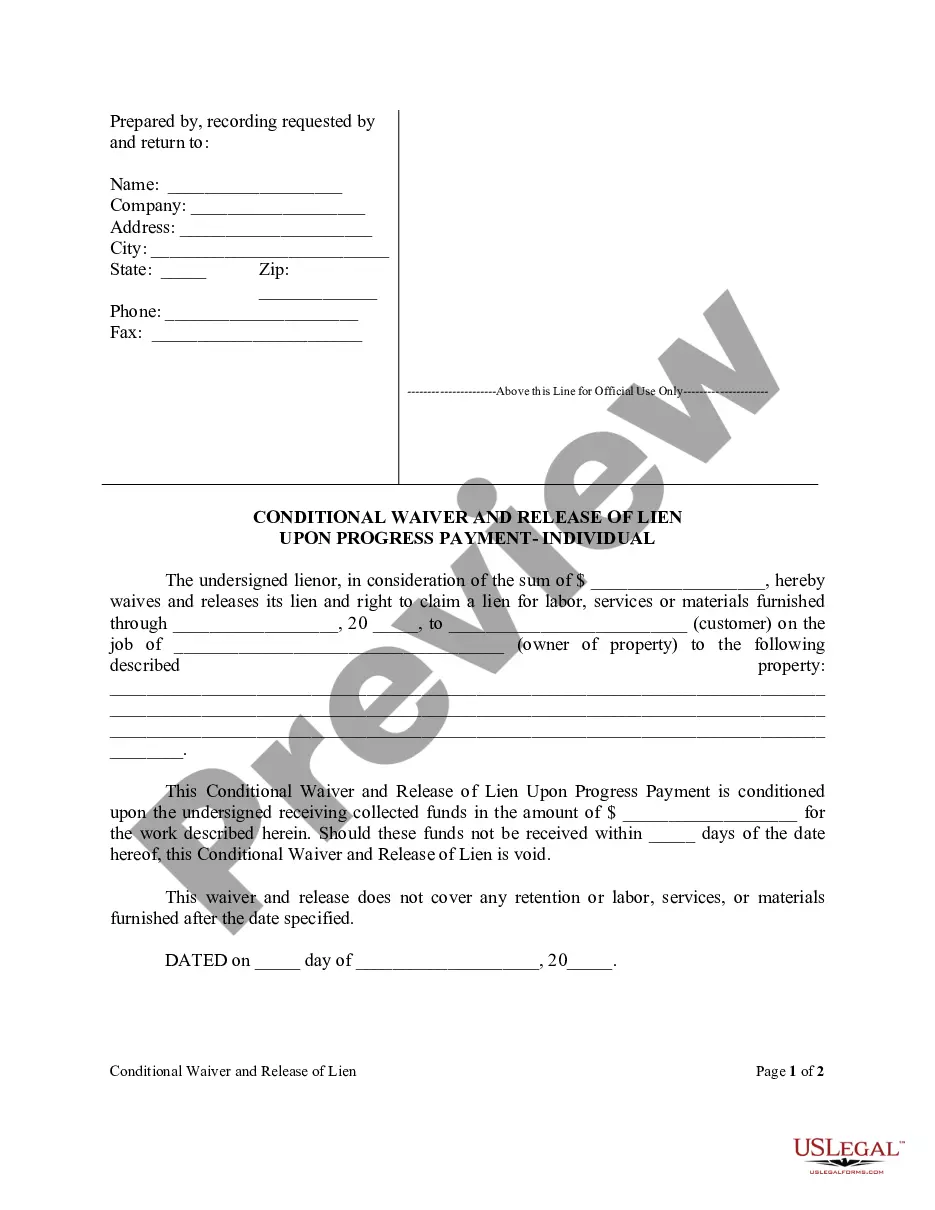

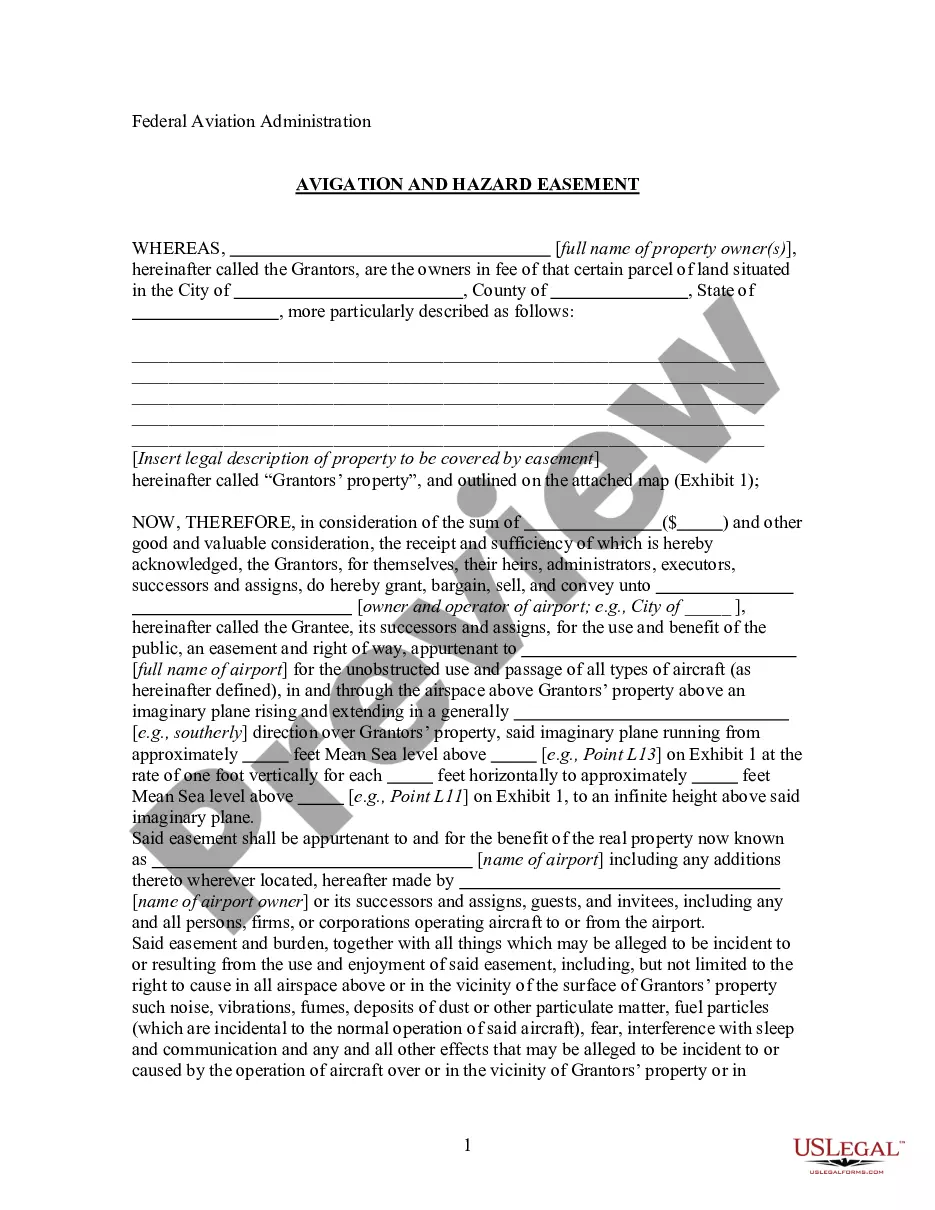
How to fill out Motion For Discovery Of Information Necessary To Receive A Fair Trial?
Utilizing legal document examples that adhere to federal and local regulations is essential, and the internet provides a variety of choices to consider.
However, what's the benefit of spending time looking for the appropriate Motion Discovery Information Within Courtroom example online if the US Legal Forms digital library already consolidates these templates in one location.
US Legal Forms is the biggest online legal repository with more than 85,000 fillable forms created by attorneys for every professional and personal situation. They are simple to navigate with all documents categorized by state and intended use. Our specialists keep abreast of legal updates, ensuring that your documents are current and compliant when acquiring a Motion Discovery Information Within Courtroom from our site.
- Examine the template using the Preview feature or through the text outline to ensure it meets your requirements.
- Search for an alternative sample using the search functionality at the top of the page if necessary.
- Click Buy Now when you've found the appropriate form and choose a subscription plan.
- Create an account or Log In and complete the payment via PayPal or a credit card.
- Select the format for your Motion Discovery Information Within Courtroom and download it.
Form popularity
FAQ
Discovery may be carried out by directly asking a person questions (oral depositions), by sending a person written questions (interrogatories and depositions on written questions), and by requesting that the person provide documents (motions for production, subpoenas duces tecum).
Some examples that your lawyer may request as part of their motion for discovery are: Photos or videos of the crime scene. Witness statements. Police reports or notes.
Presenting Your Case to the Court Understand what will happen at the hearing. Don't lie. ... Think about your audience. Tell the facts in a logical way. ... Be brief. ... Present your evidence in a way that supports your story. Prepare for the unexpected and remain focused.
A discovery response is essentially a choice that you make after receiving a request for information. The question then becomes, Should you comply or not?
Steps Of The Discovery Process. There are four key actions in the discovery process which include interrogatories, request for documents, request for admissions, and depositions.