Court Records Appellate Forum
Description
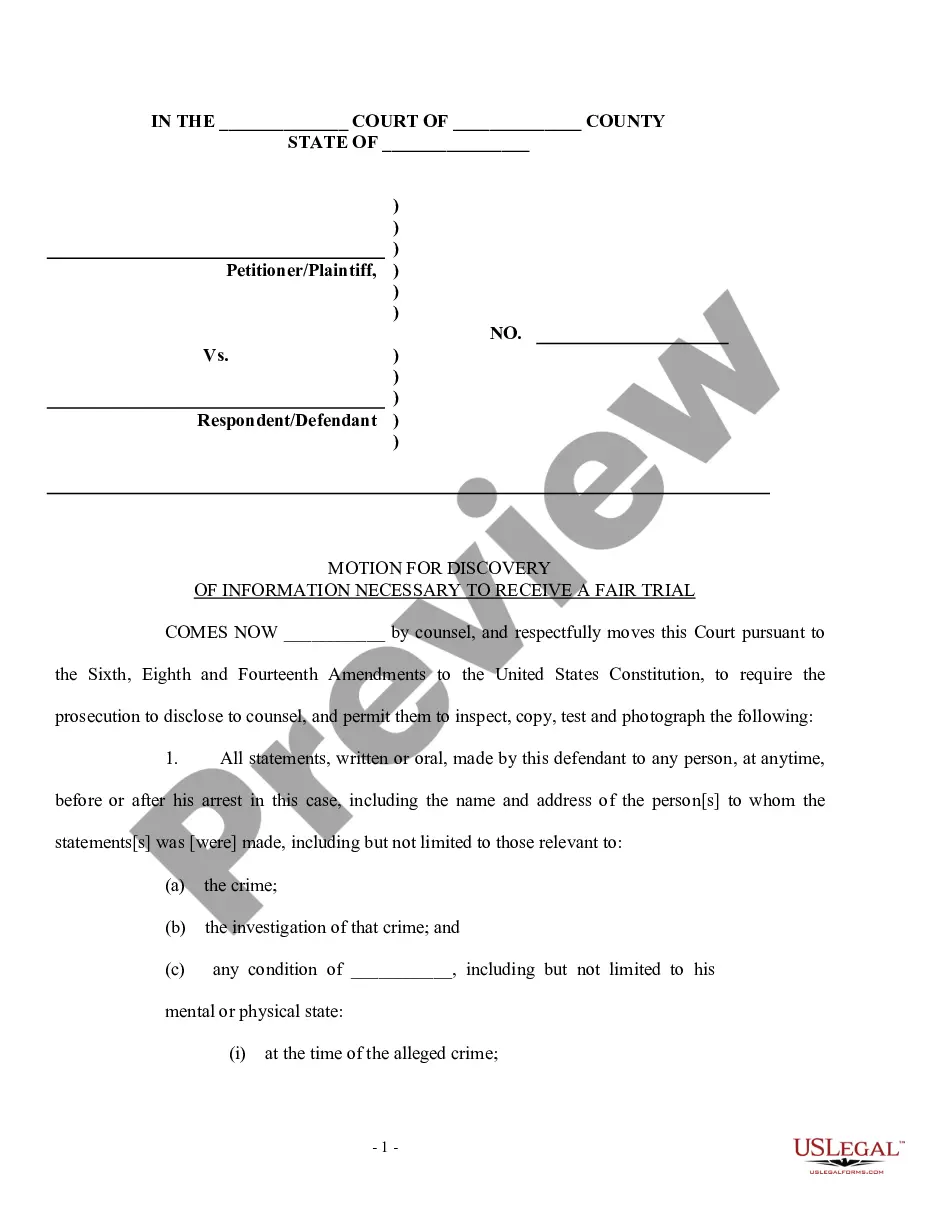
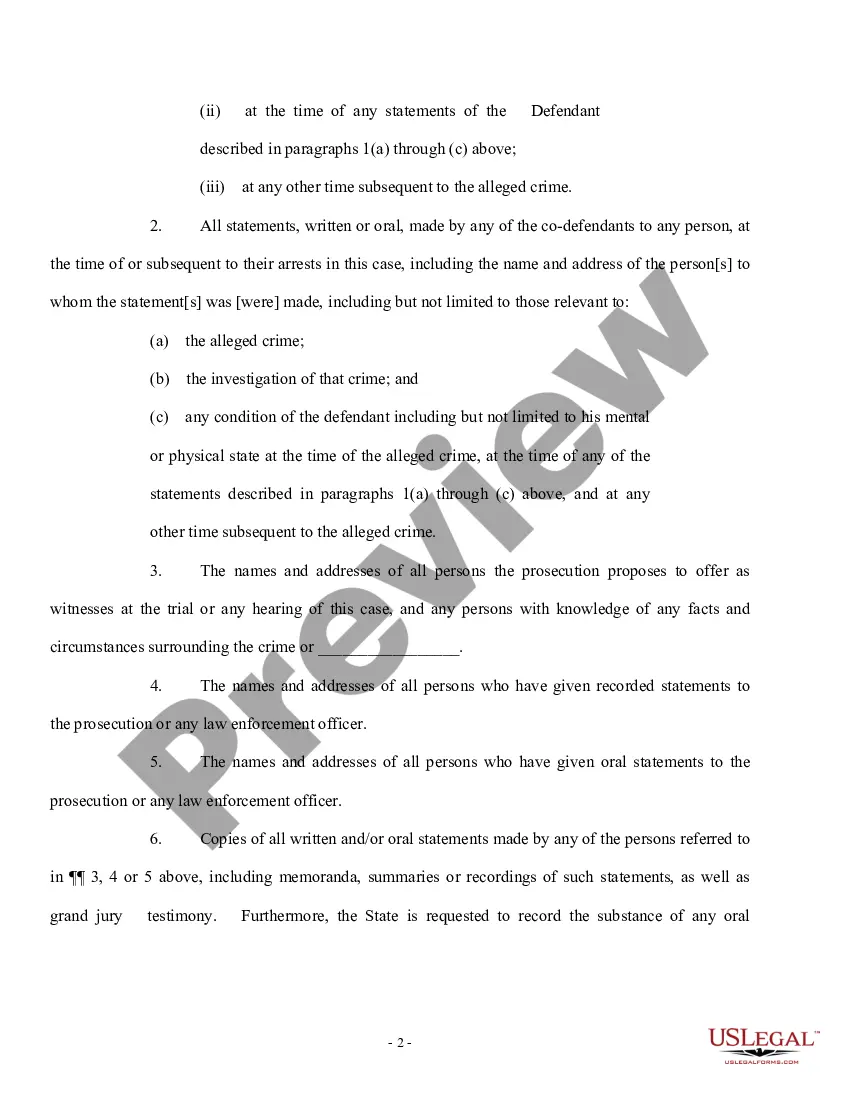
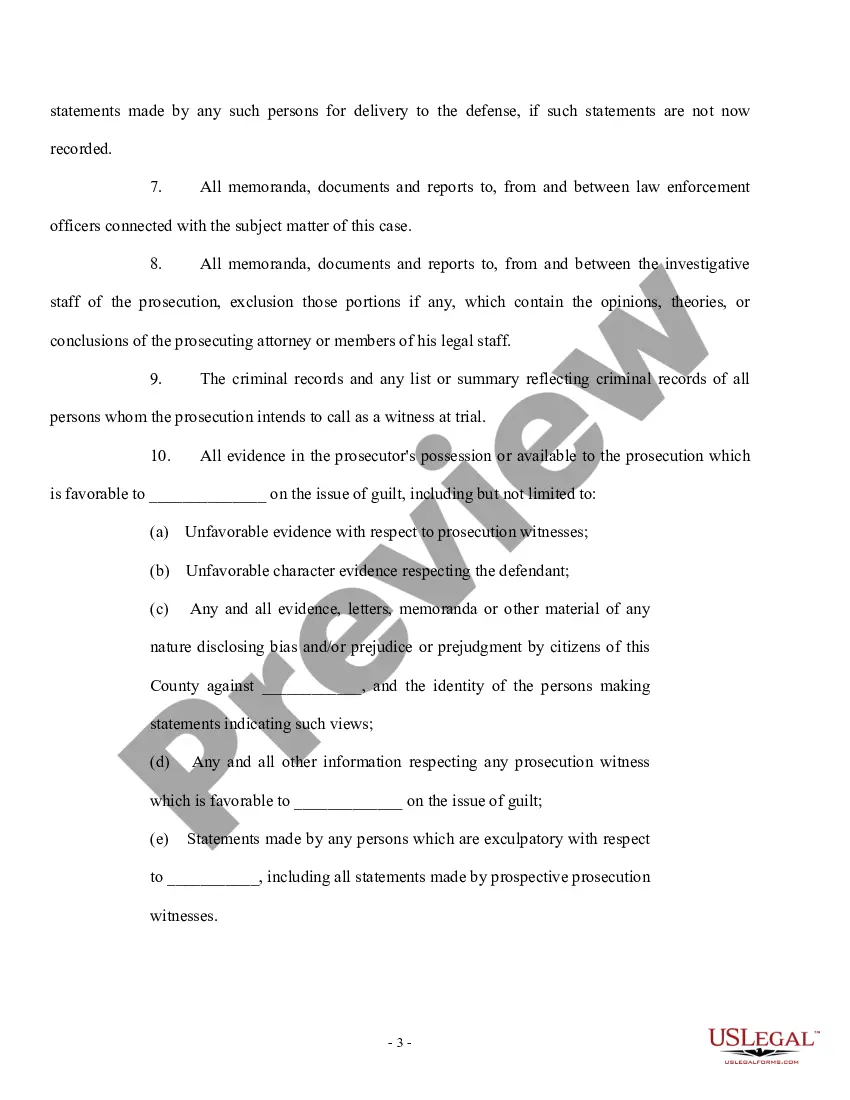
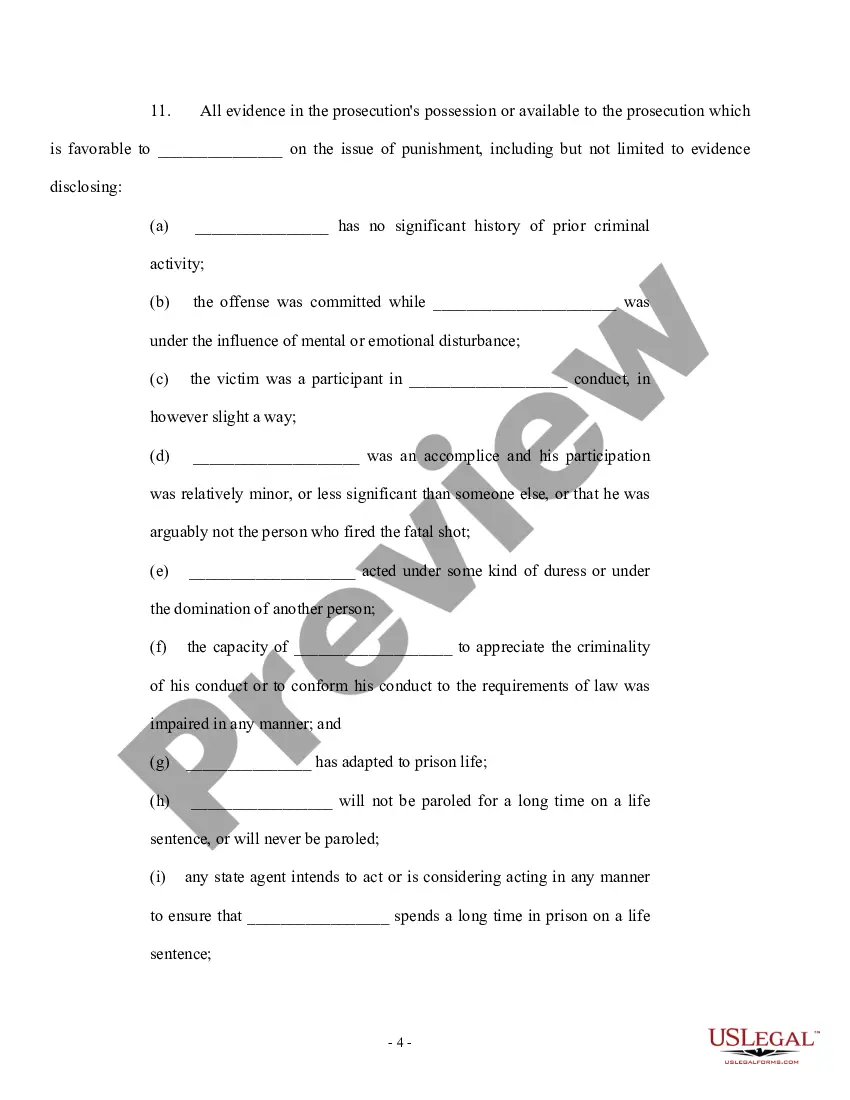
Get your form ready online
Our built-in tools help you complete, sign, share, and store your documents in one place.
Make edits, fill in missing information, and update formatting in US Legal Forms—just like you would in MS Word.
Download a copy, print it, send it by email, or mail it via USPS—whatever works best for your next step.
Sign and collect signatures with our SignNow integration. Send to multiple recipients, set reminders, and more. Go Premium to unlock E-Sign.
If this form requires notarization, complete it online through a secure video call—no need to meet a notary in person or wait for an appointment.
We protect your documents and personal data by following strict security and privacy standards.

Make edits, fill in missing information, and update formatting in US Legal Forms—just like you would in MS Word.

Download a copy, print it, send it by email, or mail it via USPS—whatever works best for your next step.

Sign and collect signatures with our SignNow integration. Send to multiple recipients, set reminders, and more. Go Premium to unlock E-Sign.

If this form requires notarization, complete it online through a secure video call—no need to meet a notary in person or wait for an appointment.

We protect your documents and personal data by following strict security and privacy standards.
Looking for another form?


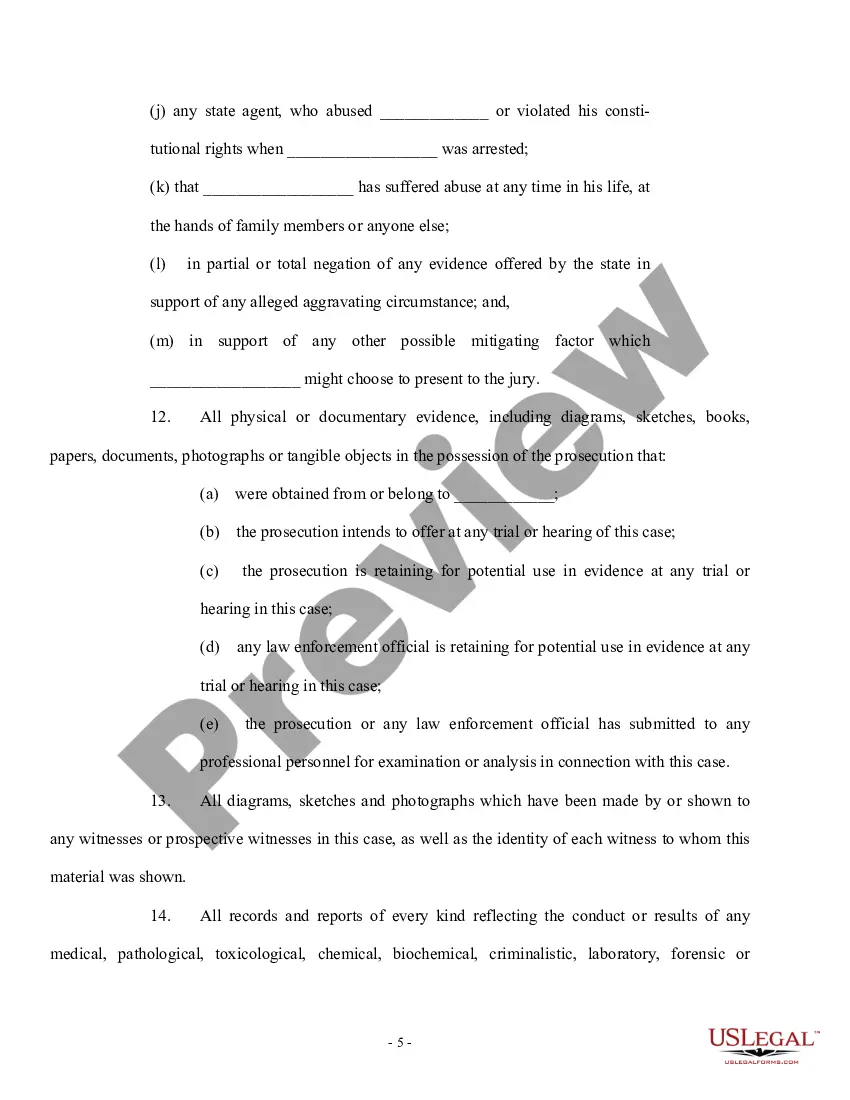
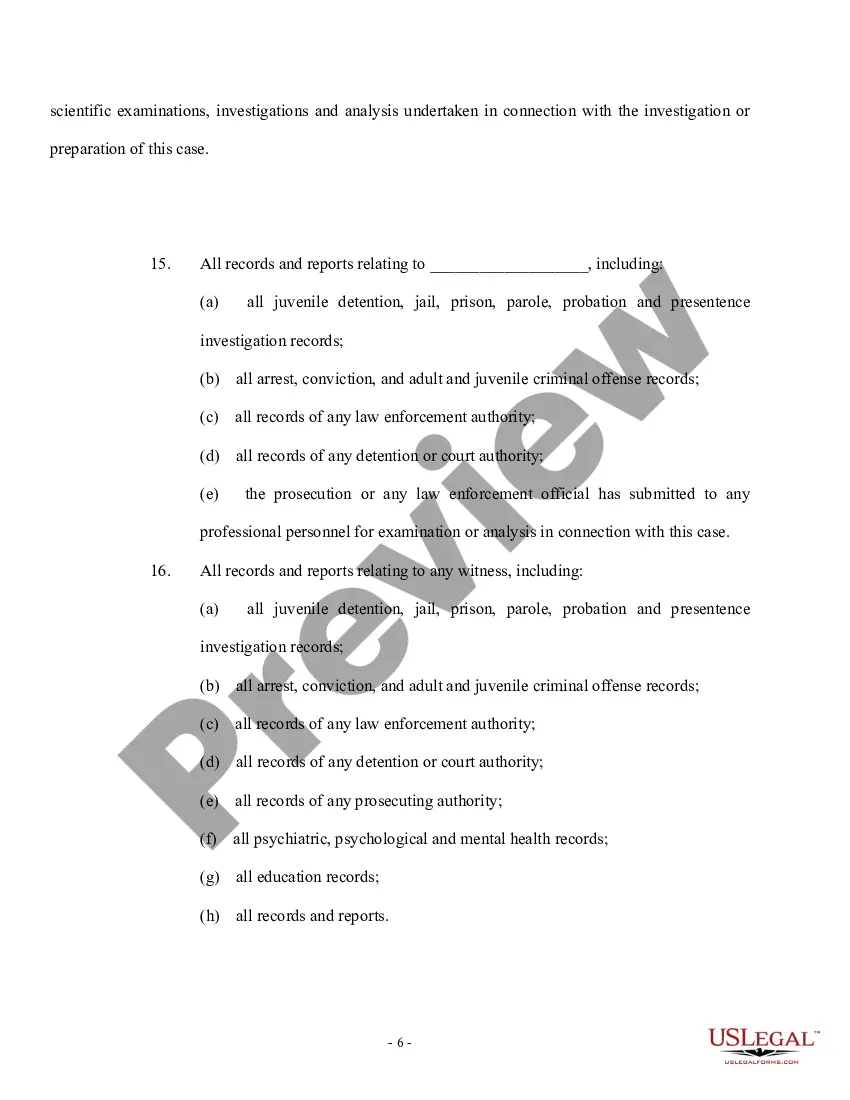
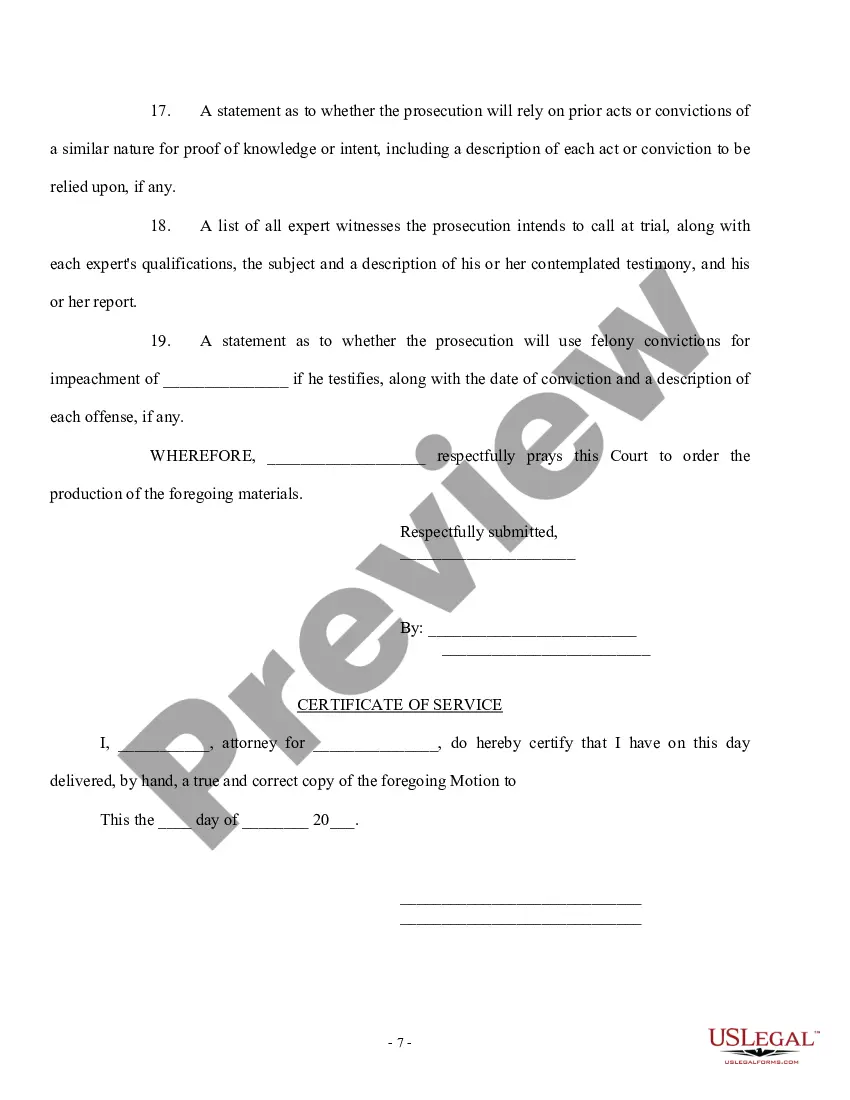
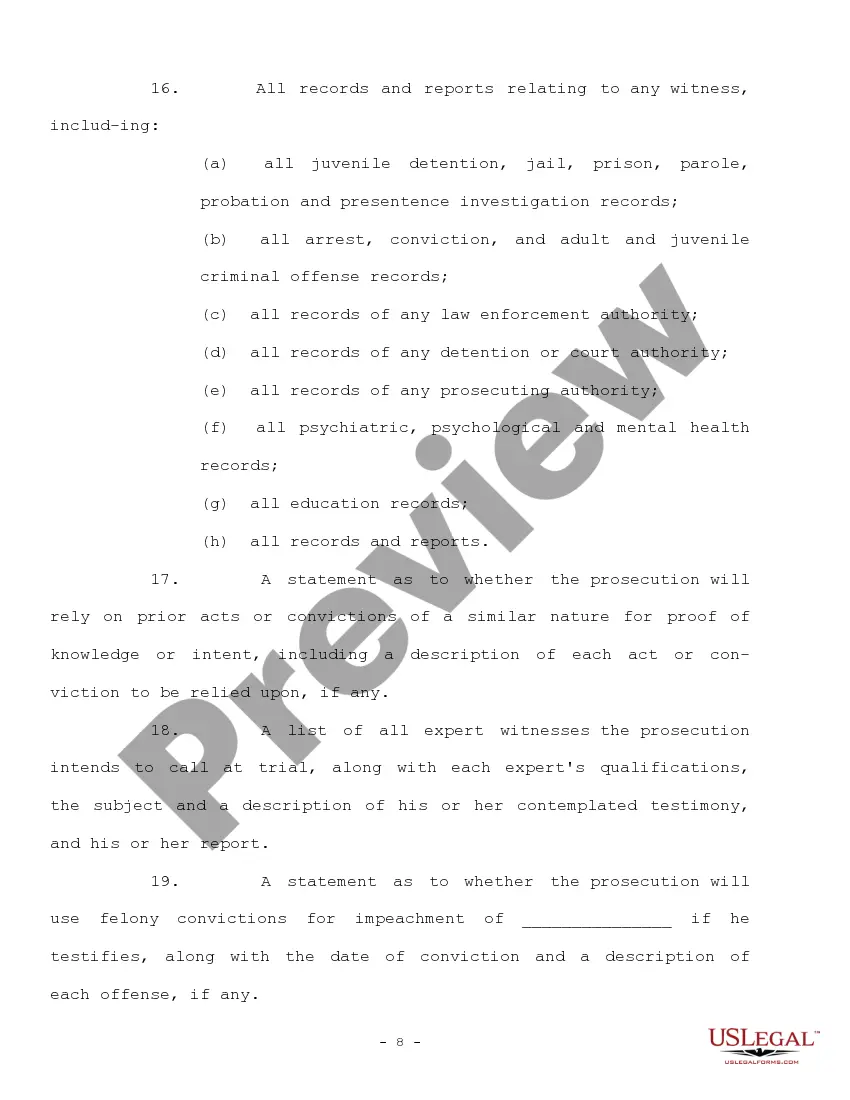
How to fill out Motion For Discovery Of Information Necessary To Receive A Fair Trial?
Creating legal documents from the ground up can frequently be overwhelming.
Certain situations may entail hours of investigation and substantial expenses.
If you're looking for a simpler and more economical method of preparing Court Records Appellate Forum or any other documents without having to jump through many obstacles, US Legal Forms is readily available for you.
Our online repository of over 85,000 current legal forms encompasses nearly every element of your financial, legal, and personal matters.
Before rushing straight to downloading the Court Records Appellate Forum, consider these recommendations: Review the preview and descriptions of the form to ensure you have selected the correct one. Verify that the form you select meets the standards of your state and county. Choose the most appropriate subscription plan to purchase the Court Records Appellate Forum. Download the form, then fill it out, sign it, and print it. US Legal Forms boasts an exemplary reputation and over 25 years of experience. Join us today and simplify the form completion process!
- With just a few clicks, you can promptly access state- and county-specific forms meticulously assembled for you by our legal experts.
- Utilize our service whenever you require a dependable and trustworthy source through which you can easily locate and download the Court Records Appellate Forum.
- If you’re a returning user and have set up an account with us in the past, simply Log In to your account, choose the form, and download it or re-download it at any time in the My documents section.
- New to our service? No worries. It only takes a few minutes to register and browse the catalog.
Form popularity
FAQ
The Court has appellate jurisdiction (the Court can hear the case on appeal) on almost any other case that involves a point of constitutional and/or federal law.
Most Supreme Court decisions consist of a ?syllabus,? followed by one or more opinions. This is a breakdown of the structure of a decision, explaining the function and significance of each part. The syllabus is not part of the official opinion of the Court.
The Supreme Court, however, is not obligated to grant review. The Court typically will agree to hear a case only when it involves a new and important legal principle, or when two or more federal appellate courts have interpreted a law differently.
After two weeks of oral argument, the Court breaks from that routine to work on writing opinions. To this end, at the end of each oral argument period, the Chief Justice circulates an assignment sheet, which lists the cases for which each Justice is tasked with writing the majority opinion for the Court.
Ing to these rules, four of the nine Justices must vote to accept a case. Five of the nine Justices must vote in order to grant a stay, e.g., a stay of execution in a death penalty case. Under certain instances, one Justice may grant a stay pending review by the entire Court.