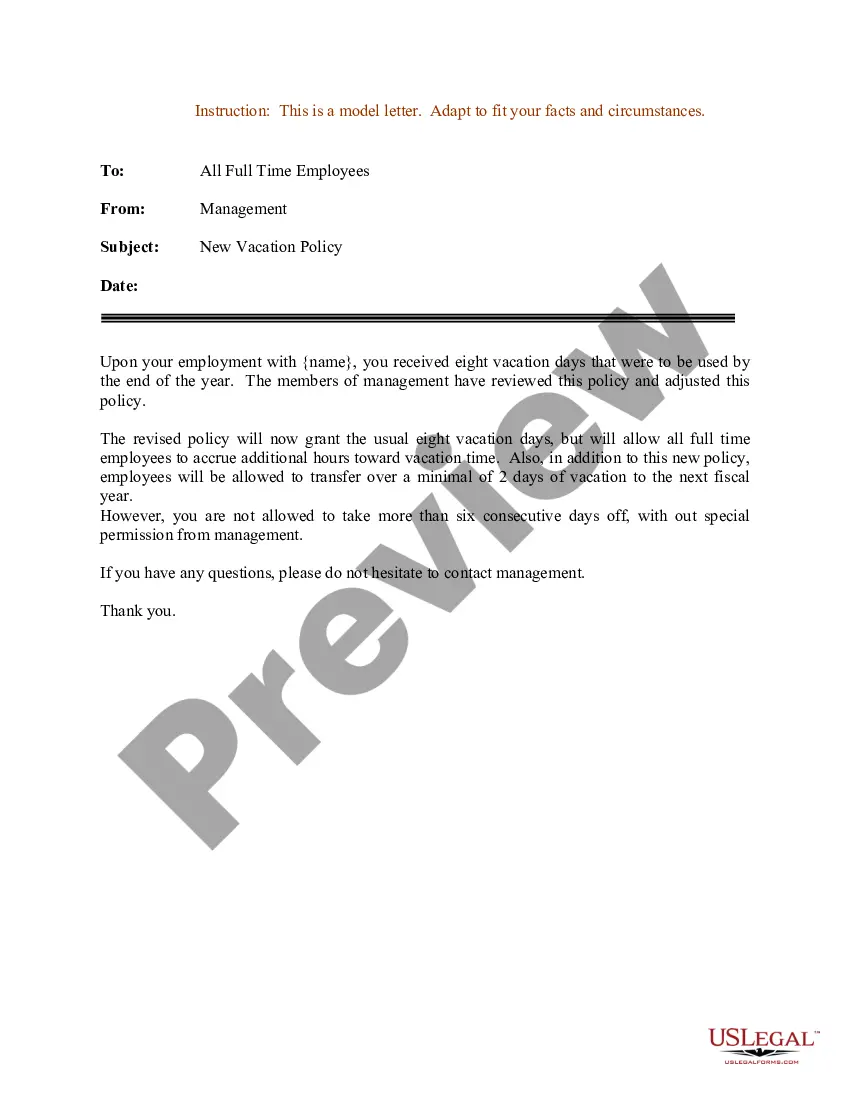
Vacation Policy Employees Without Money
Description
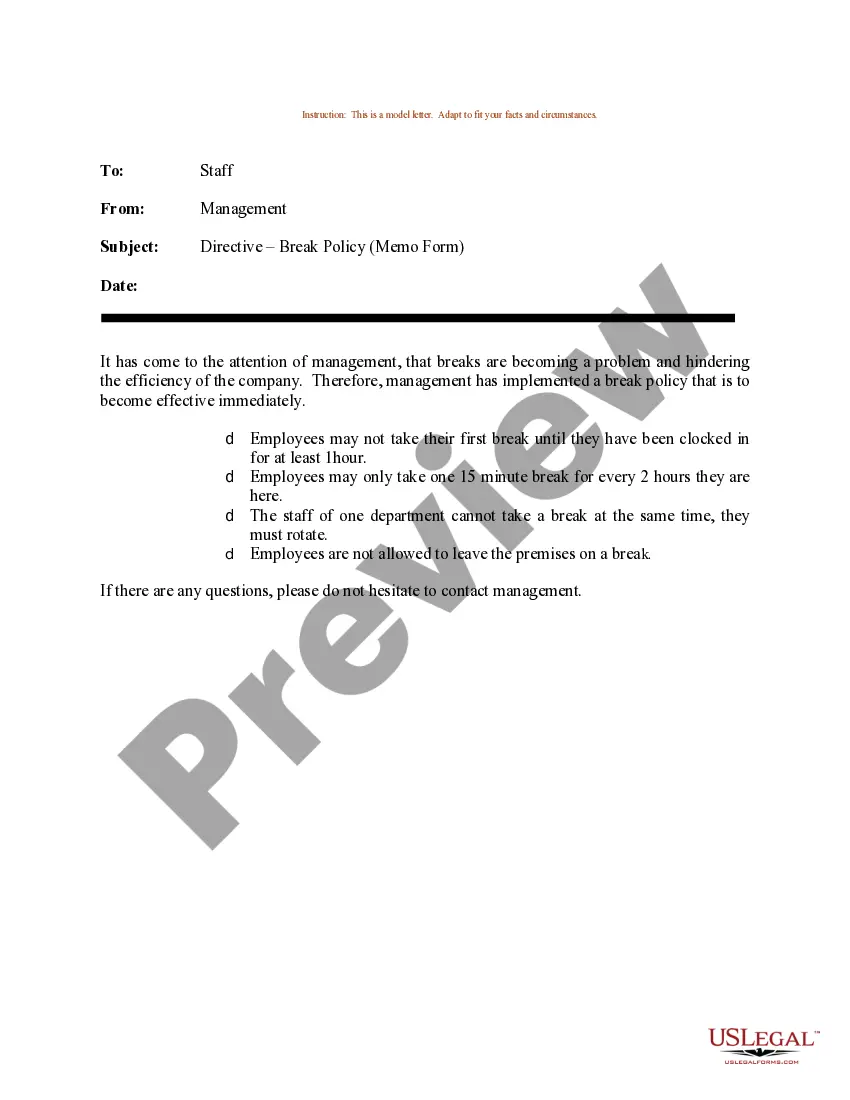
Get your form ready online
Our built-in tools help you complete, sign, share, and store your documents in one place.
Make edits, fill in missing information, and update formatting in US Legal Forms—just like you would in MS Word.
Download a copy, print it, send it by email, or mail it via USPS—whatever works best for your next step.
Sign and collect signatures with our SignNow integration. Send to multiple recipients, set reminders, and more. Go Premium to unlock E-Sign.
If this form requires notarization, complete it online through a secure video call—no need to meet a notary in person or wait for an appointment.
We protect your documents and personal data by following strict security and privacy standards.

Make edits, fill in missing information, and update formatting in US Legal Forms—just like you would in MS Word.

Download a copy, print it, send it by email, or mail it via USPS—whatever works best for your next step.

Sign and collect signatures with our SignNow integration. Send to multiple recipients, set reminders, and more. Go Premium to unlock E-Sign.

If this form requires notarization, complete it online through a secure video call—no need to meet a notary in person or wait for an appointment.

We protect your documents and personal data by following strict security and privacy standards.
Looking for another form?



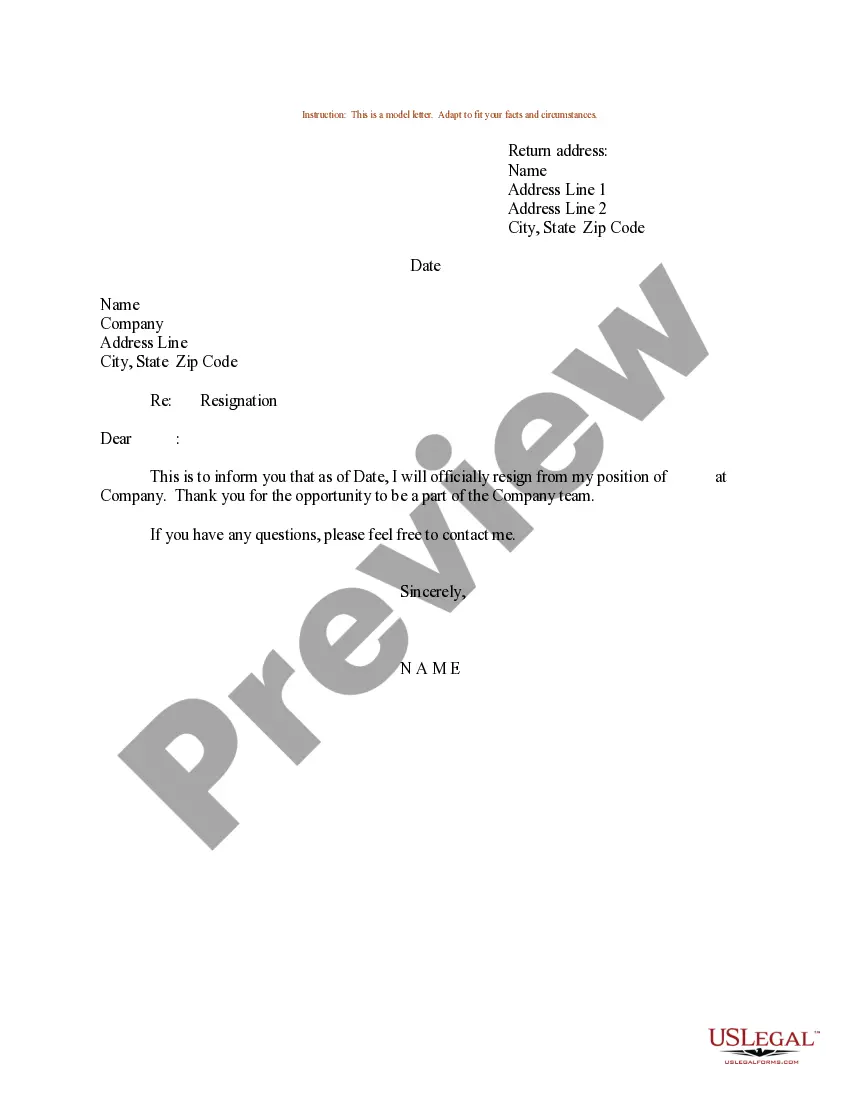



How to fill out Sample Letter For New Vacation Policy?
The Holiday Policy Employees Lacking Funds displayed on this page is a versatile official template created by expert attorneys in compliance with federal and state regulations.
For over 25 years, US Legal Forms has supplied individuals, businesses, and legal practitioners with more than 85,000 validated, state-specific documents for any commercial and personal circumstance. It’s the quickest, most direct, and most reliable means to acquire the paperwork you require, as the service assures the utmost level of data protection and anti-malware security.
Re-download your documents as often as needed. Access the My documents tab in your profile to retrieve any previously saved forms.
- Search for the file you require and review it.
- Browse through the document you looked for and preview it or check the form description to verify it meets your needs. If it does not, utilize the search box to find the correct one. Hit Buy Now once you have found the template you require.
- Choose a subscription plan that fits your needs and establish an account. Utilize PayPal or a credit card to process a swift payment. If you already possess an account, Log In and check your subscription to proceed.
- Select the format you prefer for your Holiday Policy Employees Lacking Funds (PDF, Word, RTF) and save the document to your device.
- Print the document to fill it out manually. Alternatively, use an online multifunctional PDF editor to quickly and accurately complete and sign your form with an electronic signature.
Form popularity
FAQ
Salaried employees in the USA typically receive around 10 to 20 vacation days per year, depending on the employer's policy and the employee's tenure with the company. Vacation days are part of the overall benefits package and aim to promote employee well-being. Companies often adjust their vacation policy to retain talent and create a supportive work environment. Understanding these vacation practices can help employees navigate their benefits, especially under vacation policy employees without money.
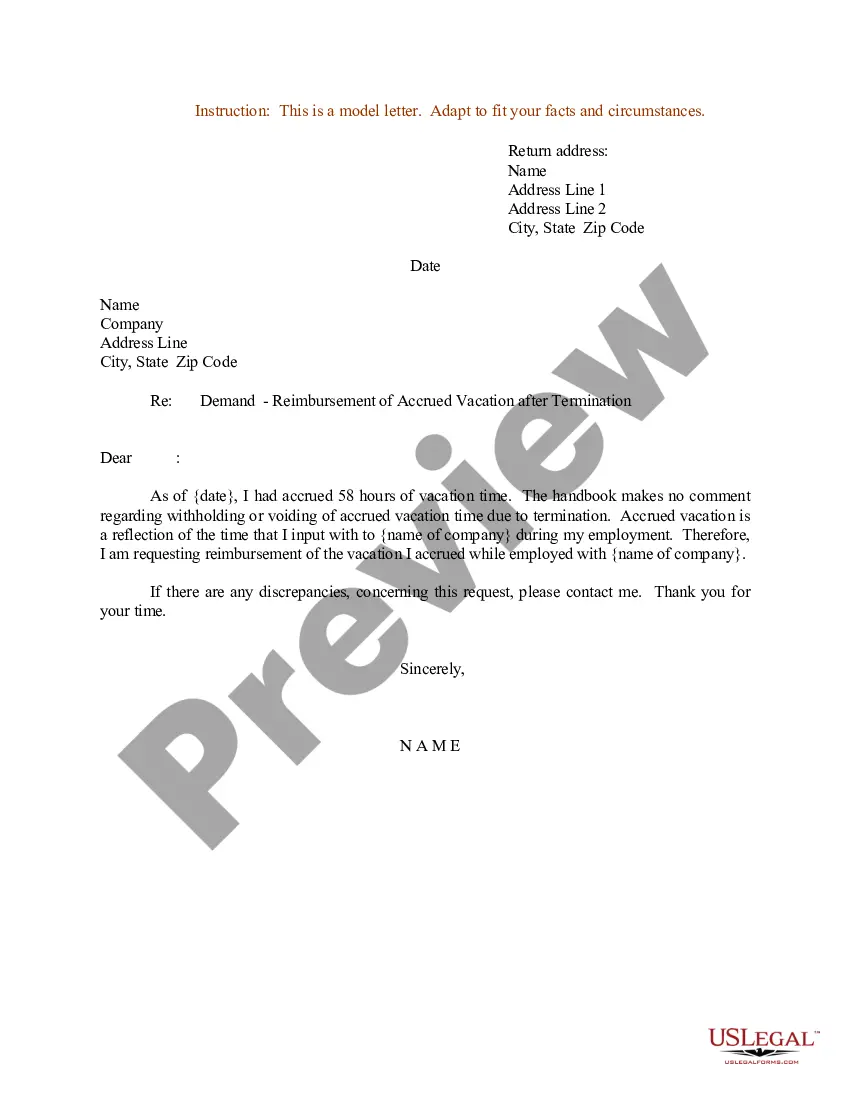
You may wonder if your employer allows you to request a vacation payout. Policies around vacation payouts can vary significantly, so it's essential to review your company's vacation policy regarding employees without money. If your policy permits, you can typically ask for compensation for unused vacation days. Additionally, using platforms like US Legal Forms can help clarify your rights and provide the necessary forms to submit your request effectively.
Yes, requesting unpaid time off for vacation is an option available to many employees. This request often falls under the broad umbrella of vacation policy employees without money. It's essential to communicate with your employer or HR about your needs and understand how this impacts your employment status or benefits. Be clear about your planned absence to ensure a smooth process.
When it comes to vacation policy employees without money, requesting a vacation payout may not always be straightforward. Typically, companies have specific guidelines regarding unused vacation days. You should review your company's vacation policy or speak with your HR department to understand what is applicable. If your organization does allow for vacation payouts, make sure to follow the necessary procedures to ensure you receive compensation for your unused time.
Typically, nonprofit employers tie PTO benefits to the employee's length of service. For example, you may give two weeks after one year, three weeks after five years, four weeks after 10 to 15 years, and five weeks after 25 years of service.
The unpaid time off policy should specify: For example, if you are offering PTO to some employees (full-time employees) and UTO to others (part-time employees). The number of unpaid days employees can take. How employees can request time off. Whether there is a cap for paid and unpaid days away from work.
Outline what happens with vacation time if employees don't use it by the end of the year. You might let staff members roll over some or all of their vacation time to the next year. Detail your decision in the policy so employees can plan for using their time off before they lose it.
The law doesn't require California employers to offer unpaid time away. However, if it is for an illness or crisis, then it may be covered under the Federal Family and Medical Leave Act. In this situation, your job will be protected if you require unpaid time off.
A: California does not require employers to offer time off to their employees, whether it is paid or unpaid. Employers may choose to create and enforce their own time-off policy. In many cases, employees are allowed to request unpaid time off, but it may be denied by a supervisor or employer.