Examination Moderato
Description
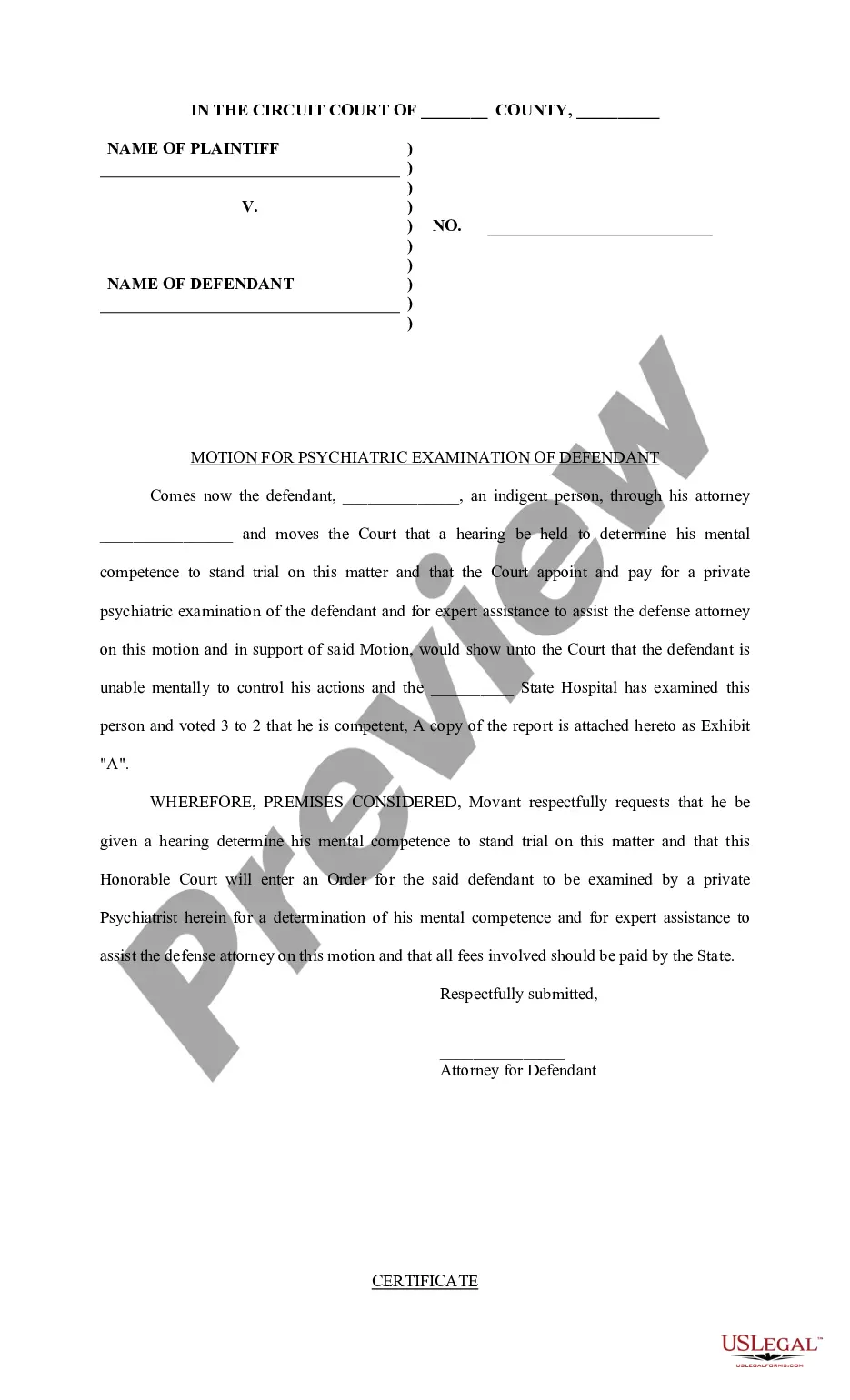
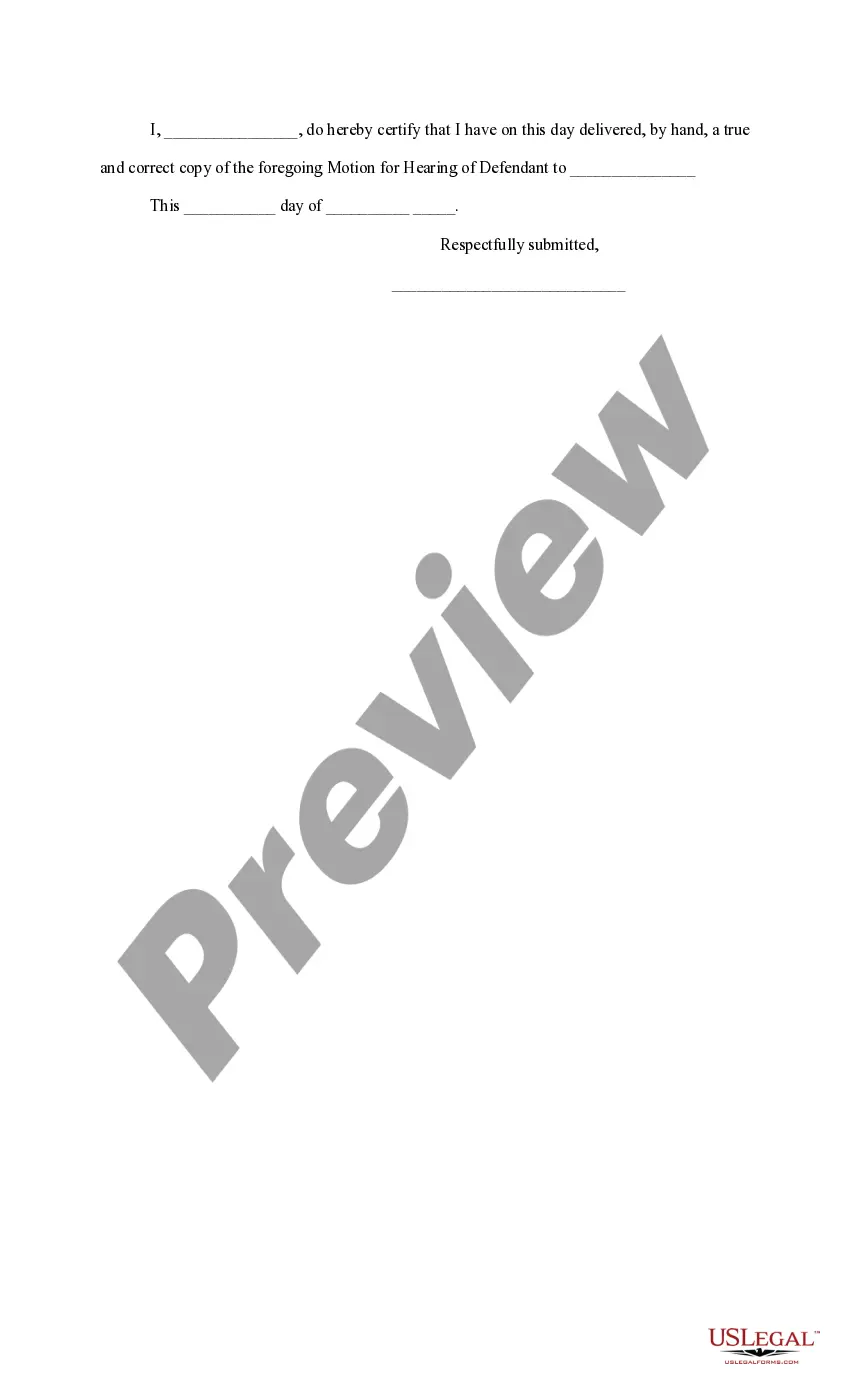
Get your form ready online
Our built-in tools help you complete, sign, share, and store your documents in one place.
Make edits, fill in missing information, and update formatting in US Legal Forms—just like you would in MS Word.
Download a copy, print it, send it by email, or mail it via USPS—whatever works best for your next step.
Sign and collect signatures with our SignNow integration. Send to multiple recipients, set reminders, and more. Go Premium to unlock E-Sign.
If this form requires notarization, complete it online through a secure video call—no need to meet a notary in person or wait for an appointment.
We protect your documents and personal data by following strict security and privacy standards.

Make edits, fill in missing information, and update formatting in US Legal Forms—just like you would in MS Word.

Download a copy, print it, send it by email, or mail it via USPS—whatever works best for your next step.

Sign and collect signatures with our SignNow integration. Send to multiple recipients, set reminders, and more. Go Premium to unlock E-Sign.

If this form requires notarization, complete it online through a secure video call—no need to meet a notary in person or wait for an appointment.

We protect your documents and personal data by following strict security and privacy standards.
Looking for another form?
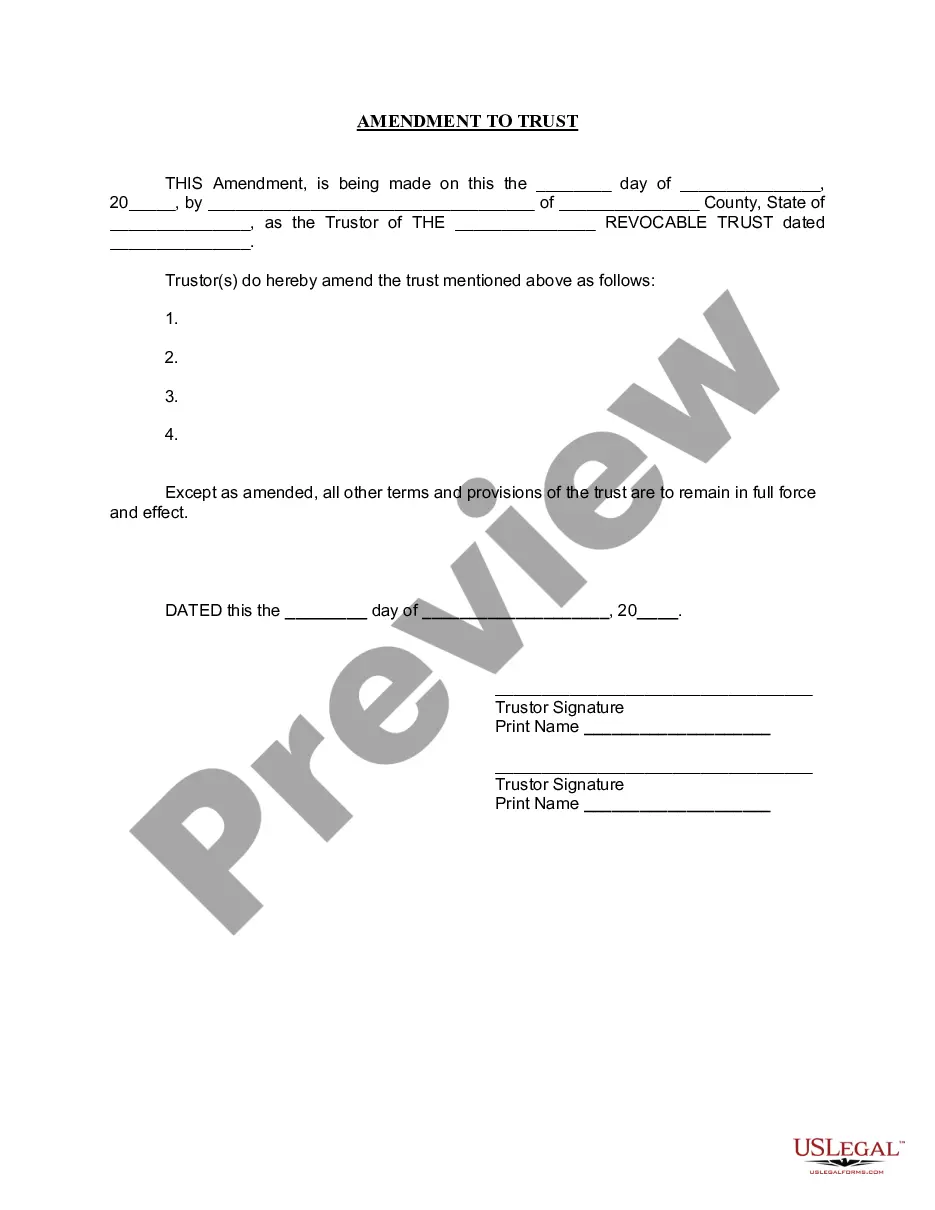




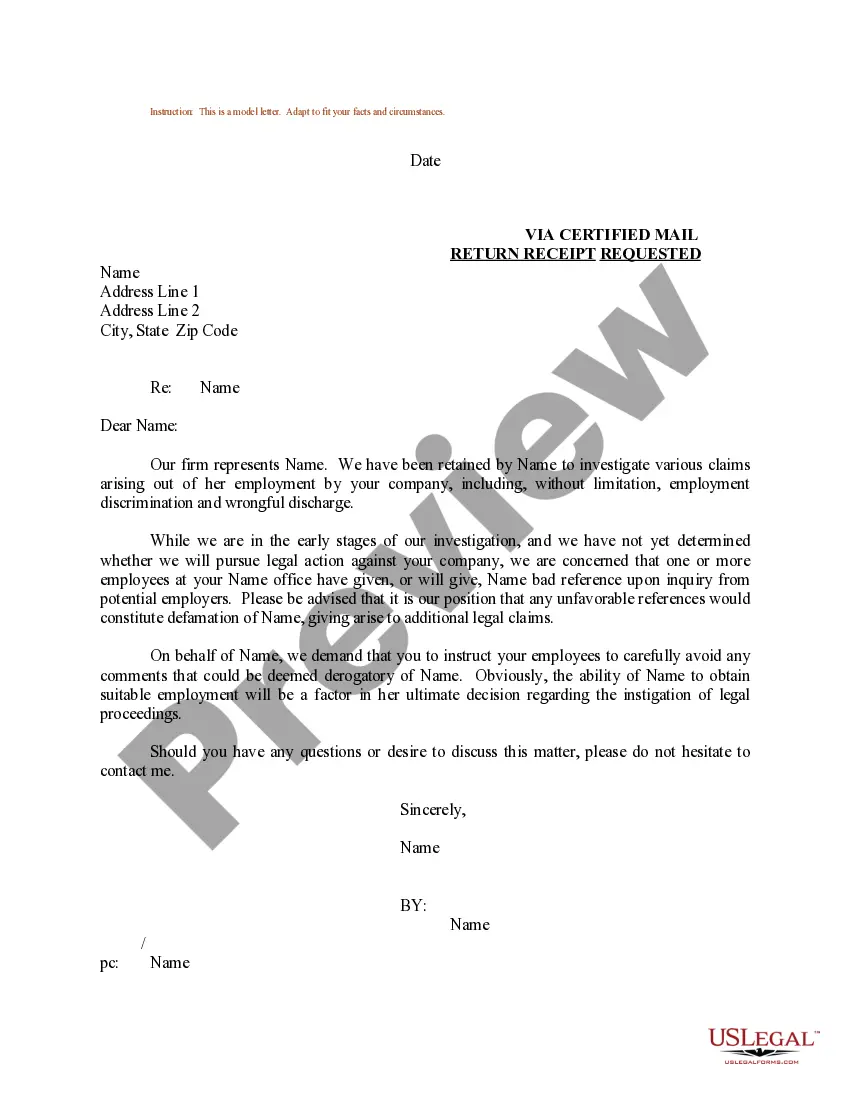


How to fill out Motion For Psychiatric Examination Of Defendant?
- Log in to your account if you're a returning user and ensure your subscription is active. If not, renew it before proceeding.
- For new users, preview the form descriptions to find one that fits your specific requirements and meets local jurisdiction standards.
- If you need a different template, use the search bar at the top to locate the necessary document.
- When you find the right form, click the 'Buy Now' button and select your desired subscription plan. You'll need to create an account to gain full access.
- Complete your purchase using valid credit card information or your PayPal account.
- Download the form and save it to your device. You can access it anytime from the 'My Forms' section in your profile.
Following these steps ensures you can easily navigate the extensive library of legal forms available.
US Legal Forms not only saves you time but also provides access to premium experts who can assist with form completion. Start utilizing this valuable resource today for all your legal documentation needs!
Form popularity
FAQ
Preparing for cross-examination requires thorough research and practice. Familiarize yourself with the case details, the witness's background, and potential counterarguments. Consider using tools from platforms like uslegalforms to streamline your preparation process and strengthen your overall examination moderato strategy.
To write a cross-examination for a mock trial, start by identifying key facts and witness statements that support your argument. Formulate clear questions that guide the witness to address these points effectively. Practicing this format will enhance your examination moderato skills and improve your overall performance during the trial.
examination in a mock trial should typically range from 5 to 15 minutes, depending on the complexity of the case. This timeframe allows you to cover essential points without overwhelming the witness or the jury. Maintaining a concise and targeted examination moderato will make your argument more persuasive.
Writing cross-examination questions for a mock trial requires understanding the case details and witness backgrounds. Structure your questions to reveal contradictions or weaknesses in the opposition's arguments. This approach not only helps you prepare but also ensures your examination moderato is sharp and focused.
When phrasing cross-examination questions, aim for clarity and precision. Use direct language and avoid ambiguity to ensure the witness understands what you are asking. These strategies will enhance the effectiveness of your examination moderato and lead to more impactful responses.
To make cross-examination questions engaging, focus on the main issues at hand. Frame your questions to encourage the witness to provide their viewpoint, thereby creating a dialogue. By establishing the premise of each question, you can guide the discussion towards areas that support your case in the examination moderato context.
A basic rule of direct examination is to ask open-ended questions that invite detailed responses from the witness. This strategy helps to establish a clear narrative that supports your case. Engaging your witness in a structured manner is vital in the examination moderato, leading to powerful testimony that resonates with the jury.
To perform a direct examination in a mock trial, start by outlining the key points you want the witness to cover. Use a logical progression of questions that build upon each other, allowing the witness to expand on their answers. This process ensures the testimony is comprehensive and persuasive, enhancing the overall quality of the examination moderato.
Examples of direct questions include 'What did you see on the night of the incident?' or 'Can you describe your relationship with the defendant?' These types of questions encourage the witness to provide detailed answers that contribute to the overall narrative. Utilizing direct questions effectively integrates into the framework of examination moderato.
When composing cross-examination questions, remember these three rules: keep questions clear and concise, avoid leading questions unless necessary, and focus on one idea at a time. This approach maintains control over the witness's responses and strengthens your position in the examination moderato. Practice is crucial to mastering these rules.