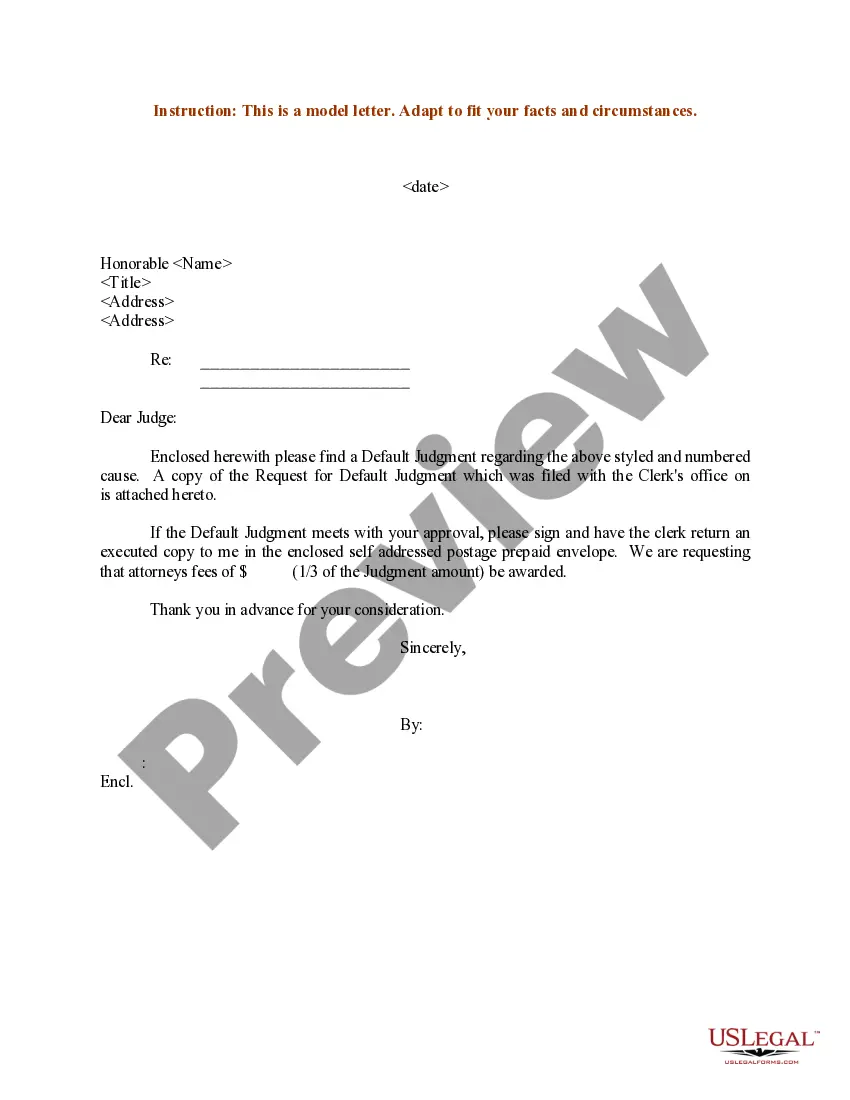
Sample Character Letter To Judge For Husband
Description
Get your form ready online
Our built-in tools help you complete, sign, share, and store your documents in one place.
Make edits, fill in missing information, and update formatting in US Legal Forms—just like you would in MS Word.
Download a copy, print it, send it by email, or mail it via USPS—whatever works best for your next step.
Sign and collect signatures with our SignNow integration. Send to multiple recipients, set reminders, and more. Go Premium to unlock E-Sign.
If this form requires notarization, complete it online through a secure video call—no need to meet a notary in person or wait for an appointment.
We protect your documents and personal data by following strict security and privacy standards.
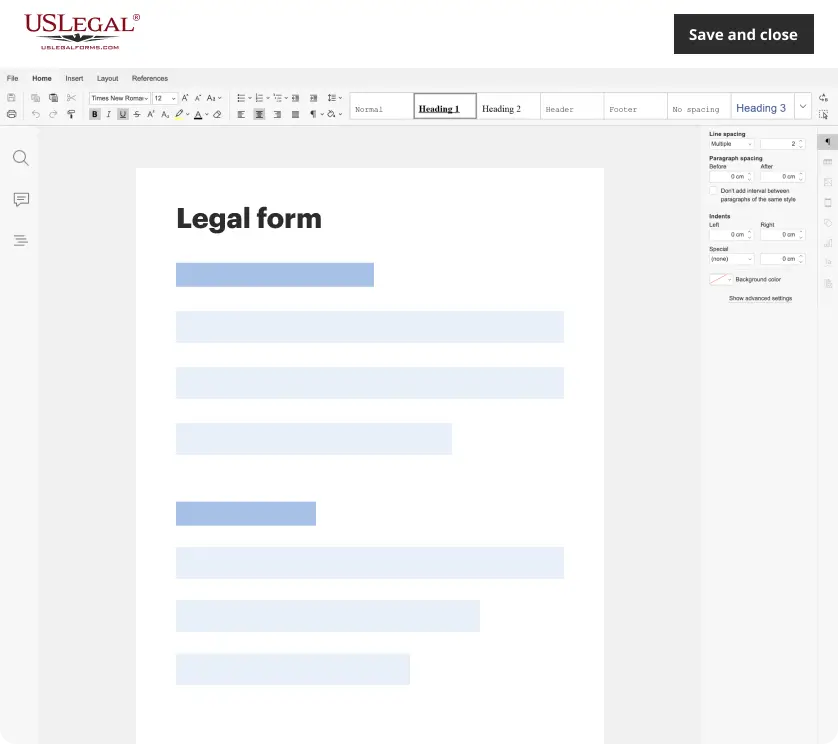
Make edits, fill in missing information, and update formatting in US Legal Forms—just like you would in MS Word.
Download a copy, print it, send it by email, or mail it via USPS—whatever works best for your next step.
Sign and collect signatures with our SignNow integration. Send to multiple recipients, set reminders, and more. Go Premium to unlock E-Sign.
If this form requires notarization, complete it online through a secure video call—no need to meet a notary in person or wait for an appointment.
We protect your documents and personal data by following strict security and privacy standards.
Looking for another form?
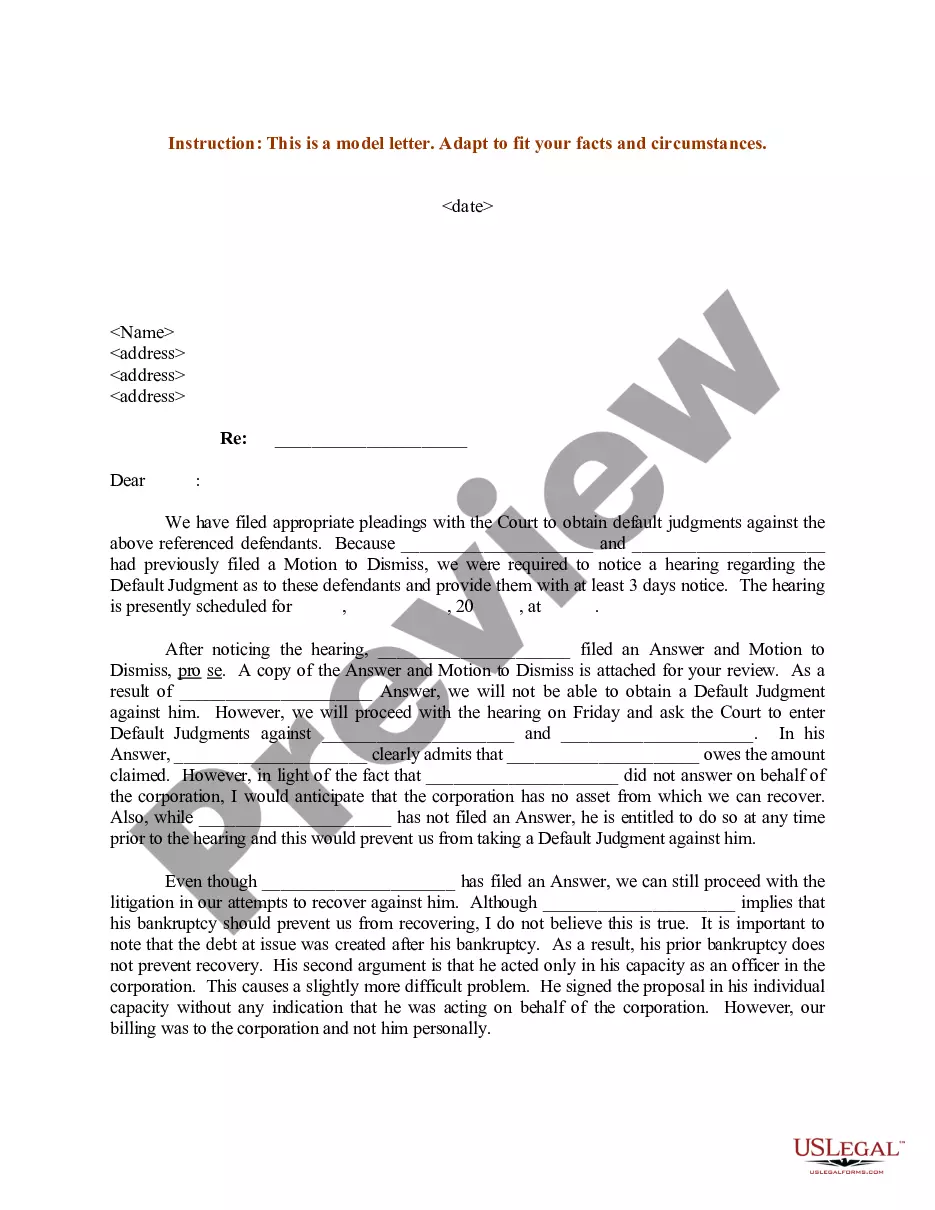
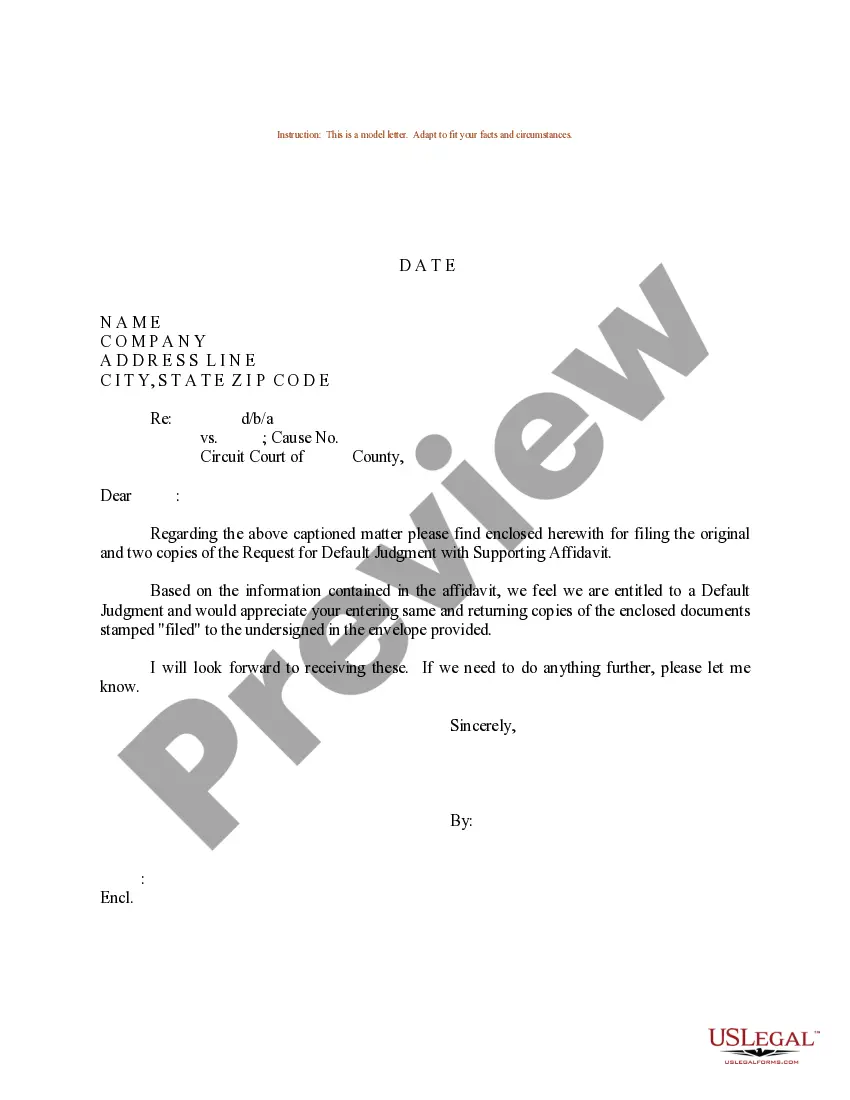
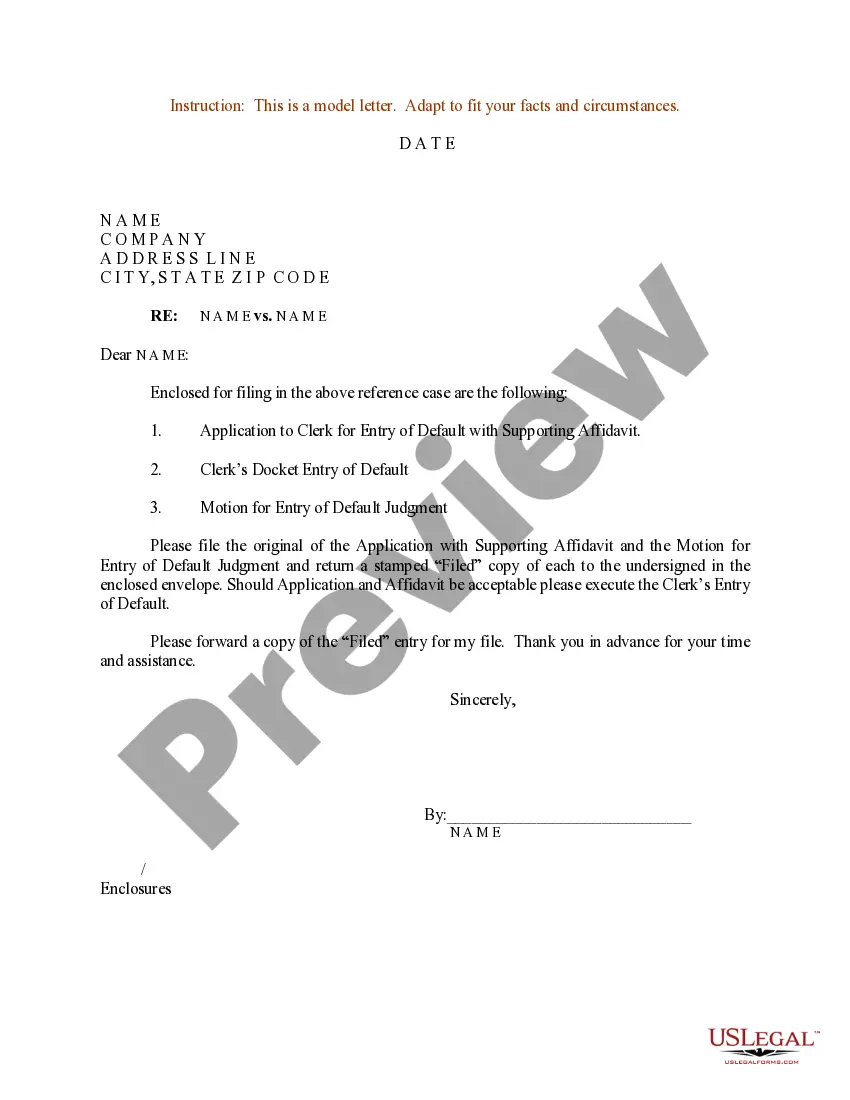
How to fill out Sample Letter To Judge Submitting Default Judgment?
The Example Character Reference Letter To Judge For Spouse that you observe on this page is a reusable legal template created by experienced attorneys in accordance with national and local laws.
For over 25 years, US Legal Forms has assisted individuals, organizations, and lawyers with more than 85,000 authenticated, state-specific documents for any business and personal circumstance. It represents the fastest, simplest, and most reliable means to acquire the necessary paperwork, as the service ensures bank-grade data protection and anti-malware safeguards.
Register for US Legal Forms to access verified legal templates for all of life's circumstances at your fingertips.
- Search for the document you require and assess it.
- Browse through the example you looked up and preview it or review the form description to ensure it meets your needs. If it does not, use the search feature to locate the correct one. Hit Buy Now after finding the template you seek.
- Register and Log In.
- Choose the pricing plan that fits you and set up an account. Make an immediate payment using PayPal or a credit card. If you already possess an account, Log In and verify your subscription to proceed.
- Acquire the editable template.
- Select the format you prefer for your Example Character Reference Letter To Judge For Spouse (PDF, DOCX, RTF) and download the example onto your device.
- Fill out and sign the document.
- Print the template to complete it manually. Alternatively, employ an online multifunctional PDF editor to swiftly and accurately fill out and sign your form with a valid signature.
- Re-download your documents as needed.
- Use the same document again whenever required. Access the My documents tab in your account to re-download any previously purchased forms.
Form popularity
FAQ
"Quitclaim deed" means a deed of conveyance operating by way of release, that is, intended to pass any title, interest or claim which the grantor may have in the premises, but not professing that the title is valid nor containing any warranty or covenants for title.
Simply put, yes, you can write your own legal contract. You just need to be sure to include key components such as an offer, an acceptance, an exchange of value, and the willingness of both parties to enter into a contract. Legally binding contracts can be done both in writing or orally.
Nevada requires: A Declaration of Value form with each document that will transfer property. You are required to pay Real Property Transfer Tax (RPTT) or provide a reason for an exemption. You must fill out all the lines on the Declaration of Value form even if it is an exempt transfer.
If you're the buyer in a contract for deed arrangement, you need to be aware of the following risks. Property maintenance. One contract for deed drawback is the uncertainty over who's responsible for what. ... No foreclosure protection. ... Balloon payment. ... Seller retains title. ... Less consumer protection.
This Contract for Deed should be submitted along with a Certificate of Value containing the name and address of the buyer and seller, the legal description of the real property, the actual consideration exchanged for the real property, the relationship of the seller and buyer, if any, and the terms of the payment if ...
How to draft a contract between two parties: A step-by-step checklist Check out the parties. ... Come to an agreement on the terms. ... Specify the length of the contract. ... Spell out the consequences. ... Determine how you would resolve any disputes. ... Think about confidentiality. ... Check the contract's legality. ... Open it up to negotiation.
The following should be in a contract for deed: Purchase price. Interest rate. Down payment. Number of monthly installments. Buyer and seller information. Party responsibilities. Legal remedies in the event of default.
Nevada law recognizes three general types of deeds for transferring real estate: a general warranty deed form; a grant, bargain, and sale deed form; and a quitclaim deed form. These three forms vary ing to the guaranty the current owner provides?if any?regarding the quality of the property's title.