Sole Custody Vs Full Custody Without Divorce
Description
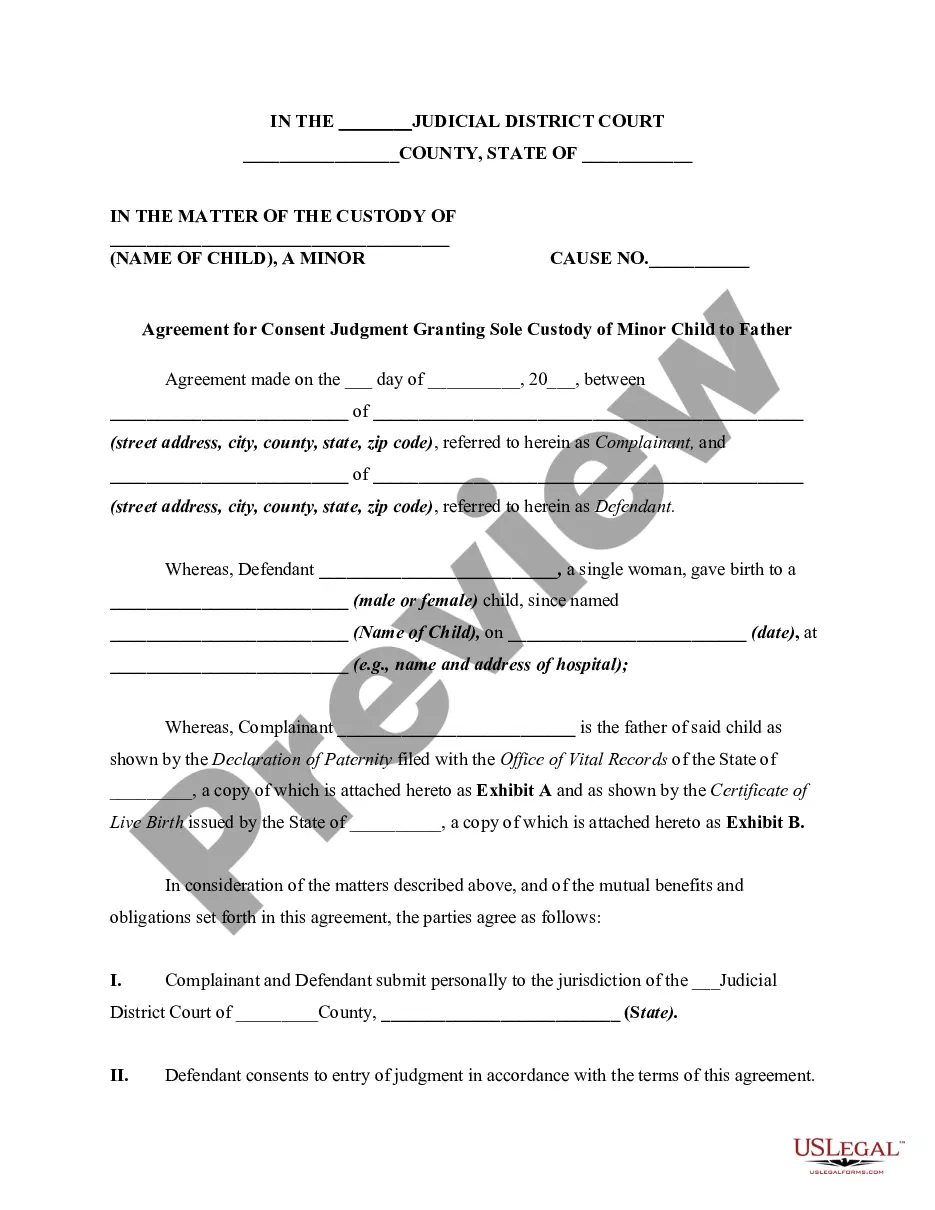
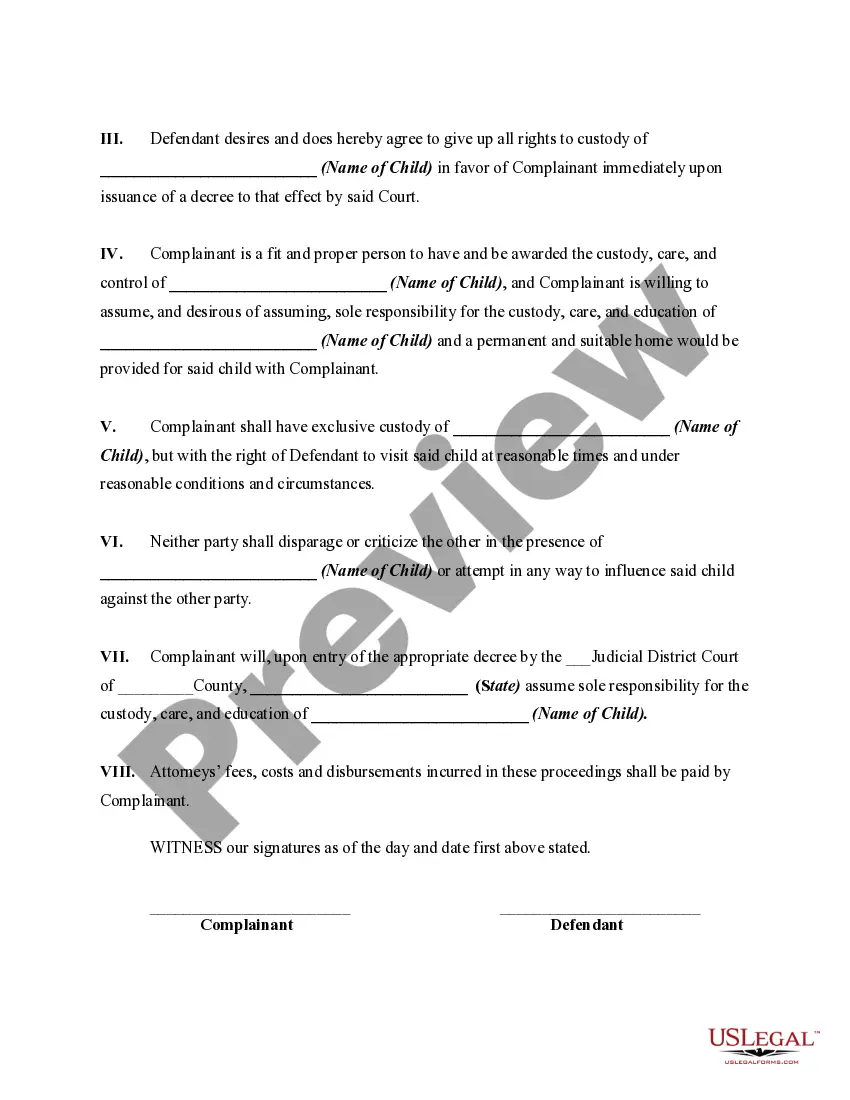

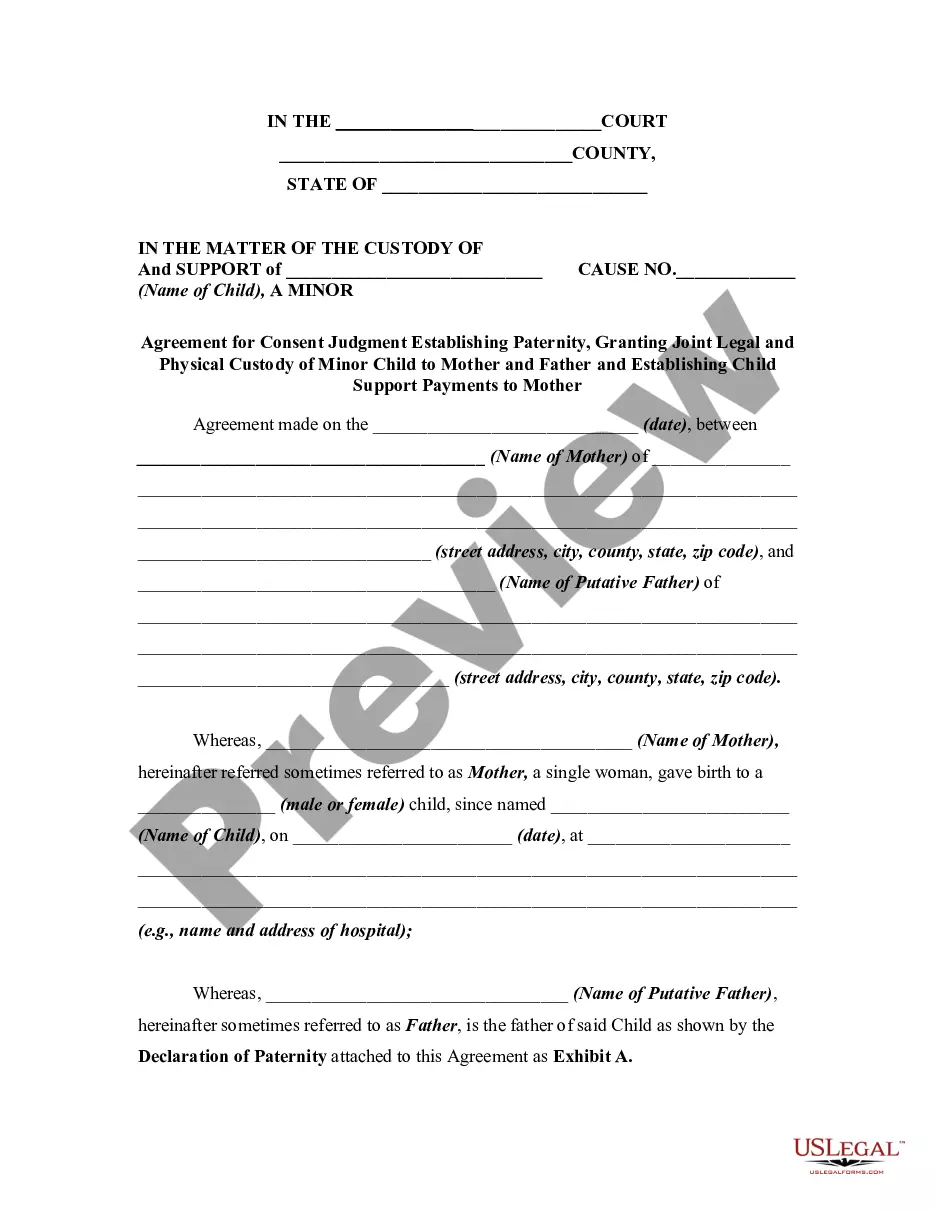
Get your form ready online
Our built-in tools help you complete, sign, share, and store your documents in one place.
Make edits, fill in missing information, and update formatting in US Legal Forms—just like you would in MS Word.
Download a copy, print it, send it by email, or mail it via USPS—whatever works best for your next step.
Sign and collect signatures with our SignNow integration. Send to multiple recipients, set reminders, and more. Go Premium to unlock E-Sign.
If this form requires notarization, complete it online through a secure video call—no need to meet a notary in person or wait for an appointment.
We protect your documents and personal data by following strict security and privacy standards.

Make edits, fill in missing information, and update formatting in US Legal Forms—just like you would in MS Word.

Download a copy, print it, send it by email, or mail it via USPS—whatever works best for your next step.

Sign and collect signatures with our SignNow integration. Send to multiple recipients, set reminders, and more. Go Premium to unlock E-Sign.

If this form requires notarization, complete it online through a secure video call—no need to meet a notary in person or wait for an appointment.

We protect your documents and personal data by following strict security and privacy standards.
Looking for another form?






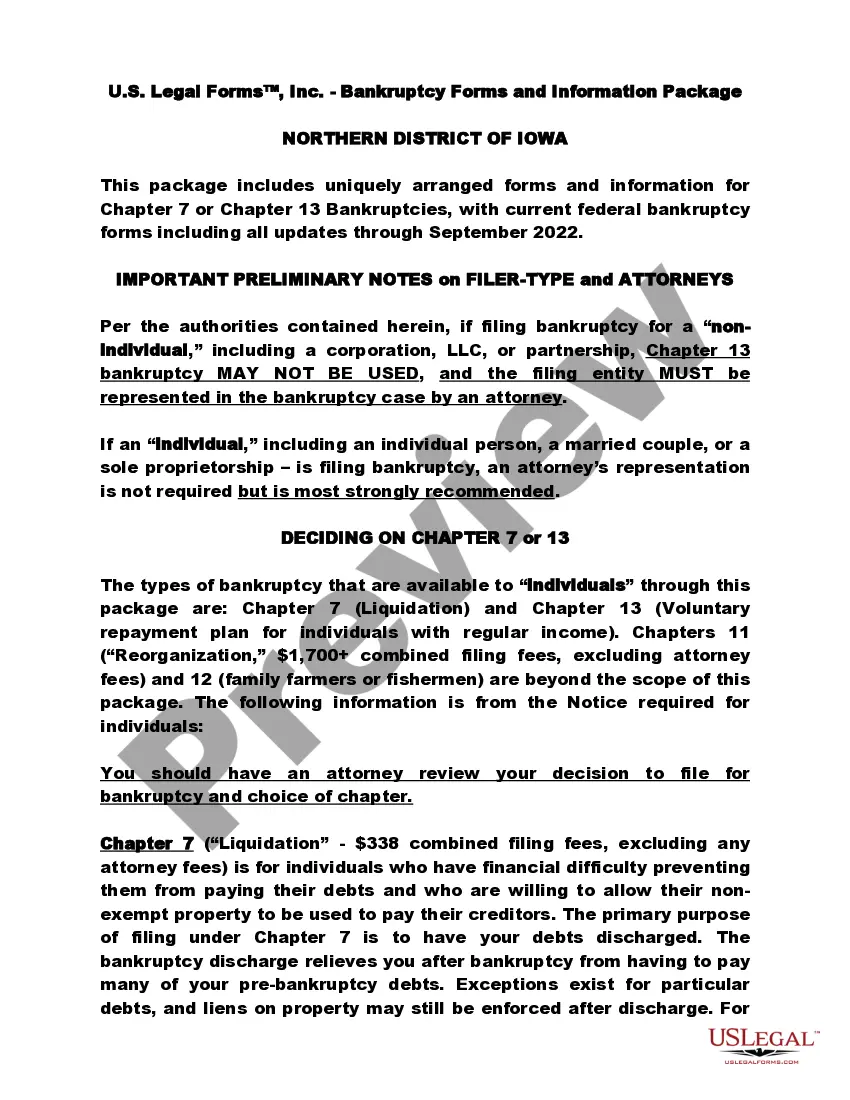

How to fill out Agreement For Consent Judgment Granting Sole Custody Of Minor Child To Father?
The Sole Custody Versus Full Custody Without Divorce that you view on this website is a reusable legal template created by experienced attorneys in accordance with federal and state laws.
For over 25 years, US Legal Forms has supplied individuals, businesses, and lawyers with more than 85,000 verified, state-specific documents for any commercial and personal situation.
Access your documents again whenever necessary. Visit the My documents tab in your profile to redownload any previously downloaded forms.
- Search for the document you require and examine it.
- Browse through the file you searched and preview it or check the form description to ensure it meets your needs. If it does not, use the search feature to find the correct one. Click Buy Now when you have found the template you need.
- Choose a pricing plan that fits you and set up an account. Utilize PayPal or a credit card for a swift payment. If you already possess an account, Log In and check your subscription to continue.
- Select the format you prefer for your Sole Custody Versus Full Custody Without Divorce (PDF, DOCX, RTF) and download the sample onto your device.
- Print out the template to fill it out manually. Alternatively, use an online versatile PDF editor to quickly and accurately fill out and sign your form with a valid signature.
Form popularity
FAQ
Child support amounts can vary based on custody arrangements. Generally, the parent with sole custody may receive higher child support because they are considered the primary caregiver. However, many factors influence child support calculations, including both parents' income and the child's needs. In cases of sole custody vs full custody without divorce, it's crucial to evaluate the specific details of your situation to understand potential support levels better.
Full custody and sole legal custody are not the same. Full custody typically refers to having both physical and legal custody, which means that one parent makes all significant decisions for the child while the other parent may not have custody rights. In contrast, sole legal custody allows one parent to make important decisions without needing the other's input. When discussing sole custody vs full custody without divorce, it is essential to clarify these definitions for better understanding.
When discussing custody in court, focus on the child's best interests. Clearly state your relationship with the child, demonstrate your involvement in their life, and outline how you can provide a stable environment. You may also want to highlight any concerns about the other parent's ability to care for the child. Understanding the difference between sole custody and full custody without divorce can help you present your case effectively.
Filing for full custody initiates a legal process that can significantly impact both you and your child. The court will assess your request based on evidence related to the child's well-being. In understanding sole custody vs full custody without divorce, it's crucial to consult platforms like US Legal Forms to access resources and forms that can help simplify your filing process.
When one parent files for full custody, the court reviews evidence regarding the child's best interests. This process includes evaluating the parent's living situation, time spent with the child, and any relevant issues like safety. As you navigate the sole custody vs full custody without divorce landscape, it's important to prepare all necessary documentation, as this will heavily influence the court's decision.
The outcome of custody cases often depends on various factors, including the child's needs and the parents' circumstances. Typically, courts favor the parent who demonstrates a stable environment and a positive relationship with the child. In cases involving sole custody vs full custody without divorce, the judge also examines each parent's willingness to facilitate a healthy relationship between the child and the other parent.
Sole custody and full custody often refer to similar concepts, but they can have different implications depending on jurisdiction. Sole custody typically means one parent has legal rights and responsibilities, while full custody can include physical and legal custody by one or both parents. Understanding these distinctions is important when discussing options like sole custody vs full custody without divorce, as definitions may vary.
In child support court, avoid making emotionally charged statements or unfounded allegations against the other parent. Focus on factual information and your child's needs. Emphasize your financial situation and the importance of supporting the child rather than personal disputes. This clarity is essential in cases that involve sole custody vs full custody without divorce.
In a custody battle, presenting a disorganized approach can negatively impact your case. Behaviors such as failing to attend scheduled visitations or demonstrating neglect can lead to unfavorable perceptions. Moreover, any indication of hostile behavior towards the other parent can detract from your claims. Open discussions surrounding sole custody vs full custody without divorce can highlight the need for a calm, rational approach.
Yes, you can establish a custody agreement without divorce. Many parents create these arrangements to ensure a stable environment for their children even while remaining unmarried. Legal platforms like US Legal Forms can guide you through the process to ensure your agreement is formalized, addressing sole custody vs full custody without divorce issues effectively.