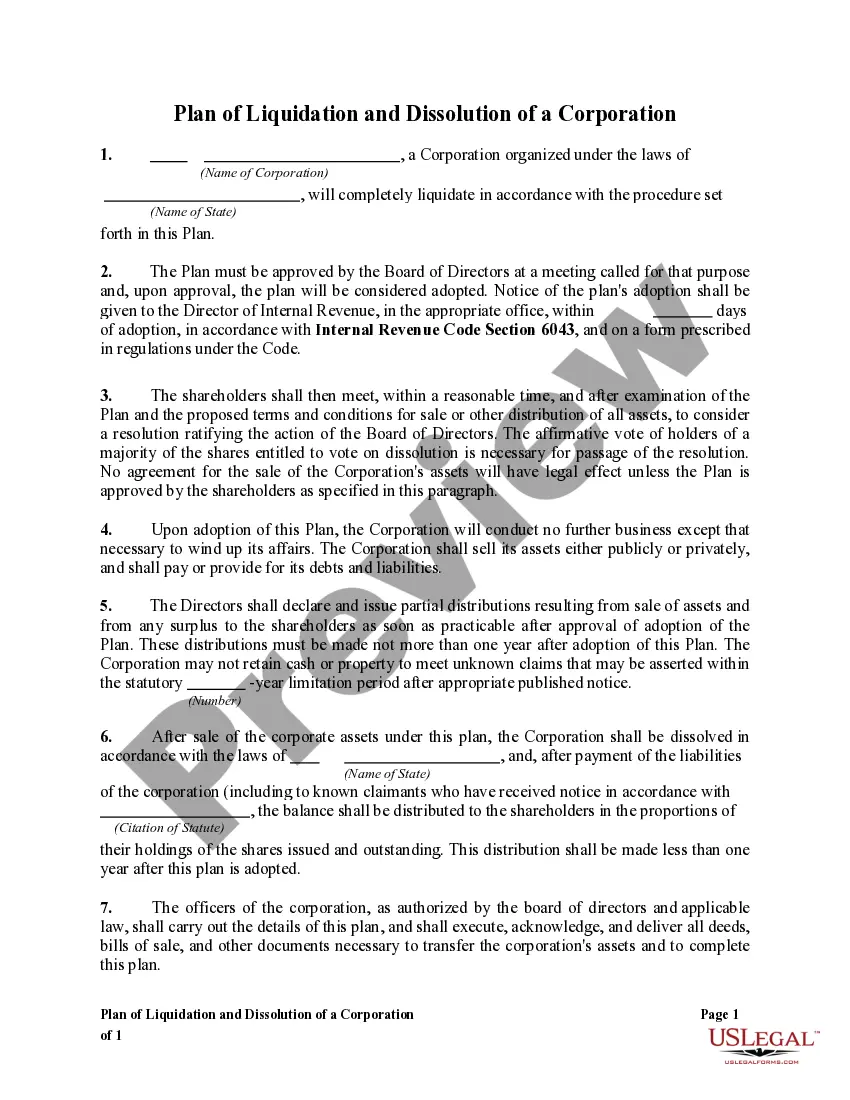
Difference Between Dissolution And Dissolution Profile
Description
Get your form ready online
Our built-in tools help you complete, sign, share, and store your documents in one place.
Make edits, fill in missing information, and update formatting in US Legal Forms—just like you would in MS Word.
Download a copy, print it, send it by email, or mail it via USPS—whatever works best for your next step.
Sign and collect signatures with our SignNow integration. Send to multiple recipients, set reminders, and more. Go Premium to unlock E-Sign.
If this form requires notarization, complete it online through a secure video call—no need to meet a notary in person or wait for an appointment.
We protect your documents and personal data by following strict security and privacy standards.

Make edits, fill in missing information, and update formatting in US Legal Forms—just like you would in MS Word.

Download a copy, print it, send it by email, or mail it via USPS—whatever works best for your next step.

Sign and collect signatures with our SignNow integration. Send to multiple recipients, set reminders, and more. Go Premium to unlock E-Sign.

If this form requires notarization, complete it online through a secure video call—no need to meet a notary in person or wait for an appointment.

We protect your documents and personal data by following strict security and privacy standards.
Looking for another form?
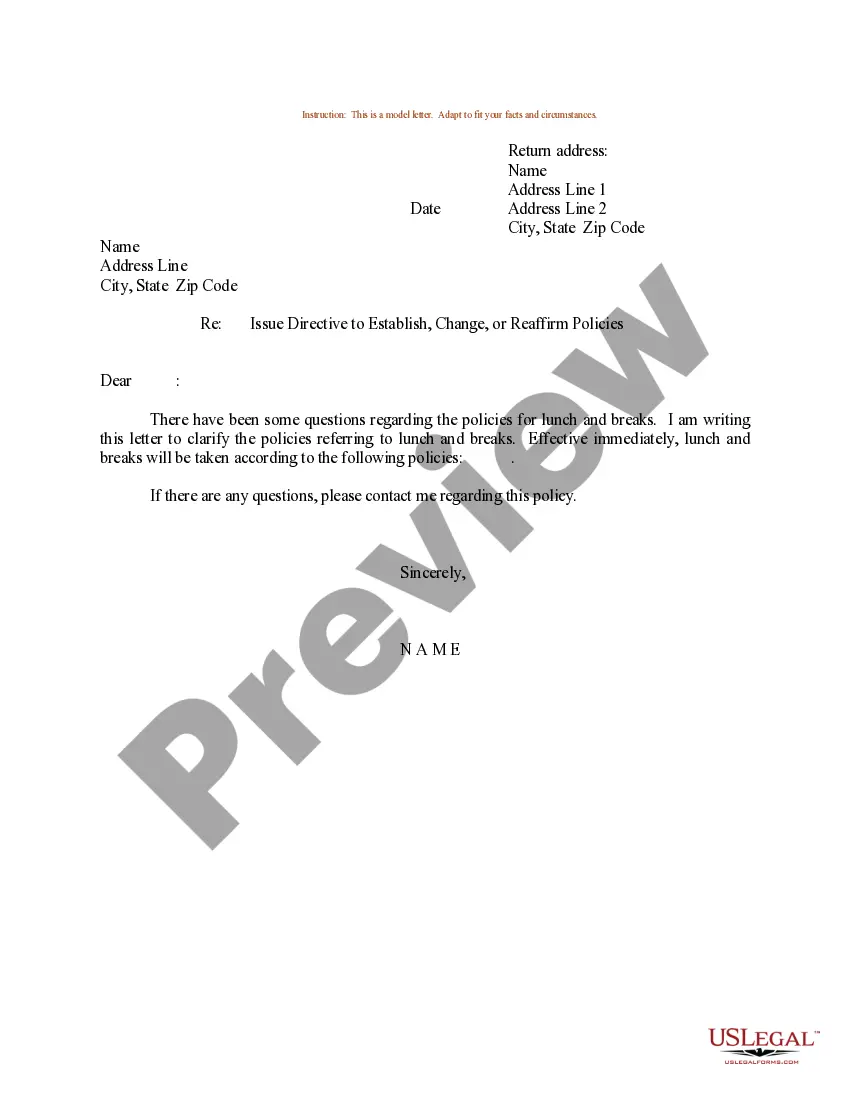


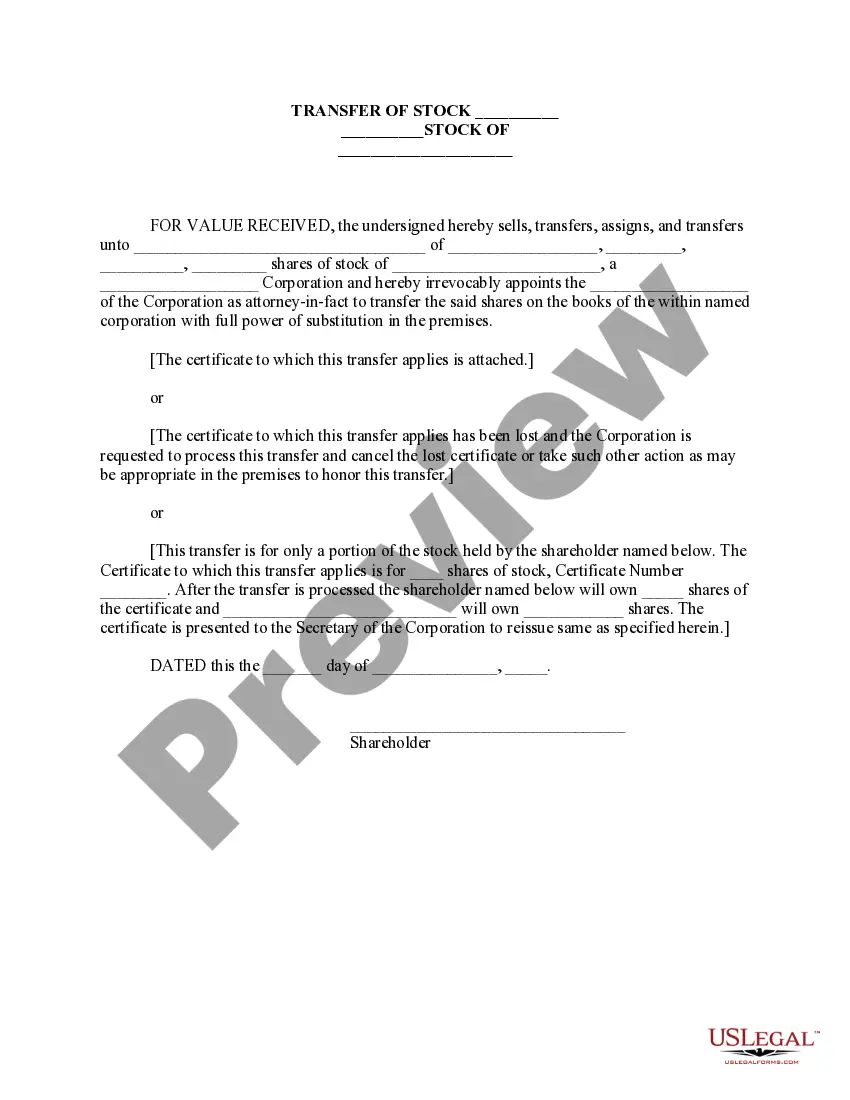
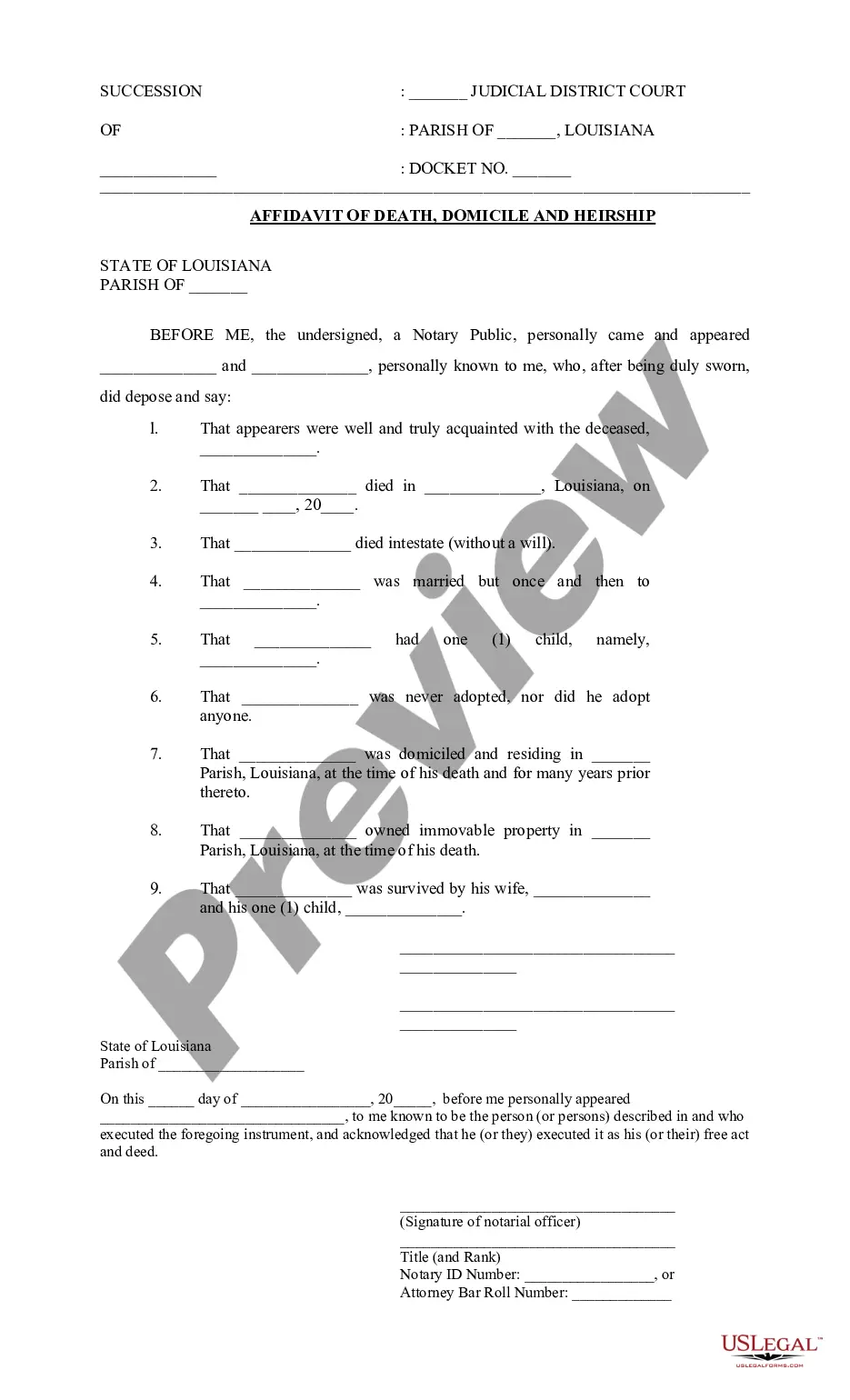

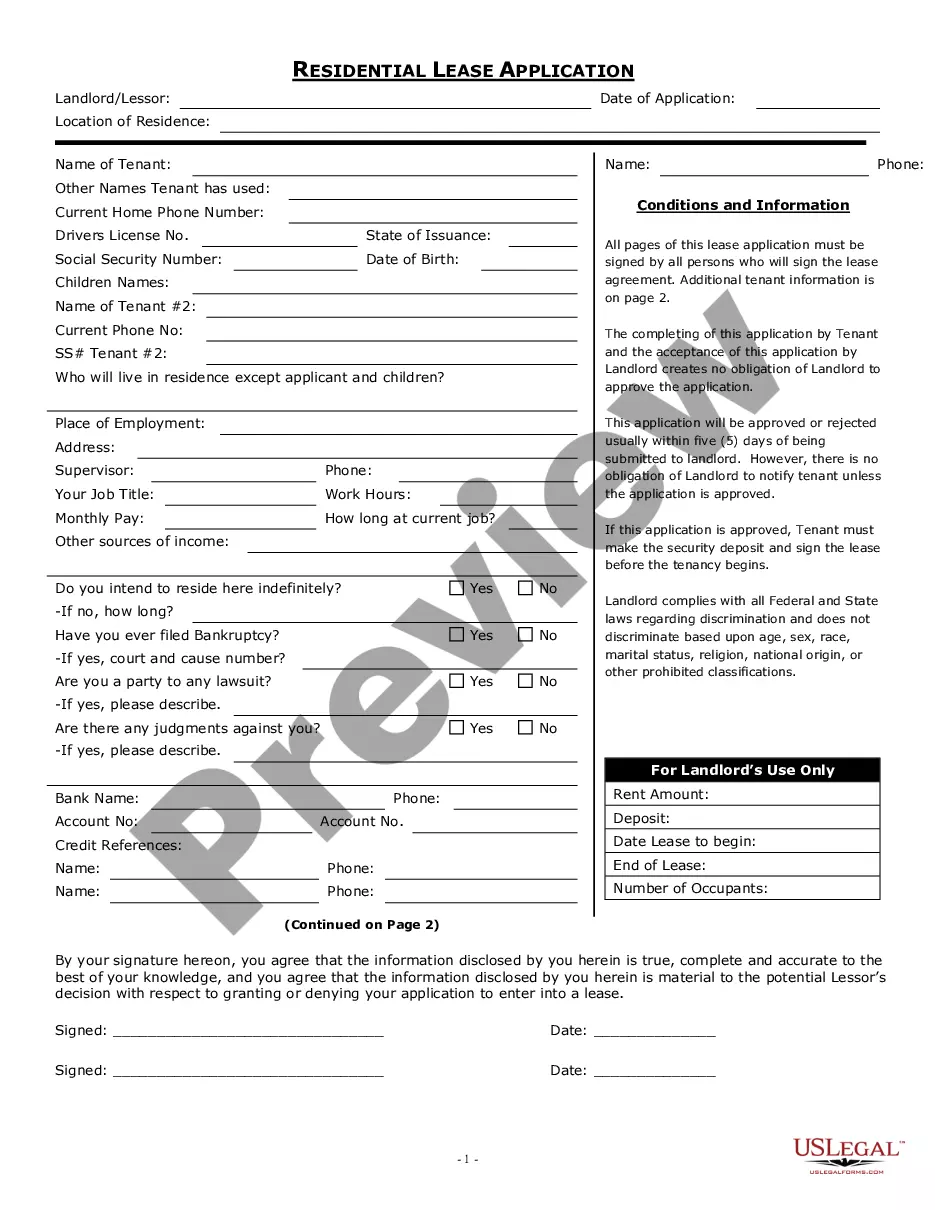
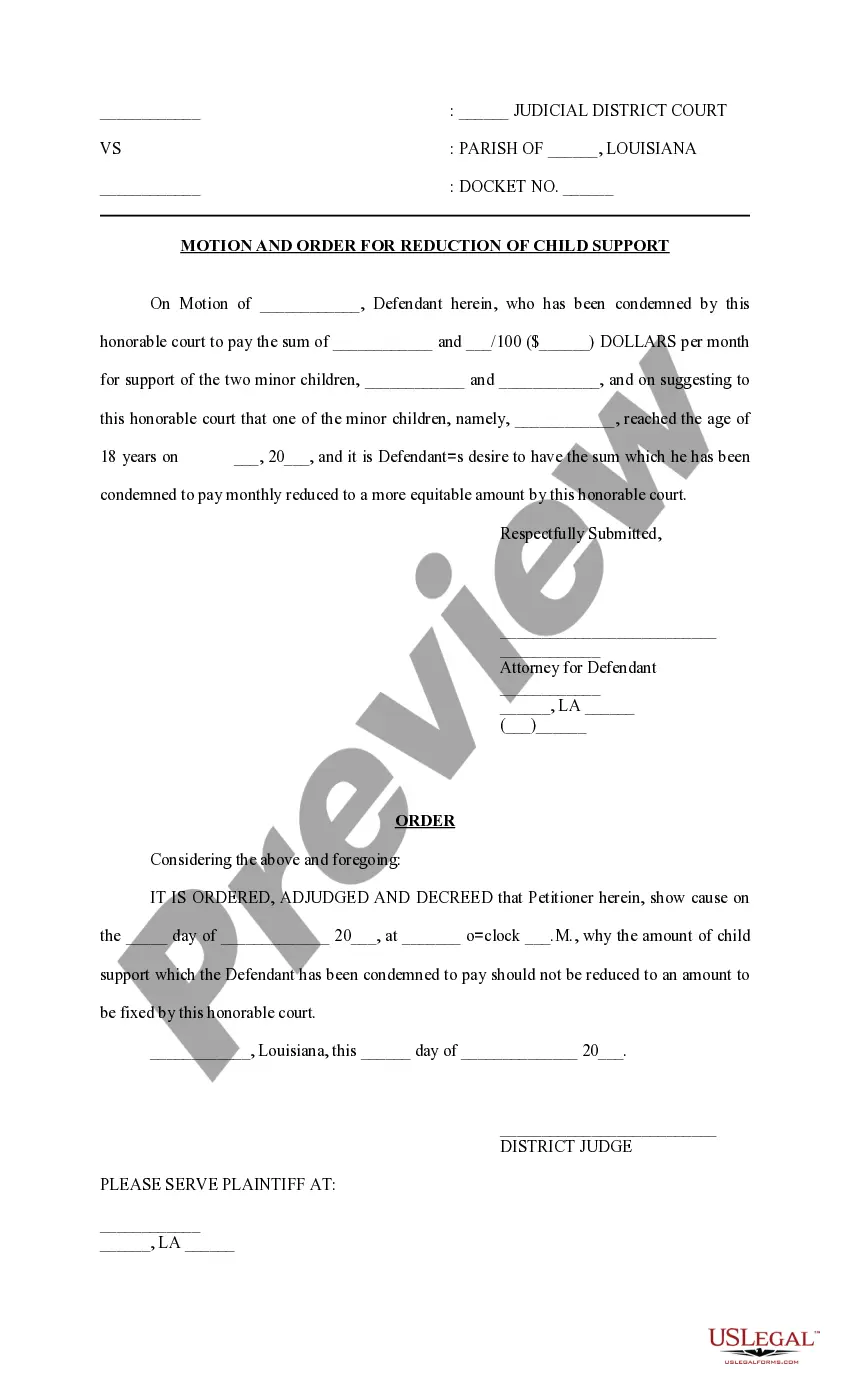
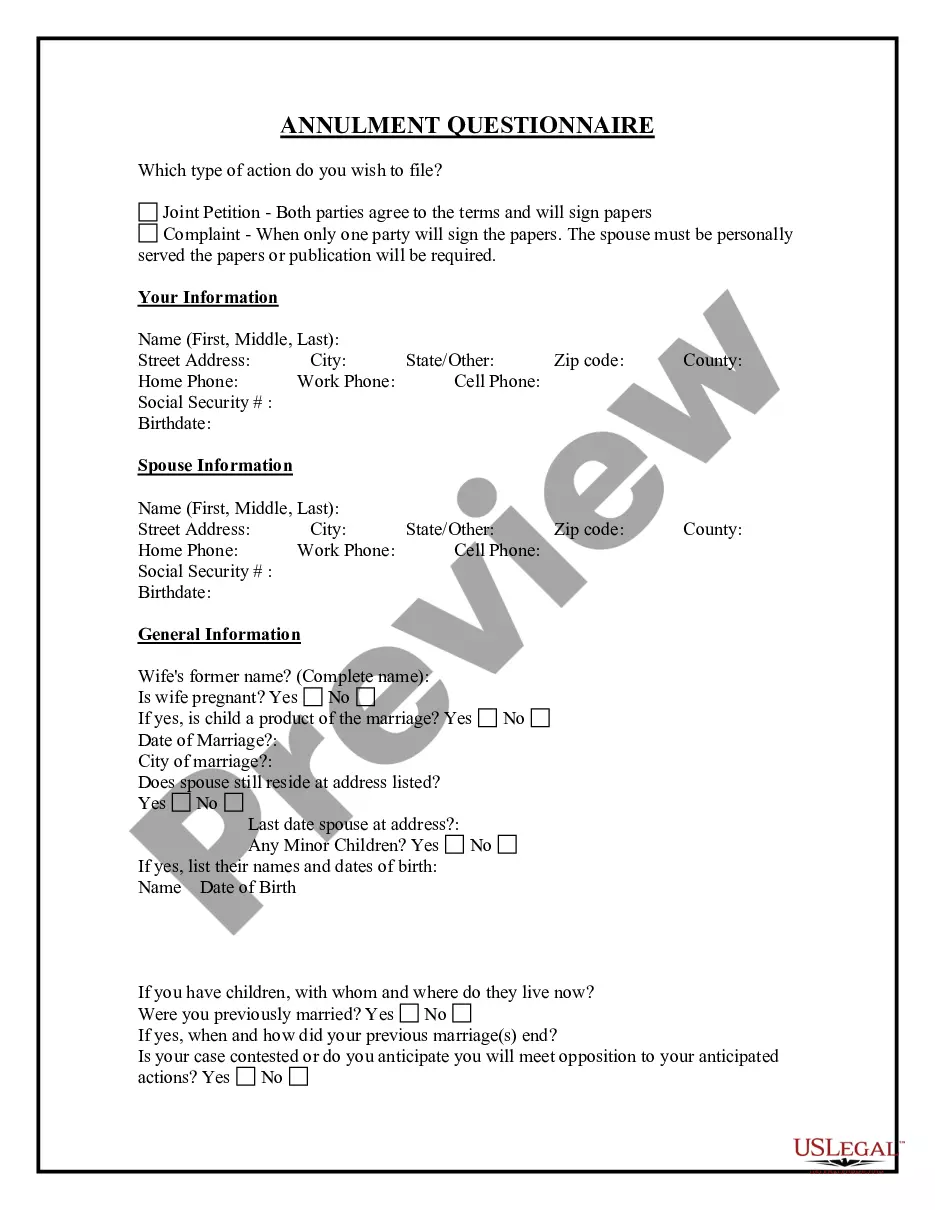

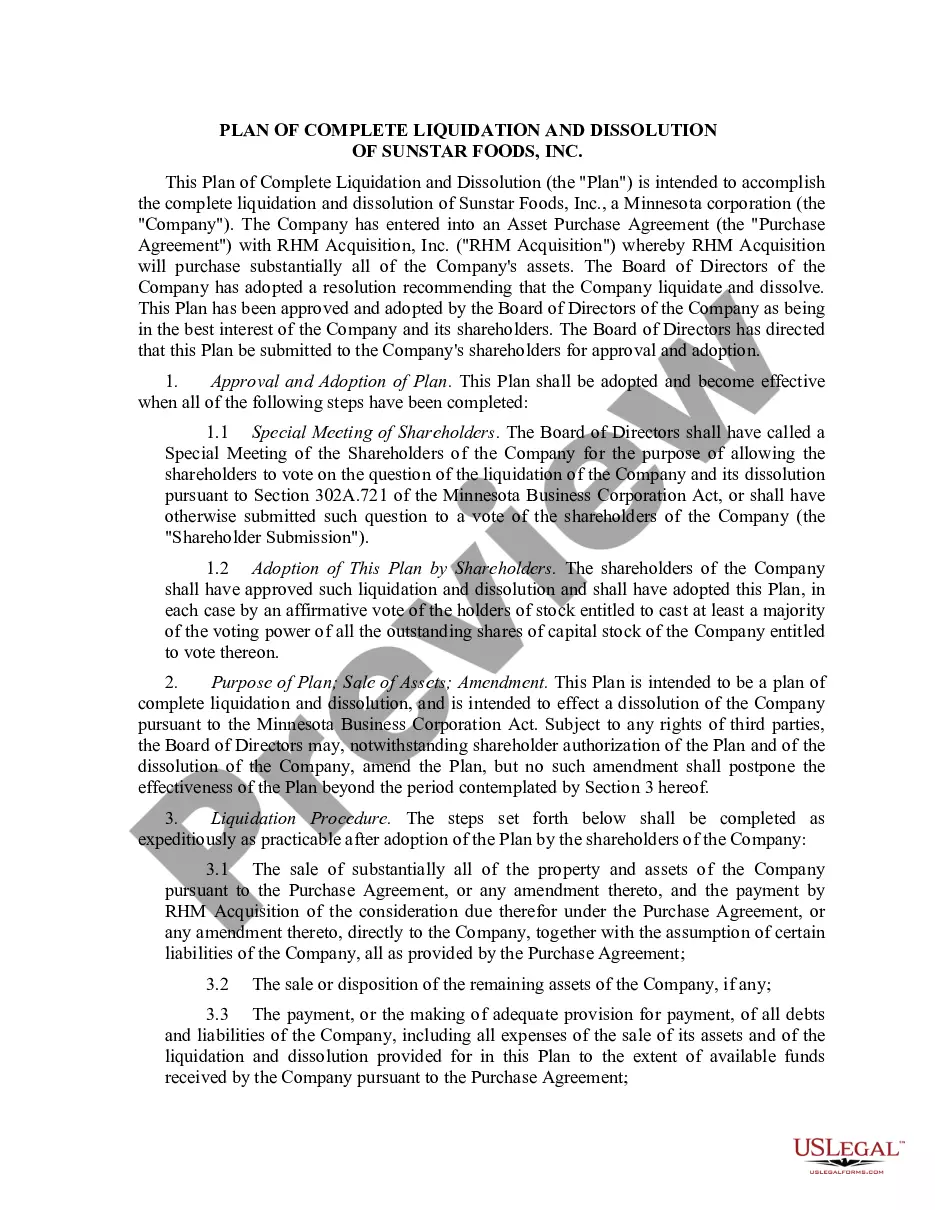
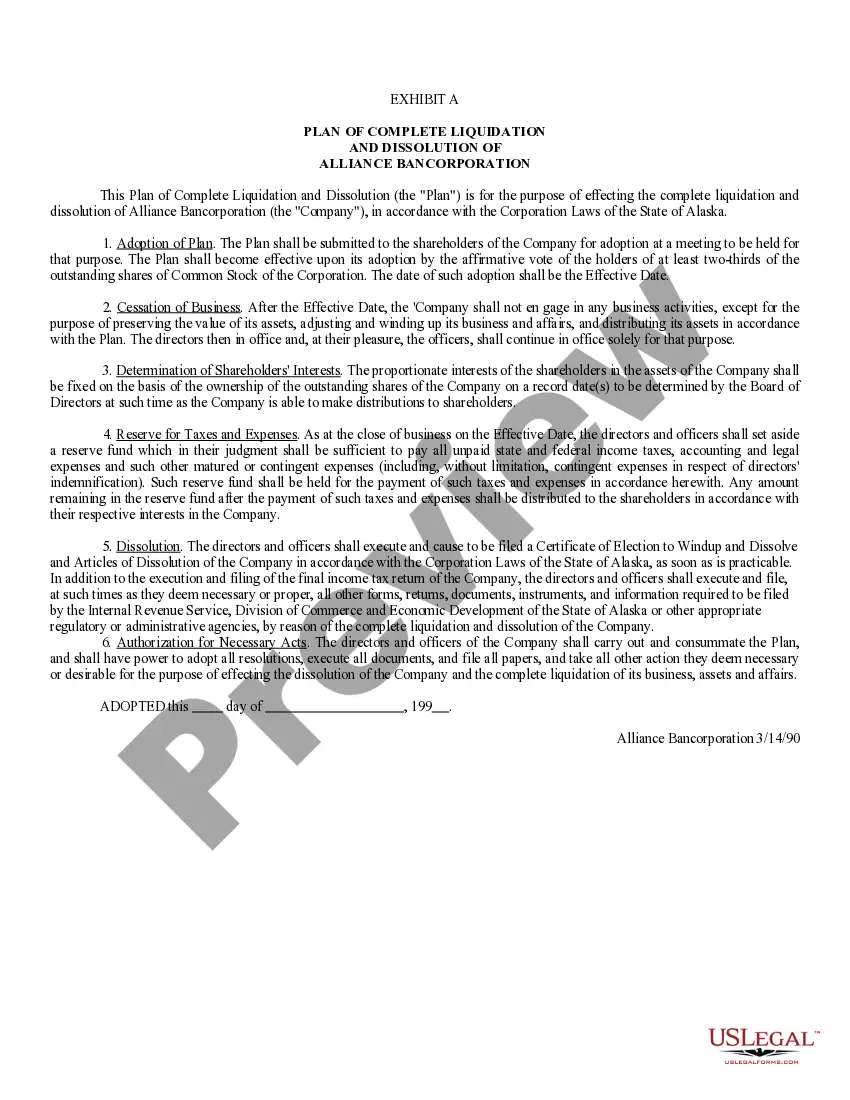
How to fill out Plan Of Liquidation And Dissolution Of A Corporation?
It’s widely known that you cannot become a legal authority instantly, nor can you understand how to swiftly create the Difference Between Dissolution And Dissolution Profile without having a specialized expertise.
Assembling legal documents is a lengthy process that demands specific training and abilities. So why not entrust the preparation of the Difference Between Dissolution And Dissolution Profile to the experts.
With US Legal Forms, one of the largest legal document repositories, you can discover everything from court documents to templates for internal corporate communication.
If you require another template, initiate your search once again.
Register for a complimentary account and choose a subscription plan to acquire the template. Click Buy now. Once your payment is completed, you can download the Difference Between Dissolution And Dissolution Profile, complete it, print it, and send or mail it to the required individuals or organizations.
- We recognize how vital it is to adhere to federal and local regulations.
- Therefore, all forms on our platform are location-specific and current.
- To start with our website and obtain the necessary document in just minutes.
- Identify the document you require by utilizing the search bar at the top of the page.
- Review it (if this option is available) and read the accompanying description to see if the Difference Between Dissolution And Dissolution Profile is what you need.
Form popularity
FAQ
Pennsylvania's premises liability laws hold businesses and individuals liable for injuries they cause. Depending on the specifics of your case, you may be entitled to economic damages, non-economic damages, wrongful death damages, and possibly punitive damages if you file a premises liability claim.
In order to succeed on a claim for strict product liability, a plaintiff must show that: (1) the product was defective (2) when it left the defendant's hand, and that (3) the defect caused the plaintiff's injury.
These are manufacturing defects, design defects, and marketing defects, also known as failures to warn. In addition to proving the existence of the defect, the consumer will need to show that the defect caused their injury.
Second, 42 PA Con. Stat. §5536, referred to as the ?statute of repose,? prohibits an injured person from filing a product liability claim more than 12 years after they originally purchased the product in question.
The statute of limitations for product liability claims is generally two years in Pennsylvania. This means at you will have two years from the date of your injury after being injured by a defective product.
If a product was defective when it left the defendant's control, the defendant is liable for the harm caused by the defect. This is true even if the defendant took all possible care in the design, manufacture, distribution, lease, or sale of the product. Pennsylvania calls this strict liability.
In order to succeed on a claim for strict product liability, a plaintiff must show that: (1) the product was defective (2) when it left the defendant's hand, and that (3) the defect caused the plaintiff's injury.