Fiduciary Duty Case Law With Credit Unions
Description
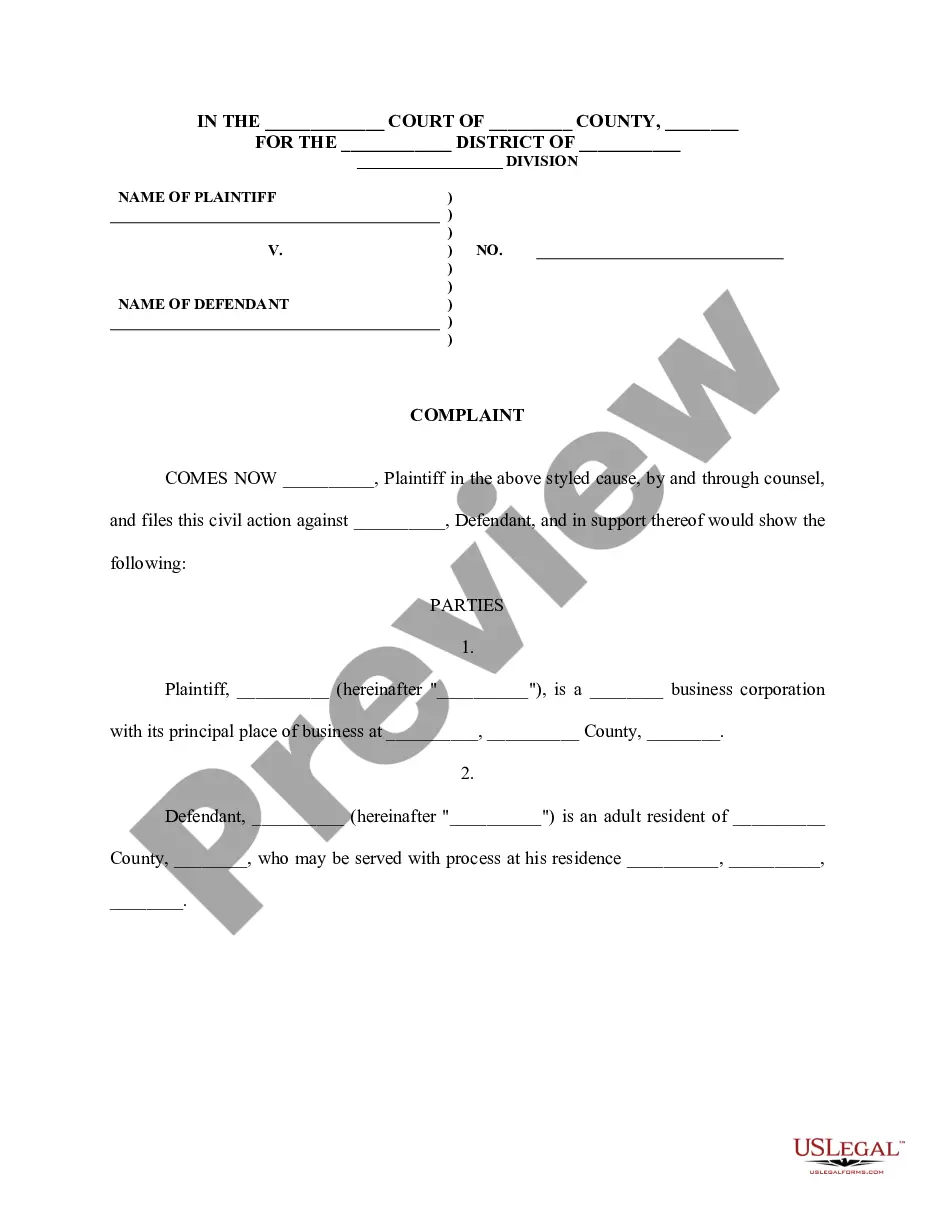
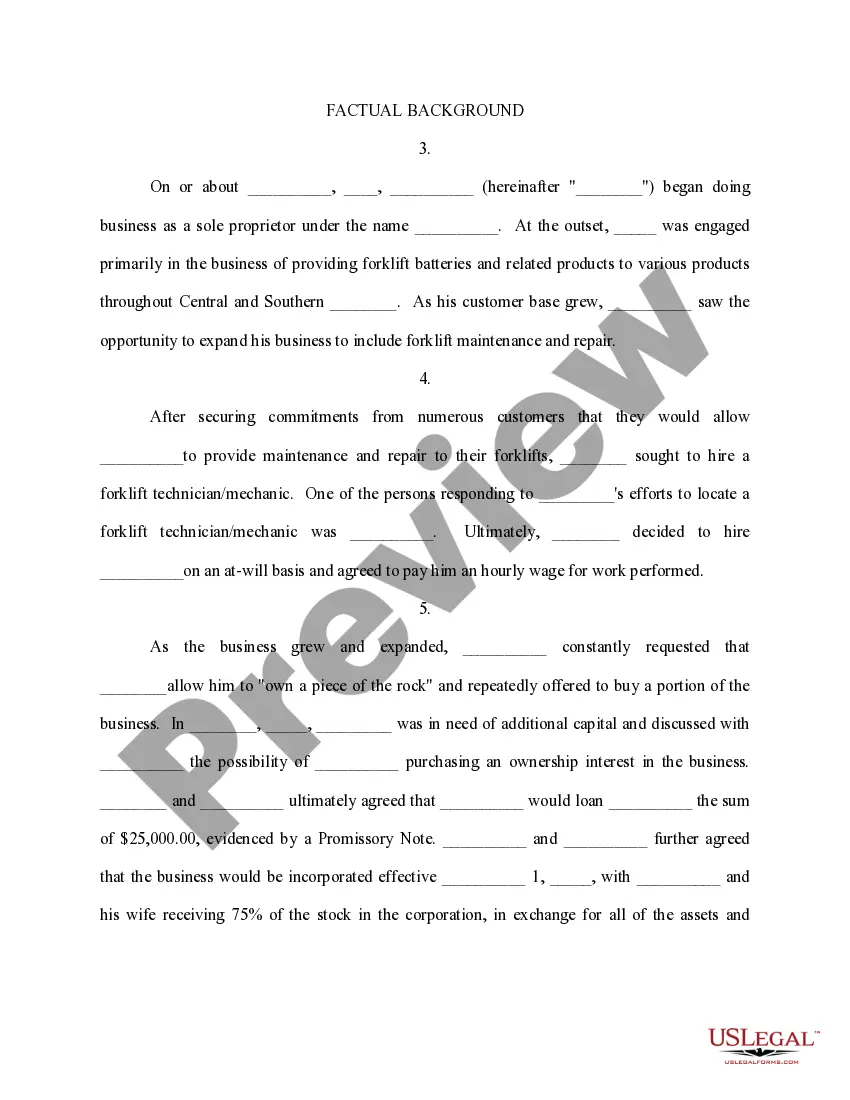
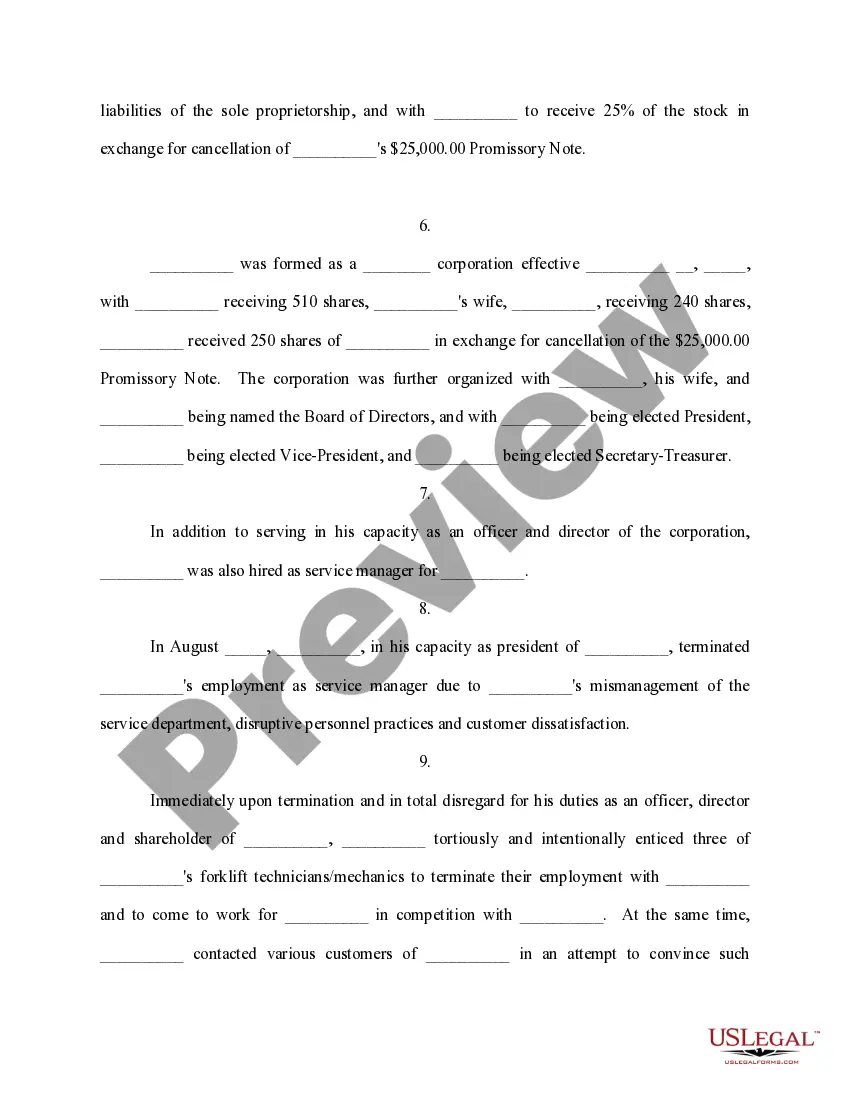
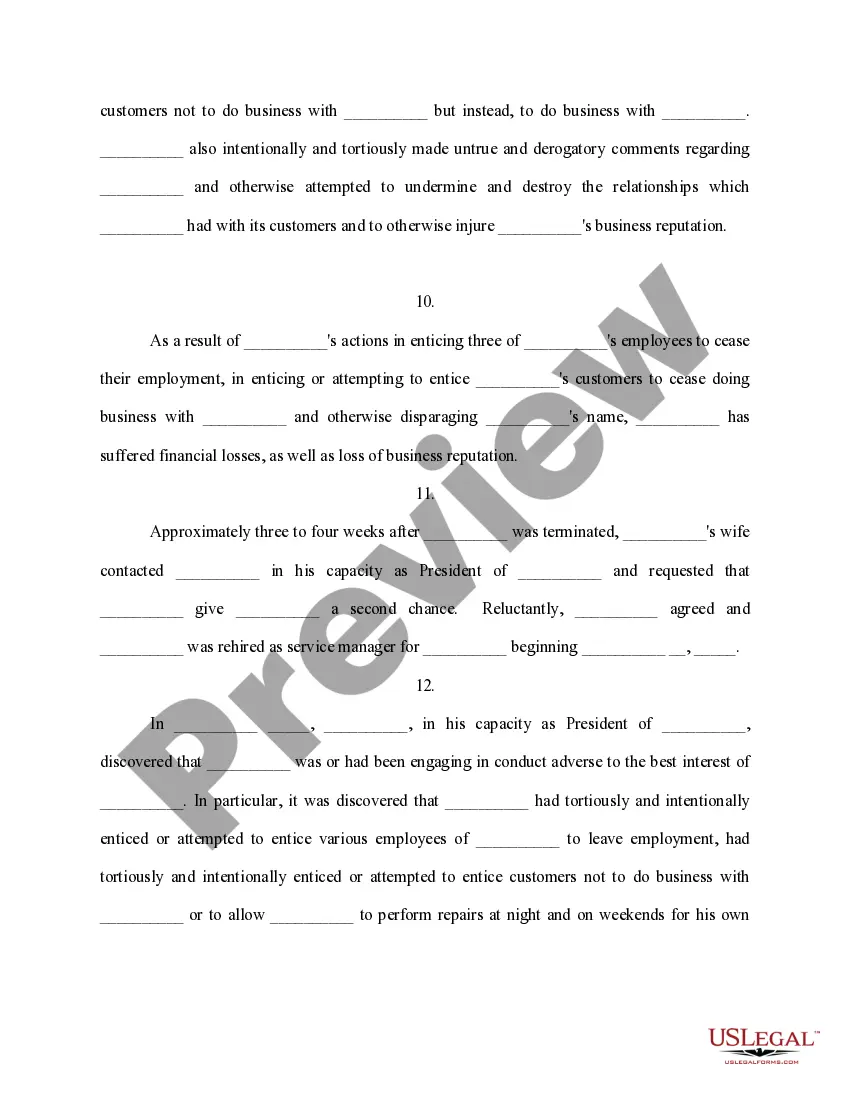
Get your form ready online
Our built-in tools help you complete, sign, share, and store your documents in one place.
Make edits, fill in missing information, and update formatting in US Legal Forms—just like you would in MS Word.
Download a copy, print it, send it by email, or mail it via USPS—whatever works best for your next step.
Sign and collect signatures with our SignNow integration. Send to multiple recipients, set reminders, and more. Go Premium to unlock E-Sign.
If this form requires notarization, complete it online through a secure video call—no need to meet a notary in person or wait for an appointment.
We protect your documents and personal data by following strict security and privacy standards.

Make edits, fill in missing information, and update formatting in US Legal Forms—just like you would in MS Word.

Download a copy, print it, send it by email, or mail it via USPS—whatever works best for your next step.

Sign and collect signatures with our SignNow integration. Send to multiple recipients, set reminders, and more. Go Premium to unlock E-Sign.

If this form requires notarization, complete it online through a secure video call—no need to meet a notary in person or wait for an appointment.

We protect your documents and personal data by following strict security and privacy standards.
Looking for another form?

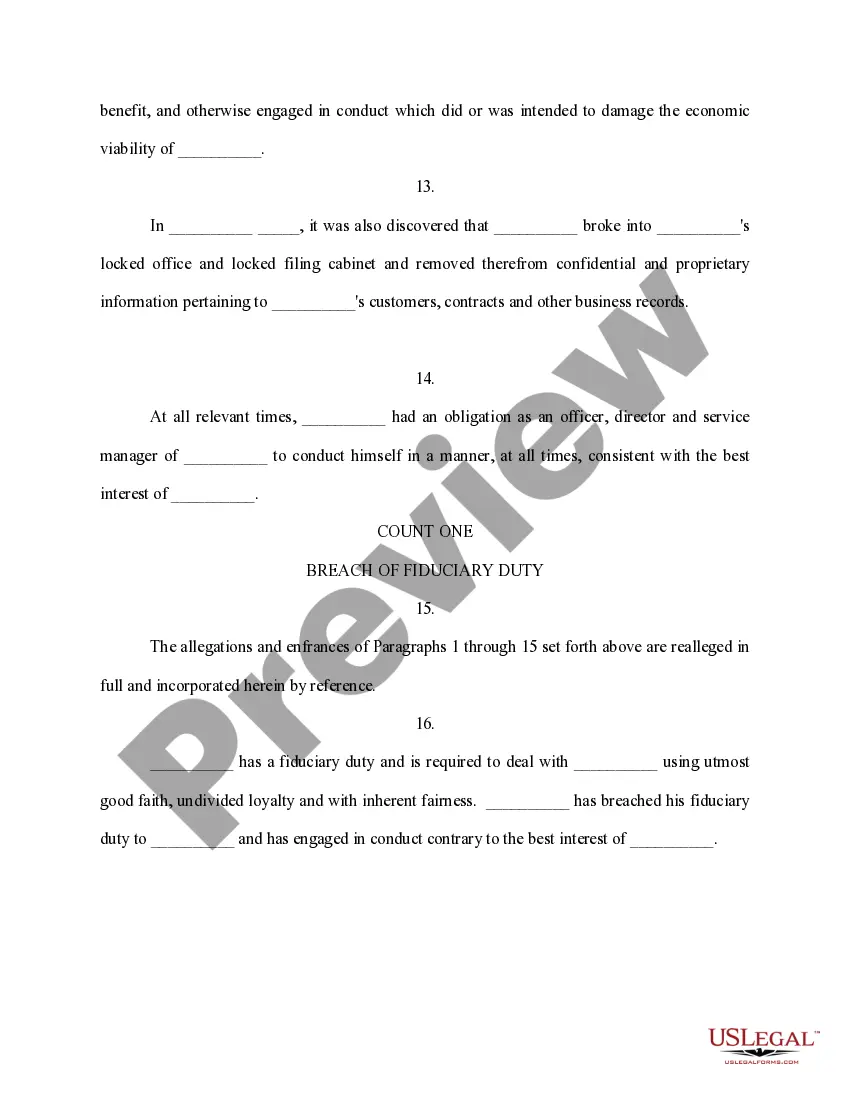
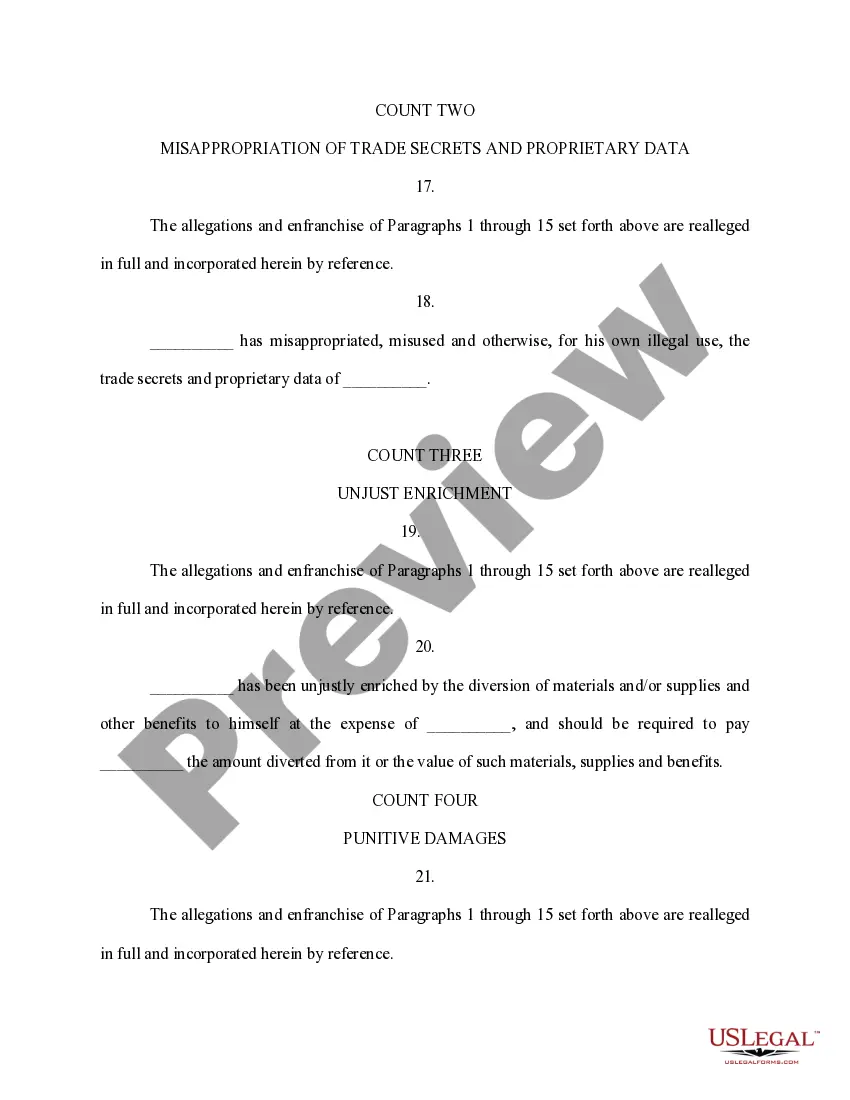
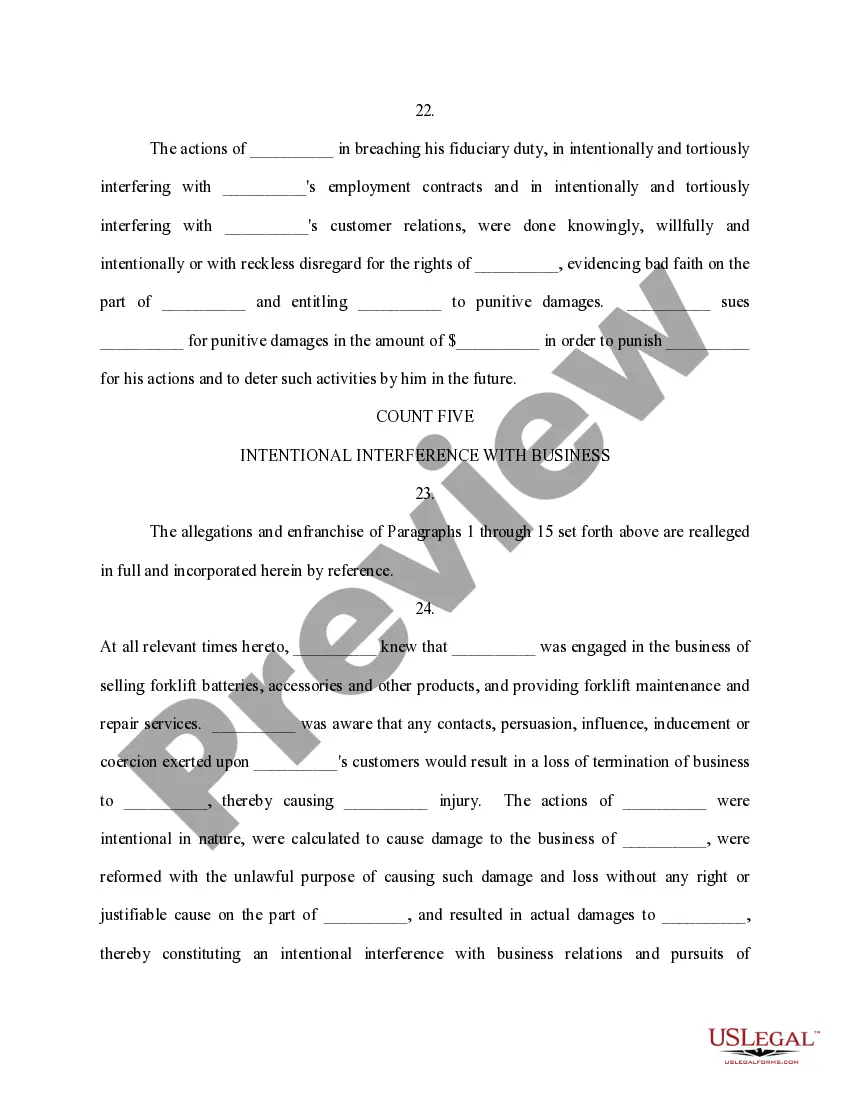
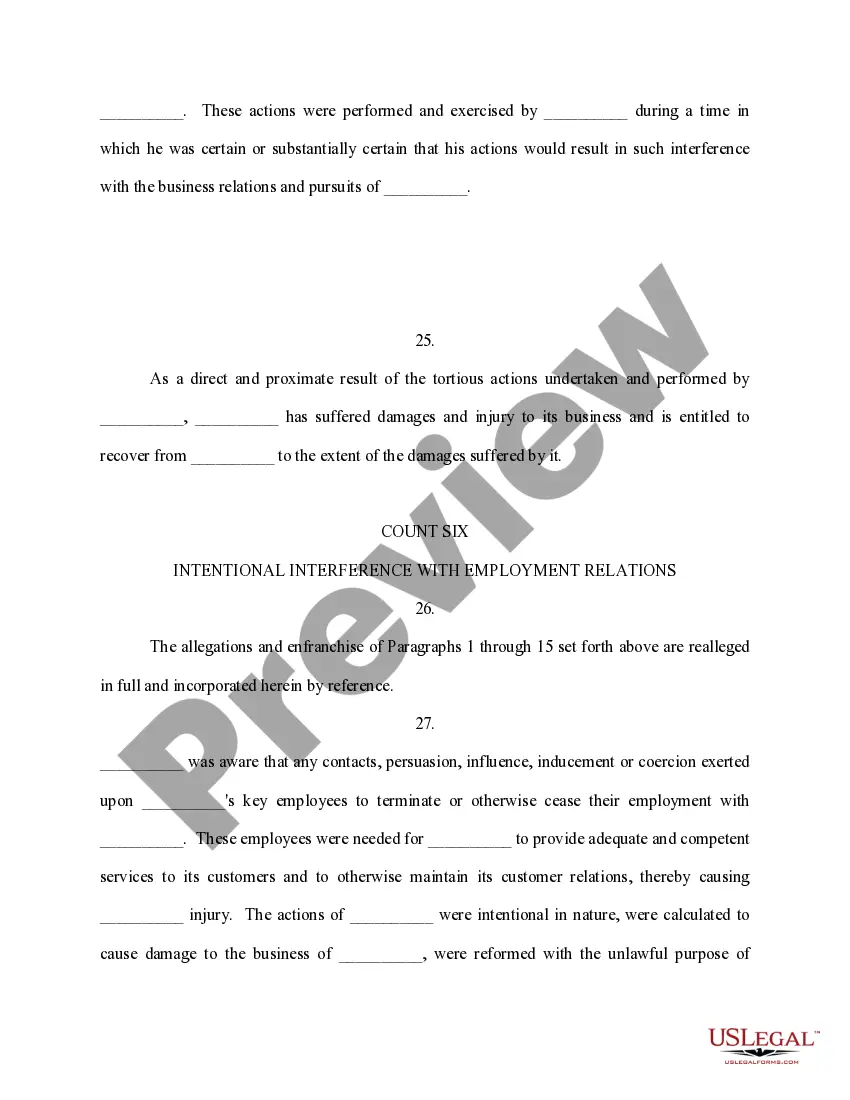
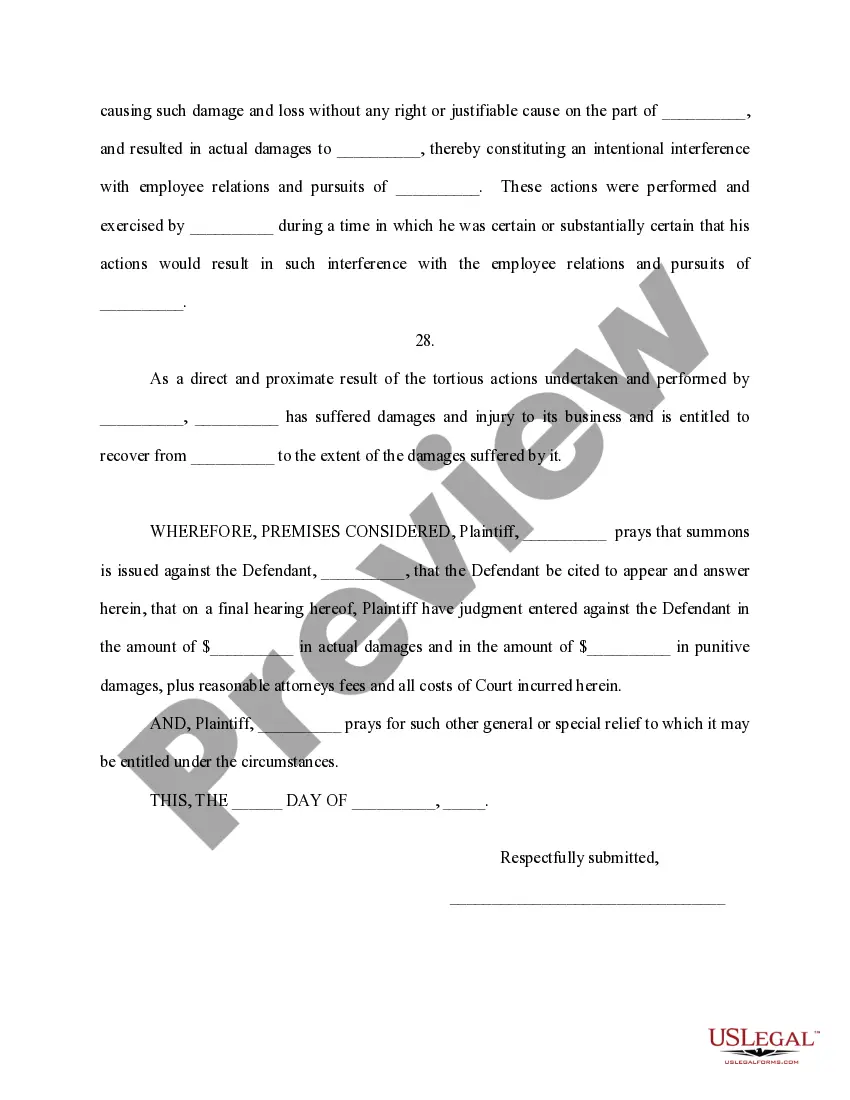
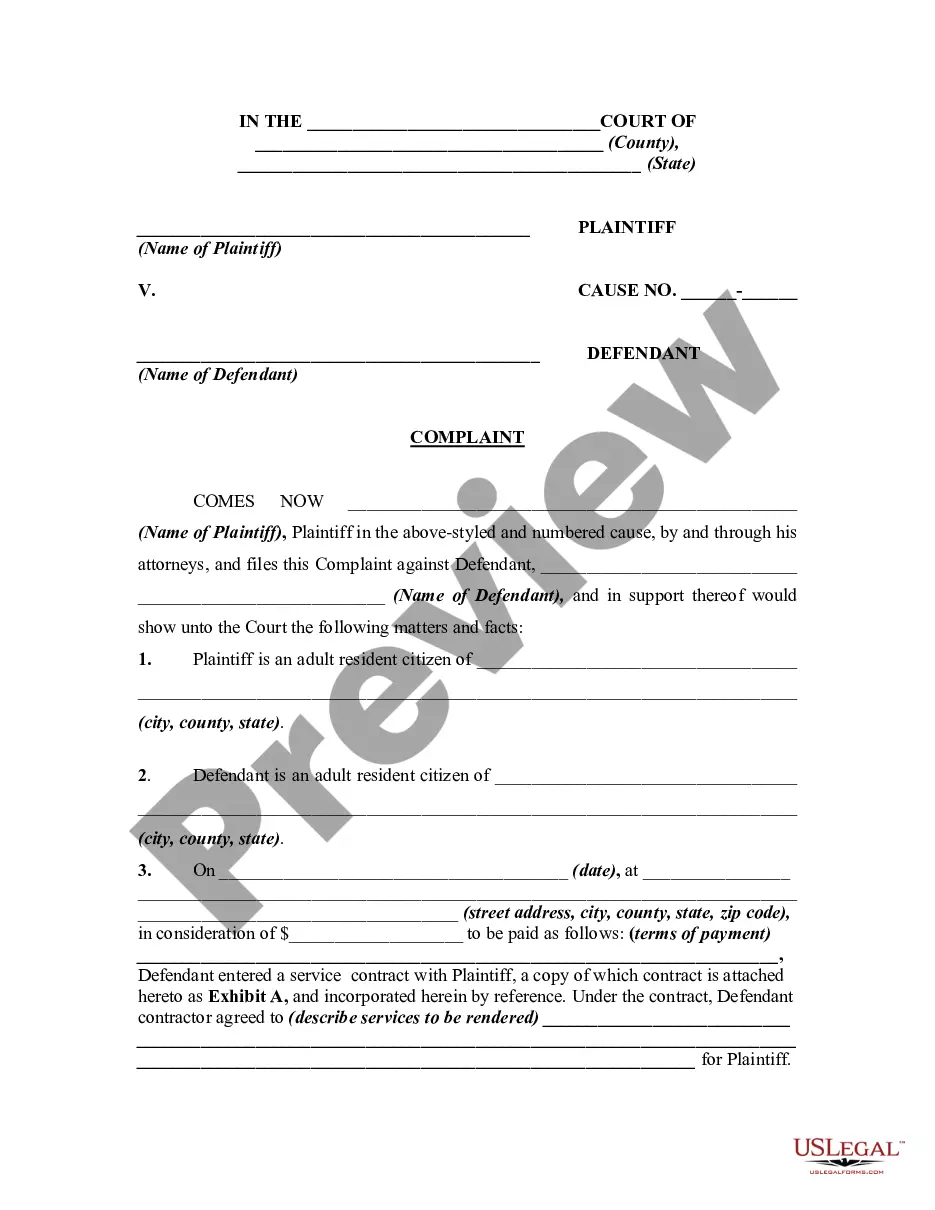
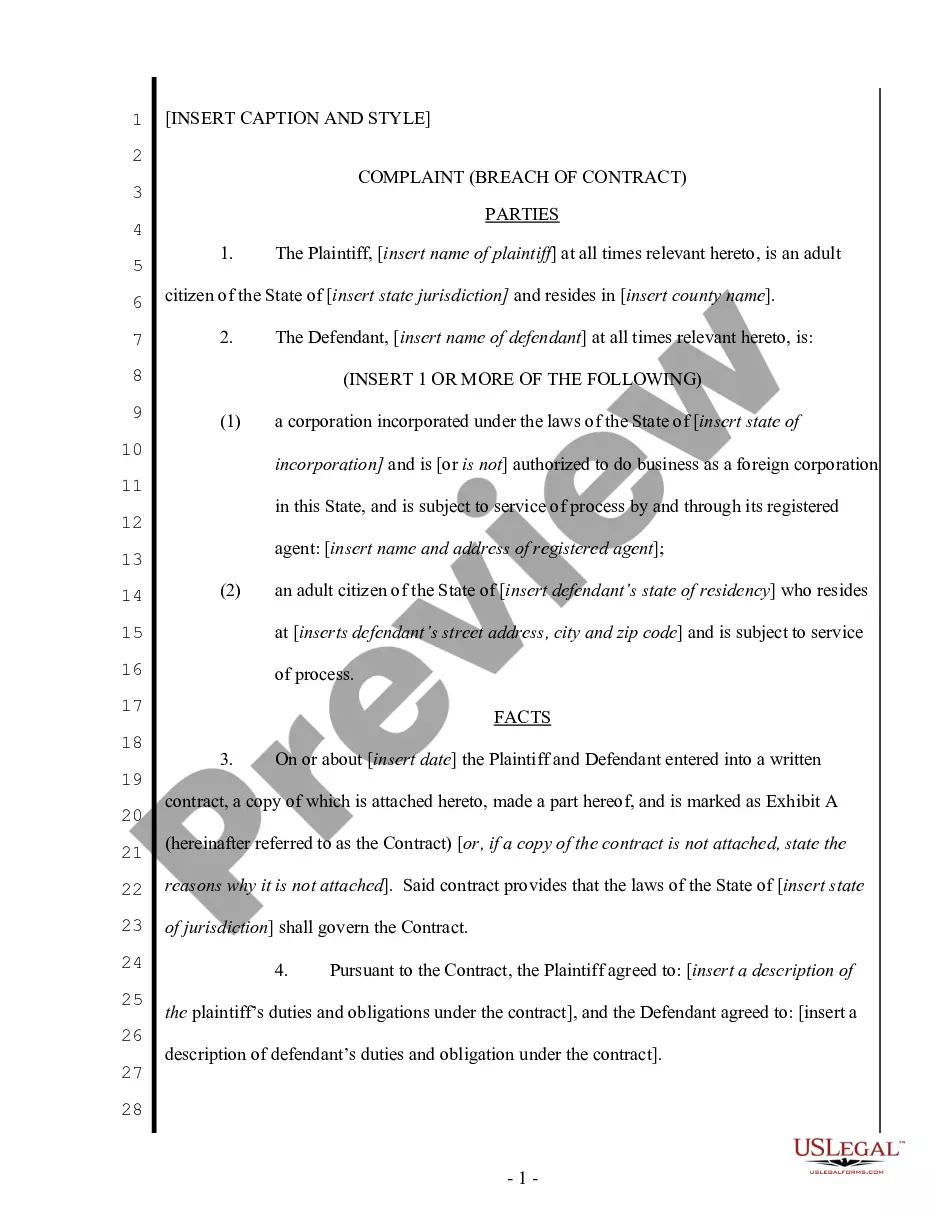
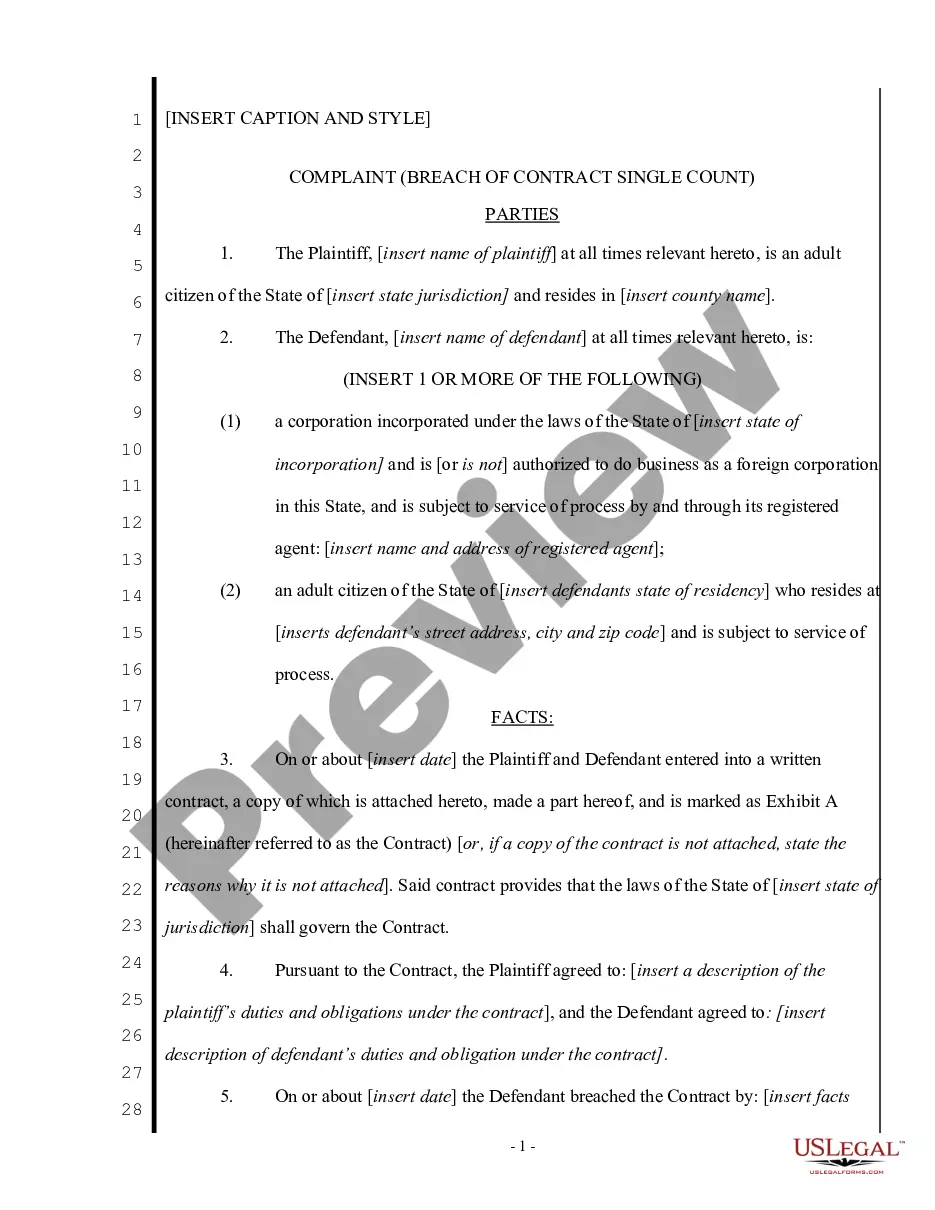
How to fill out Complaint For Breach Of Fiduciary Duty - Trust?
It’s well-known that you cannot become a legal authority instantly, nor can you comprehend how to swiftly formulate Fiduciary Duty Case Law With Credit Unions without possessing a specialized background.
Crafting legal documents is a lengthy endeavor that necessitates specific training and expertise. So why not entrust the development of the Fiduciary Duty Case Law With Credit Unions to the experts.
With US Legal Forms, one of the most comprehensive legal document collections, you can find everything from court documents to templates for internal corporate communication.
If you require any other template, restart your search.
Register for a free account and choose a subscription plan to purchase the form.
- We recognize how vital compliance and adherence to federal and local regulations are.
- That’s why, on our site, all forms are location-specific and current.
- Here’s how you can begin using our website and obtain the form you need in just minutes.
- Locate the document you require using the search bar at the top of the page.
- Preview it (if this option is available) and read the supporting description to ascertain whether Fiduciary Duty Case Law With Credit Unions is what you’re seeking.
Form popularity
FAQ
Credit unions are held accountable by various regulatory bodies, including the National Credit Union Administration (NCUA). Additionally, members play a crucial role in ensuring accountability by voicing concerns and participating in governance. Fiduciary duty case law with credit unions provides a legal framework that members can leverage when they feel their rights are compromised. Platforms like uslegalforms can assist members in understanding their rights and navigating any legal challenges effectively.
The fiduciary duty of a credit union involves acting in the best interests of its members. This means that credit unions must manage members' funds responsibly and provide transparent financial services. As outlined in fiduciary duty case law with credit unions, directors and officials must avoid conflicts of interest and prioritize member welfare in their decisions. Understanding this duty helps members hold their credit unions accountable.
Filing a dispute with a credit union typically starts with contacting their customer service department to resolve the issue informally. If that does not work, you may need to follow their official complaint procedure, which is often outlined on their website. Understanding fiduciary duty case law with credit unions can help you articulate your concerns effectively. If necessary, platforms like US Legal Forms can provide resources and templates to assist you in documenting and filing your dispute properly.
Proving a breach of fiduciary duty can be challenging but not impossible. You must demonstrate that the credit union failed to act in your best interest, which involves gathering evidence and presenting it effectively. Understanding fiduciary duty case law with credit unions is key, as it outlines the standards and responsibilities expected of these institutions. With the right legal support, you can build a compelling case.
To sue a credit union, you should seek a lawyer who specializes in financial services or fiduciary duty case law with credit unions. These attorneys understand the complexities of credit union operations and the specific legal standards applicable to them. They can help you navigate the legal process and build a strong case. Consulting with a knowledgeable attorney increases your chances of a successful outcome.
Yes, credit unions do have a fiduciary duty to their members. This duty requires them to act in the best interest of their members and to manage their funds responsibly. Under fiduciary duty case law with credit unions, any actions that violate this responsibility can lead to legal consequences. Members can seek recourse if they believe their credit union has failed to uphold this duty.
What Are the Primary Fiduciary Duties? Duty of Care. Duty of Loyalty. Duty of Obedience. Duty of Confidentiality. Duty of Prudence. Duty to Disclose.
The standard for proving a breach of fiduciary duty varies from jurisdiction to jurisdiction. Typically, a claim for breach of fiduciary duty includes four elements: 1) the existence of a fiduciary duty; 2) a breach of that duty (through an act or omission); 3) damages; and 4) causation.
A fiduciary must act in good faith; he must not make a profit out of his trust; he must not place himself in a position where his duty and his interest may conflict; he may not act for his own benefit or the benefit of a third person without the informed consent of his principal?.
A fiduciary must act in good faith; he must not make a profit out of his trust; he must not place himself in a position where his duty and his interest may conflict; he may not act for his own benefit or the benefit of a third person without the informed consent of his principal?.