Property In Trust After Death Formed
Description
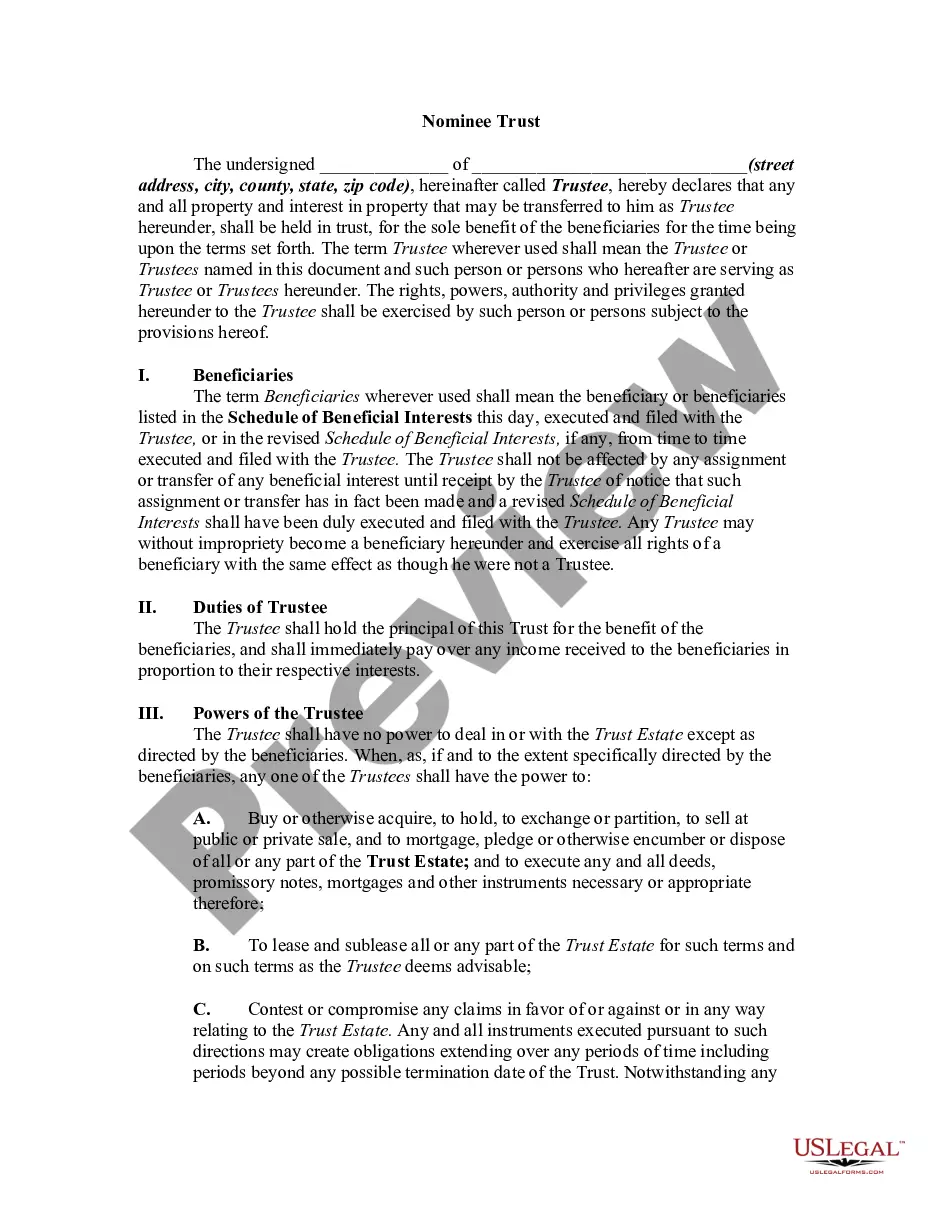
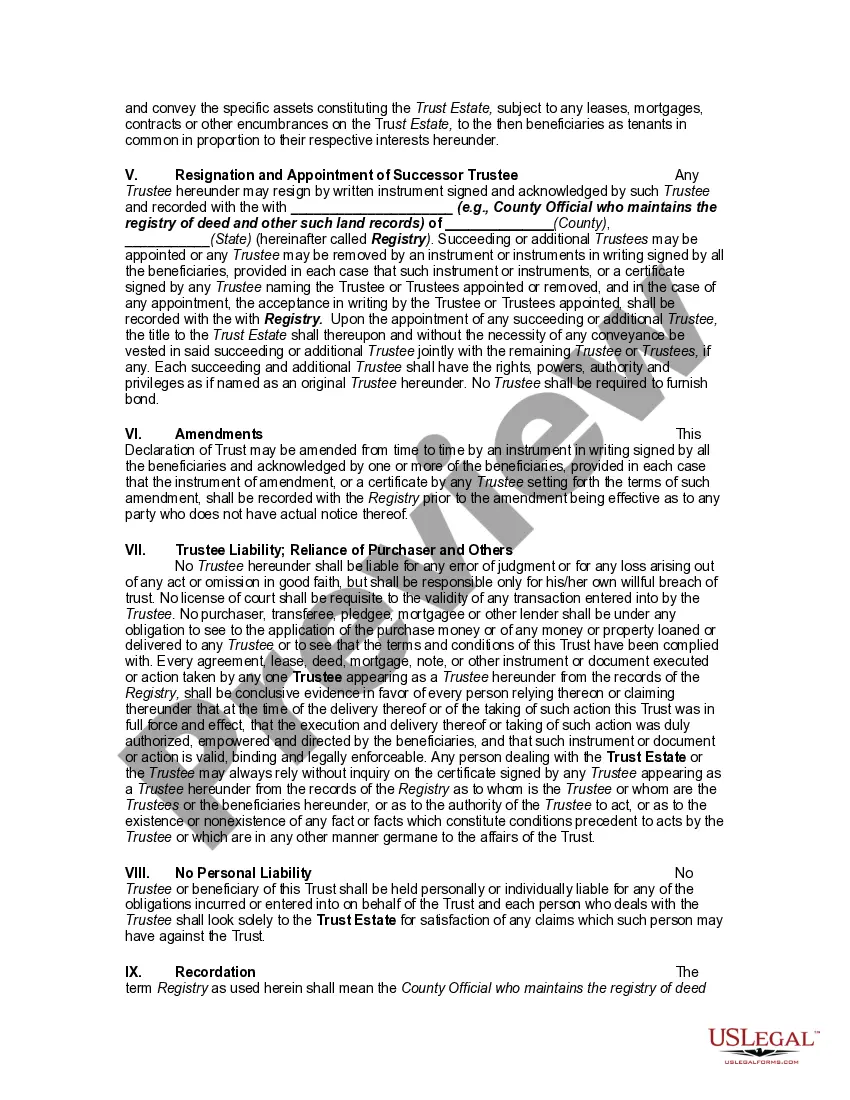
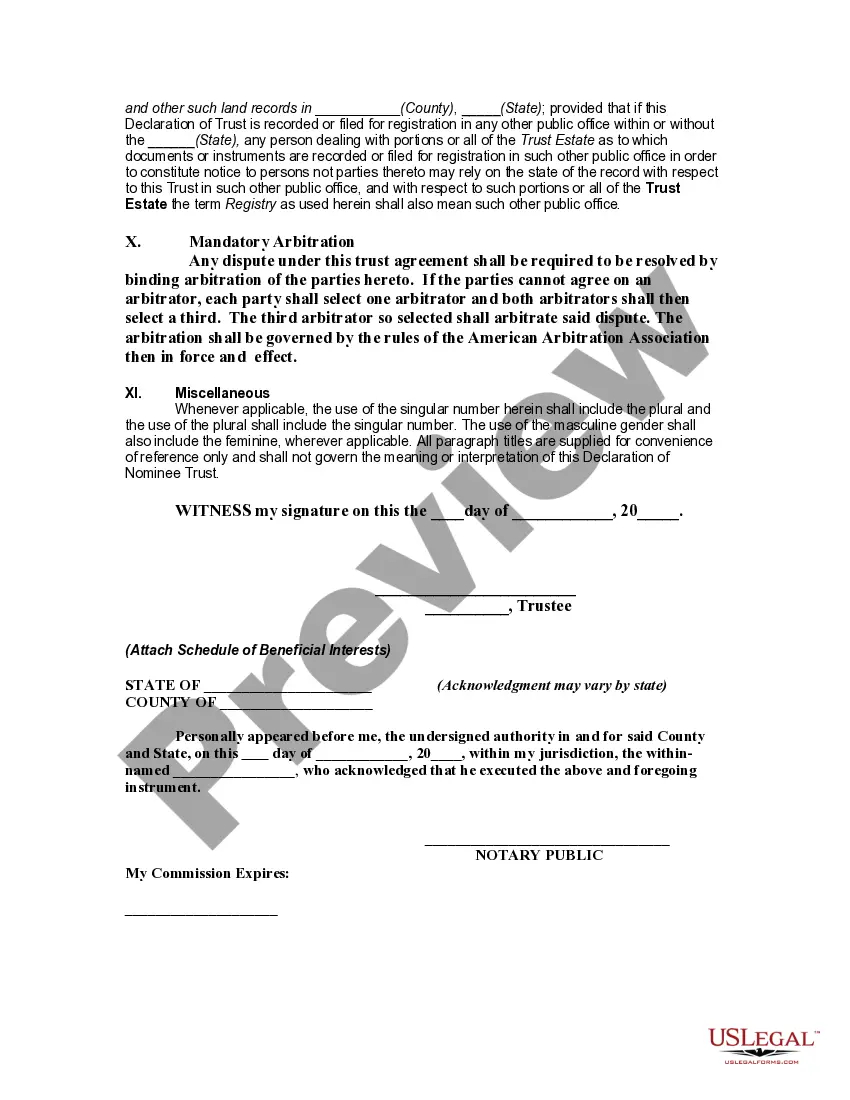
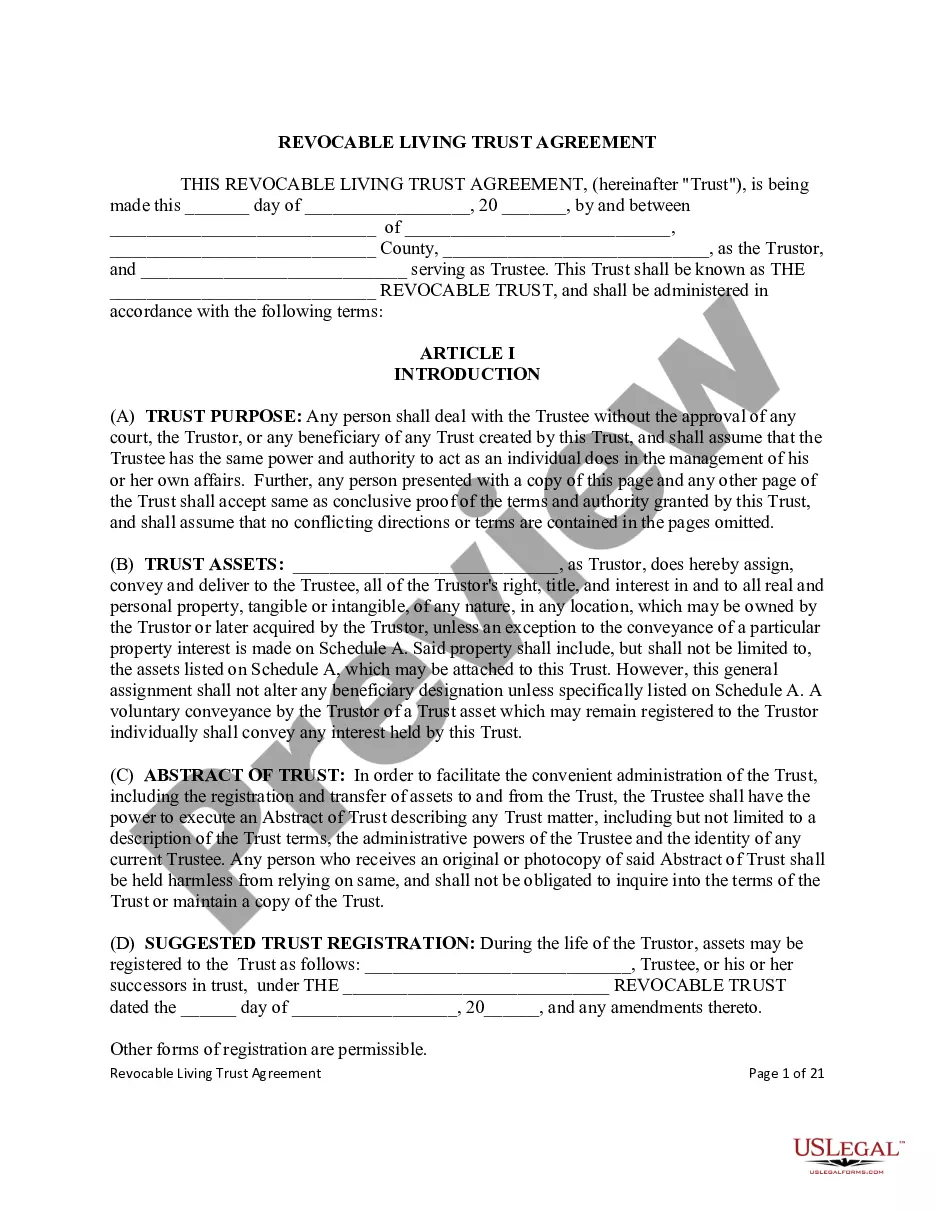
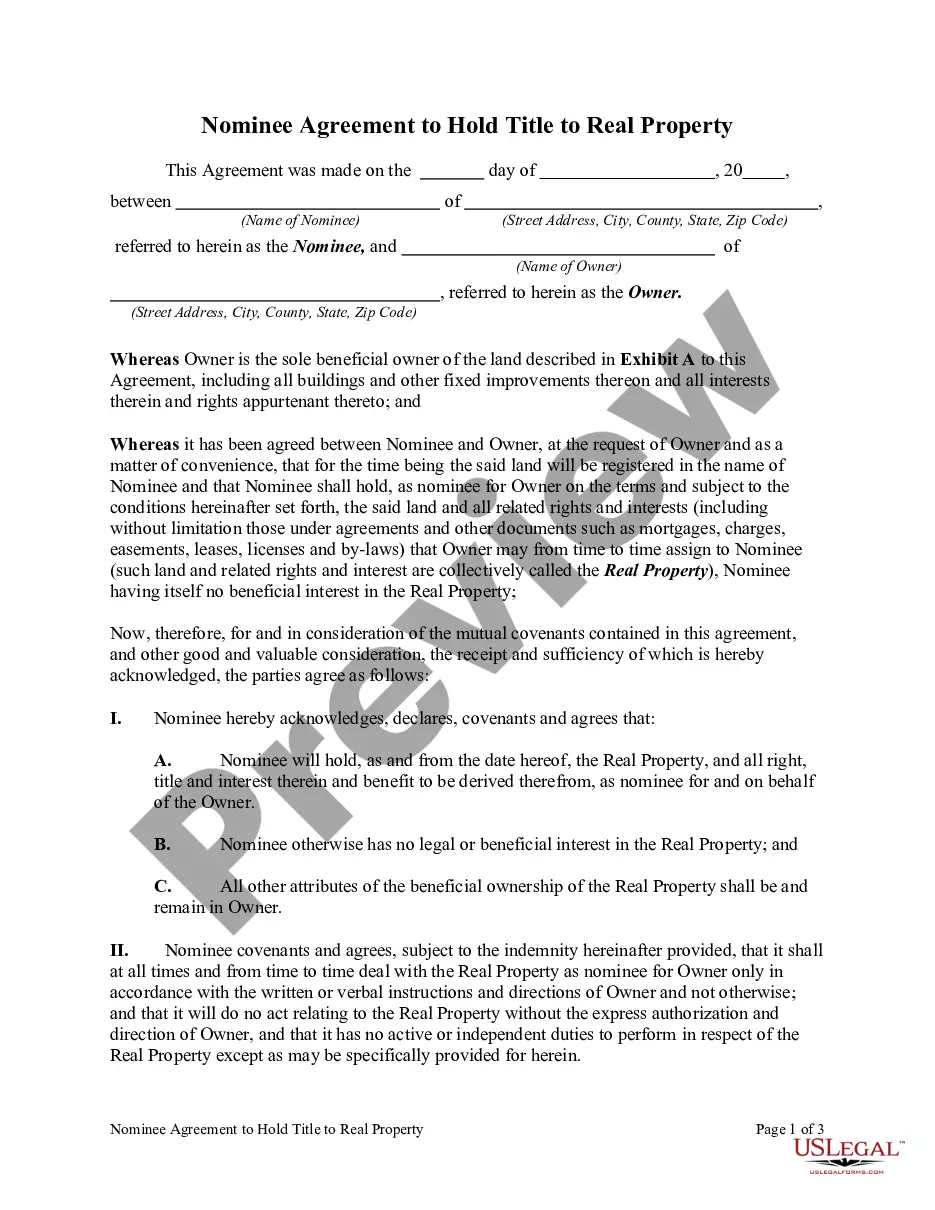
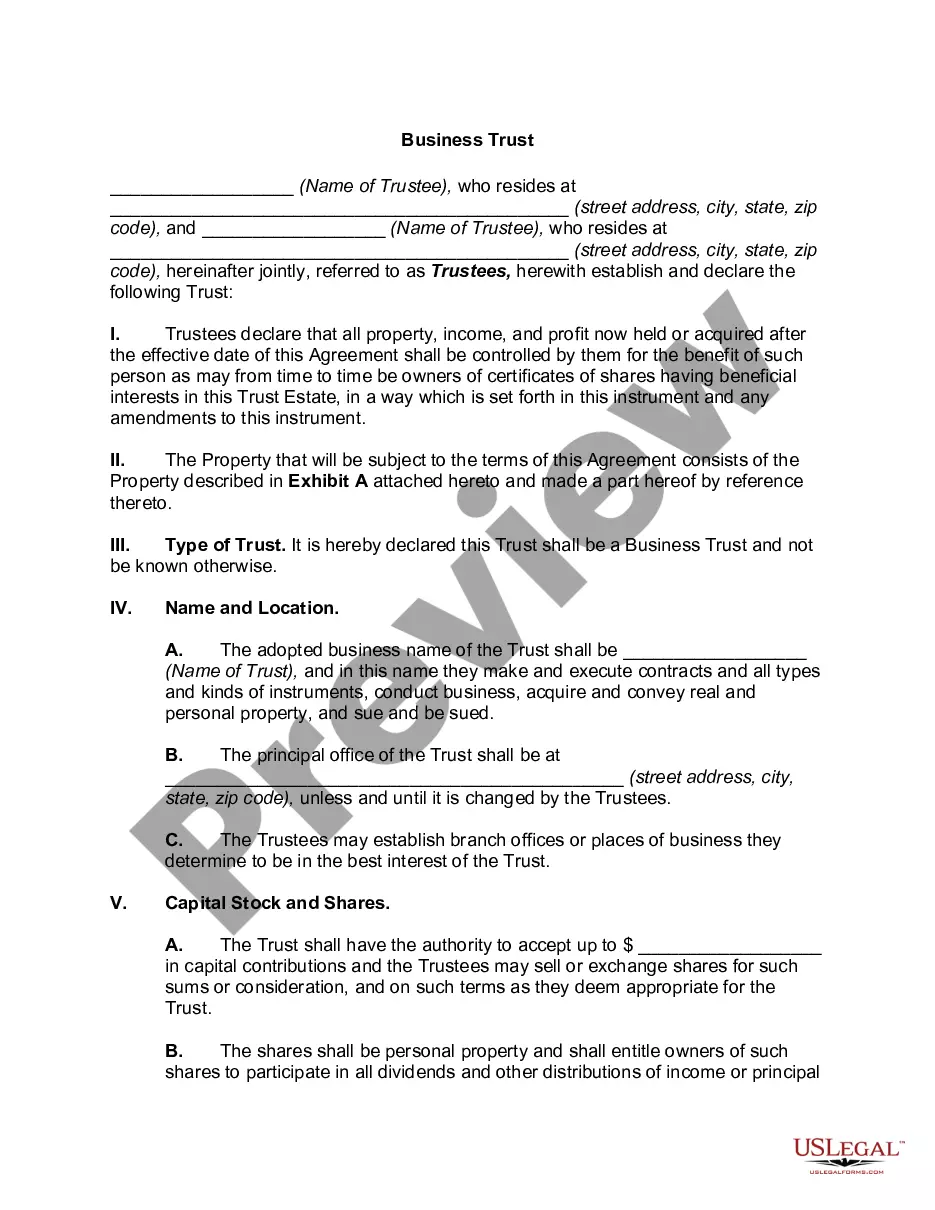
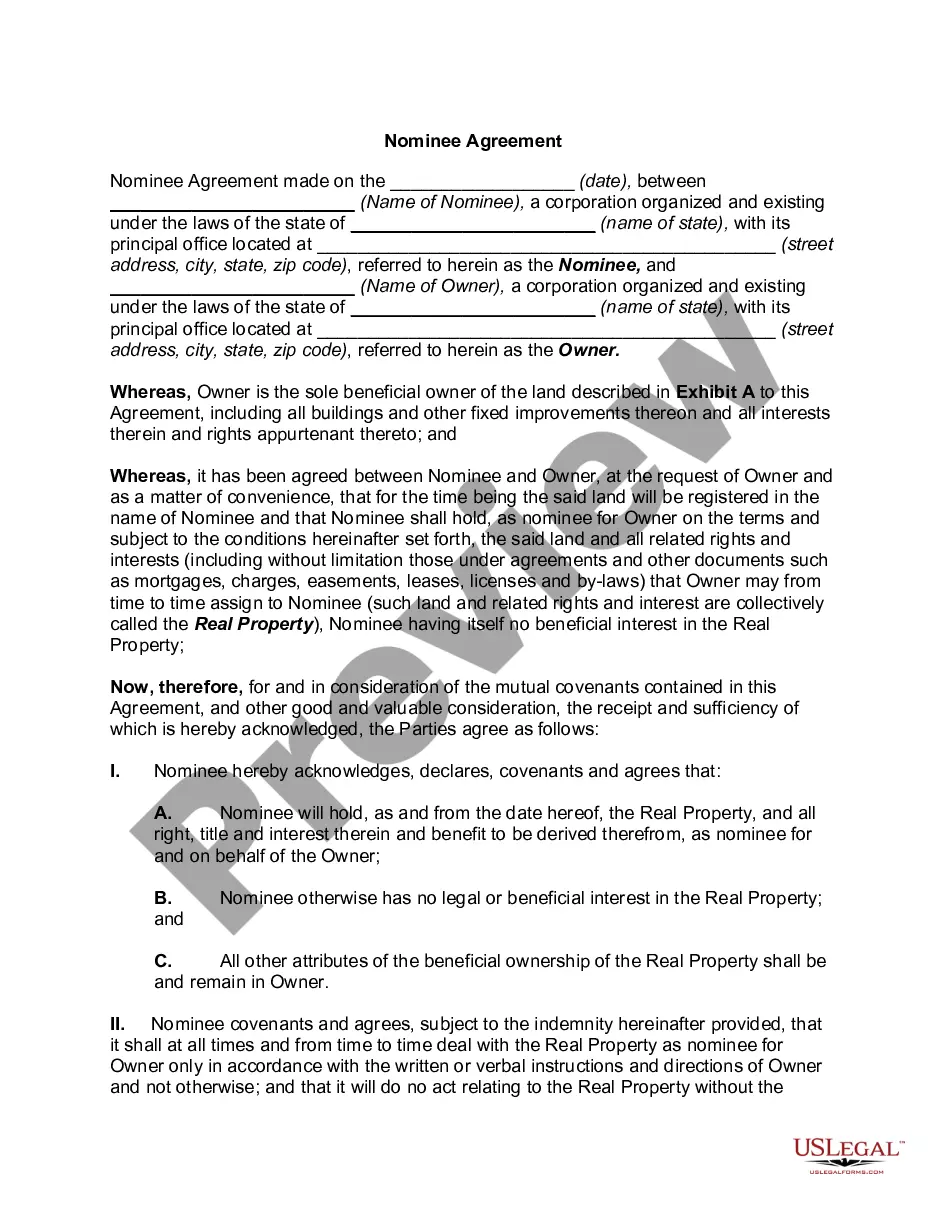
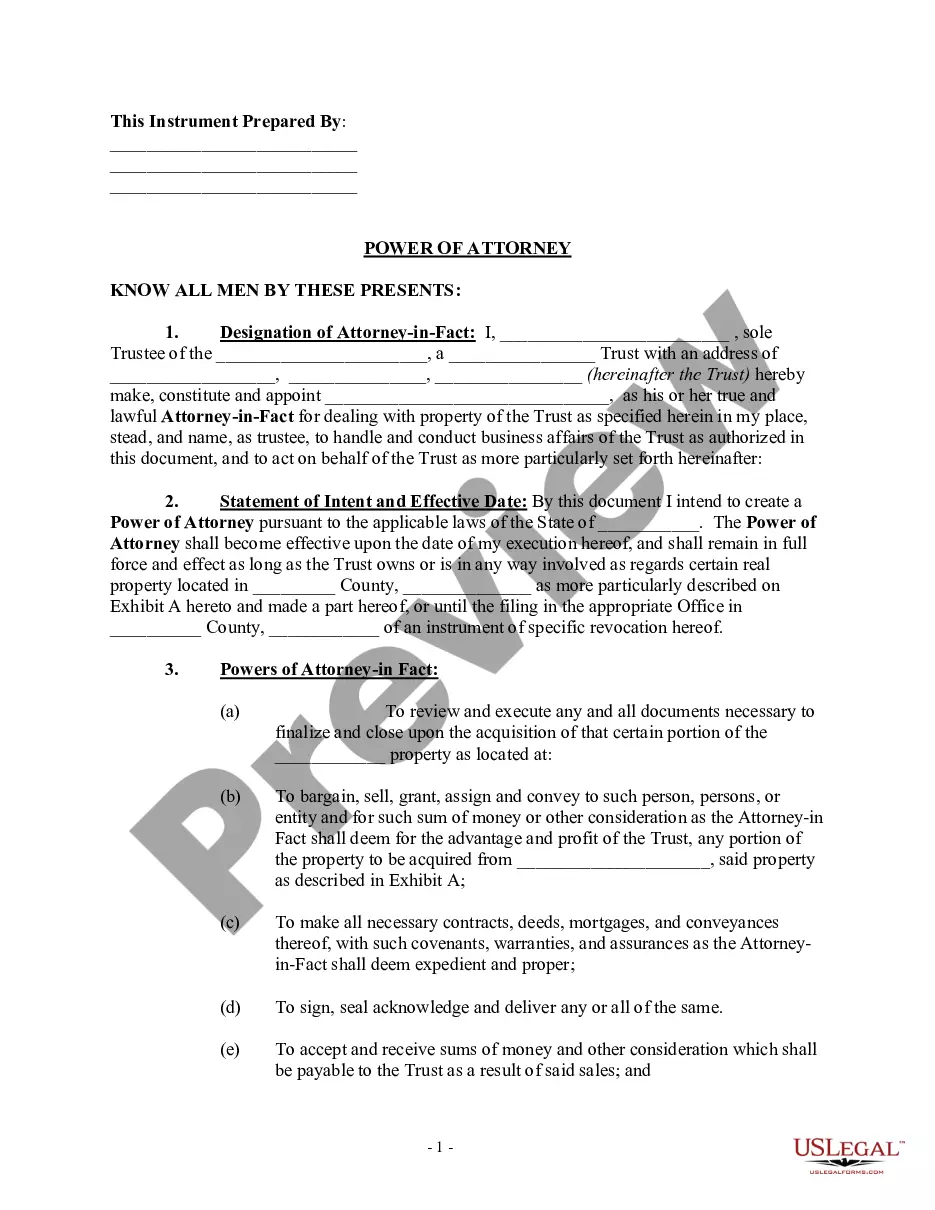
Get your form ready online
Our built-in tools help you complete, sign, share, and store your documents in one place.
Make edits, fill in missing information, and update formatting in US Legal Forms—just like you would in MS Word.
Download a copy, print it, send it by email, or mail it via USPS—whatever works best for your next step.
Sign and collect signatures with our SignNow integration. Send to multiple recipients, set reminders, and more. Go Premium to unlock E-Sign.
If this form requires notarization, complete it online through a secure video call—no need to meet a notary in person or wait for an appointment.
We protect your documents and personal data by following strict security and privacy standards.

Make edits, fill in missing information, and update formatting in US Legal Forms—just like you would in MS Word.

Download a copy, print it, send it by email, or mail it via USPS—whatever works best for your next step.

Sign and collect signatures with our SignNow integration. Send to multiple recipients, set reminders, and more. Go Premium to unlock E-Sign.

If this form requires notarization, complete it online through a secure video call—no need to meet a notary in person or wait for an appointment.

We protect your documents and personal data by following strict security and privacy standards.
Looking for another form?


Form popularity
FAQ
A house can remain in a trust for as long as you maintain the trust's terms and conditions. Property in trust after death formed can last indefinitely, depending on how the trust is structured. Some trusts are designed to exist for a certain period or until specific goals are achieved, while others can last for generations. It's essential to plan carefully and consult uslegalforms for guidance on your unique circumstances.
Generally, a will does not override a trust after death, as each serves different purposes. If you've established property in trust after death formed, those assets typically do not go through probate, regardless of what the will states. However, any assets not included in the trust might be distributed according to the will. Therefore, having both a trust and a will can create comprehensive estate planning.
While placing your house in a trust offers benefits, it also comes with drawbacks. For instance, you may face upfront costs for setting up the trust, as well as potential ongoing administrative fees. Additionally, transferring property to the trust can complicate your tax situation. It's wise to weigh these issues and consult with uslegalforms to ensure a well-informed decision regarding property in trust after death formed.
One effective way to leave property upon death is by establishing a trust. With property in trust after death formed, your assets can bypass probate, allowing for quicker and more private distribution. Additionally, placing property in a trust helps specify your wishes clearly and can protect assets from potential creditors. Consider using uslegalforms to create a trustworthy and legally sound estate plan.
The 5 year rule for trusts refers to the time frame regarding the gifting of assets, specifically for Medicaid and estate tax considerations. If assets are transferred to a trust less than five years before a person applies for Medicaid, those assets may be counted against eligibility. Understanding this rule is crucial for planning property in trust after death formed, particularly for those concerned about long-term care costs.
Generally, when assets are transferred into a trust, they are not subject to immediate taxation. However, the tax implications of property in trust after death formed can vary depending on the type of trust and the ownership structure. It is essential for trustees to consult tax professionals to understand the potential tax responsibilities and ensure compliance.
To transfer assets into a trust after death, the executor or personal representative typically identifies the decedent's assets and works with the trustee. They will need to collect necessary documentation, such as the death certificate and trust documents, and then formally transfer ownership to the trust. Utilizing a platform like US Legal Forms can simplify the process by providing necessary legal documents and guidance.
Some disadvantages of placing property in trust after death formed include the potential for high initial setup costs and ongoing management fees. Trust properties may also limit the owner's control over the assets, as they are entrusted to a designated trustee. Additionally, if not properly managed, trust disputes may arise, leading to conflicts among beneficiaries.
Yes, property can stay in trust after death, offering a seamless transition of ownership to designated beneficiaries. This allows for continued management and protection of the assets based on the terms set by the creator. Ultimately, establishing property in trust after death formed ensures your belongings are cared for as you intended.
If your parents want to simplify the inheritance process and avoid probate, putting their assets in a trust may be a wise decision. A trust can protect their property and ensure it is distributed according to their wishes after they pass away. It is important for families to consider property in trust after death formed as a solution to manage their affairs proactively.