Nominee Trust Definition For Tax
Description
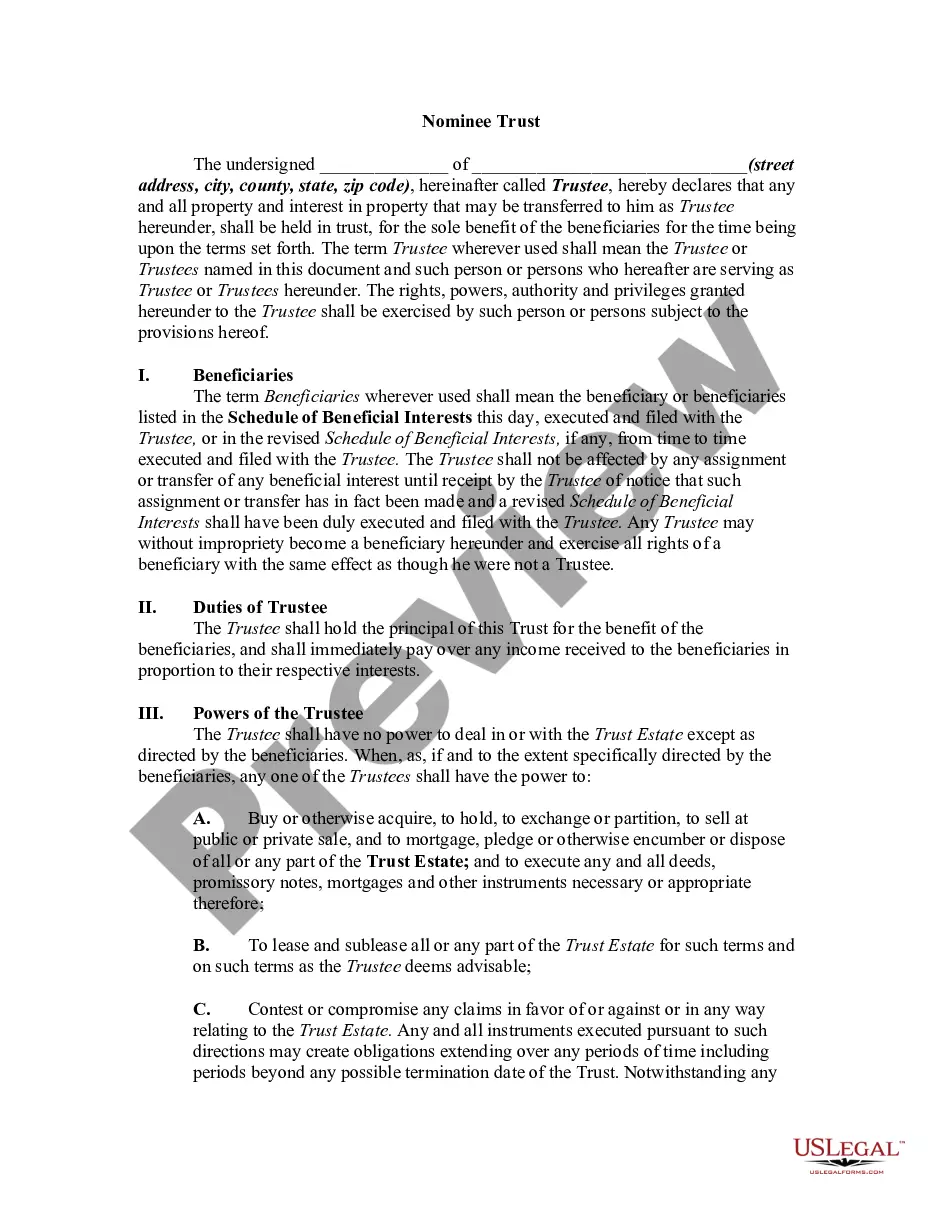
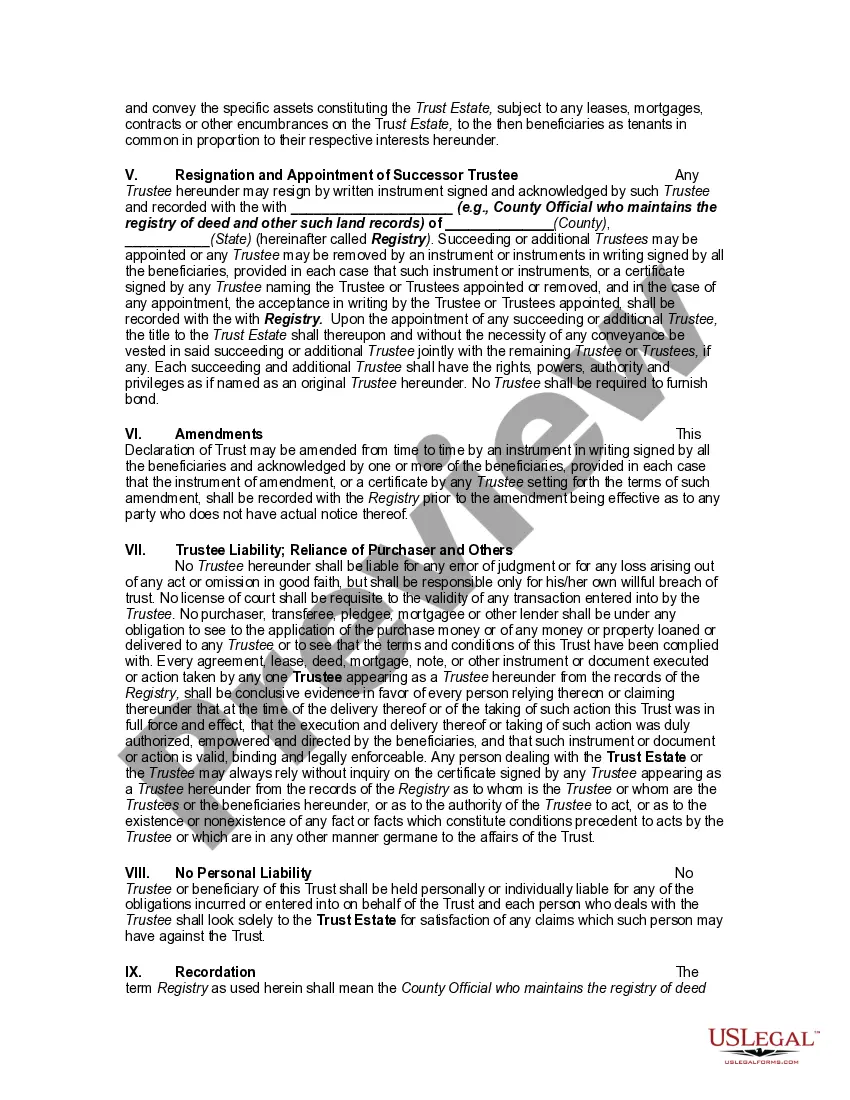
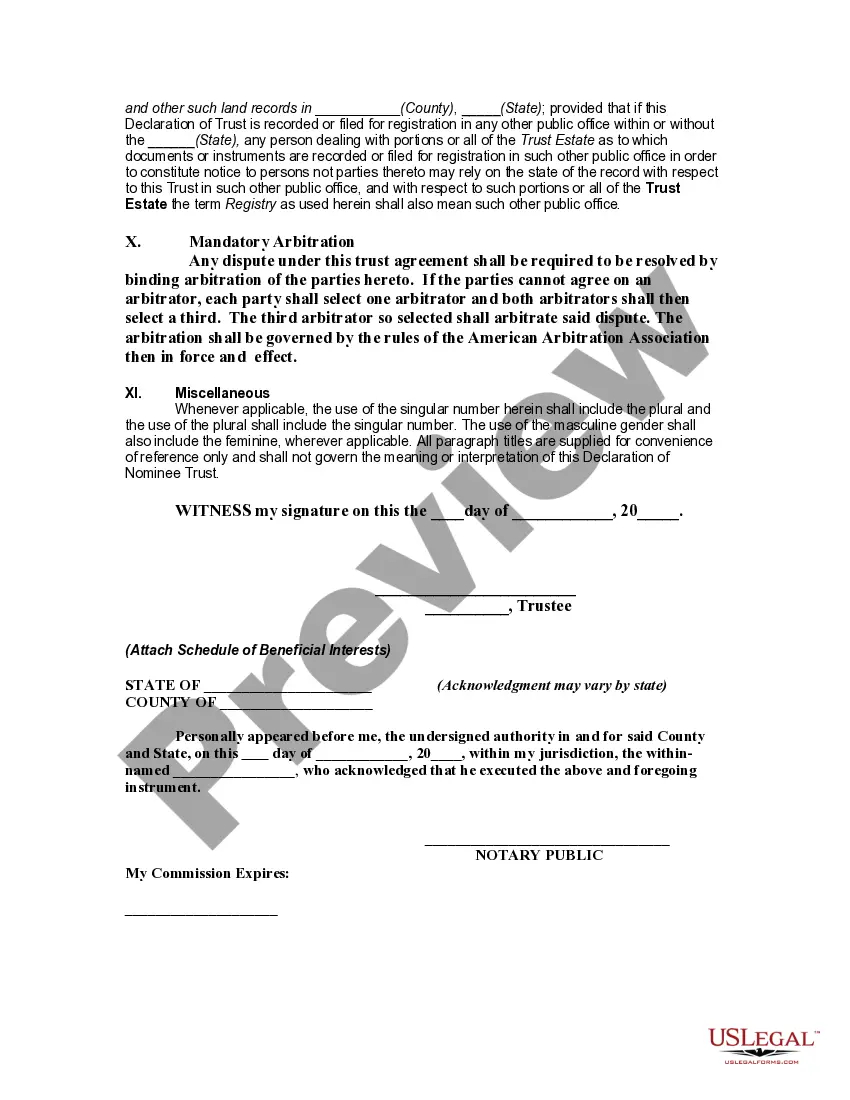
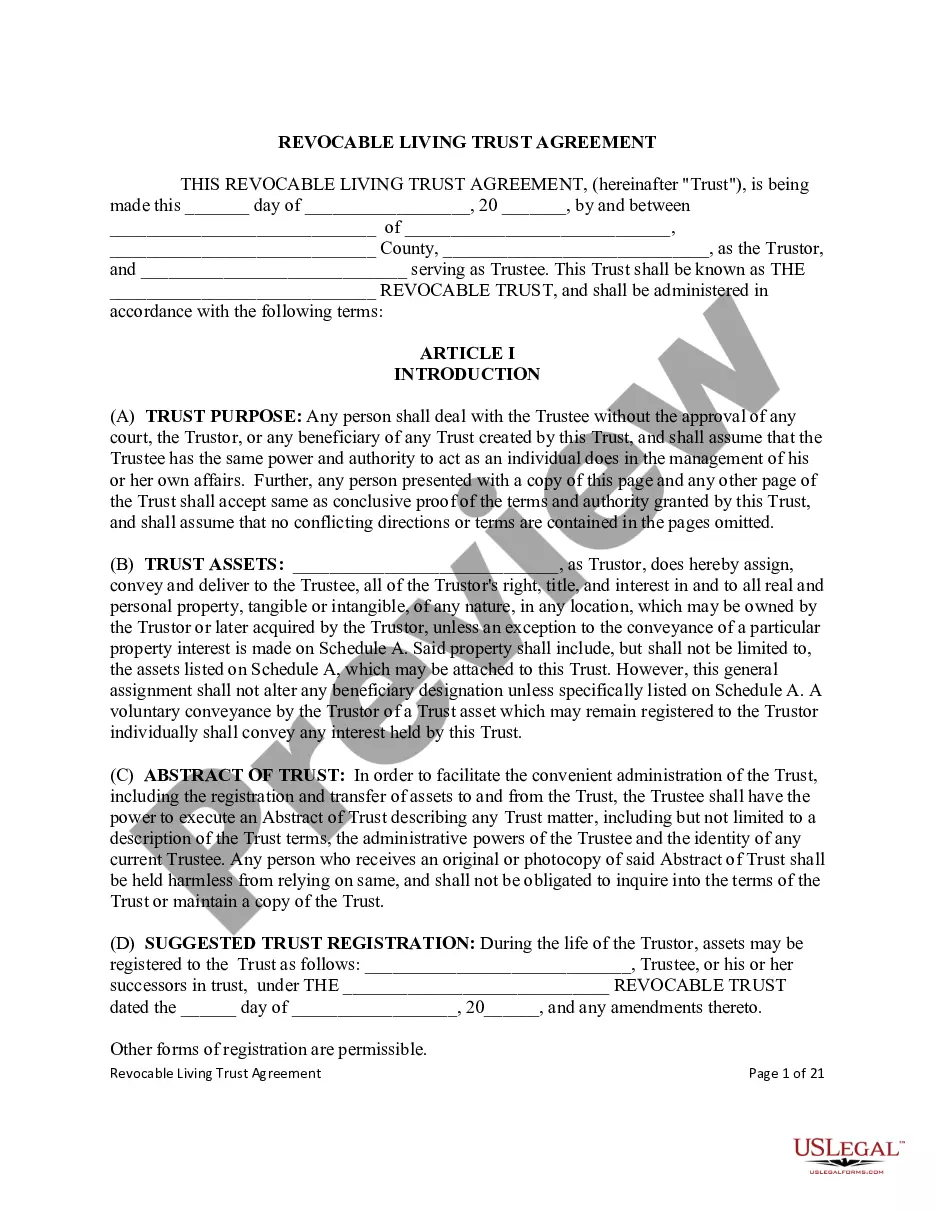

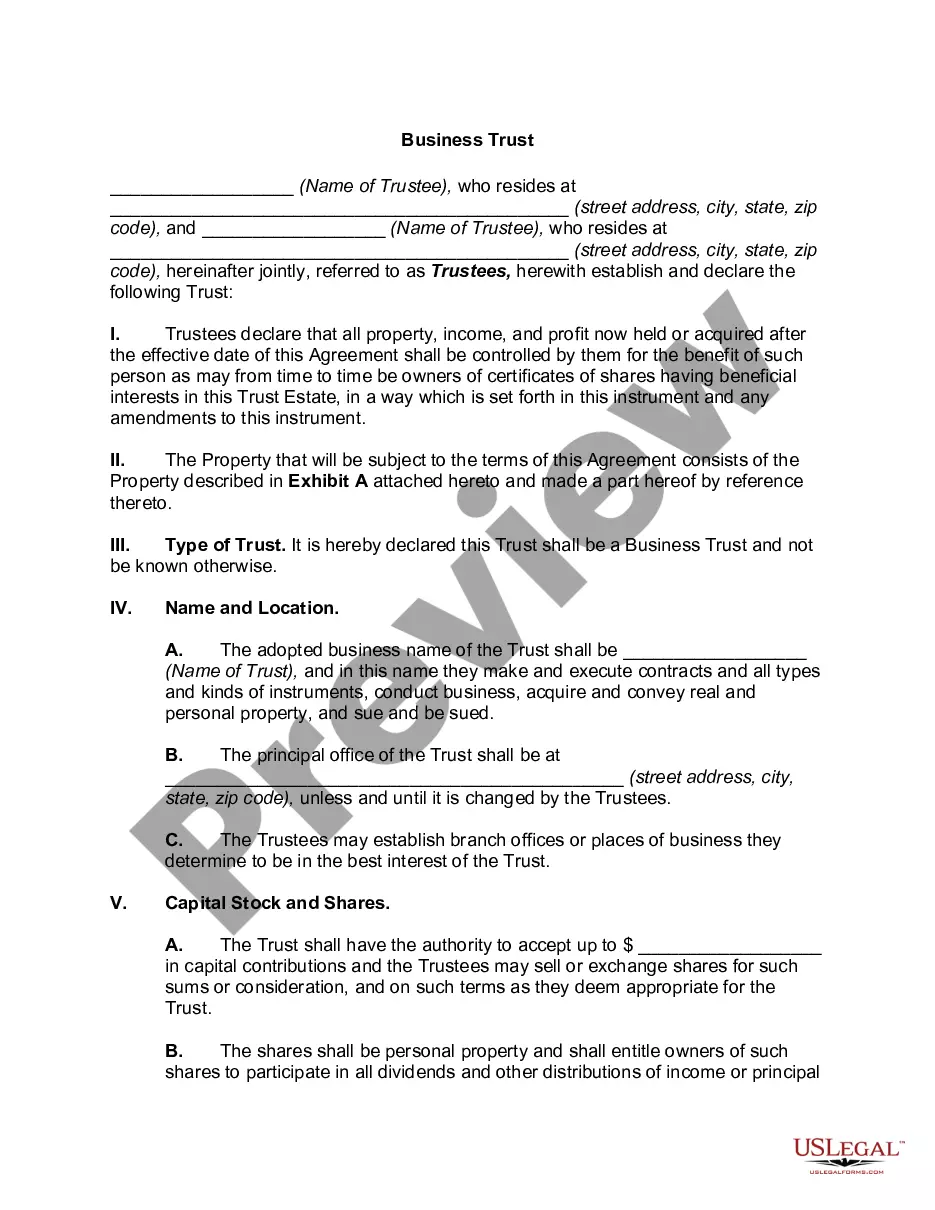
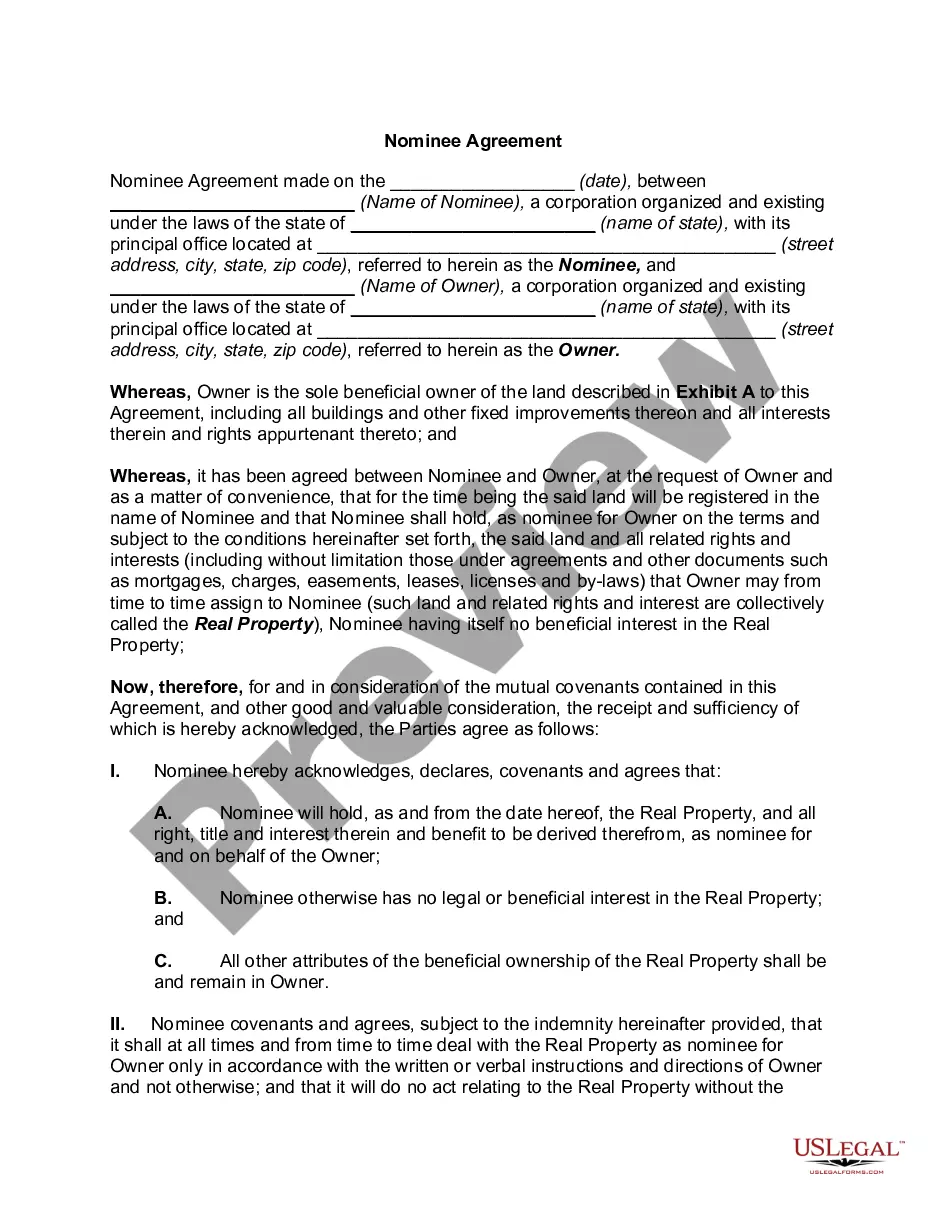

Get your form ready online
Our built-in tools help you complete, sign, share, and store your documents in one place.
Make edits, fill in missing information, and update formatting in US Legal Forms—just like you would in MS Word.
Download a copy, print it, send it by email, or mail it via USPS—whatever works best for your next step.
Sign and collect signatures with our SignNow integration. Send to multiple recipients, set reminders, and more. Go Premium to unlock E-Sign.
If this form requires notarization, complete it online through a secure video call—no need to meet a notary in person or wait for an appointment.
We protect your documents and personal data by following strict security and privacy standards.

Make edits, fill in missing information, and update formatting in US Legal Forms—just like you would in MS Word.

Download a copy, print it, send it by email, or mail it via USPS—whatever works best for your next step.

Sign and collect signatures with our SignNow integration. Send to multiple recipients, set reminders, and more. Go Premium to unlock E-Sign.

If this form requires notarization, complete it online through a secure video call—no need to meet a notary in person or wait for an appointment.

We protect your documents and personal data by following strict security and privacy standards.
Looking for another form?
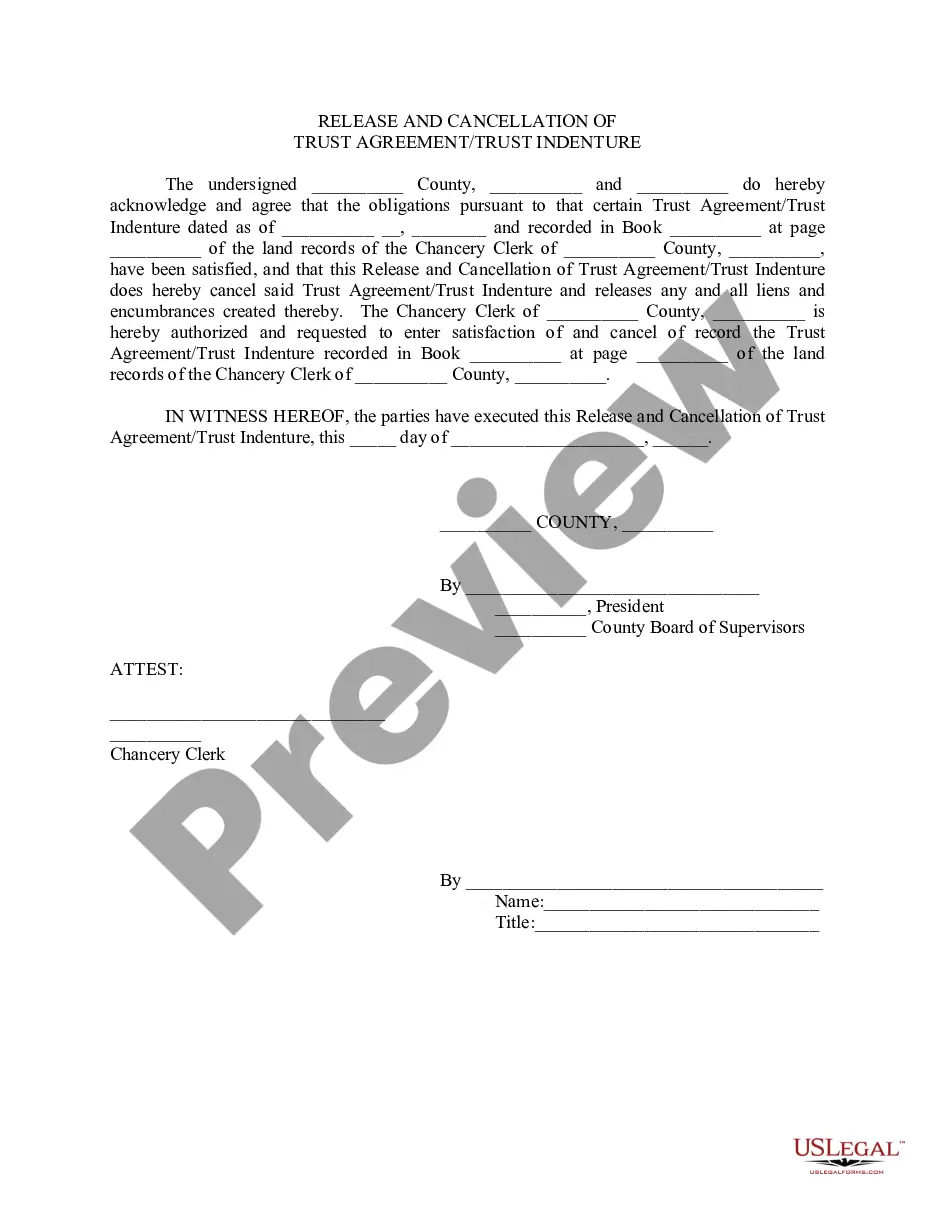
How to fill out Nominee Trust?
Whether for commercial purposes or personal concerns, everyone must confront legal matters eventually in their lifetime.
Filling out legal paperwork demands meticulous care, starting from choosing the appropriate template.
With a comprehensive US Legal Forms catalog available, you won’t need to waste time searching for the right template online. Utilize the library’s straightforward navigation to find the proper form for any situation.
- Locate the template you require by using the search bar or browsing the catalog.
- Review the form’s description to confirm it aligns with your circumstances, jurisdiction, and area.
- Click on the form’s preview to view it.
- If it is not the right form, return to the search feature to find the Nominee Trust Definition For Tax template you need.
- Download the template if it fits your requirements.
- If you already possess a US Legal Forms account, simply click Log in to access your previously stored forms in My documents.
- If you do not have an account yet, you can download the form by clicking Buy now.
- Choose the appropriate pricing option.
- Fill out the account registration form.
- Select your payment method: you may use a credit card or PayPal account.
- Choose the document format you desire and download the Nominee Trust Definition For Tax.
- Once it is saved, you can fill out the form using editing software or print it and complete it by hand.
Form popularity
FAQ
A nominee trust is a specific type of trust where a nominee holds assets on behalf of the actual beneficiaries. This arrangement facilitates easier management of assets while also addressing tax obligations. If you want to explore the nominee trust definition for tax in more detail, consider using USLegalForms to create a customized solution that meets your needs.
The primary purpose of a nominee agreement is to outline the roles and responsibilities of the nominee regarding the assets they manage. It establishes trust between the parties involved, clearly defining how assets will be handled and who ultimately benefits from them. This aligns closely with the nominee trust definition for tax, ensuring transparency and clarity in financial dealings.
A trust is a legal arrangement that holds assets for the benefit of specific individuals, while a nominee serves merely as a representative for someone else, without inherent control over the assets. The nominee trust definition for tax implies that it combines features of both, where the nominee manages assets but does not benefit from them directly. This setup can simplify tax reporting and asset management, increasing efficiency.
The nominee and beneficiary serve different roles in the context of a trust. A nominee acts as a placeholder, holding assets on behalf of another person, while a beneficiary is the individual entitled to receive benefits from those assets. Understanding this distinction is crucial for anyone considering the nominee trust definition for tax purposes, as it impacts how assets are managed and distributed.
A nominee is a person who will hold an owner's assets in trust after the latter's death. They will be the custodian of the asset till it is transferred to the legal heirs. They are not the owners of the asset and are dutybound to make sure the asset goes to the rightful beneficiary.
Nominee trusts can be used to avoid reporting the ownership of real estate on the public record. The deed, or other filed document, lists the trustee but not the undisclosed principals. Nominee trusts can be used to avoid shares being registered in the names of the beneficiaries.
DTD is just an abbreviation for "dated," meaning the date the trust was signed. When referring to a trust, one should always use the date of the trust.
A Declaration of Trust is a legal document confirming the terms on which an asset, such as a property, is held on trust. The document usually records the portion of the ownership of the property, as well as other terms agreed by the parties.
66.In this context a nominee is a person appointed by the trustees to hold trust property in his or her own name. Thus, a person may be registered as the owner of certain shares in a company but may in fact hold them as nominee for a trust.