Closing Residential Property With Built-in Gain
Description
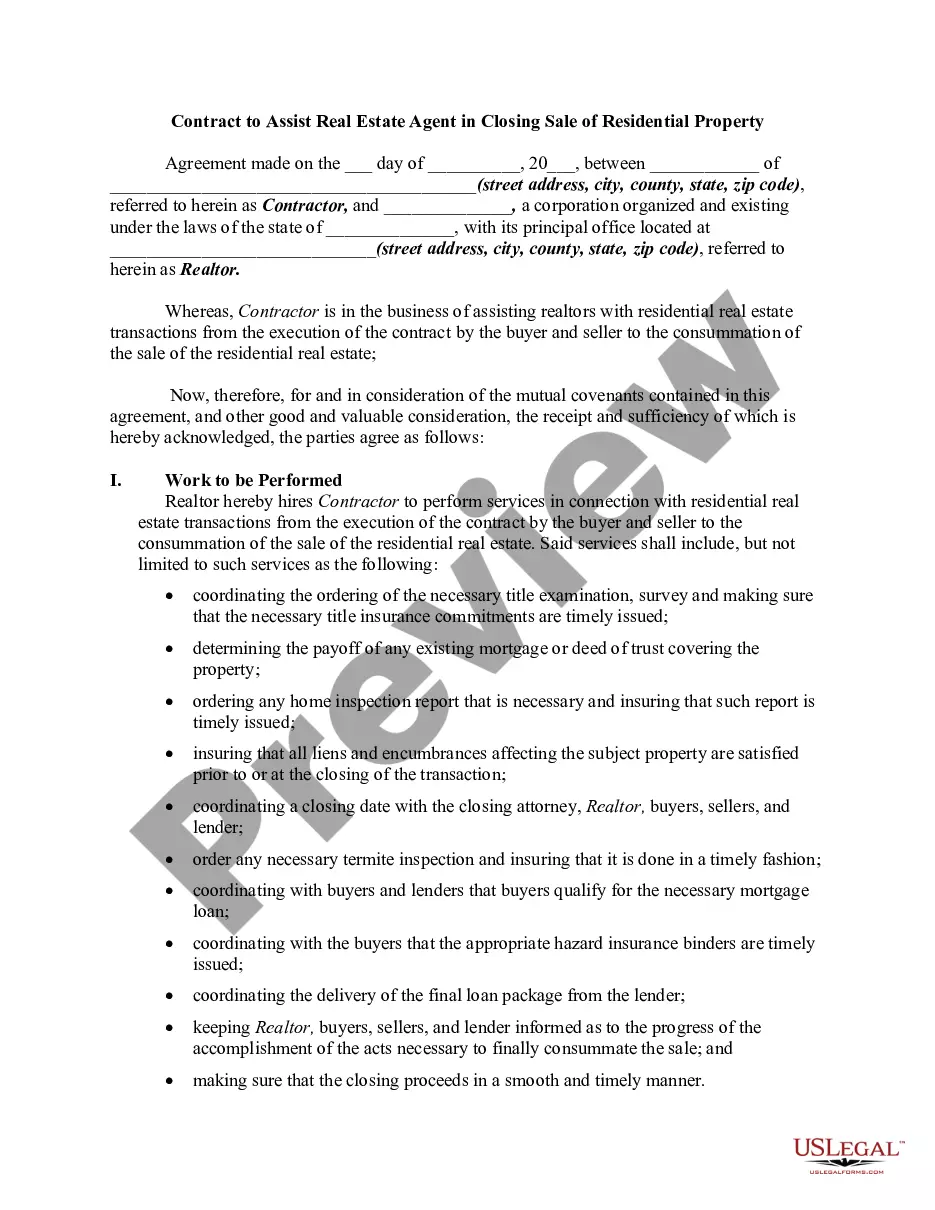
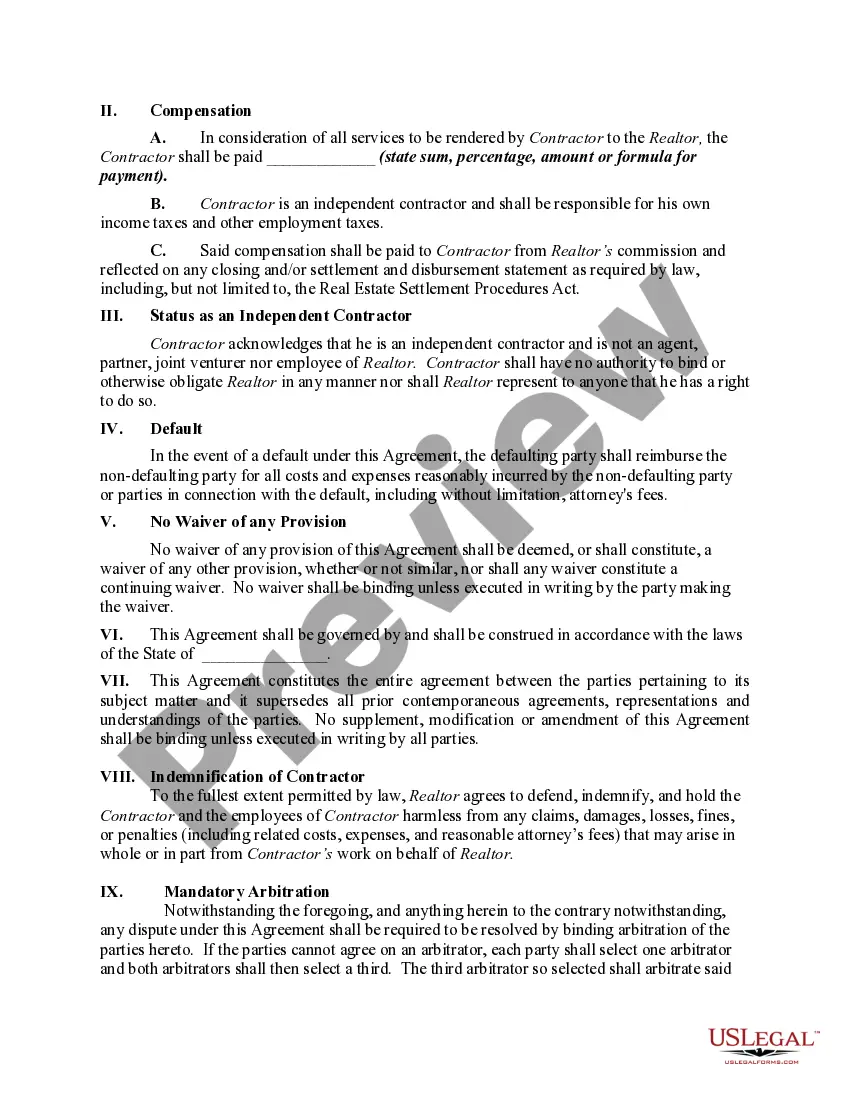
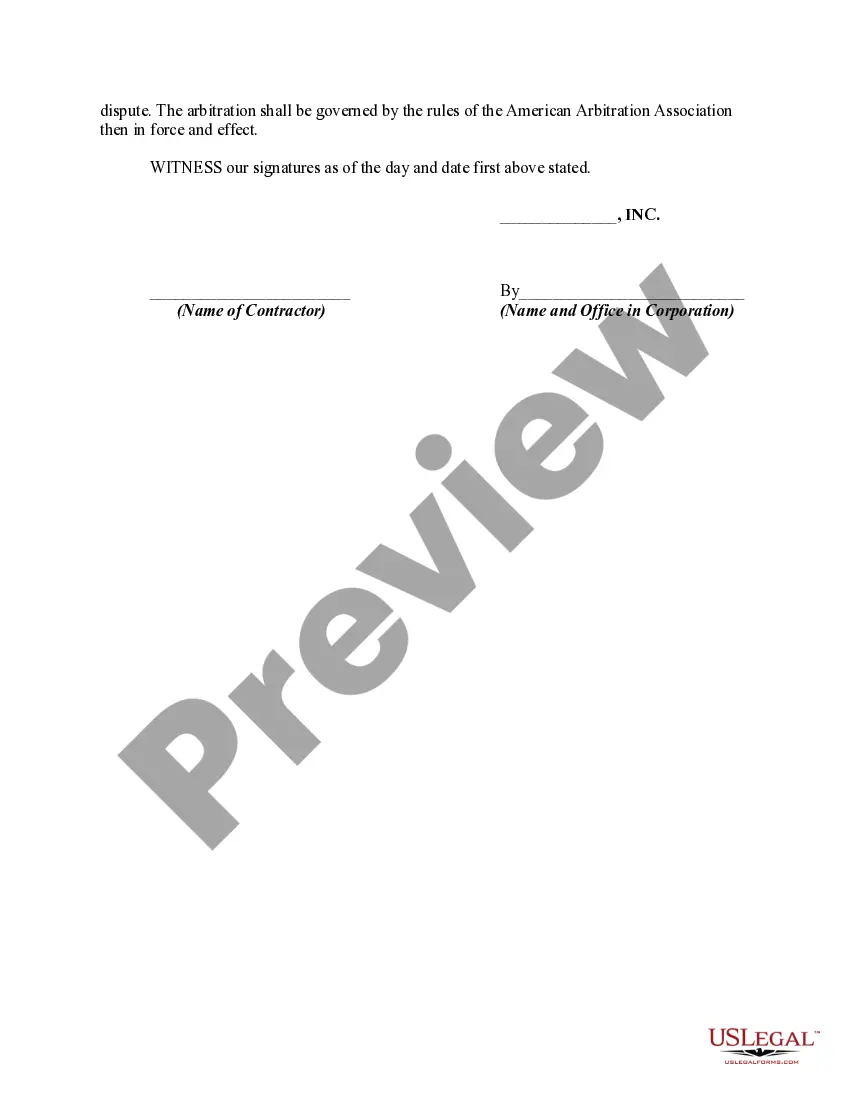
Get your form ready online
Our built-in tools help you complete, sign, share, and store your documents in one place.
Make edits, fill in missing information, and update formatting in US Legal Forms—just like you would in MS Word.
Download a copy, print it, send it by email, or mail it via USPS—whatever works best for your next step.
Sign and collect signatures with our SignNow integration. Send to multiple recipients, set reminders, and more. Go Premium to unlock E-Sign.
If this form requires notarization, complete it online through a secure video call—no need to meet a notary in person or wait for an appointment.
We protect your documents and personal data by following strict security and privacy standards.

Make edits, fill in missing information, and update formatting in US Legal Forms—just like you would in MS Word.

Download a copy, print it, send it by email, or mail it via USPS—whatever works best for your next step.

Sign and collect signatures with our SignNow integration. Send to multiple recipients, set reminders, and more. Go Premium to unlock E-Sign.

If this form requires notarization, complete it online through a secure video call—no need to meet a notary in person or wait for an appointment.

We protect your documents and personal data by following strict security and privacy standards.
Looking for another form?
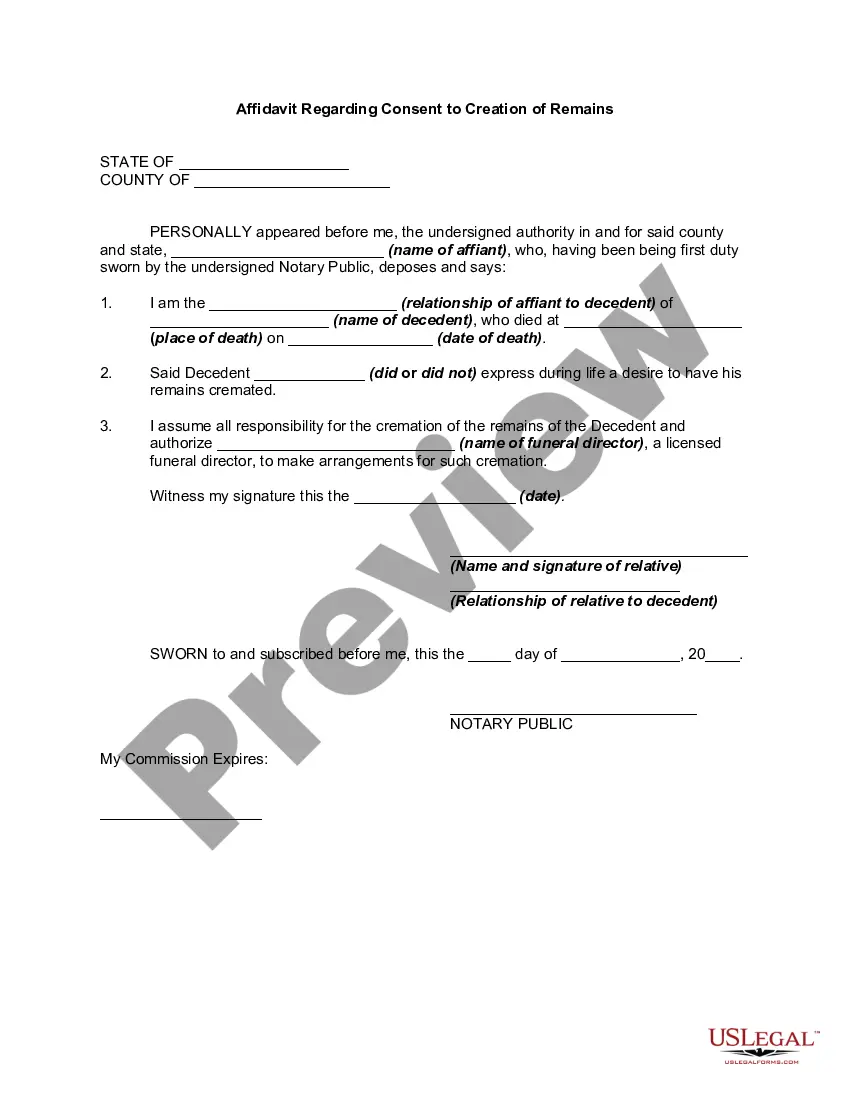







How to fill out Contract To Assist Real Estate Agent Or Realtor In Closing Sale Of Residential Property?
Working with legal papers and operations might be a time-consuming addition to your entire day. Closing Residential Property With Built-in Gain and forms like it typically require you to look for them and understand the best way to complete them effectively. For that reason, if you are taking care of economic, legal, or personal matters, using a comprehensive and practical web catalogue of forms when you need it will go a long way.
US Legal Forms is the top web platform of legal templates, featuring more than 85,000 state-specific forms and a number of resources to assist you complete your papers quickly. Discover the catalogue of pertinent papers available to you with just one click.
US Legal Forms gives you state- and county-specific forms offered by any time for downloading. Safeguard your papers managing operations having a top-notch service that lets you make any form in minutes without any additional or hidden charges. Just log in in your profile, find Closing Residential Property With Built-in Gain and acquire it straight away from the My Forms tab. You can also gain access to previously saved forms.
Could it be your first time using US Legal Forms? Sign up and set up up a free account in a few minutes and you’ll get access to the form catalogue and Closing Residential Property With Built-in Gain. Then, adhere to the steps listed below to complete your form:
- Be sure you have found the correct form by using the Preview feature and reading the form information.
- Pick Buy Now as soon as all set, and choose the monthly subscription plan that meets your needs.
- Press Download then complete, eSign, and print out the form.
US Legal Forms has 25 years of experience helping users control their legal papers. Discover the form you require right now and improve any process without breaking a sweat.
Form popularity
FAQ
One of the most popular ways to save tax on the sale of residential property is to reinvest the capital gains in another residential property. To qualify for this exemption under Section 54 of the Income Tax Act, 1961, you will need to purchase a new property either one year before or two years after the sale.
Exemptions on Long-Term Capital Gains Tax Residential Indians of 80 years of age or above will be exempted if their Annual Income is below Rs. 5,00,000. Residential Indians between 60 to 80 years of age will be exempted from long-term capital gains tax in 2021 if they earn Rs. 3,00,000 per annum.
Under Section 54, you are exempt from paying LTCG tax if you buy a new house either 1 year before the sale of the old property or within 2 years of selling it. If you are planning to construct a new house, this should be done within 3 years of sale of the old property.
Section 54 of the income tax act states exemption on long term capital gains for the sale of a residential property. Entire capital gain needs to be invested to claim full exemption. When entire capital gains is not invested the leftover amount is charged for taxation as long term capital gains.
Explanation: The exemption under section 54 is allowed only if the capital gain arises from the transfer of a long-term capital asset being a residential house property or land appurtenant thereto whose income is taxable under the head of 'income from house property'.