Affirmative Defenses In Contract Cases
Description
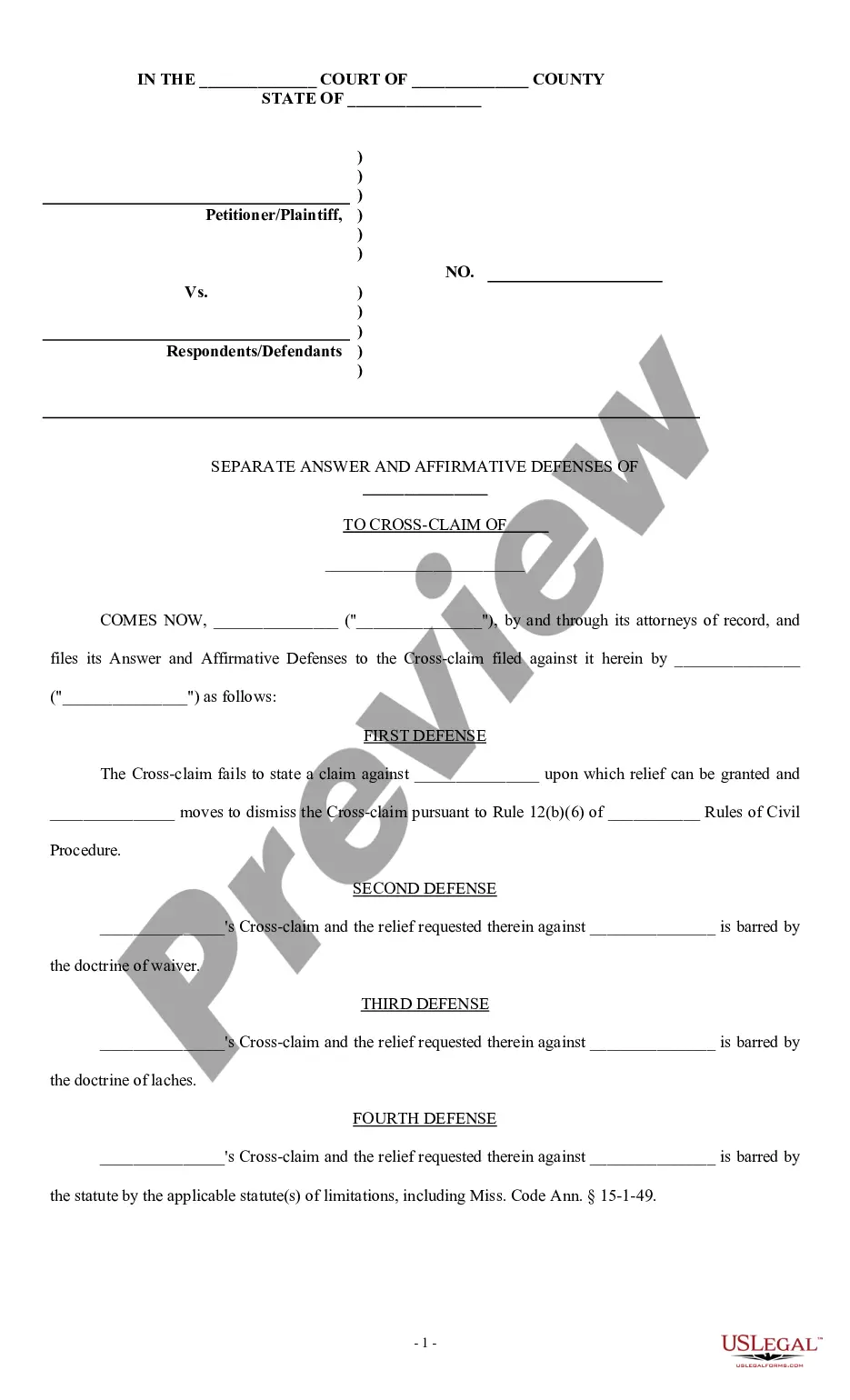
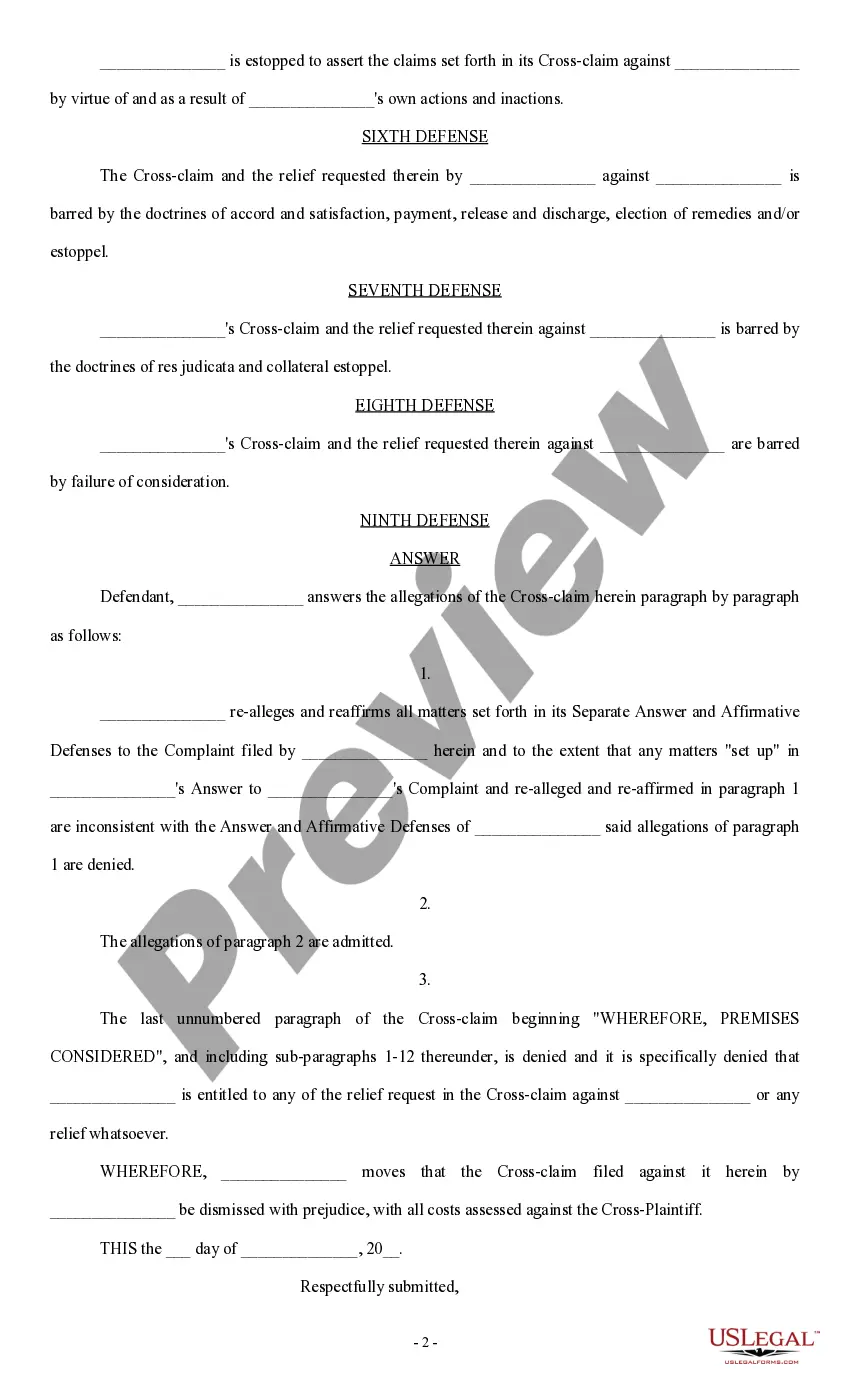
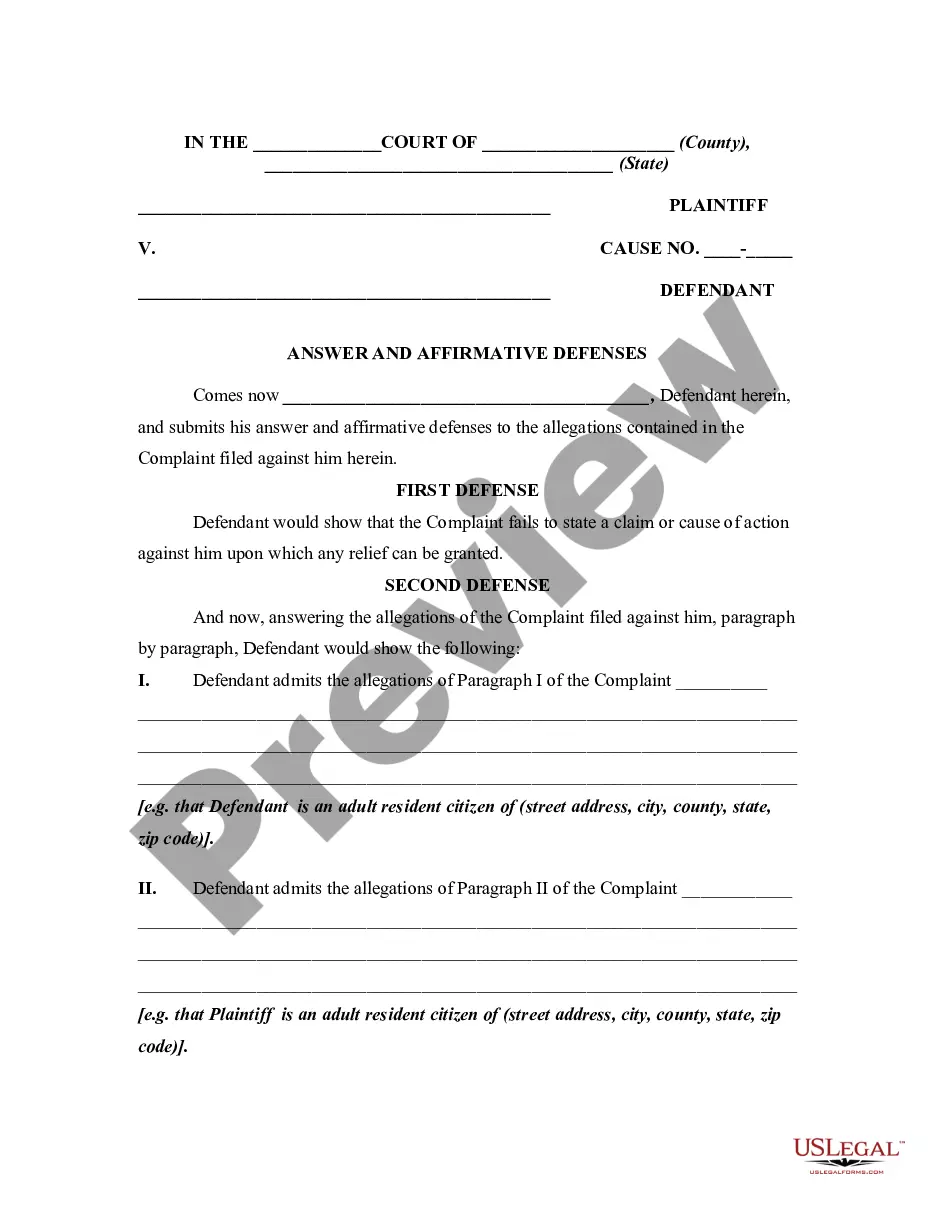
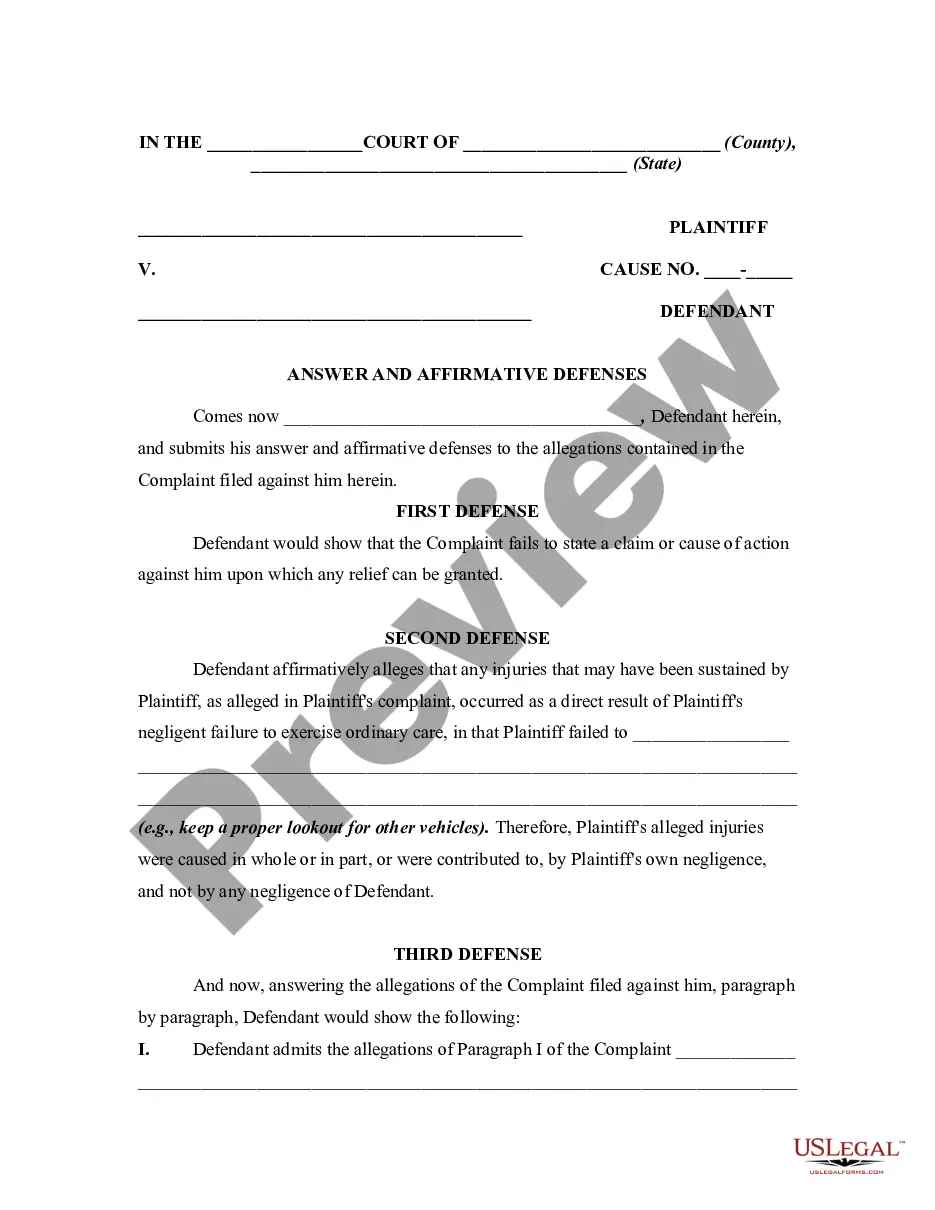
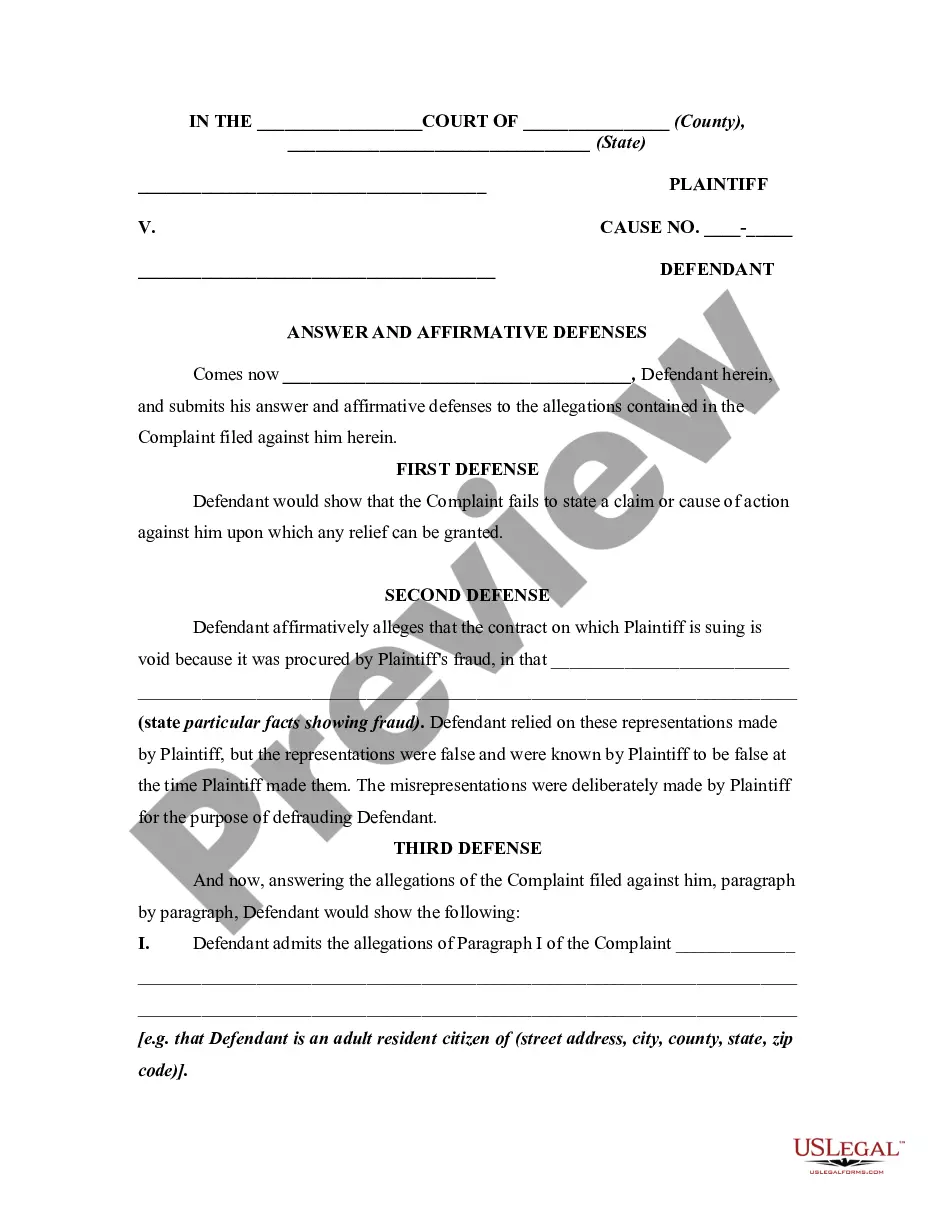
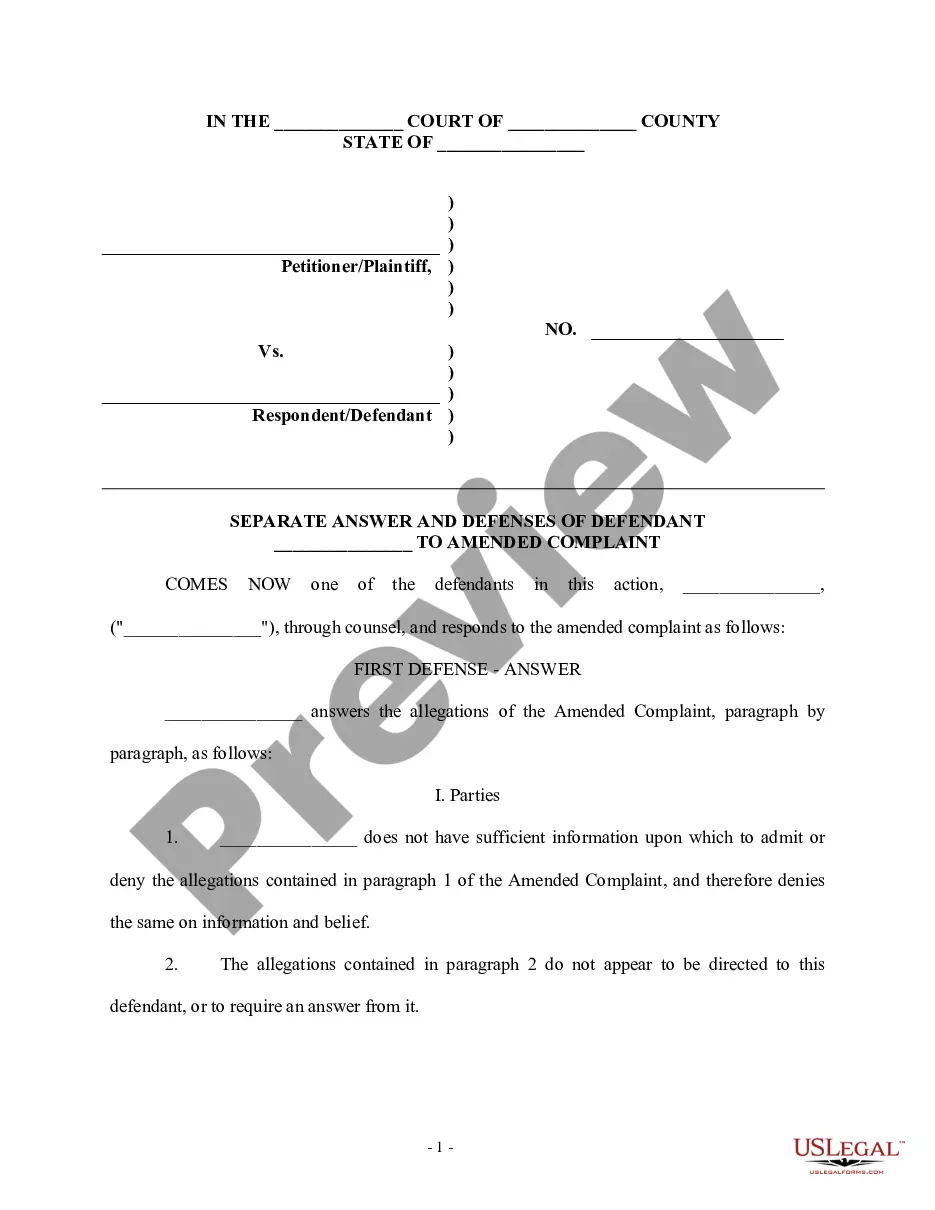
Get your form ready online
Our built-in tools help you complete, sign, share, and store your documents in one place.
Make edits, fill in missing information, and update formatting in US Legal Forms—just like you would in MS Word.
Download a copy, print it, send it by email, or mail it via USPS—whatever works best for your next step.
Sign and collect signatures with our SignNow integration. Send to multiple recipients, set reminders, and more. Go Premium to unlock E-Sign.
If this form requires notarization, complete it online through a secure video call—no need to meet a notary in person or wait for an appointment.
We protect your documents and personal data by following strict security and privacy standards.

Make edits, fill in missing information, and update formatting in US Legal Forms—just like you would in MS Word.

Download a copy, print it, send it by email, or mail it via USPS—whatever works best for your next step.

Sign and collect signatures with our SignNow integration. Send to multiple recipients, set reminders, and more. Go Premium to unlock E-Sign.

If this form requires notarization, complete it online through a secure video call—no need to meet a notary in person or wait for an appointment.

We protect your documents and personal data by following strict security and privacy standards.
Looking for another form?







How to fill out Separate Answer And Affirmative Defenses To Crossclaim?
Handling legal paperwork and procedures can be a lengthy addition to your entire day.
Affirmative Defenses In Contract Cases and forms similar to it typically require you to search for them and learn how to fill them out accurately.
For this reason, whether you are managing financial, legal, or personal issues, utilizing a thorough and effective online library of forms when necessary will be beneficial.
US Legal Forms is the premier online platform for legal templates, featuring over 85,000 state-specific documents and several tools that will assist you in completing your paperwork swiftly.
Is it your first time using US Legal Forms? Register and create a free account in just a few minutes and you’ll gain access to the form library and Affirmative Defenses In Contract Cases. Then, follow these steps to complete your form: Ensure you have the correct document by using the Preview feature and reviewing the form details. Click Buy Now when ready, and select the subscription plan that fits your requirements. Click Download then fill out, eSign, and print the form. US Legal Forms has twenty-five years of experience assisting clients in managing their legal documents. Obtain the form you need today and simplify any process effortlessly.
- Browse the collection of relevant documents available to you with just one click.
- US Legal Forms provides state- and county-specific documents available for download at any time.
- Protect your document management process with a high-quality service that allows you to create any form in minutes without incurring additional or concealed fees.
- Simply Log In to your account, locate Affirmative Defenses In Contract Cases, and obtain it right away in the My documents section.
- You can also access previously downloaded documents.
Form popularity
FAQ
The most common defenses to enforcement of a contract or liability for damages are: Enforcement of the contract would violate public policy. ... Performance of the contract has become impossible or the purpose of the contract has become frustrated. ... The contract is illegal. ... The contract lacks consideration.
If you want the judge to consider your legal defenses, you must include them in the form you file to respond to the lawsuit (your Answer). Include any possible defense you want the judge to consider in your Answer. You can focus on one, once you've collected more evidence while preparing for your trial.
Impossibility, impracticability, or frustration of purpose. In general, these defenses allege the breaching party could not perform their contractual obligations because of factors beyond their control. They would have performed but couldn't because circumstances made it impossible or impracticable to do so.
Self-defense, entrapment, insanity, necessity, and respondeat superior are some examples of affirmative defenses. Under the Federal Rules of Civil Procedure Rule 56, any party may make a motion for summary judgment on an affirmative defense.
A few examples of an affirmative defense against a breach-of-contract claim include: You may state that the contract is an oral contract and should have been in writing. You will need to prove that the contract should have been in writing and that it was not in writing.