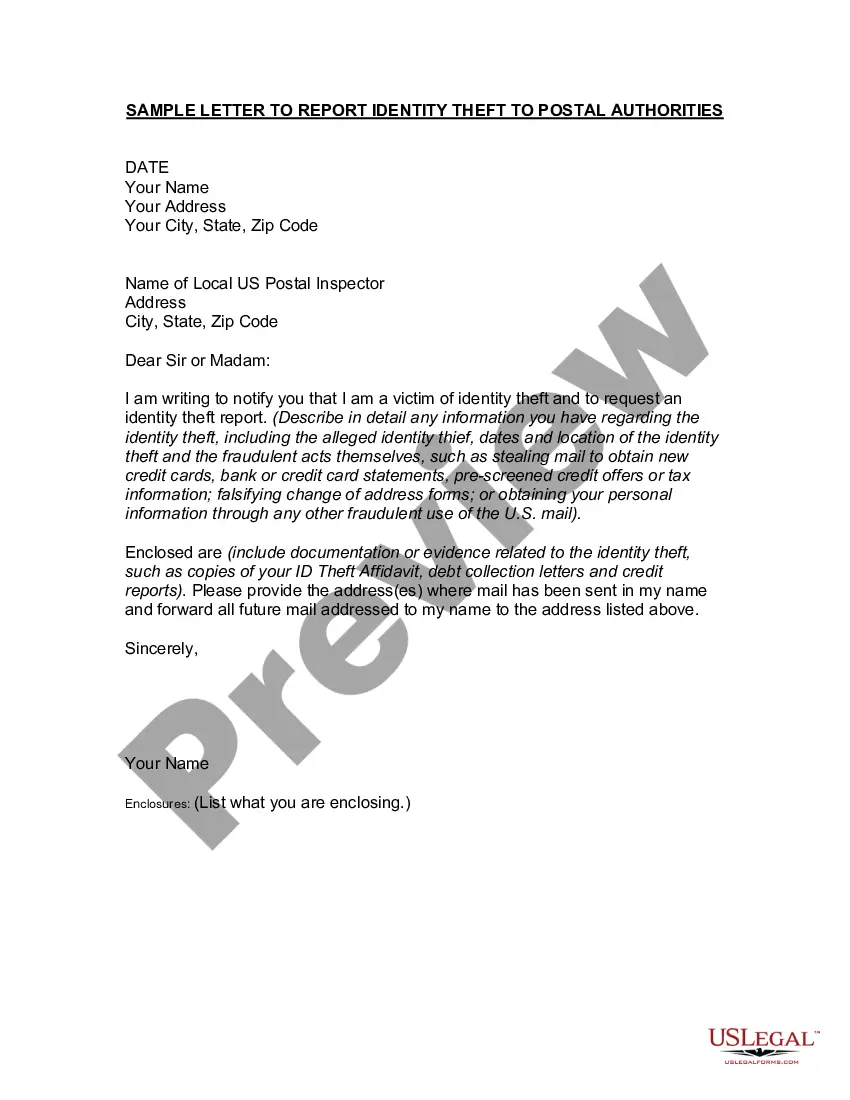
Letter Notifying Identity With Name Change
Description
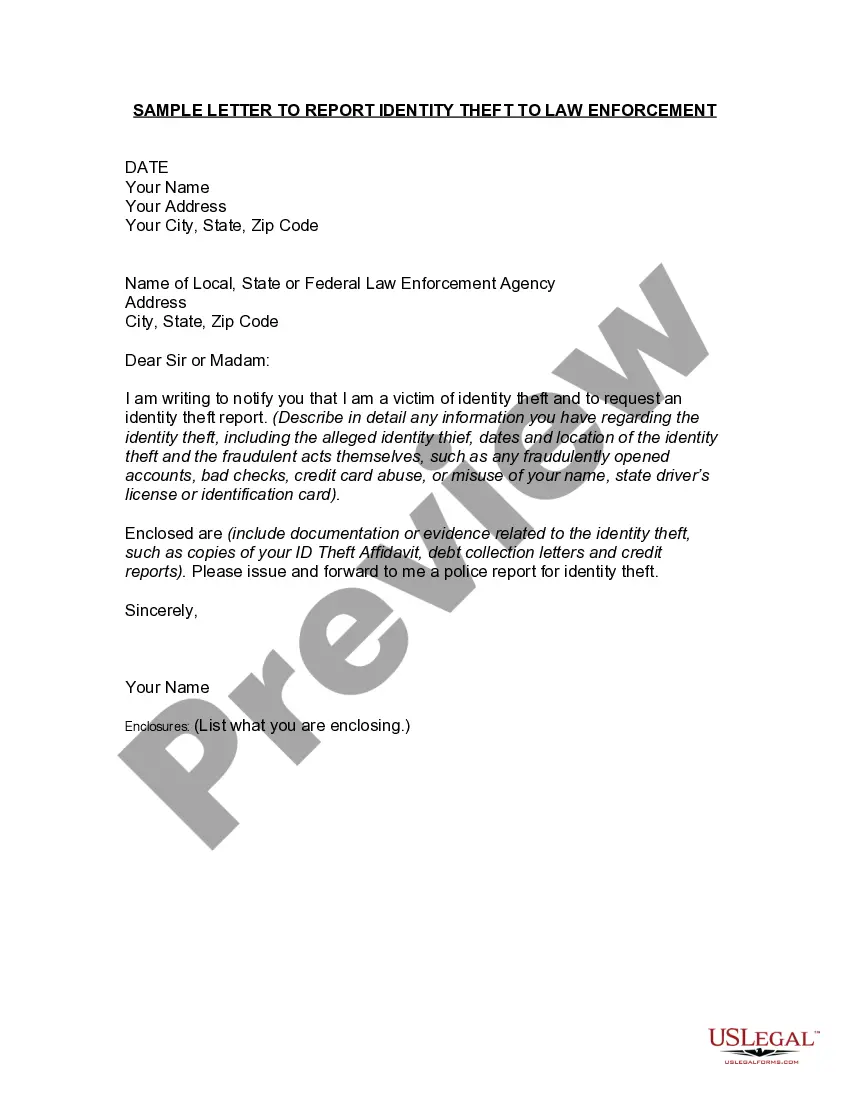
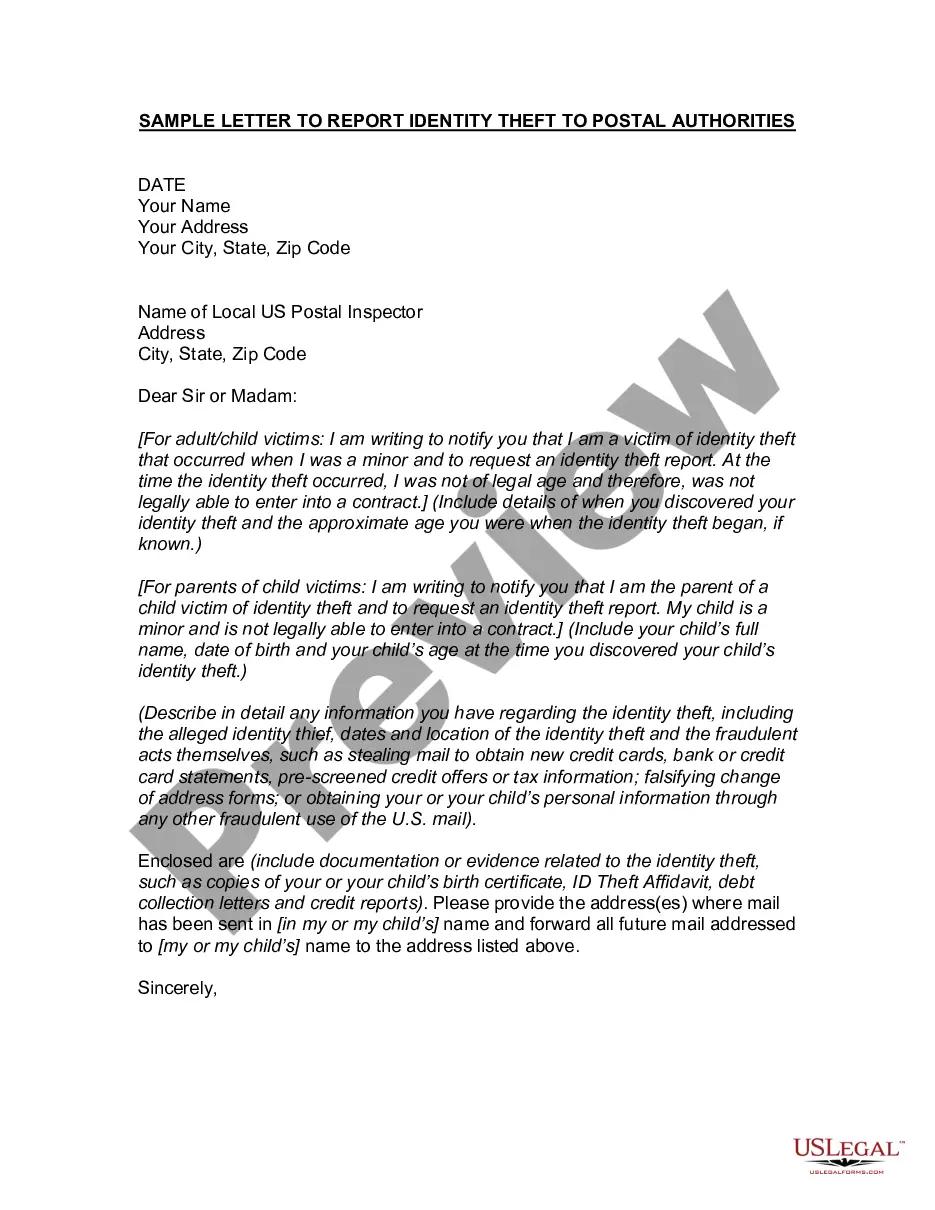
Get your form ready online
Our built-in tools help you complete, sign, share, and store your documents in one place.
Make edits, fill in missing information, and update formatting in US Legal Forms—just like you would in MS Word.
Download a copy, print it, send it by email, or mail it via USPS—whatever works best for your next step.
Sign and collect signatures with our SignNow integration. Send to multiple recipients, set reminders, and more. Go Premium to unlock E-Sign.
If this form requires notarization, complete it online through a secure video call—no need to meet a notary in person or wait for an appointment.
We protect your documents and personal data by following strict security and privacy standards.

Make edits, fill in missing information, and update formatting in US Legal Forms—just like you would in MS Word.

Download a copy, print it, send it by email, or mail it via USPS—whatever works best for your next step.

Sign and collect signatures with our SignNow integration. Send to multiple recipients, set reminders, and more. Go Premium to unlock E-Sign.

If this form requires notarization, complete it online through a secure video call—no need to meet a notary in person or wait for an appointment.

We protect your documents and personal data by following strict security and privacy standards.
Looking for another form?








How to fill out Letter Notifying Postal Authorities Of Identity Theft?
Whether for commercial reasons or for personal issues, everyone must deal with legal matters at some stage in their life.
Completing legal documents requires meticulous care, starting with selecting the correct form template.
With a comprehensive US Legal Forms catalog at your disposal, you never have to waste time searching for the right template across the web. Take advantage of the library’s user-friendly navigation to find the suitable form for any circumstance.
- For instance, if you choose an incorrect version of the Letter Informing Identity About Name Change, it will be rejected upon submission.
- Thus, it is vital to have a reliable source of legal documents such as US Legal Forms.
- If you need to acquire a Letter Informing Identity About Name Change template, follow these simple steps.
- Obtain the template you need through the search bar or catalog navigation.
- Review the form’s details to ensure it aligns with your situation, state, and locality.
- Click on the form’s preview to view it.
- If it is the wrong document, return to the search feature to find the Letter Informing Identity About Name Change template you require.
- Download the document once it meets your specifications.
- If you already possess a US Legal Forms account, simply click Log in to access previously saved documents in My documents.
- If you do not yet have an account, you can acquire the form by clicking Buy now.
- Select the appropriate pricing option.
- Complete the account registration form.
- Choose your payment method: use a credit card or PayPal account.
- Select the file format you desire and download the Letter Informing Identity About Name Change.
- Once saved, you can fill out the form using editing software or print it and complete it manually.
Form popularity
FAQ
To prove your identity after a name change, you should gather documents that reflect both your old and new names. A Letter notifying identity with name change is essential; it serves as an official notice to various institutions about your name change. Alongside this letter, include supporting documents such as your previous identification, court order, or marriage certificate. By presenting these items, you can establish your identity effectively.
When writing a letter for a name change, begin with your current name and the name you want to use moving forward. Clearly outline the reasons for this change, which can help others understand your situation. It is important to mention that this letter serves as a formal notification of your identity change. You can utilize the resources available on uslegalforms to help format your letter correctly and ensure it meets legal standards.
To write a declaration letter for a name change, start by clearly stating your current name and the new name you wish to adopt. Include a brief explanation of why you are making this change, and provide any necessary legal context. Be sure to use a formal tone throughout the letter. Finally, include a statement affirming that you are notifying relevant parties of your identity change, ensuring clarity and professionalism.
When writing a letter for name changing, start by addressing the recipient properly. Clearly introduce your old name and the new name you wish to use, followed by your reasons for the change, if applicable. This letter will act as a letter notifying identity with name change, so ensure it is professional and straightforward.
Begin your consent letter for a change of name by addressing the relevant authority or organization. Clearly state your current name, the new name you wish to adopt, and your explicit consent. End the letter with your signature and date to formalize the document as a letter notifying identity with name change.
A sample letter for notifying the IRS about your name change should include your full name, Social Security number, and the old and new names. Start with a formal greeting, state your purpose, and include a request for updating your records. This letter serves as a letter notifying identity with name change, ensuring your tax information is accurate.
To announce a name change, you can draft a letter or an email that clearly states your old name and your new name. Explain the reason for the change, if comfortable, and provide any necessary details for updates. This method serves as a letter notifying identity with name change, keeping your contacts informed.
A good consent letter should be clear, concise, and formal. Start with your address and the recipient's details, then state your purpose, such as your name change. Ensure to include a clear consent statement, your signature, and the date. This format enhances the effectiveness of your letter notifying identity with name change.
To write a statement of consent, begin by stating your full name and the current name you wish to change. Follow this by clearly expressing your intent, such as, 'I consent to change my name to New Name.' Make sure to include the date and your signature, as this adds authority to your letter notifying identity with name change.
A consent statement should clearly indicate the individual's agreement to a specific action, such as a name change. For instance, you might write, 'I, Your Name, consent to the change of my name from Old Name to New Name.' This statement can serve as a formal declaration in a letter notifying identity with name change.