Shareholder For Change
Description
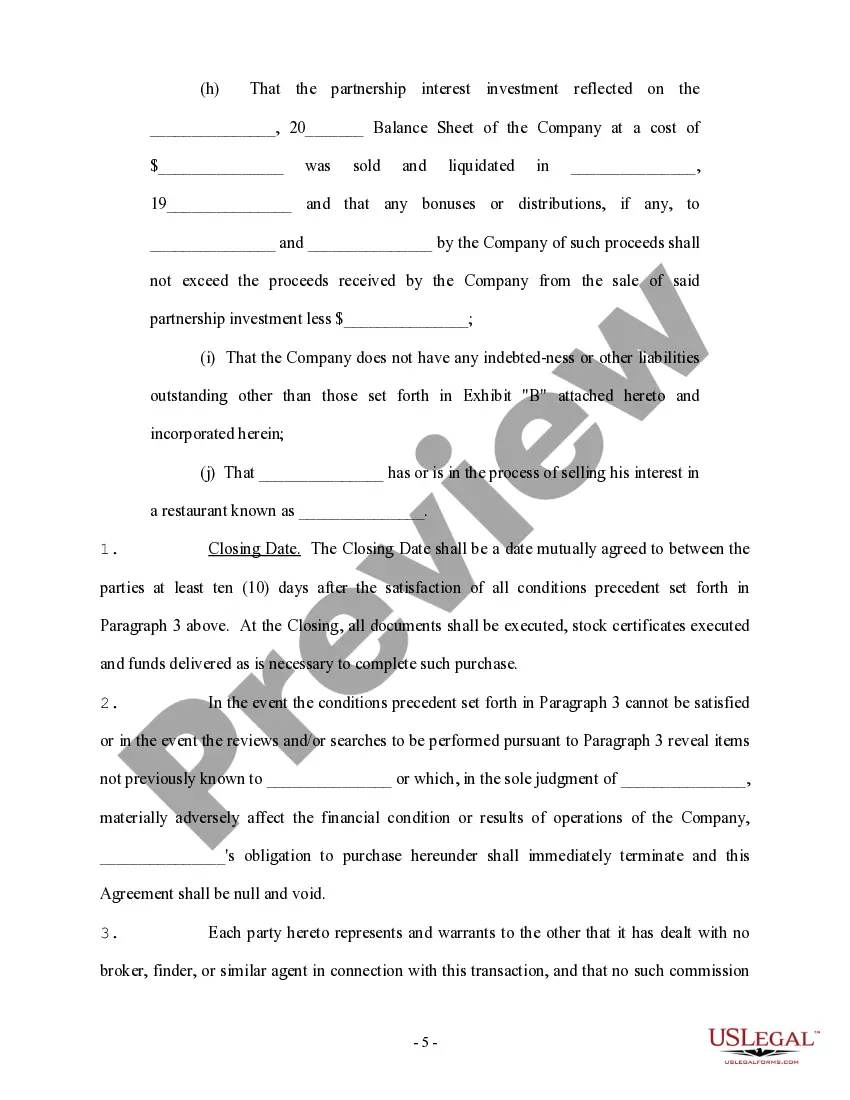
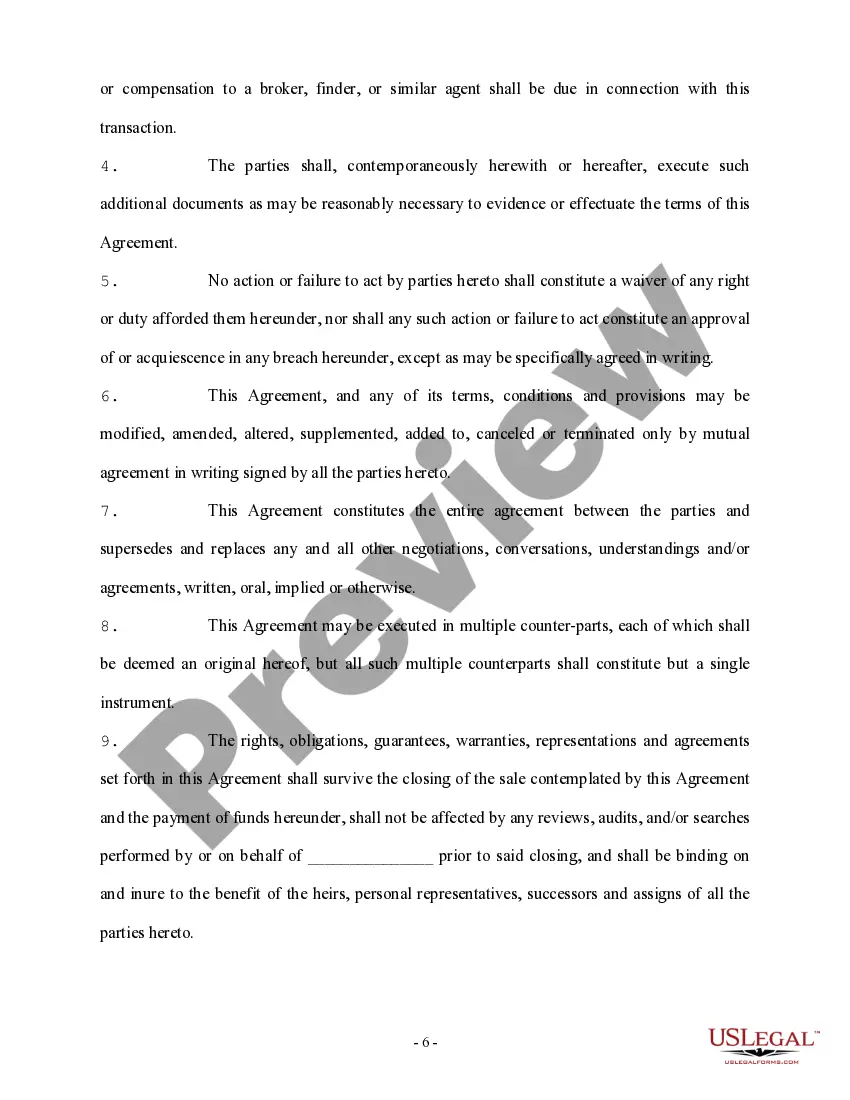
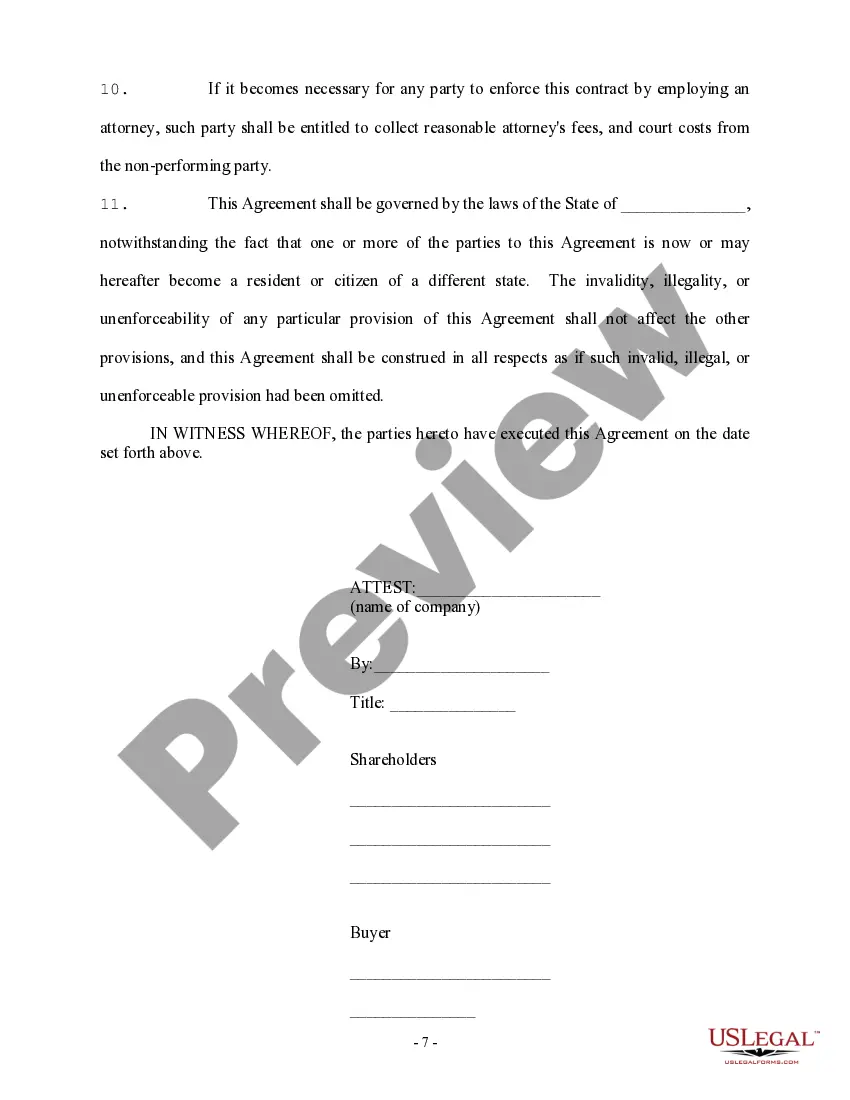

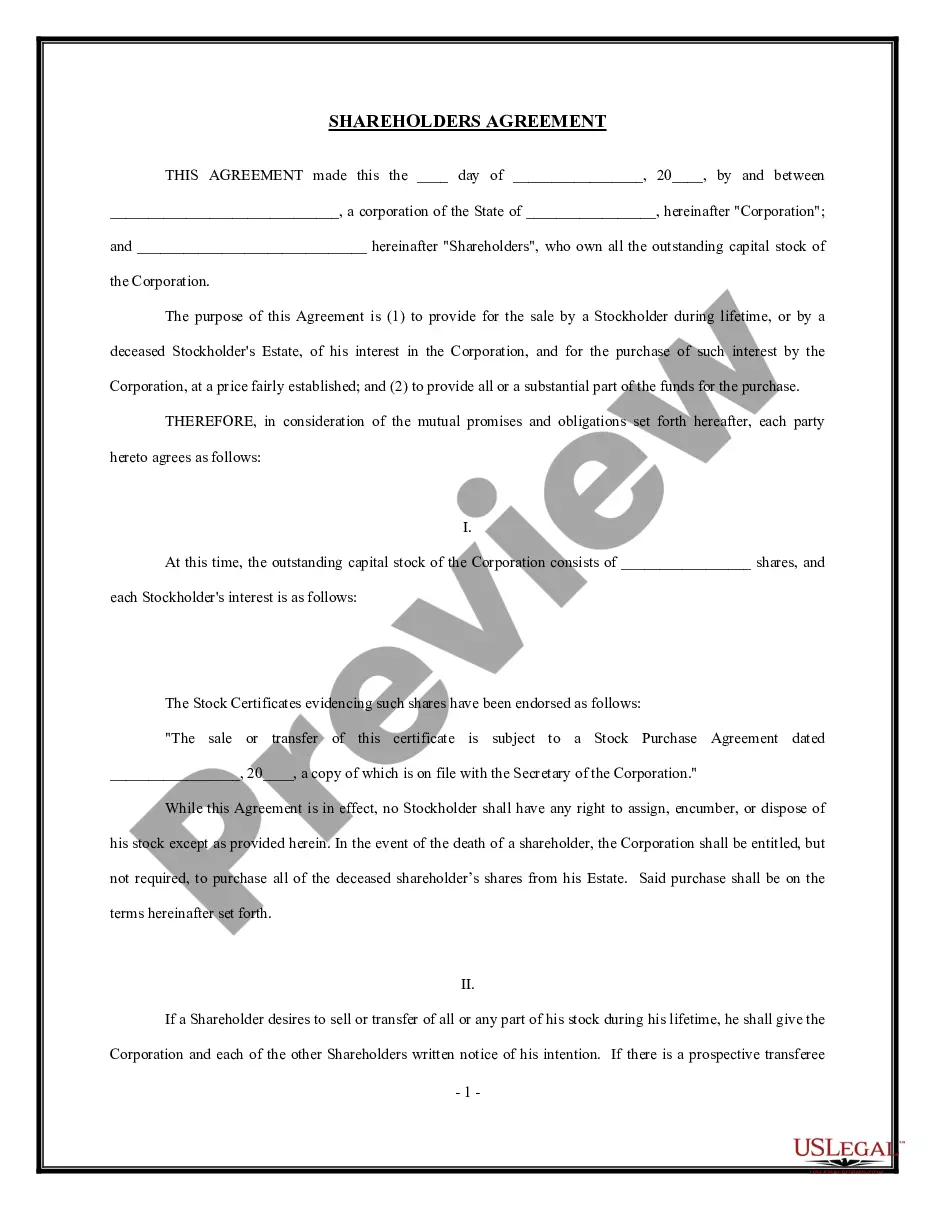
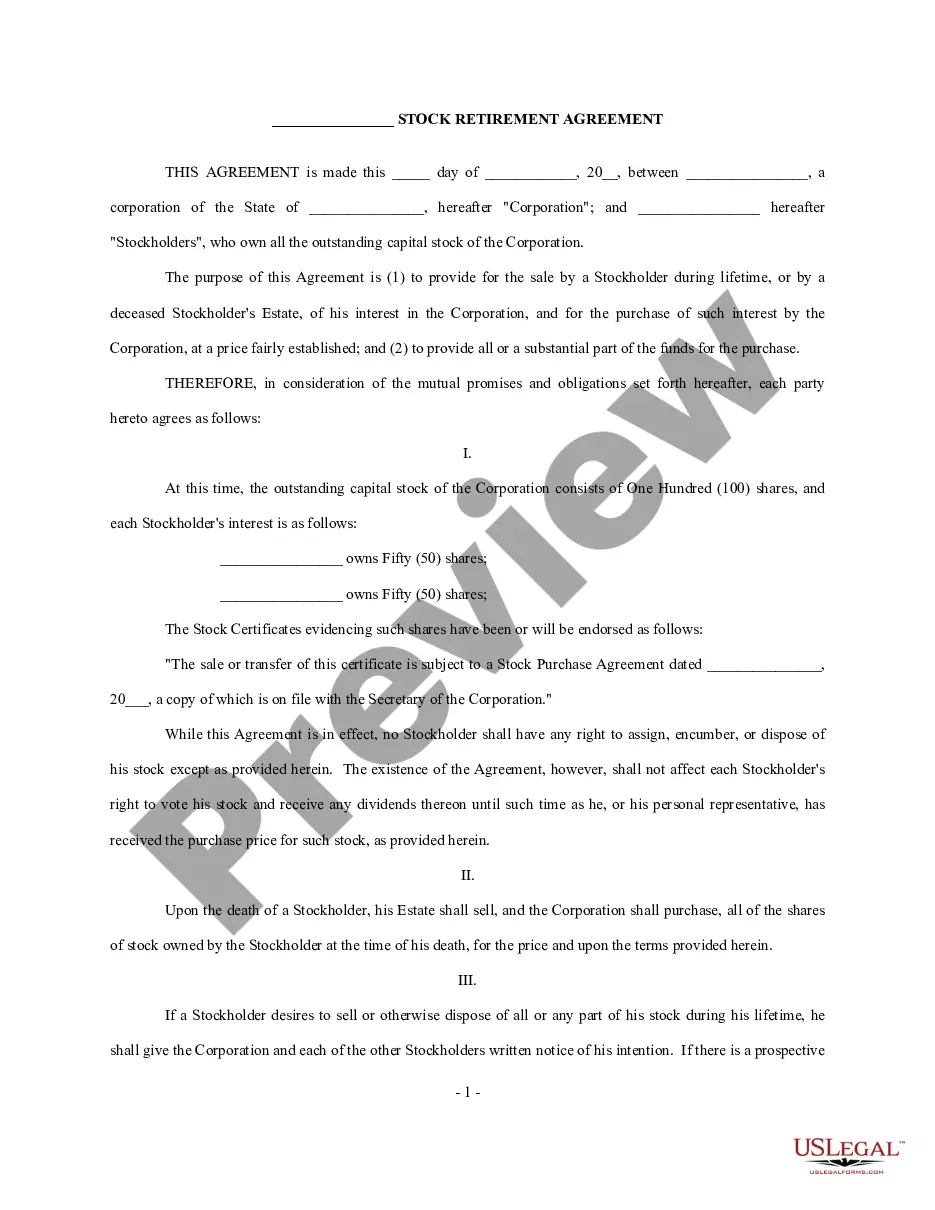
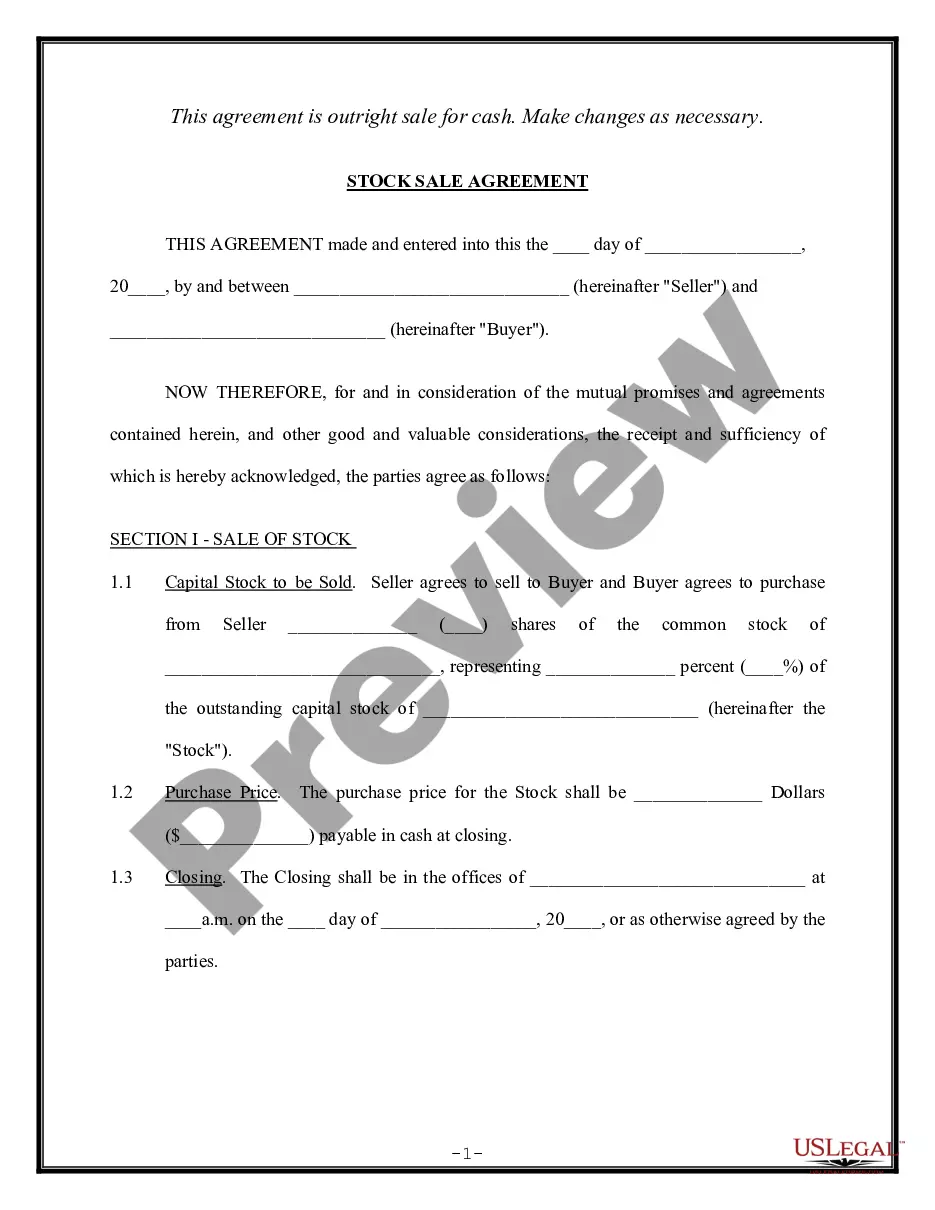
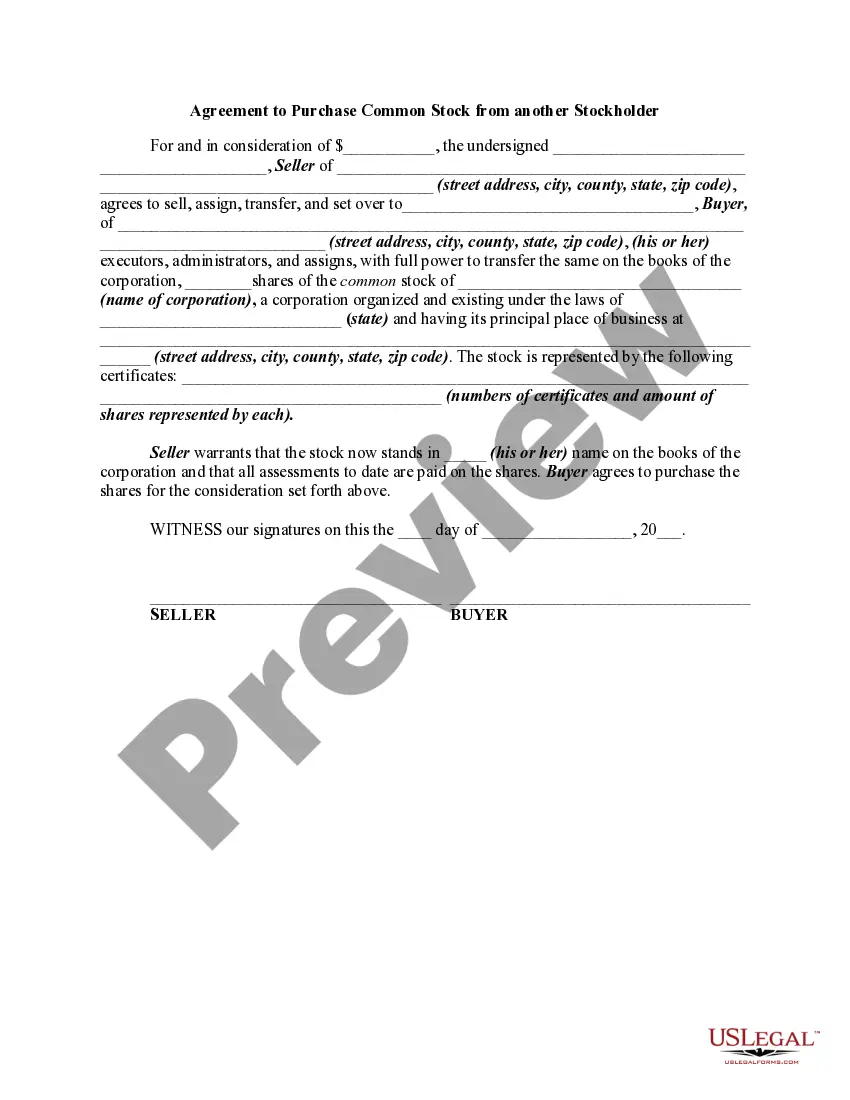
Get your form ready online
Our built-in tools help you complete, sign, share, and store your documents in one place.
Make edits, fill in missing information, and update formatting in US Legal Forms—just like you would in MS Word.
Download a copy, print it, send it by email, or mail it via USPS—whatever works best for your next step.
Sign and collect signatures with our SignNow integration. Send to multiple recipients, set reminders, and more. Go Premium to unlock E-Sign.
If this form requires notarization, complete it online through a secure video call—no need to meet a notary in person or wait for an appointment.
We protect your documents and personal data by following strict security and privacy standards.

Make edits, fill in missing information, and update formatting in US Legal Forms—just like you would in MS Word.

Download a copy, print it, send it by email, or mail it via USPS—whatever works best for your next step.

Sign and collect signatures with our SignNow integration. Send to multiple recipients, set reminders, and more. Go Premium to unlock E-Sign.

If this form requires notarization, complete it online through a secure video call—no need to meet a notary in person or wait for an appointment.

We protect your documents and personal data by following strict security and privacy standards.
Looking for another form?



Form popularity
FAQ
Deleting a shareholder involves removing their name from the company’s records and transferring their shares if needed. This process requires adherence to legal procedures specified in your bylaws. To navigate this process efficiently, you might find uslegalforms valuable, as it provides forms that simplify shareholder deletions.
To remove a shareholder from your company’s house, you need to follow the procedures set forth in your bylaws and applicable laws. This often involves obtaining approval from other shareholders or the board. Consider utilizing uslegalforms for straightforward templates and guidance to ensure the process is compliant.
Removing a shareholder from the company’s house typically requires a formal resolution by the other shareholders or directors. You must ensure compliance with state laws and bylaws governing shareholder removals. Documentation is essential, and uslegalforms can offer tailored solutions to ensure all legal requirements are met.
To change the shareholder of a company, execute a share transfer agreement between the current and new shareholder. Ensure you update your company's official share register and notify any relevant authorities. For a seamless process, consider using uslegalforms, which provides templates for share transfer agreements.
Yes, you can remove someone's shares, but the process depends on the company’s bylaws and relevant regulations. This often entails a buyback or a transfer of shares, which must be documented properly. Consult your legal advisor or uslegalforms for forms that facilitate this process smoothly.
Reporting ownership change in an S-Corp requires filing specific forms with the IRS. You need to report the new shareholder on Form 1120S during the tax filing. It's crucial to maintain accurate shareholder records to avoid penalties. You can find helpful resources on uslegalforms to assist with the paperwork involved.
To remove a shareholder, you typically need to follow your company’s bylaws and state laws. The process may involve a vote by existing shareholders or the board of directors. Ensure you document all steps taken for transparency and compliance. For detailed guidance, consider leveraging uslegalforms for customized forms and templates.
To change shareholder ownership, you must follow your entity's specific procedures, which often include drafting a share transfer agreement. You will also need to update the company’s records and communicate this change to relevant legal authorities. This process solidifies your role as a shareholder for change, allowing for smooth transitions in ownership.
Yes, you need to file Form 8606 if you make non-deductible contributions to a Roth IRA or if you take distributions from your Roth IRA. This form helps track your contributions and ensures tax compliance. It is an essential document for shareholders for change who want to manage their retirement savings effectively.
Any party that disposes of a U.S. real property interest is required to file Form 8806, particularly if it involves foreign individuals or entities. This requirement helps ensure proper tax withholding and reporting. As a shareholder for change, adhering to these filing requirements is vital for maintaining compliance.