Shareholders
Description


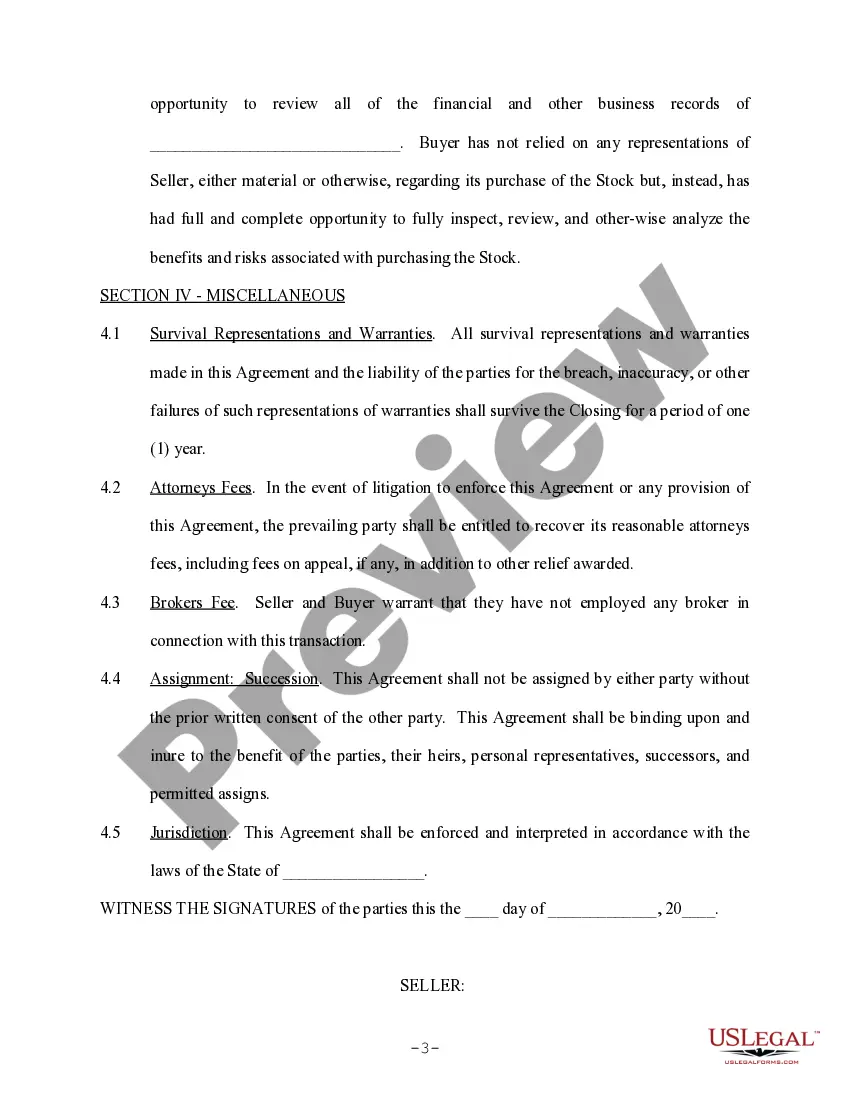


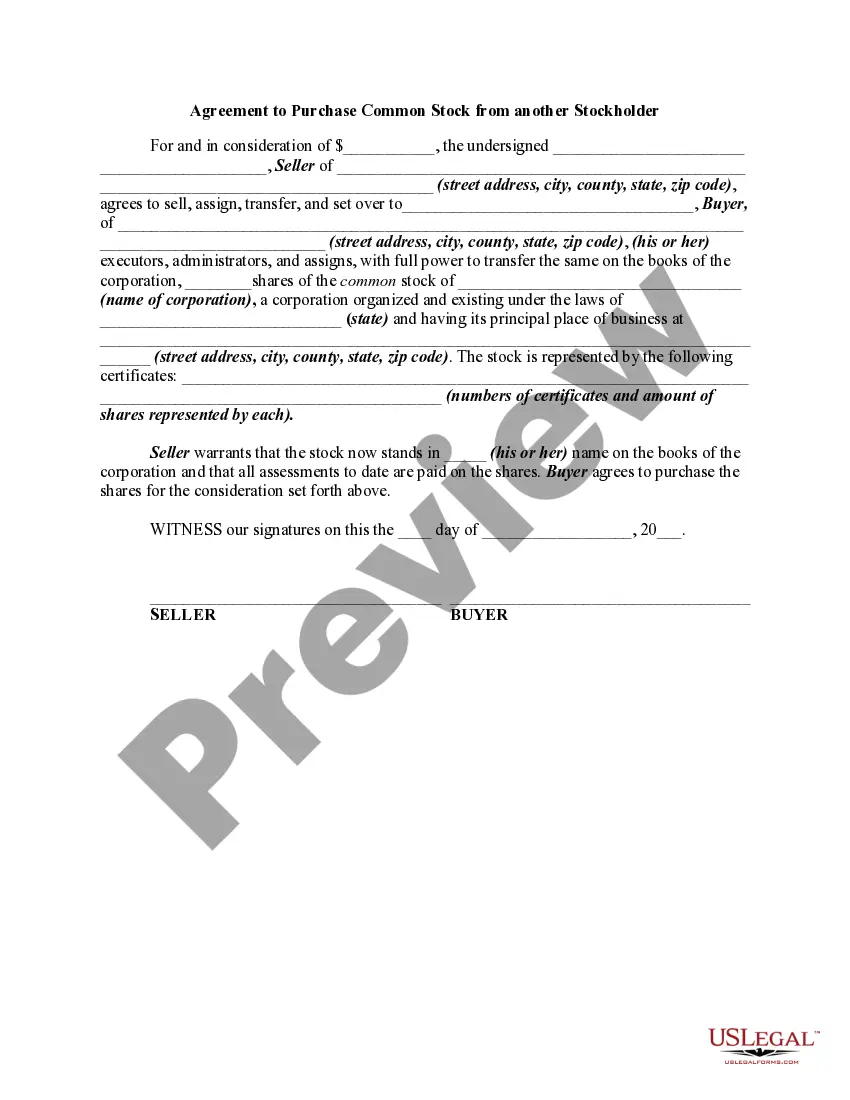
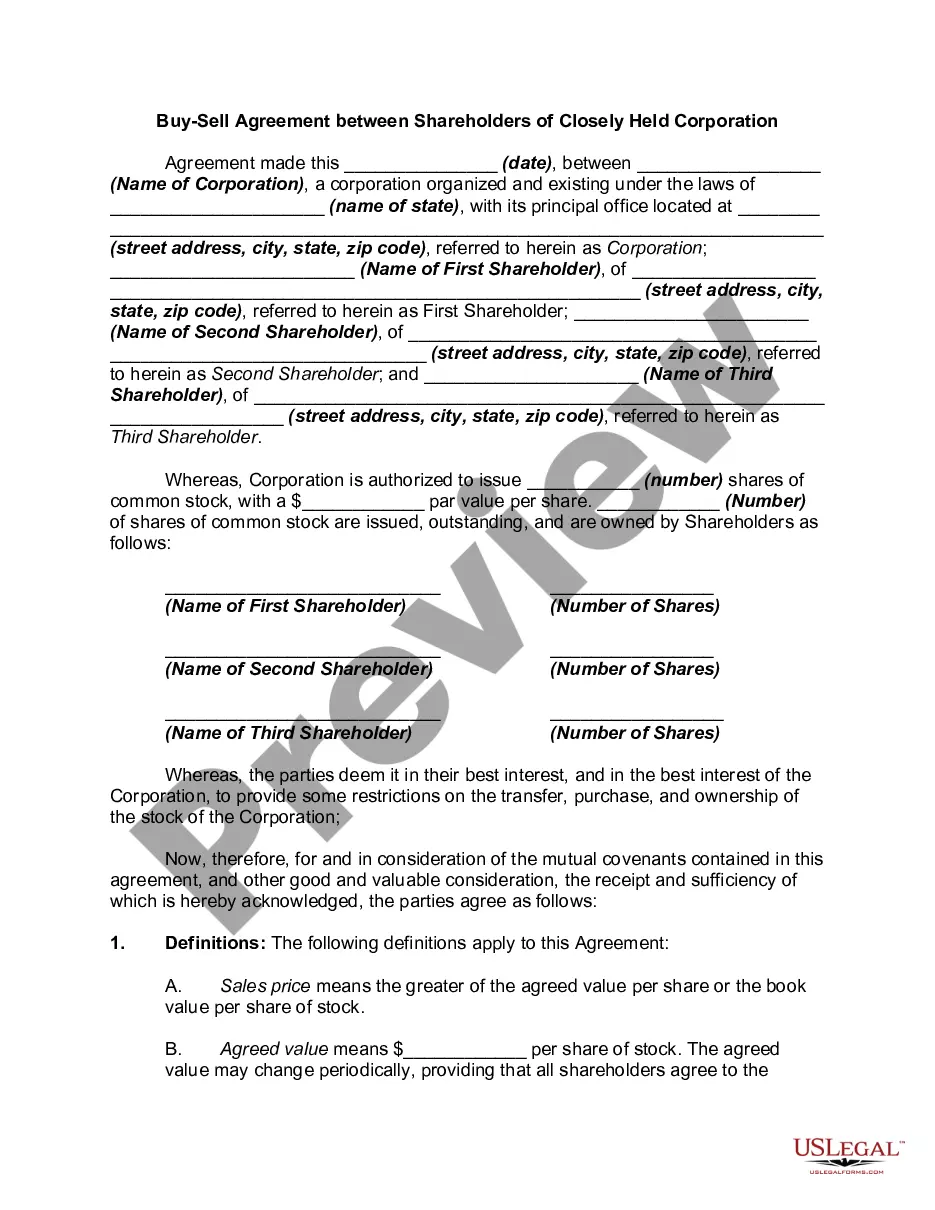
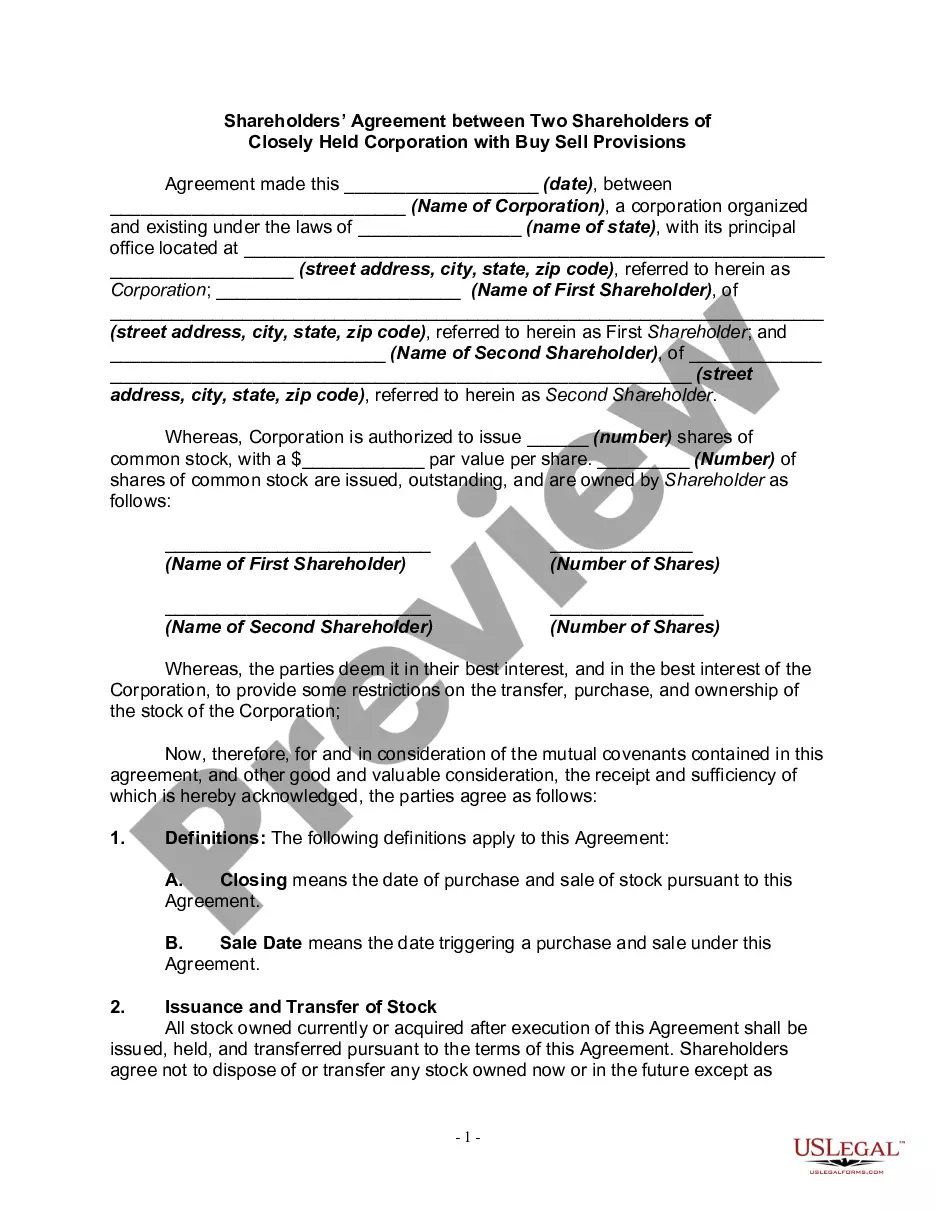
Get your form ready online
Our built-in tools help you complete, sign, share, and store your documents in one place.
Make edits, fill in missing information, and update formatting in US Legal Forms—just like you would in MS Word.
Download a copy, print it, send it by email, or mail it via USPS—whatever works best for your next step.
Sign and collect signatures with our SignNow integration. Send to multiple recipients, set reminders, and more. Go Premium to unlock E-Sign.
If this form requires notarization, complete it online through a secure video call—no need to meet a notary in person or wait for an appointment.
We protect your documents and personal data by following strict security and privacy standards.

Make edits, fill in missing information, and update formatting in US Legal Forms—just like you would in MS Word.

Download a copy, print it, send it by email, or mail it via USPS—whatever works best for your next step.

Sign and collect signatures with our SignNow integration. Send to multiple recipients, set reminders, and more. Go Premium to unlock E-Sign.

If this form requires notarization, complete it online through a secure video call—no need to meet a notary in person or wait for an appointment.

We protect your documents and personal data by following strict security and privacy standards.
Looking for another form?
How to fill out Shareholder Agreement To Sell Stock To Other Shareholder?
- Begin by checking the Preview mode and form description to ensure you’ve selected the correct document that meets your specific needs and complies with local jurisdiction regulations.
- If necessary, search for alternative templates using the Search tab to find the right fit.
- Once you find the suitable form, click on the Buy Now button and choose your preferred subscription plan. Registration is required to access the comprehensive library.
- Complete your purchase by entering your credit card details or using your PayPal account.
- After your purchase, download the form to your device and access it anytime from the My Forms section in your profile.
Using US Legal Forms not only simplifies the process for shareholders but also ensures accuracy through its robust form collection and access to premium experts who can assist with form completion.
Start streamlining your legal document process today and explore the benefits of US Legal Forms!
Form popularity
FAQ
Acquiring shareholders typically involves offering shares through stock offerings, private placements, or employee stock options. Educating potential investors about the company's vision, growth prospects, and benefits of becoming a shareholder can enhance interest. Utilizing platforms like uslegalforms can aid in creating the necessary documentation to facilitate this process.
Finding shareholders can be achieved through public records or disclosures filed with regulatory agencies. Corporate databases and company websites may also list shareholders, especially for publicly traded companies. If you require in-depth information, consider engaging legal professionals who can guide you through the necessary steps.
To make someone a shareholder, you need to issue shares to that individual, often through a formal agreement. This process can include drafting share certificates and recording the share issuance in the company’s books. Using a platform like uslegalforms can streamline this process, ensuring all documents are properly executed.
Individuals can become shareholders by purchasing shares during an initial public offering or through the stock market. Additionally, some companies offer shares directly to employees or investors through private placements. Engaging with the company’s investor relations department can provide clear insights on how to become a shareholder.
To add a shareholder to your existing company, review your company’s bylaws or operating agreement for guidelines on issuing shares. Typically, you will need to hold a meeting with your current shareholders to approve new shares. Once you have approval, issue the shares to the new shareholder and update your company’s records accordingly. Utilizing platforms like uslegalforms can streamline the process and ensure that you comply with legal requirements when adding new shareholders.
You can acquire a shareholder by promoting your business and seeking potential investors who align with your vision. Networking events, online platforms, and social media can connect you with individuals interested in investing in your company. Clearly communicate your business model, growth potential, and how shareholders will benefit from their investment. Many startups successfully find shareholders through strategic partnerships and investment groups.
To acquire shareholders for your company, you can start by organizing a clear business plan that outlines your goals and potential growth. You can then approach family, friends, or angel investors who may be interested in joining your venture. Additionally, consider crowdfunding platforms or equity offerings to attract a wider audience. By presenting a strong business case, you increase your chances of gaining committed shareholders.
Ownership of an S corporation does not automatically classify you as self-employed. Instead, as an S corp owner, you are typically seen as an employee if you take a salary, while also being a shareholder. This structure allows you to benefit from corporate tax treatment while receiving personal liability protection. It’s essential to consult with a tax professional to fully grasp the implications for your income and taxes as a shareholder of an S corporation.
To determine if a company is an S corp or C corp, check the company's tax status with the IRS records or review its filed tax returns. S corporations typically pass income directly to shareholders without paying federal income tax, while C corporations face double taxation on corporate profits. Additionally, S corporations have restrictions on the number and type of shareholders, which you can verify in the company's articles of incorporation. Understanding this distinction helps investors know their tax obligations as shareholders.
Companies attract shareholders by issuing shares, which represent ownership in the business. They often do this through public offerings, private placements, or investments from friends, family, or venture capitalists. By offering shares, companies can raise capital to fund their operations and growth. This process creates a partnership between the company and its shareholders, aligning their interests in the success of the business.