Written Warning Notice Template For Attendance
Description
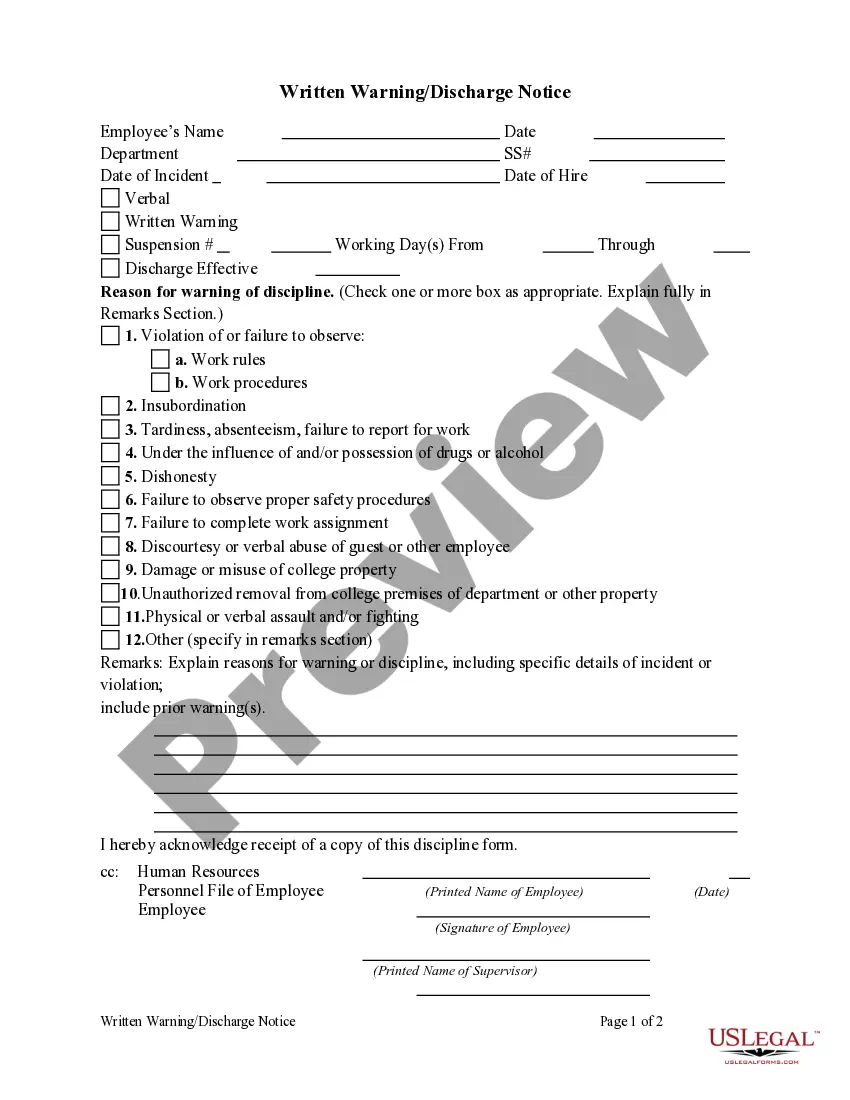
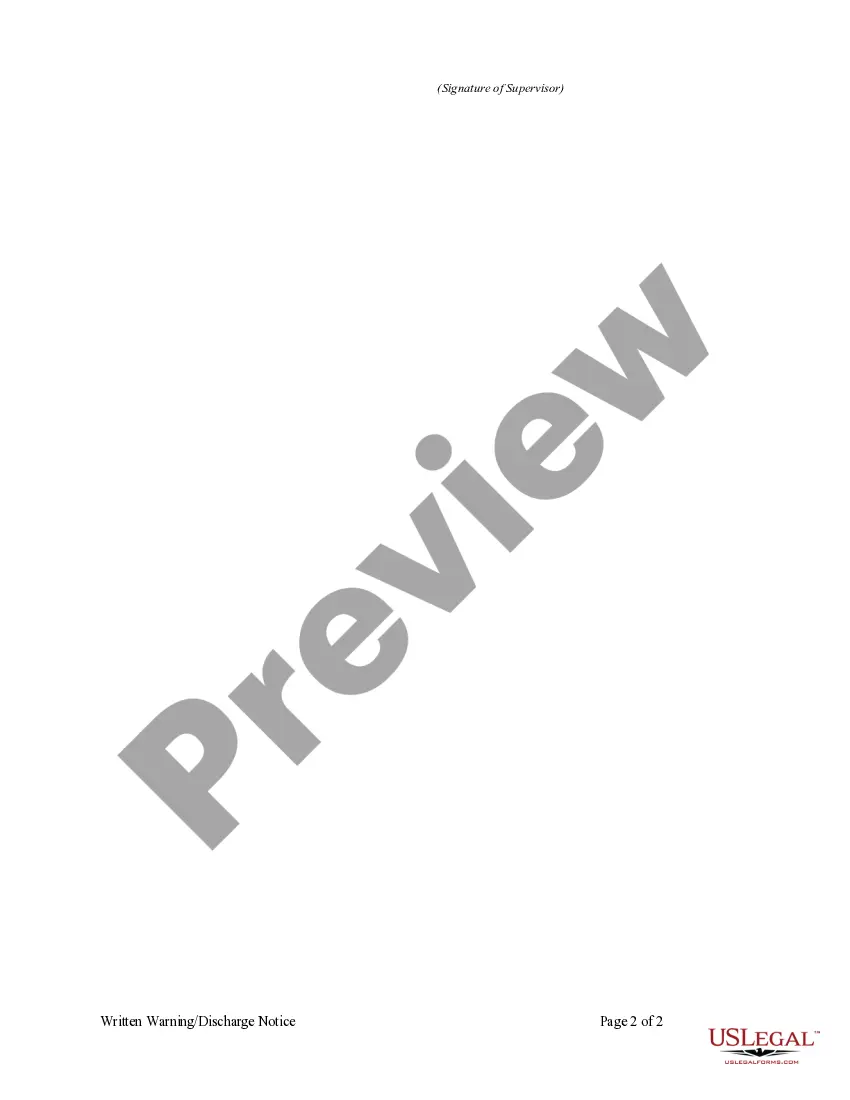
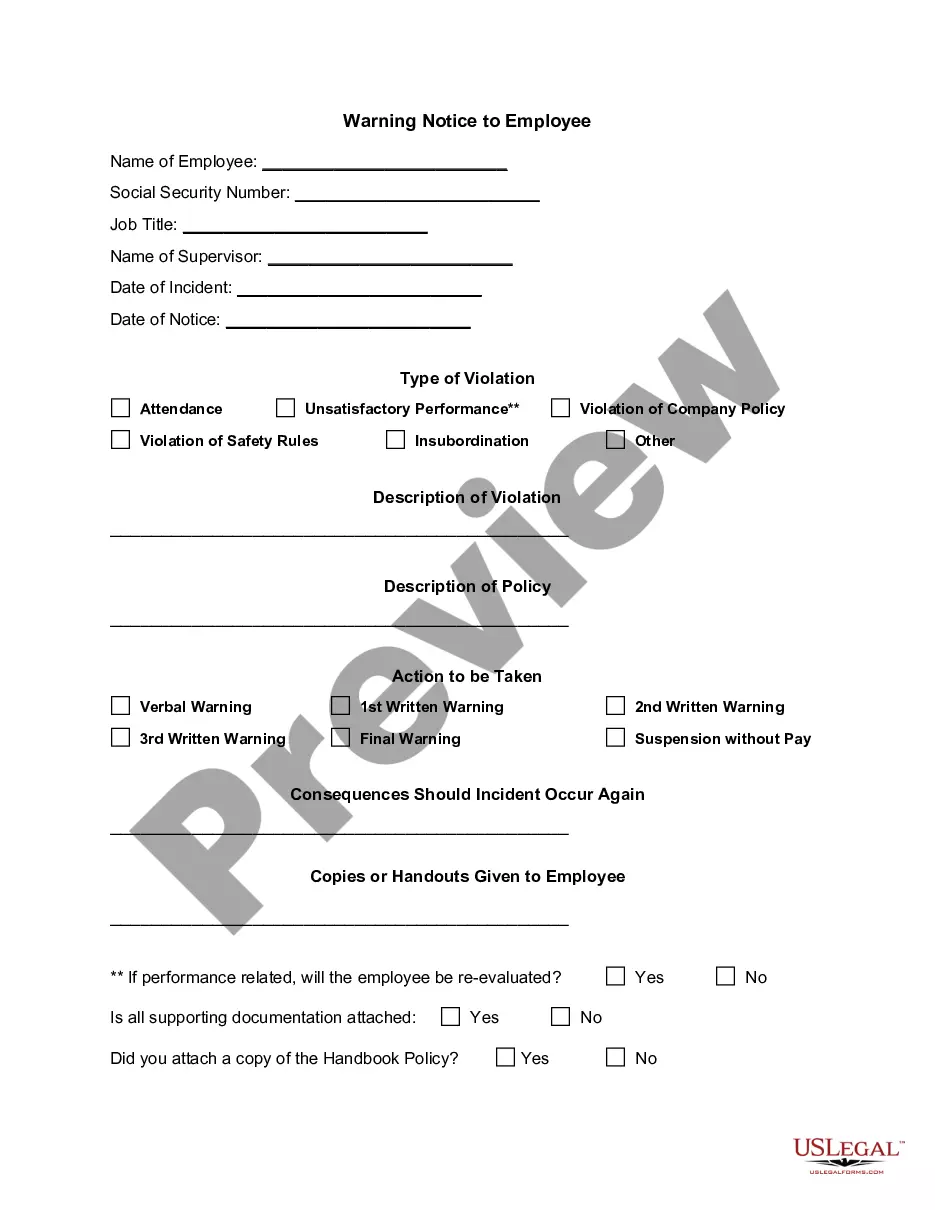
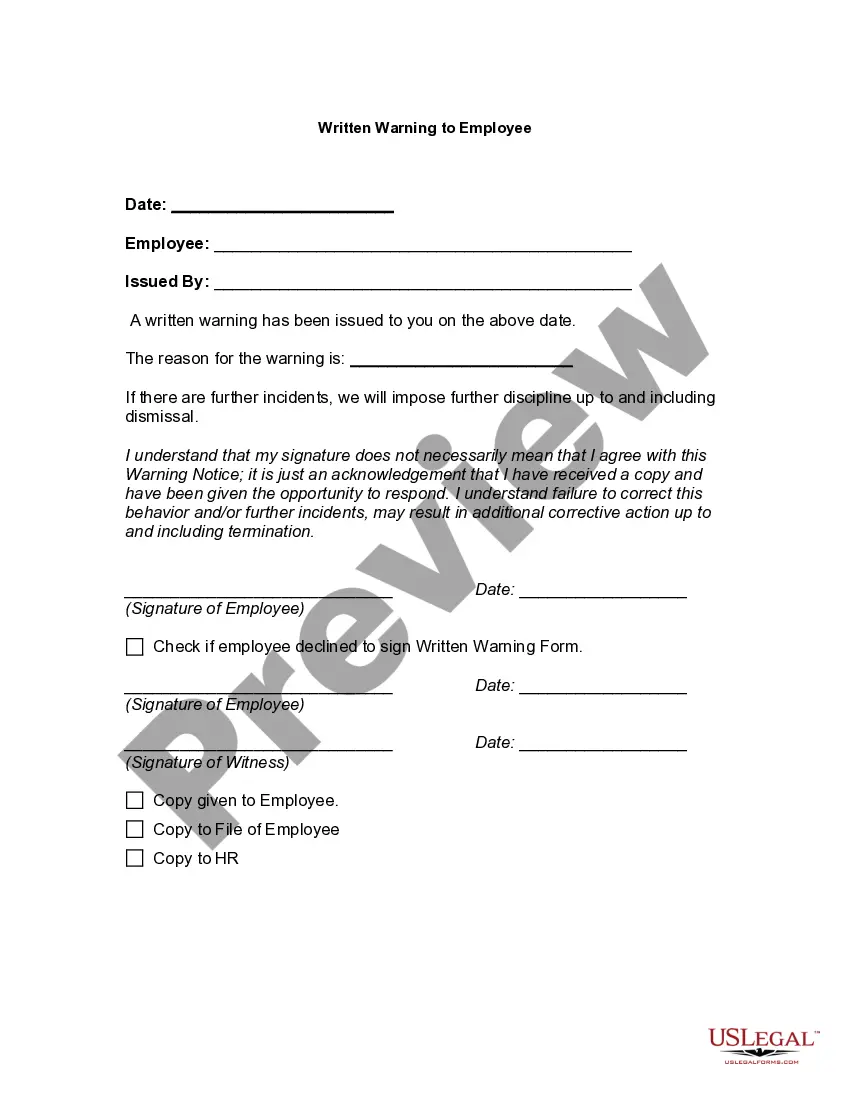
Get your form ready online
Our built-in tools help you complete, sign, share, and store your documents in one place.
Make edits, fill in missing information, and update formatting in US Legal Forms—just like you would in MS Word.
Download a copy, print it, send it by email, or mail it via USPS—whatever works best for your next step.
Sign and collect signatures with our SignNow integration. Send to multiple recipients, set reminders, and more. Go Premium to unlock E-Sign.
If this form requires notarization, complete it online through a secure video call—no need to meet a notary in person or wait for an appointment.
We protect your documents and personal data by following strict security and privacy standards.

Make edits, fill in missing information, and update formatting in US Legal Forms—just like you would in MS Word.

Download a copy, print it, send it by email, or mail it via USPS—whatever works best for your next step.

Sign and collect signatures with our SignNow integration. Send to multiple recipients, set reminders, and more. Go Premium to unlock E-Sign.

If this form requires notarization, complete it online through a secure video call—no need to meet a notary in person or wait for an appointment.

We protect your documents and personal data by following strict security and privacy standards.
Looking for another form?





How to fill out Written Warning/Discharge Notice?
Legal administration can be daunting, even for the most experienced specialists.
When you need a Written Warning Notice Template For Attendance and lack the time to dedicate to searching for the correct and current version, the process can be overwhelming.
US Legal Forms meets all your needs, from personal to business documents, all in one place.
Utilize advanced tools to complete and manage your Written Warning Notice Template For Attendance.
Here are the steps to follow after obtaining the form you need: Confirm it is the correct form by previewing it and reading its description. Ensure that the sample is accepted in your state or county. Click Buy Now when you are prepared. Choose a monthly subscription plan. Select the file format you require, and Download, complete, sign, print, and send your document. Leverage the US Legal Forms online library, supported by 25 years of experience and reliability. Streamline your daily document management into a seamless and user-friendly experience today.
- Access a collection of articles, guides, and materials relevant to your situation and requirements.
- Save time and effort searching for the documents you require, and use US Legal Forms' advanced search and Preview feature to locate the Written Warning Notice Template For Attendance.
- If you have a monthly subscription, Log In to your US Legal Forms account, search for the form, and obtain it.
- Visit the My documents tab to check the documents you've saved and manage your folders as needed.
- If it's your first time with US Legal Forms, create an account and gain unlimited access to all platform benefits.
- A robust online document library could be a transformative solution for those who wish to handle these matters effectively.
- US Legal Forms is a frontrunner in digital legal documents, offering over 85,000 state-specific legal forms available to you at any time.
- With US Legal Forms, you can access legal and business forms specific to your state or county.
Form popularity
FAQ
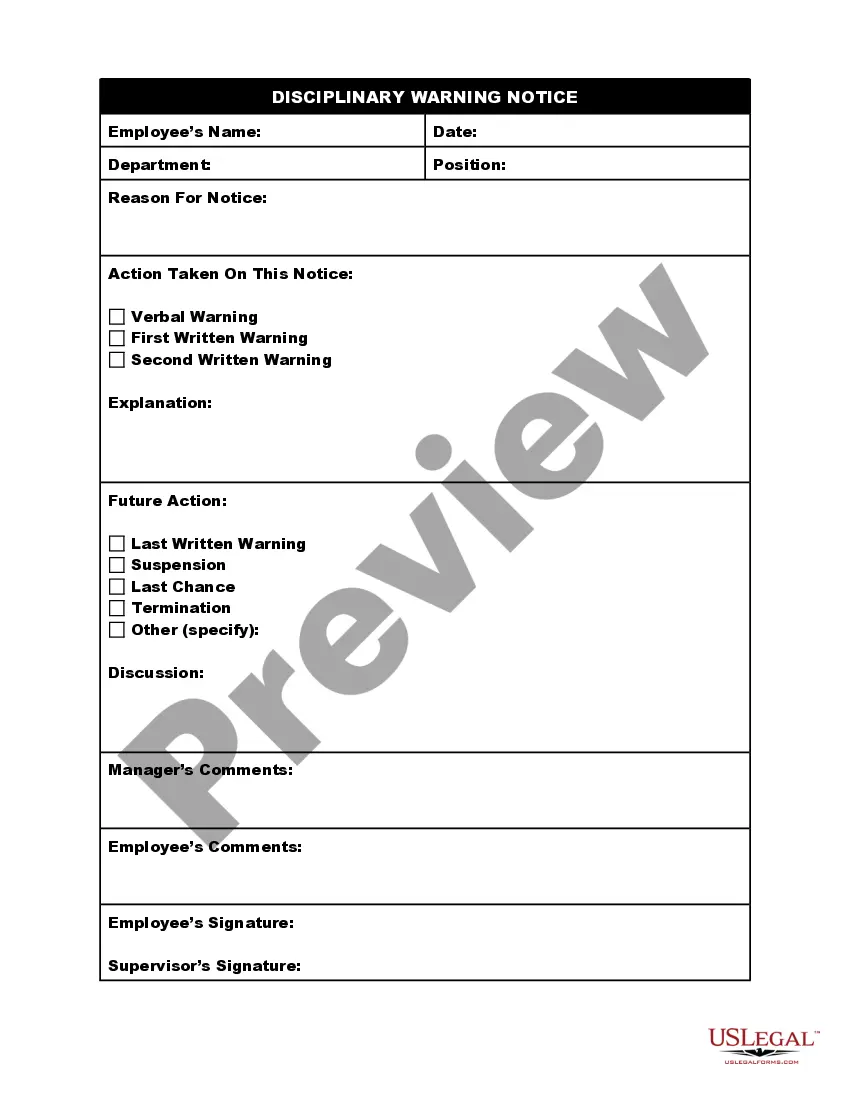
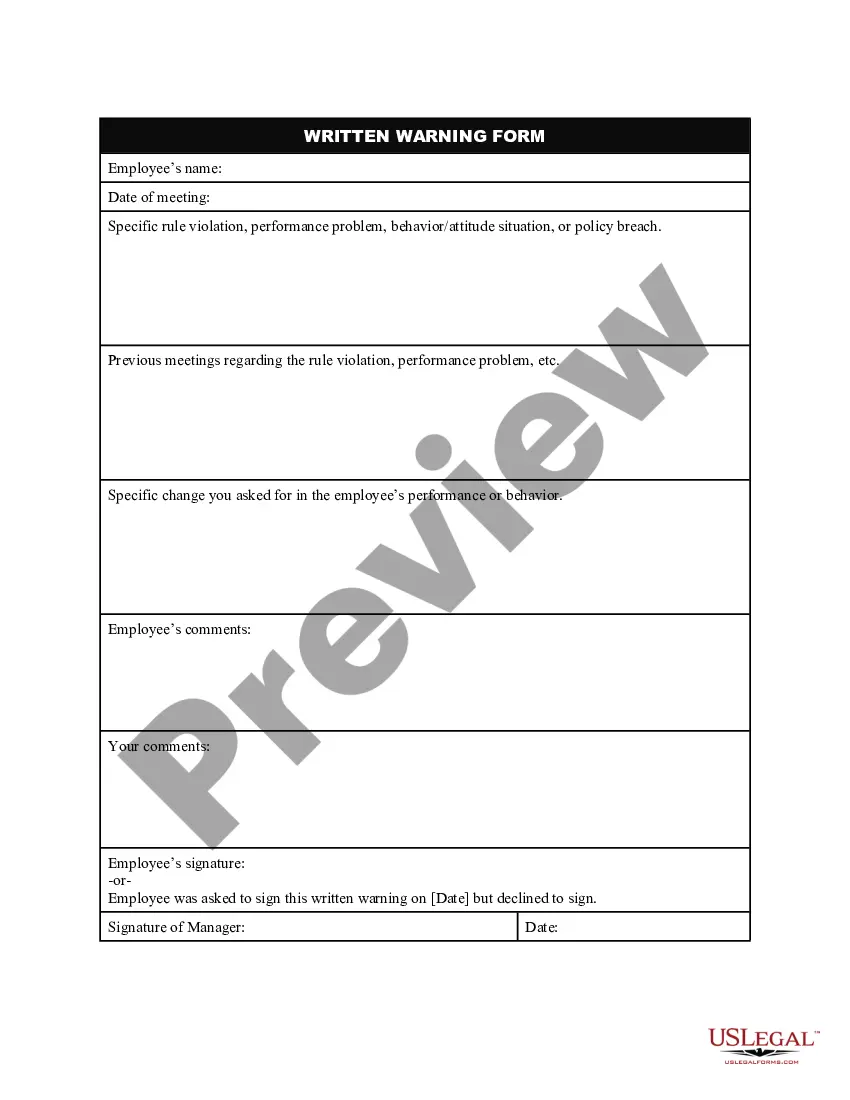
Writing a warning for attendance involves outlining the employee’s attendance record and specifying the areas of concern. Use a written warning notice template for attendance to ensure you include all vital information, such as specific dates and the required actions moving forward. This template provides a clear framework for your communication, helping to convey seriousness without ambiguity. A well-crafted warning not only highlights issues but also encourages improvement and accountability.
To warn employees about attendance, maintain a professional tone and focus on facts. Utilize a written warning notice template for attendance to address the specific instances of poor attendance and set clear expectations for improvement. This structured method provides transparency and allows the employee to understand the implications of their attendance record. Effective warnings can motivate employees to enhance their attendance and contribute positively to the workplace.
Writing a warning letter for absence at work starts with identifying the employee’s specific attendance problems. Incorporate a written warning notice template for attendance to ensure you cover all essential points, such as the dates of absences and the impact on the team. Be clear about the expectations for improvement and any potential consequences of continued absences. A well-structured letter fosters understanding and encourages the employee to take corrective action.
An example of a written warning for attendance might include details such as the employee's name, the specific dates of unexcused absences, and a clear statement of expectations moving forward. Using a written warning notice template for attendance ensures you include all necessary components, like the consequences of continued attendance issues. This structured approach helps maintain professionalism and clarity in your communication. Remember, consistency is key for effective employee management.
To address attendance issues, start by communicating clearly and directly with the employee. You can use a written warning notice template for attendance to outline specific concerns and expectations. This approach helps the employee understand the seriousness of their attendance issues while providing guidance on how to improve. Consistent communication reinforces the importance of attendance in the workplace.
Yes, you can receive a written warning for absence from work. Employers typically issue this warning when an employee's attendance does not meet company standards. Utilizing a written warning notice template for attendance can help ensure that the process is fair and consistent. It is important for employees to understand the implications of such warnings and the potential impact on their job status.
To write a warning letter for absence at work, start by clearly stating the purpose of the letter. You should outline the specific attendance issues, referencing the employee's attendance record. Incorporate a written warning notice template for attendance to ensure clarity and professionalism. Finally, invite the employee to discuss the matter further, demonstrating a willingness to resolve the issue.