Special Needs Trust Vs Able Account For Elderly
Description
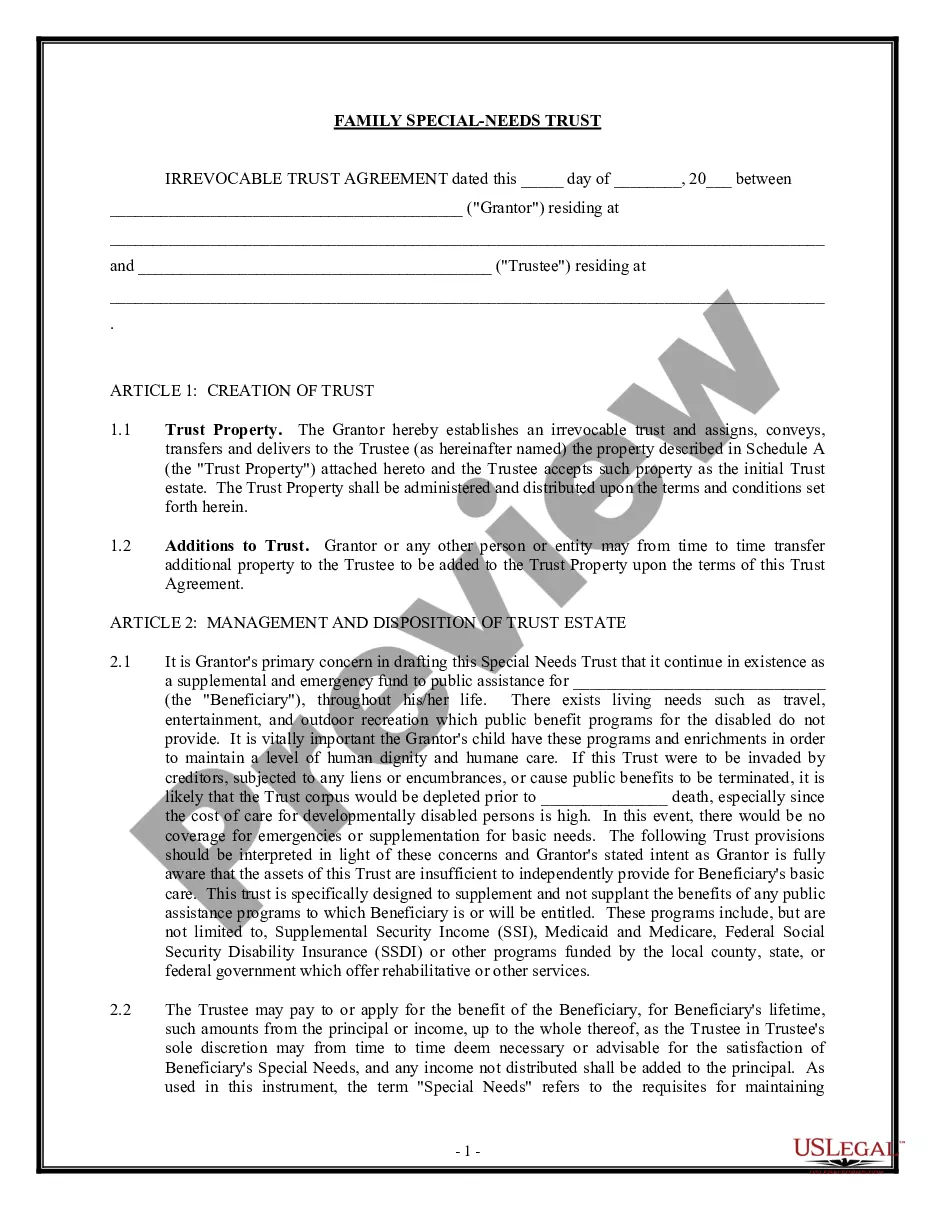
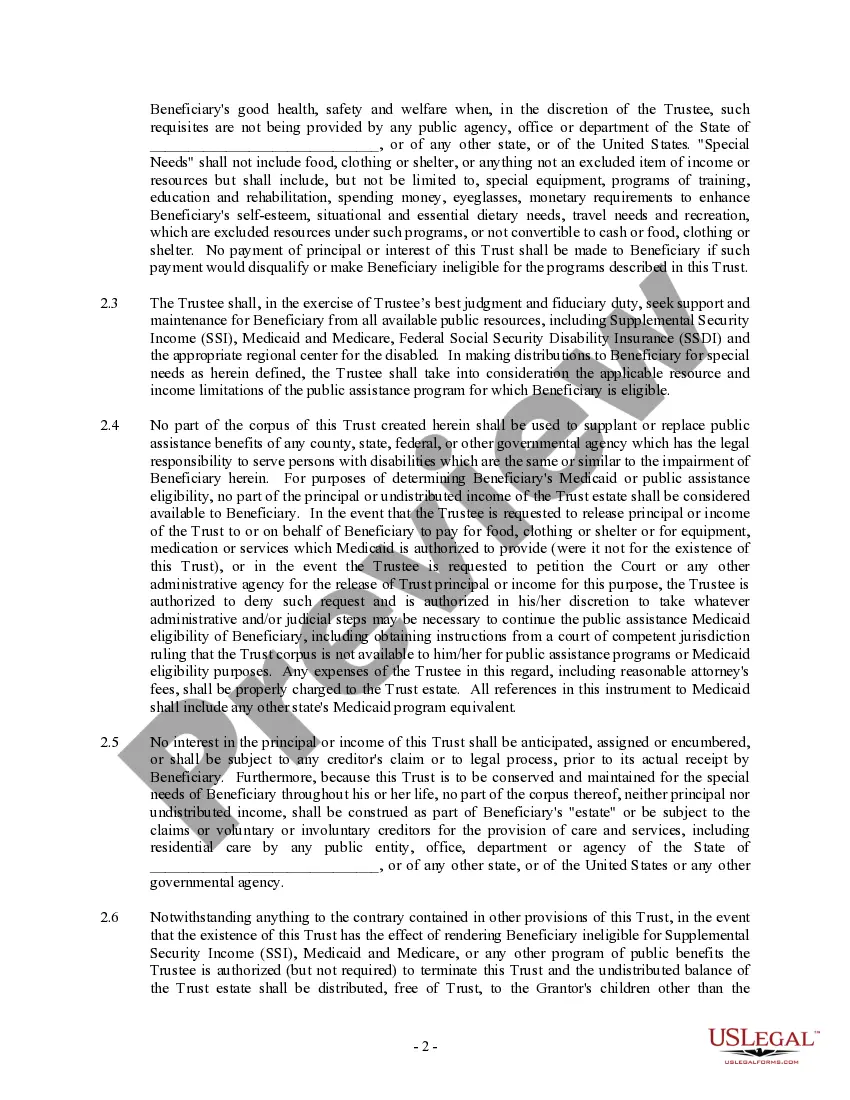
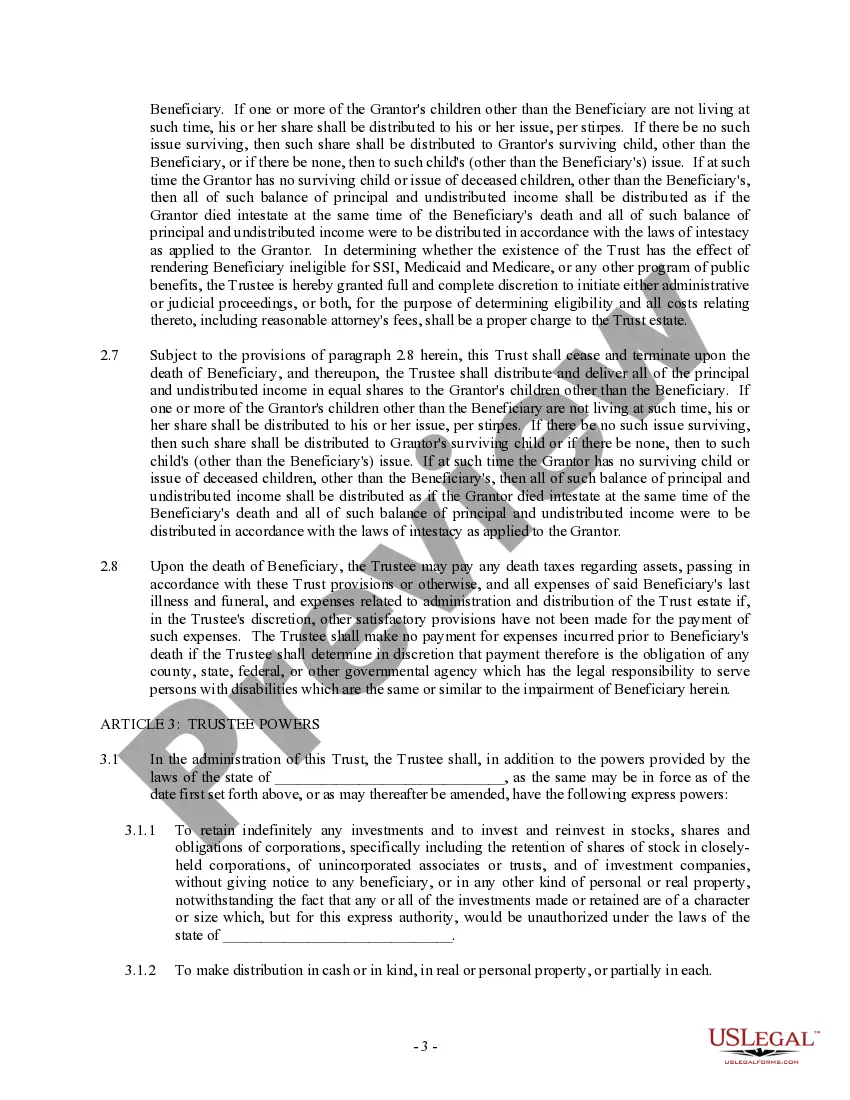
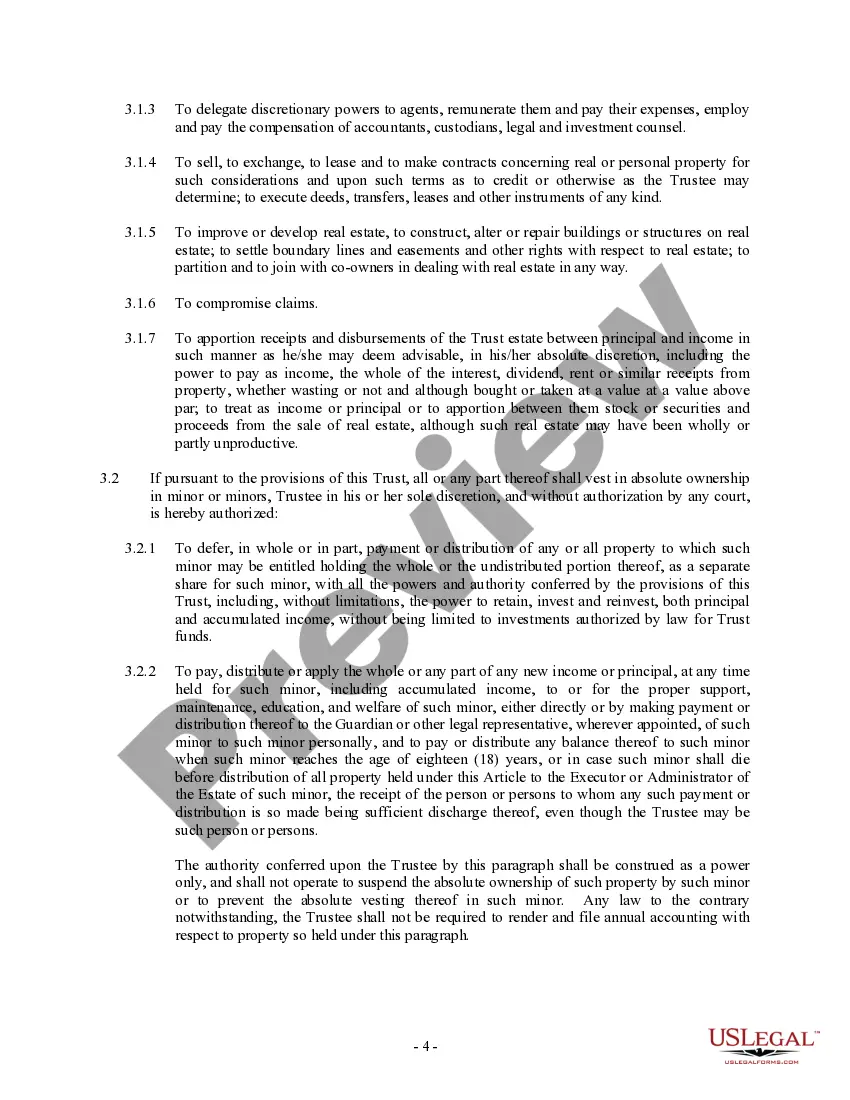
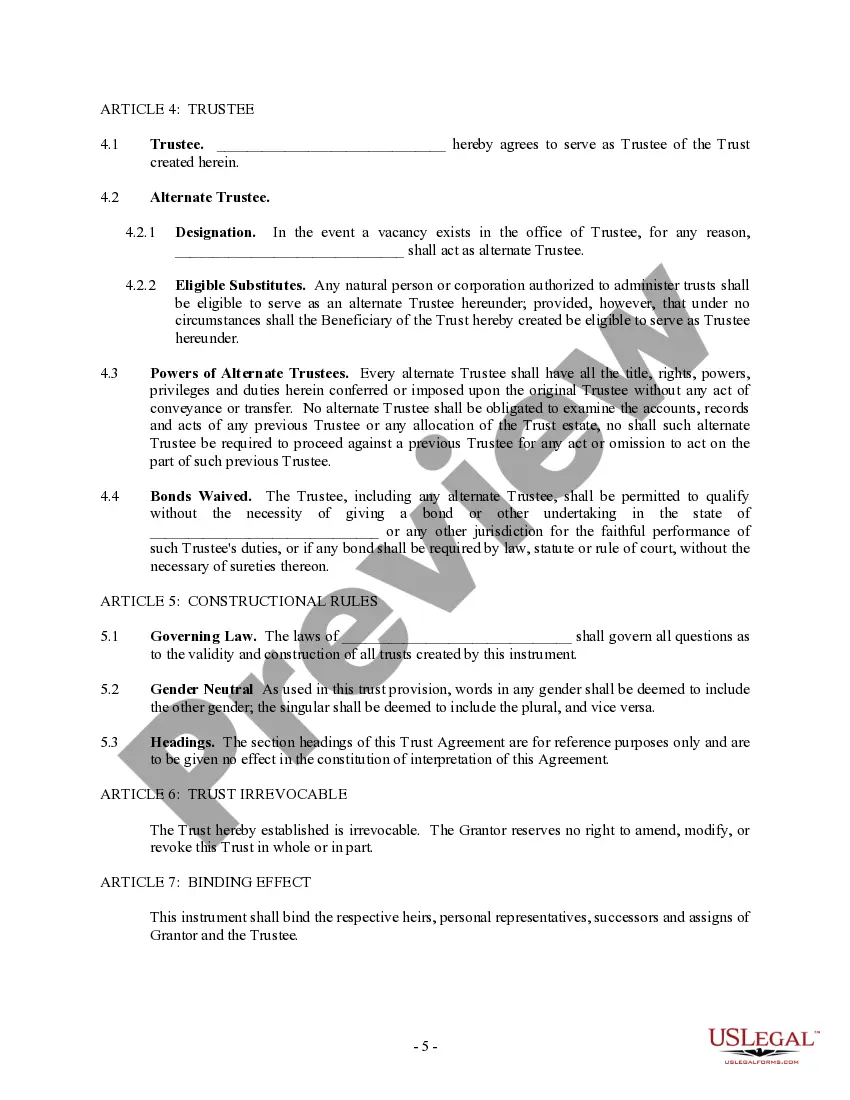
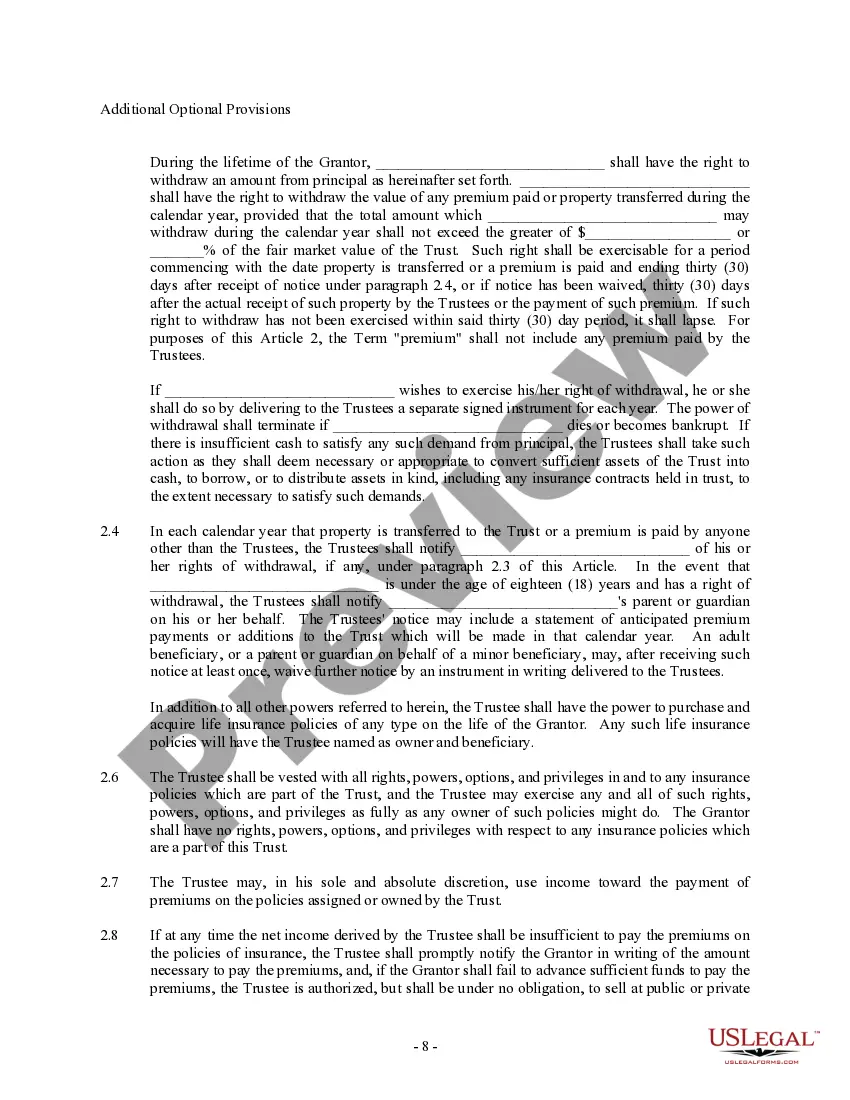
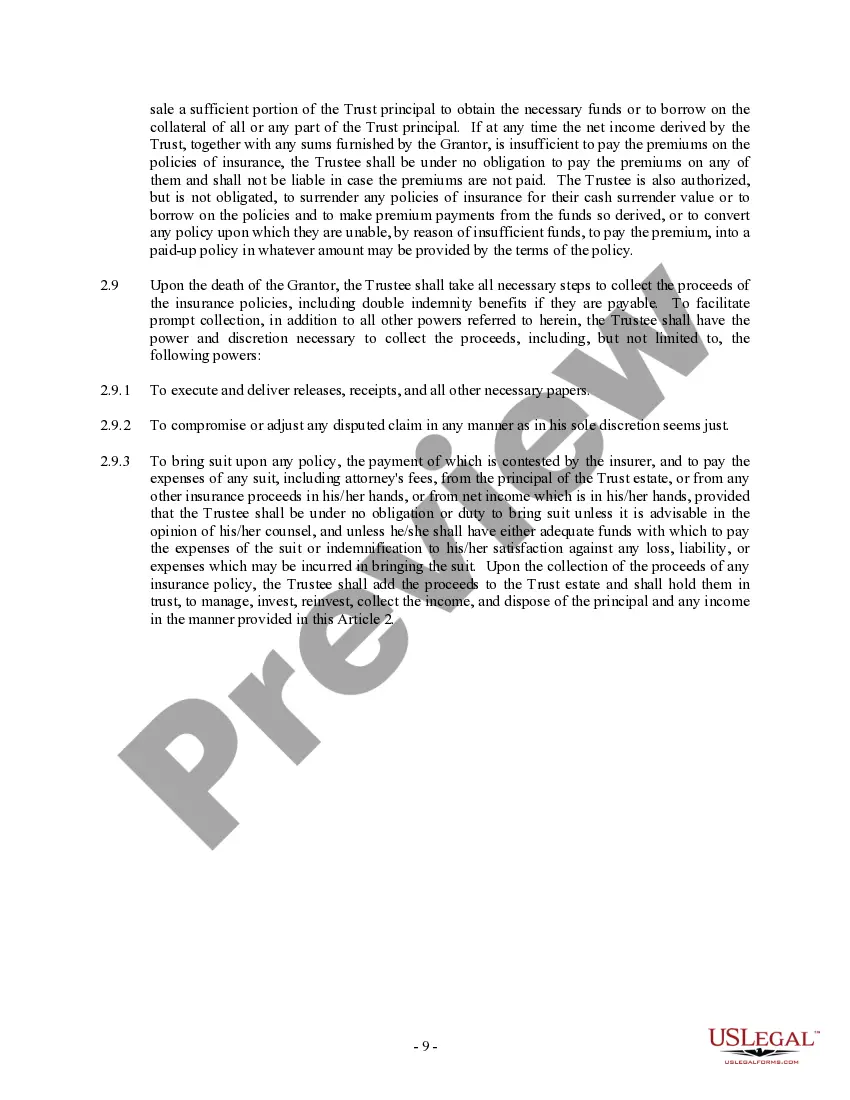
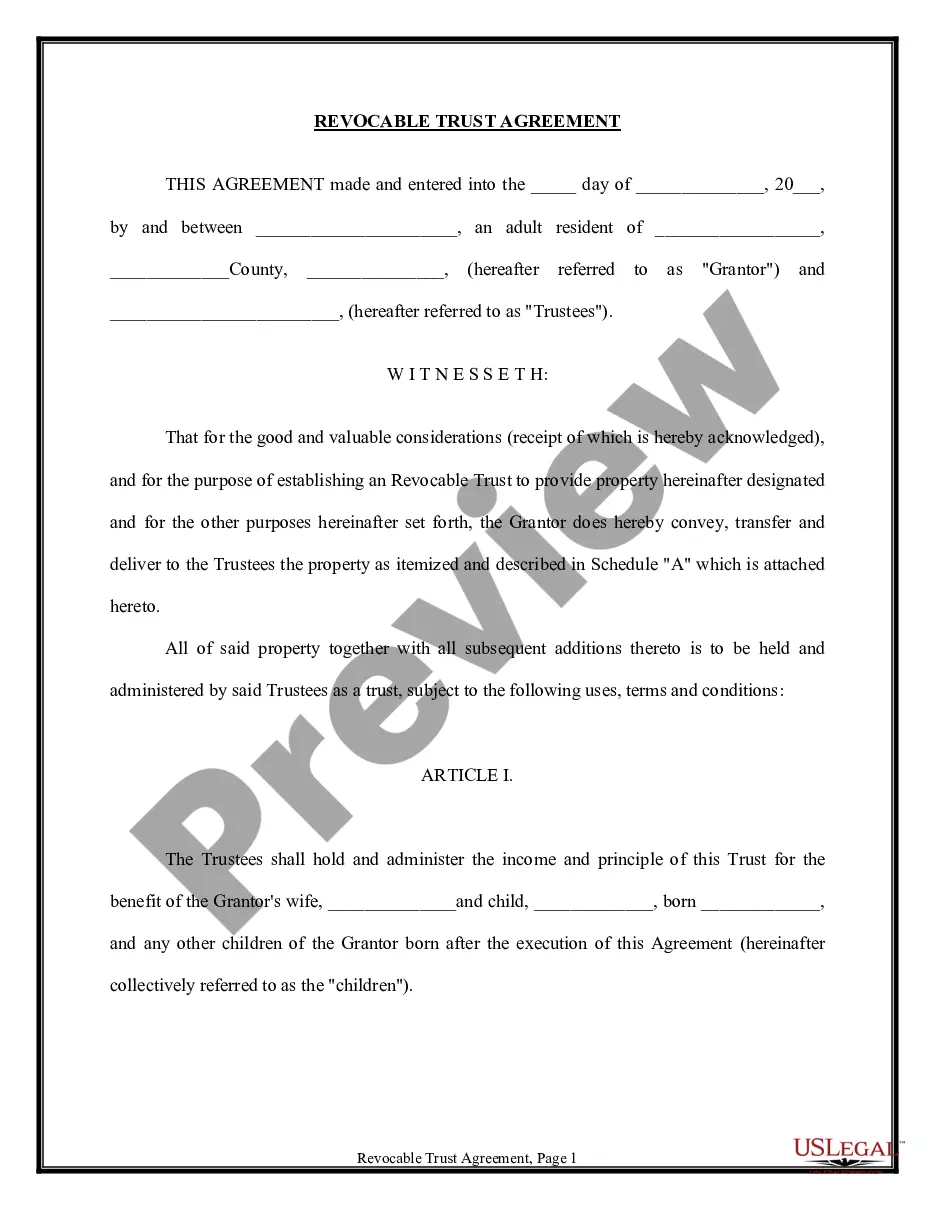

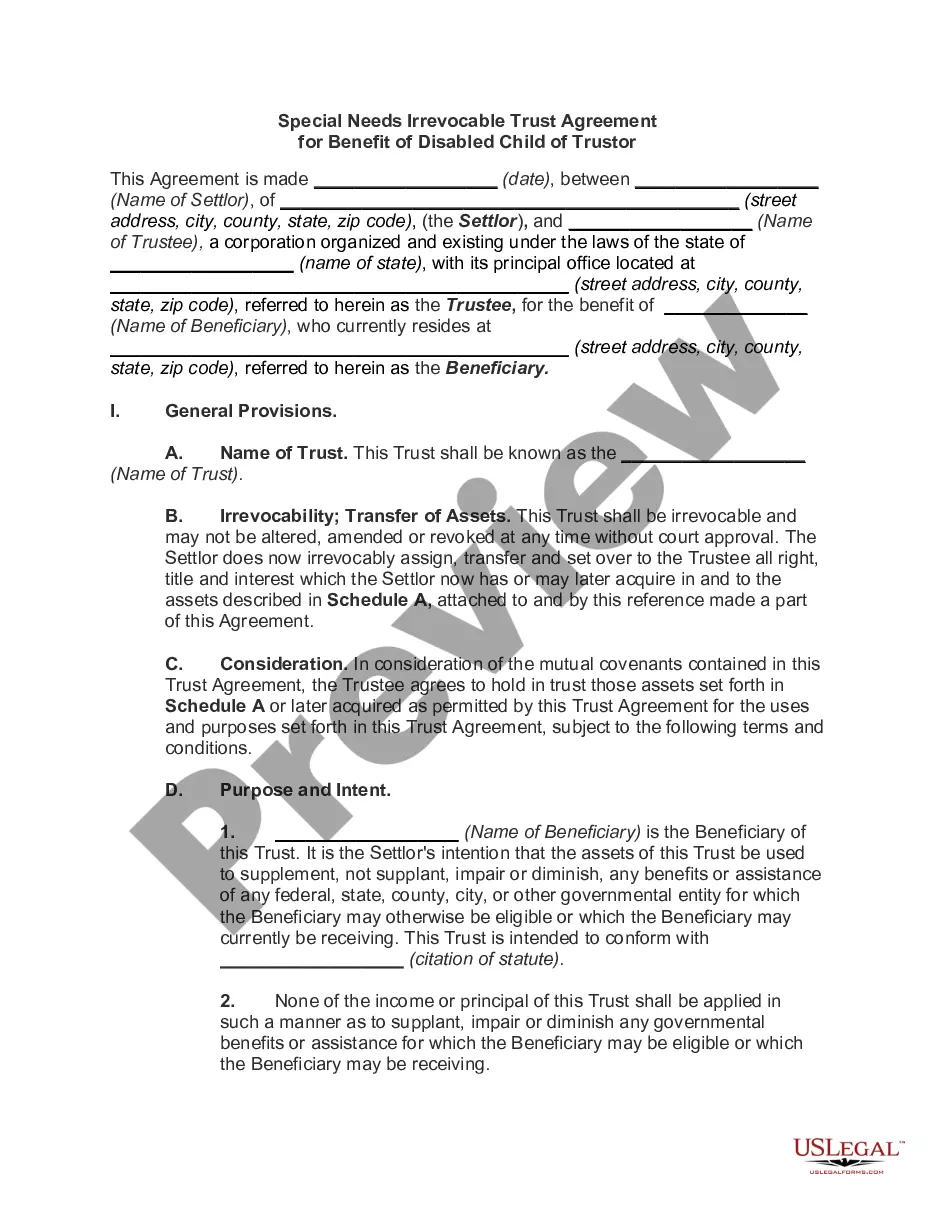
Get your form ready online
Our built-in tools help you complete, sign, share, and store your documents in one place.
Make edits, fill in missing information, and update formatting in US Legal Forms—just like you would in MS Word.
Download a copy, print it, send it by email, or mail it via USPS—whatever works best for your next step.
Sign and collect signatures with our SignNow integration. Send to multiple recipients, set reminders, and more. Go Premium to unlock E-Sign.
If this form requires notarization, complete it online through a secure video call—no need to meet a notary in person or wait for an appointment.
We protect your documents and personal data by following strict security and privacy standards.

Make edits, fill in missing information, and update formatting in US Legal Forms—just like you would in MS Word.

Download a copy, print it, send it by email, or mail it via USPS—whatever works best for your next step.

Sign and collect signatures with our SignNow integration. Send to multiple recipients, set reminders, and more. Go Premium to unlock E-Sign.

If this form requires notarization, complete it online through a secure video call—no need to meet a notary in person or wait for an appointment.

We protect your documents and personal data by following strict security and privacy standards.
Looking for another form?
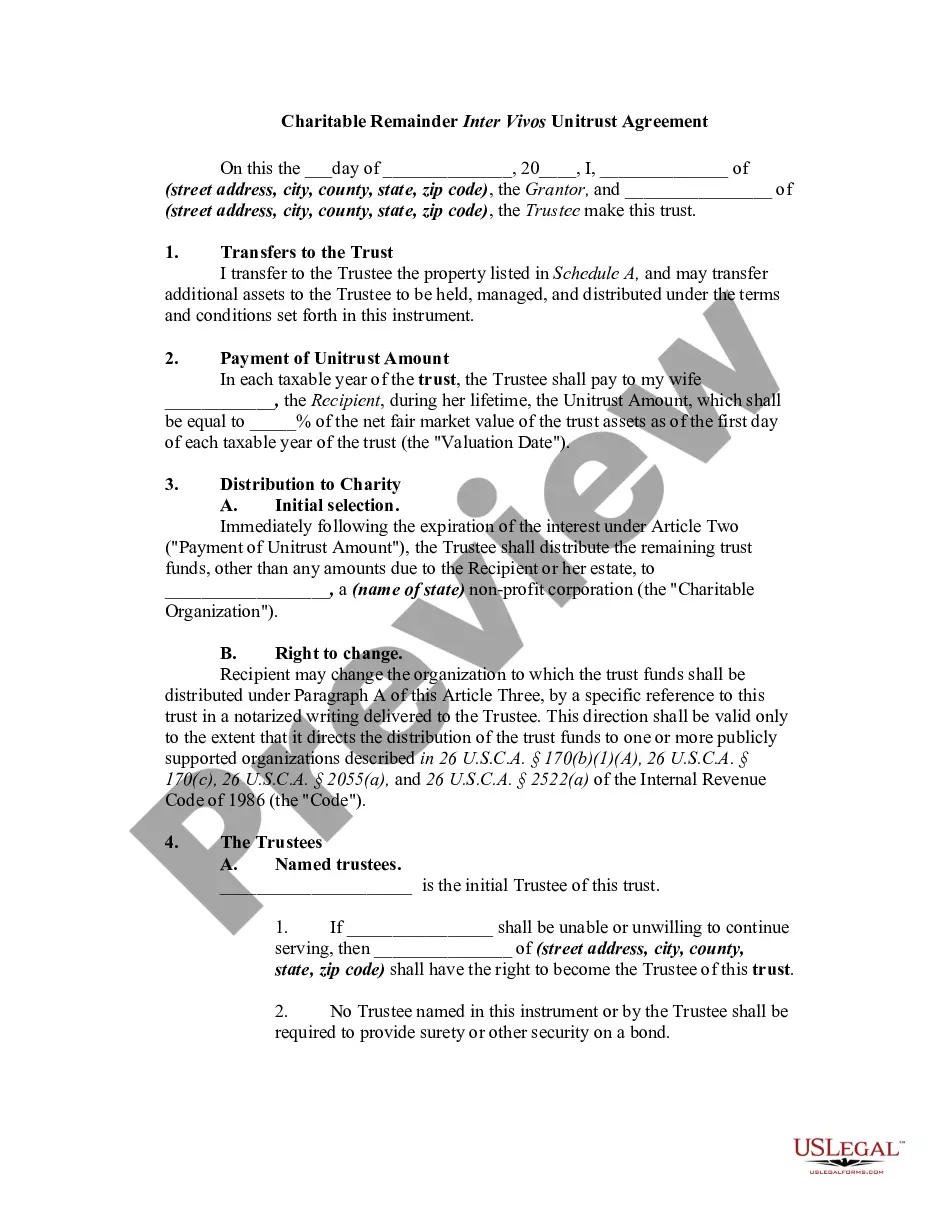





How to fill out Trust Agreement - Family Special Needs?
Dealing with legal paperwork and processes can be a lengthy addition to your daily schedule.
Comparing Special Needs Trust and Able Account for Seniors, and similar forms typically require you to locate them and understand how to fill them out properly.
As a result, if you are managing financial, legal, or personal affairs, utilizing a comprehensive and effective online database of forms when required will be tremendously beneficial.
US Legal Forms stands out as the premier online platform for legal documents, boasting over 85,000 state-specific forms and various resources to help you finalize your paperwork with ease.
If this is your first time using US Legal Forms, register and establish an account in a matter of minutes to gain access to the form library and Special Needs Trust Vs Able Account For Elderly. Then, follow the steps outlined below to fill out your form: Make sure you have selected the appropriate form by using the Preview feature and reviewing the form description. Select Buy Now when you are prepared, and choose the subscription plan that aligns with your requirements. Click on Download, then complete, sign, and print the form. US Legal Forms has 25 years of experience aiding users in handling their legal paperwork. Obtain the form you need immediately and streamline any process effortlessly.
- Explore the collection of pertinent documents accessible to you with just one click.
- US Legal Forms provides state- and county-specific forms that you can download at any time.
- Protect your document management operations with a high-quality service that enables you to create any form in just minutes without any additional or hidden fees.
- Simply Log In to your account, search for Special Needs Trust Vs Able Account For Elderly, and obtain it instantly in the My documents section.
- You can also retrieve previously downloaded forms.
Form popularity
FAQ
When considering a special needs trust vs. ABLE account for elderly individuals, it is essential to weigh the benefits of each option. A special needs trust provides long-term support and protects benefits, while an ABLE account offers more flexible spending for day-to-day expenses. Ultimately, the best choice depends on your specific circumstances and financial goals. Exploring both options can help you determine which one aligns with your needs, and uslegalforms can assist you in setting up either arrangement effectively.
In most cases, creditors cannot access funds in an ABLE account unless there are specific legal issues, such as unpaid taxes. This adds a layer of protection to the funds, distinguishing it from more vulnerable assets. Knowing the creditor protection of an ABLE account is essential when evaluating the merits of a Special Needs Trust vs ABLE account for elderly individuals.
Generally, having an ABLE account will not affect your eligibility for Social Security benefits, as long as the balance remains below certain thresholds. However, it is important to keep the account under $100,000 to maintain eligibility for Supplemental Security Income (SSI). When comparing options like a Special Needs Trust vs ABLE account for elderly beneficiaries, understanding these nuances will help you make the best choice.
A viable alternative to the ABLE account is the special needs trust, which can provide more comprehensive asset protection and management options. This type of trust can hold various assets and income without jeopardizing government benefits. Exploring these alternatives can help you make more informed decisions as you consider the Special Needs Trust vs ABLE account for elderly support.
An ABLE account has contribution limits, which can restrict larger financial planning efforts. Moreover, if the total in the account exceeds $100,000, it may impact eligibility for government benefits like SSI. These factors are definitely worth considering in the discussion of Special Needs Trust vs ABLE account for elderly care.
One key disadvantage of a special needs trust is the complexity involved in setting it up and managing it. Establishing a trust often requires legal assistance, which can incur costs and fees. Additionally, there may be restrictions on how funds are used, creating limitations when considering options like a Special Needs Trust vs ABLE account for elderly individuals.
The decision between a special needs trust and an ABLE account largely depends on your unique circumstances. A special needs trust offers flexibility in managing larger assets without affecting benefits, while an ABLE account provides easier access for a variety of expenses. When considering your options, it's important to evaluate your long-term financial goals and daily care needs.
An ABLE account cannot be used for expenses that do not directly enhance your quality of life or support your disability-related needs. For example, you cannot use the funds for non-disability related living expenses or any costs that do not align with your care and support. Understanding the limitations of an ABLE account is crucial when weighing the options between a Special Needs Trust vs ABLE account for elderly individuals.