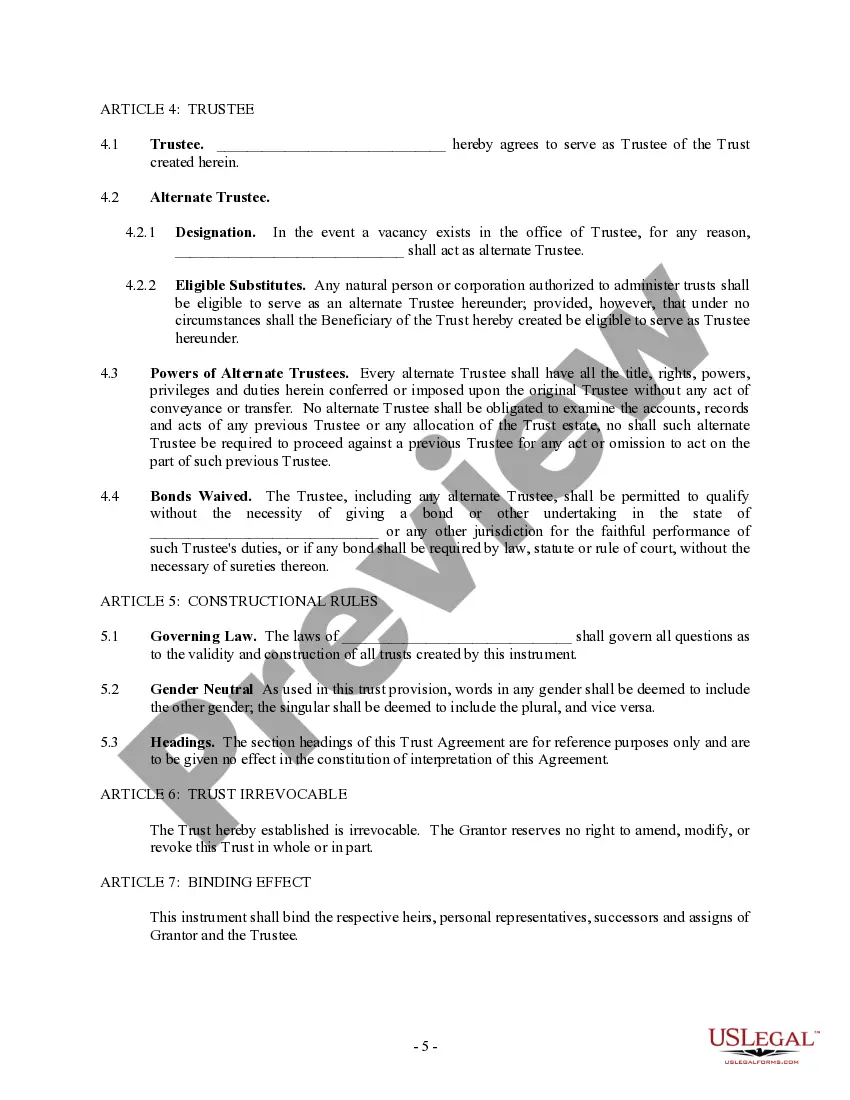
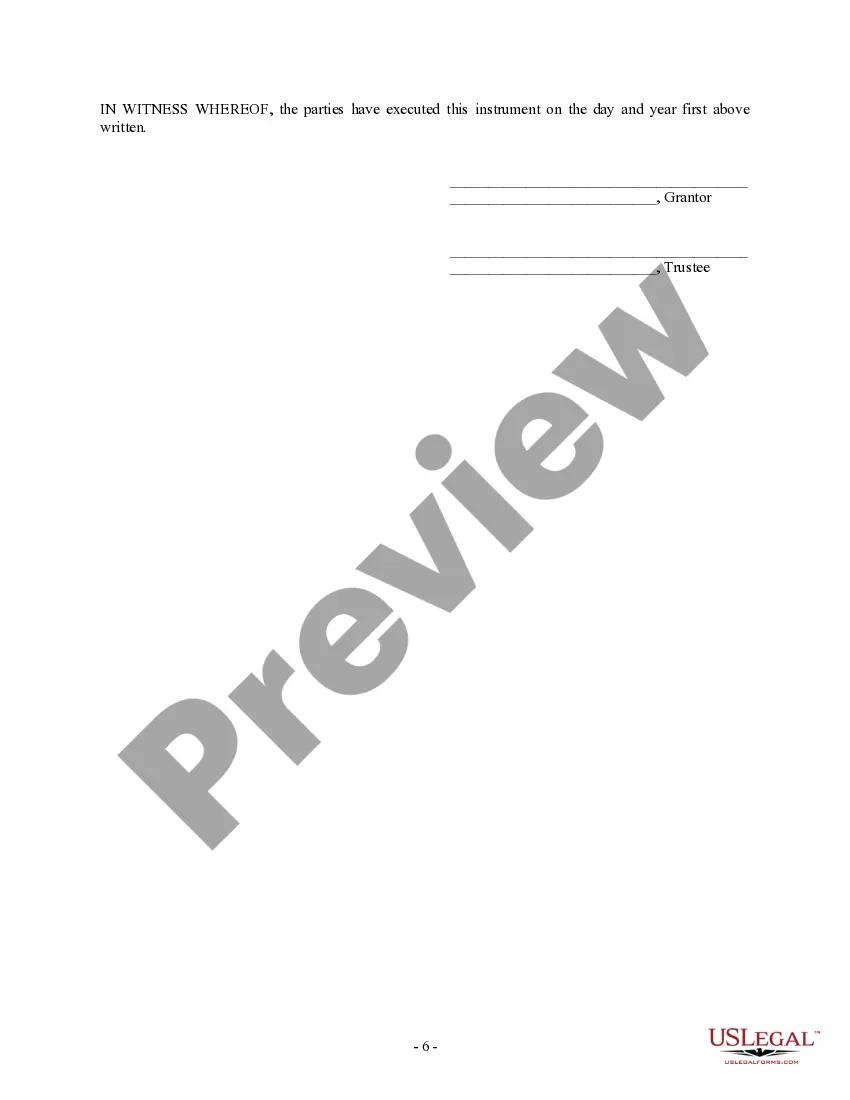
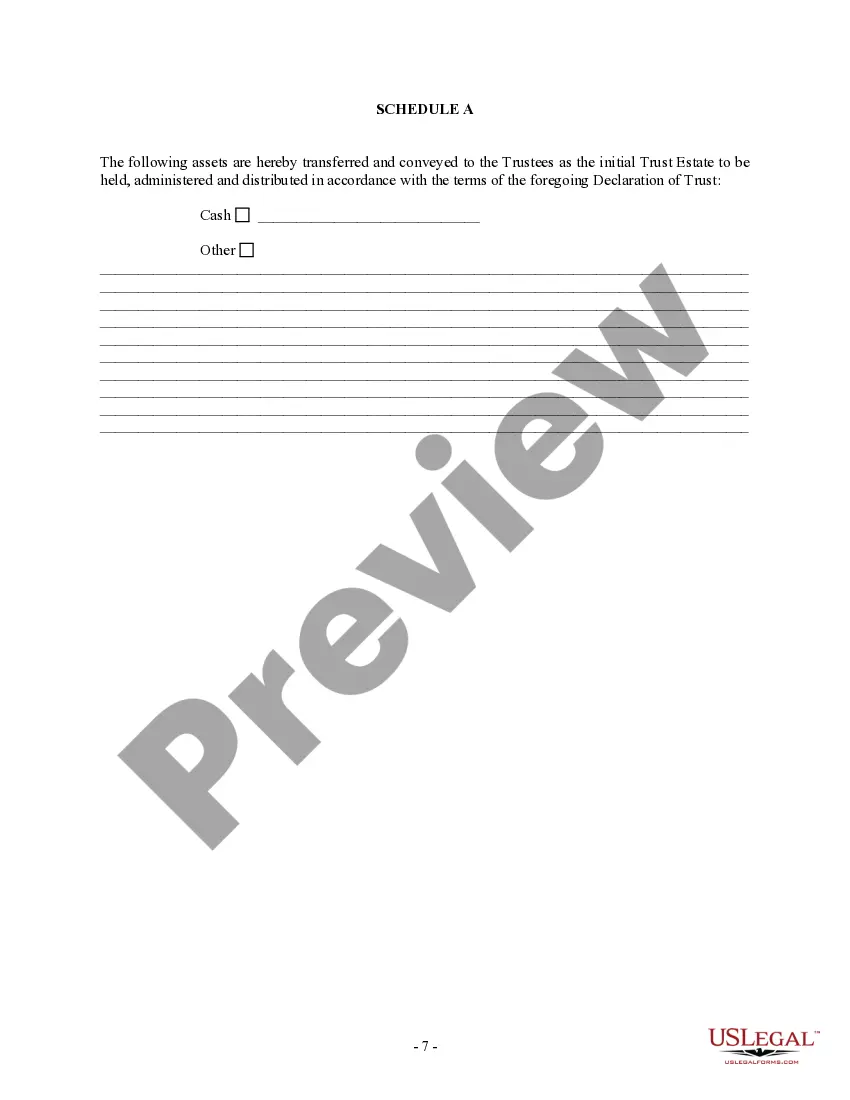
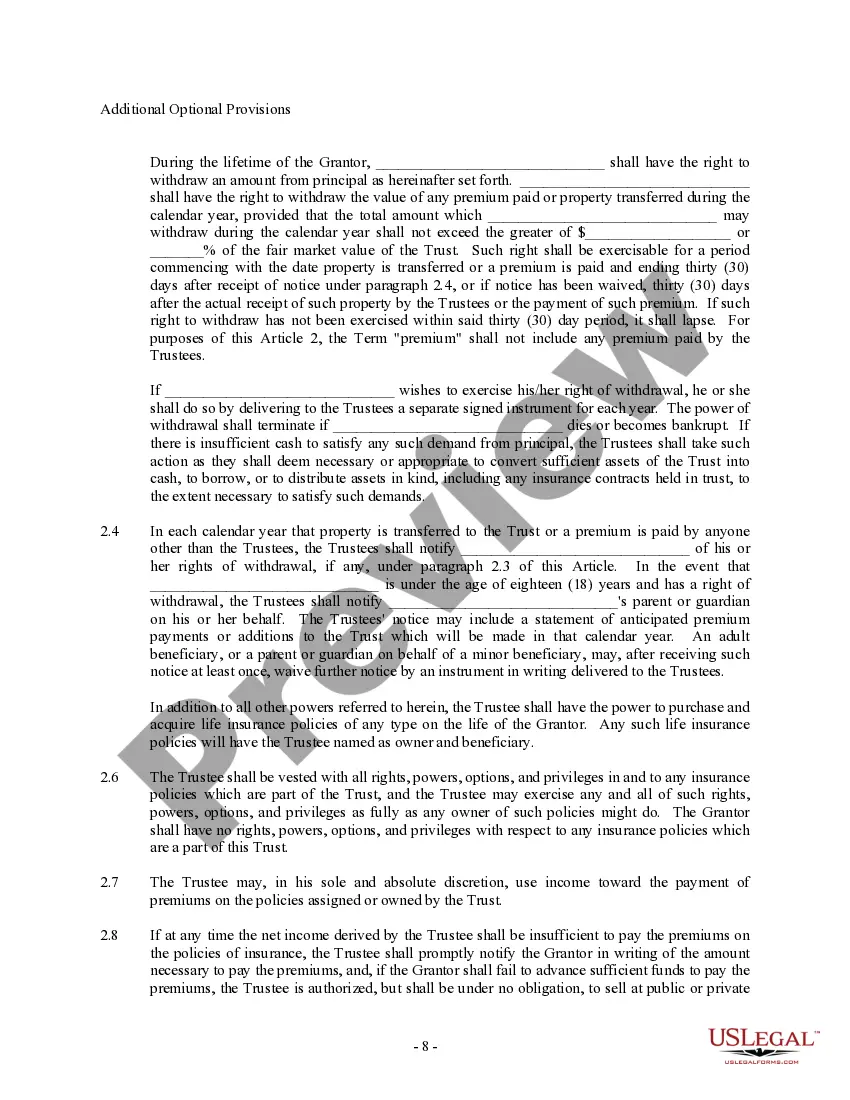
Special Needs Trust In California
Description
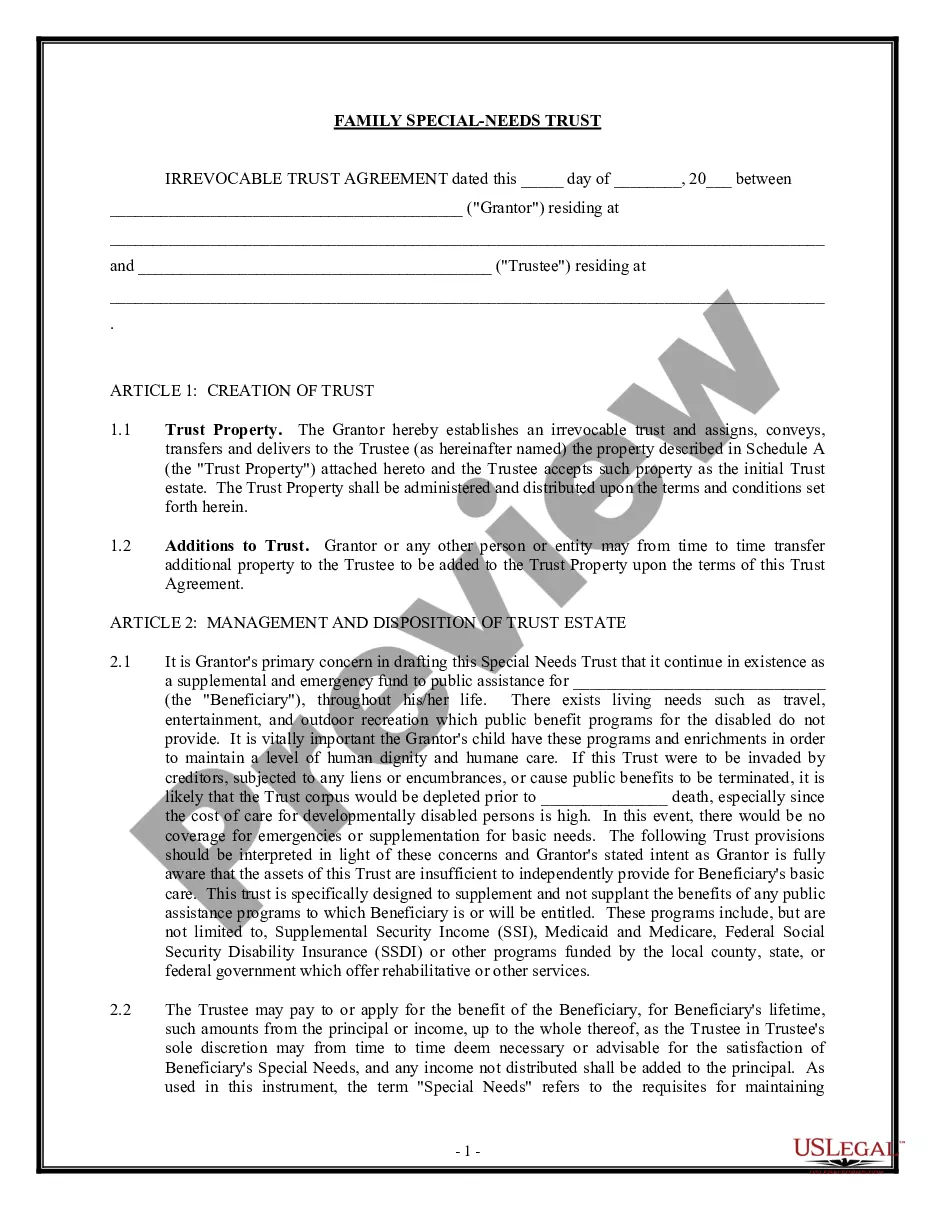
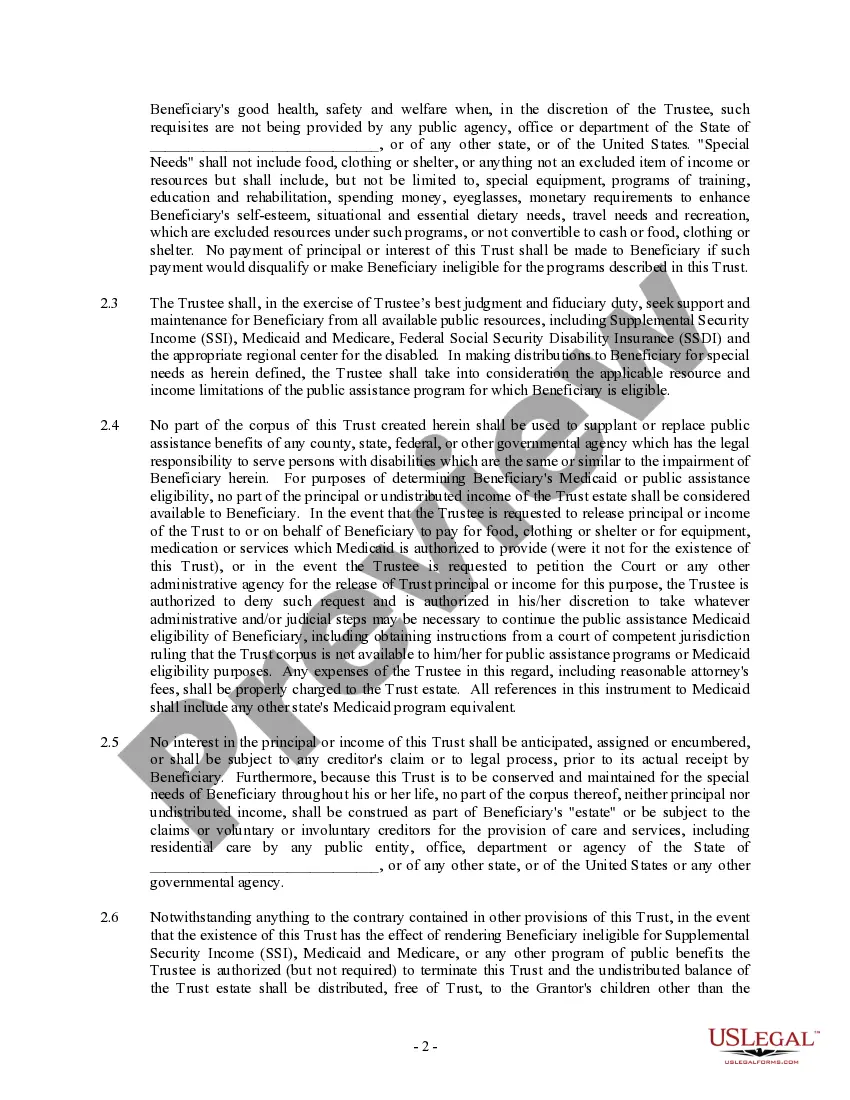
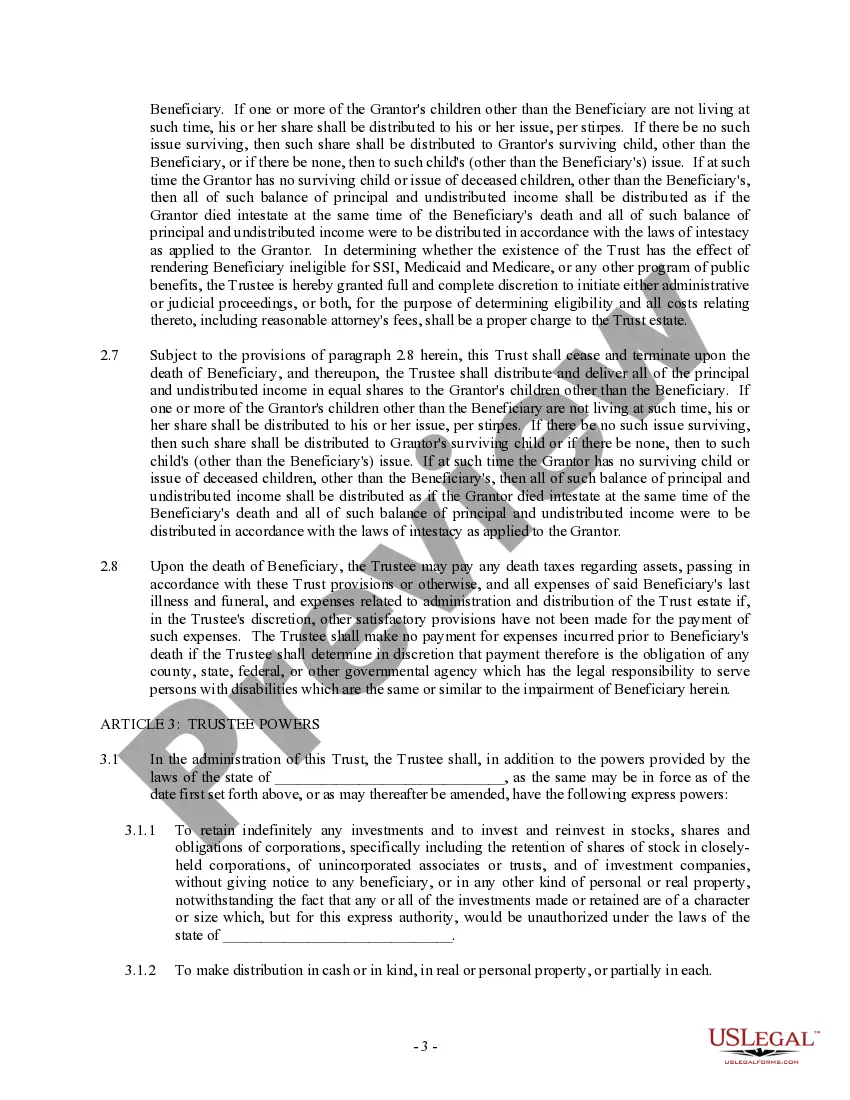
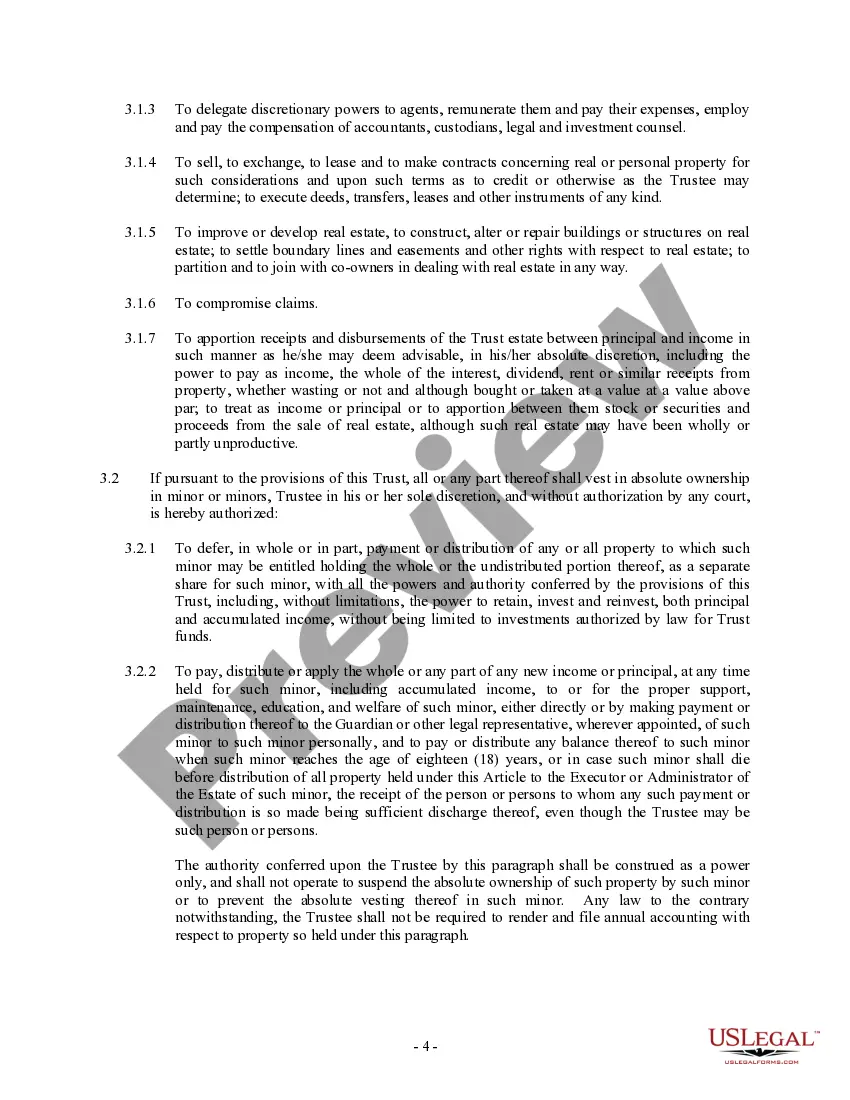
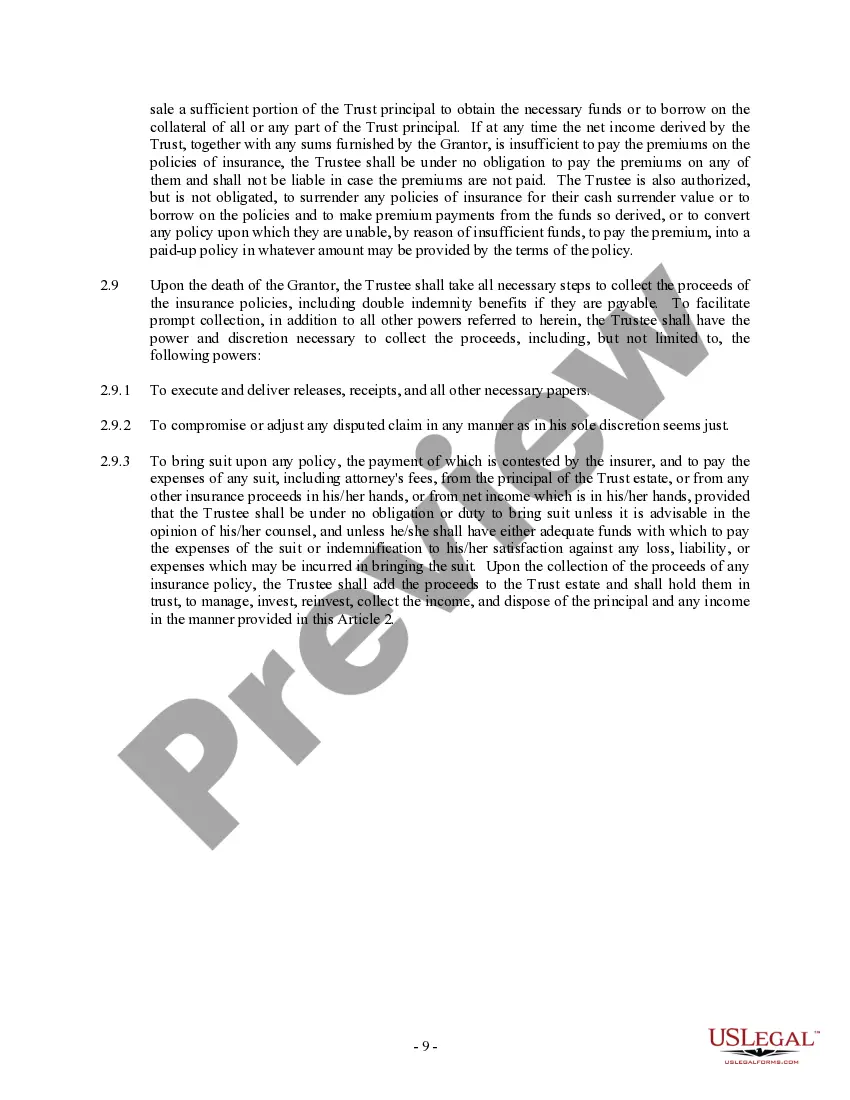
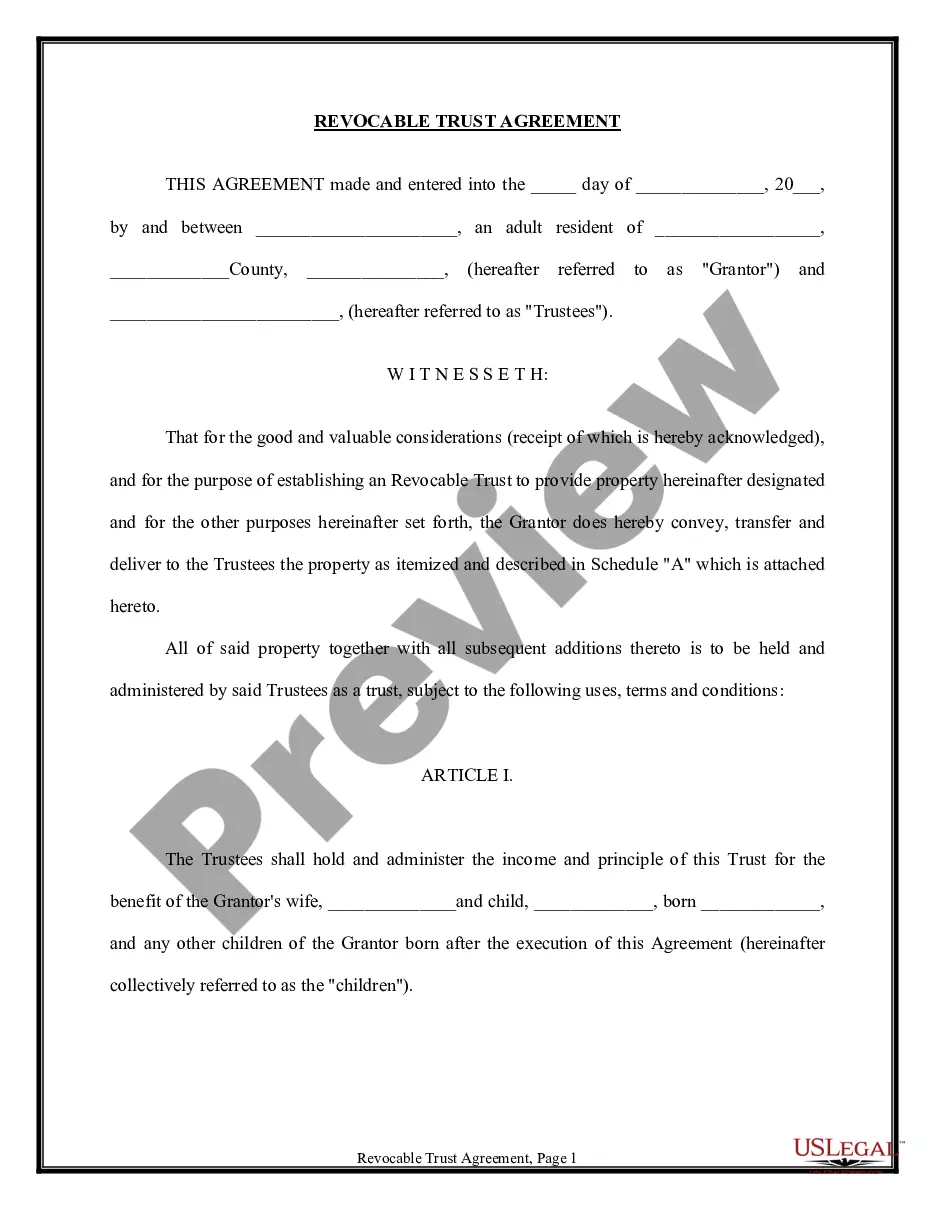
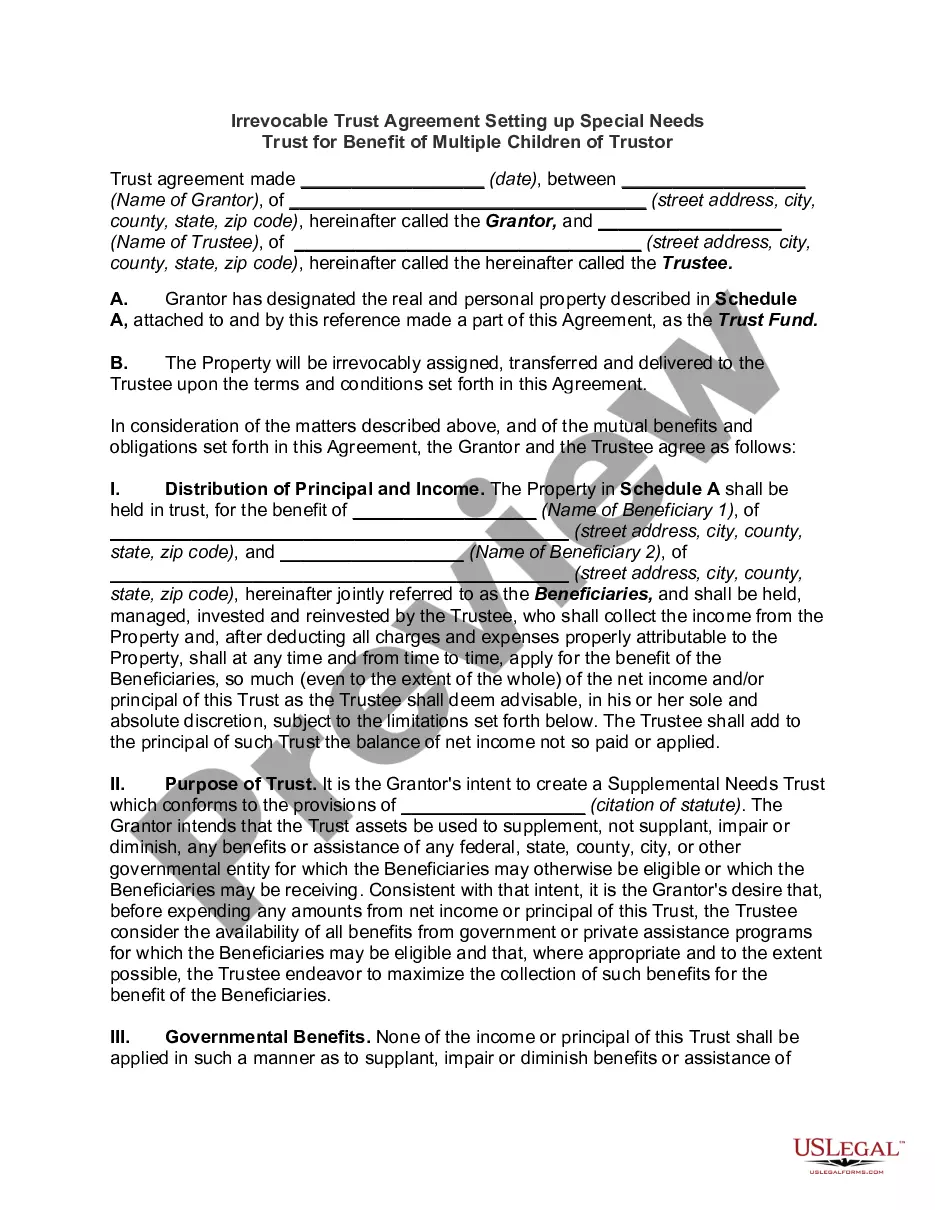
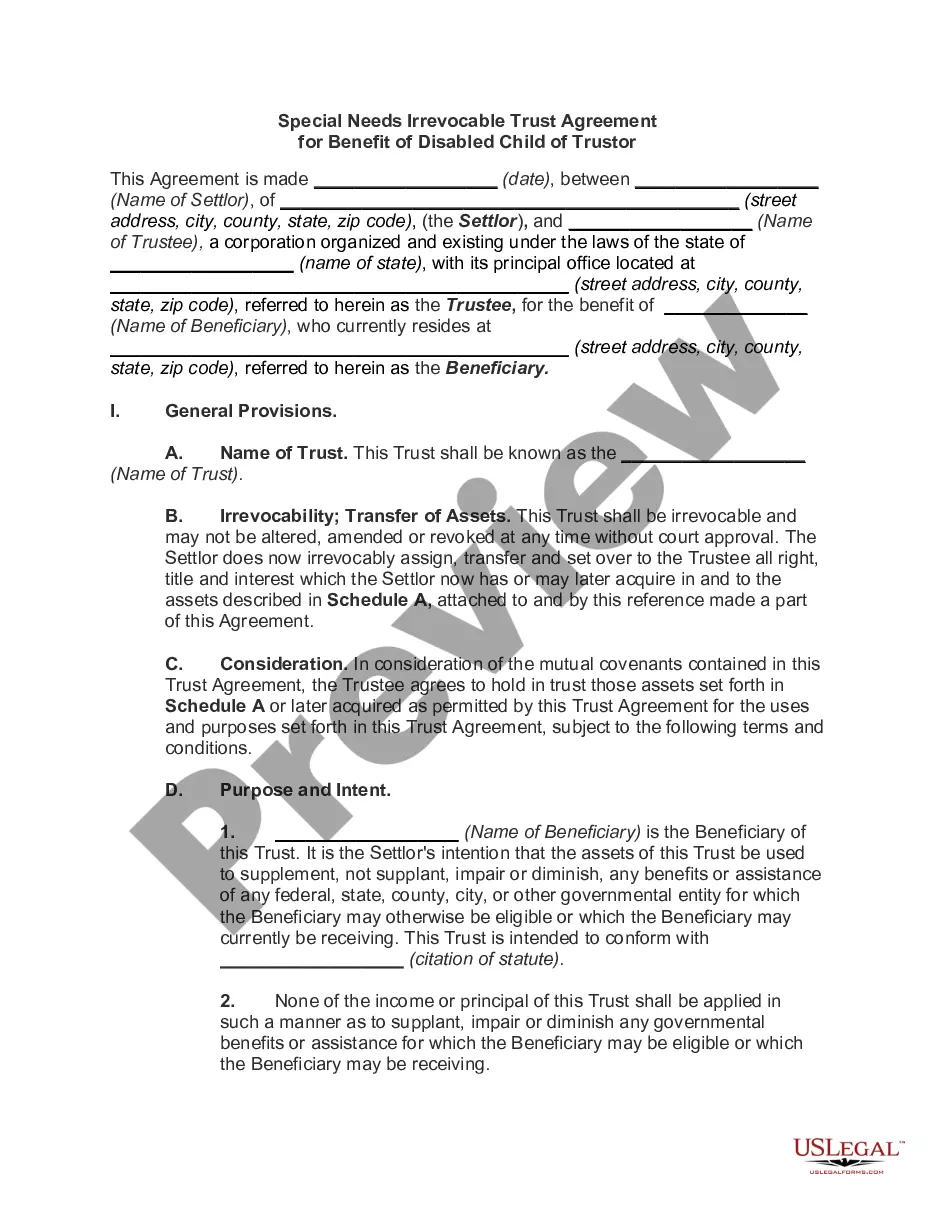
Get your form ready online
Our built-in tools help you complete, sign, share, and store your documents in one place.
Make edits, fill in missing information, and update formatting in US Legal Forms—just like you would in MS Word.
Download a copy, print it, send it by email, or mail it via USPS—whatever works best for your next step.
Sign and collect signatures with our SignNow integration. Send to multiple recipients, set reminders, and more. Go Premium to unlock E-Sign.
If this form requires notarization, complete it online through a secure video call—no need to meet a notary in person or wait for an appointment.
We protect your documents and personal data by following strict security and privacy standards.

Make edits, fill in missing information, and update formatting in US Legal Forms—just like you would in MS Word.

Download a copy, print it, send it by email, or mail it via USPS—whatever works best for your next step.

Sign and collect signatures with our SignNow integration. Send to multiple recipients, set reminders, and more. Go Premium to unlock E-Sign.

If this form requires notarization, complete it online through a secure video call—no need to meet a notary in person or wait for an appointment.

We protect your documents and personal data by following strict security and privacy standards.
Looking for another form?



How to fill out Trust Agreement - Family Special Needs?
It’s well known that you cannot become a legal authority overnight, nor can you swiftly learn how to draft a Special Needs Trust in California without possessing a distinct set of proficiencies.
Drafting legal documents is an intricate process that demands specialized education and expertise. Therefore, why not entrust the creation of the Special Needs Trust in California to the professionals.
With US Legal Forms, boasting one of the largest collections of legal templates, you can find everything from court documents to templates for corporate internal communication. We understand the significance of compliance and adherence to federal and state laws and regulations.
You can access your forms again from the My documents section at any time. If you are a returning customer, you can simply Log In, and retrieve and download the template from the same section.
Regardless of your documents' purpose—be it financial and legal, or personal—our platform has all your needs addressed. Give US Legal Forms a try today!
- Begin by searching for the required form using the search bar at the top of the page.
- View it (if this option is available) and read the accompanying description to determine whether the Special Needs Trust in California meets your needs.
- If a different template is required, restart your search.
- Sign up for a free account and choose a subscription plan to purchase the template.
- Click Buy now. After completing the payment, you are able to download the Special Needs Trust in California, complete it, print it out, and send it or mail it to the relevant individuals or organizations.
Form popularity
FAQ
A special needs trust in California works by holding assets for the benefit of a person with disabilities without affecting their eligibility for government assistance. The trustee manages the assets and distributions, ensuring they are used for special needs not covered by public benefits. To navigate this process effectively, many turn to platforms like US Legal Forms for the necessary resources and guidance.
The special needs trust law in California allows individuals with disabilities to maintain eligibility for government benefits while receiving trust income. This law outlines how the trust should be established and managed to protect the beneficiary's assets. By adhering to these regulations, you can ensure that your loved one enjoys the financial support they need without jeopardizing essential benefits.
While a special needs trust in California provides numerous benefits, it also has downsides. One drawback is the potential complexity of managing the trust, which can require legal guidance and time. Additionally, the trust may limit access to certain government benefits if not structured correctly. Understanding these aspects is vital to ensure the trust serves its intended purpose.
The exemption amount for a special needs trust in California can be quite significant. Generally, these trusts allow beneficiaries to maintain eligibility for government benefits while also having access to trust funds. The specific exemption amount can vary based on state guidelines and federal policies. It’s advisable to work with a qualified advisor to navigate the complex regulations surrounding these exemptions to maximize your trust's benefits.
Not all trusts are required to file a tax return, but it depends on the type of trust created. For instance, a special needs trust in California may need to file a tax return if it generates income above a certain threshold. It's crucial to understand your trust's unique tax obligations. Consulting with a tax professional or using a trusted platform like USLegalForms can provide clarity on this matter.
To establish a special needs trust in California, you need to follow some specific filing requirements. Typically, you must create the trust document, which should outline the trust's purpose and beneficiaries. Furthermore, it is essential to ensure that the trust complies with state and federal regulations, so consulting with an attorney who specializes in special needs trusts is vital. By doing this, you can ensure that the trust effectively safeguards the assets for the intended beneficiary.
Special needs trusts in California can experience challenges, such as potential mismanagement of funds or misunderstandings about how they operate. Often, people struggle with the complexities of compliance, which may lead to the unintentional loss of essential benefits for the individual. To navigate these issues successfully, consider utilizing resources like uslegalforms, which provide guidance and support for creating and managing special needs trusts accurately.