Special Needs Trust Form 1041 For 2017
Description
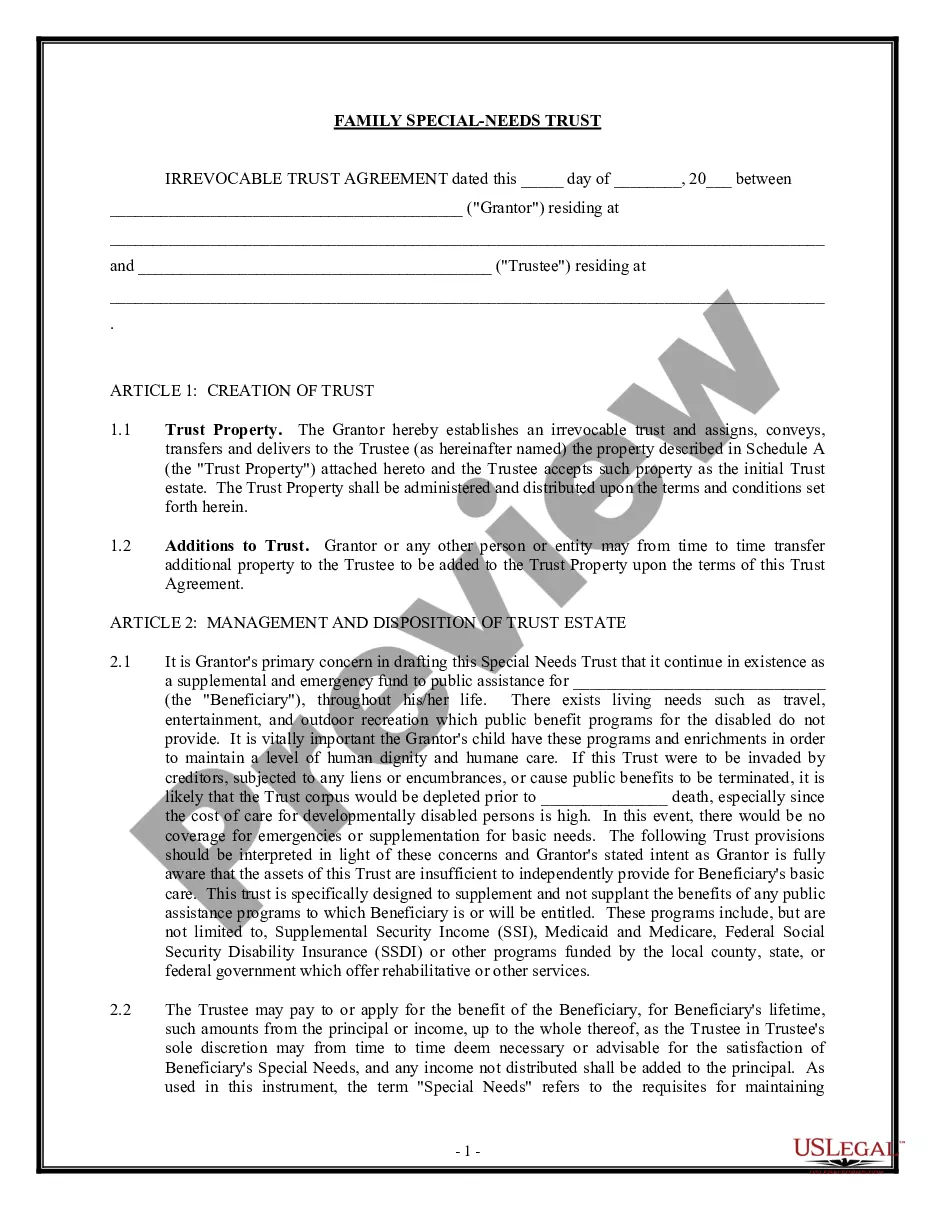
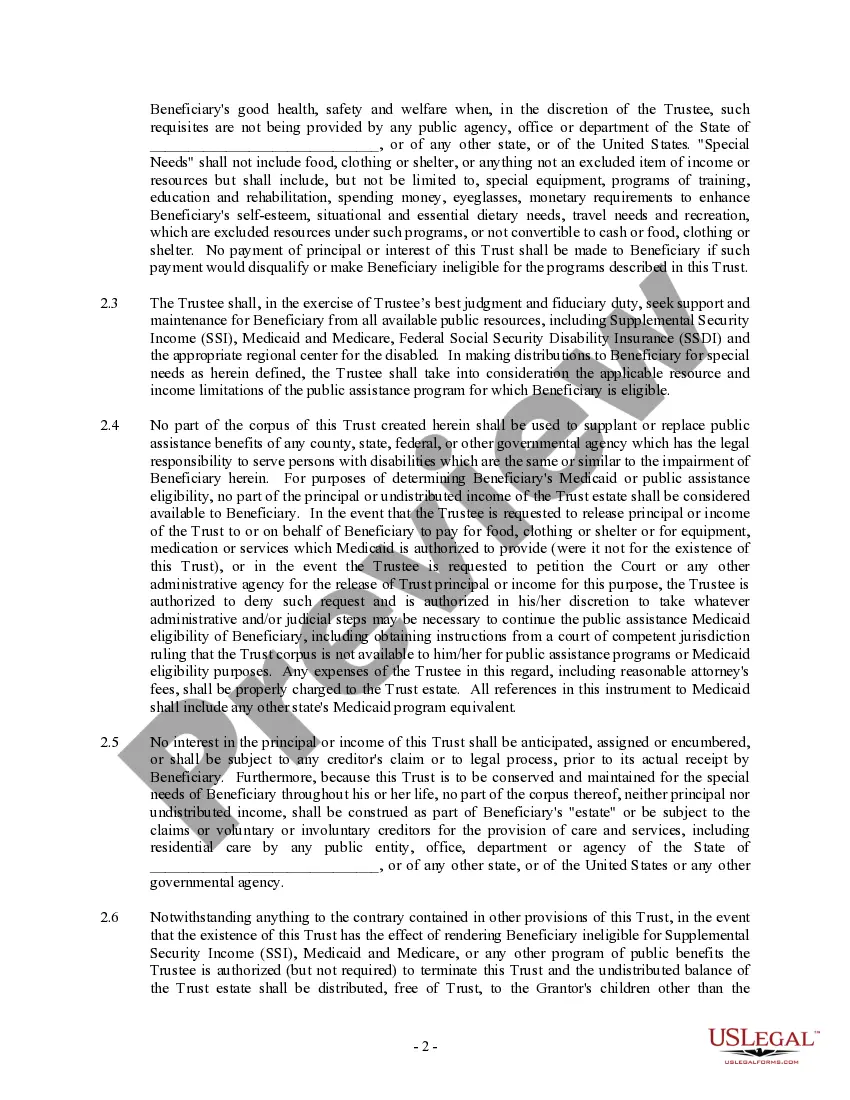
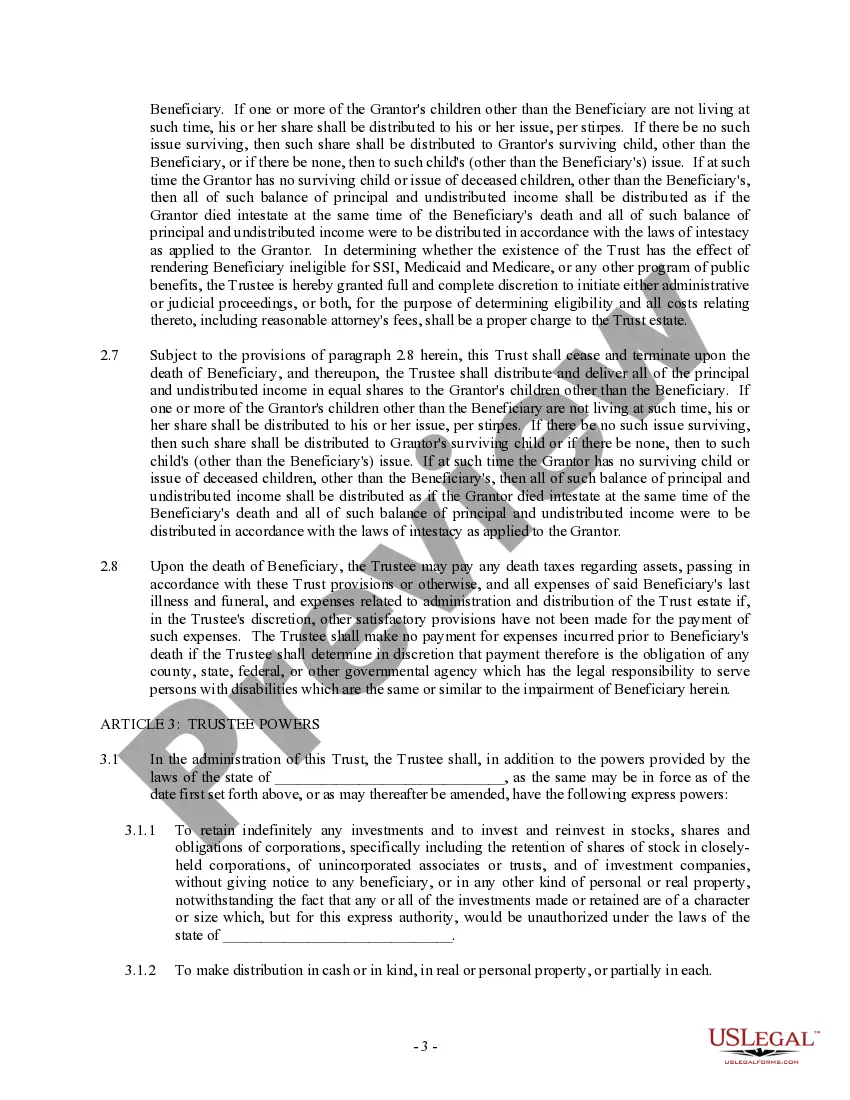
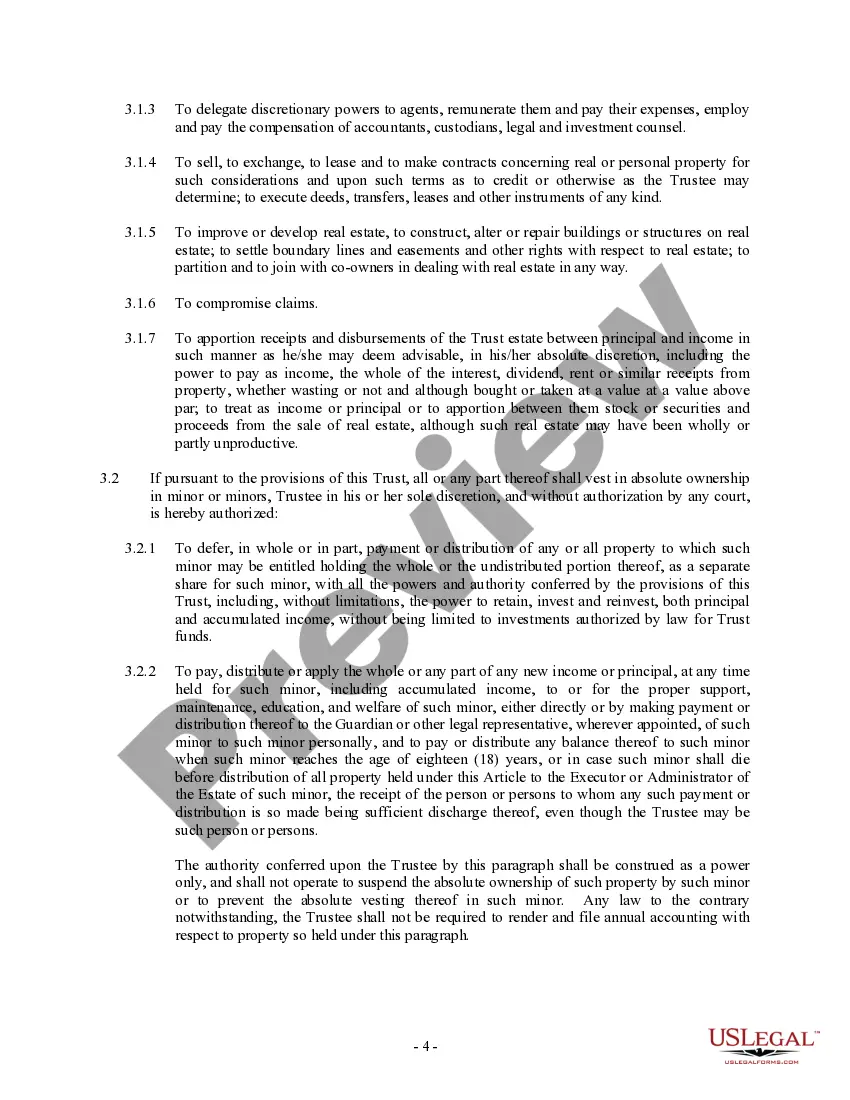
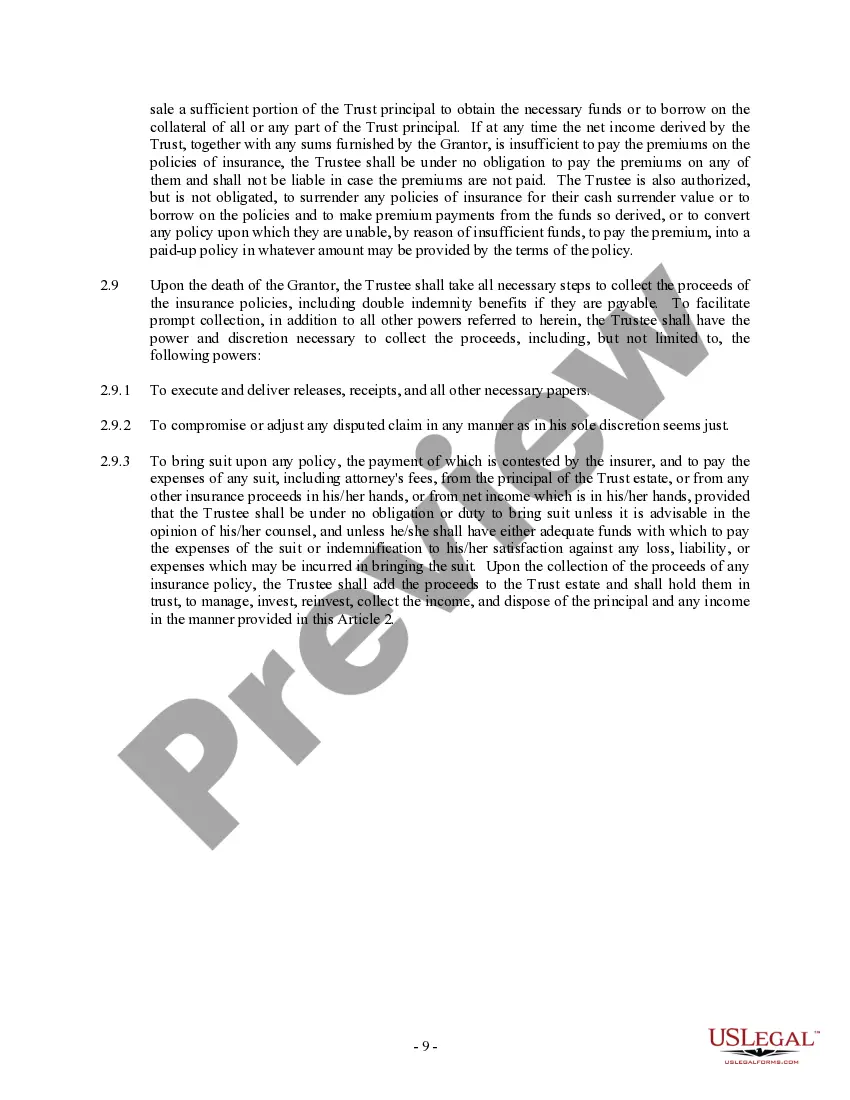
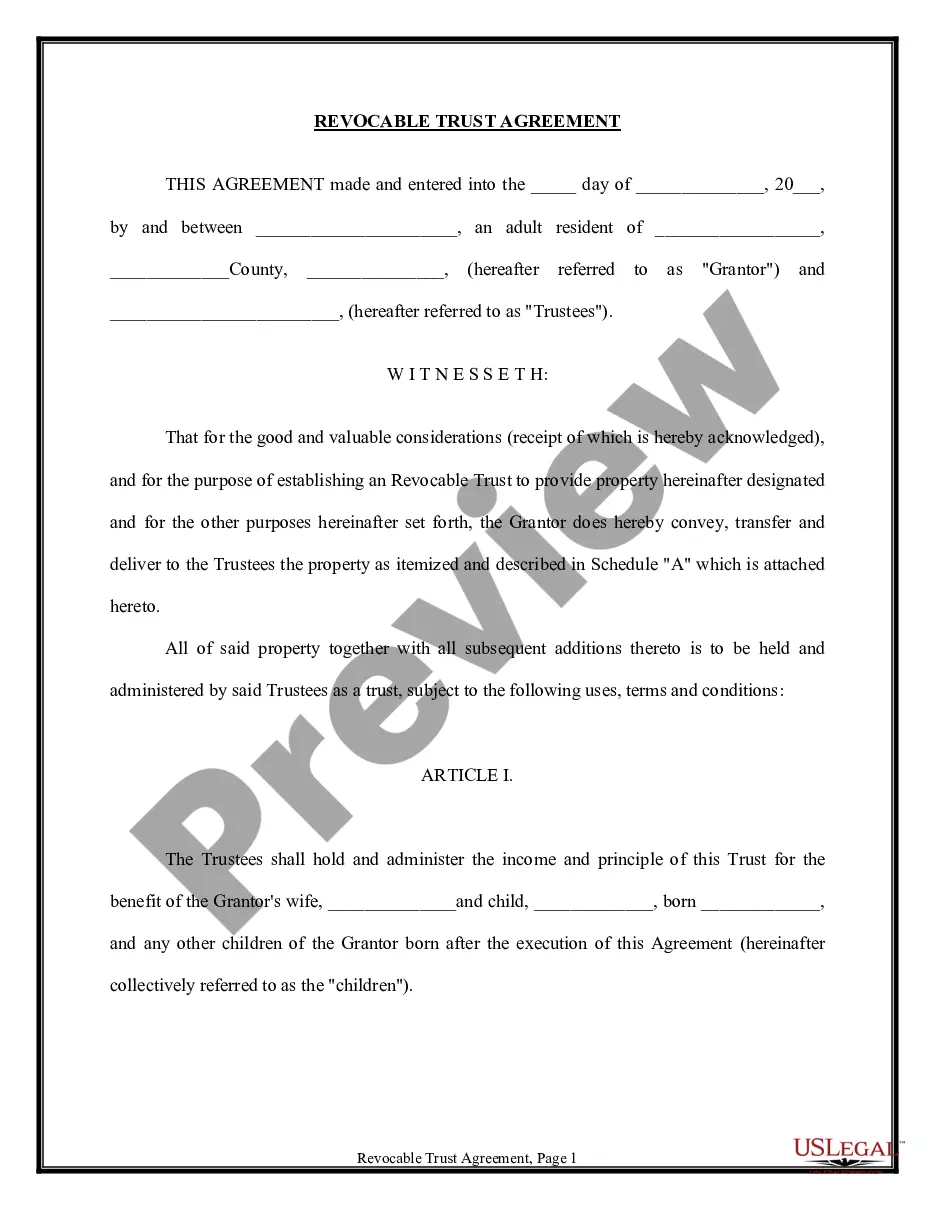

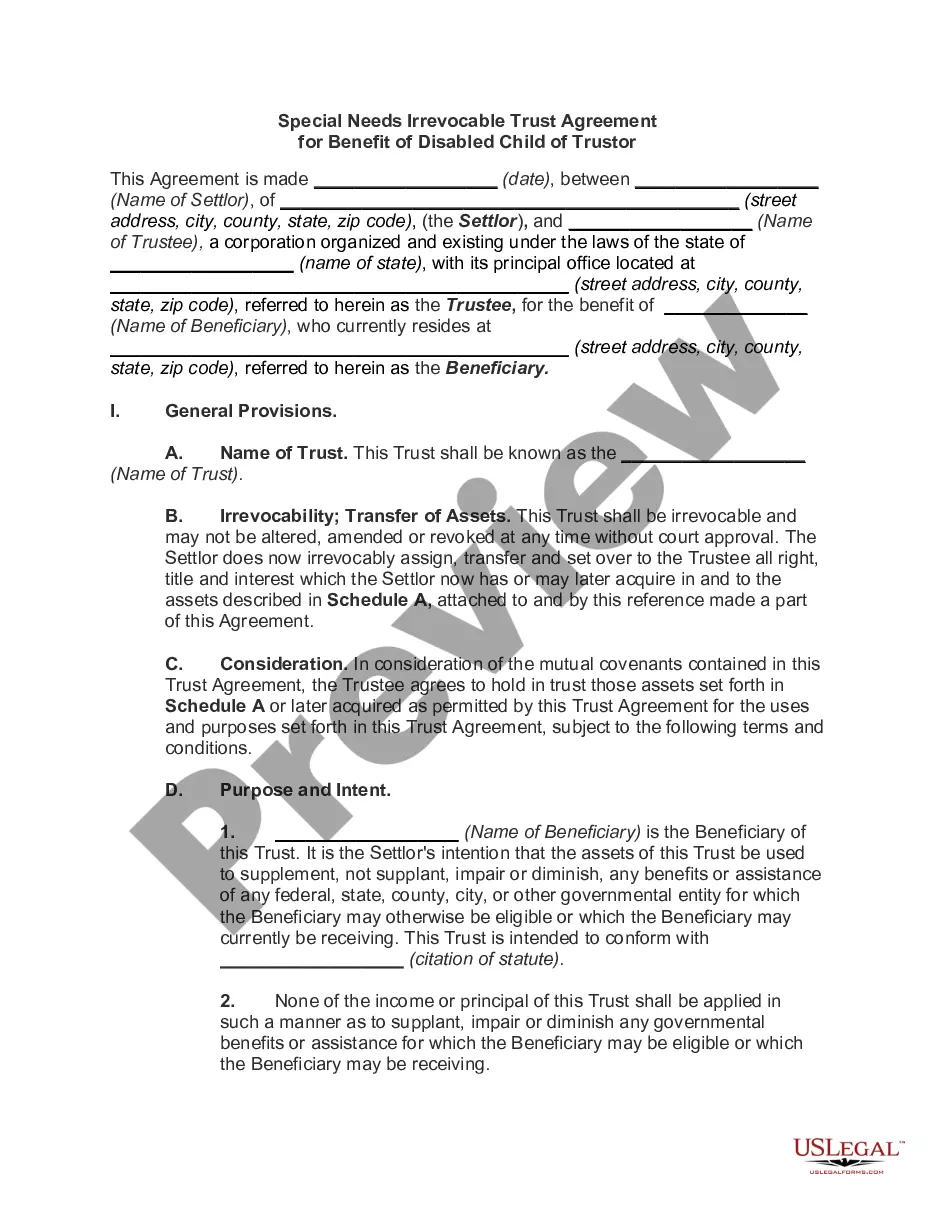
Get your form ready online
Our built-in tools help you complete, sign, share, and store your documents in one place.
Make edits, fill in missing information, and update formatting in US Legal Forms—just like you would in MS Word.
Download a copy, print it, send it by email, or mail it via USPS—whatever works best for your next step.
Sign and collect signatures with our SignNow integration. Send to multiple recipients, set reminders, and more. Go Premium to unlock E-Sign.
If this form requires notarization, complete it online through a secure video call—no need to meet a notary in person or wait for an appointment.
We protect your documents and personal data by following strict security and privacy standards.

Make edits, fill in missing information, and update formatting in US Legal Forms—just like you would in MS Word.

Download a copy, print it, send it by email, or mail it via USPS—whatever works best for your next step.

Sign and collect signatures with our SignNow integration. Send to multiple recipients, set reminders, and more. Go Premium to unlock E-Sign.

If this form requires notarization, complete it online through a secure video call—no need to meet a notary in person or wait for an appointment.

We protect your documents and personal data by following strict security and privacy standards.
Looking for another form?







How to fill out Trust Agreement - Family Special Needs?
It’s well known that you cannot become a legal authority instantly, nor can you learn how to swiftly prepare Special Needs Trust Form 1041 For 2017 without possessing a specific set of expertise. Assembling legal paperwork is a lengthy process that demands certain education and abilities. So why not delegate the creation of the Special Needs Trust Form 1041 For 2017 to the professionals.
With US Legal Forms, one of the most comprehensive legal document repositories, you can locate anything from court filings to templates for internal business communication. We understand how vital compliance and adherence to federal and state regulations are. That’s why, on our platform, all templates are location-specific and current.
Here’s begin with our website and acquire the form you require in just a few minutes.
You can re-access your documents from the My documents tab at any moment. If you’re an existing client, you can simply Log In, and find and download the template from the same tab.
Regardless of the purpose of your forms—be it financial and legal, or personal—our website has you covered. Try US Legal Forms now!
- Find the document you need using the search bar at the top of the page.
- Preview it (if this option is available) and review the supporting description to verify if Special Needs Trust Form 1041 For 2017 is what you’re looking for.
- Restart your search if you require a different template.
- Create a free account and choose a subscription plan to buy the form.
- Click Buy now. Once the payment is finalized, you can download the Special Needs Trust Form 1041 For 2017, fill it out, print it, and deliver or mail it to the required individuals or organizations.
Form popularity
FAQ
Whether or not you need an EIN for a trust depends on the type of trust. Generally, grantor revocable trusts do not need an EIN. Any income taxes from a revocable trust is reported via the grantor's SSN since the grantor can revoke the trust at any time and regain possession of the property.
In these circumstances, the Form 1041 is very simple to complete. The trustee will check the box on Form 1041 indicating that the trust is a grantor trust and provide some general information about the trust (name, address, tax identification number, and the date the trust was established).
Third-party SNTs are generally considered either ?complex trusts? or ?qualified disability trusts? for income tax purposes. The SNT itself is responsible for reporting its own items of income, deduction and credit.
A Special Needs Trust must have its own Federal Identification Number (also called an Employer Identification Number, EIN, Tax Identification Number, or TIN) to be valid. This unique number means that the Trust is its own entity, and that it does not belong to anyone but itself.
In the case of third party special needs trusts, if the trust is considered a grantor trust, all items of income, deduction and credit are generally taxed to the individual(s) who created and funded the trust (typically parents or other relatives of the individual with a disability).