Revocable Living Trust Suze Orman Withdrawal
Description
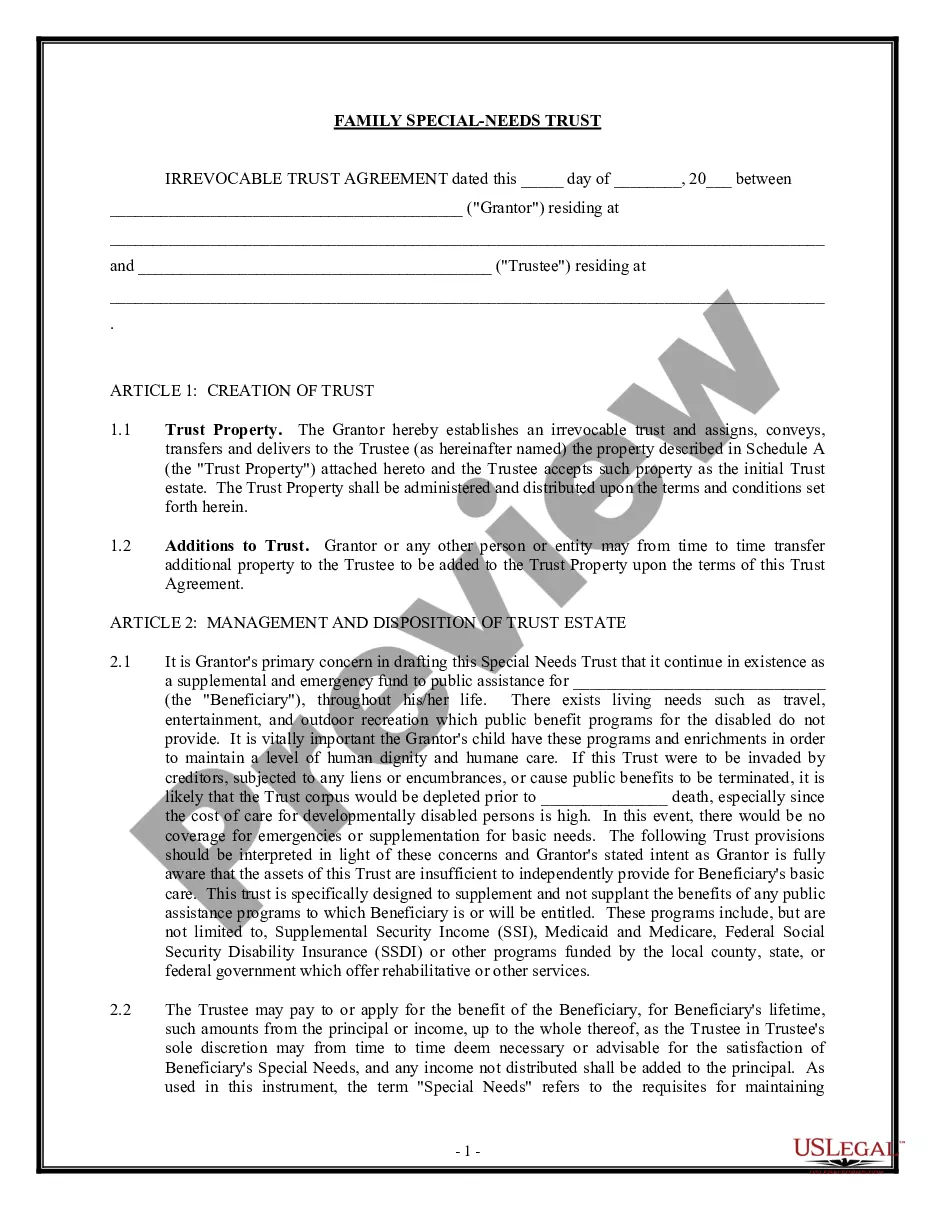
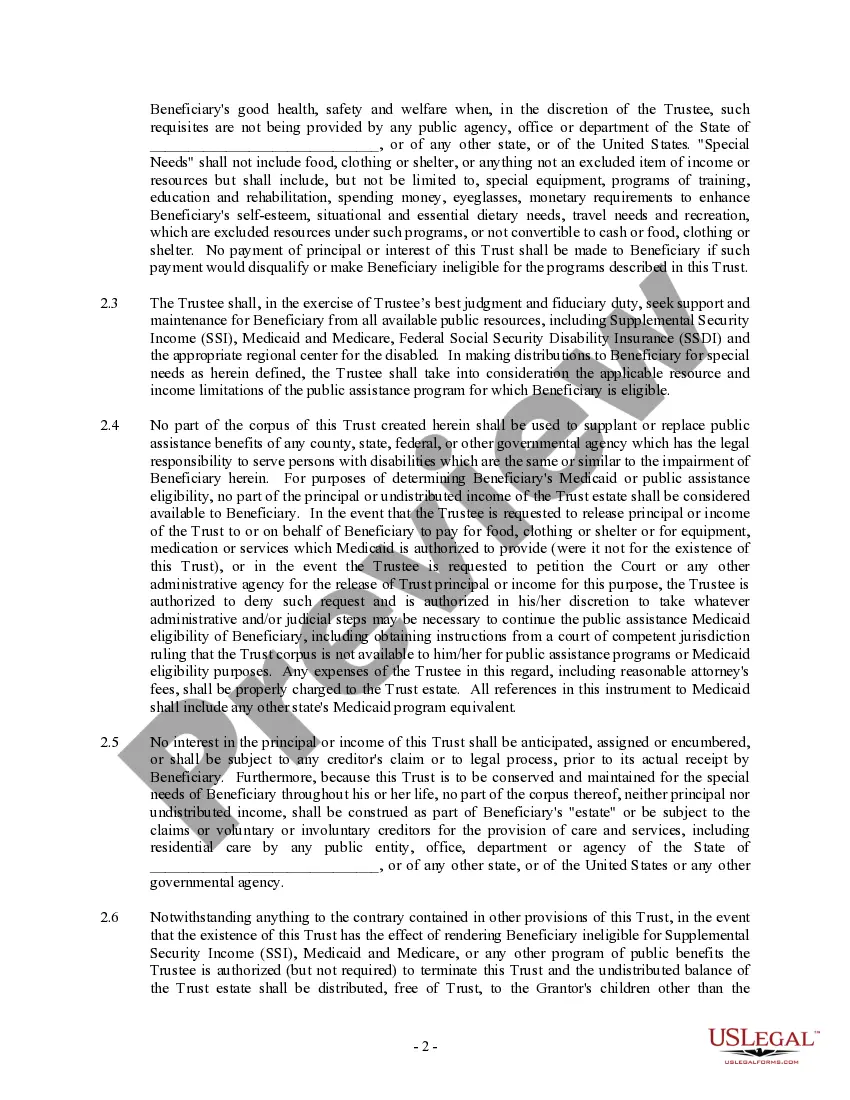
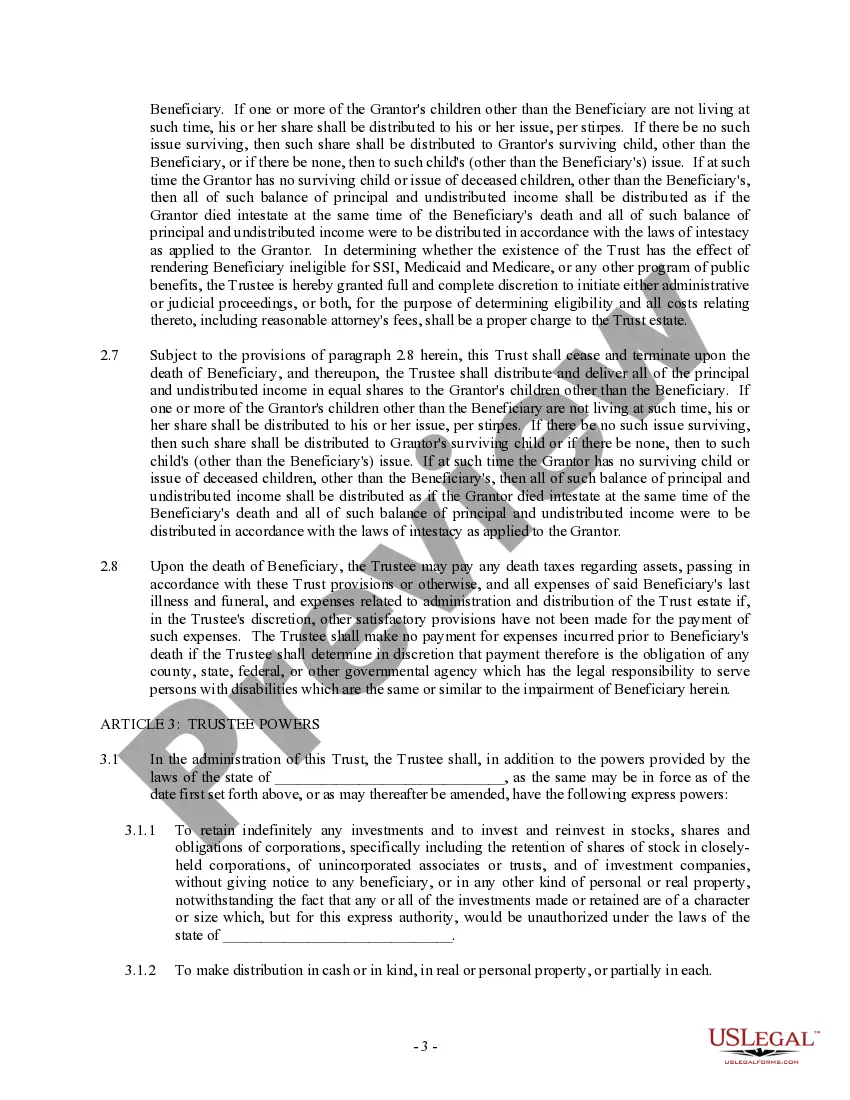
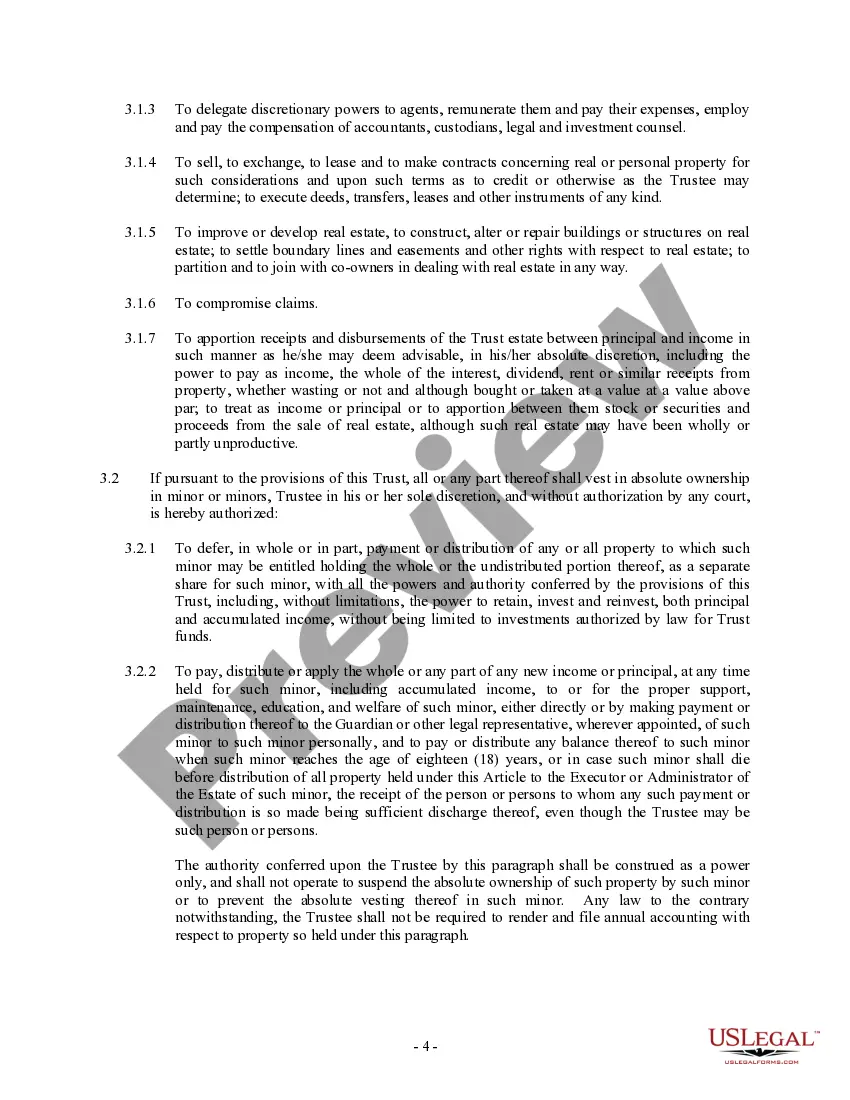
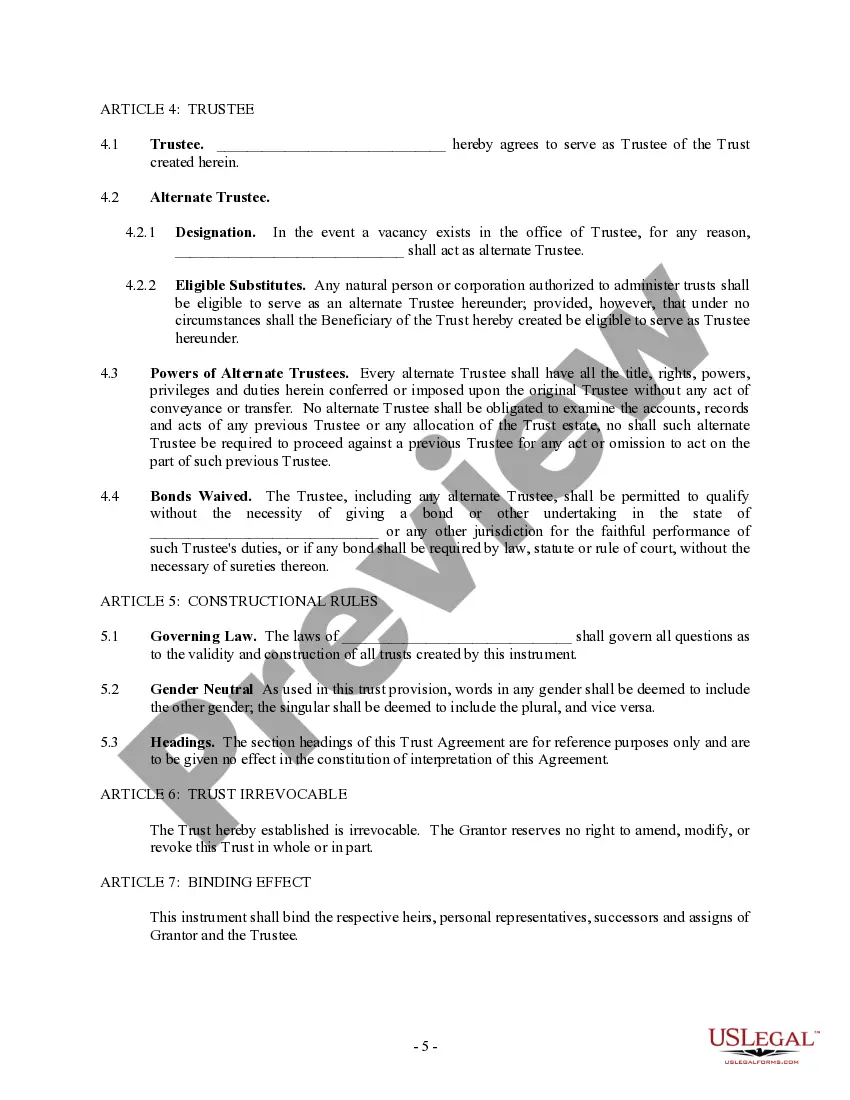
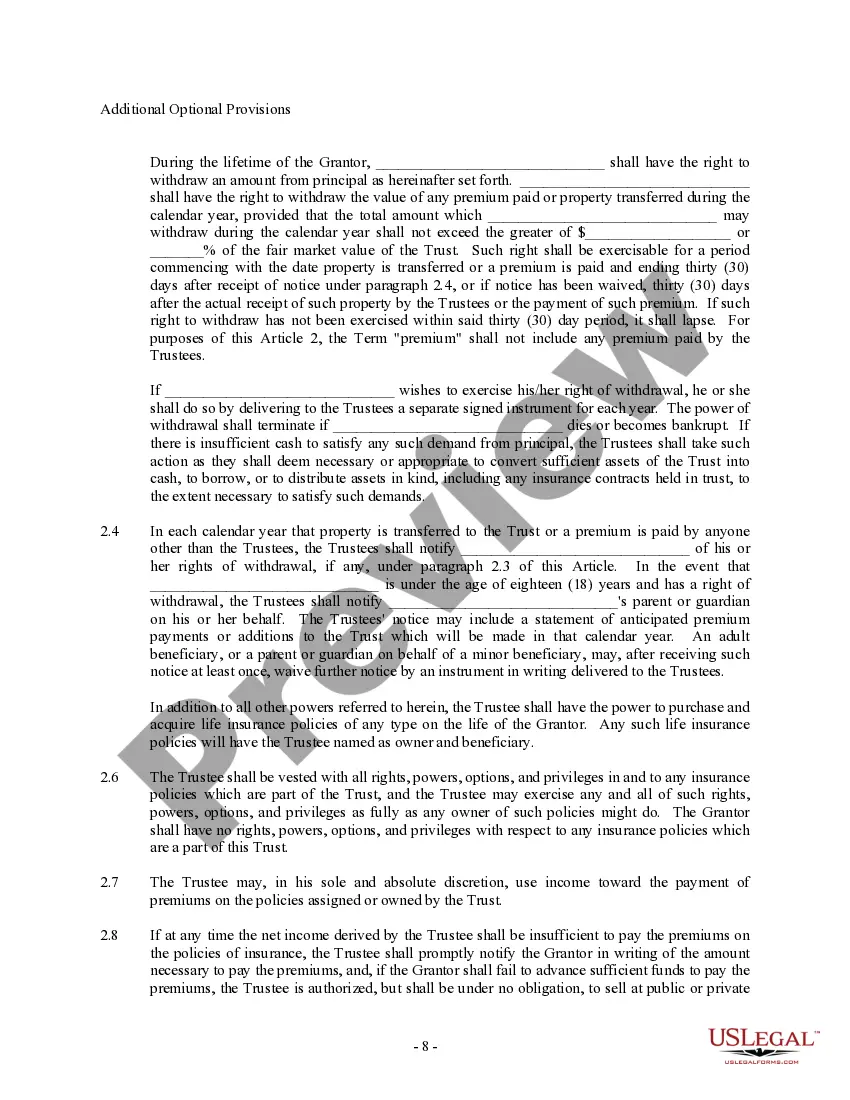
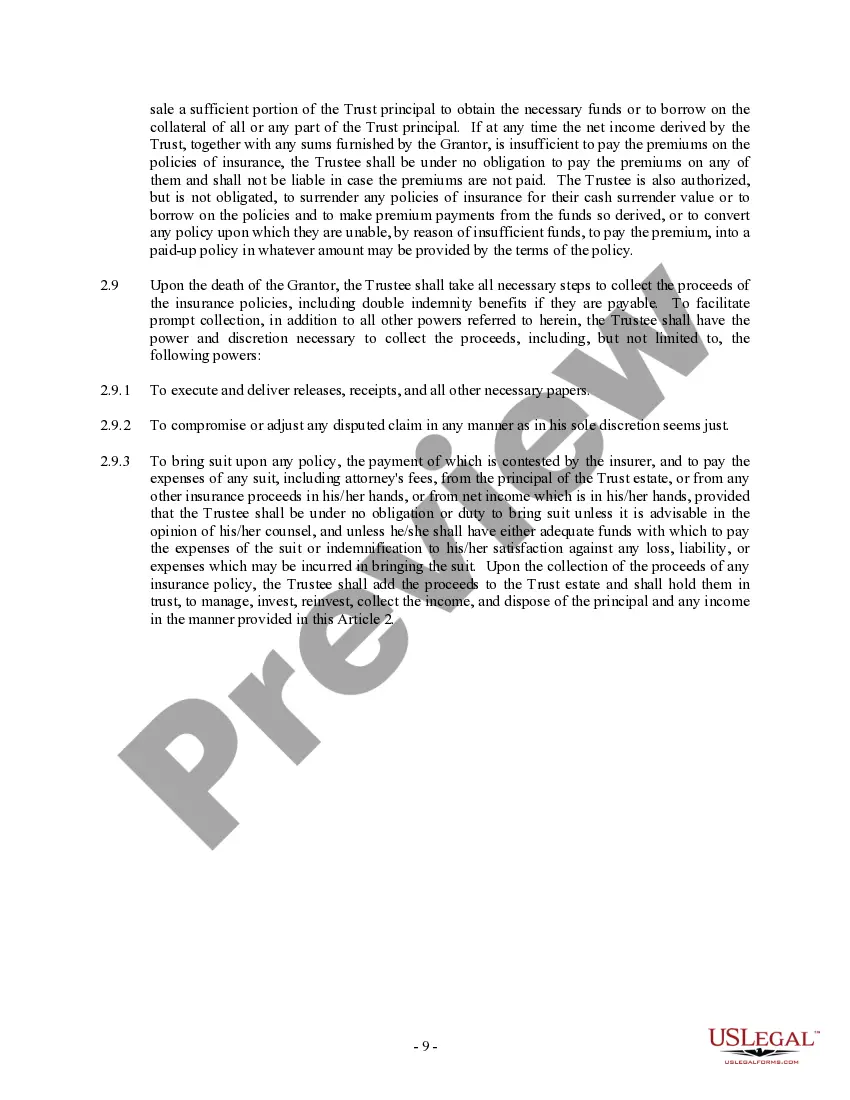
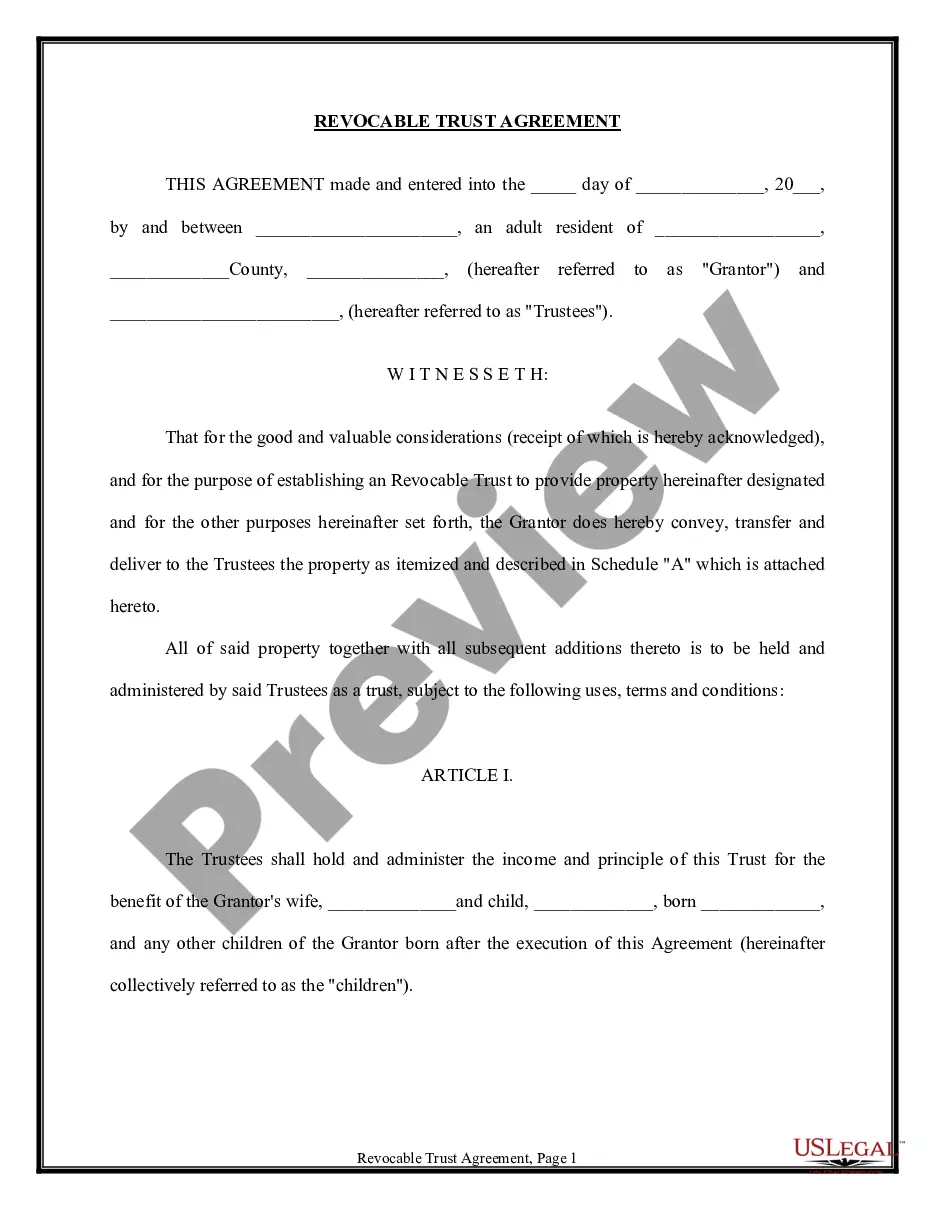
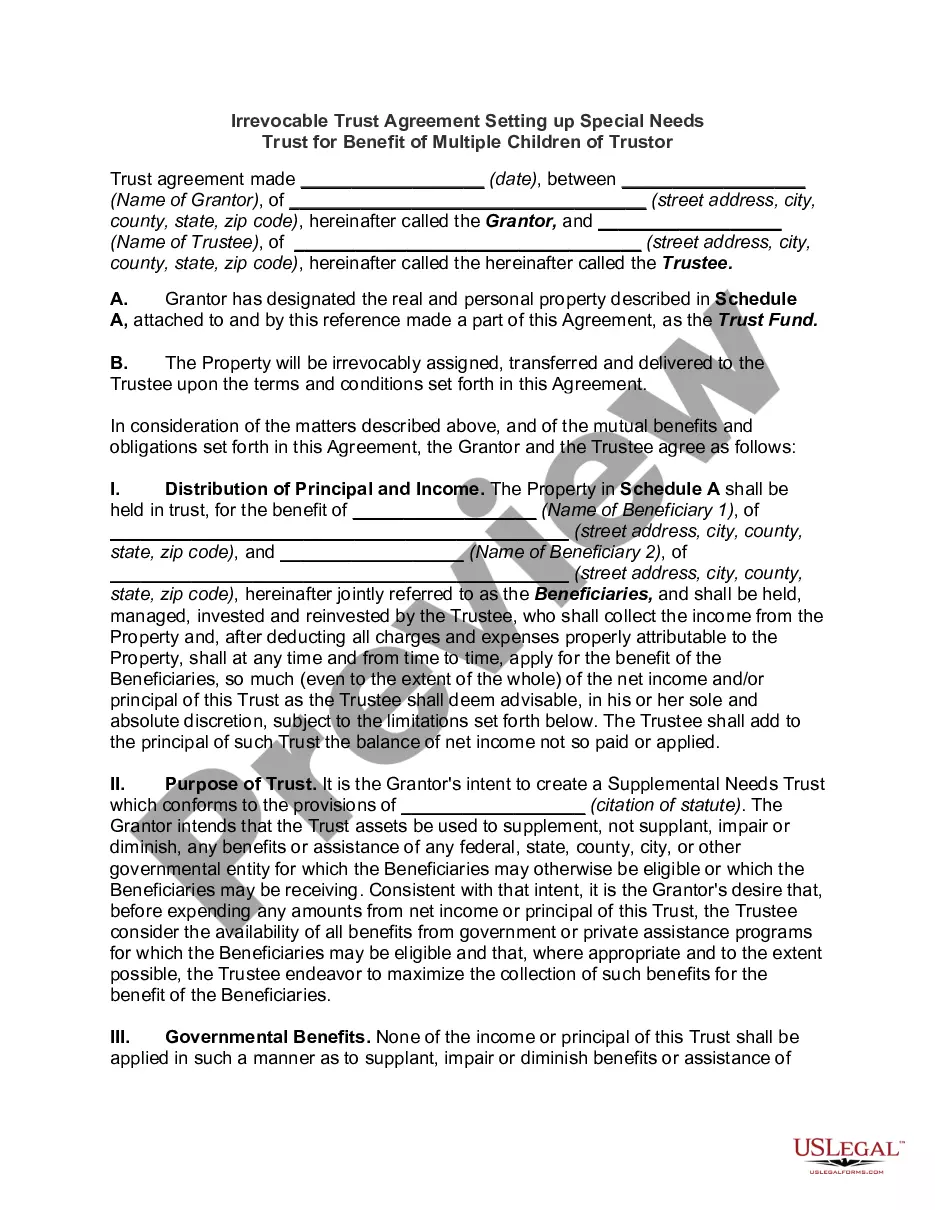
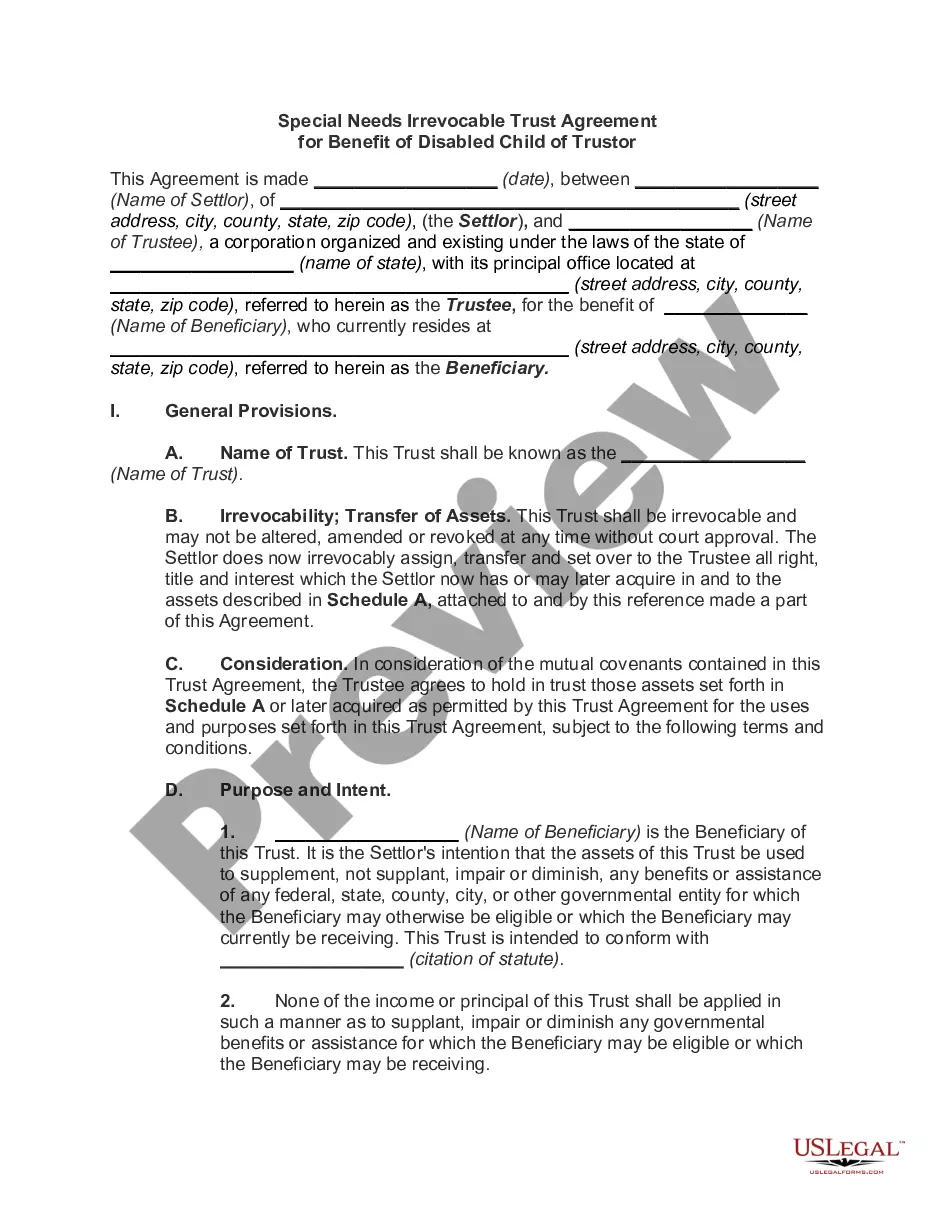
Get your form ready online
Our built-in tools help you complete, sign, share, and store your documents in one place.
Make edits, fill in missing information, and update formatting in US Legal Forms—just like you would in MS Word.
Download a copy, print it, send it by email, or mail it via USPS—whatever works best for your next step.
Sign and collect signatures with our SignNow integration. Send to multiple recipients, set reminders, and more. Go Premium to unlock E-Sign.
If this form requires notarization, complete it online through a secure video call—no need to meet a notary in person or wait for an appointment.
We protect your documents and personal data by following strict security and privacy standards.

Make edits, fill in missing information, and update formatting in US Legal Forms—just like you would in MS Word.

Download a copy, print it, send it by email, or mail it via USPS—whatever works best for your next step.

Sign and collect signatures with our SignNow integration. Send to multiple recipients, set reminders, and more. Go Premium to unlock E-Sign.

If this form requires notarization, complete it online through a secure video call—no need to meet a notary in person or wait for an appointment.

We protect your documents and personal data by following strict security and privacy standards.
Looking for another form?

How to fill out Trust Agreement - Family Special Needs?
Whether for commercial reasons or personal matters, individuals must confront legal circumstances at some point in their lives.
Completing legal documents necessitates meticulous care, starting with choosing the correct form template.
Once it is saved, you may complete the form using editing software or print it and fill it out by hand. With an extensive US Legal Forms catalog available, you won’t need to waste time searching for the right template online. Take advantage of the library’s straightforward navigation to discover the appropriate template for any situation.
- Obtain the template you require by utilizing the search bar or catalog navigation.
- Review the form’s description to confirm it aligns with your situation, jurisdiction, and area.
- Select the form’s preview to inspect it.
- If it is the incorrect form, return to the search function to find the Revocable Living Trust Suze Orman Withdrawal template you need.
- Download the template if it fulfills your requirements.
- If you possess a US Legal Forms account, simply click Log in to access previously stored documents in My documents.
- If you have not yet created an account, you can download the form by clicking Buy now.
- Select the appropriate pricing option.
- Complete the profile registration form.
- Choose your payment method: you can use a credit card or PayPal account.
- Select the document format you prefer and download the Revocable Living Trust Suze Orman Withdrawal.
Form popularity
FAQ
The Disadvantage of a Revocable Living Trust Expansive: Creating a revocable living trust can be more expensive than a simple will due to legal fees and document preparation. Complexity: Managing a trust requires ongoing paperwork and record-keeping, which can be burdensome and time-consuming.
You cannot put your individual retirement account (IRA) in a trust while you are living. You can, however, name a trust as the beneficiary of your IRA and dictate how the assets are to be handled after your death. This applies to all types of IRAs, including traditional, Roth, SEP, and SIMPLE IRAs.
A living trust can help you manage and pass on a variety of assets. However, there are a few asset types that generally shouldn't go in a living trust, including retirement accounts, health savings accounts, life insurance policies, UTMA or UGMA accounts and vehicles.
Suze Orman, the popular financial guru, goes so far as to say that ?everyone? needs a revocable living trust. But what everyone really needs is some good advice. Living trusts can be useful in limited circumstances, but most of us are simply better off without one.
ALL 4 MUST HAVE DOCS: Will. Revocable Trust. Financial Power of Attorney. Durable Power of Attorney for Healthcare.