Subordination Agreement For Solar Panels
Description
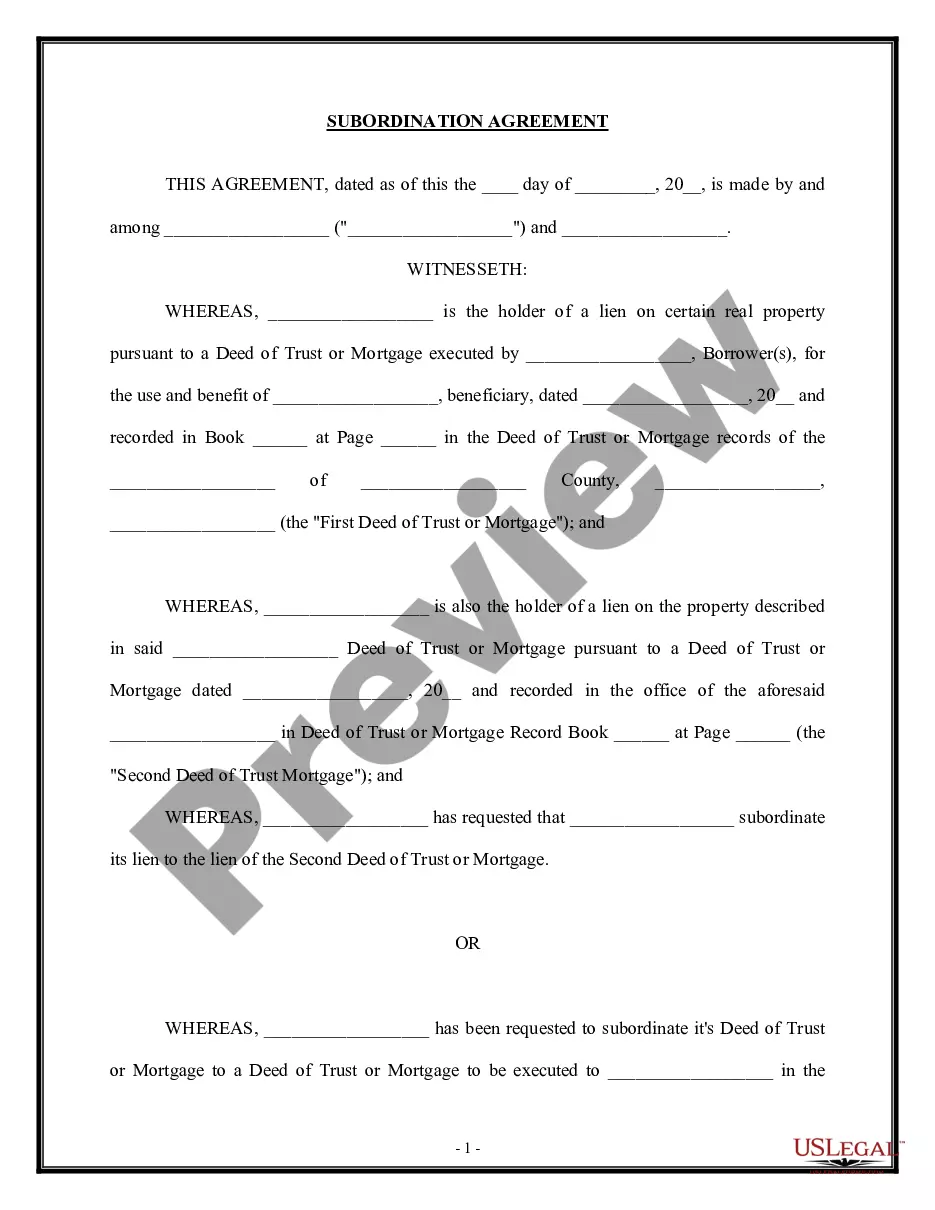
Get your form ready online
Our built-in tools help you complete, sign, share, and store your documents in one place.
Make edits, fill in missing information, and update formatting in US Legal Forms—just like you would in MS Word.
Download a copy, print it, send it by email, or mail it via USPS—whatever works best for your next step.
Sign and collect signatures with our SignNow integration. Send to multiple recipients, set reminders, and more. Go Premium to unlock E-Sign.
If this form requires notarization, complete it online through a secure video call—no need to meet a notary in person or wait for an appointment.
We protect your documents and personal data by following strict security and privacy standards.

Make edits, fill in missing information, and update formatting in US Legal Forms—just like you would in MS Word.

Download a copy, print it, send it by email, or mail it via USPS—whatever works best for your next step.

Sign and collect signatures with our SignNow integration. Send to multiple recipients, set reminders, and more. Go Premium to unlock E-Sign.

If this form requires notarization, complete it online through a secure video call—no need to meet a notary in person or wait for an appointment.

We protect your documents and personal data by following strict security and privacy standards.
Looking for another form?


How to fill out Subordination Agreement - Lien?
Utilizing legal document examples that adhere to national and state regulations is crucial, and the internet provides numerous alternatives to choose from.
However, what’s the benefit of spending time searching for the suitable Subordination Agreement For Solar Panels example online when the US Legal Forms digital library already consolidates such templates in one location.
US Legal Forms is the premier online legal repository with over 85,000 customizable templates crafted by lawyers for any business or personal situation.
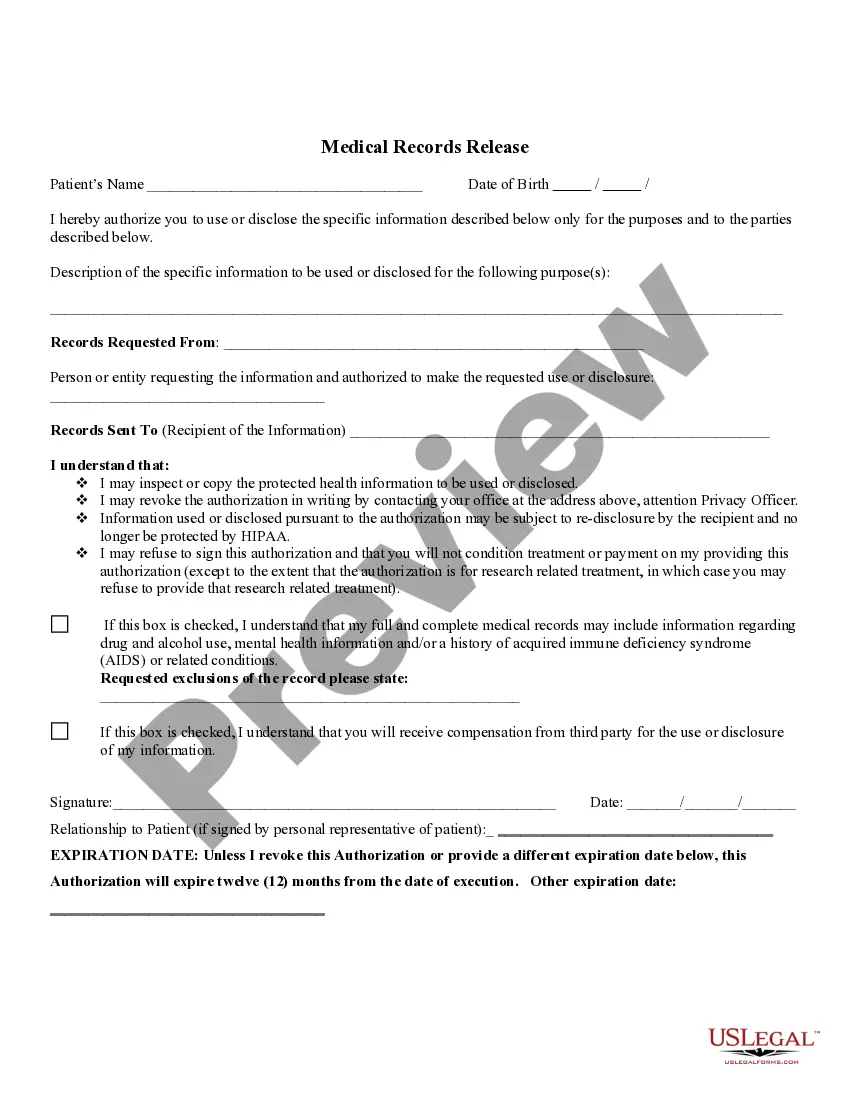
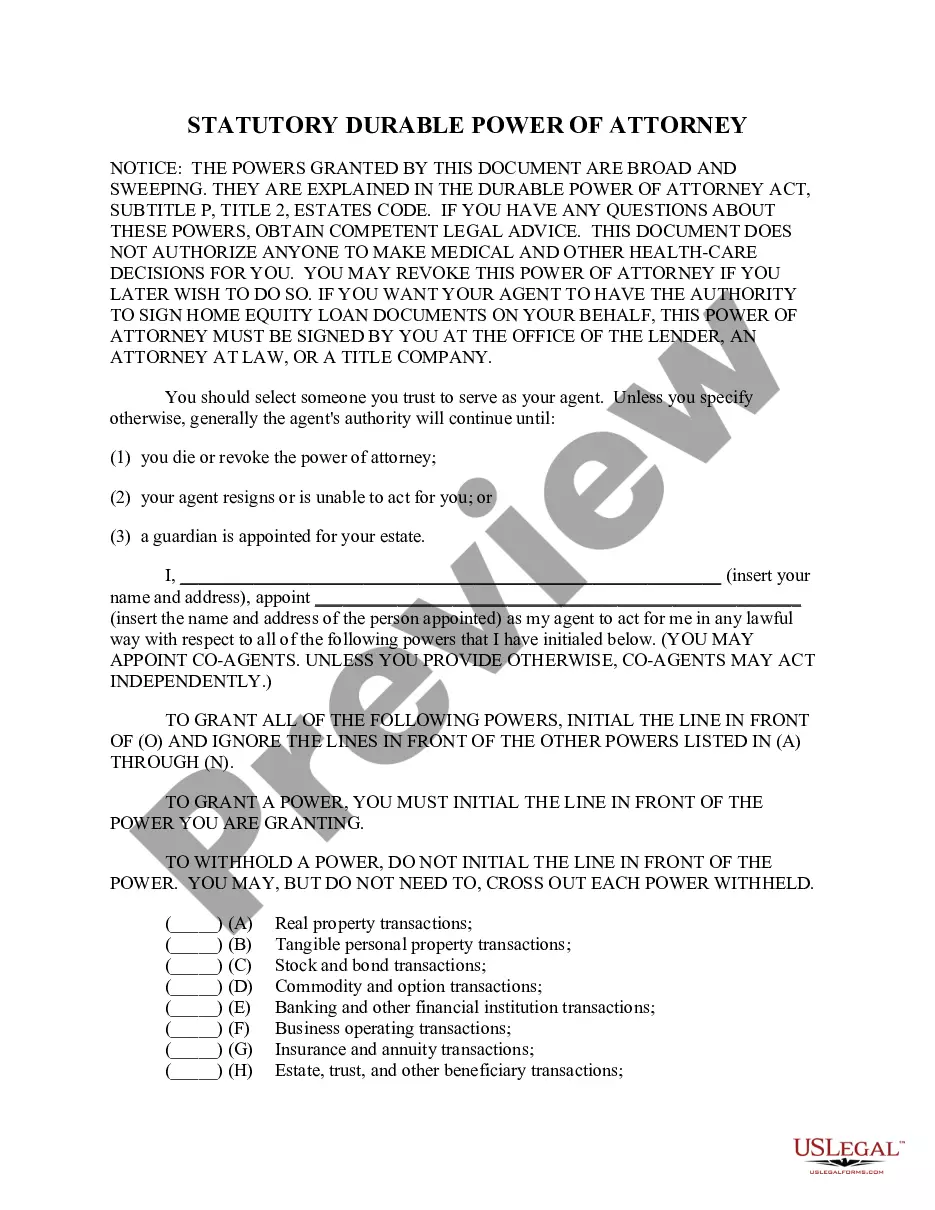
Review the template using the Preview feature or through the text outline to confirm it meets your requirements.
- They are straightforward to navigate with all documents categorized by state and intended use.
- Our specialists keep pace with legal updates, so you can always trust that your form is current and compliant when acquiring a Subordination Agreement For Solar Panels from our platform.
- Obtaining a Subordination Agreement For Solar Panels is fast and simple for both existing and new clients.
- If you already possess an account with an active subscription, Log In and store the document example you need in your preferred format.
- If you are a newcomer to our site, follow the steps provided below.
Form popularity
FAQ
The 20% rule for solar panels refers to the guideline that suggests homeowners should not spend more than 20% of their home's value on renewable energy systems, including solar power. Understanding this rule can help you make informed decisions about financing options, including a subordination agreement for solar panels. It ensures that you maintain financial stability while investing in sustainable energy solutions.
Yes, you can connect solar panels in parallel to increase the overall output while keeping the voltage consistent. This setup can be advantageous if you want to expand your solar system in the future. However, it’s important to ensure that your inverter and electrical system are compatible with this configuration. If you are financing through various agreements, including a subordination agreement for solar panels, make sure all terms align with your new setup.
Transferring ownership of a solar panel involves a few straightforward steps. First, you’ll need to check if there are any existing agreements that might affect the transfer, such as a subordination agreement for solar panels. Next, contact your solar provider to understand any necessary documentation. Finally, ensure that the new owner is aware of any warranties or maintenance obligations.
Yes, you can subordinate solar panels by creating a subordination agreement for solar panels. This agreement allows a new lender to take precedence over your current financing, enabling you to secure additional funding. This can be particularly useful if you are looking to refinance or make upgrades to your system. However, it’s advisable to consult with a legal expert to navigate this process effectively.
Yes, connecting solar panels to a sub panel is feasible and often beneficial. A sub panel can help manage electricity distribution more efficiently, especially if you have multiple circuits. To ensure compatibility and safety, consulting with a qualified solar contractor is crucial. Furthermore, understanding your subordination agreement for solar panels can assist in financing this installation appropriately.
Even with solar panels, your electric bill can remain high due to various factors. It may be that your energy consumption exceeds the amount your solar system generates, especially during peak usage hours. Additionally, you may be on a net metering plan that doesn’t fully offset your electricity costs. Evaluating your subordination agreement for solar panels can provide insights on financing options that may alleviate some of these expenses.
Yes, a solar panel company can place a lien on your home under certain conditions, usually related to financing agreements or unpaid balances. This scenario is often linked to installation loans or leases where the solar energy system serves as collateral. It's vital to understand the implications of any financial agreements you enter regarding solar panels. If you have concerns, consulting a legal professional can clarify your rights and options.
A subordinate mortgage allows homeowners to access additional financing while preserving their primary mortgage benefits. This type of mortgage may be useful when installing solar panels, as it can fund installation costs without jeopardizing existing loans. Essentially, it offers flexibility to finance home improvements or other debts while maintaining financial stability. Exploring options available through reputable platforms can simplify this process and provide a comprehensive solution.
Transferring ownership of solar panels typically involves a few straightforward steps. First, ensure all relevant paperwork is in order, including any contracts, warranties, and permits associated with the solar system. Then, both parties must agree to the transfer terms, creating a written agreement that outlines the ownership change. It's also wise to inform your solar panel company to update service and maintenance records accordingly.
To obtain a subordination agreement for solar panels, start by consulting your lender or mortgage servicer to discuss the potential for subordination. They will provide specific guidelines and documentation required for your situation. Moreover, consider utilizing the resources available on platforms like US Legal Forms, where you can find templates and guidance specific to subordination agreements. This proactive step can help streamline your solar installation financing.