Credit Agreement Vs Loan Agreement
Description
Get your form ready online
Our built-in tools help you complete, sign, share, and store your documents in one place.
Make edits, fill in missing information, and update formatting in US Legal Forms—just like you would in MS Word.
Download a copy, print it, send it by email, or mail it via USPS—whatever works best for your next step.
Sign and collect signatures with our SignNow integration. Send to multiple recipients, set reminders, and more. Go Premium to unlock E-Sign.
If this form requires notarization, complete it online through a secure video call—no need to meet a notary in person or wait for an appointment.
We protect your documents and personal data by following strict security and privacy standards.

Make edits, fill in missing information, and update formatting in US Legal Forms—just like you would in MS Word.

Download a copy, print it, send it by email, or mail it via USPS—whatever works best for your next step.

Sign and collect signatures with our SignNow integration. Send to multiple recipients, set reminders, and more. Go Premium to unlock E-Sign.

If this form requires notarization, complete it online through a secure video call—no need to meet a notary in person or wait for an appointment.

We protect your documents and personal data by following strict security and privacy standards.
Looking for another form?

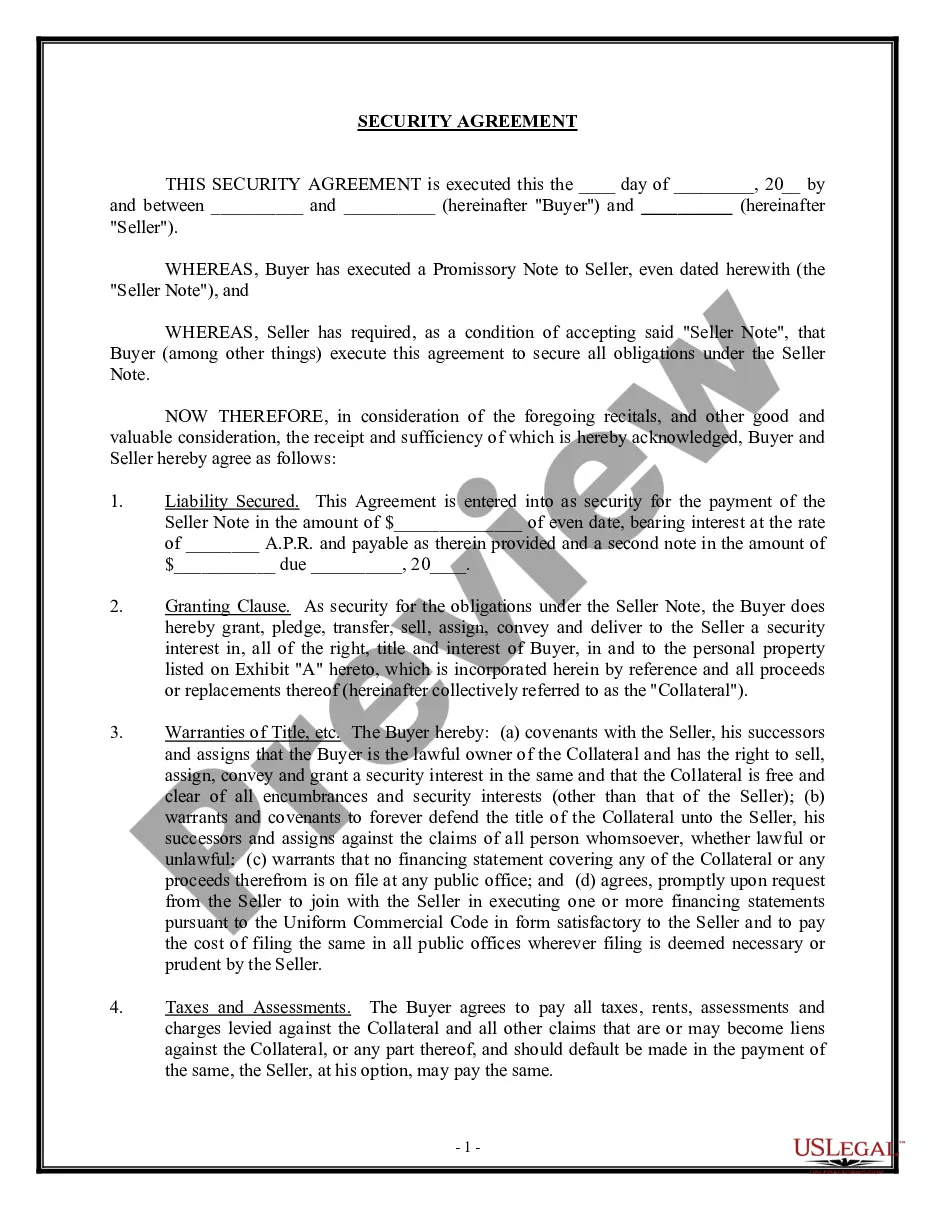
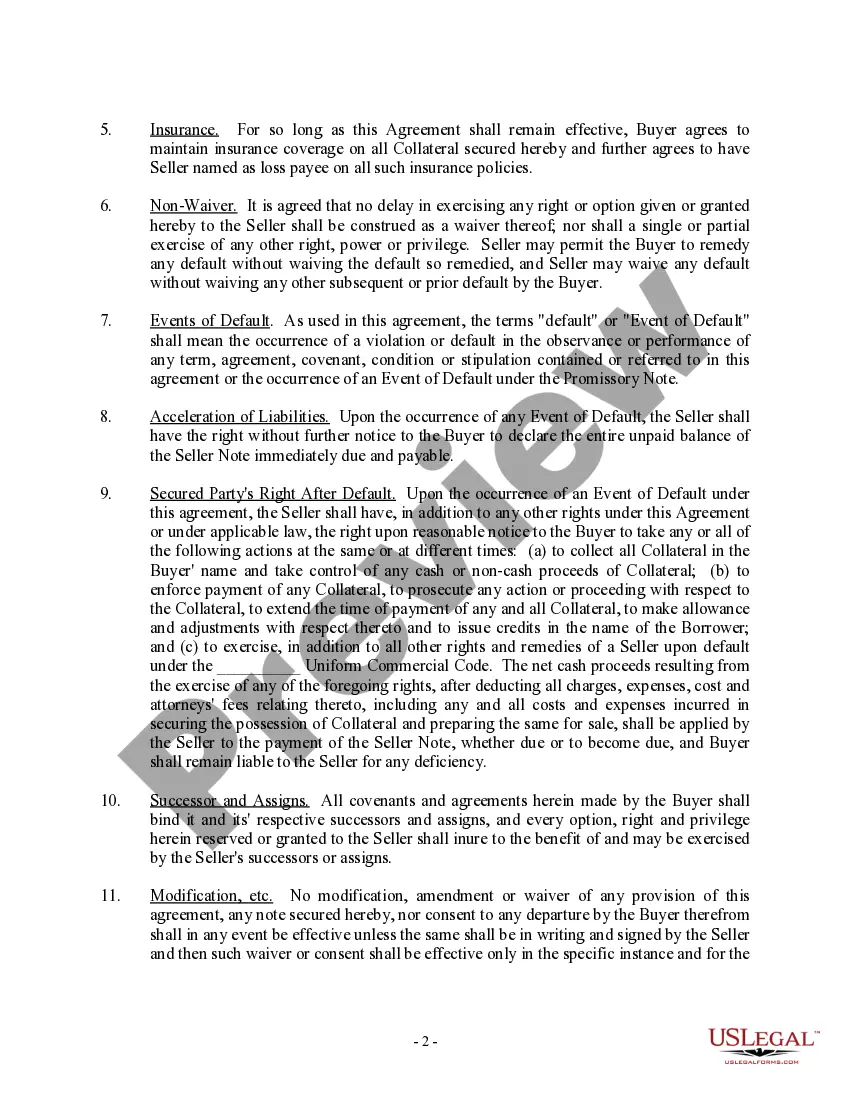
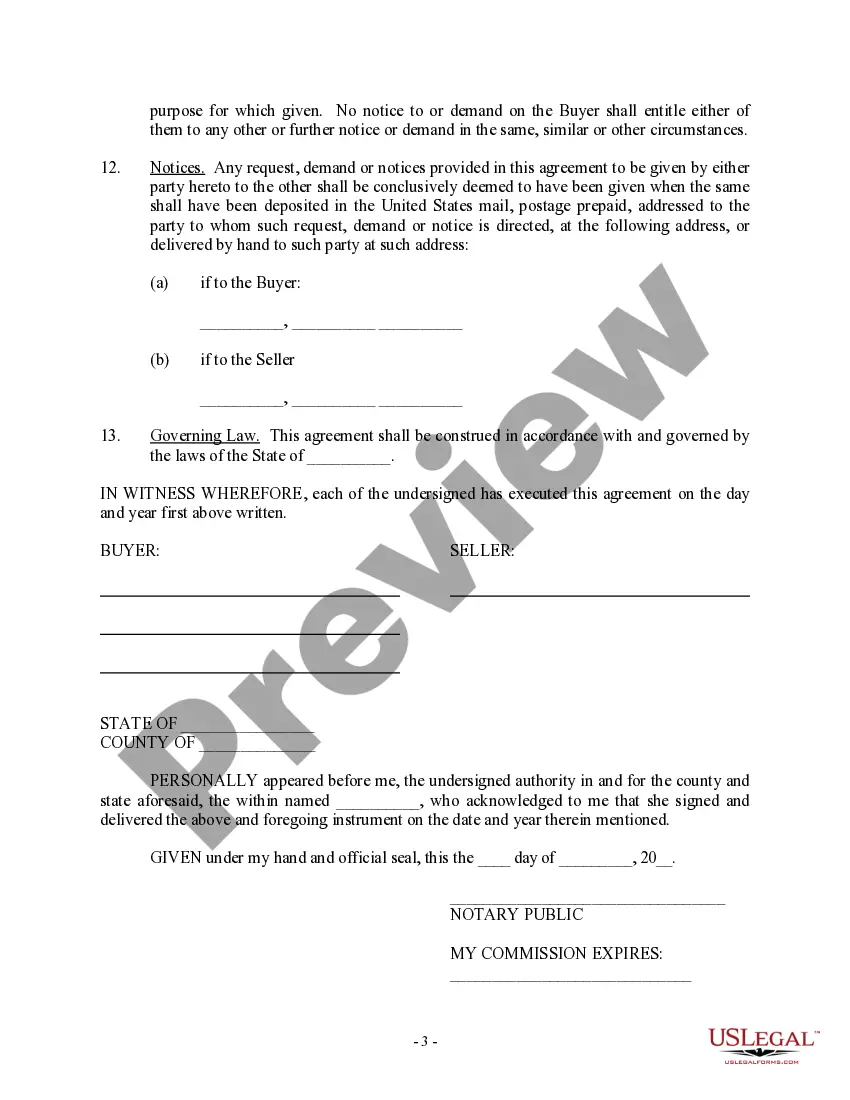
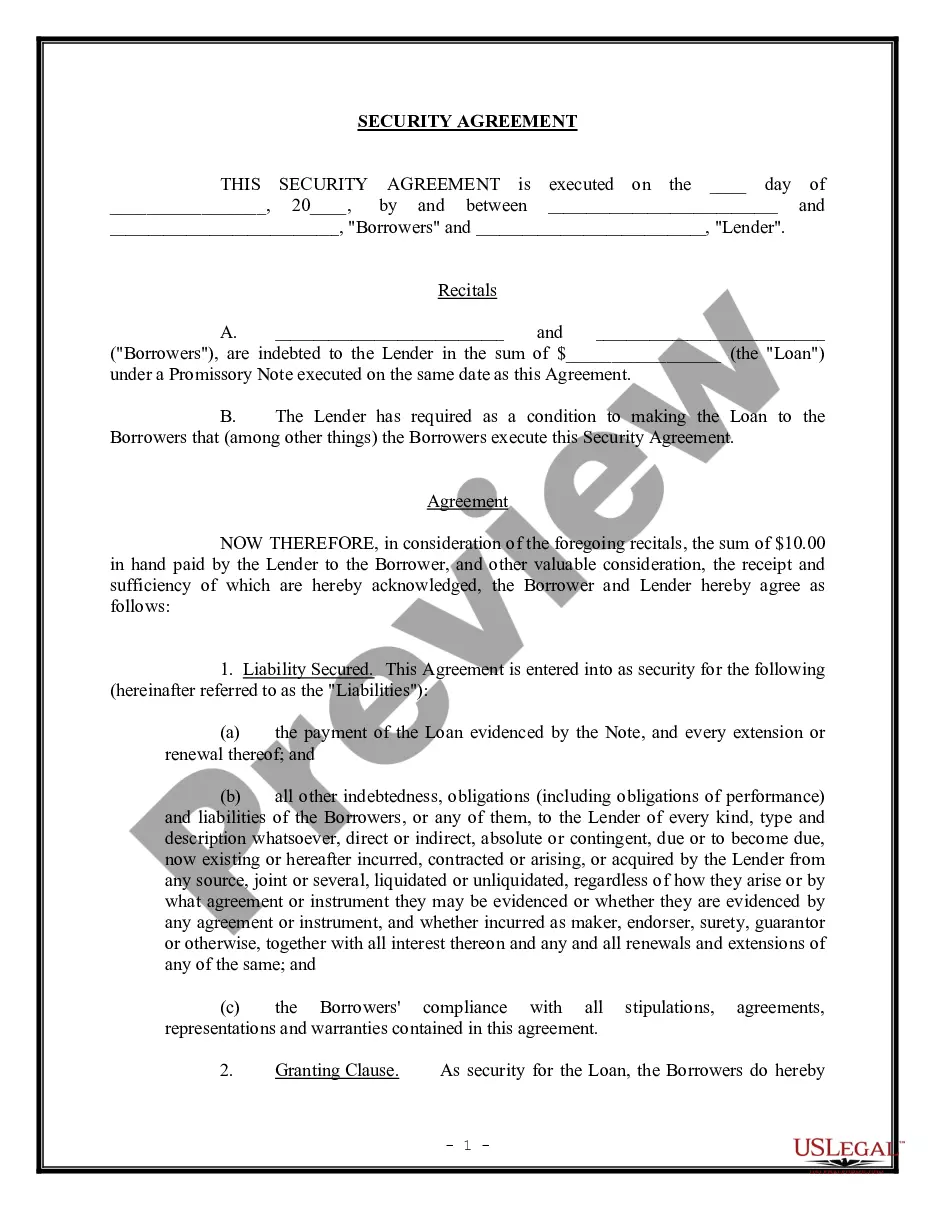
How to fill out Security Agreement - Short Form?
Legal documentation administration can be daunting, even for the most seasoned experts.
When you are curious about a Credit Agreement versus Loan Agreement and lack the time to dedicate to discovering the correct and current version, the procedures can be stressful.
Tap into a valuable resource pool of articles, tutorials, and guides closely related to your context and needs.
Save time and effort searching for the forms you require, and take advantage of US Legal Forms' sophisticated search and Preview feature to locate Credit Agreement versus Loan Agreement and obtain it.
Experience the US Legal Forms online library, supported by 25 years of expertise and reliability. Streamline your daily document management into a smooth and straightforward procedure today.
- If you possess a subscription, Log In to your US Legal Forms account, look for the required document, and download it.
- Visit the My documents tab to view the forms you have previously saved and to organize your folders as desired.
- If this is your initial experience with US Legal Forms, create an account and gain unlimited access to all the benefits of the library.
- After locating the form you need, verify that it is the correct document by previewing it and reviewing its description.
- Ensure that the example is sanctioned in your state or county.
- Click Buy Now when you are ready.
- Select a monthly subscription plan.
- Choose your preferred format, and Download, complete, eSign, print, and submit your document.
- Access state- or county-specific legal and business documents.
- US Legal Forms caters to any needs you might have, from personal to corporate paperwork, all in one location.
- Utilize cutting-edge tools to complete and manage your Credit Agreement versus Loan Agreement.
Form popularity
FAQ
Filling out a loan agreement requires attention to detail and accuracy. Start by clearly stating the loan amount, interest rate, repayment terms, and both parties' information. You can simplify the process by using platforms like US Legal Forms, which provide templates and guidance to ensure you complete your loan agreement correctly while avoiding complications.
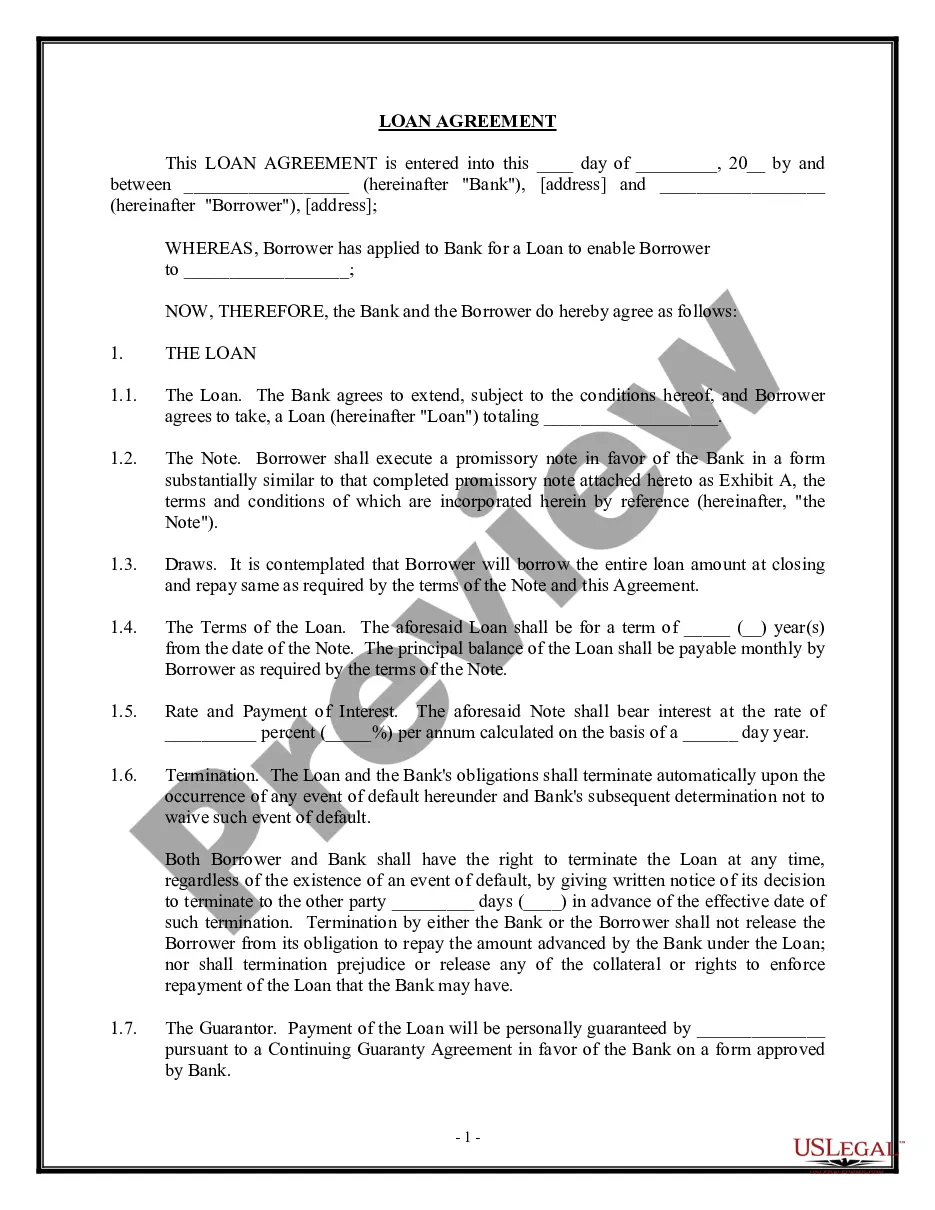
A credit facility agreement allows for flexible borrowing up to a limit, whereas a loan agreement usually involves a fixed sum that must be repaid over time. The former can be drawn upon multiple times as needed, while the latter requires a one-time loan repayment. Familiarizing yourself with these differences enhances your understanding of credit agreement vs loan agreement and helps in selecting the right financial product.
A loan agreement can be considered a type of credit agreement, but it is more specific. While a loan agreement typically covers a singular transaction with fixed amounts and terms, a credit agreement may cover various types of borrowing arrangements. This distinction is important for evaluating financial instruments and understanding credit agreement vs loan agreement concepts.
Another common name for a loan agreement is a promissory note. This document outlines the borrower's promise to repay the lender, detailing terms such as interest rates and repayment schedules. Understanding this terminology is crucial when comparing credit agreement vs loan agreement, as it can affect your financial obligations.
The main difference between a credit agreement and a loan agreement lies in terms and flexibility. A credit agreement might allow you to withdraw funds as needed up to a certain limit, while a loan agreement requires you to repay a lump sum over a set period. This distinction is important when considering your financial options, as each agreement serves different needs.
A line of credit allows you to borrow up to a set limit, providing flexibility to withdraw funds as needed. In contrast, a loan agreement typically involves borrowing a lump sum and repaying it over time, often with fixed payments. Understanding the difference between a credit agreement vs loan agreement helps you choose the option that best fits your financial situation. Platforms like US Legal Forms can guide you through the nuances of these agreements, ensuring you make informed decisions.
Lenders, including banks, credit unions, and some private institutions, generally provide credit agreements. They create these documents to lay out the terms and conditions associated with extending credit to a borrower. It's essential to read the credit agreement carefully to understand your responsibilities. If you need assistance, resources like US Legal Forms can help you find examples of credit agreements.
To obtain a credit agreement, you typically need to apply through a lender, such as a bank or credit union. The lender will review your financial history, credit score, and income to determine your eligibility. Once approved, you will receive the credit agreement outlining the terms, including the credit limit and repayment conditions. You can consider using platforms like US Legal Forms for templates that help you navigate the process.