Sole Proprietorship With Employees
Description
Get your form ready online
Our built-in tools help you complete, sign, share, and store your documents in one place.
Make edits, fill in missing information, and update formatting in US Legal Forms—just like you would in MS Word.
Download a copy, print it, send it by email, or mail it via USPS—whatever works best for your next step.
Sign and collect signatures with our SignNow integration. Send to multiple recipients, set reminders, and more. Go Premium to unlock E-Sign.
If this form requires notarization, complete it online through a secure video call—no need to meet a notary in person or wait for an appointment.
We protect your documents and personal data by following strict security and privacy standards.

Make edits, fill in missing information, and update formatting in US Legal Forms—just like you would in MS Word.

Download a copy, print it, send it by email, or mail it via USPS—whatever works best for your next step.

Sign and collect signatures with our SignNow integration. Send to multiple recipients, set reminders, and more. Go Premium to unlock E-Sign.

If this form requires notarization, complete it online through a secure video call—no need to meet a notary in person or wait for an appointment.

We protect your documents and personal data by following strict security and privacy standards.
Looking for another form?
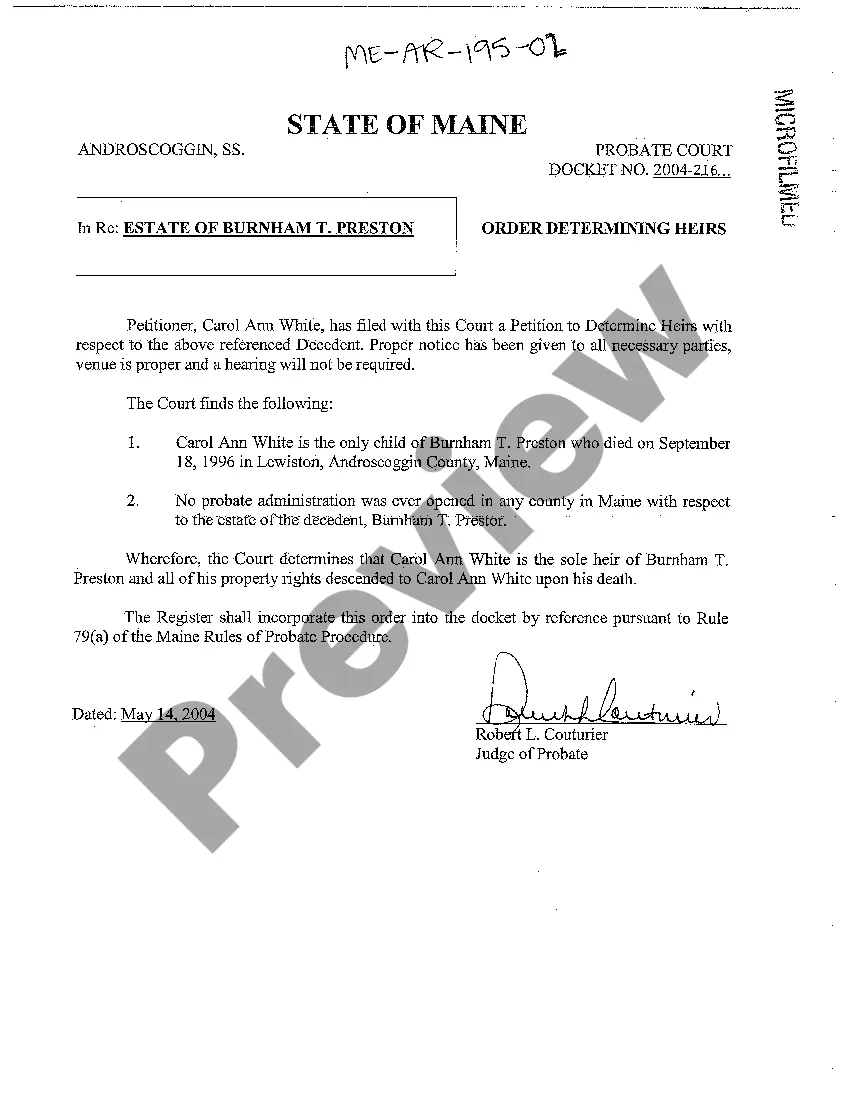



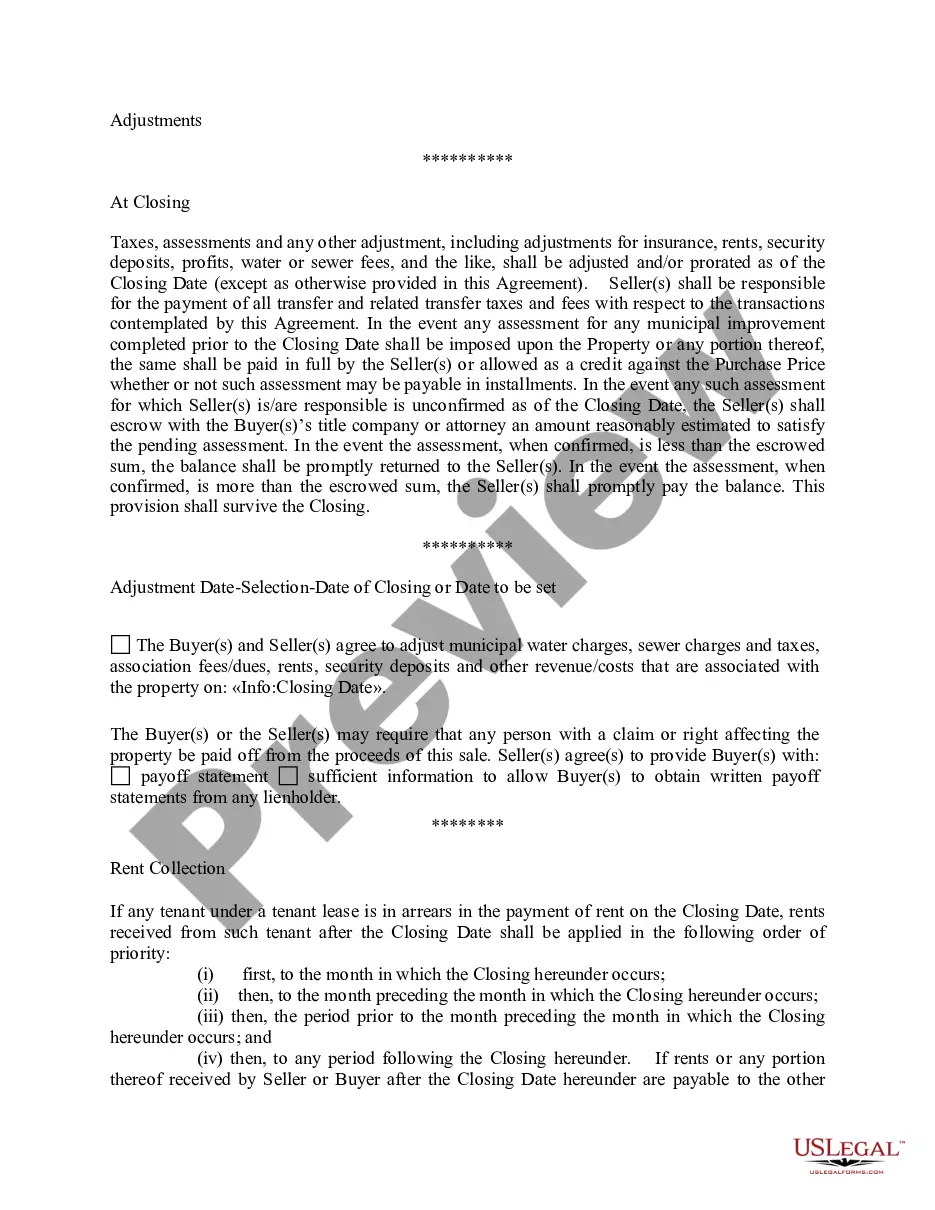
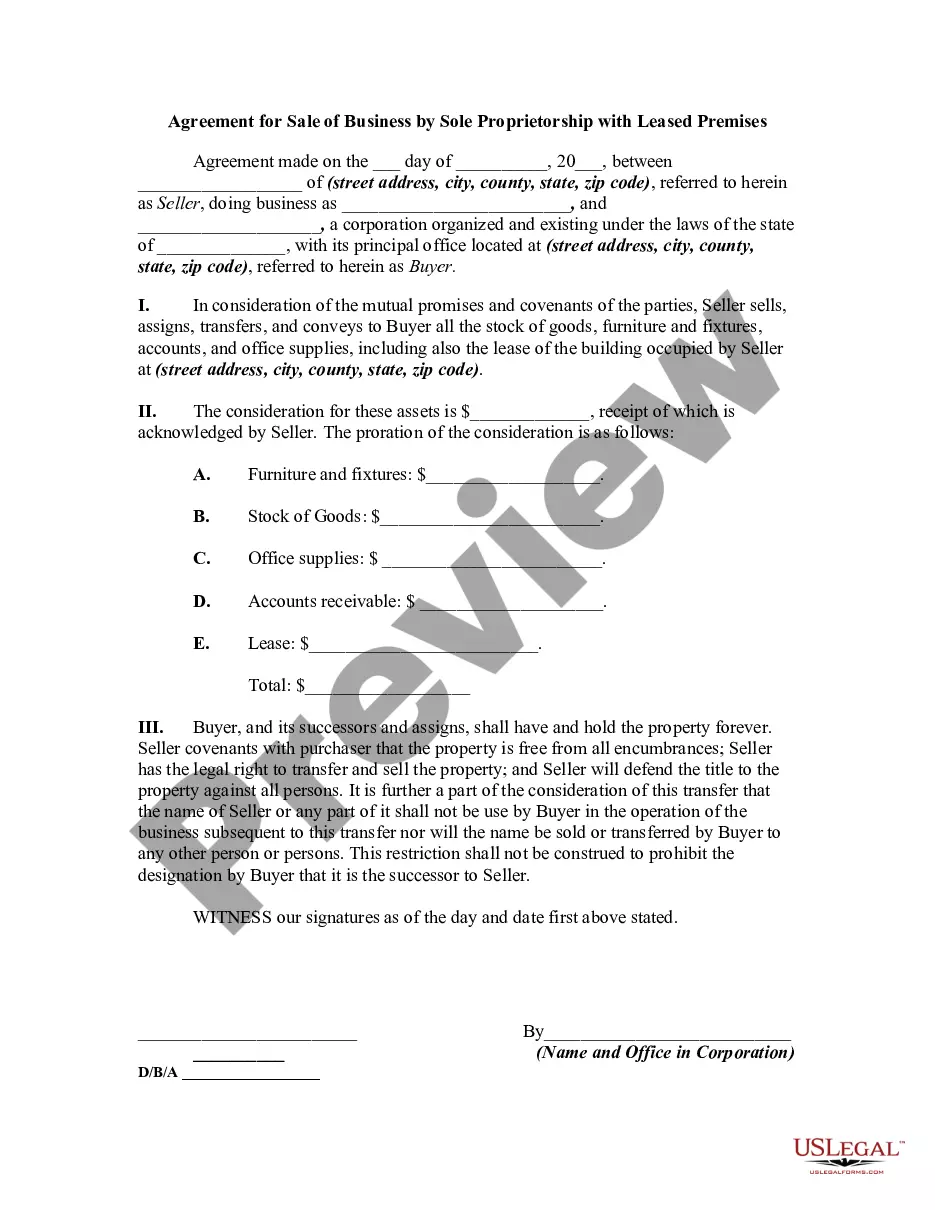
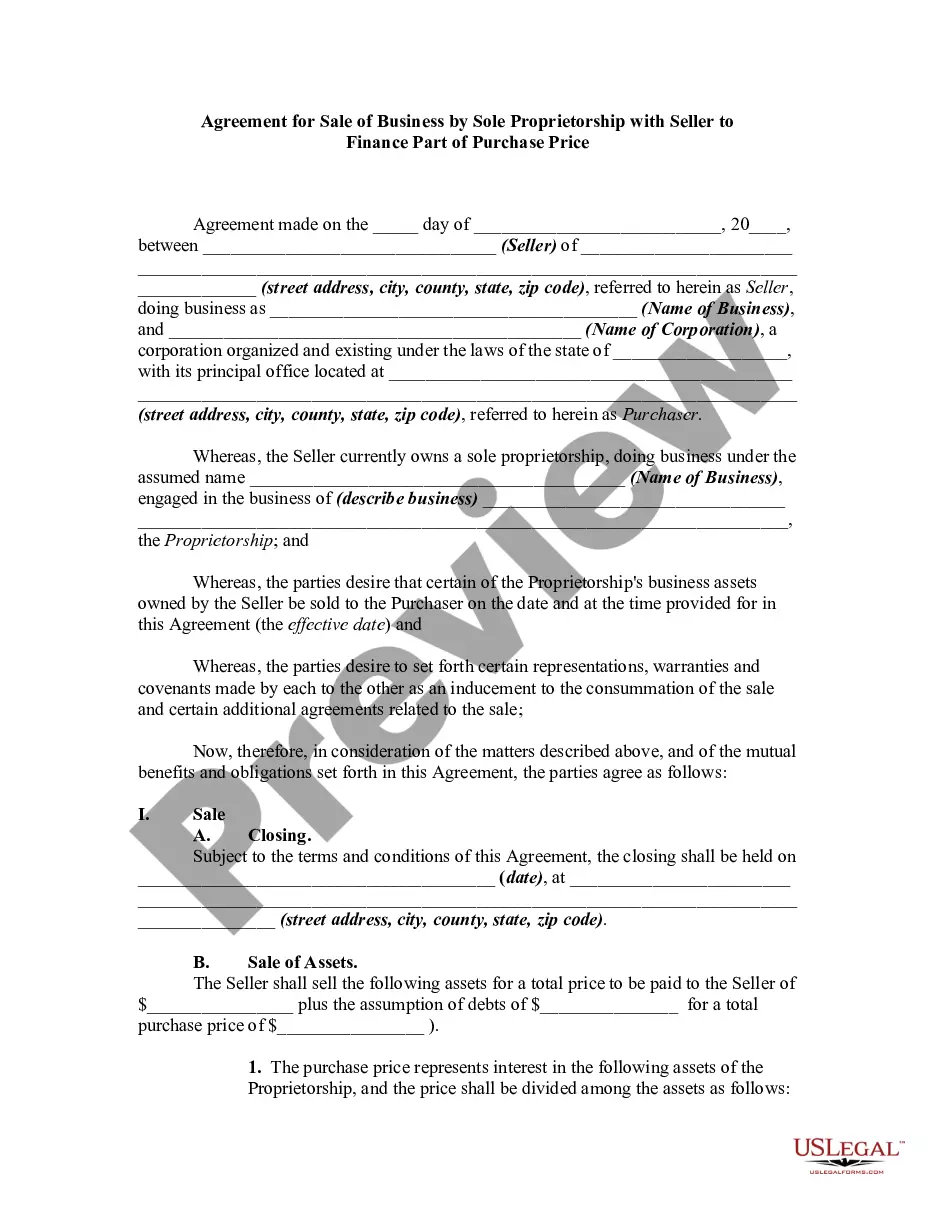
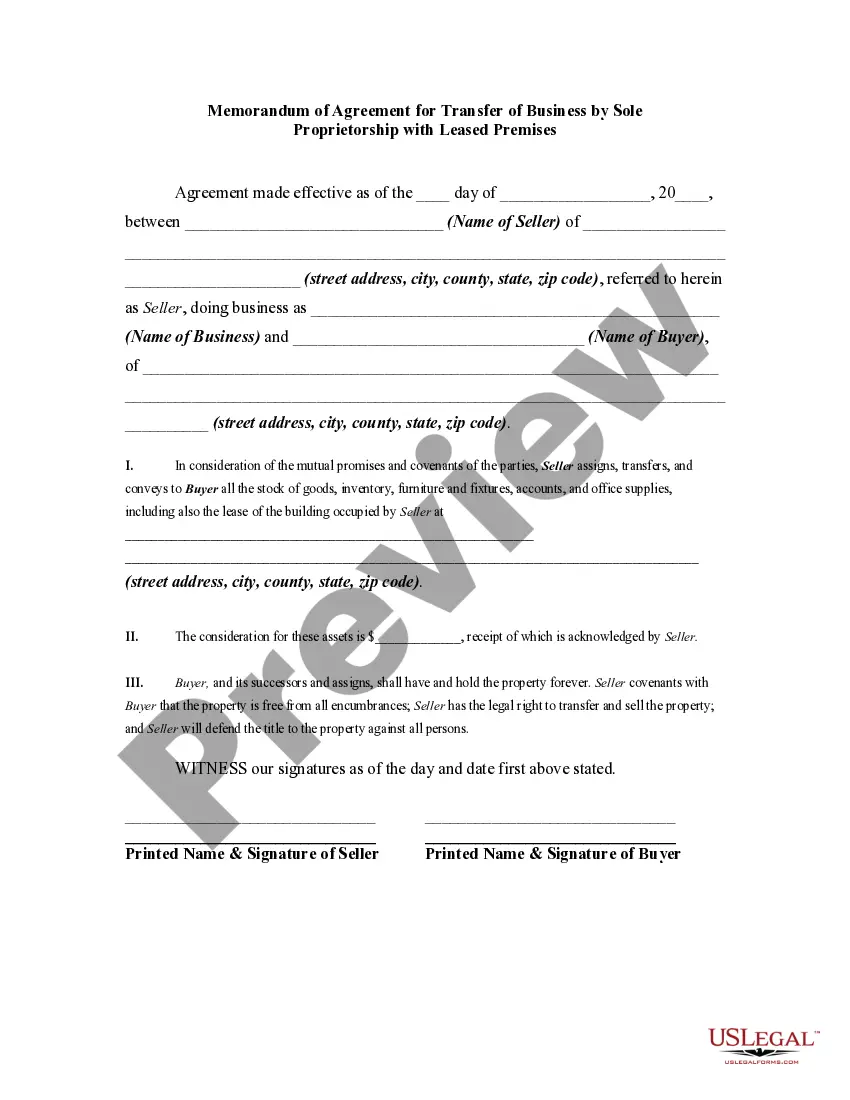
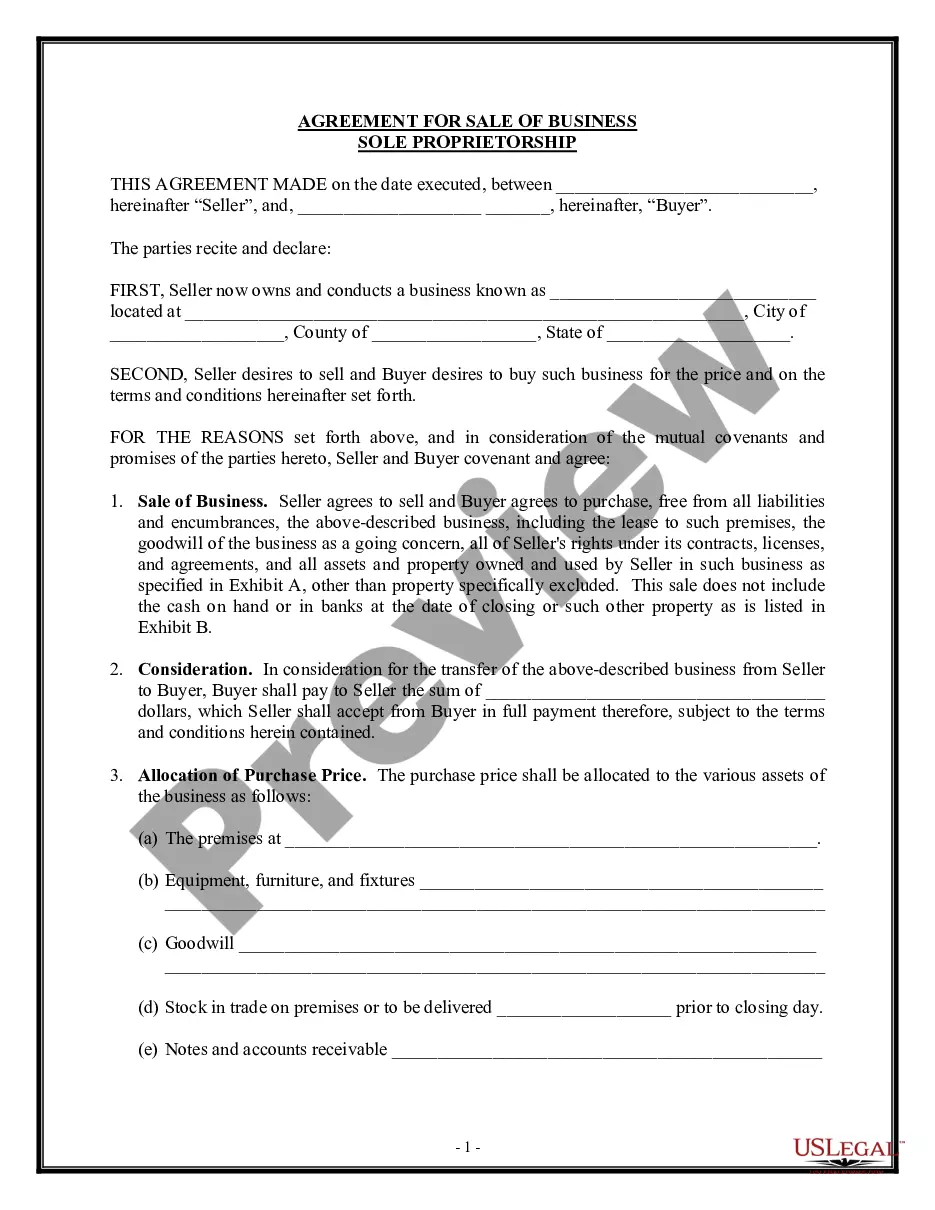
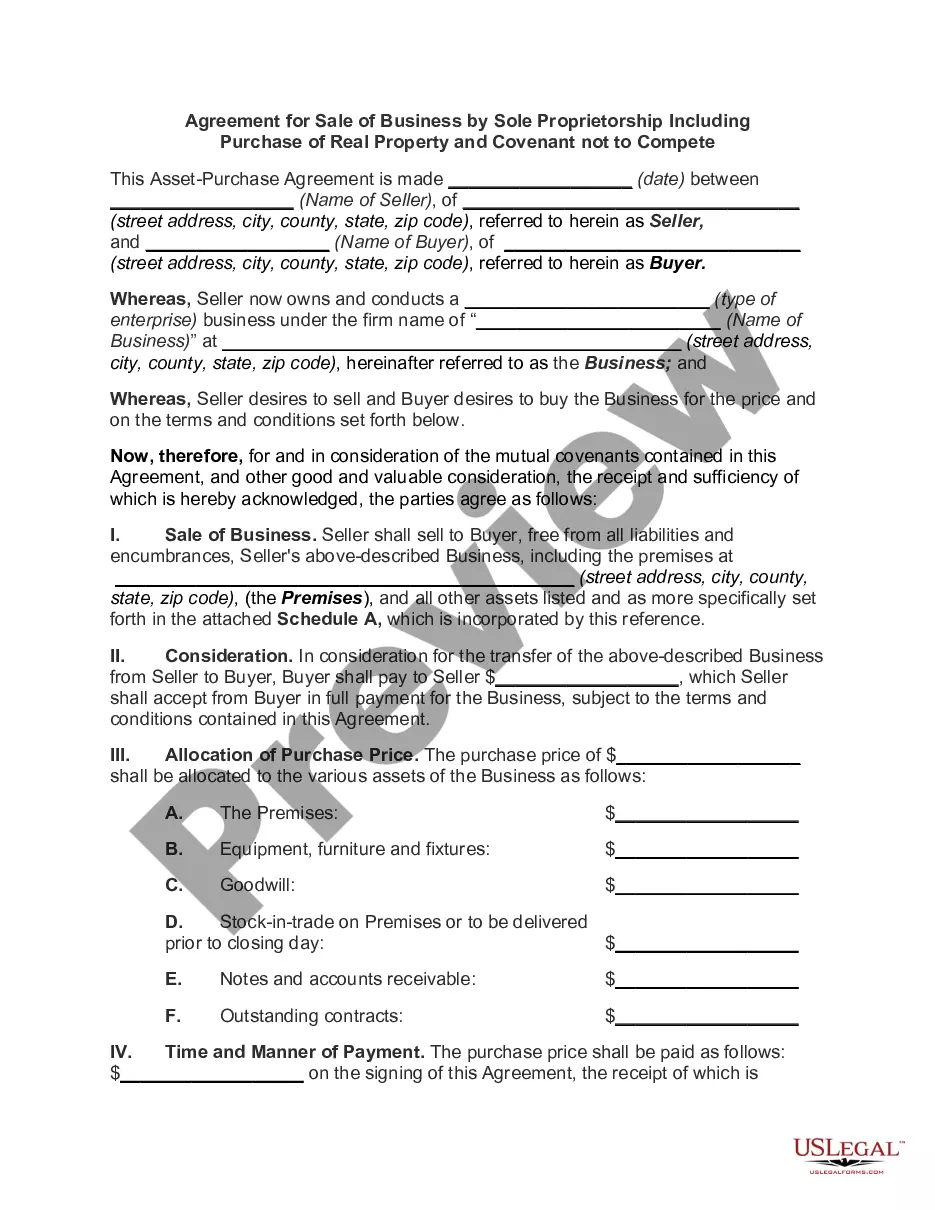
How to fill out Agreement For Sale Of Business By Sole Proprietorship With Leased Premises?
Regardless of whether for commercial reasons or for private matters, everyone must handle legal issues at some point in their life.
Completing legal documents necessitates meticulous care, starting with selecting the appropriate template version.
With an extensive catalog from US Legal Forms available, you do not have to waste time searching for the right template online. Utilize the library’s straightforward navigation to identify the appropriate template for any situation.
- Obtain the template you need through the search bar or the catalog browsing.
- Review the description of the form to ensure it aligns with your scenario, state, and county.
- Click on the preview of the form to examine it.
- If it is the incorrect document, return to the search option to locate the Sole Proprietorship With Employees template you need.
- Download the template once it meets your needs.
- If you already have a profile with US Legal Forms, simply click Log in to retrieve previously stored files in My documents.
- If you do not have an account yet, you can acquire the form by clicking Buy now.
- Select the correct pricing choice.
- Fill out the profile registration form.
- Choose your payment method: you may use a credit card or PayPal account.
- Select the document format you desire and download the Sole Proprietorship With Employees.
- Once downloaded, you can fill out the form using editing software or print it and complete it manually.
Form popularity
FAQ
While a sole proprietor is not required to be on payroll, it may be beneficial. Placing yourself on payroll can help formalize your income and provide a clear structure for tax withholding. This approach simplifies managing your personal and business finances in a sole proprietorship with employees.
Yes, a sole proprietor with employees is required to obtain an EIN. The EIN is essential for tax filing and reporting purposes, enabling you to withhold taxes from employee wages. Additionally, it ensures that you meet obligations related to payroll taxes and employee benefits.
To have employees as a sole proprietor, you first need to obtain an EIN from the IRS. Next, you should ensure compliance with federal and state employment laws, such as completing Form I-9 for employee verification. Establish clear payroll systems and maintain accurate records to manage your sole proprietorship with employees effectively.
Self-employed individuals may not need an EIN if they do not have employees. However, if you operate a sole proprietorship with employees, an EIN is necessary. Having an EIN also simplifies your business transactions and establishes your business identity with financial institutions.
Yes, your employees need your Employer Identification Number (EIN) for tax reporting and payroll purposes. When you have a sole proprietorship with employees, the EIN serves as a unique identifier for your business. It also helps in managing employee tax withholdings correctly, ensuring compliance with IRS regulations.
Yes, a sole LLC can indeed have employees, similar to a sole proprietorship with employees. This structure allows you to hire staff while maintaining personal liability protection. However, it's essential to comply with state and federal regulations concerning employment. For guidance on managing employment within a sole LLC, resources from US Legal Forms can help simplify your responsibilities and ensure compliance.
Sole proprietorships with employees often face challenges in hiring qualified talent due to limited resources and benefits. Many potential employees seek stability and comprehensive benefits that larger companies can offer. Additionally, the perception of working for a sole proprietorship may deter candidates who prefer established organizations. By utilizing platforms like US Legal Forms, sole proprietorships can streamline hiring processes and improve employee offerings.
To calculate self-employment tax for a sole proprietorship, you take your net business income and multiply it by 92.35% to determine the amount subject to self-employment tax. Then, multiply this figure by the self-employment tax rate, which is currently 15.3%. If you have employees, managing and calculating your taxes can be complex, so using solutions like uslegalforms can simplify the process.
It's advisable for a sole proprietor to set aside around 25% to 30% of their net income for taxes. This includes both income tax and self-employment tax related to your work as a sole proprietorship with employees. Planning this way helps avoid surprises during tax time and ensures you have funds ready to meet your obligations. Consider consulting with a tax professional to help refine this estimate based on your specific situation.
Yes, a sole proprietorship can have employees. This structure allows you to hire workers to help run your business, making it easier to manage tasks and grow your operations. However, as the owner, you must navigate the legal requirements around hiring, taxes, and providing benefits. Resources like uslegalforms can support you in understanding and managing these responsibilities effectively.