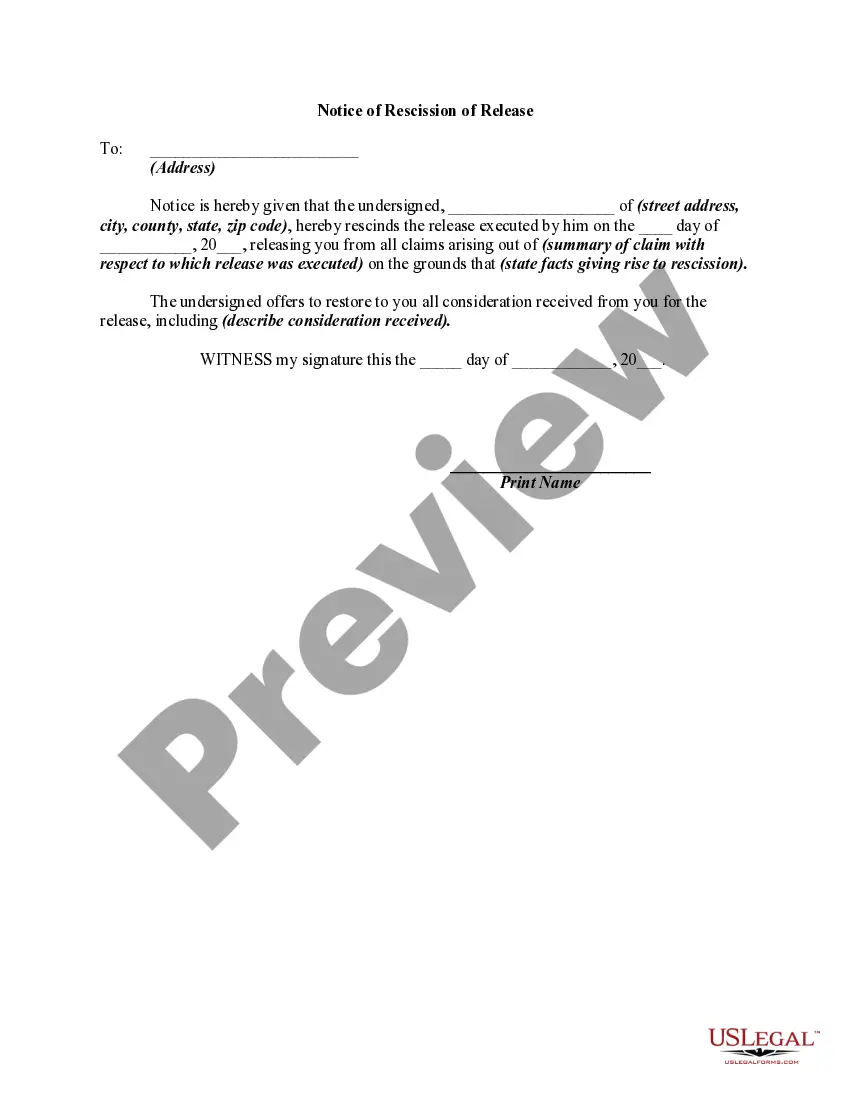
Rescission For A Unilateral Mistake Is Permitted If
Description
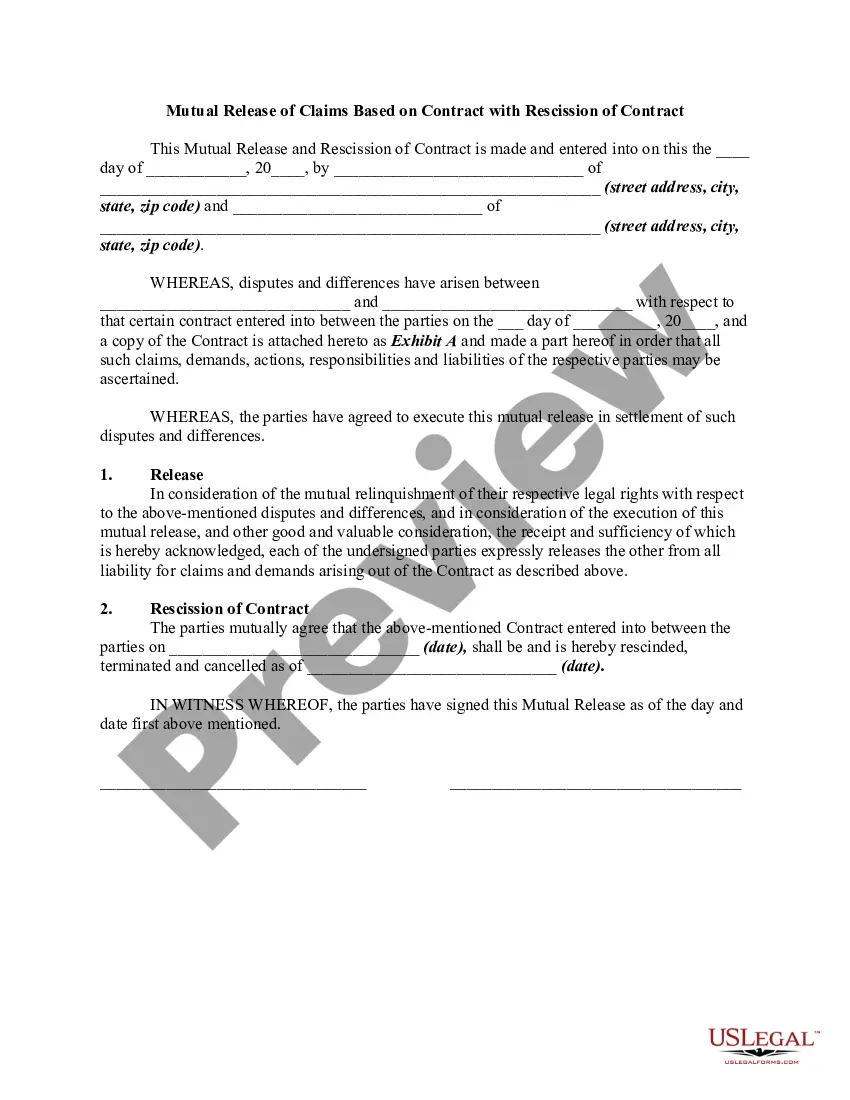
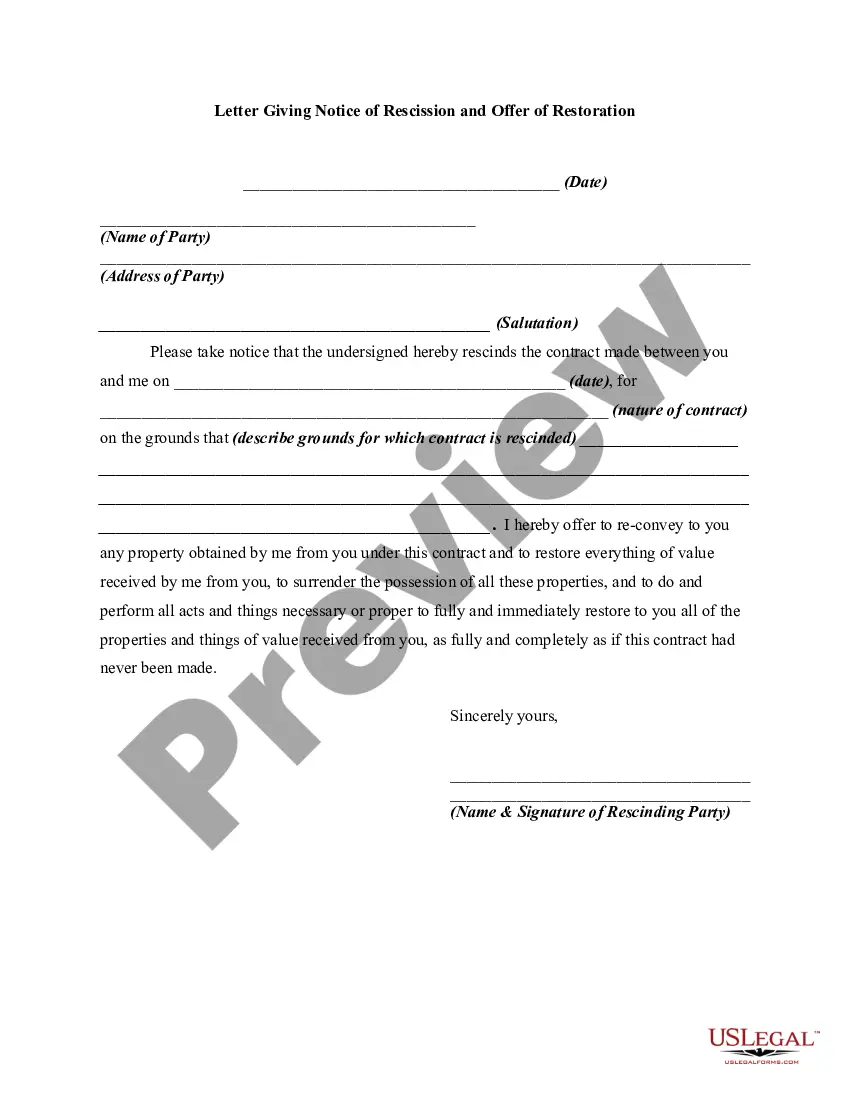
Get your form ready online
Our built-in tools help you complete, sign, share, and store your documents in one place.
Make edits, fill in missing information, and update formatting in US Legal Forms—just like you would in MS Word.
Download a copy, print it, send it by email, or mail it via USPS—whatever works best for your next step.
Sign and collect signatures with our SignNow integration. Send to multiple recipients, set reminders, and more. Go Premium to unlock E-Sign.
If this form requires notarization, complete it online through a secure video call—no need to meet a notary in person or wait for an appointment.
We protect your documents and personal data by following strict security and privacy standards.

Make edits, fill in missing information, and update formatting in US Legal Forms—just like you would in MS Word.

Download a copy, print it, send it by email, or mail it via USPS—whatever works best for your next step.

Sign and collect signatures with our SignNow integration. Send to multiple recipients, set reminders, and more. Go Premium to unlock E-Sign.

If this form requires notarization, complete it online through a secure video call—no need to meet a notary in person or wait for an appointment.

We protect your documents and personal data by following strict security and privacy standards.
Looking for another form?
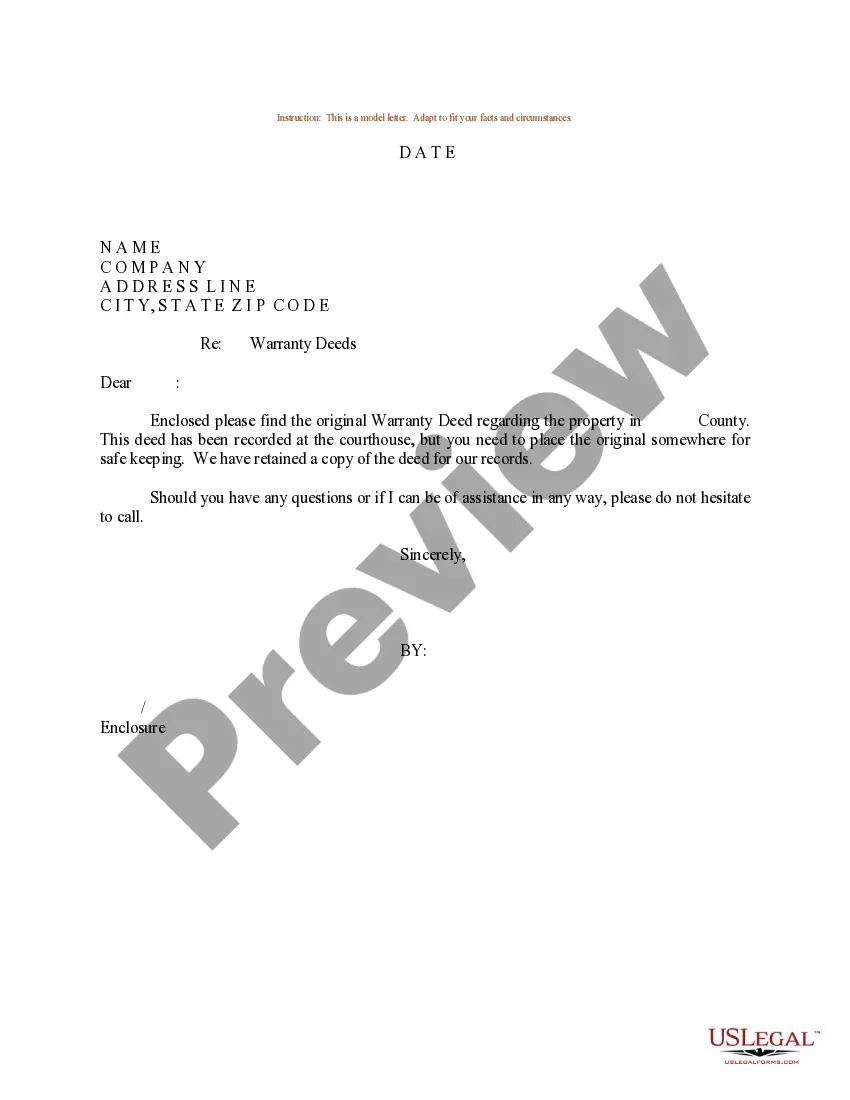
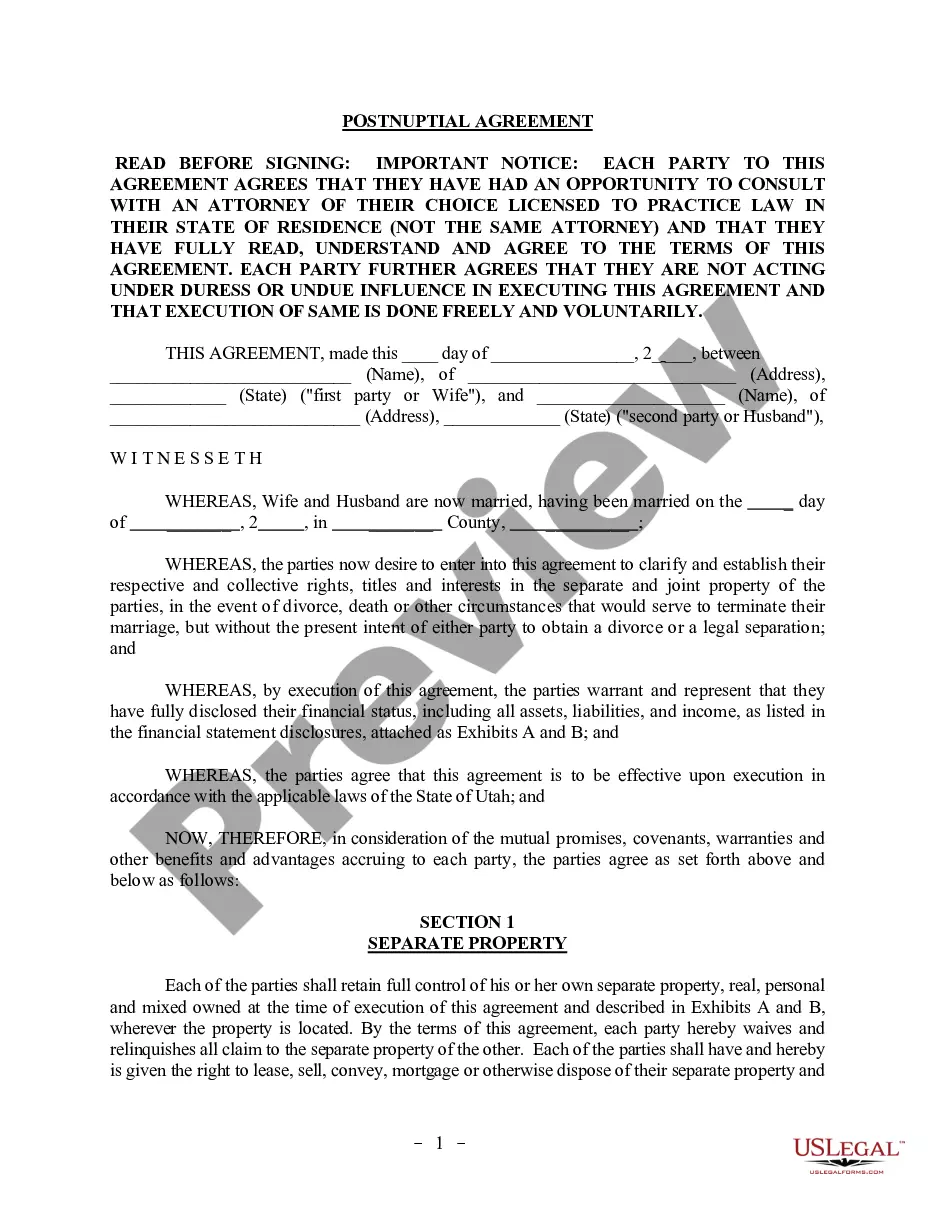
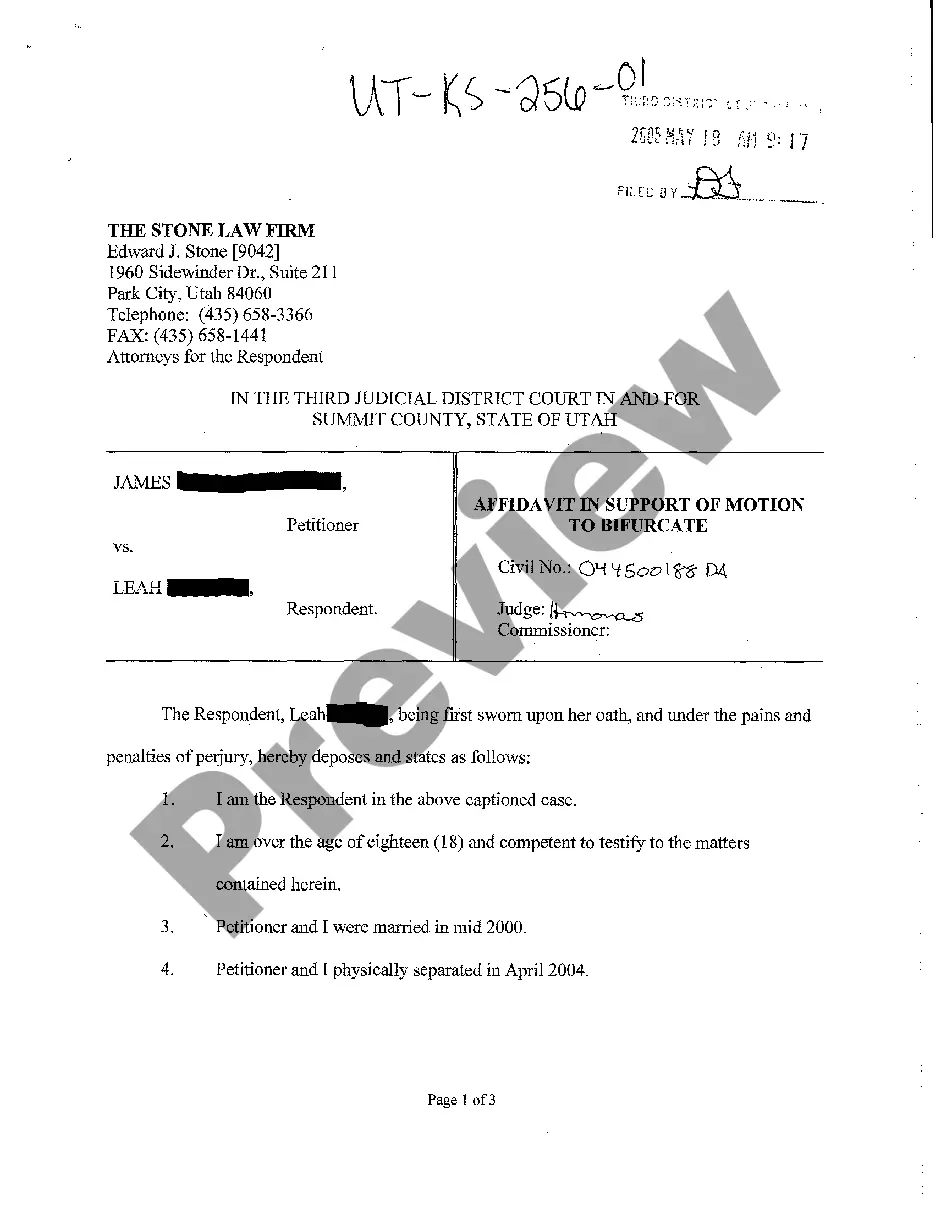

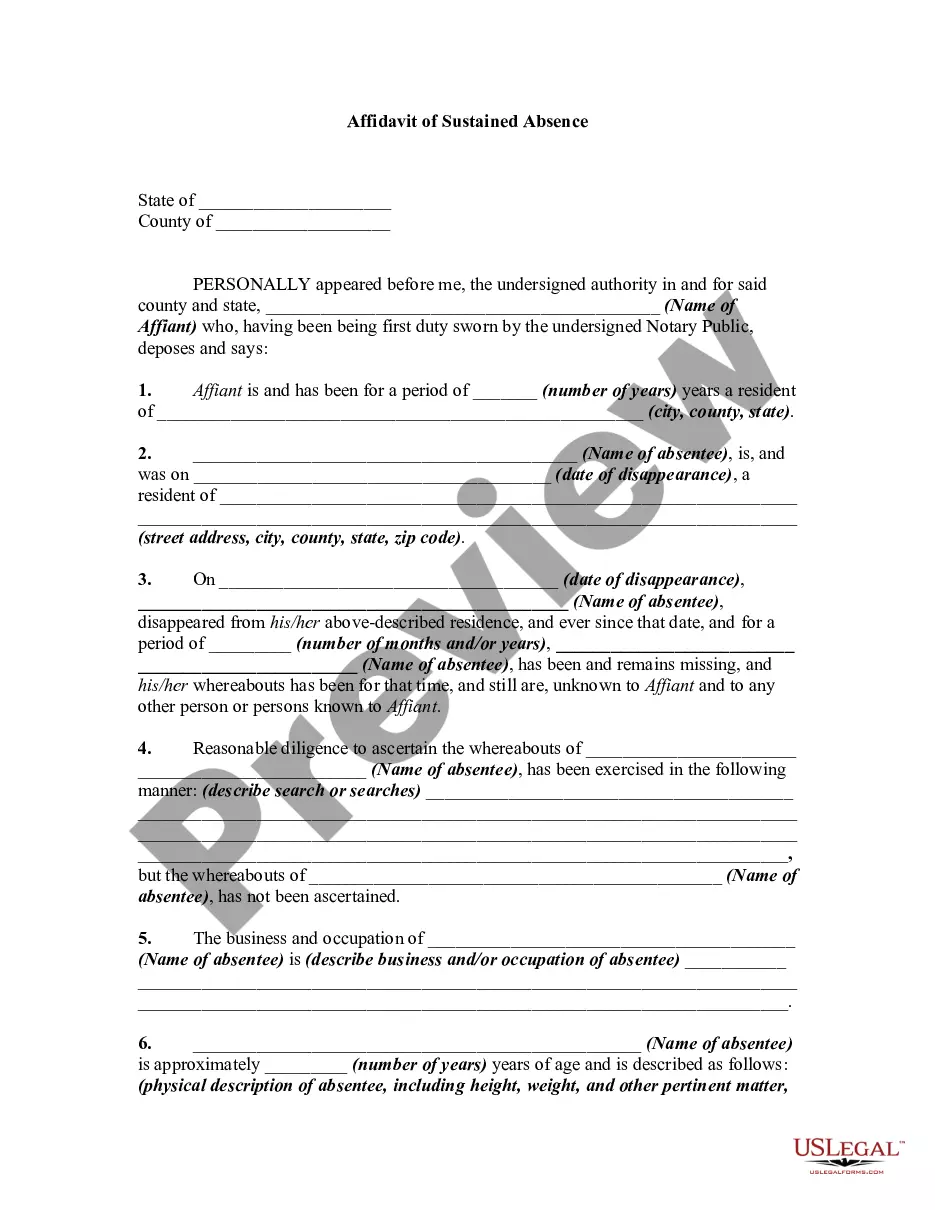
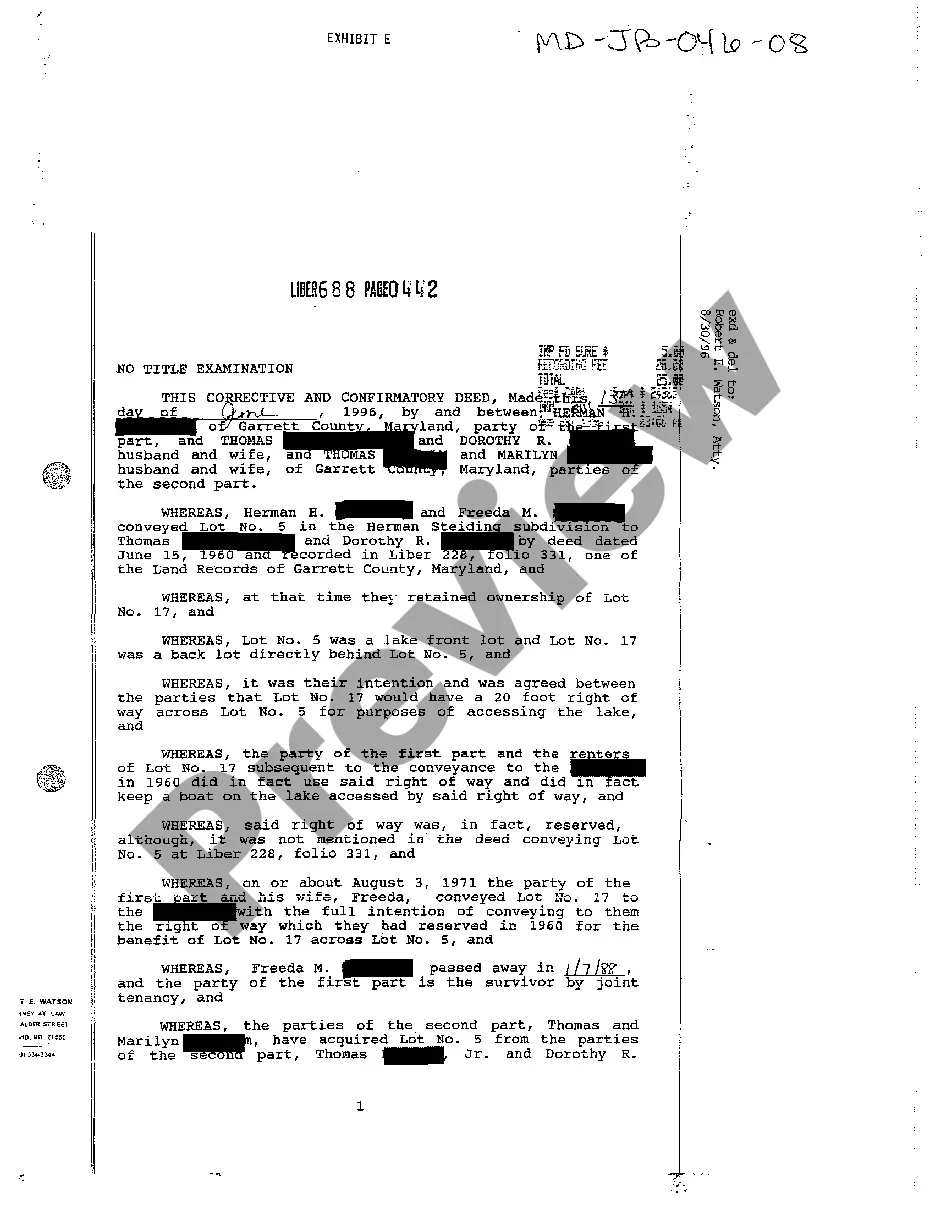
How to fill out Notice Of Rescission Of Release?
- If you're a returning user, log in to your account to access and download the desired form. Ensure that your subscription remains active for uninterrupted service.
- For new users, begin by checking the Preview mode and description of your selected document to confirm it fits your needs and complies with local jurisdiction requirements.
- In case of any discrepancies, utilize the Search feature above to find alternative templates that meet your criteria.
- Proceed to purchase the document by clicking the Buy Now button and selecting your preferred subscription plan. Create an account to enjoy access to the extensive library.
- Complete your purchase by entering your credit card information or using your PayPal account.
- Lastly, download the fulfilled template to your device. You can access it anytime under the My Forms section in your profile.
US Legal Forms empowers users with a robust and user-friendly library of over 85,000 legal forms. This extensive collection surpasses competitors, providing value at a similar cost.
With access to premium experts for guidance in form completion, you can rest assured that your documents will be legally sound. Start your journey today by visiting US Legal Forms and harnessing the power of efficient legal document management.
Form popularity
FAQ
The unilateral mistake rule allows a party to void a contract if they made a significant error that the other party could have recognized. Rescission for a unilateral mistake is permitted if equity demands it, especially when the mistaken party's belief impacts the contract's fundamental elements. This rule promotes justice in contractual dealings and helps maintain balance between parties.
A contract may be voidable due to a unilateral mistake under specific conditions, such as when one party has a fundamental misconception about an essential term. Rescission for a unilateral mistake is permitted if the other party knew or should have known of the mistake, thus ensuring fairness in the contractual relationship. It’s crucial to assess each situation individually.
Rectification for unilateral mistake refers to the legal process of correcting a written contract to reflect what the parties intended to agree upon. This process occurs when a mistake leads to an agreement that does not match the true terms. In cases where rescission is not appropriate, rectification can serve as an alternative remedy.
The defense of unilateral mistake allows a party to argue that they should not be bound to a contract due to a significant error made without their knowledge. Rescission for a unilateral mistake is permitted if the error was reasonable and the other party was aware of or should have noticed the mistake. This defense aims to uphold fairness and prevent unjust enrichment.
The law of unilateral mistake focuses on situations where one party holds a false belief regarding a fundamental fact in a contract. Rescission for a unilateral mistake is permitted if that belief has a significant effect on the transaction. Courts typically evaluate whether the mistake was material and if the other party took advantage of the situation.
A unilateral contract can be rescinded when one party discovers that their acceptance was based on a significant misunderstanding or mistake. This is particularly relevant if the mistake substantially impacts the contract's purpose. It's crucial to act quickly; rescission must occur when the mistaken party realizes the error.
Rescission for a unilateral mistake is permitted if the error occurs without negligence by the mistaken party, and if the other party knows, or should know, of the mistake. This means that if one party is aware that a mistake has been made, fairness dictates that the contract should be rescinded. In many cases, exceptions to unilateral mistakes can protect parties from unfair advantages.
An example of unilateral rescission might involve a buyer who mistakenly agrees to buy a piece of property without knowing it has a significant defect. In this case, rescission for a unilateral mistake is permitted if the buyer can prove that the seller knew about the defect but did not disclose it. This scenario exemplifies how one party can seek to invalidate a contract under specific circumstances. Legal advice is crucial in such situations to ensure proper steps are taken.
If there is a unilateral mistake in a contract, the affected party may have grounds to pursue rescission. Rescission for a unilateral mistake is permitted if the mistake is substantial and unfairly affects the contract’s fairness. The process can involve negotiation or litigation, depending on the parties' willingness to resolve the issue. Utilizing platforms like US Legal Forms can provide necessary legal documentation for this process.
A unilateral mistake can lead to the voiding of a contract under specific circumstances. Rescission for a unilateral mistake is permitted if the mistake was not a result of negligence and the other party had knowledge of the mistake. Therefore, understanding the nuances of the mistake is essential for pursuing a voiding claim. Consulting with a professional can clarify your options.