Types Of Charitable Trusts
Description
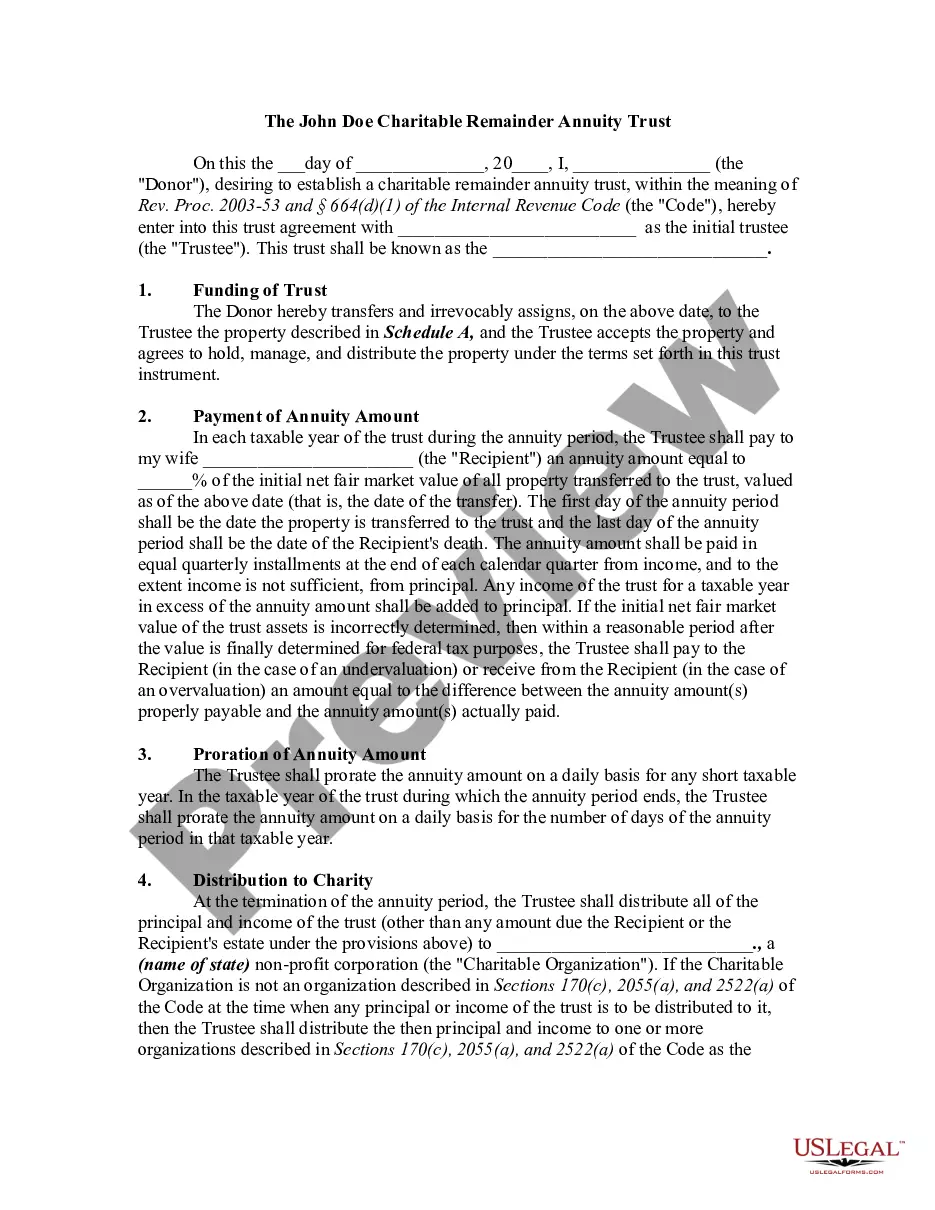
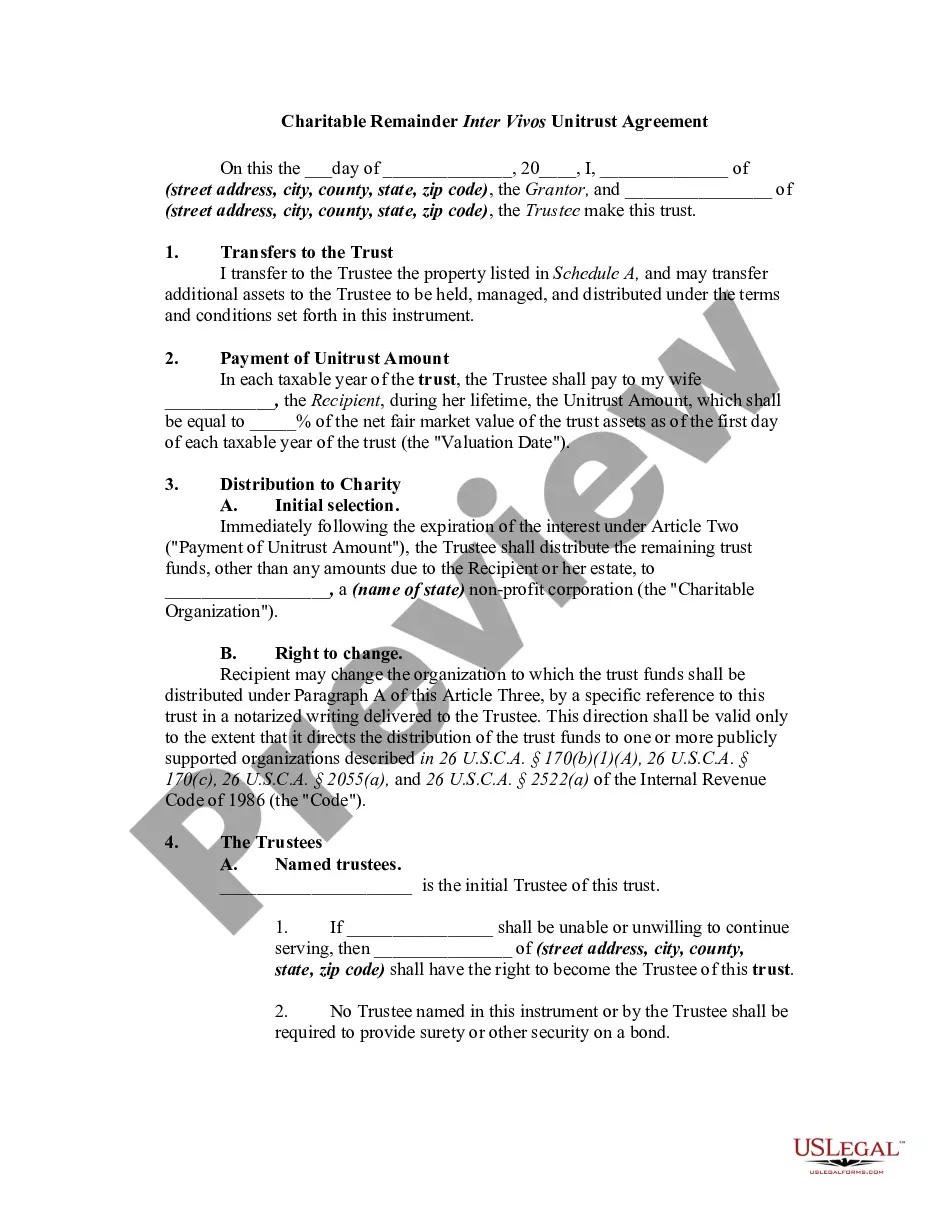
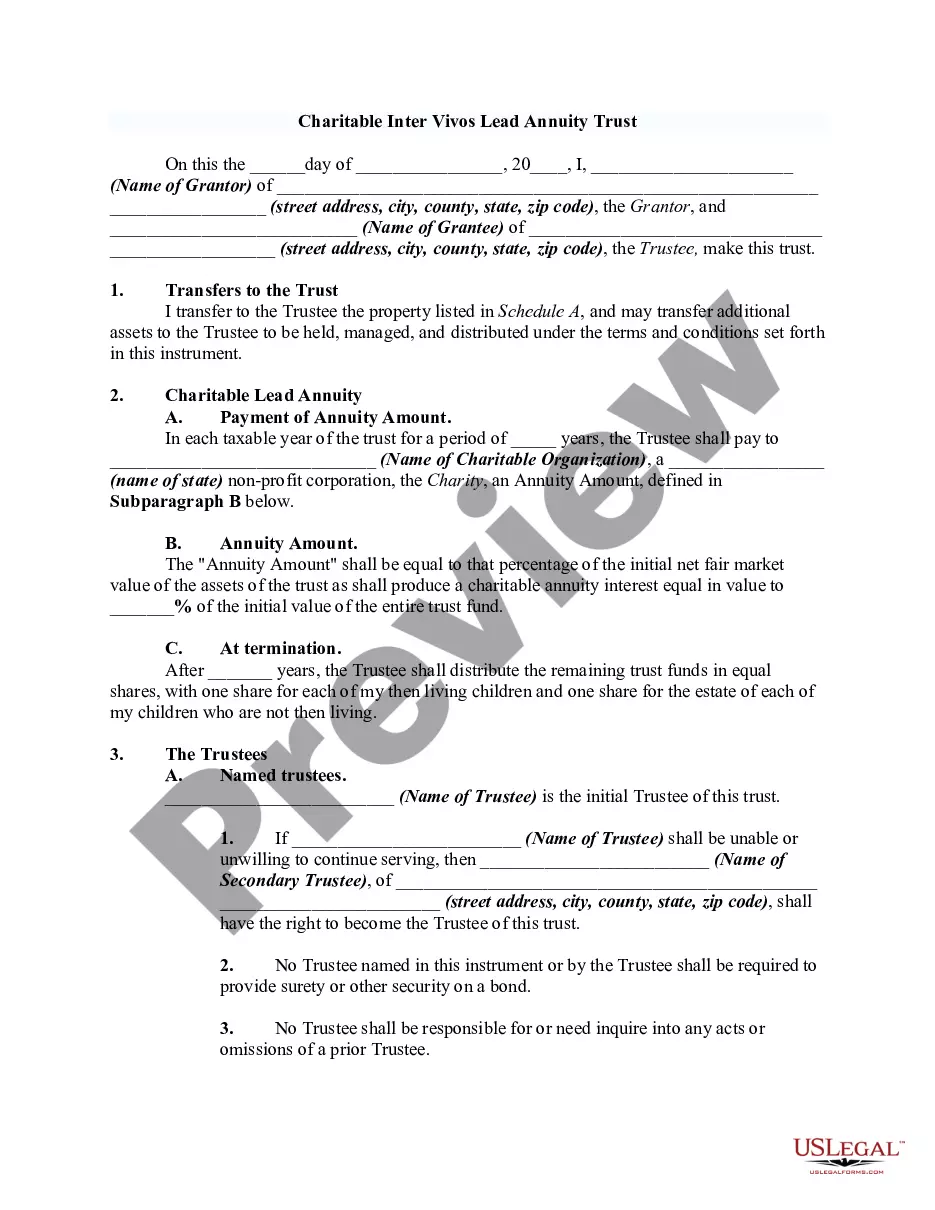
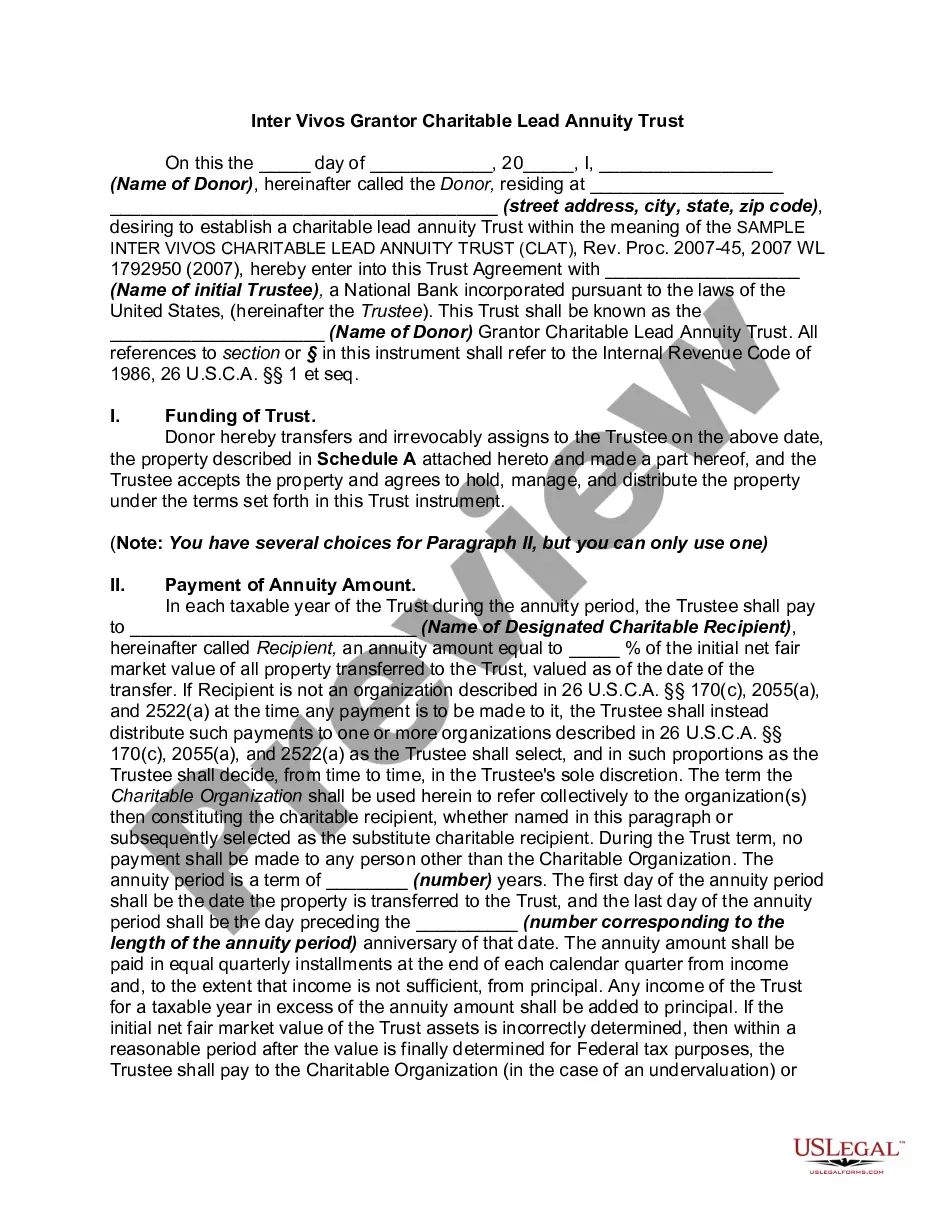
Get your form ready online
Our built-in tools help you complete, sign, share, and store your documents in one place.
Make edits, fill in missing information, and update formatting in US Legal Forms—just like you would in MS Word.
Download a copy, print it, send it by email, or mail it via USPS—whatever works best for your next step.
Sign and collect signatures with our SignNow integration. Send to multiple recipients, set reminders, and more. Go Premium to unlock E-Sign.
If this form requires notarization, complete it online through a secure video call—no need to meet a notary in person or wait for an appointment.
We protect your documents and personal data by following strict security and privacy standards.

Make edits, fill in missing information, and update formatting in US Legal Forms—just like you would in MS Word.

Download a copy, print it, send it by email, or mail it via USPS—whatever works best for your next step.

Sign and collect signatures with our SignNow integration. Send to multiple recipients, set reminders, and more. Go Premium to unlock E-Sign.

If this form requires notarization, complete it online through a secure video call—no need to meet a notary in person or wait for an appointment.

We protect your documents and personal data by following strict security and privacy standards.
Looking for another form?






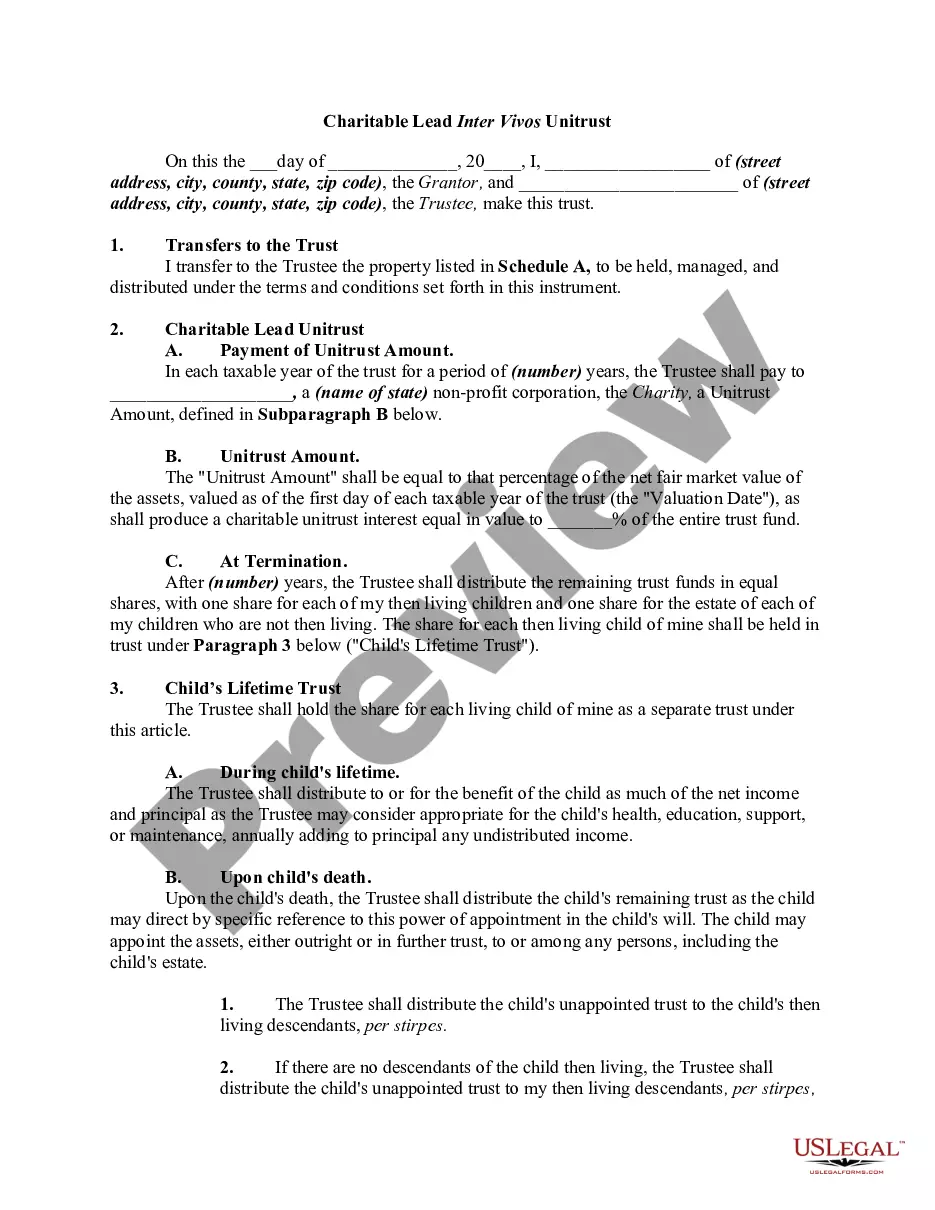
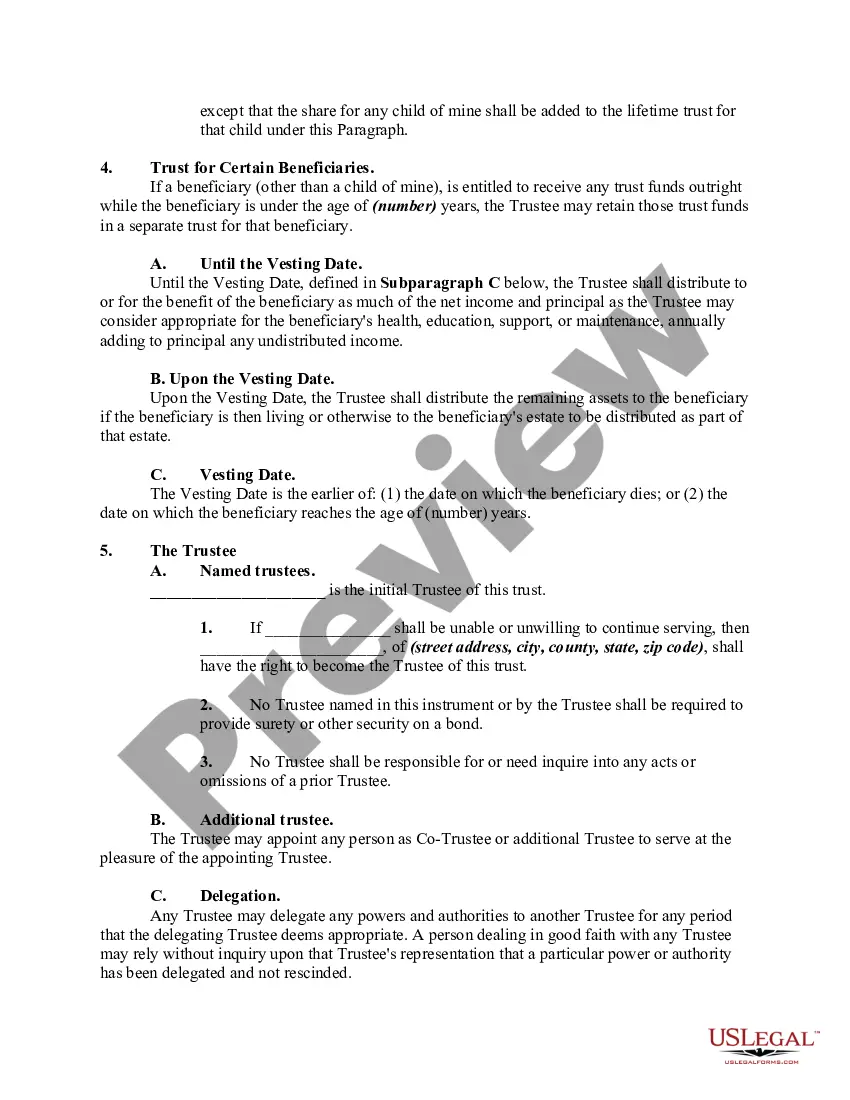
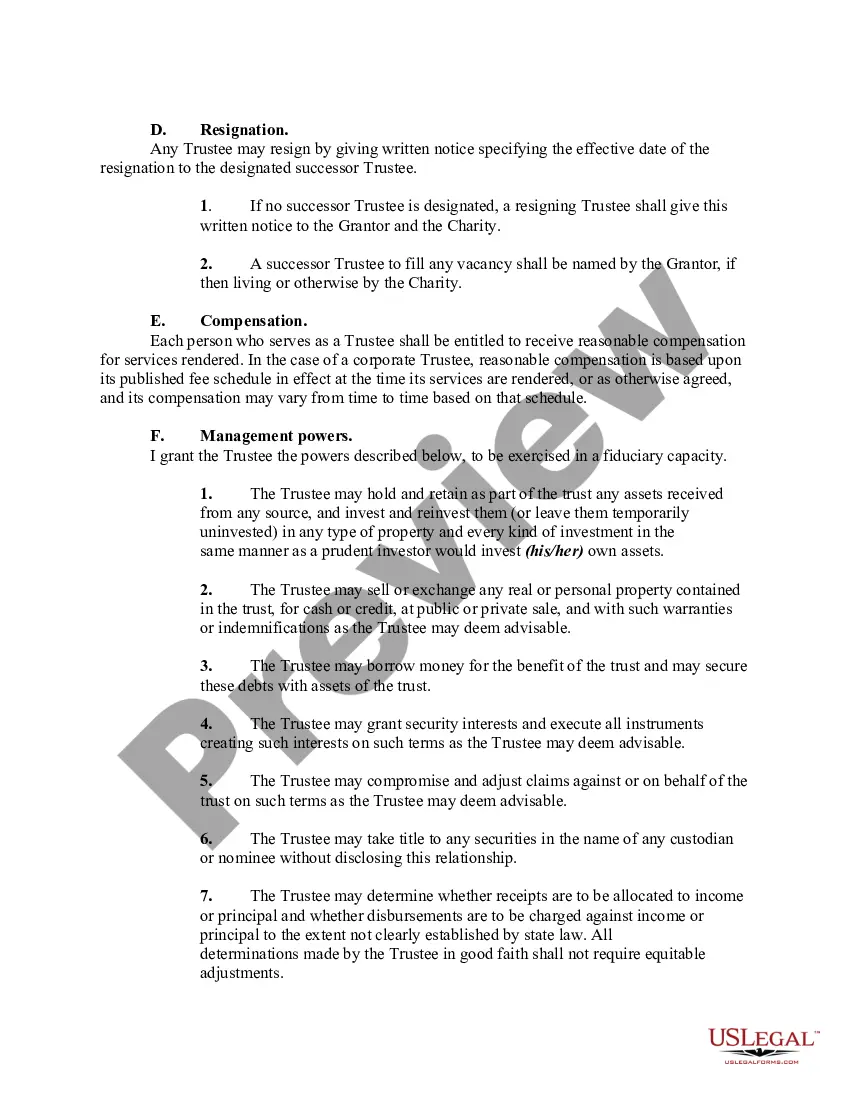
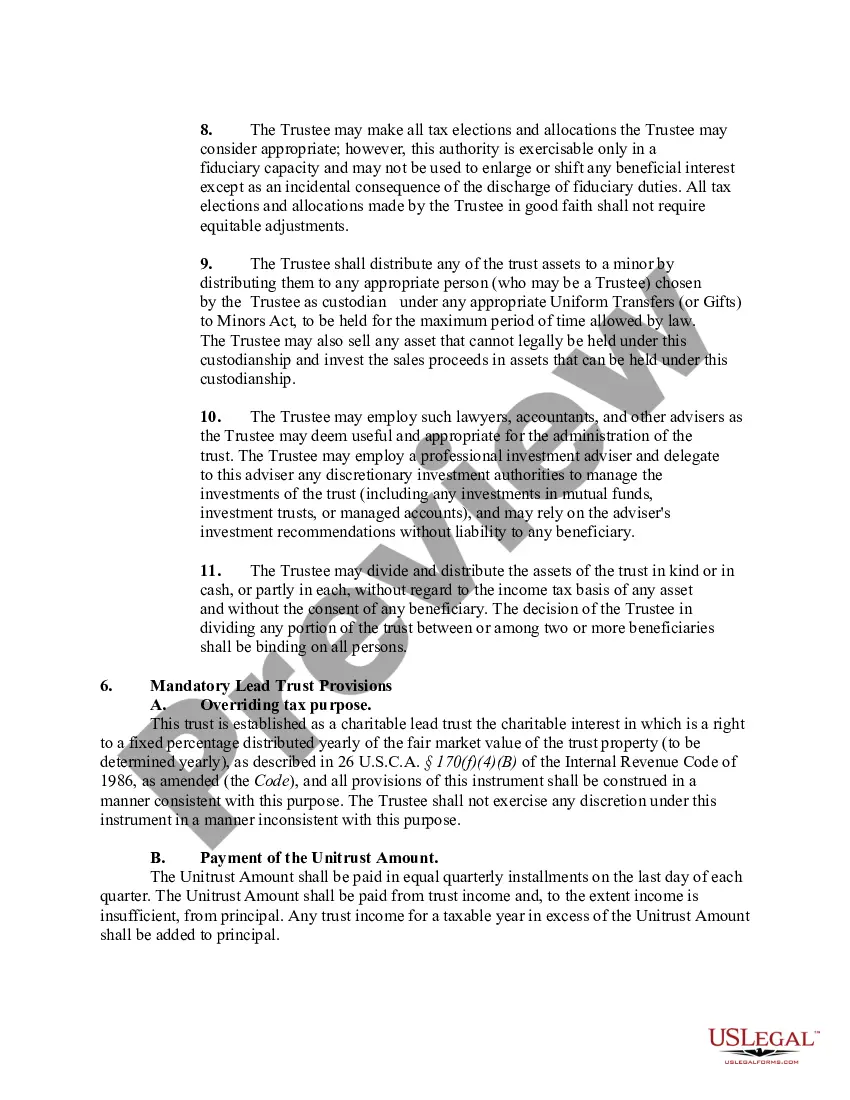
How to fill out Charitable Lead Inter Vivos Unitrust?
Regardless of whether it's for corporate reasons or personal matters, everyone eventually needs to handle legal issues at some point in their lives.
Filling out legal documentation demands meticulous care, starting from choosing the correct form template.
Once downloaded, you can complete the form using editing software or print it out to fill it in by hand. With an extensive US Legal Forms collection available, you won’t waste time searching for the right template online. Utilize the library’s user-friendly navigation to find the suitable template for any scenario.
- Obtain the document you require via the search box or browse the catalog.
- Review the form’s description to confirm it aligns with your circumstances, state, and county.
- Click on the preview of the form to view it.
- If it’s the incorrect document, return to the search function to find the necessary Types Of Charitable Trusts template.
- Download the file if it suits your requirements.
- If you possess a US Legal Forms account, click Log in to retrieve previously saved documents in My documents.
- If you are not yet registered, you can acquire the form by clicking Buy now.
- Choose the correct payment option.
- Fill out the account registration form.
- Select your method of payment: use a credit card or PayPal account.
- Choose the document format you desire and download the Types Of Charitable Trusts.
Form popularity
FAQ
The 5-year rule refers to a stipulation related to the distribution of assets in certain trust types, especially when considering Medicaid eligibility. To protect your eligibility, assets gifted or placed in a trust may have a look-back period of five years. Understanding this rule is essential, particularly when incorporating charitable trusts into your financial strategy.
The most popular type of trust is the revocable trust, largely because it offers flexibility and simplicity in estate planning. However, many individuals also explore types of charitable trusts for philanthropic reasons. Choosing the right type of trust ultimately depends on your specific financial goals and values.
Charitable trusts can have some drawbacks, including potential administrative complexities and limitations on asset use. Once you establish a charitable trust, it generally cannot be undone, and you may lose control over the assets. It is crucial to understand these considerations and explore different types of charitable trusts to ensure alignment with your giving goals.
While a revocable trust offers flexibility and control, it also has disadvantages. For instance, since you retain ownership, assets in a revocable trust may still be subject to estate taxes and creditors. Additionally, this type of trust does not provide the same level of charitable benefits as more specialized options like certain types of charitable trusts.
An irrevocable trust provides benefits such as tax advantages and protection from creditors. By transferring assets into an irrevocable trust, you relinquish control, but this can also lead to significant estate tax savings. Many individuals choose this type of trust for long-term planning, especially concerning the successful management of charitable trusts.
The four major types of trusts include revocable trusts, irrevocable trusts, testamentary trusts, and charitable trusts. Each type serves different purposes, such as asset protection, estate planning, and charitable giving. Understanding the various types of charitable trusts can help you make informed decisions for your financial future.
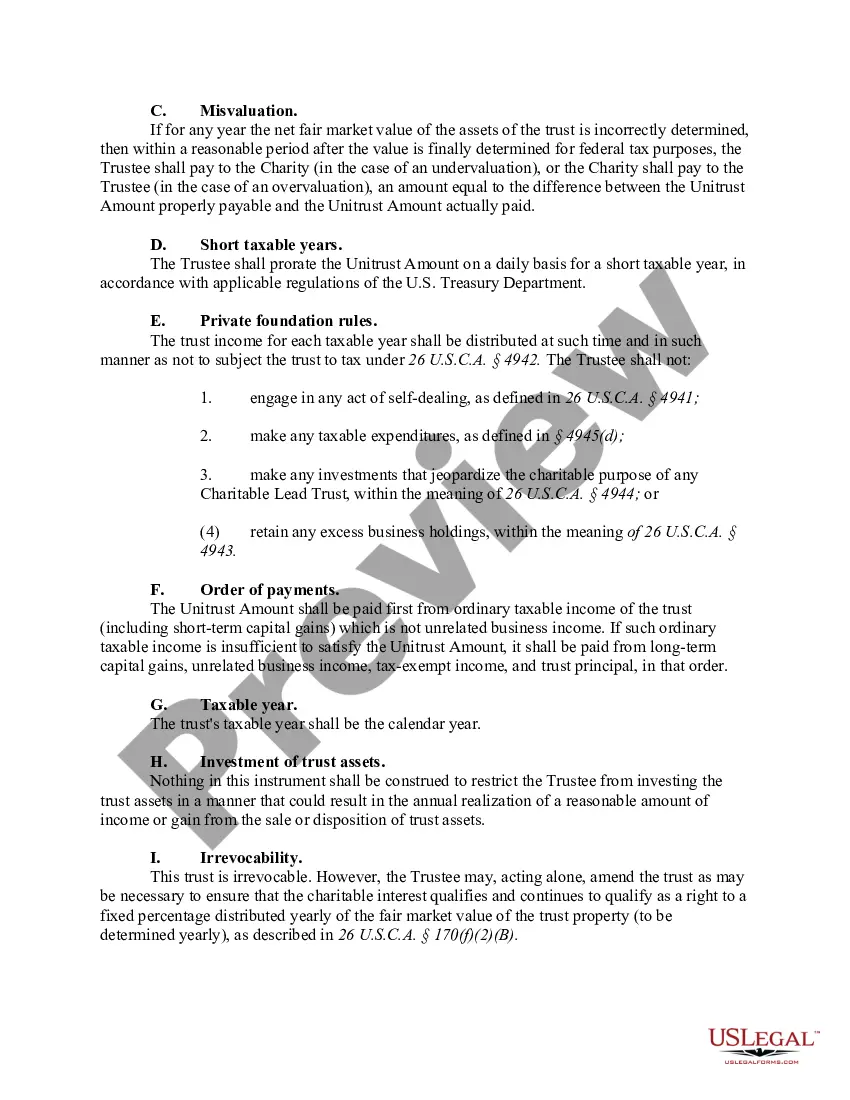
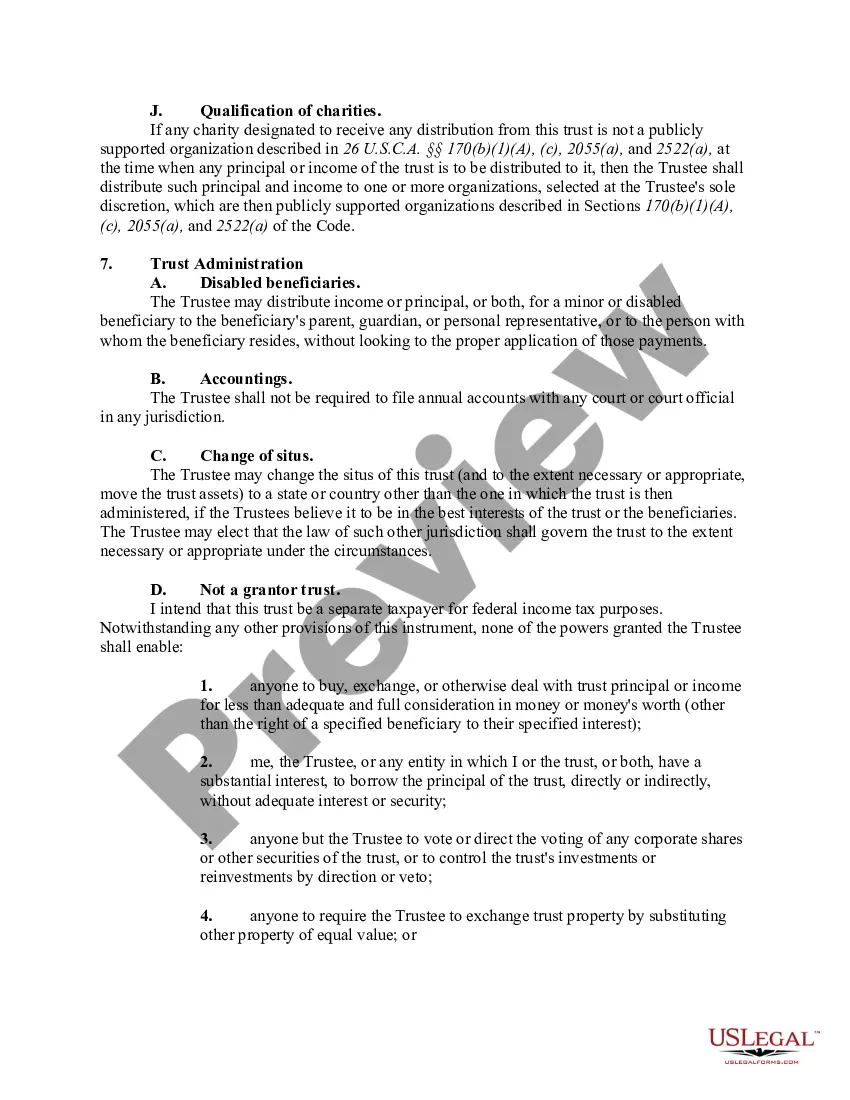
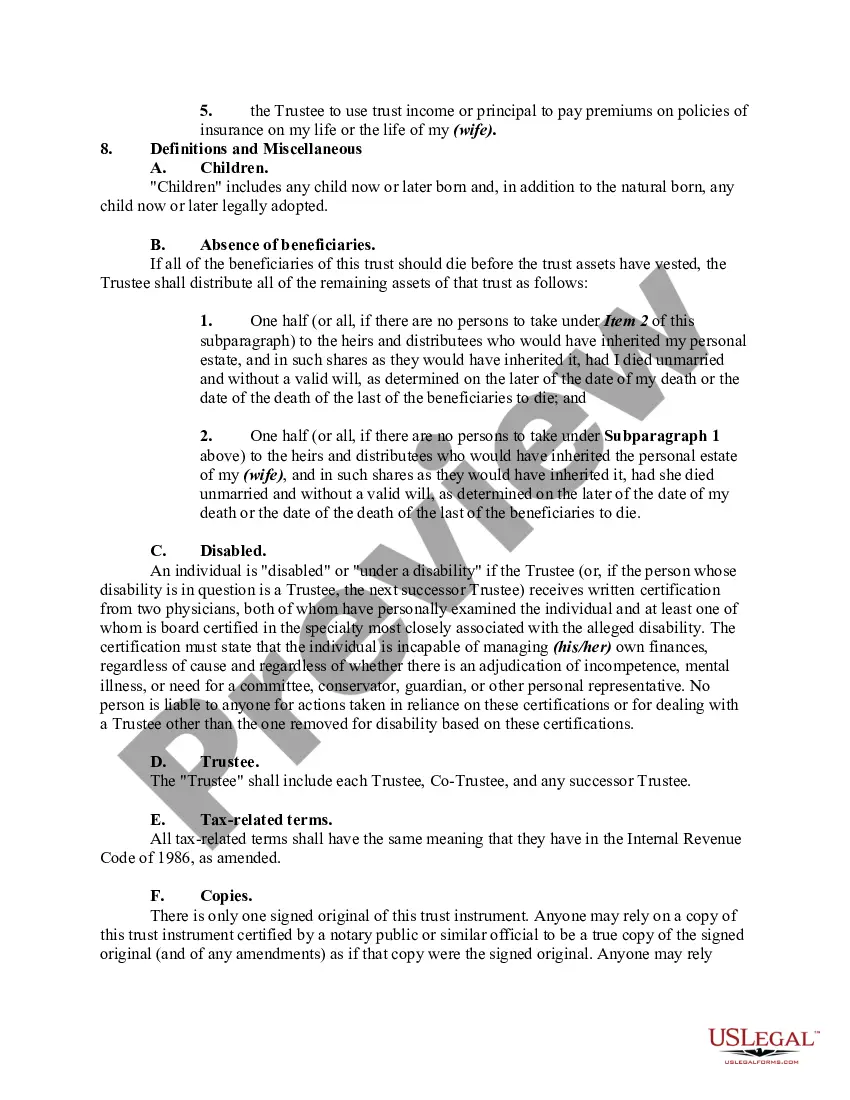
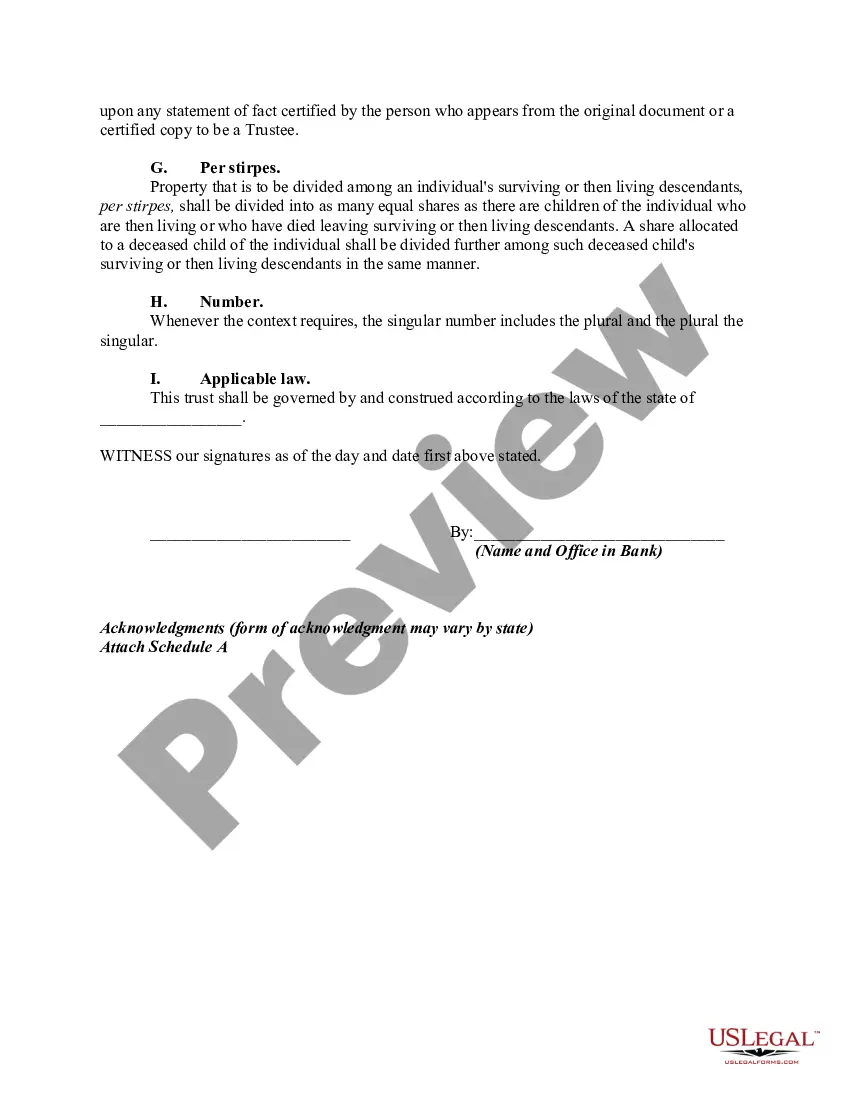
The main difference between a Charitable Remainder Trust (CRT) and a Charitable Lead Trust (CLT) lies in the direction of the payments. A CRT pays income to the donor or beneficiaries first, and then the remaining assets go to charity. Conversely, a CLT provides income to a charity initially, with the remaining assets transferred to the donor's heirs after a specified period. This distinction is crucial when considering the types of charitable trusts that align with your financial and philanthropic goals.
Charitable Remainder Unitrusts (CRUTs) come in two primary types: standard CRUTs and net income CRUTs. A standard CRUT pays a fixed percentage of the trust's value each year, providing consistent support to both the donor and the charity. On the other hand, a net income CRUT pays out the lesser of the fixed percentage or the actual income generated by the trust assets. Understanding these types of charitable trusts helps you choose the best fit for your giving goals.
The four main types of charities include public charities, private foundations, operating foundations, and supporting organizations. Public charities actively engage in charitable work, while private foundations typically make grants to other charitable entities. Operating foundations focus on their charitable activities, often providing services or supporting projects directly, enriching the spectrum of types of charitable trusts available for giving.
There are several types of charitable trusts, including charitable remainder trusts, charitable lead trusts, and pooled income funds. Charitable remainder trusts provide income to the donor or beneficiaries for a set period, after which the remaining assets go to charity. Charitable lead trusts, conversely, provide immediate donations to charity while eventually returning assets to beneficiaries, serving as valuable tools for those exploring the types of charitable trusts.