Charitable Trusts For Dummies
Description
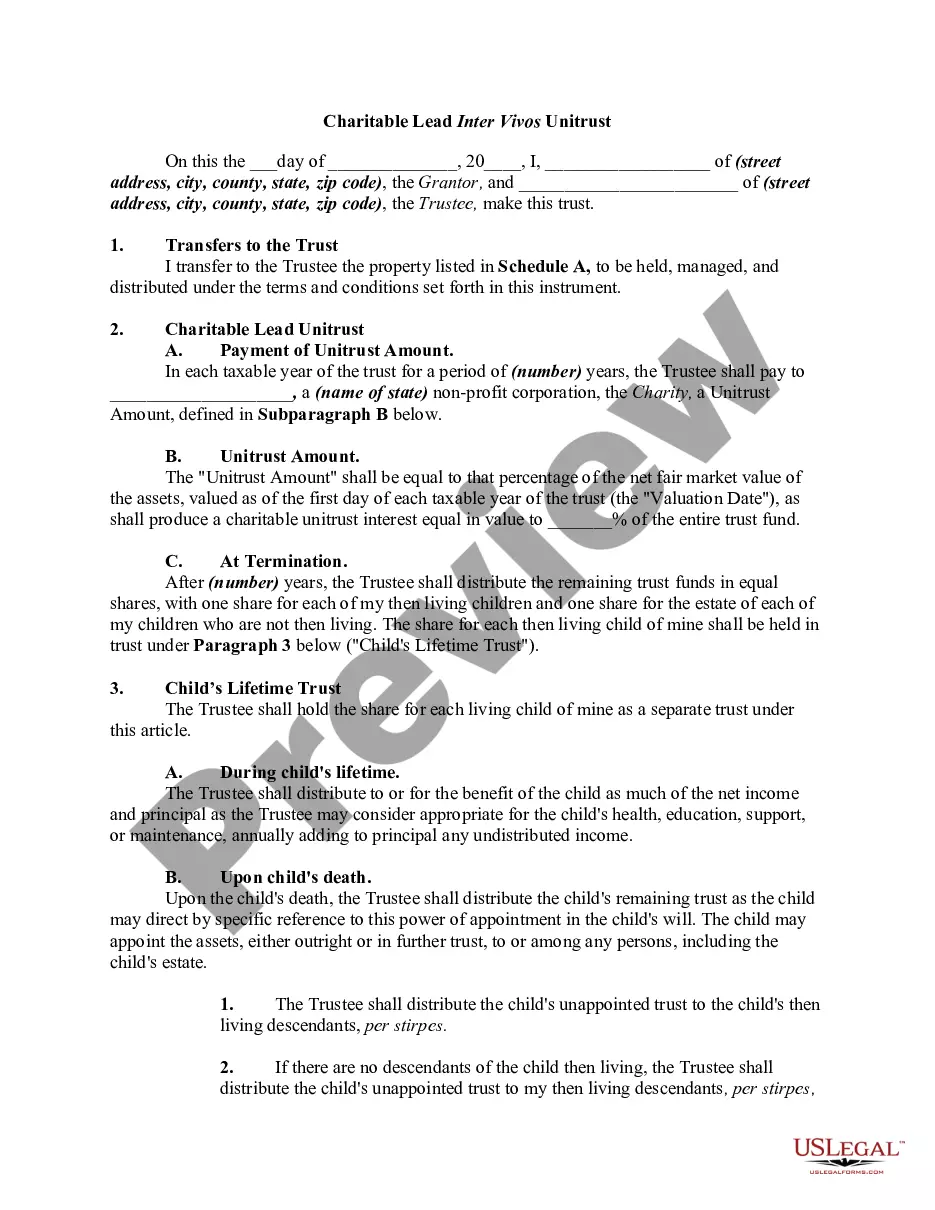
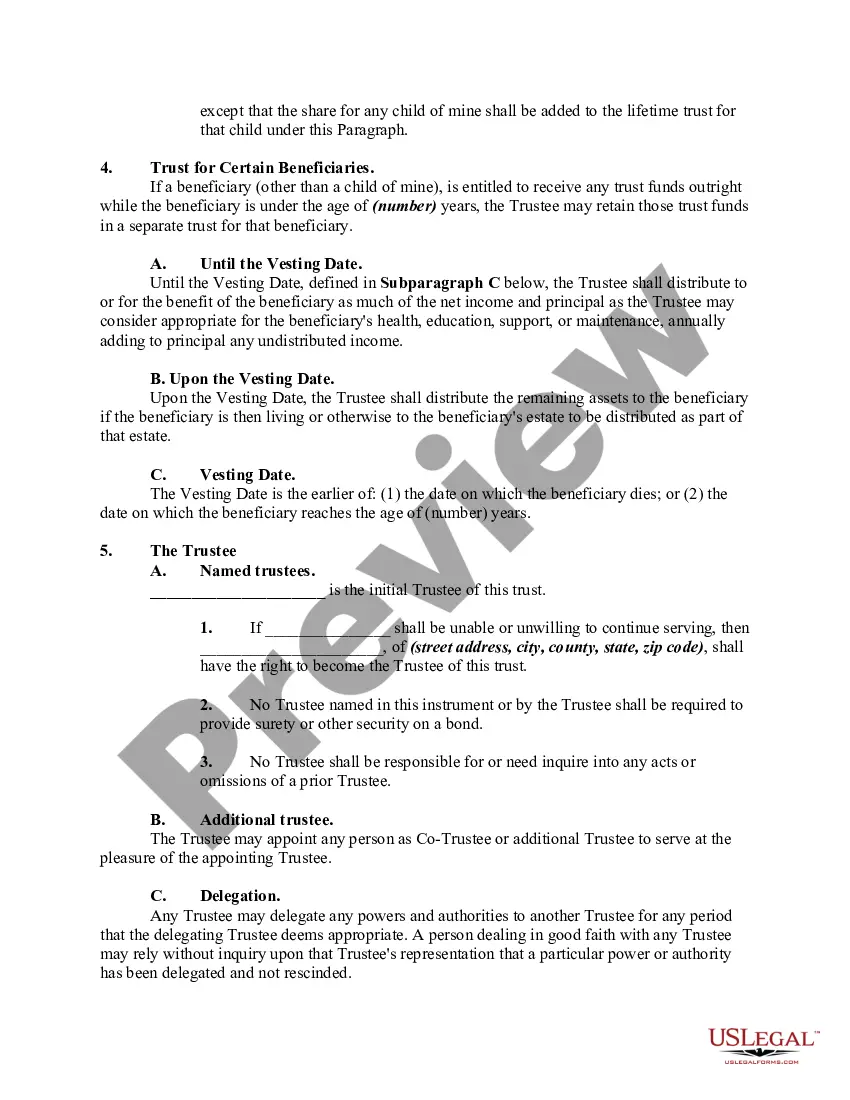
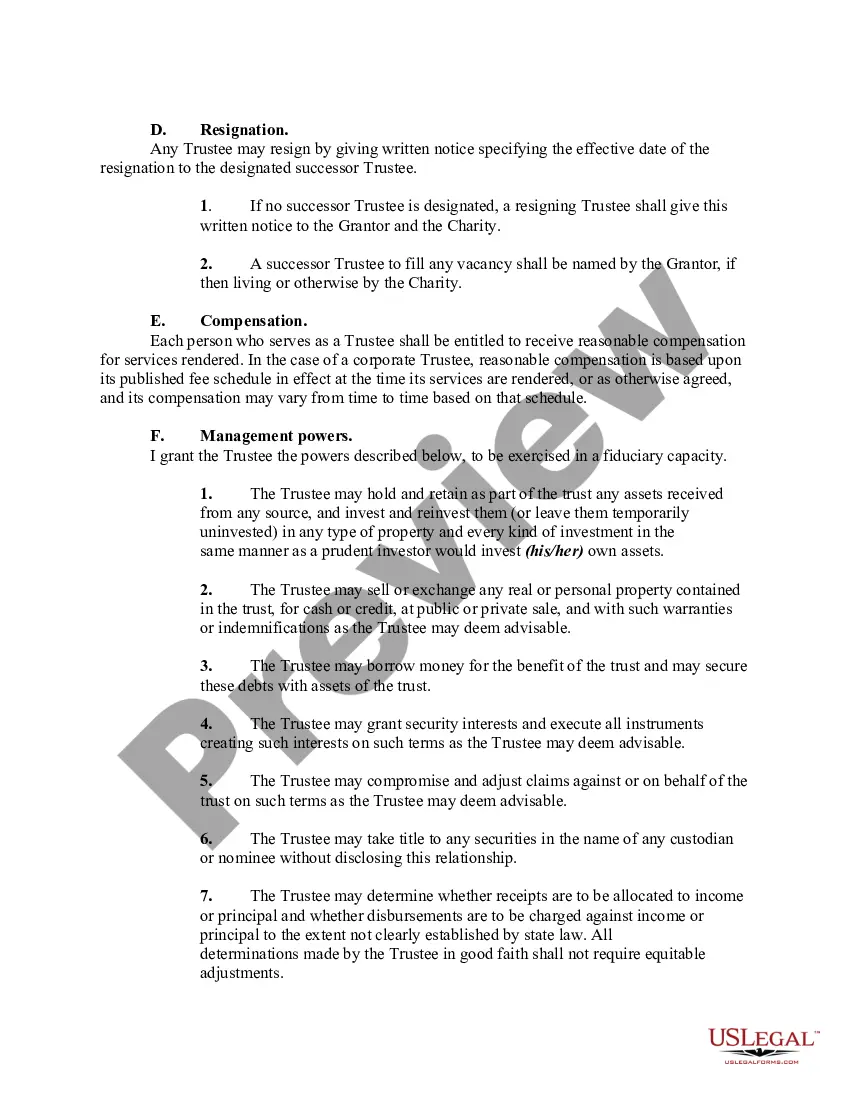
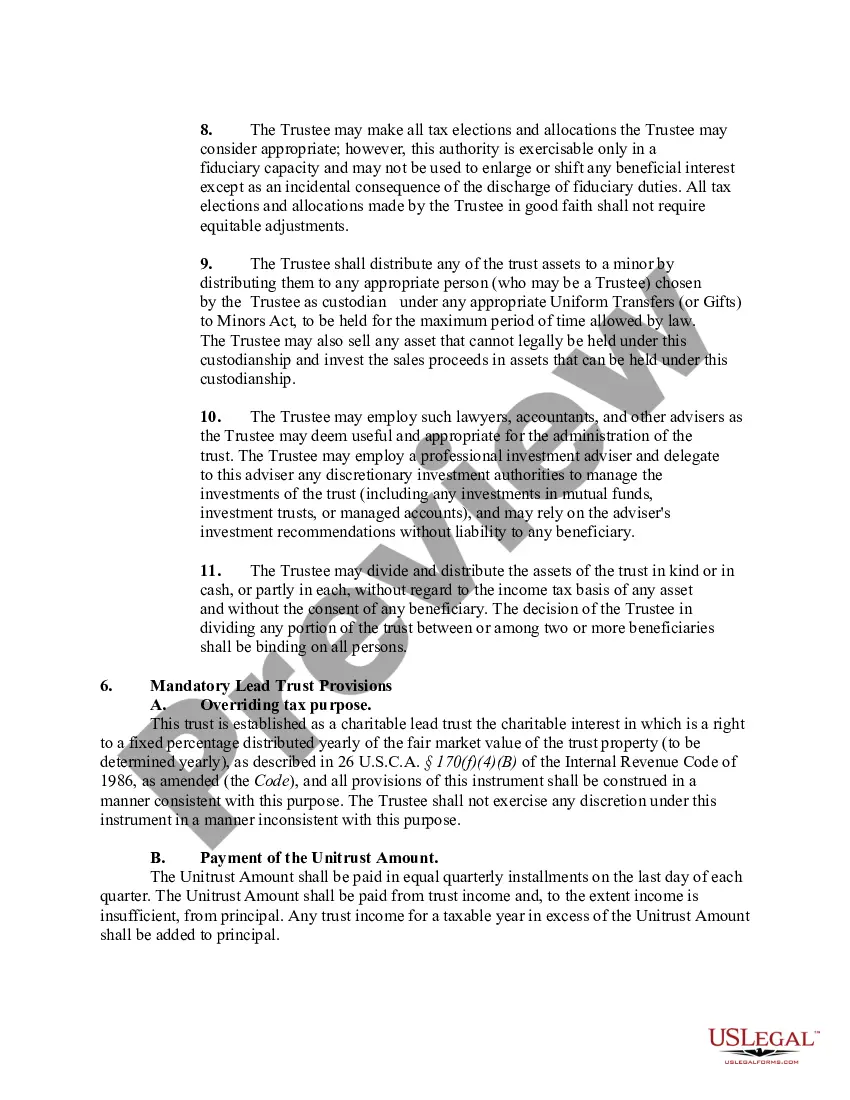
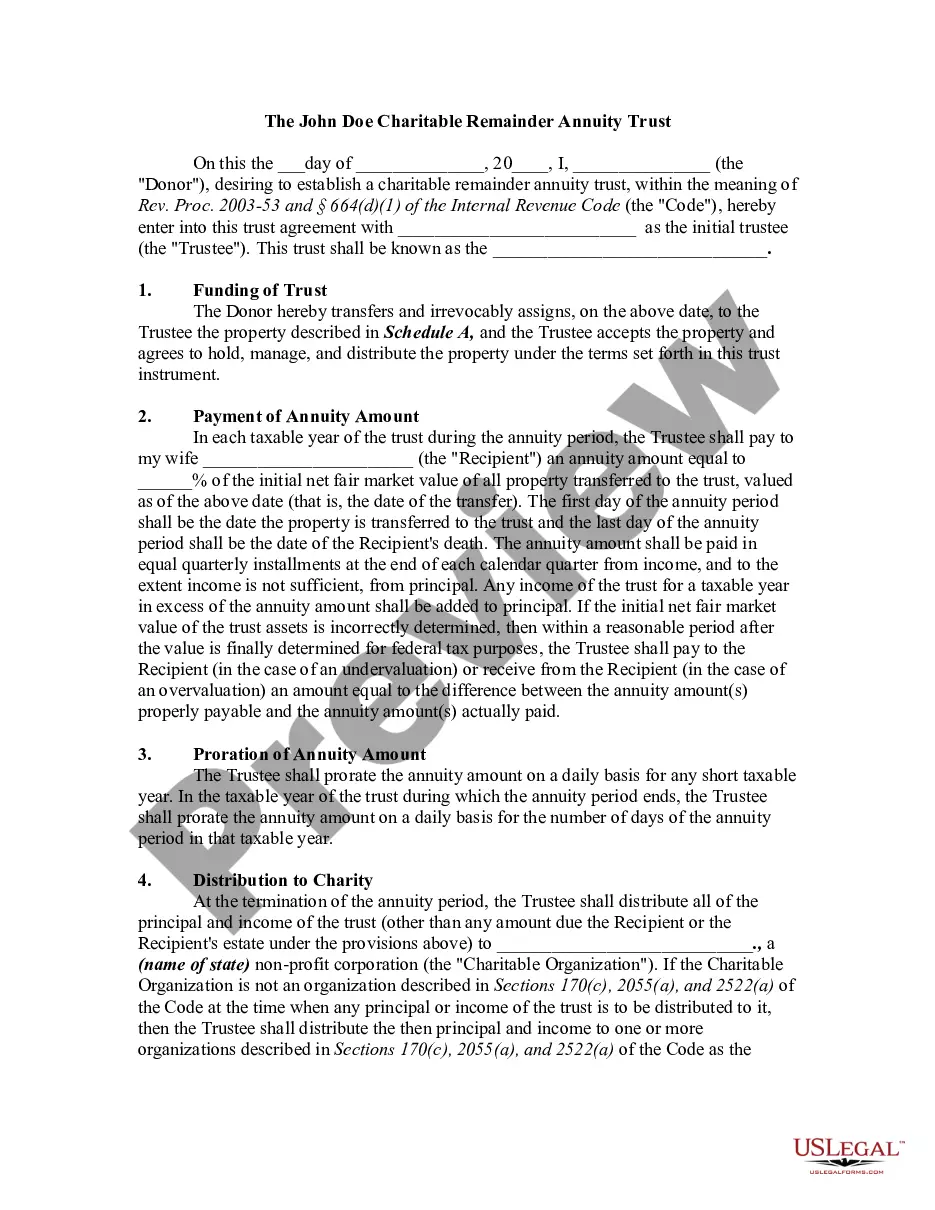
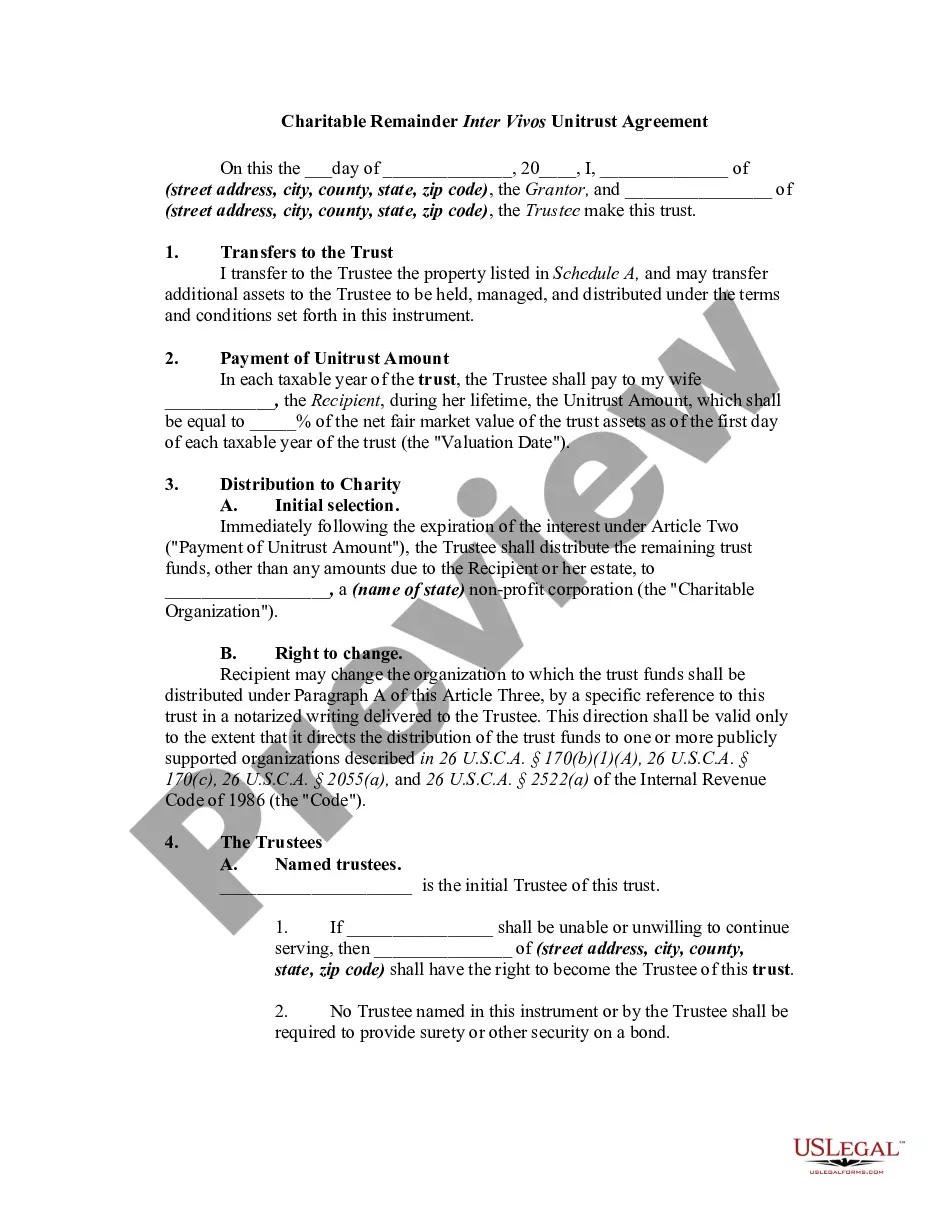
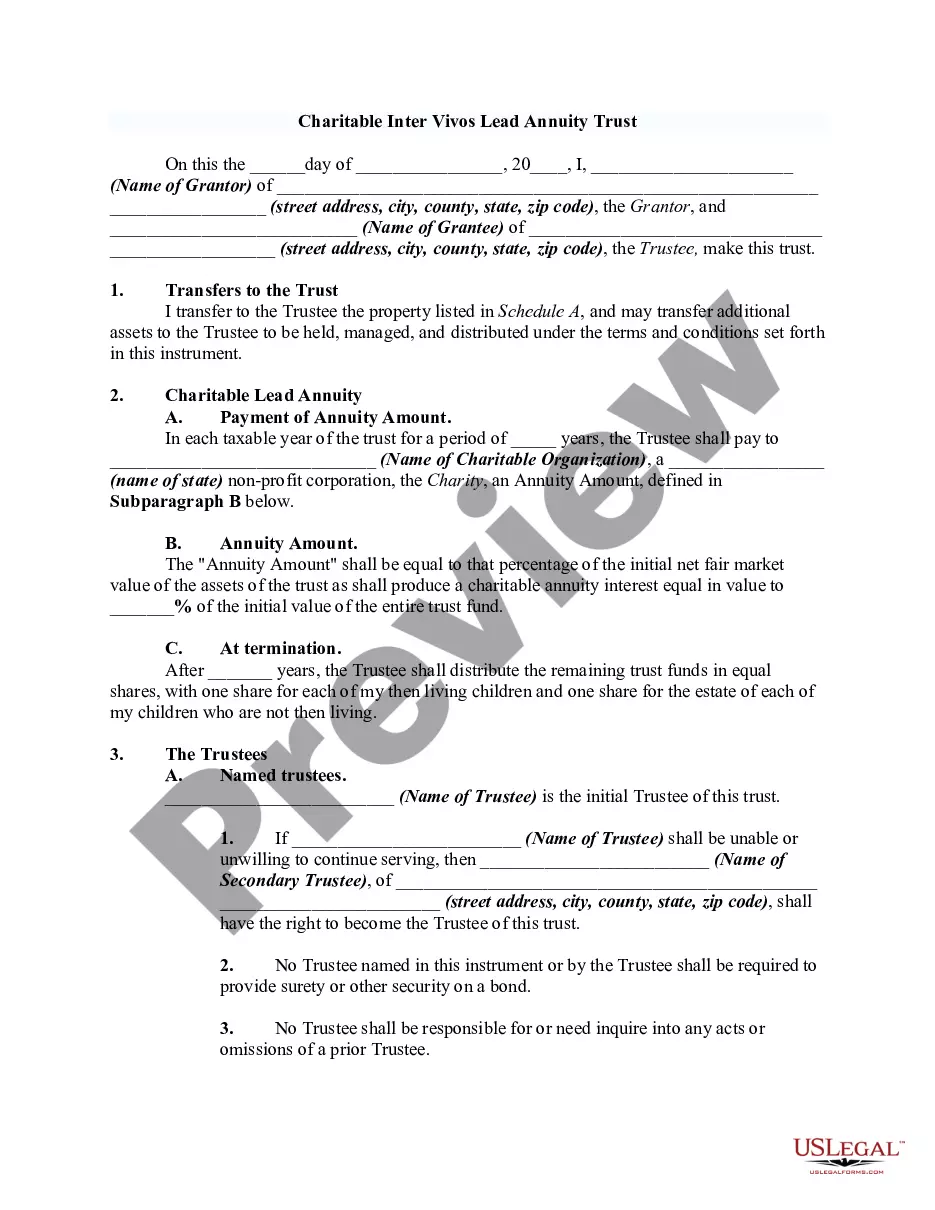
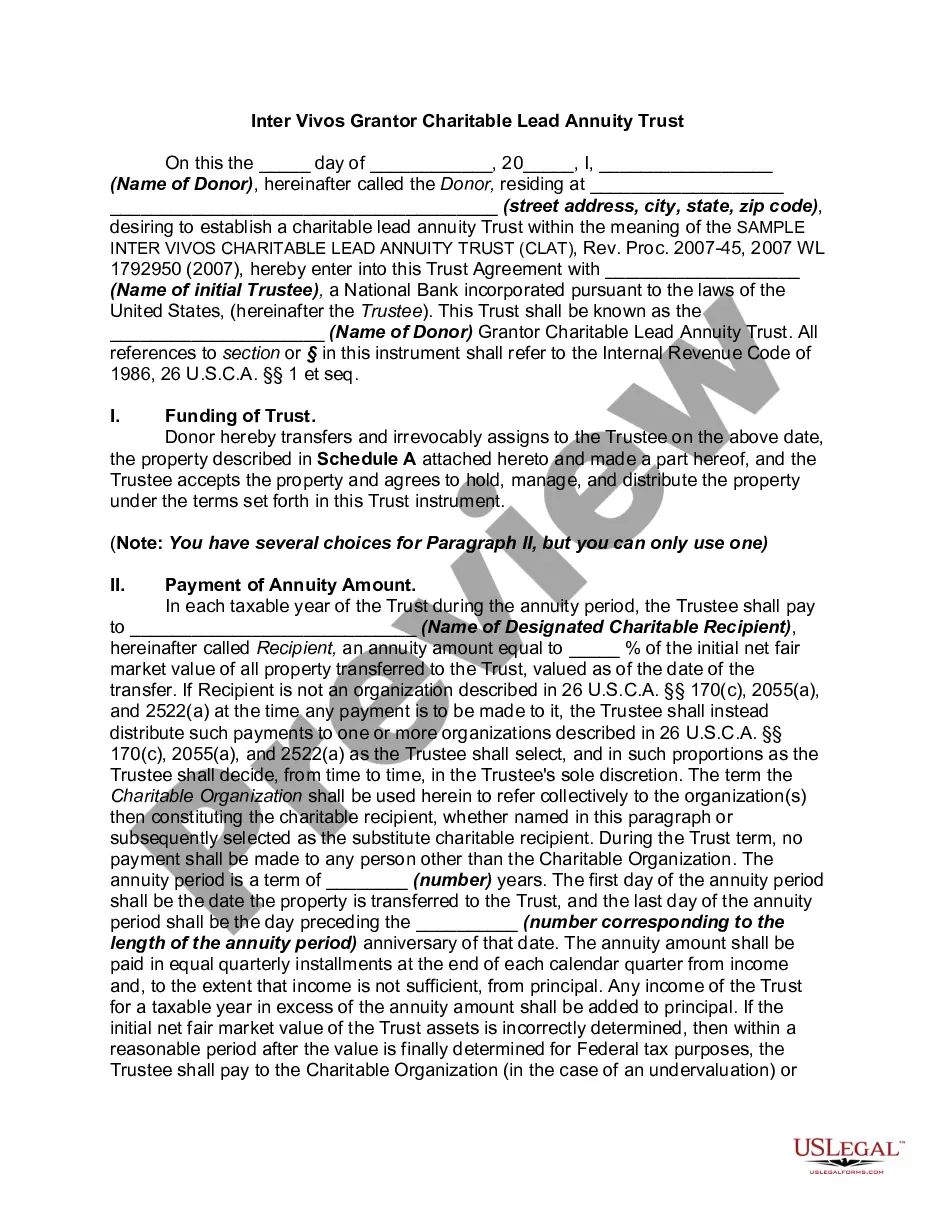
Get your form ready online
Our built-in tools help you complete, sign, share, and store your documents in one place.
Make edits, fill in missing information, and update formatting in US Legal Forms—just like you would in MS Word.
Download a copy, print it, send it by email, or mail it via USPS—whatever works best for your next step.
Sign and collect signatures with our SignNow integration. Send to multiple recipients, set reminders, and more. Go Premium to unlock E-Sign.
If this form requires notarization, complete it online through a secure video call—no need to meet a notary in person or wait for an appointment.
We protect your documents and personal data by following strict security and privacy standards.

Make edits, fill in missing information, and update formatting in US Legal Forms—just like you would in MS Word.

Download a copy, print it, send it by email, or mail it via USPS—whatever works best for your next step.

Sign and collect signatures with our SignNow integration. Send to multiple recipients, set reminders, and more. Go Premium to unlock E-Sign.

If this form requires notarization, complete it online through a secure video call—no need to meet a notary in person or wait for an appointment.

We protect your documents and personal data by following strict security and privacy standards.
Looking for another form?









How to fill out Charitable Lead Inter Vivos Unitrust?
Acquiring legal document examples that comply with federal and state regulations is essential, and the internet provides numerous options to select from.
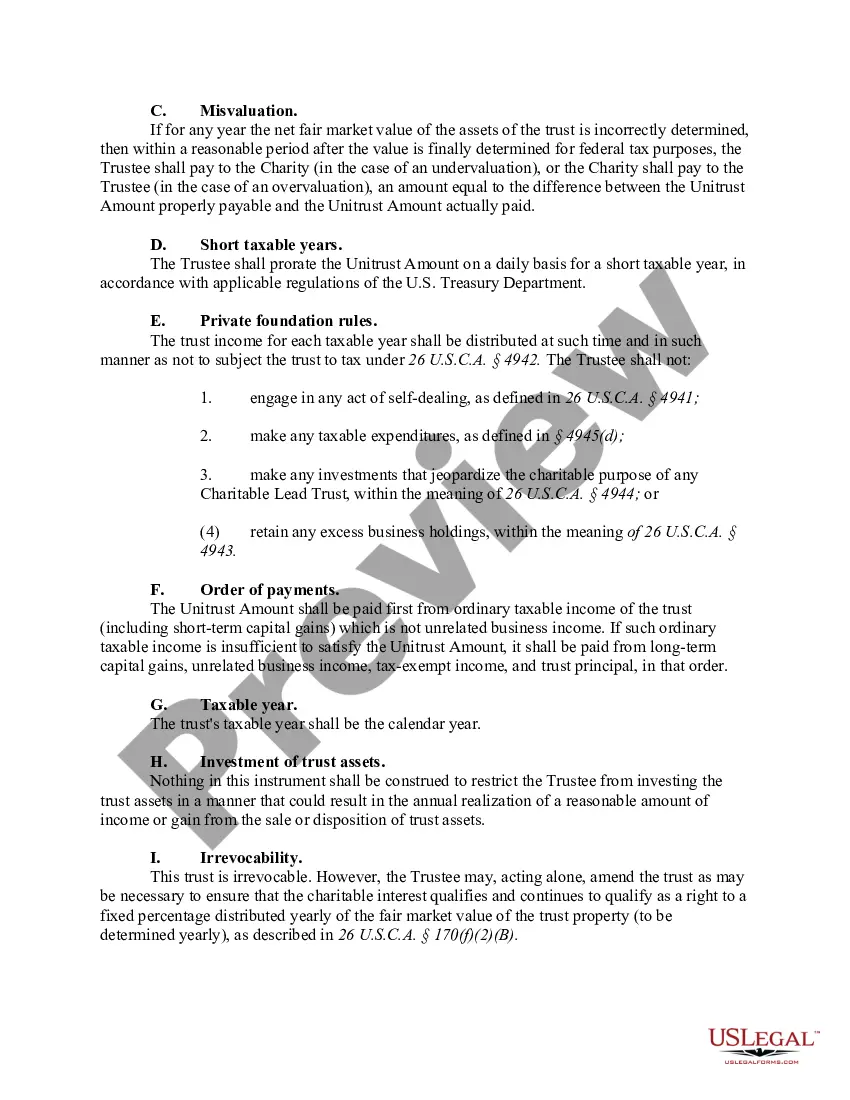
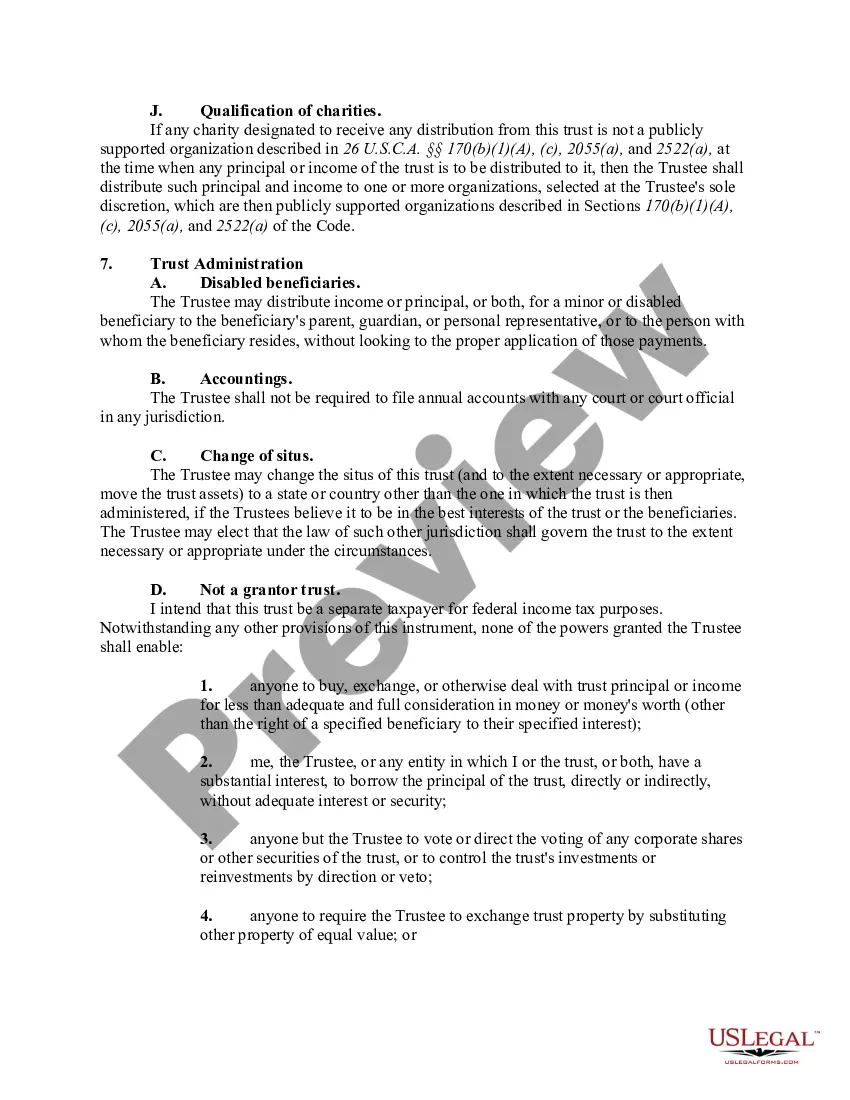
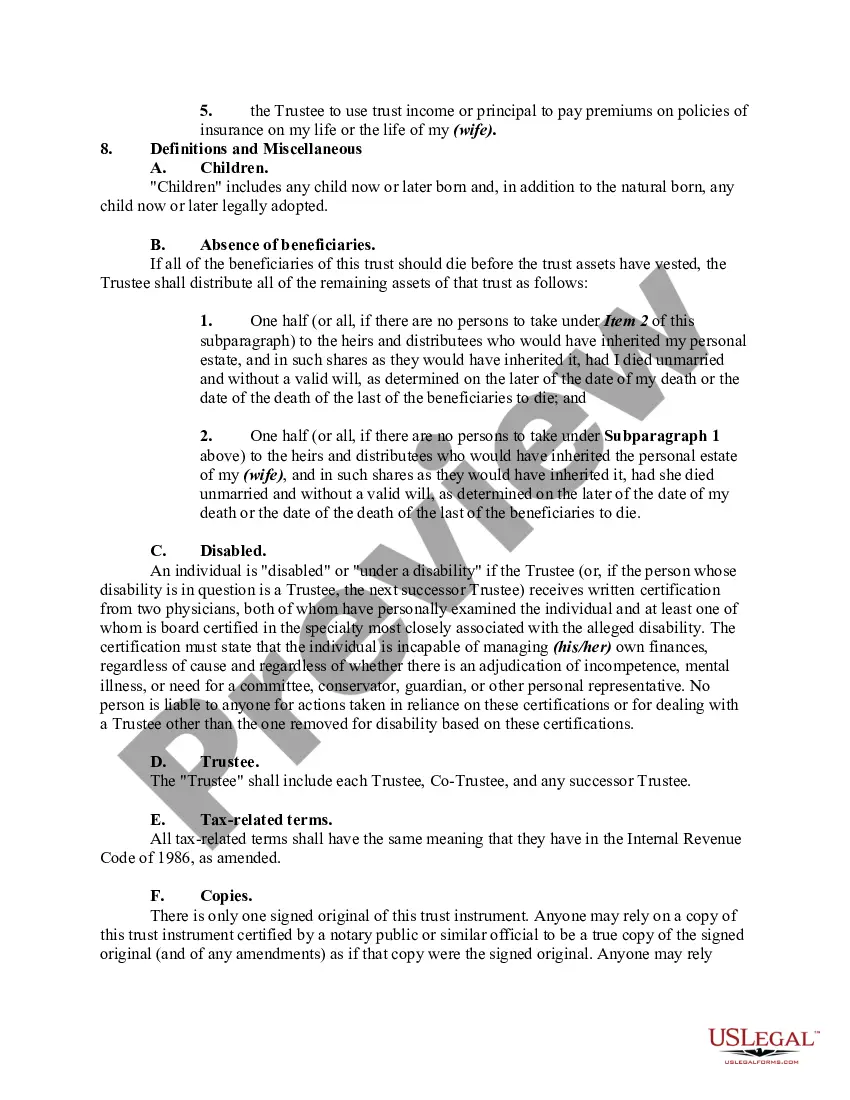
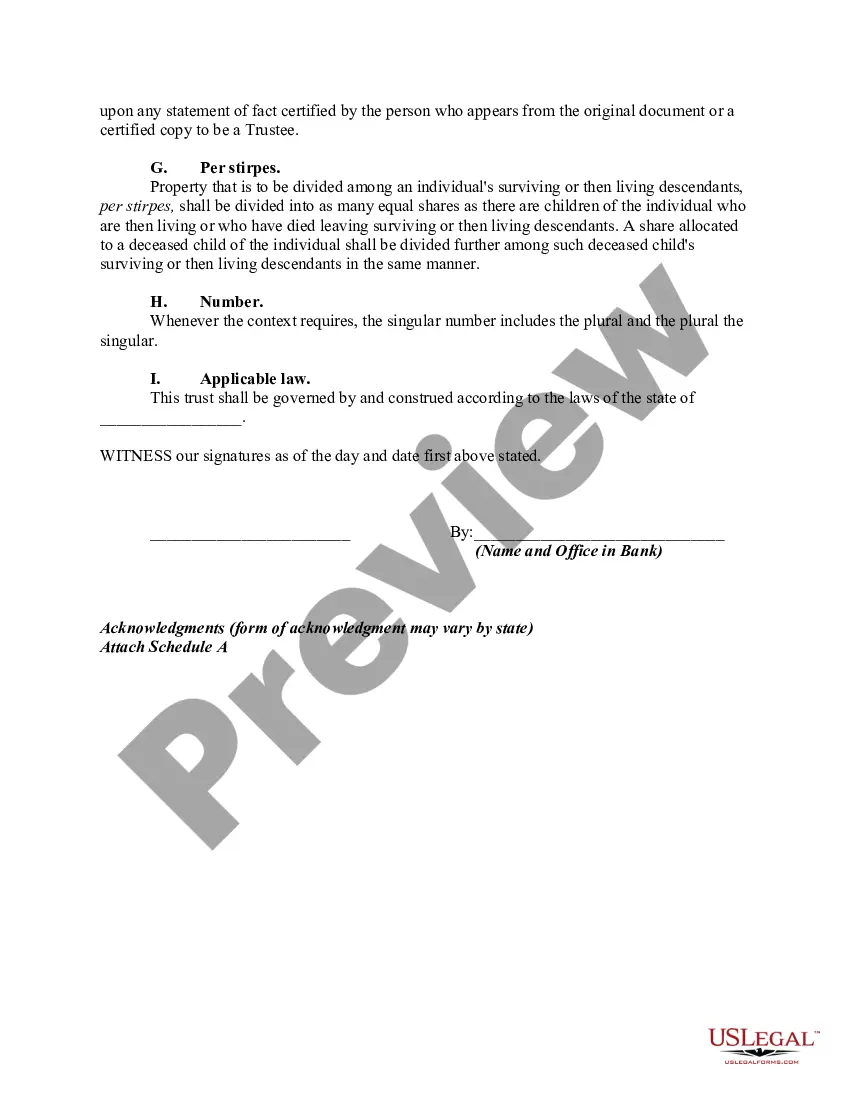
However, what is the purpose of wasting time hunting for the suitable Charitable Trusts For Dummies sample online when the US Legal Forms digital library already has such documents compiled in one location.
US Legal Forms is the largest online legal repository with more than 85,000 fillable templates created by lawyers for various professional and personal situations.
Utilize the most comprehensive and user-friendly legal document service!
- They are straightforward to navigate with all documents organized by state and intended use.
- Our experts stay updated with legal amendments, ensuring your documents are current and compliant when obtaining a Charitable Trusts For Dummies from our site.
- Acquiring a Charitable Trusts For Dummies is quick and easy for both existing and new users.
- If you already possess an account with an active subscription, Log In and save the document example you require in the appropriate format.
- For newcomers to our site, follow the outlined steps below.
Form popularity
FAQ
Setting up a charitable trust offers numerous benefits, which makes it appealing for many. For instance, it provides a way to achieve significant tax advantages while supporting philanthropic goals. Additionally, charitable trusts for dummies can facilitate purposeful and structured giving over time, ensuring that the donor's wishes are honored even after their lifetime. If you are considering this route, uslegalforms can help simplify the setup process, providing necessary documentation and guidance.
In charitable trusts for dummies, the assets held in a trust belong to the trust itself, not to any individual. Typically, a trustee manages these assets on behalf of the beneficiaries, who are often charitable organizations in this context. This division of ownership protects the assets and ensures they are allocated according to the trust’s purpose. Consequently, the trust structure safeguards the intent behind the charitable giving.
For those exploring charitable trusts for dummies, it's crucial to understand that the legal ownership of assets in a unit trust rests with the trustee. The trustee manages the assets in accordance with the trust's terms and for the benefit of the unit holders. This management ensures that the intended charitable purposes are fulfilled, creating a distinct separation between ownership and management responsibilities. This structure fosters trust and accountability.
In the context of charitable trusts for dummies, the beneficial owner is typically the charity itself. When a trust is established, the charity is designated as the recipient of the trust's benefits. Hence, while the assets are held in trust, the charity ultimately receives the financial benefits from these assets. This setup allows for organized giving while ensuring that funds are used for charitable purposes.
A charitable trust works by transferring assets to a trustee, who manages those assets to benefit a charitable purpose. The trust is created through a legal document that outlines its purpose, the assets involved, and how they should be distributed over time. For individuals unfamiliar with charitable trusts for dummies, this structure allows both benefactors and beneficiaries to pursue philanthropic goals while leveraging potential tax benefits. Using platforms like USLegalForms can simplify the process of establishing a charitable trust.
In a charitable trust, the assets are owned by the trust itself, not by an individual. This means that the property in the trust is managed for charitable purposes, benefiting the designated causes. The trustee has a legal obligation to uphold the trust’s objectives and ensure the assets are used in accordance with the trust’s terms. For those starting to learn about charitable trusts for dummies, it's crucial to understand this distinction for effective management.
To establish a charitable trust, you need to follow a structured process that ensures your intentions are legally recognized. Begin by determining the trust's objectives and selecting suitable assets to fund it. Then, consult legal resources or professionals to draft the necessary documents. Using US Legal Forms, you can simplify this process and receive the guidance you need, making it easier for anyone looking into charitable trusts for dummies.
Creating a charitable trust involves several steps, particularly if you're new to the concept. You start by deciding on the purpose of the trust, such as supporting education or health initiatives. Next, you will draft a trust document that outlines the terms of the trust, naming beneficiaries and trustees. Platforms like US Legal Forms can guide you through these steps to ensure compliance with legal requirements and help you navigate charitable trusts for dummies effortlessly.
In the context of charitable trusts for dummies, it is essential to understand that you typically need at least one person to create a trust. This individual, often referred to as the grantor, contributes assets to the trust. However, maintaining a trustworthy and responsible trustee is equally crucial for the effective management of the trust's assets. Thus, while one person is necessary, having a capable team is beneficial.
Yes, when dealing with charitable trusts for dummies, it is important to know that certain charitable trusts must file tax returns annually. Depending on the trust's structure and the income it generates, it may be subject to various IRS regulations. Consulting with a tax professional ensures compliance and helps maintain the trust's status.