Charitable Trust For Family
Description
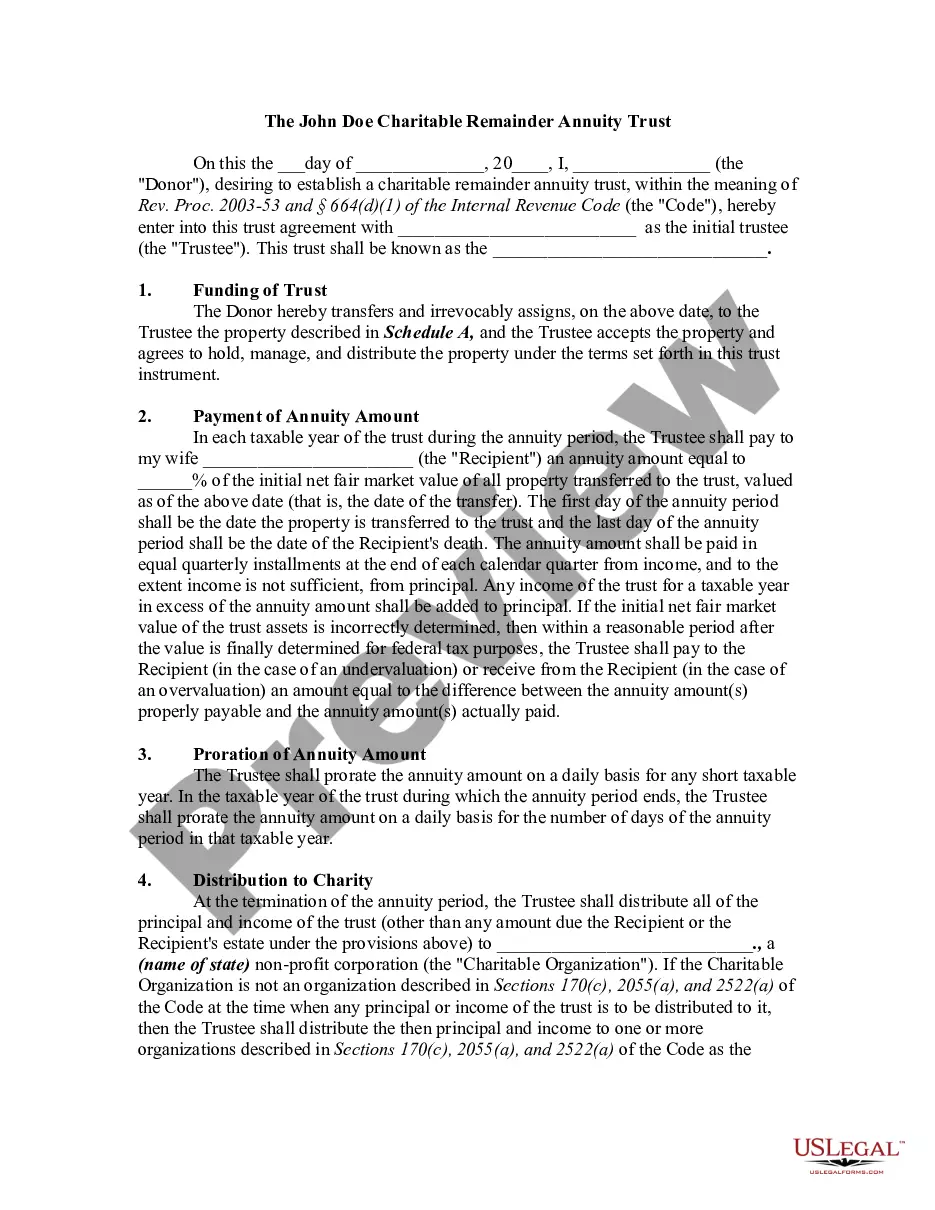
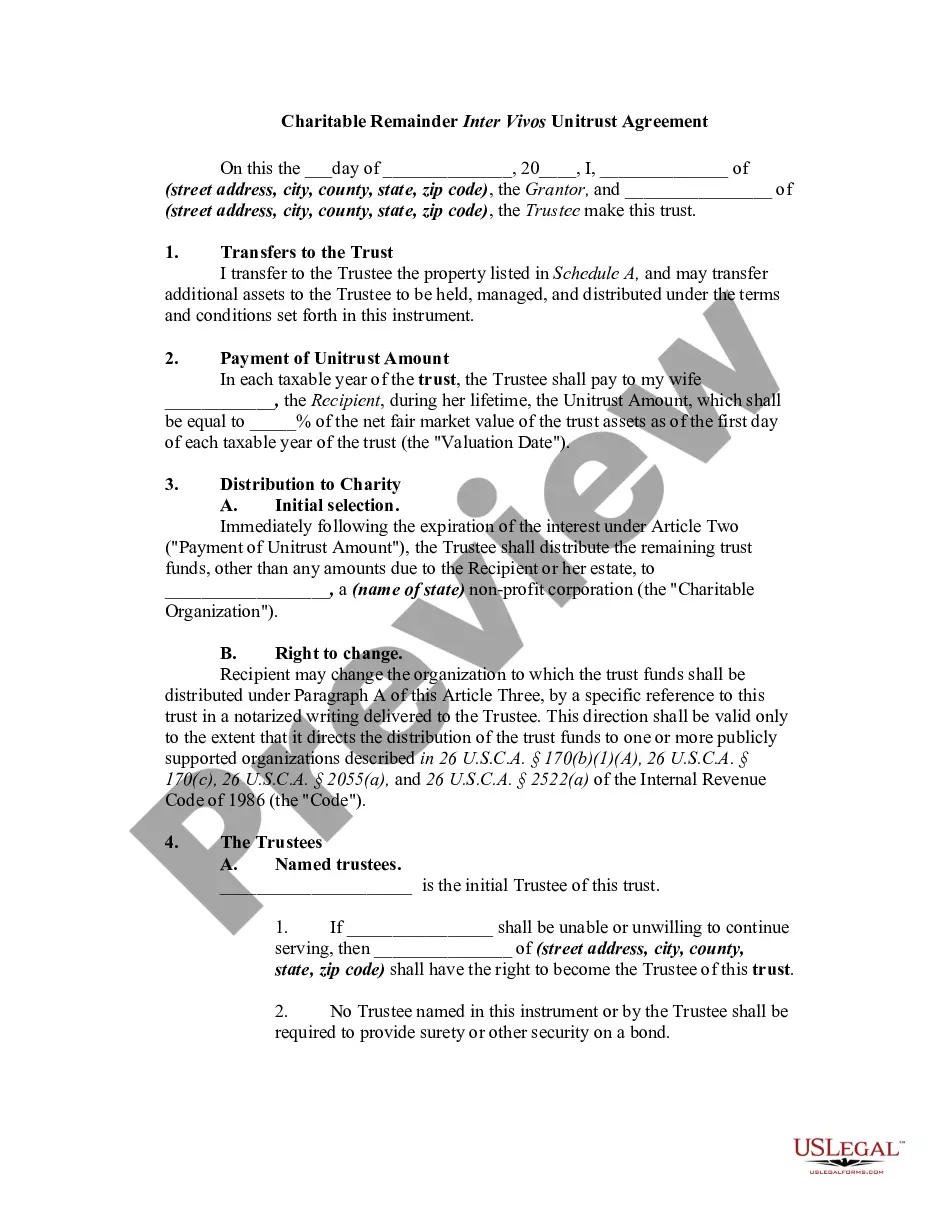
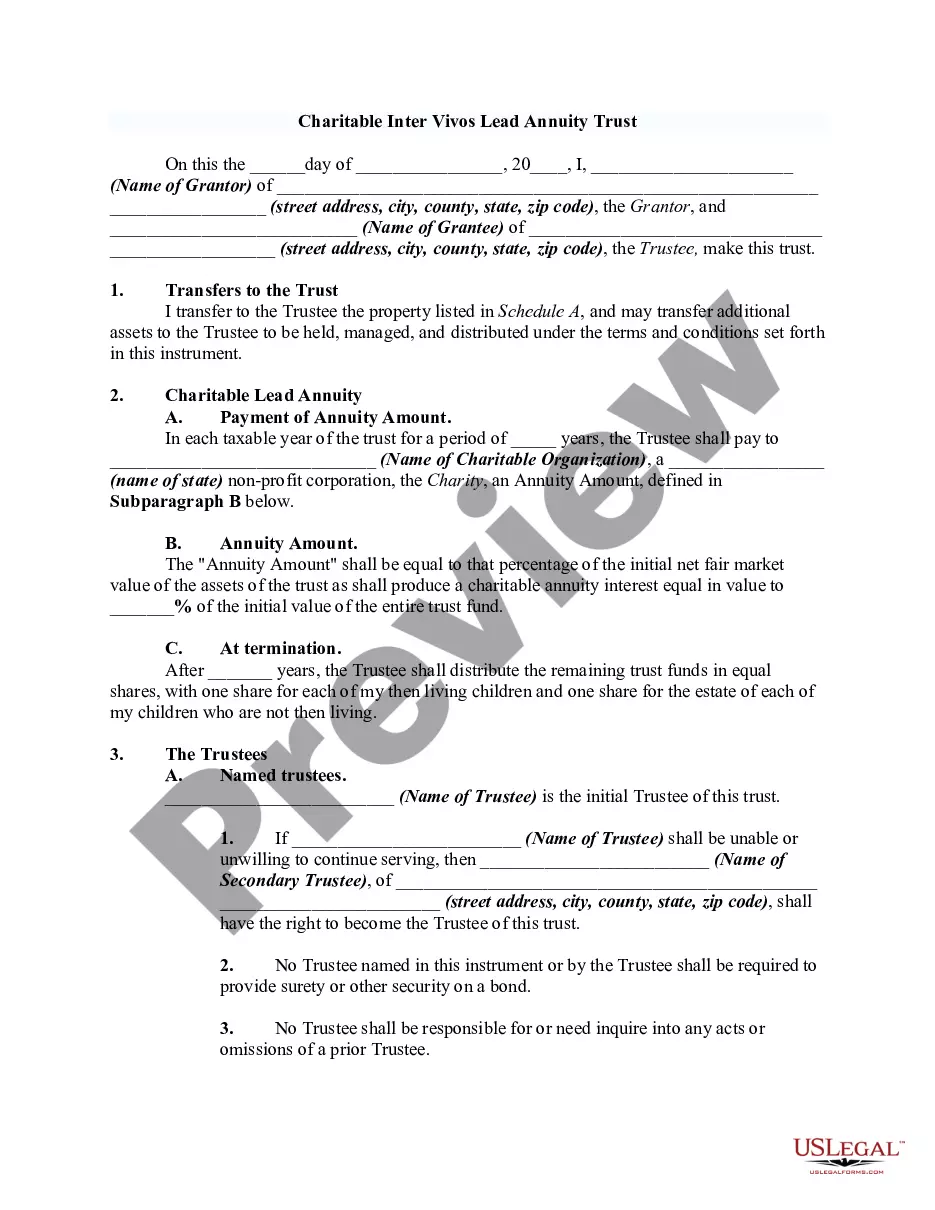
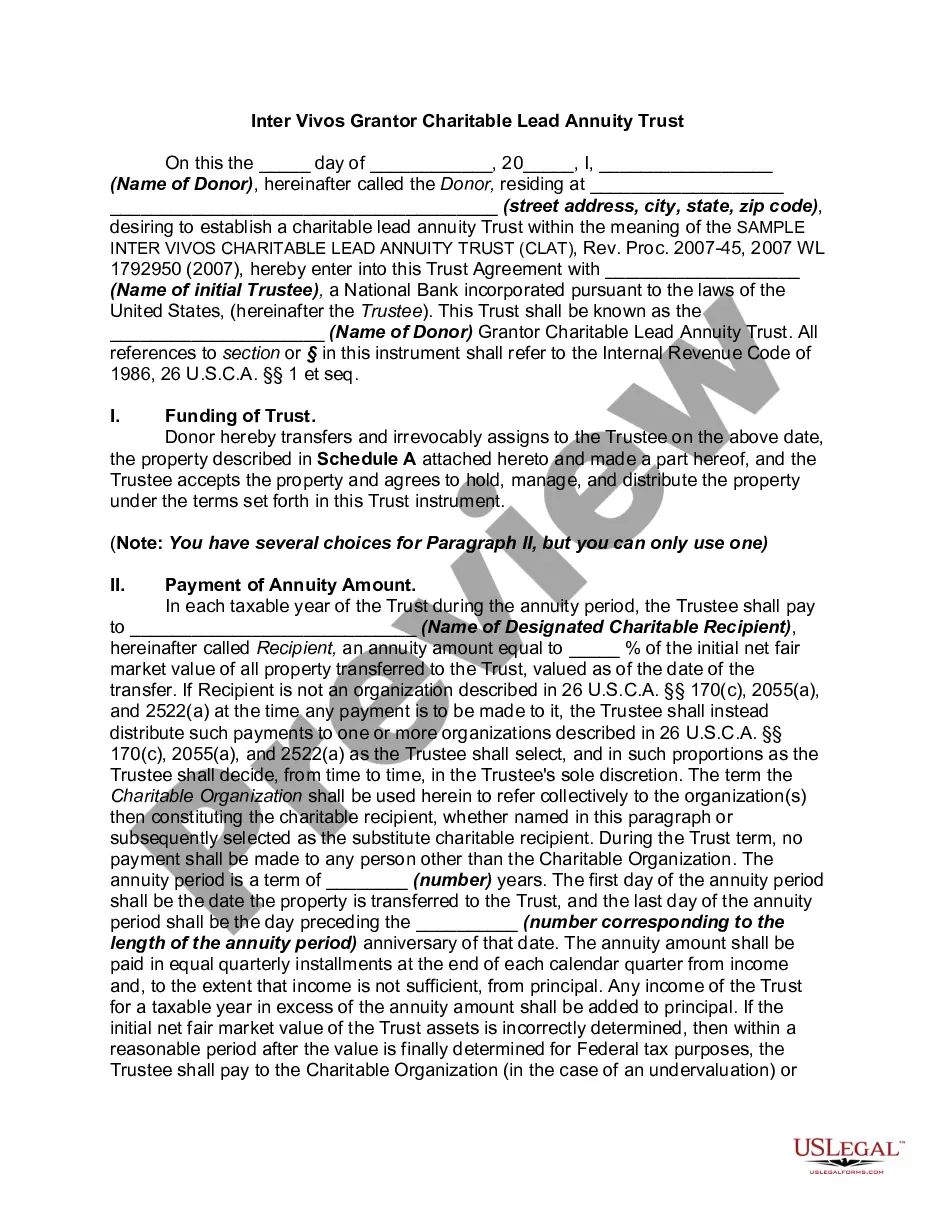
Get your form ready online
Our built-in tools help you complete, sign, share, and store your documents in one place.
Make edits, fill in missing information, and update formatting in US Legal Forms—just like you would in MS Word.
Download a copy, print it, send it by email, or mail it via USPS—whatever works best for your next step.
Sign and collect signatures with our SignNow integration. Send to multiple recipients, set reminders, and more. Go Premium to unlock E-Sign.
If this form requires notarization, complete it online through a secure video call—no need to meet a notary in person or wait for an appointment.
We protect your documents and personal data by following strict security and privacy standards.

Make edits, fill in missing information, and update formatting in US Legal Forms—just like you would in MS Word.

Download a copy, print it, send it by email, or mail it via USPS—whatever works best for your next step.

Sign and collect signatures with our SignNow integration. Send to multiple recipients, set reminders, and more. Go Premium to unlock E-Sign.

If this form requires notarization, complete it online through a secure video call—no need to meet a notary in person or wait for an appointment.

We protect your documents and personal data by following strict security and privacy standards.
Looking for another form?







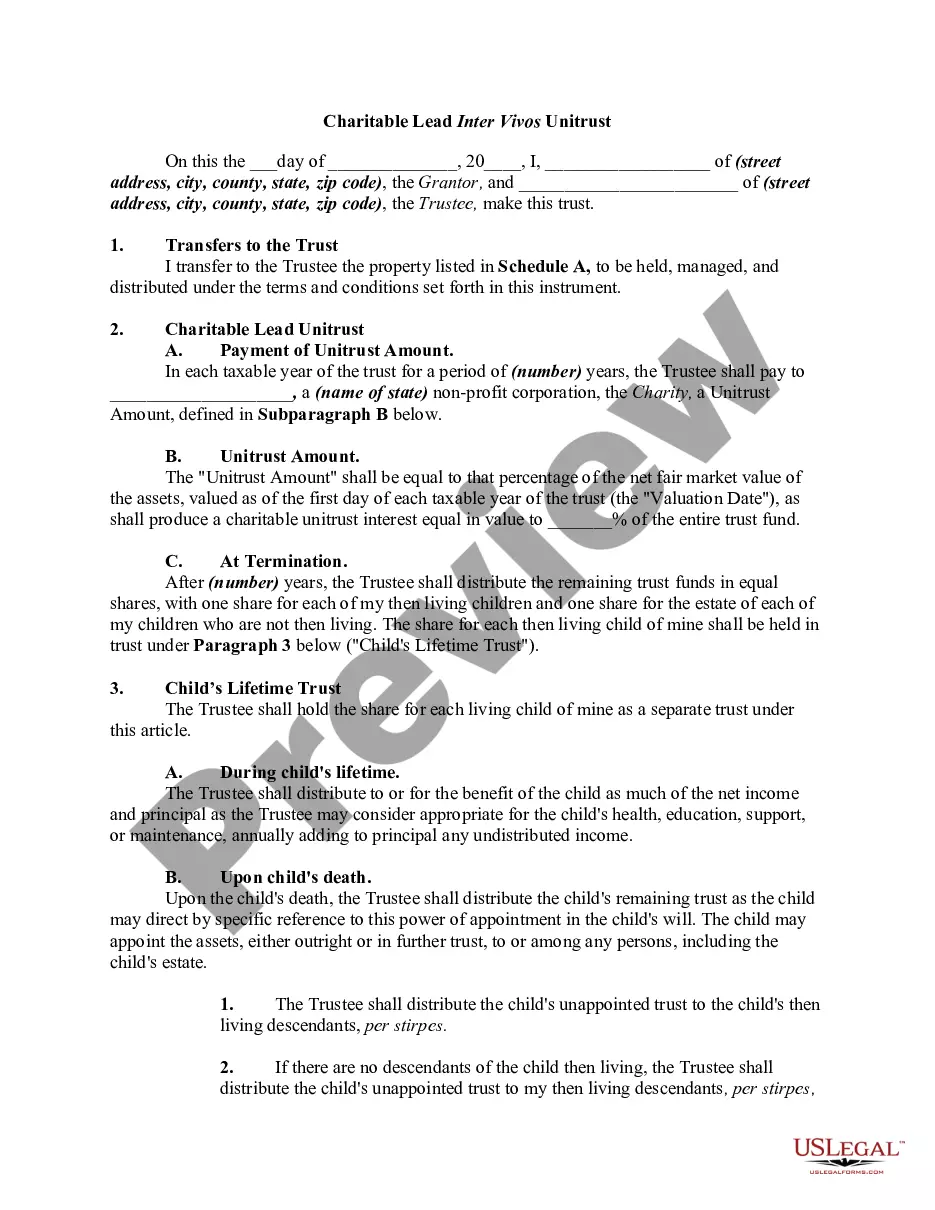
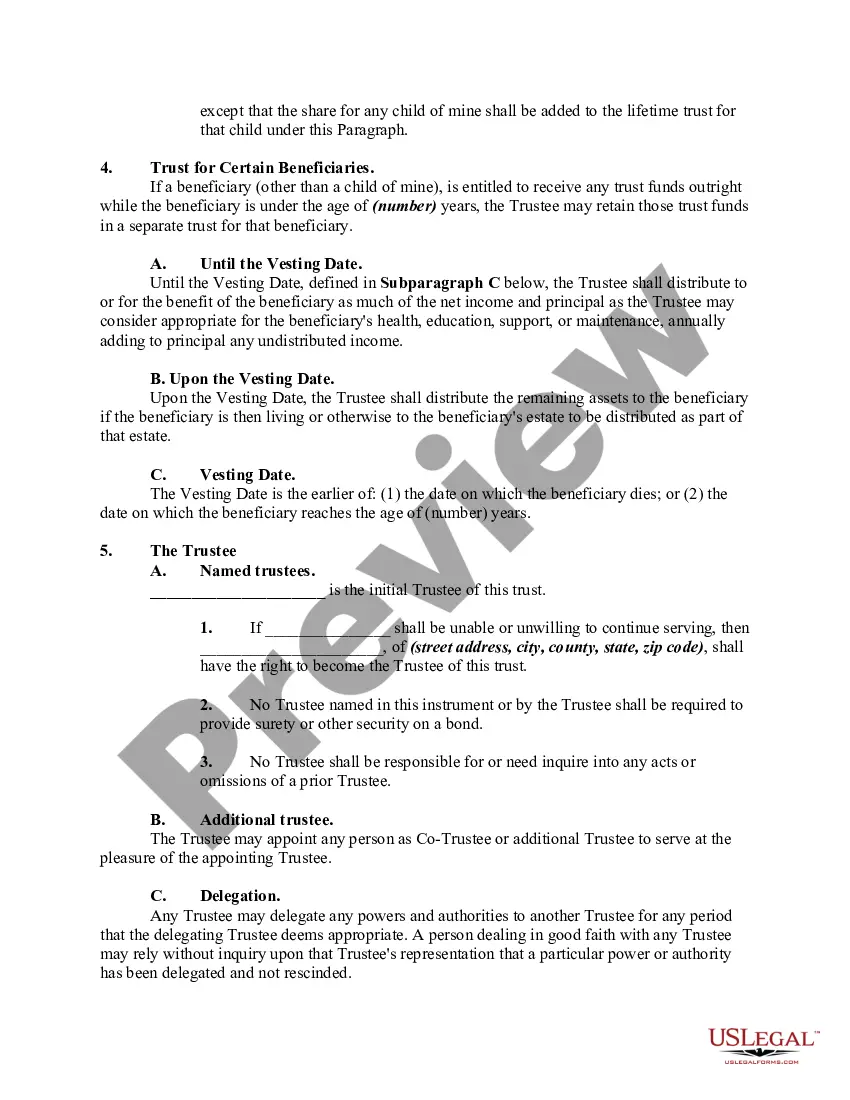
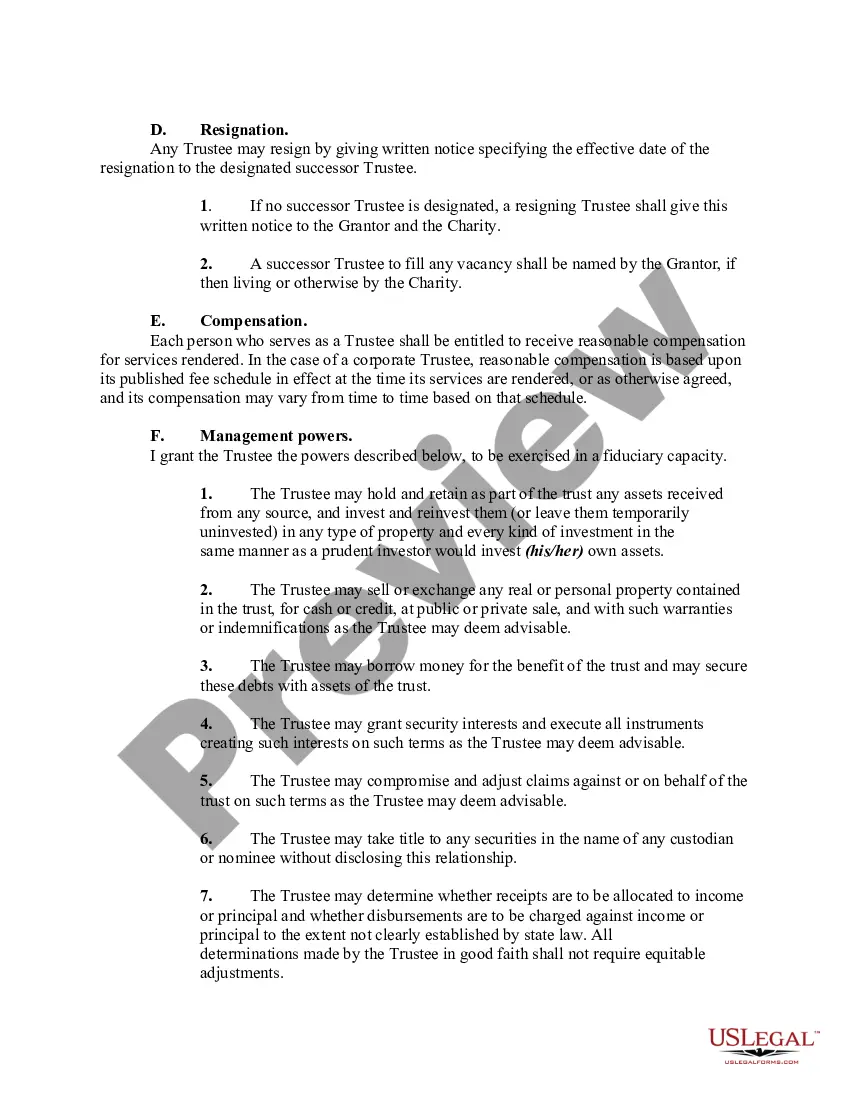
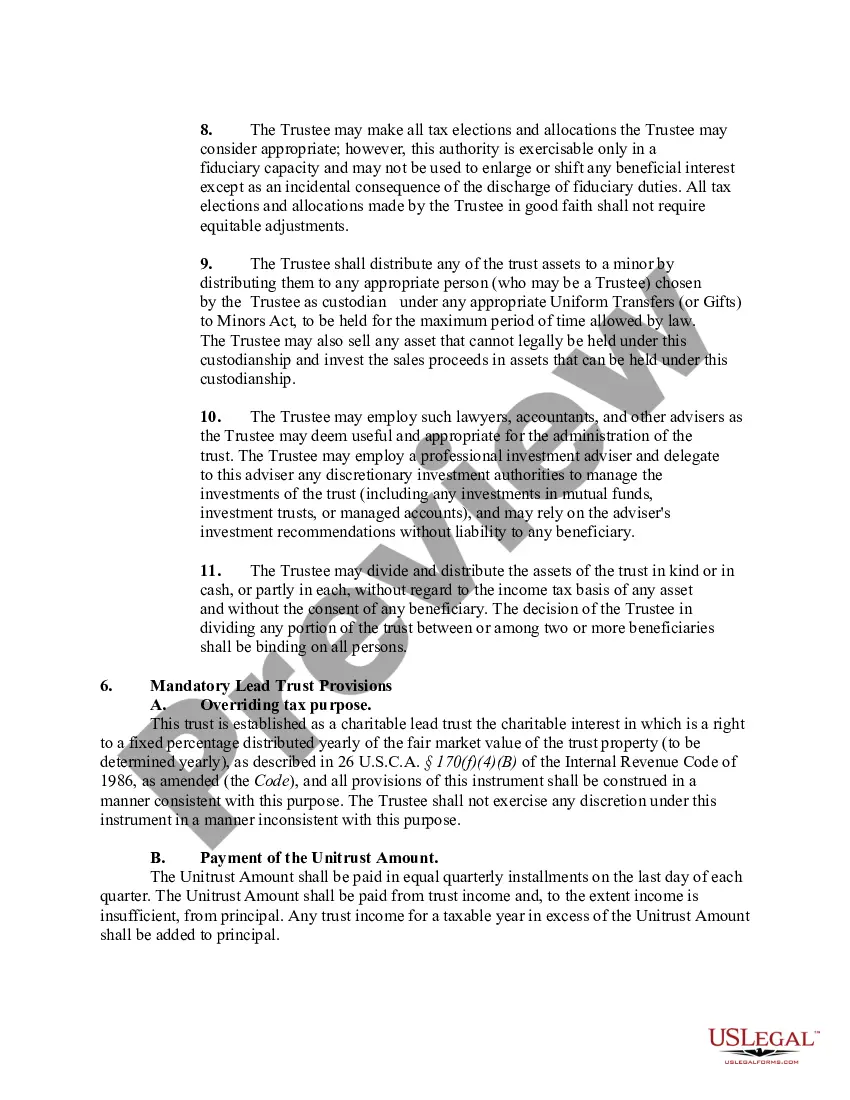
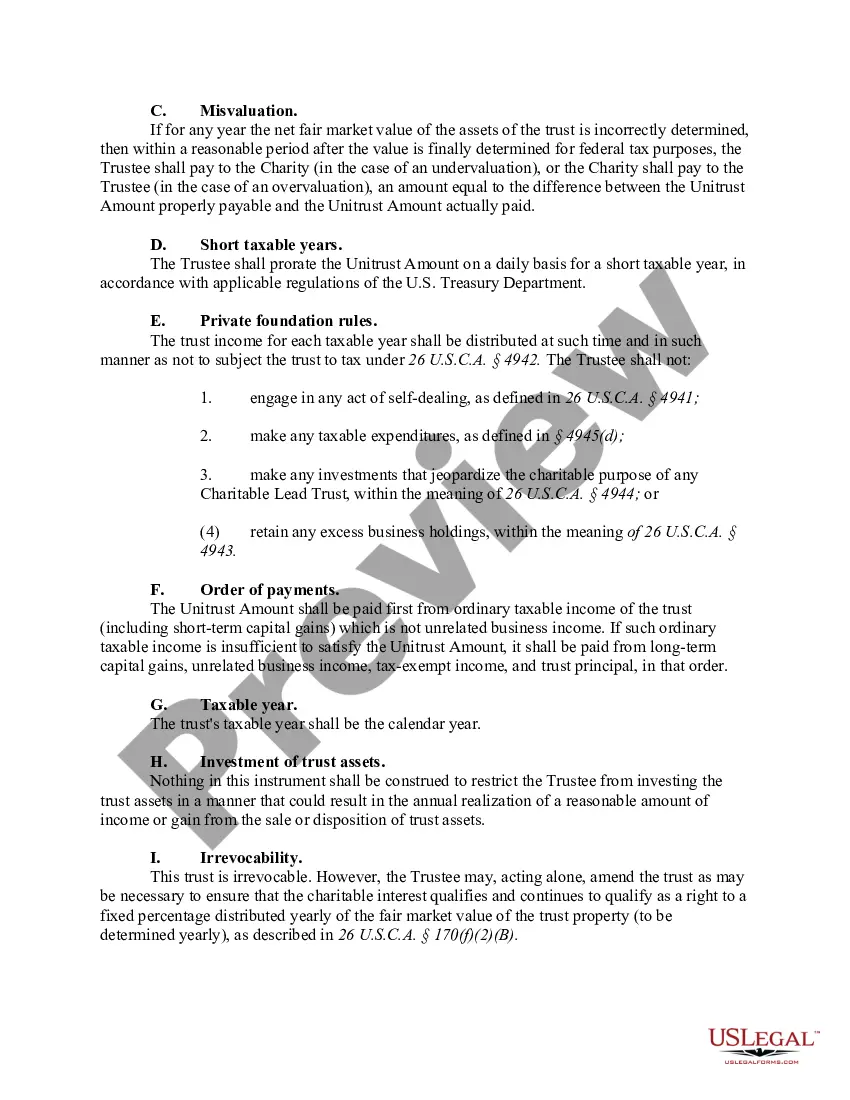
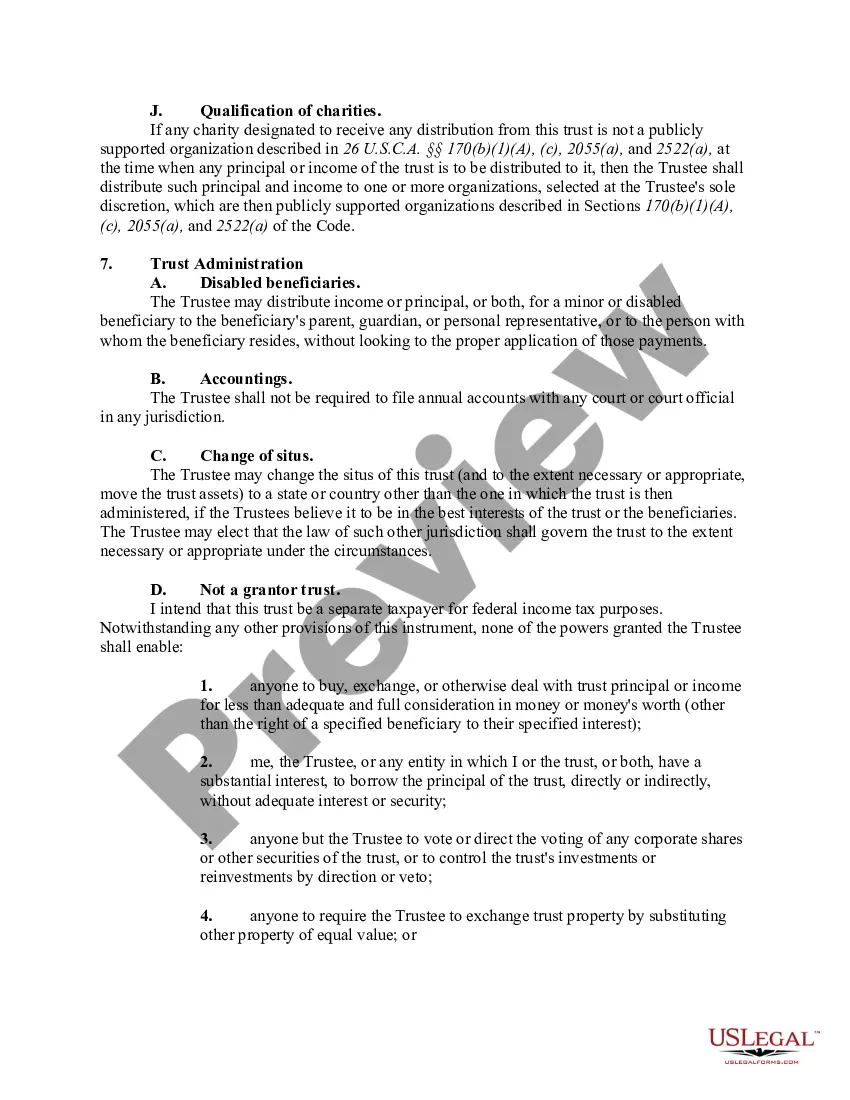
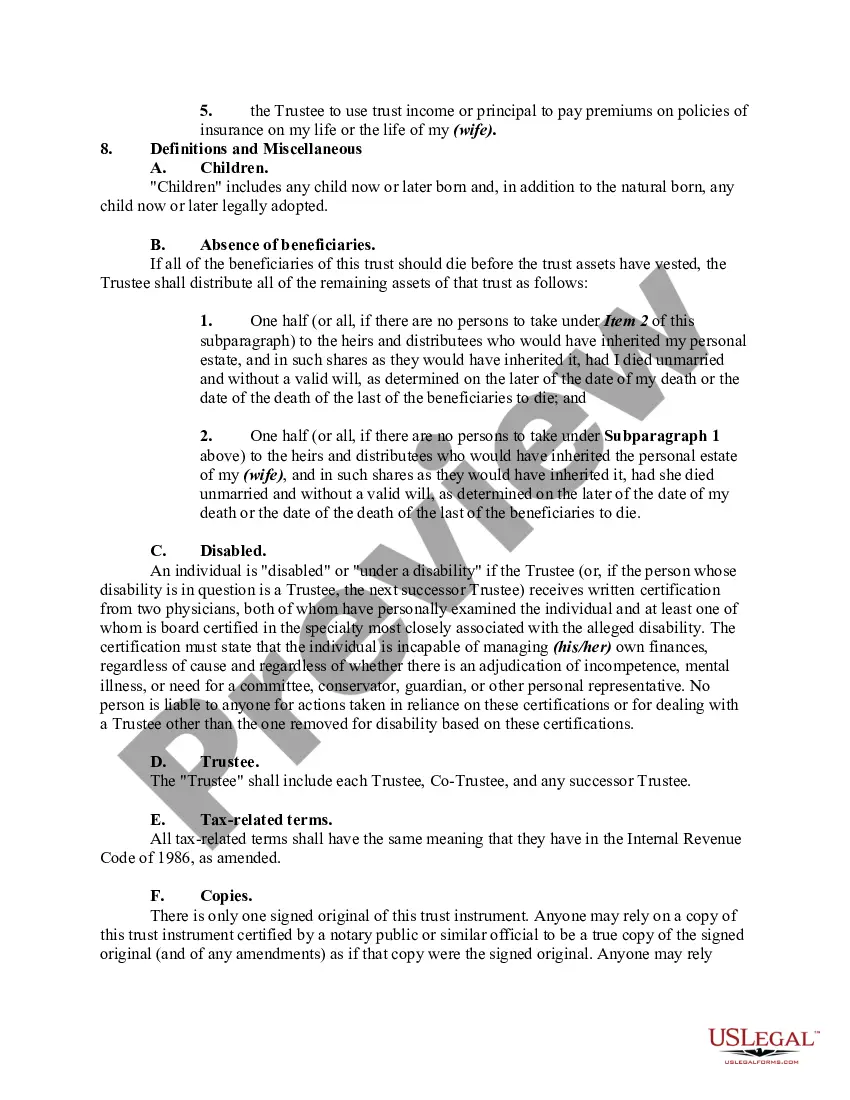
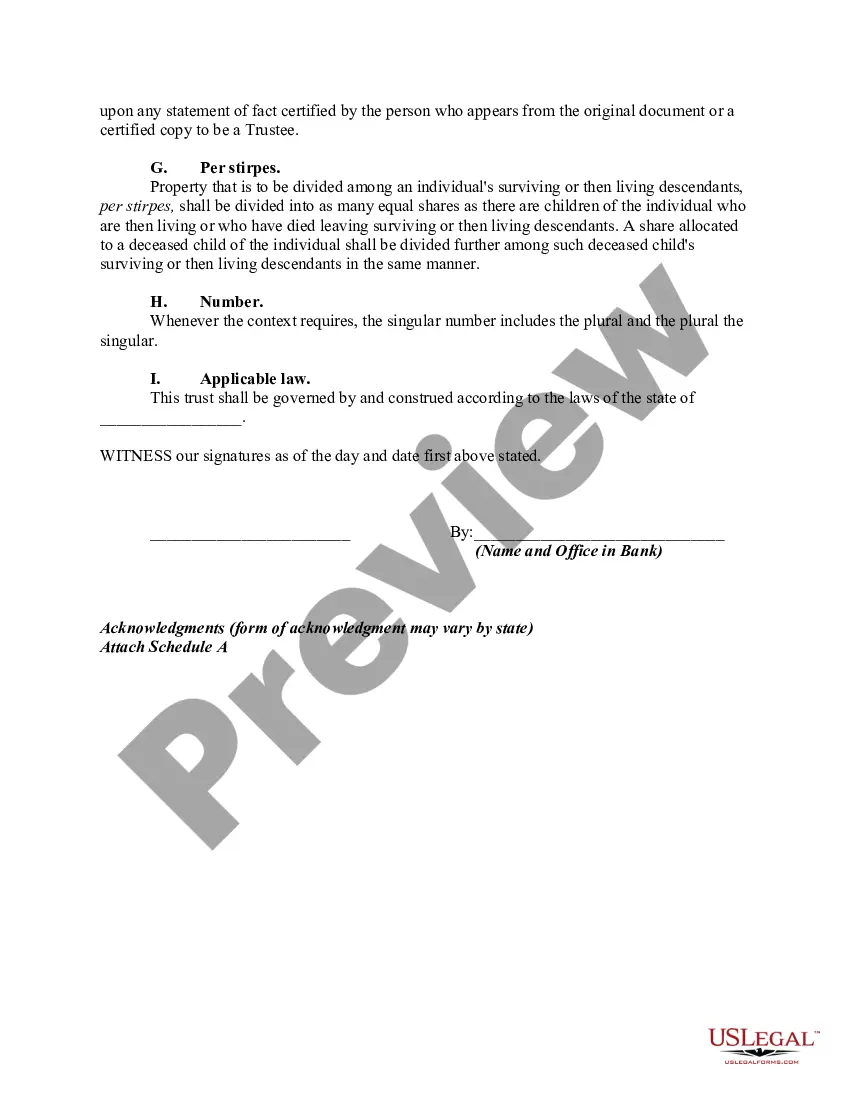
How to fill out Charitable Lead Inter Vivos Unitrust?
- Visit US Legal Forms and log in to your account if you are a returning user. Ensure your subscription is active or renew it when necessary.
- Explore the preview mode and descriptions of the trust forms. Choose the one that best fits your family's needs and aligns with state regulations.
- If you need a different template, use the search function to find the most appropriate form. Verify that it fulfills your requirements before moving on.
- Purchase the chosen document by clicking the Buy Now button and selecting your preferred subscription plan. You’ll need to create an account for access to the full library.
- Complete your purchase using either credit card information or your PayPal account for a secure transaction.
- Download your completed template directly to your device. You can always access it later through the My Forms section of your account.
In conclusion, US Legal Forms offers a comprehensive platform to create a charitable trust for family, making the legal process straightforward and accessible. Their extensive library and expert support ensure you have everything needed for precise document completion.
Start your journey today and empower your family’s charitable intentions effectively!
Form popularity
FAQ
Charitable trusts must adhere to specific rules, including ensuring that they provide a clear charitable purpose and designate an eligible charity as a beneficiary. Additionally, regulations dictate the minimum distribution requirements and tax implications for both the trust and its beneficiaries. Understanding these rules is crucial for anyone looking to create a charitable trust for family, as compliance protects both the trust's integrity and its tax benefits.
While charitable trusts provide many benefits, they also come with disadvantages, such as the complexity of setting them up and maintaining compliance with legal regulations. Moreover, assets placed in a charitable trust are usually irrevocable, meaning they cannot be retrieved once transferred, which might limit personal financial flexibility. Therefore, careful consideration is necessary when deciding whether a charitable trust for family is the right choice.
A family charitable trust functions by allowing the grantor to allocate assets to the trust, which then generates income for beneficiaries while also supporting a charity. The grantor specifies how funds are distributed among family members and charities, creating a balance between personal and philanthropic goals. This arrangement not only supports family needs but also enables a commitment to charitable giving through the family charitable trust.
Individuals often set up a charitable trust to benefit their loved ones while contributing to charitable organizations. This setup allows for tax advantages, as contributions can be tax-deductible, enabling a family to support causes they care about. Furthermore, establishing a charitable trust for family ensures that assets are managed effectively, providing both financial support and a lasting legacy.
An example of a charitable trust is a charitable remainder trust, which allows you to donate assets while retaining the right to receive income from those assets for a specified period. After this period, the remaining assets go to the designated charity. This charitable trust for family serves as an effective way to provide for your loved ones during your lifetime and support a charitable cause afterward. Many individuals use platforms like US Legal Forms to create these trusts easily and efficiently.
A charitable family trust is a legal arrangement that allows you to place assets in a trust for the benefit of both your family and designated charities. This type of trust can help you achieve your philanthropic goals while providing for your loved ones. By establishing a charitable trust for family, you can receive tax benefits and ensure your family's financial future. Additionally, it can create a lasting legacy that reflects your values.
Failing to file taxes on a trust can lead to significant penalties and interest charges from the IRS. In some cases, the trust may face tax liabilities that accumulate over time. If you have a charitable trust for family, it's essential to stay compliant to protect its benefits and ensure its longevity. Consider leveraging resources from US Legal Forms to stay organized and informed.
Filing taxes for a family trust varies based on whether the trust is revocable or irrevocable. Generally, a revocable trust does not file a separate tax return, as its income is reported on your individual tax return. Conversely, an irrevocable charitable trust for family will require its own tax forms. Utilizing professional tax services can simplify this process.
Yes, trusts can receive a 1099 form if they earn income during the tax year. For instance, a charitable trust for family that generates dividends or interest must report these earnings to the IRS. Ensure you keep accurate records of all income to facilitate proper tax reporting. Using platforms like US Legal Forms can help streamline processes related to trust documentation.
Recently, the IRS updated regulations affecting how trusts operate, especially focusing on reporting requirements. These changes aim to enhance transparency and reduce tax evasion. If you are considering establishing a charitable trust for family, understanding these rules is crucial. This ensures correct reporting and proper management of the trust’s assets.