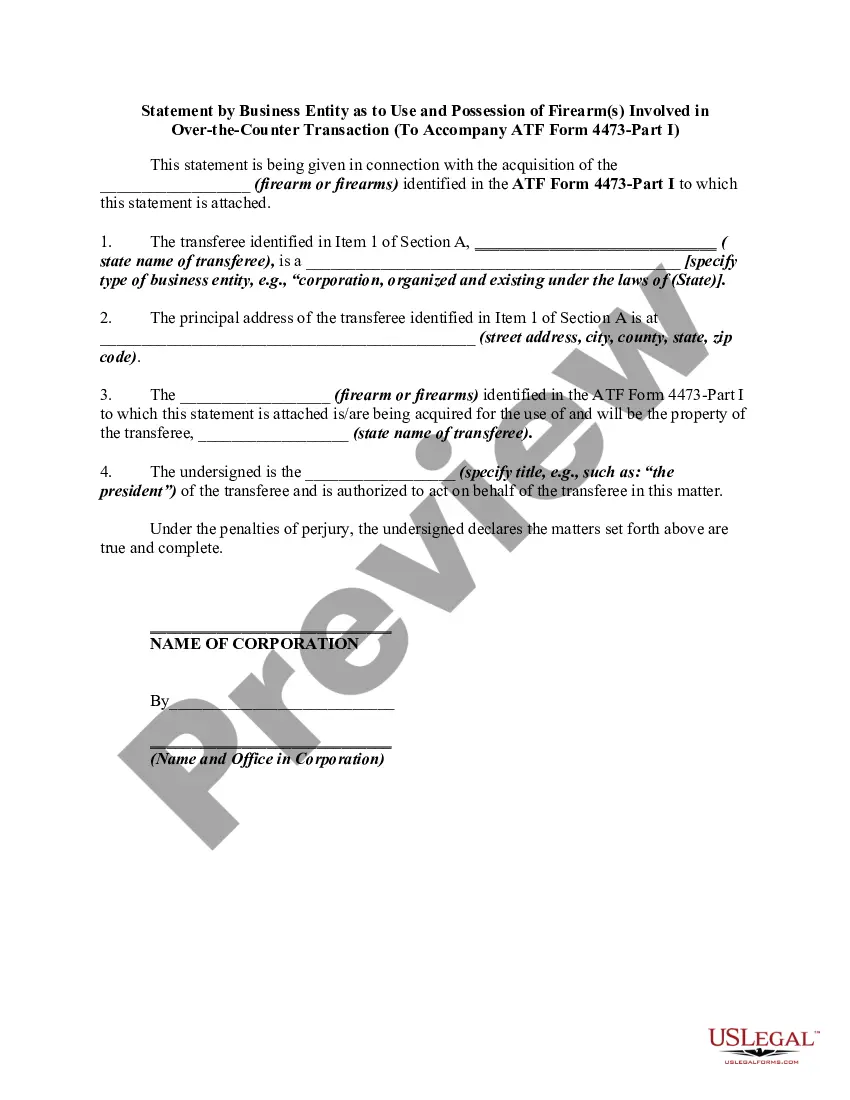
4473 Form Drug Question
Description
Get your form ready online
Our built-in tools help you complete, sign, share, and store your documents in one place.
Make edits, fill in missing information, and update formatting in US Legal Forms—just like you would in MS Word.
Download a copy, print it, send it by email, or mail it via USPS—whatever works best for your next step.
Sign and collect signatures with our SignNow integration. Send to multiple recipients, set reminders, and more. Go Premium to unlock E-Sign.
If this form requires notarization, complete it online through a secure video call—no need to meet a notary in person or wait for an appointment.
We protect your documents and personal data by following strict security and privacy standards.

Make edits, fill in missing information, and update formatting in US Legal Forms—just like you would in MS Word.

Download a copy, print it, send it by email, or mail it via USPS—whatever works best for your next step.

Sign and collect signatures with our SignNow integration. Send to multiple recipients, set reminders, and more. Go Premium to unlock E-Sign.

If this form requires notarization, complete it online through a secure video call—no need to meet a notary in person or wait for an appointment.

We protect your documents and personal data by following strict security and privacy standards.
Looking for another form?
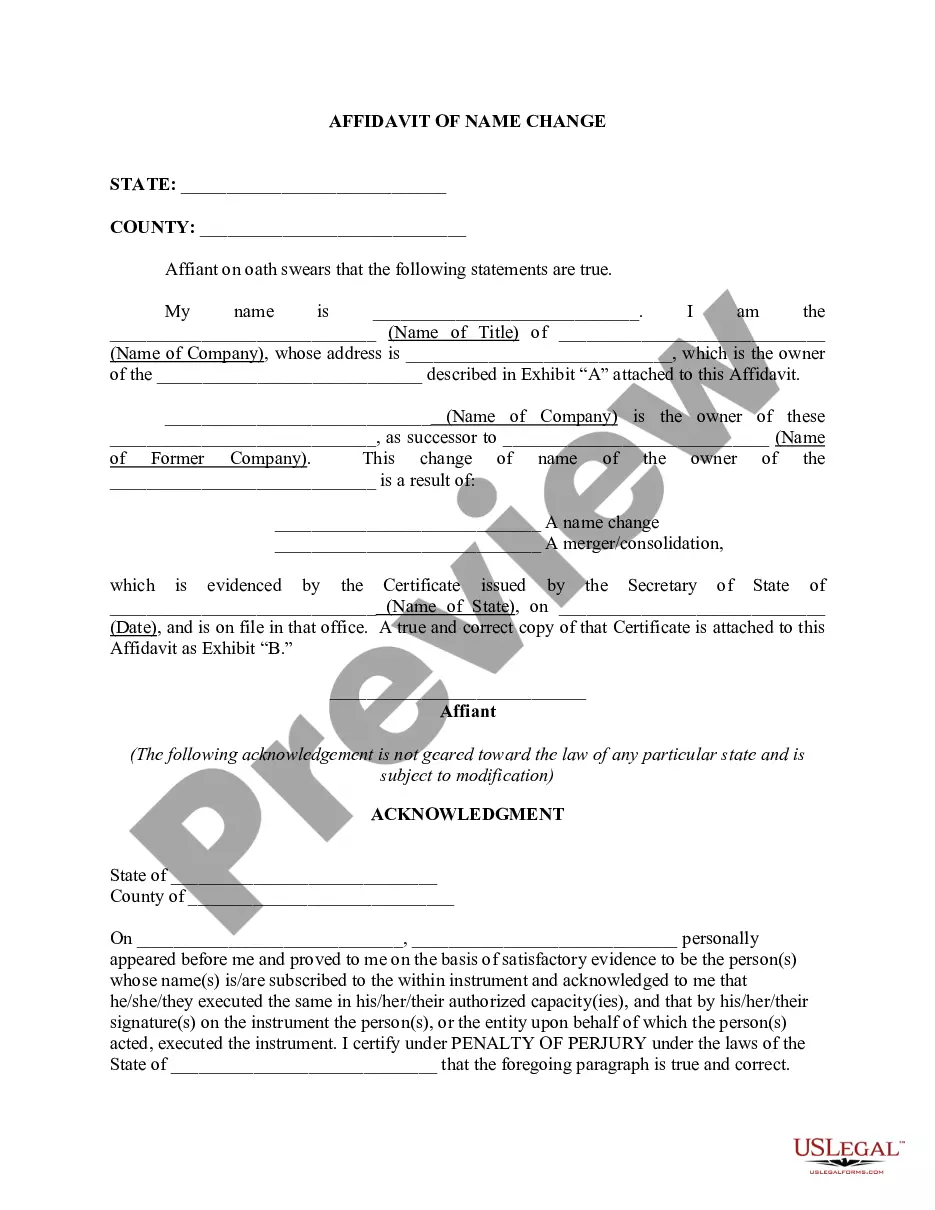
How to fill out Statement By Business Entity As To Use And Possession Of Firearms Involved In Over-the-Counter Transaction - To Accompany ATF Form 4473-Part I?
Managing legal papers and tasks can be a lengthy addition to your schedule.
Form 4473 Drug Inquiry and similar documents typically necessitate that you seek them out and navigate the most effective way to fill them out accurately.
For that purpose, if you are managing monetary, legal, or personal issues, utilizing a comprehensive and functional online repository of forms readily available will be beneficial.
US Legal Forms is the leading online platform for legal templates, featuring over 85,000 state-specific documents and various tools to assist you in completing your paperwork with ease.
Is it your initial experience using US Legal Forms? Create and establish a free account within minutes, granting you access to the form library and Form 4473 Drug Inquiry. Next, follow the steps below to finalize your form.
- Browse through the collection of relevant documents accessible to you with just one click.
- US Legal Forms provides state- and county-specific documents available for download at any time.
- Protect your document handling processes with top-notch services that enable you to prepare any form within minutes without unforeseen or hidden fees.
- Simply Log In to your account, find Form 4473 Drug Inquiry, and receive it immediately from the My documents section.
- You can also access previously saved documents.
Form popularity
FAQ
Limitation period. The lien shall be effective for a period of fifteen years from the date of filing unless discharged as provided in section 12-195g. A notice of tax lien shall not be effective if filed more than two years from the date of assessment for the taxes claimed to be due.
A Connecticut taxable estate must file Form CT-4422 UGE with DRS to request the release of a lien. A separate Form CT-4422 UGE must be filed for each property address requiring a release of lien. Form CT-4422 UGE will be considered incomplete if an affirmation box agreeing to payment is not checked.
Under Connecticut law, a mechanic's lien becomes valid when recorded on a town's land records within 90 days after the work is done or materials furnished, and remains valid for one year, unless the claimant takes legal action to foreclose the lien on the property.
How long does a judgment lien last in Connecticut? A judgment lien in Connecticut will remain attached to the debtor's property (even if the property changes hands) for 20 years (for liens on real estate) or five years (liens on personal property).
The CT statute of limitations for personal injury, fraud, and other civil claims is typically either two or three years, while the criminal statutes of limitations are one year for misdemeanors and five years for most crimes that carry a potential prison term of more than a year.
All Business and UCC filings previously filed in CONCORD can now be found at business.ct.gov.
In Connecticut, there is a five-year time limit for the filing of crimes that carry a punishment of imprisonment for more than one year. Most other crimes, with some notable exceptions, have a one-year deadline. Murder and other Class A felonies, meanwhile, have no statute of limitations.
To determine is there is a lien on your property you may either come down to the Town Clerk's Office during regular business hours or you may search our land indices on-line. When searching on-line select the volume number to see the grantor/grantee information.