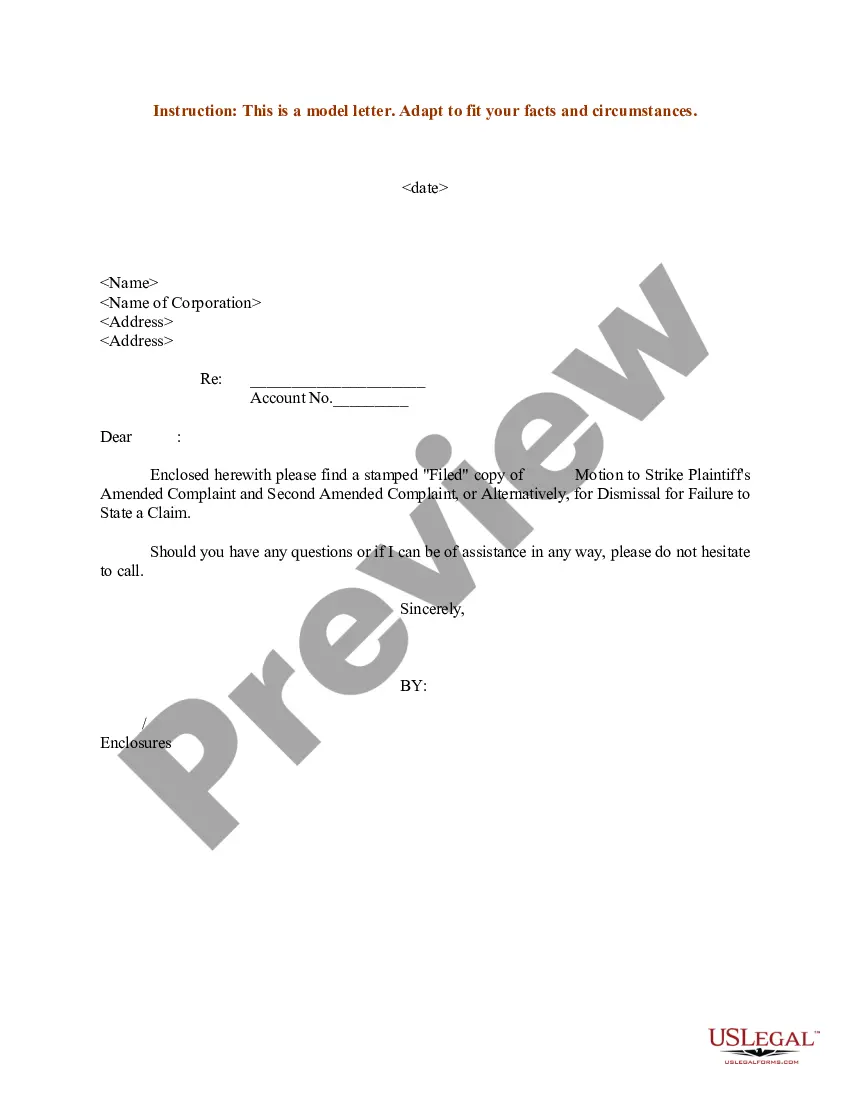
Motion To Strike For Untimely Filing
Description
Get your form ready online
Our built-in tools help you complete, sign, share, and store your documents in one place.
Make edits, fill in missing information, and update formatting in US Legal Forms—just like you would in MS Word.
Download a copy, print it, send it by email, or mail it via USPS—whatever works best for your next step.
Sign and collect signatures with our SignNow integration. Send to multiple recipients, set reminders, and more. Go Premium to unlock E-Sign.
If this form requires notarization, complete it online through a secure video call—no need to meet a notary in person or wait for an appointment.
We protect your documents and personal data by following strict security and privacy standards.

Make edits, fill in missing information, and update formatting in US Legal Forms—just like you would in MS Word.

Download a copy, print it, send it by email, or mail it via USPS—whatever works best for your next step.

Sign and collect signatures with our SignNow integration. Send to multiple recipients, set reminders, and more. Go Premium to unlock E-Sign.

If this form requires notarization, complete it online through a secure video call—no need to meet a notary in person or wait for an appointment.

We protect your documents and personal data by following strict security and privacy standards.
Looking for another form?
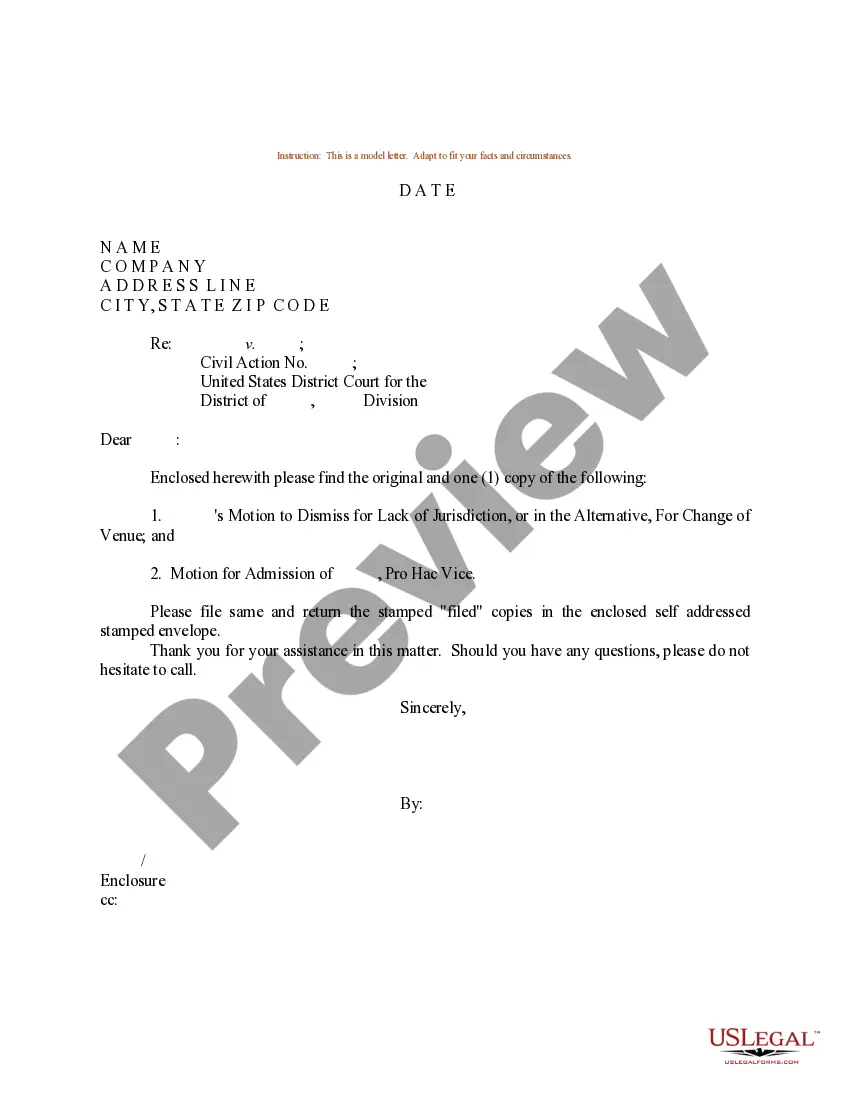
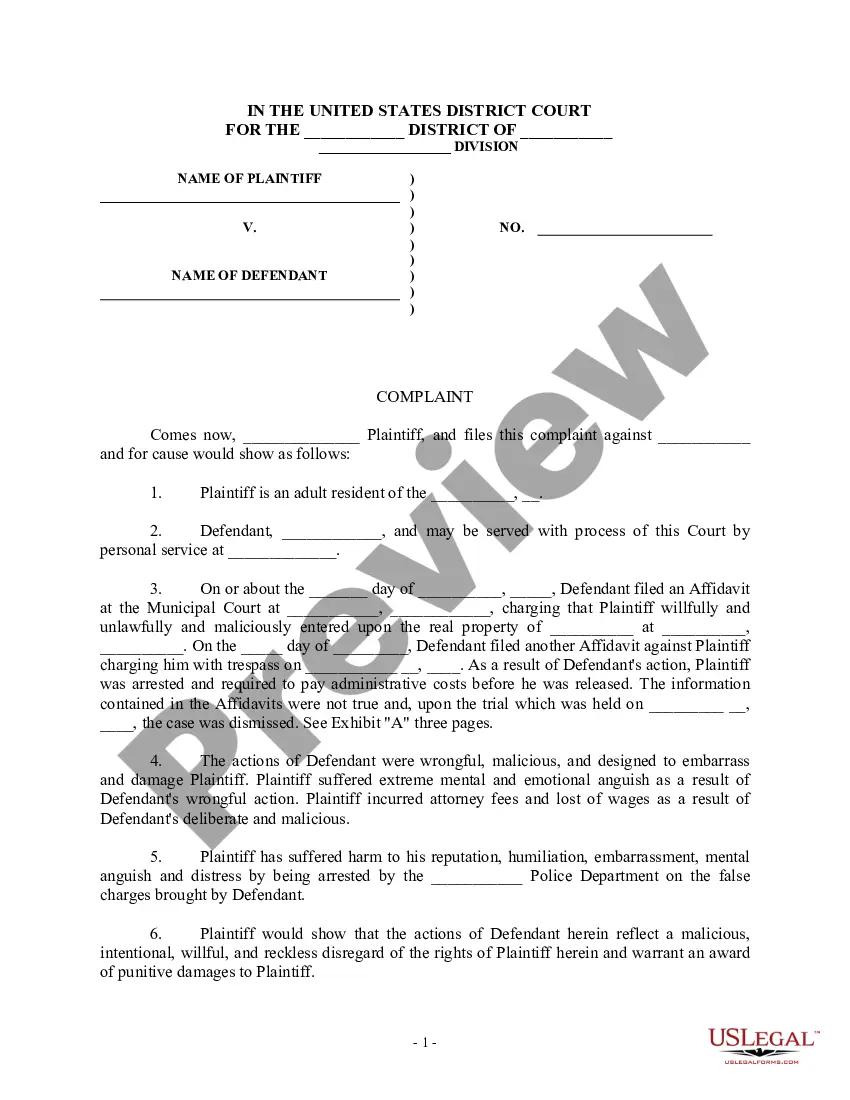
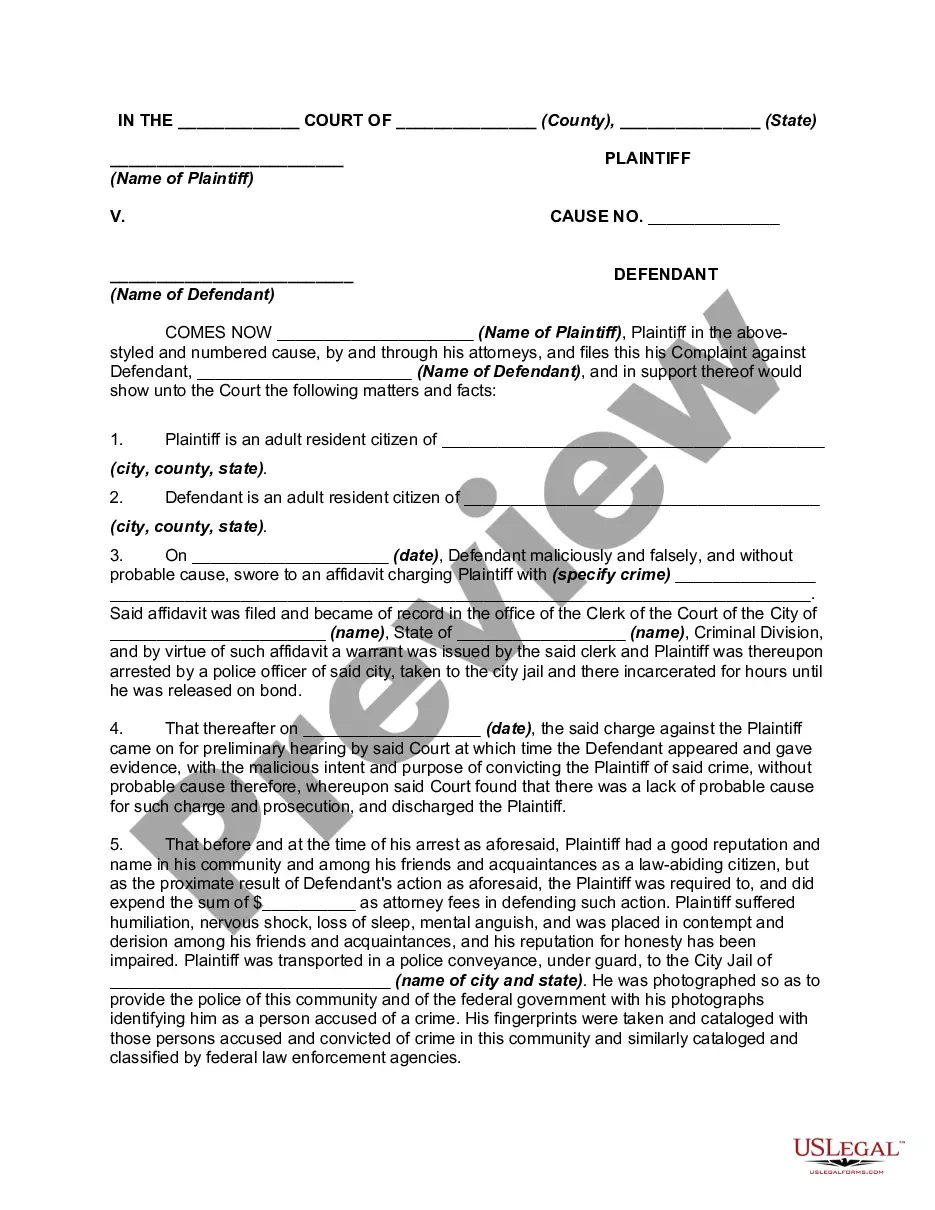
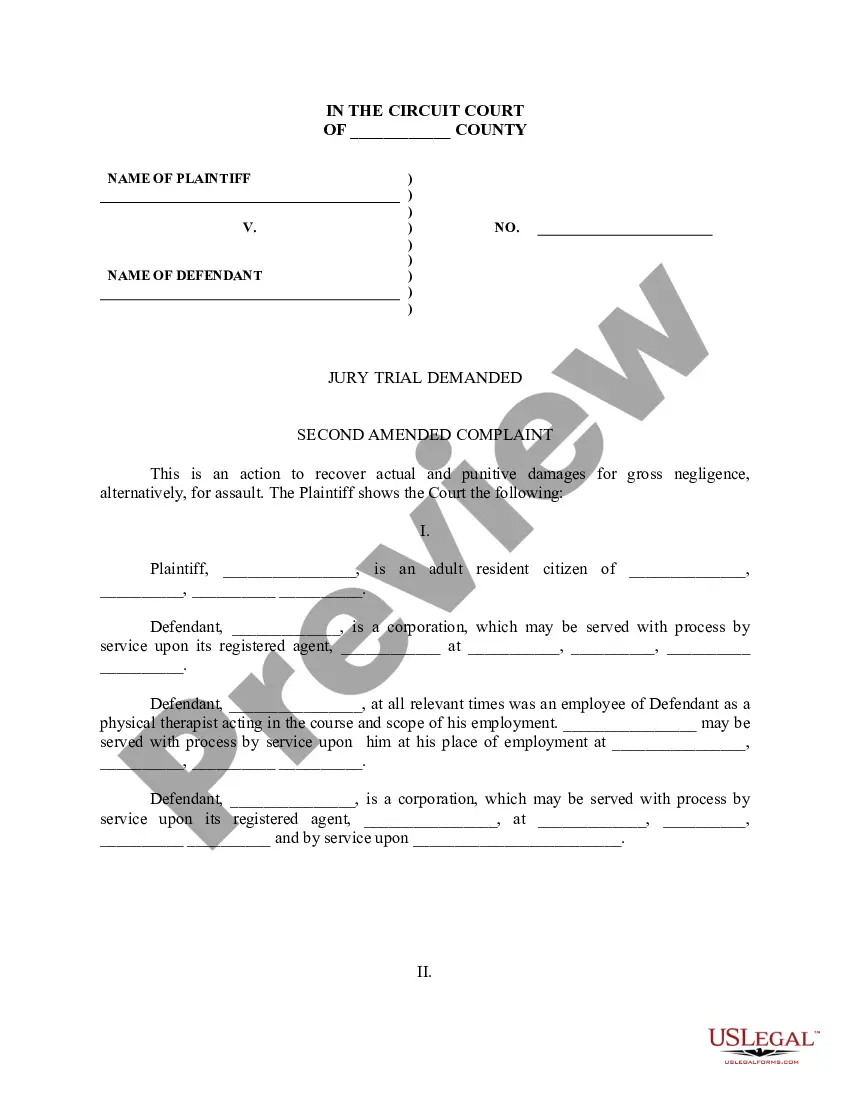
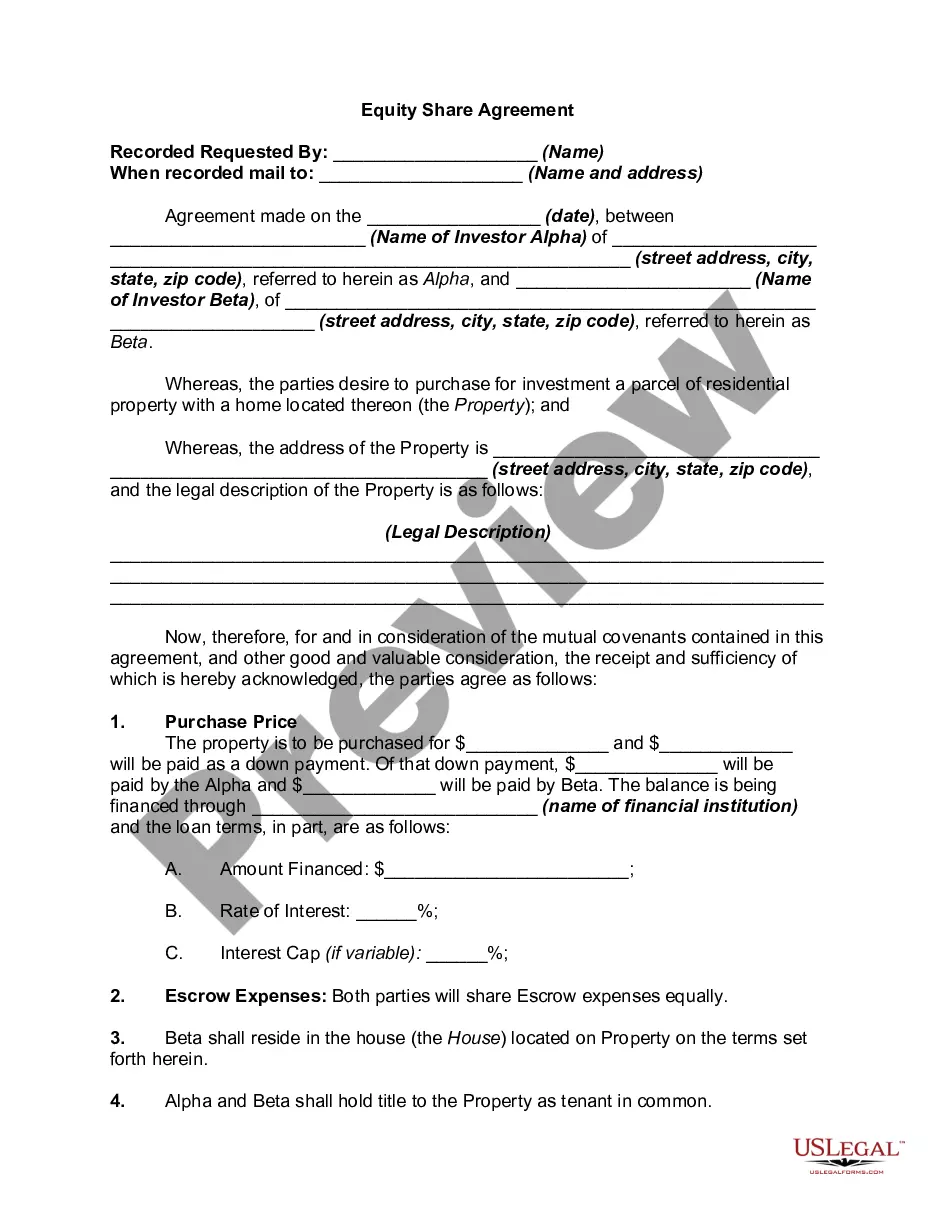
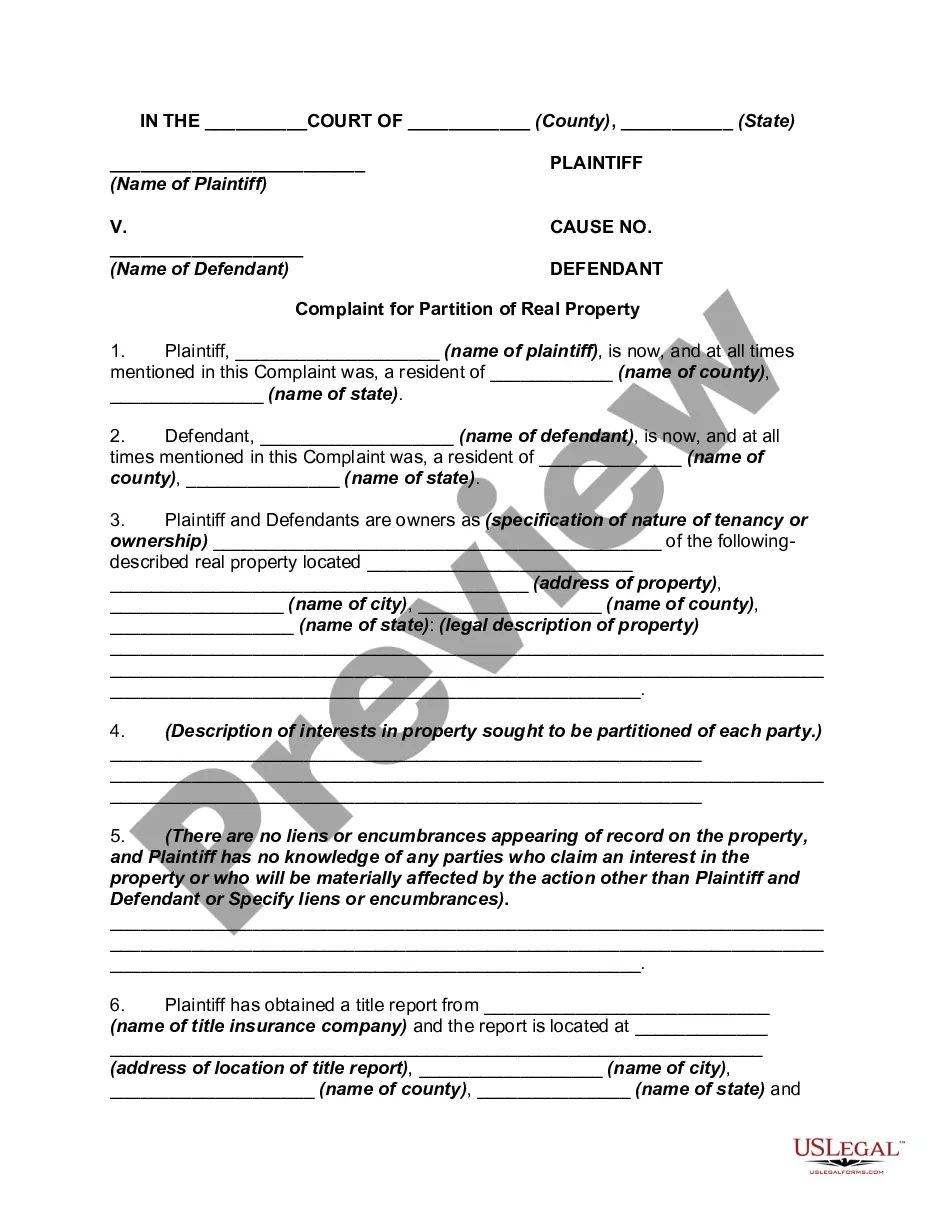
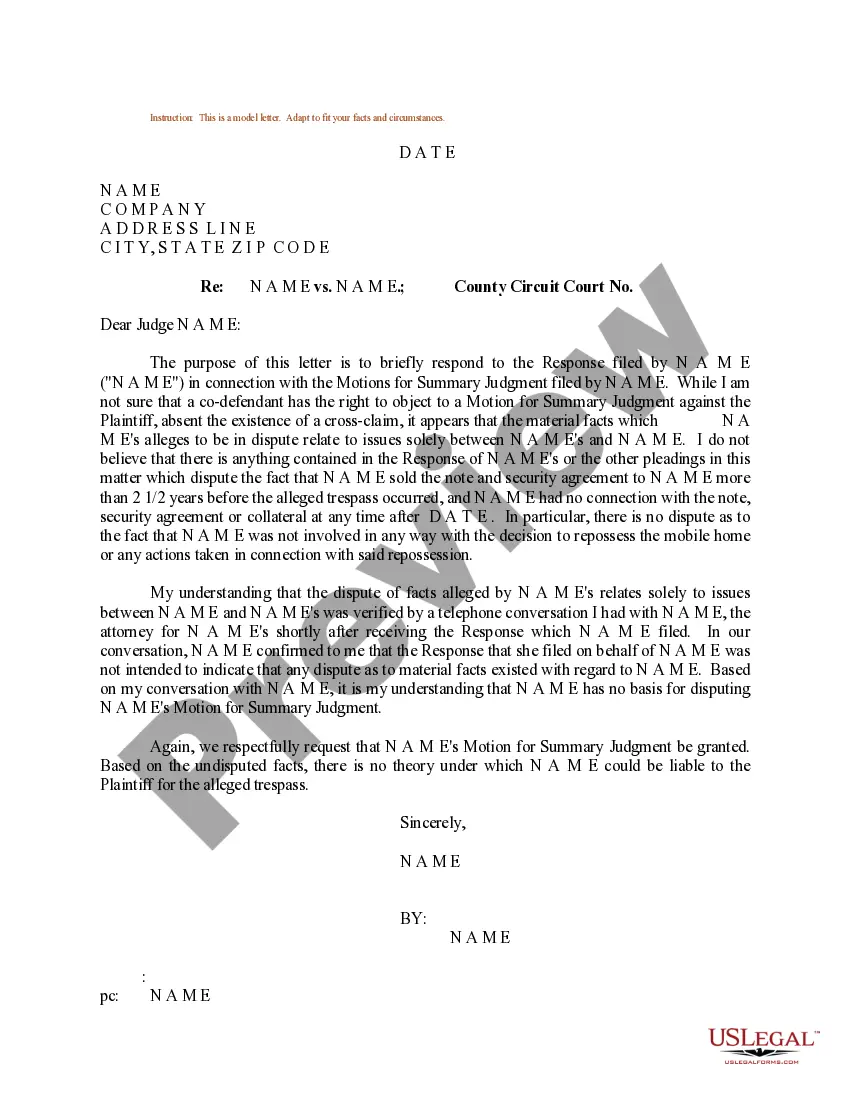
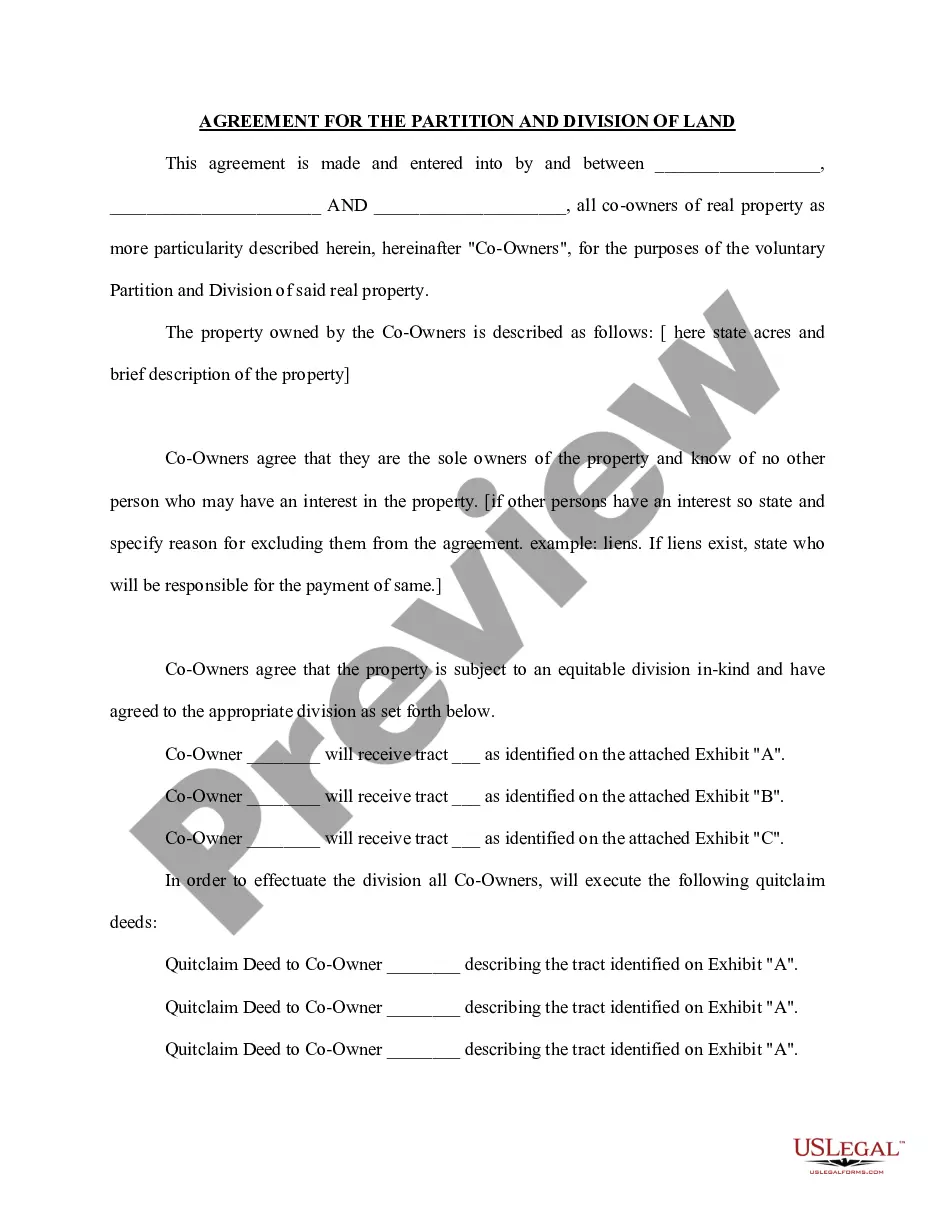
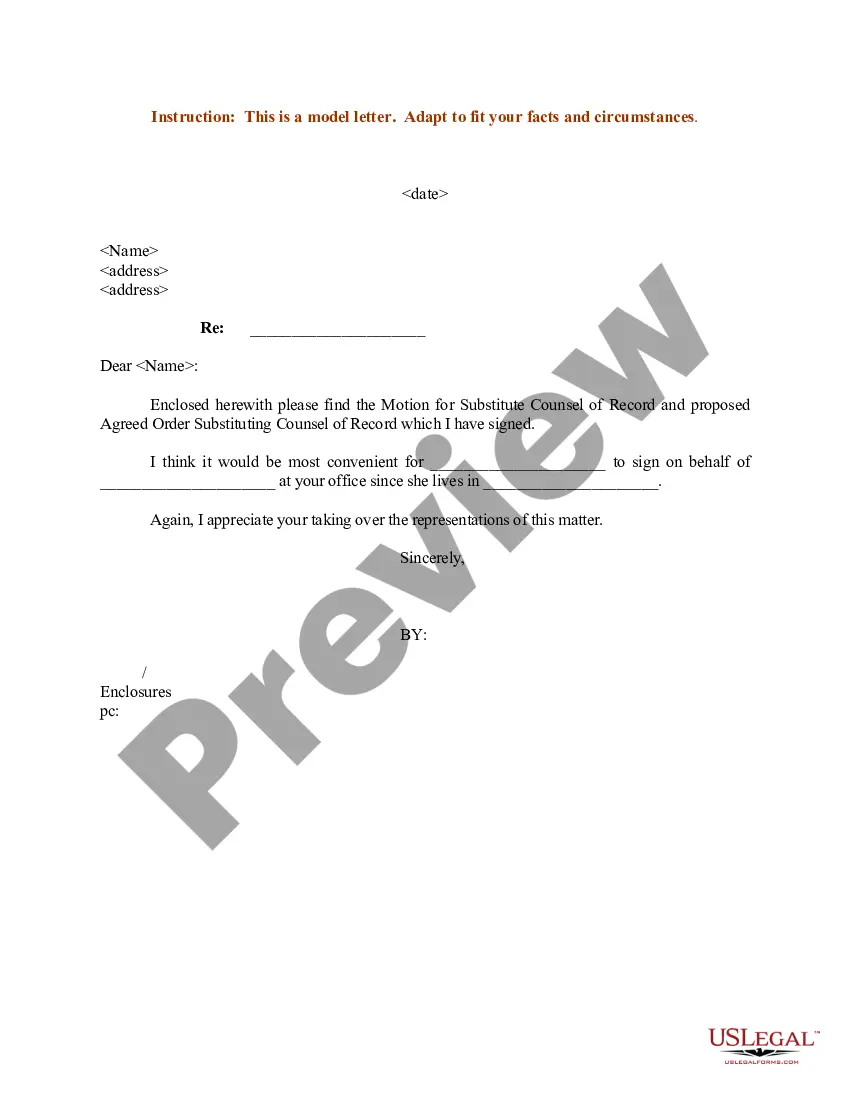
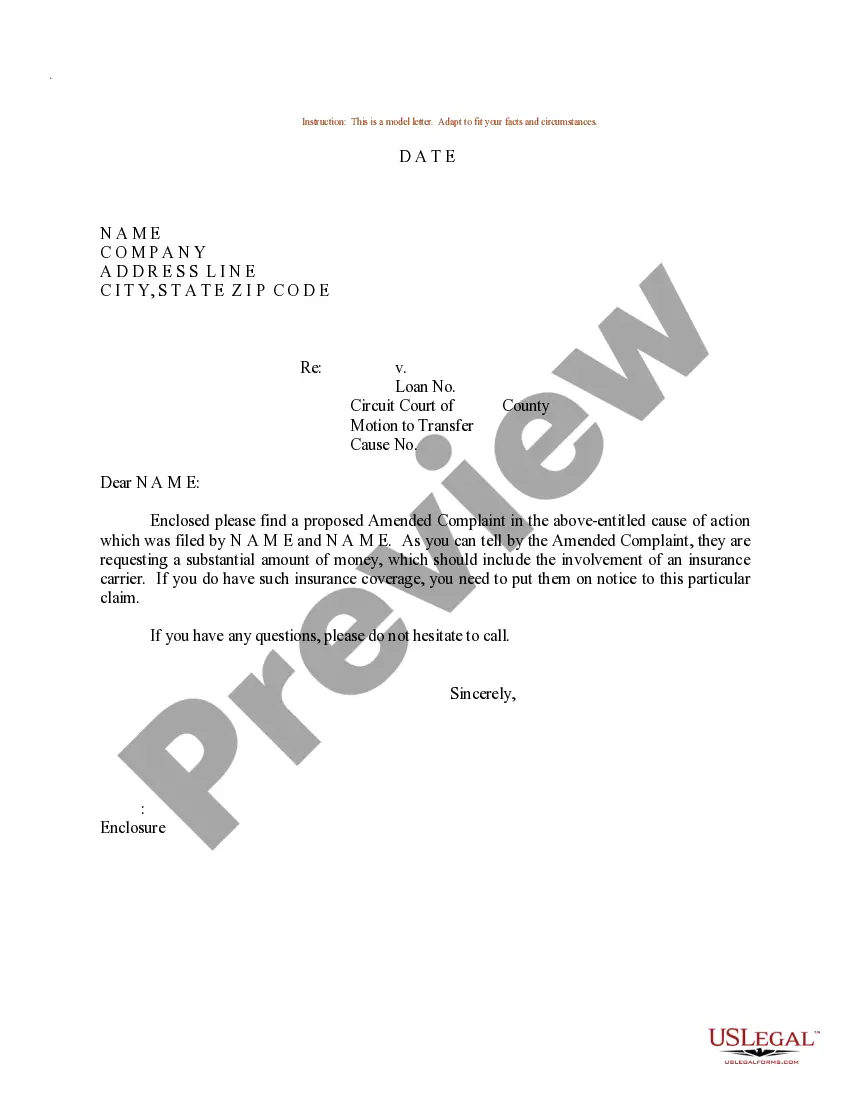
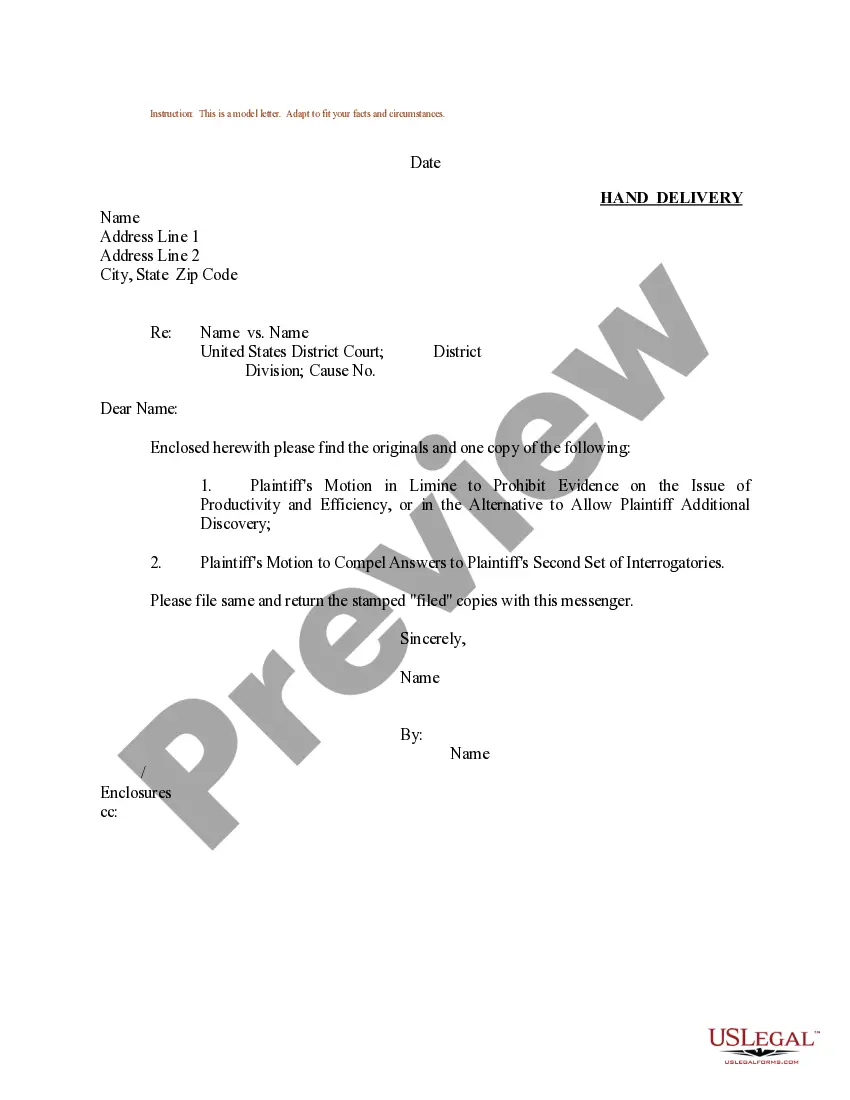
How to fill out Sample Letter For Motion To Strike Plaintiff's Amended Complaint?
Managing legal documents can be perplexing, even for seasoned professionals.
When you are interested in a Motion To Strike For Untimely Filing and lack the time to dedicate to finding the appropriate and current version, the process can be overwhelming.
Gain entry to a valuable resource of articles, guides, and materials relevant to your circumstances and requirements.
Conserve time and energy searching for the forms you need, and use US Legal Forms’ sophisticated search and Preview feature to locate Motion To Strike For Untimely Filing and download it.
Utilize the US Legal Forms online library, supported by 25 years of expertise and reliability. Improve your daily document management with a seamless and user-friendly process today.
- If you have a membership, Log In to your US Legal Forms account, find the form, and download it.
- Check your My documents tab to review the forms you previously saved and manage your folders as needed.
- If this is your initial experience with US Legal Forms, create an account for unlimited access to all platform benefits.
- Here are the steps to follow after locating the form you require.
- Confirm that this is the correct form by previewing it and reviewing its description.
- Access state- or county-specific legal and business forms.
- US Legal Forms addresses every requirement you may have, from personal to business documents, all in one location.
- Utilize advanced tools to fill out and manage your Motion To Strike For Untimely Filing.
Form popularity
FAQ
Yes, you can file a motion to strike after submitting an answer, especially if new pleadings were introduced that should not have been filed. This allows you to challenge the validity of late submissions or irrelevant content within the case. Timeliness and adherence to court rules are critical in this process. For those looking for streamlined assistance, uslegalforms has the tools you need to ensure your motion is effective and compliant.
The elements for a motion to quash typically include the identification of the court order or request being challenged, the reasons for the challenge, and relevant legal support for those reasons. It's essential to detail how the order violates legal standards or infringes on rights. Additionally, you should provide all necessary evidence to back your claims. Understanding these elements can help you effectively address issues, including those related to a motion to strike for untimely filing.
One way to collect the debt is to get a Request and Order to Seize Property. This is a court order that tells a court-appointed officer to seize your property. The order expires after 90 days, but it can be renewed. Paying the judgment within 21 days of the judgment will prevent seizure of property.
If you want to file a request to seize property, you may use form MC 19, Request and Order to Seize Property. If the court officer is successful in collecting money from the defendant, this process costs you nothing. The defendant is required to pay all court officer expenses as well as the judgment.
Public court records can be viewed online at . Requests for copies of a public record must be submitted on a File / Copy Request Form (PDF).
A proof of service is, in almost all instances, required to be attached to documents that you are filing with the Court. This document is ?proof? to the Court of the ?service? you completed for the document you are filing.
Even though the judgment is a court order, the judgment creditor still has to follow state laws when it comes to enforcing it. Judgment creditors can only seize property that isn't protected by an exemption. This includes real property and personal property.
(1) At the time of the filing of the foreign judgment, the judgment creditor or his or her attorney shall make and file with the clerk of the court an affidavit setting forth the name and last known address of the judgment debtor and the judgment creditor.