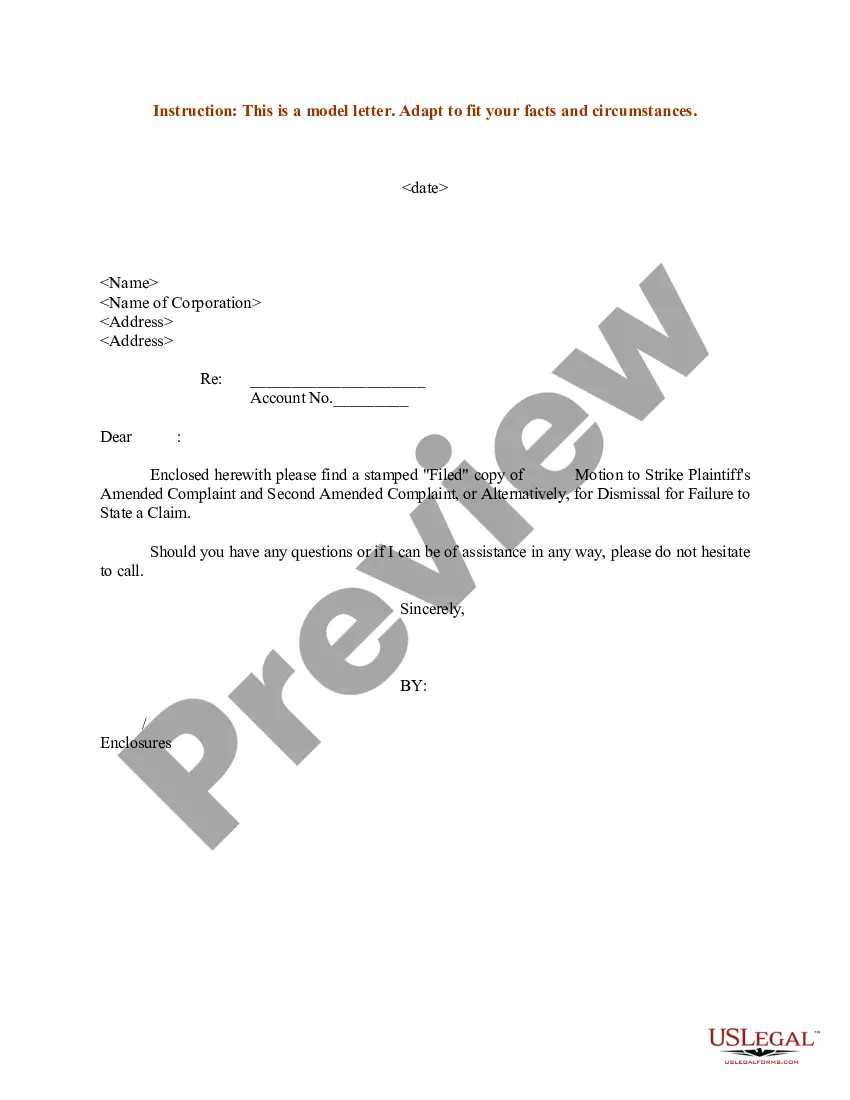
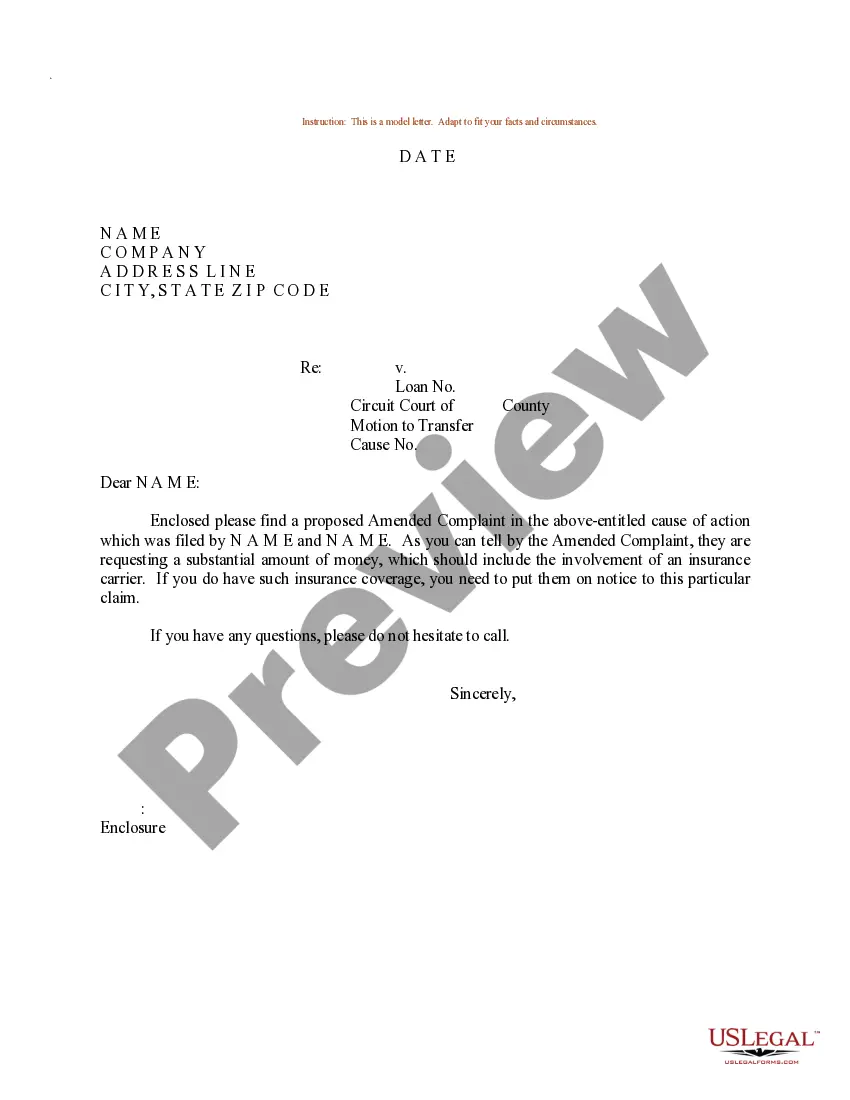
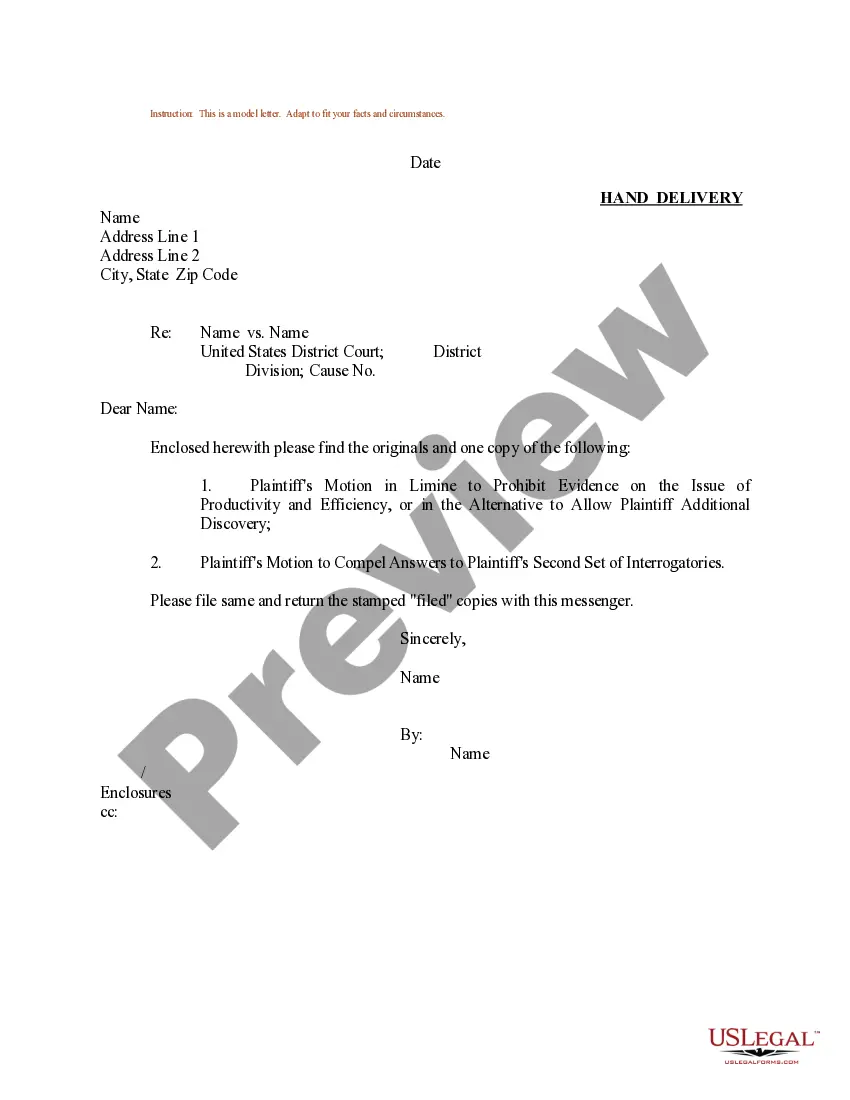
Amended Complaint Letter For Theft
Description
Get your form ready online
Our built-in tools help you complete, sign, share, and store your documents in one place.
Make edits, fill in missing information, and update formatting in US Legal Forms—just like you would in MS Word.
Download a copy, print it, send it by email, or mail it via USPS—whatever works best for your next step.
Sign and collect signatures with our SignNow integration. Send to multiple recipients, set reminders, and more. Go Premium to unlock E-Sign.
If this form requires notarization, complete it online through a secure video call—no need to meet a notary in person or wait for an appointment.
We protect your documents and personal data by following strict security and privacy standards.

Make edits, fill in missing information, and update formatting in US Legal Forms—just like you would in MS Word.

Download a copy, print it, send it by email, or mail it via USPS—whatever works best for your next step.

Sign and collect signatures with our SignNow integration. Send to multiple recipients, set reminders, and more. Go Premium to unlock E-Sign.

If this form requires notarization, complete it online through a secure video call—no need to meet a notary in person or wait for an appointment.

We protect your documents and personal data by following strict security and privacy standards.
Looking for another form?





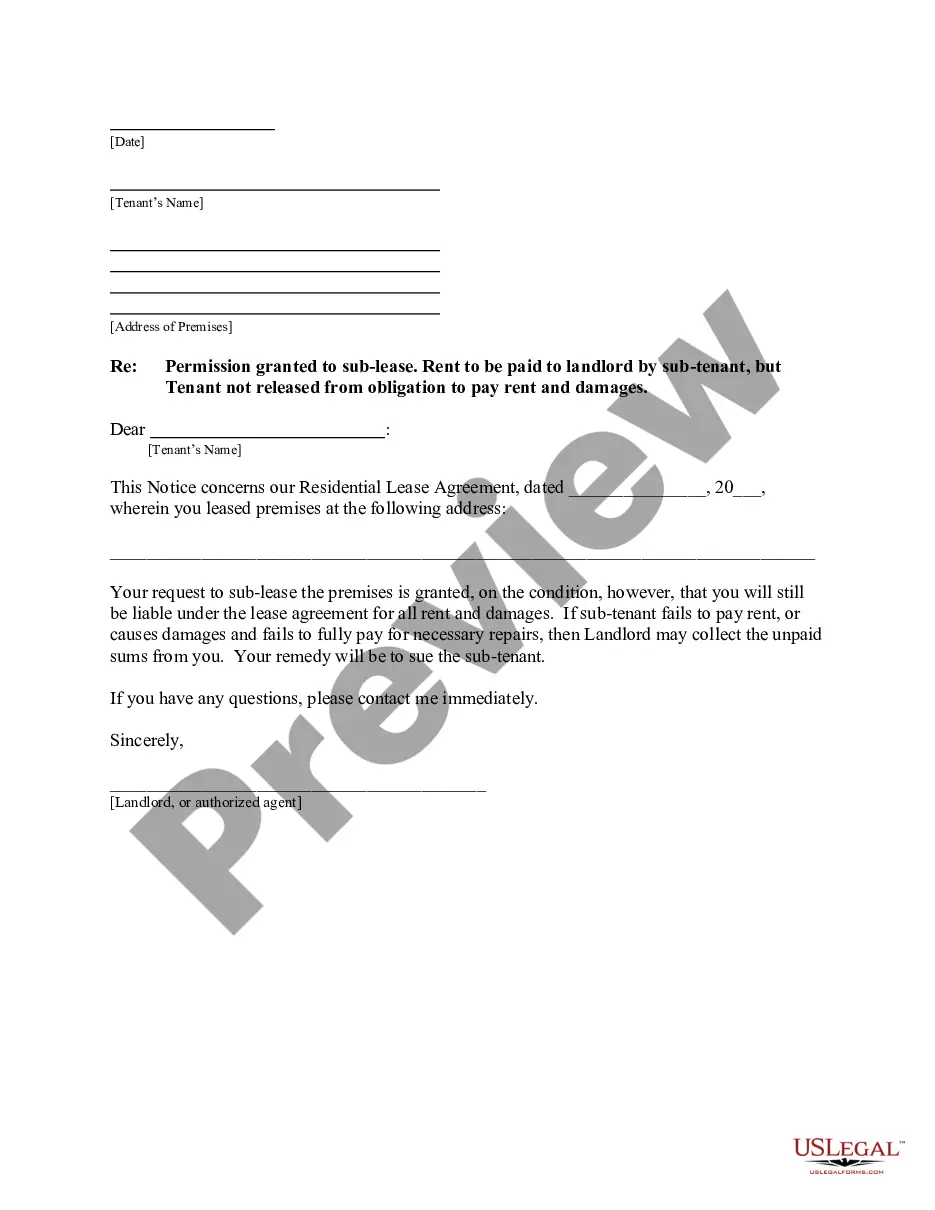



How to fill out Sample Letter For Motion To Strike Plaintiff's Amended Complaint?
- Log in to your US Legal Forms account if you're a returning user. Ensure your subscription is active to access and download your forms.
- If you're new, begin by browsing the extensive form library. Check the preview and descriptions to verify you select the right template for your needs.
- Should you need a different form, utilize the search feature to locate additional options that are better suited for your requirements.
- After selecting the appropriate document, click on the Buy Now button and choose a suitable subscription plan. Be sure to register your account for full access.
- Complete your purchase using your credit card or PayPal, ensuring all billing details are accurate.
- Finally, download your amended complaint letter for theft to your device. You can revisit and access it anytime through the My Forms section of your profile.
With US Legal Forms, users can benefit from a robust collection of over 85,000 legal forms, making it easier to find the right documents at a competitive cost.
Start your journey towards creating a legally sound amended complaint letter for theft by visiting US Legal Forms today and unlock the power of efficient legal documentation.
Form popularity
FAQ
Common grounds for amending a complaint letter for theft include correcting errors, adding new claims, or clarifying existing allegations. You may also include new evidence or facts that have surfaced since the original filing. Understanding these grounds can aid in effectively strengthening your case and achieving the best outcome.
To draft an effective amended complaint letter for theft, start with a clear title and identify all parties involved. Include your new claims or changes, ensuring each fact is well-supported and organized. It may be beneficial to explore resources offered by legal form providers like US Legal Forms to guide you through the drafting process, ensuring no important detail is overlooked.
Yes, an amended complaint letter for theft typically moots any existing motion to dismiss. The opposing party must respond to the newly created document, which may lead them to withdraw their motion. It is crucial to understand that this process allows you to present fresh information that could strengthen your case.
Filing an amended complaint letter for theft generally moots a demurrer. Since the demurrer addresses the original complaint’s faults, once you submit a new version, the grounds for the demurrer are no longer applicable. This means that the court will focus on the amended document and will not consider the earlier contention.
Yes, you can remove a case to federal court after filing an amended complaint letter for theft, but there are specific conditions. Typically, the removal must be based on a federal question or diversity jurisdiction. You'll need to ensure that the amended complaint does not alter the basis for removal, so review the details carefully before proceeding.
After you submit an amended complaint letter for theft, the opposing party has the opportunity to respond. They may choose to file a new motion to dismiss or answer your amended complaint. Additionally, the court will often set new deadlines for filings, so it is vital to stay organized and aware of any changes in your legal timeline.
When you file an amended complaint letter for theft, it can significantly impact any pending motions to dismiss. An amended complaint typically supersedes the original complaint, meaning the court will consider the new document as the primary reference. This may result in the court dismissing the motion to dismiss, as the new claims or details in your amended complaint can change the legal landscape.
An example of a pro se litigant is someone who files for divorce without an attorney. This individual may also need to draft an amended complaint letter for theft if related issues arise during the process. Taking this route allows them to avoid legal fees while managing their case personally.
The five types of pro se litigants include those who are self-representing in civil cases, family law cases, criminal cases, small claims, and administrative hearings. Each category involves distinct processes and requirements, similar to filing an amended complaint letter for theft. Understanding the type of case can greatly influence your approach.
A second amended complaint is a revised version of a legal document that has already been amended once. It provides another opportunity to clarify or expand upon legal claims, often including new facts or legal theories. Filing a second amended complaint letter for theft may help present your case more effectively.