Well Agreements With The Future
Description
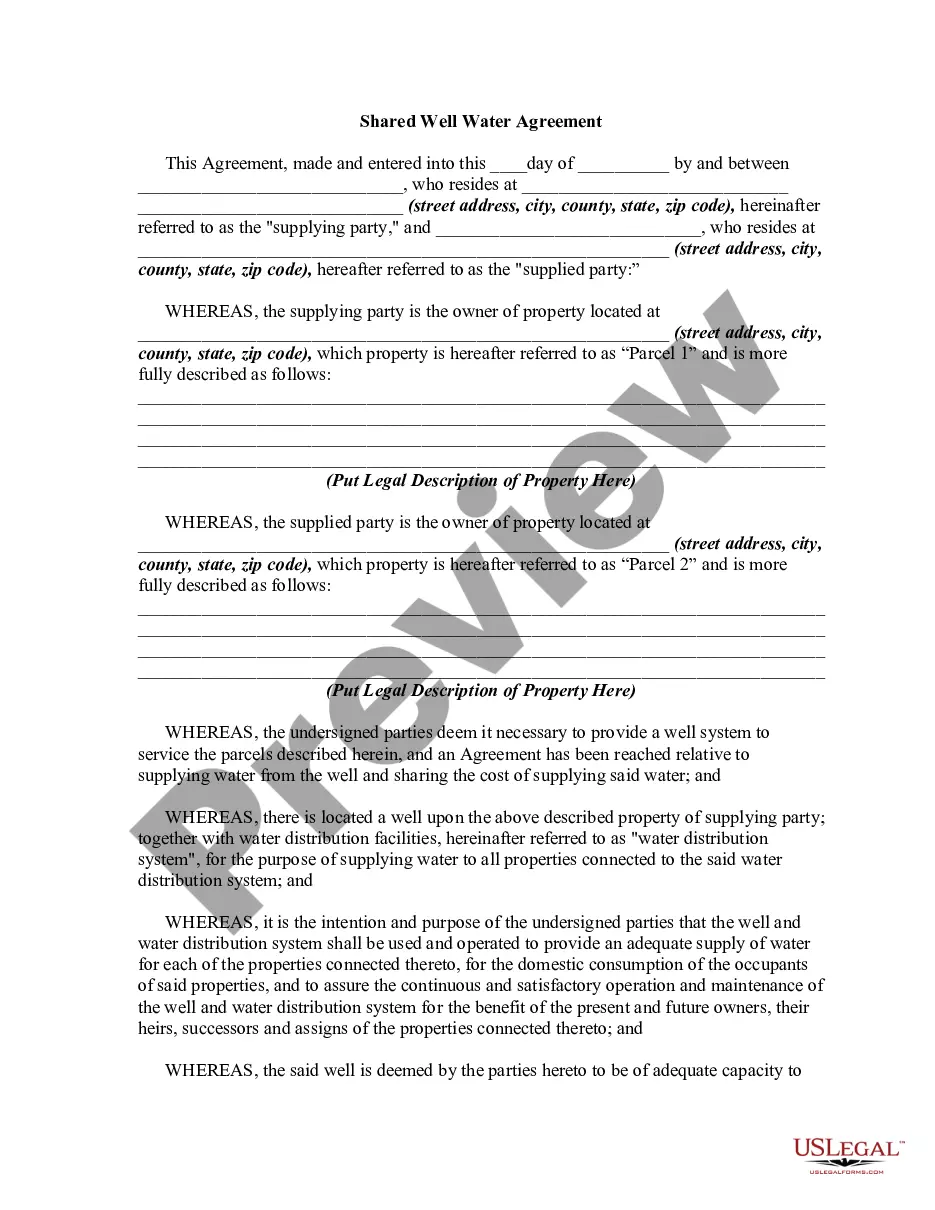
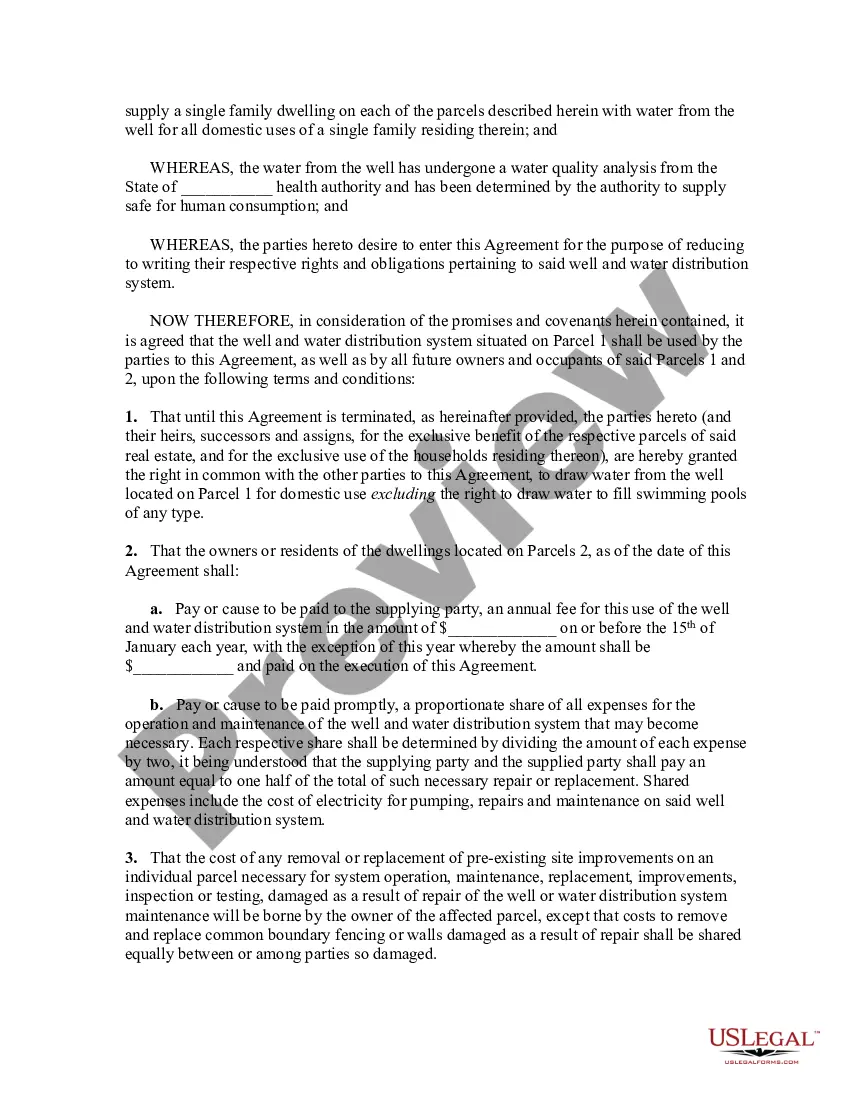
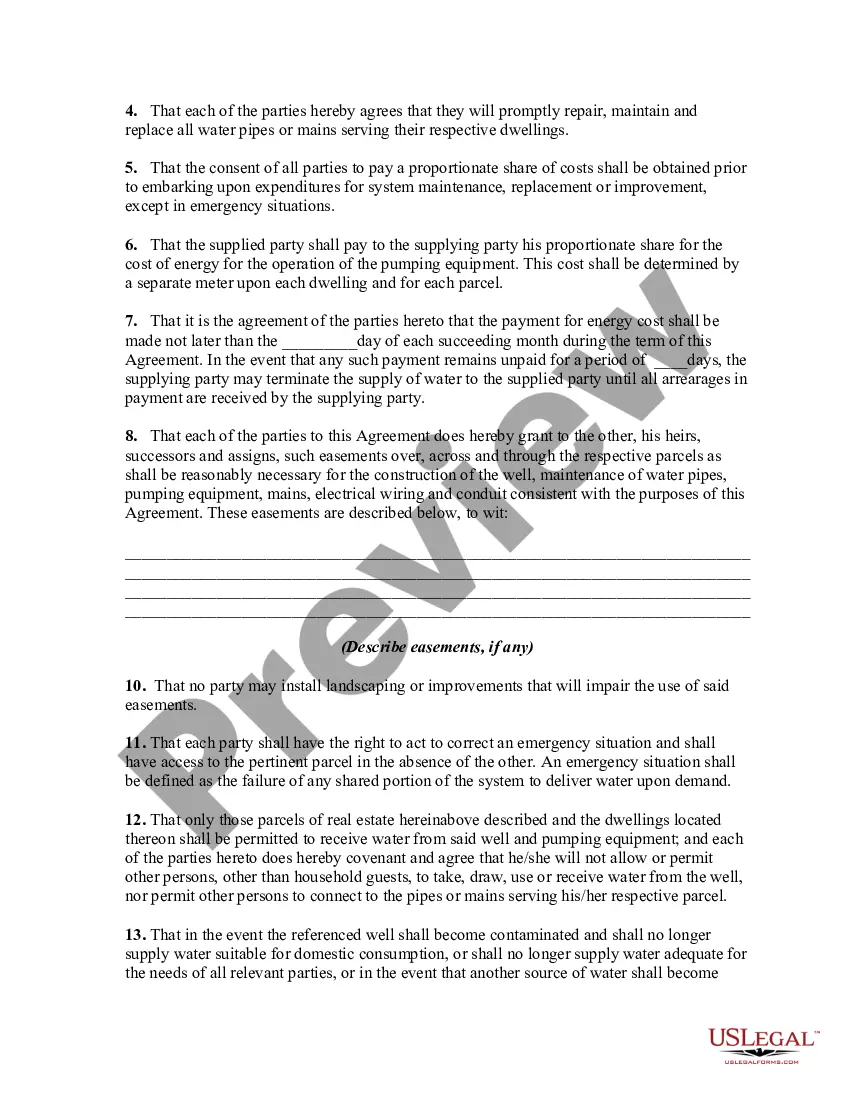
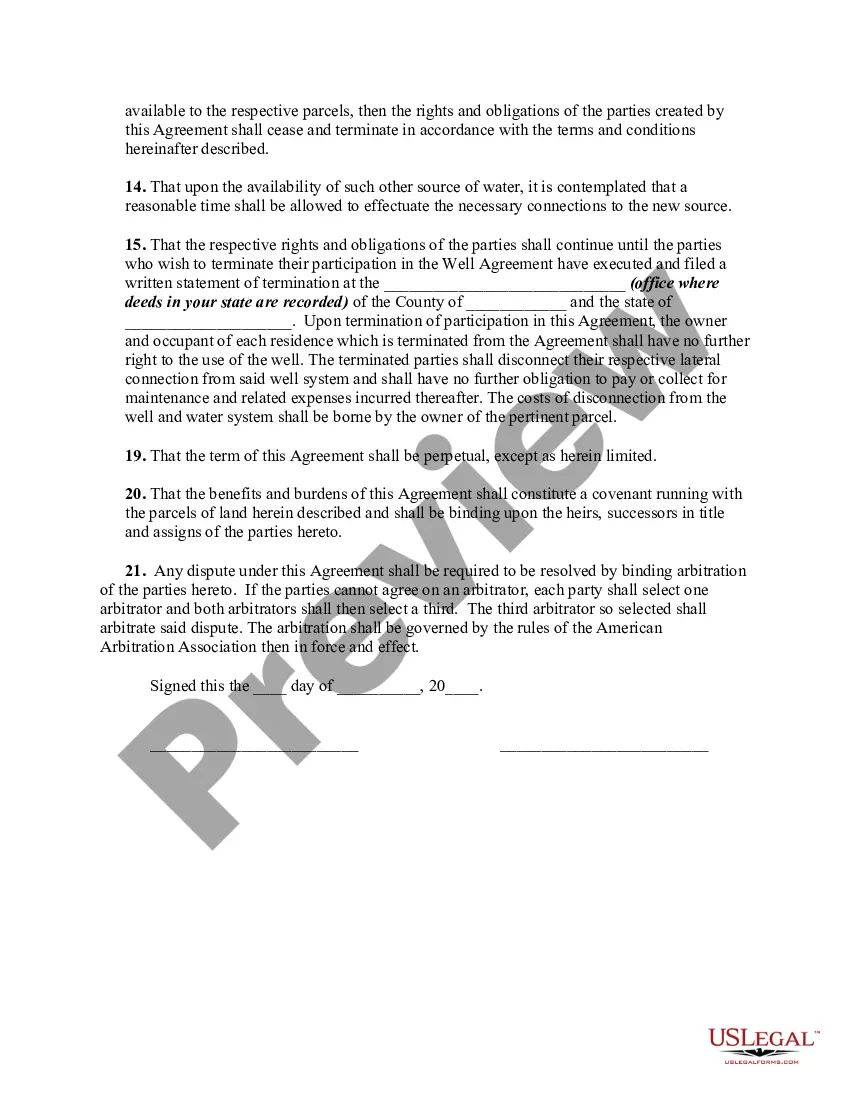
Get your form ready online
Our built-in tools help you complete, sign, share, and store your documents in one place.
Make edits, fill in missing information, and update formatting in US Legal Forms—just like you would in MS Word.
Download a copy, print it, send it by email, or mail it via USPS—whatever works best for your next step.
Sign and collect signatures with our SignNow integration. Send to multiple recipients, set reminders, and more. Go Premium to unlock E-Sign.
If this form requires notarization, complete it online through a secure video call—no need to meet a notary in person or wait for an appointment.
We protect your documents and personal data by following strict security and privacy standards.

Make edits, fill in missing information, and update formatting in US Legal Forms—just like you would in MS Word.

Download a copy, print it, send it by email, or mail it via USPS—whatever works best for your next step.

Sign and collect signatures with our SignNow integration. Send to multiple recipients, set reminders, and more. Go Premium to unlock E-Sign.

If this form requires notarization, complete it online through a secure video call—no need to meet a notary in person or wait for an appointment.

We protect your documents and personal data by following strict security and privacy standards.
Looking for another form?
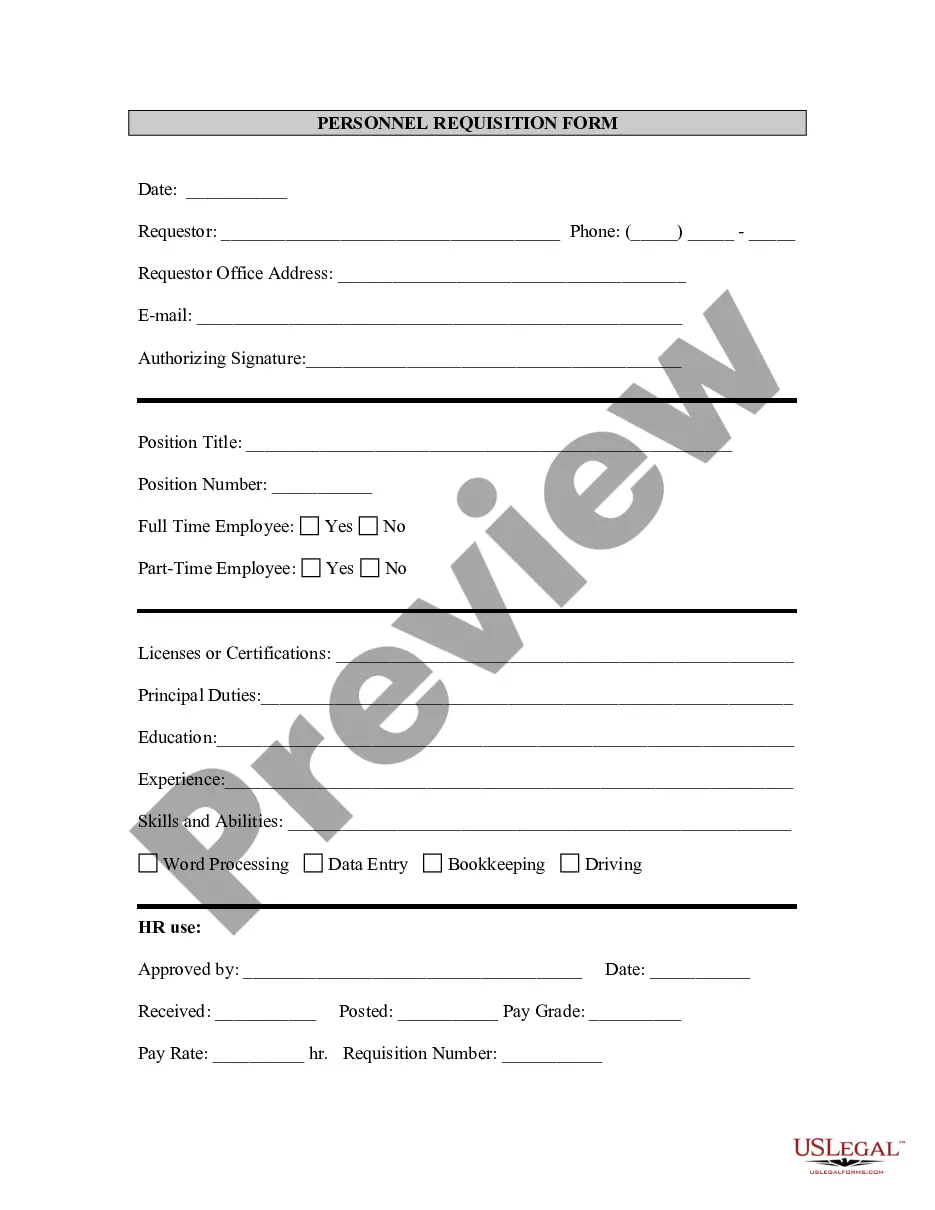
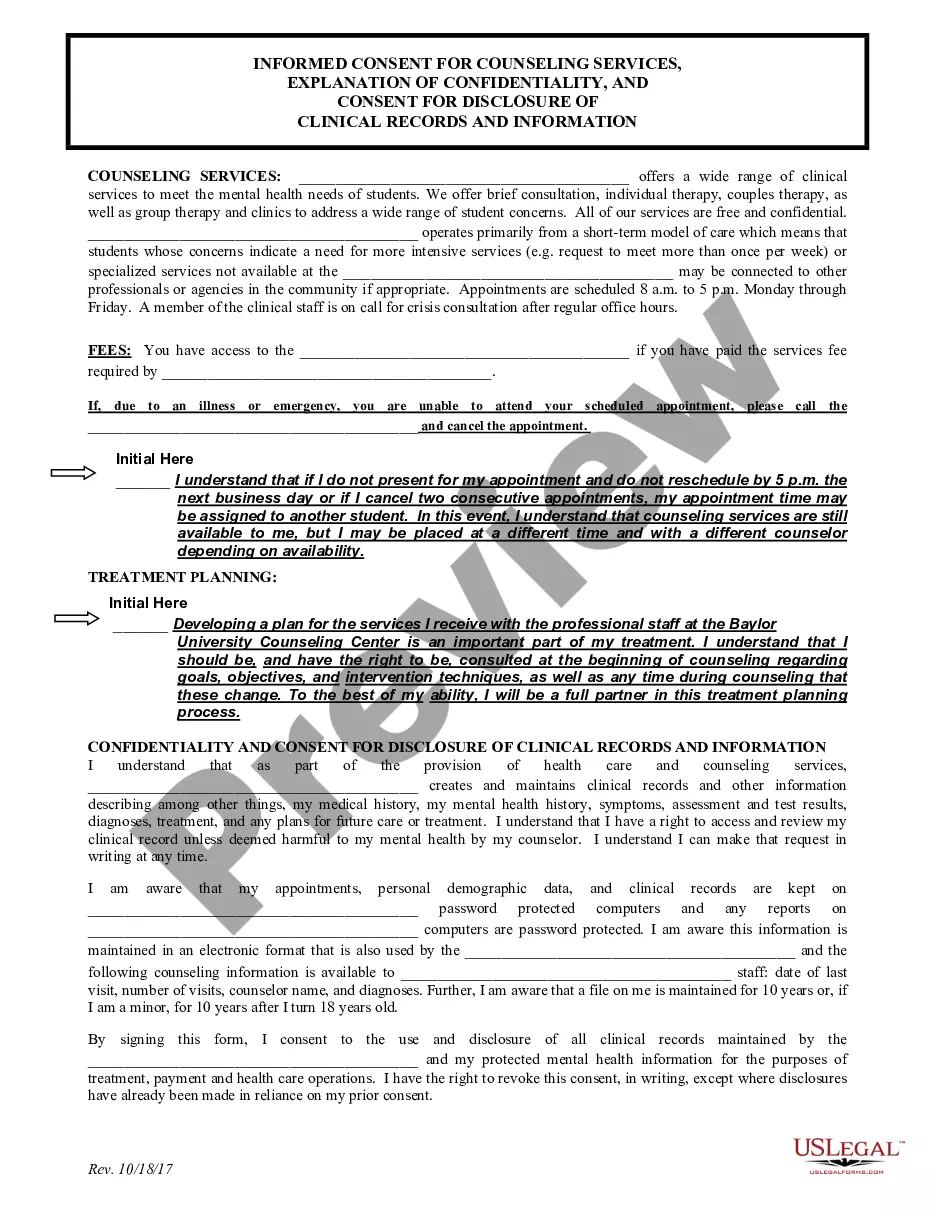
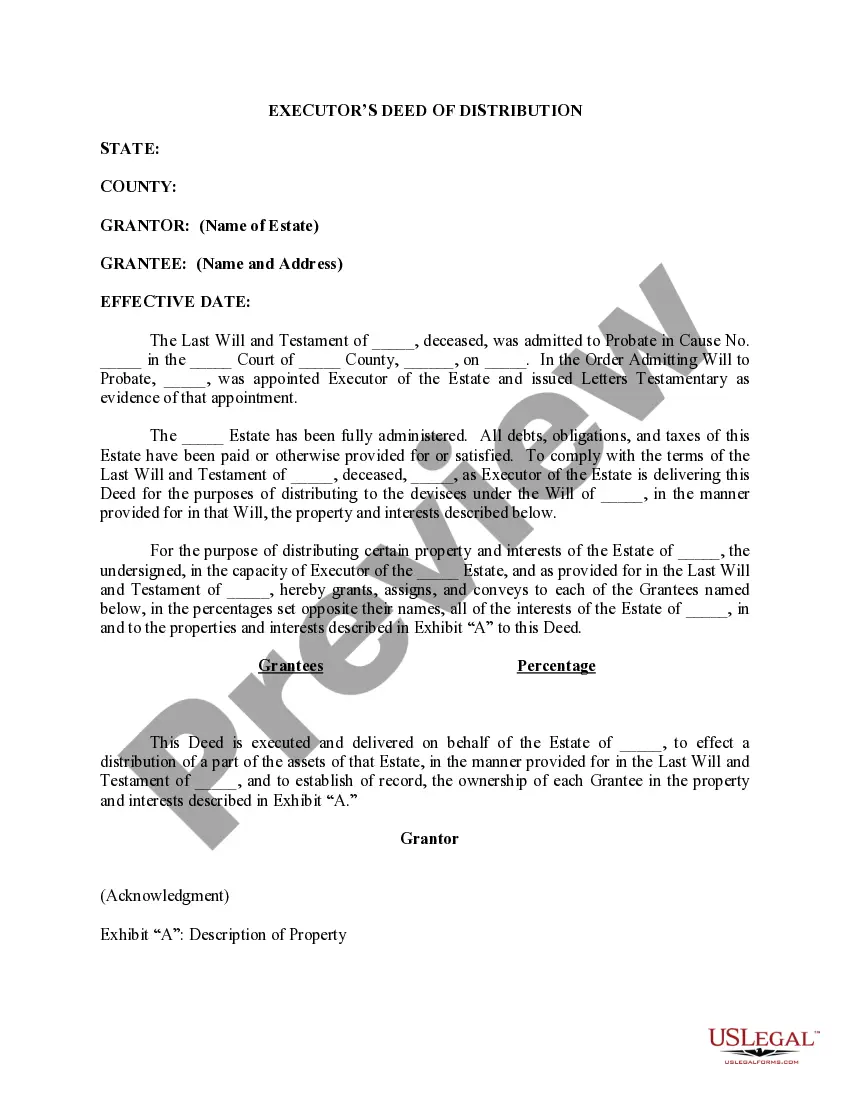
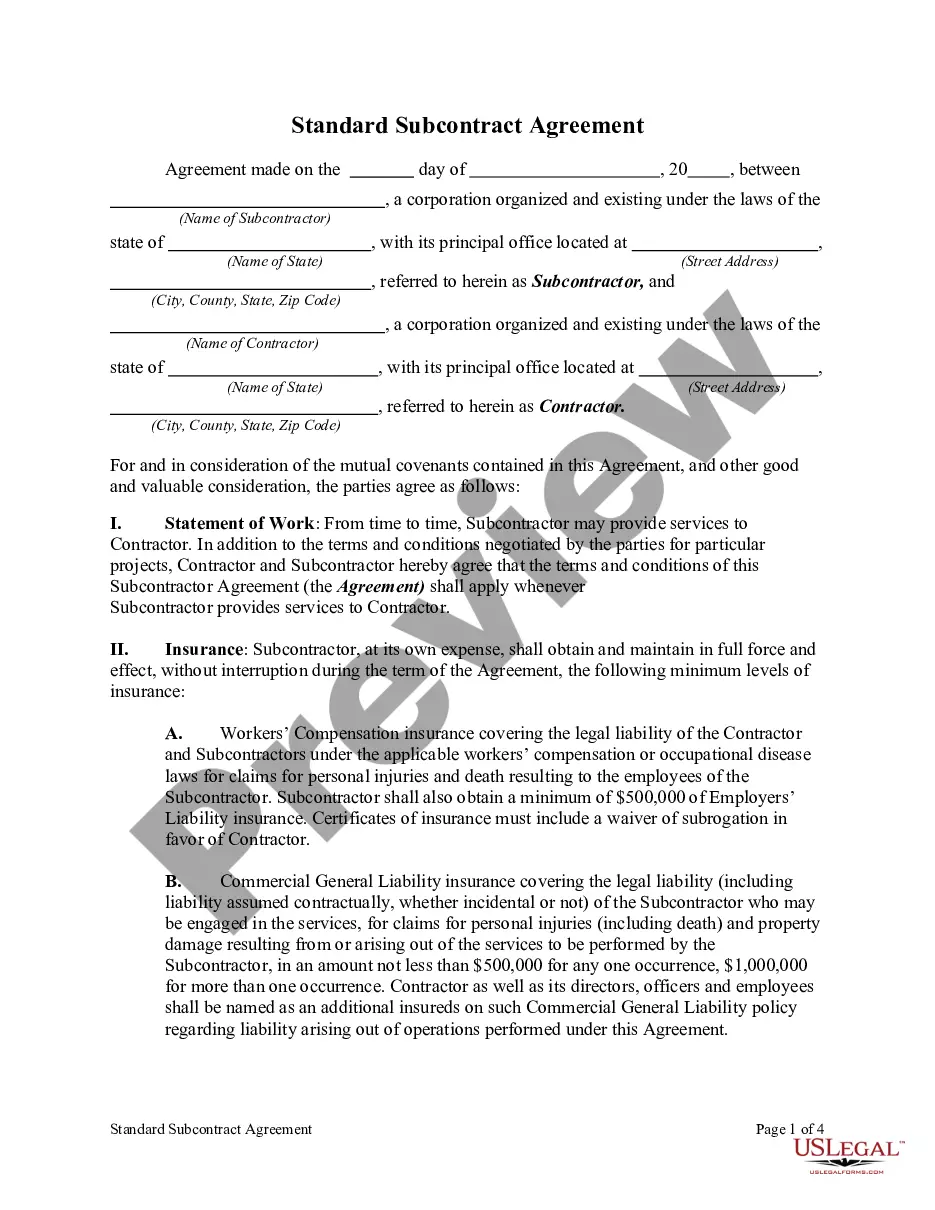


How to fill out Shared Well Water Agreement?
- If you're a past user, log in to your account. Confirm your subscription is active; if not, renew it as per your payment schedule.
- Explore the Preview mode and form description to select the appropriate template that aligns with your specific needs and meets local legal requirements.
- Should the selected template not suit your needs, utilize the Search tab to find alternatives. Ensure the chosen document is correct before proceeding.
- Purchase the required document by clicking on the Buy Now button, and select a subscription plan that fits your requirements. You'll need to register for an account to access the library.
- Complete your purchase using your credit card details or PayPal to finalize your subscription.
- Once the transaction is complete, download the document onto your device. Access your forms later from the My Forms section of your profile.
By leveraging US Legal Forms, you can quickly create legally sound agreements suited to your needs. With over 85,000 editable forms and the option to consult with experts, you can be confident in your choices.
Don't wait—start creating your well agreements with the future today by visiting US Legal Forms!
Form popularity
FAQ
Creating a simple written agreement starts with clearly stating the purpose and parties involved. Use straightforward language to describe the terms and conditions, ensuring all parties understand their rights and obligations. It is beneficial to incorporate a section for signatures to confirm acceptance of the agreement. For guidance, uslegalforms offers templates that can help you craft well agreements with the future efficiently and effectively.
The number of houses that can share a well depends on various factors, including the well's capacity and local regulations. Typically, a well designed for shared use can serve multiple homes, but it is critical to ensure sufficient water supply for each household. Well agreements with the future should clearly define each property's usage rights to avoid conflicts. Additionally, check with local authorities for specific guidelines regarding shared wells.
Writing a shared well agreement involves outlining the terms of use for the well, specifying rights and responsibilities of each party involved. Include details such as water usage limits, maintenance responsibilities, and dispute resolution procedures. With uslegalforms, you can easily access templates tailored for well agreements with the future. This will make the drafting process more straightforward and ensure that all necessary elements are covered.
To establish a shared well, you must first ensure that the water source complies with health and safety regulations. Each user must have an equitable access share defined in the well agreements with the future. It is also essential to consider permits or approvals from local authorities. Consulting a professional can help you navigate this process effectively.
Some agreements are not enforceable due to their nature or terms. For instance, agreements with uncertain terms, illegal activities, or without mutual consideration often fall into this category. Well agreements with the future can also be unenforceable if they lack clear obligations or enforceable timelines. It's essential to draft agreements carefully to avoid these pitfalls and ensure that terms are clear and agreed upon by all parties.
To enforce a well agreement, you must first ensure it meets all valid contract requirements. If disputes arise, documentation is crucial to demonstrate the terms and intentions of the parties involved. Typically, this may involve negotiation, mediation, or, if necessary, legal action to recourse. Keeping accurate records and working with legal professionals can further facilitate enforcement of these well agreements with the future.
To create a valid contract, you must meet five key requirements: an offer, acceptance, consideration, mutual assent, and legal purpose. These elements ensure that the contract, including well agreements with the future, is enforceable and recognized by law. Each party must agree to the terms willingly and voluntarily. Additionally, ensure that the contract does not violate any laws, which could jeopardize its validity.
An agreement to agree in the future refers to an arrangement in which parties express their intent to finalize a contract later. While this can be beneficial for negotiations, it generally lacks enforceability, especially concerning well agreements with the future. To avoid potential misunderstandings, it’s essential to include specific terms and timelines in the agreement. This clarity can lead you to a successful binding contract.
Yes, you can date an agreement in the future, known as a forward-dated agreement. In the context of well agreements with the future, this allows parties to establish obligations that will take effect at a later date. However, you should ensure that the terms are clear and that all parties agree to the future date. This practice is often used for planning purposes in various legal contexts.
An agreement to agree in the future is often seen as unenforceable in legal terms. Such agreements lack the necessary specificity and binding elements to be considered valid. It's advisable to create well agreements with the future that clearly outline all parties' commitments and expectations. This approach not only increases legal compliance but also enhances clarity among users.